Why precision navigation still fails near busy ports
Why precision navigation still fails near busy ports
Precision navigation is often marketed as a solved problem, yet busy ports expose its weakest assumptions.
Dense vessel traffic, multipath reflections from cranes, GNSS interference, AIS latency, and shifting harbor constraints can turn high-grade positioning into uncertain guidance.
The real question is not whether precision navigation performs well offshore.
The question is how it degrades, cross-checks, and recovers when electromagnetic, sensor, and human decision layers collide.
What does precision navigation mean inside a congested port?
In open water, precision navigation usually means accurate position, stable heading, predictable route tracking, and reliable timing.
Inside a port, the definition becomes stricter and more operational.
A vessel must know where it is, what is nearby, and which constraint matters first.
Berths, turning basins, breakwaters, tug movements, dredging zones, and temporary traffic rules compress decision time.
Precision navigation therefore becomes a fusion problem, not only a positioning problem.
GNSS, radar, ECDIS, AIS, sonar, inertial sensors, cameras, and port data must agree enough to support safe action.
When they disagree, the system must reveal uncertainty, not hide it behind a smooth display.
This is where many precision navigation solutions still struggle near busy ports.
- Position accuracy must remain useful beside metal infrastructure.
- Heading and speed must stay stable during low-speed maneuvers.
- Hazard data must update faster than the harbor situation changes.
- Alerts must help decisions without causing alarm fatigue.
Why do GNSS signals become unreliable near cranes and container stacks?
GNSS performance depends on clean satellite geometry and predictable signal paths.
Busy ports rarely provide either condition.
Container stacks, ship superstructures, gantry cranes, fuel tanks, and terminal buildings reflect satellite signals.
The receiver may process both direct and reflected signals, creating multipath errors.
These errors can be intermittent, location-specific, and difficult to detect from coordinates alone.
A displayed position may look stable while being biased several meters.
For precision navigation, several meters can separate a safe passing line from a collision risk.
Interference adds another layer.
Intentional jamming, accidental emissions, faulty equipment, and nearby radio systems can degrade reception.
Spoofing is rarer but more serious because it can make false coordinates appear credible.
A robust precision navigation design should not treat GNSS as a single source of truth.
It should compare satellite positioning with inertial motion, radar ranges, charted references, and visual or lidar cues where available.
What should degradation look like?
Good degradation is visible, bounded, and explainable.
Bad degradation is silent confidence during growing uncertainty.
Precision navigation should show quality indicators, sensor disagreement, and confidence changes in plain operational language.
How do AIS latency and traffic density undermine precision navigation?
AIS improves awareness, but it is not a real-time collision oracle.
Transmission intervals vary by vessel speed, class, equipment condition, and network congestion.
Near busy ports, target updates may arrive late, duplicated, incomplete, or temporarily missing.
Small craft, service boats, work barges, and some local traffic may transmit poorly or not at all.
Precision navigation can fail when AIS targets are treated as exact, current, and complete.
A target shown on screen may already have altered course.
Another target may be hidden behind radar clutter or absent from AIS entirely.
Traffic density also changes the meaning of alerts.
A warning that is useful offshore may become noise inside a fairway with dozens of crossing objects.
Precision navigation must prioritize conflicts by motion, proximity, maneuverability, and navigational rules.
It should separate urgent collision threats from routine close-quarters traffic.
Why does sensor fusion sometimes create false confidence?
Sensor fusion is essential for precision navigation, but it is not magic.
Fusion depends on assumptions about sensor errors, timing, calibration, and environmental behavior.
Near ports, these assumptions can break simultaneously.
Radar may suffer clutter from quay walls and moving cranes.
Cameras may be affected by rain, glare, fog, or night lighting.
Sonar may be disturbed by shallow-water reflections, propeller wash, or uneven seabed profiles.
Inertial systems drift unless corrected by external references.
If the fusion engine overweights a compromised sensor, precision navigation can appear more certain than it is.
The display may smooth out disagreement instead of exposing it.
This creates operational risk because smoothness is often mistaken for truth.
How should sensor disagreement be handled?
A mature precision navigation system should detect disagreement early.
It should classify the likely source, reduce confidence, and recommend cross-checks.
The goal is not constant perfection.
The goal is controlled uncertainty and recoverable decision support.
- Time synchronization should be verified across all navigation sensors.
- Calibration drift should be logged, not ignored.
- Confidence scores should reflect local port conditions.
- Fallback modes should be tested before harbor entry.
How do changing port rules and chart data affect precision navigation?
Ports are dynamic operating environments.
Berths close, channels are dredged, exclusion zones appear, and traffic schemes change.
Weather restrictions, security events, construction works, and emergency movements can alter safe routes quickly.
Precision navigation fails when digital guidance depends on stale environmental assumptions.
ECDIS charts, port notices, pilot instructions, bathymetric data, and route plans must remain aligned.
Cloud-based update protocols can help, but update speed is only one factor.
Data authority, validation status, and system compatibility matter as much as freshness.
A new layer can still create risk if it conflicts with existing route logic.
For GNCS, this is part of a wider intelligence challenge.
Marine systems, automotive safety, and smart cabin technologies all depend on trustworthy data under pressure.
Whether the task is piloting a ship or absorbing crash energy, hidden assumptions reduce safety margins.
What update discipline is practical?
Before port approach, route constraints should be checked against official and local sources.
After updates, alarms, safety contours, under-keel settings, and no-go areas should be revalidated.
Precision navigation improves when data governance is treated as a safety function.
What are the biggest mistakes when evaluating precision navigation for port operations?
The first mistake is testing only in clean conditions.
Open-water trials cannot represent multipath, traffic compression, and port-side radio noise.
The second mistake is focusing on headline accuracy.
Centimeter claims mean little if failure detection is weak.
The third mistake is ignoring human workload.
Precision navigation should reduce ambiguity, not flood screens with competing warnings.
The fourth mistake is assuming automation always improves consistency.
Automation can amplify bad data if supervision, fallback logic, and alert design are weak.
The fifth mistake is separating equipment evaluation from compliance evolution.
Maritime regulations, port requirements, cybersecurity expectations, and reporting rules continue to change.
Precision navigation should be assessed as a lifecycle capability, not a one-time installation.
What should a resilient precision navigation strategy include?
A resilient strategy starts with layered perception.
GNSS should be supported by radar, inertial sensing, chart correlation, AIS, and local environmental data.
The second layer is uncertainty management.
Precision navigation should present confidence, not just coordinates.
The third layer is operational validation.
Systems should be tested against representative port scenarios, including interference, clutter, low visibility, and high traffic density.
The fourth layer is update discipline.
Charts, notices, routes, software, cybersecurity patches, and sensor configurations need controlled change management.
The fifth layer is decision clarity.
Displays should separate critical conflicts from background information and support rapid verification.
This approach aligns with the GNCS focus on precision spatial perception and physical containment protection.
In both domains, safety depends on knowing when conditions exceed design assumptions.
Practical next steps
- Map the port-specific sources of GNSS reflection and interference.
- Define acceptable degradation modes before harbor entry.
- Audit AIS, radar, inertial, and ECDIS timing alignment.
- Test alert behavior under dense traffic simulations.
- Treat chart and software updates as controlled safety events.
FAQ: quick answers about precision navigation near ports
Conclusion: precision navigation must prove resilience, not perfection
Busy ports expose the limits of simplified navigation claims.
Precision navigation fails when it trusts clean signals, complete traffic data, or static harbor conditions too much.
The strongest systems combine layered sensing, transparent uncertainty, disciplined updates, and practical fallback behavior.
The next step is to evaluate precision navigation under the same pressure that busy ports create daily.
That means testing degradation, not only accuracy, and treating every assumption as a safety-critical design choice.
Related News
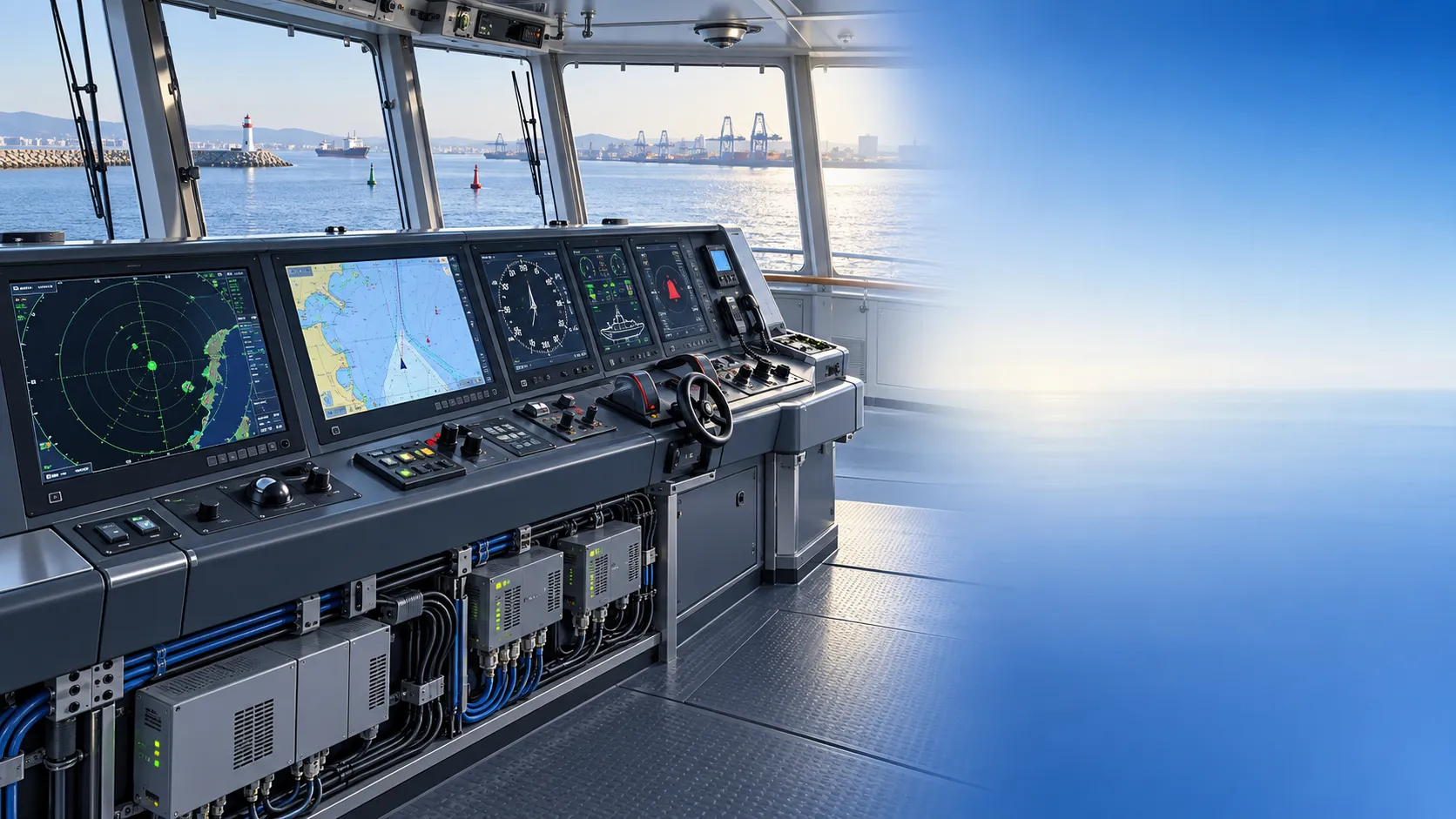
How to Specify Integrated Marine Electronics for Reliable Bridge Operations
Integrated marine electronics: learn how to specify reliable bridge systems with clear data flows, redundancy, alarm control, lifecycle interfaces, and operational testing.
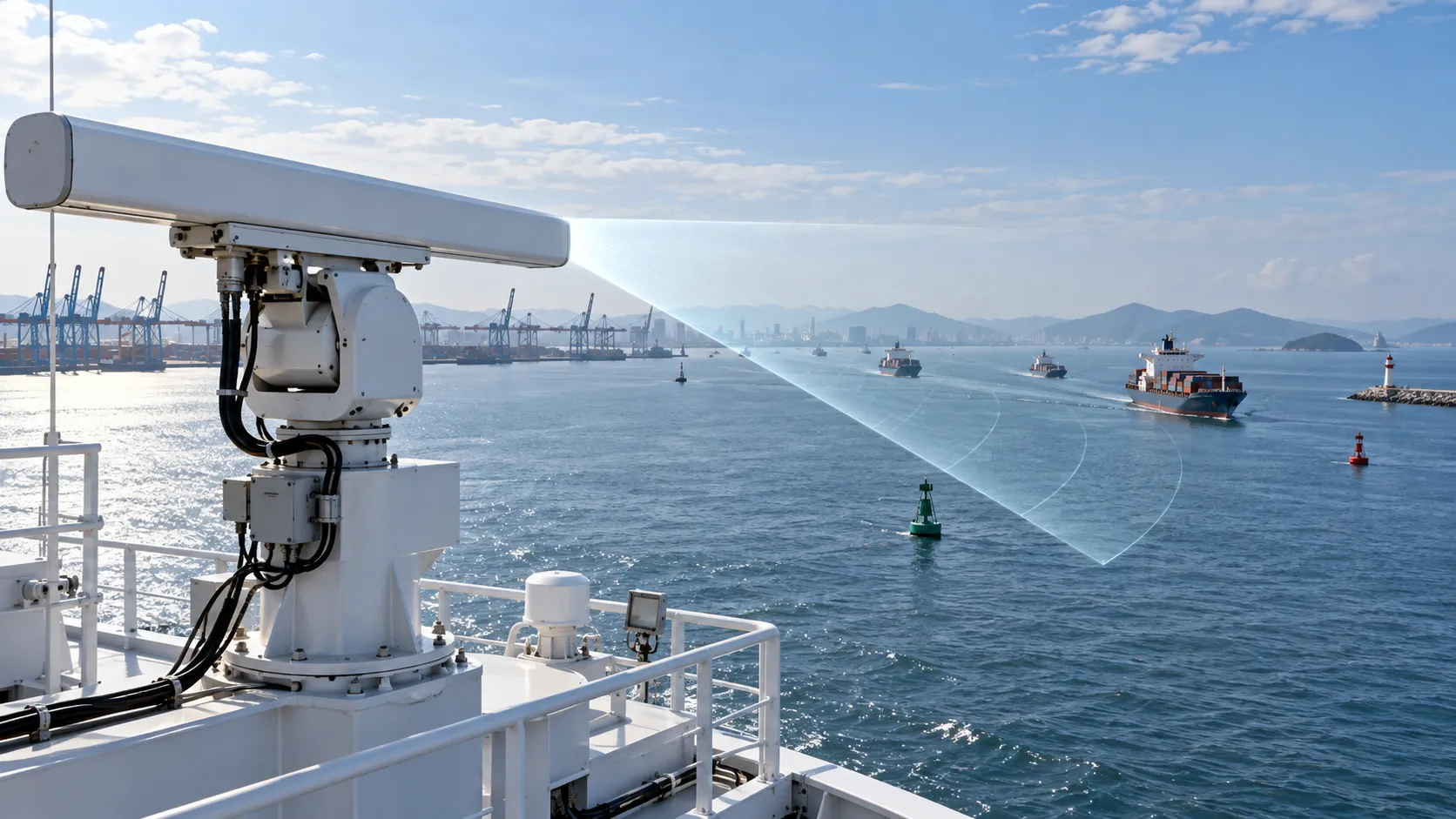
How to Evaluate Navigation Radar Manufacturers for Commercial Vessel Projects
Navigation radar manufacturers: learn how to compare performance, compliance, integration, support, and lifecycle cost for commercial vessel projects.

How Adjustable Cabin Ergonomics Reduce Operator Fatigue in Long-Shift Vehicles
Adjustable cabin ergonomics reduces operator fatigue through better seating, reach, visibility, vibration control, and climate comfort for safer long-shift vehicles.

How Rear-Impact Safety Components Work Together to Protect Vehicle Occupants
Explore how automotive safety components for rear impact work together—from crash structures and seats to head restraints and belts—to enhance occupant protection.
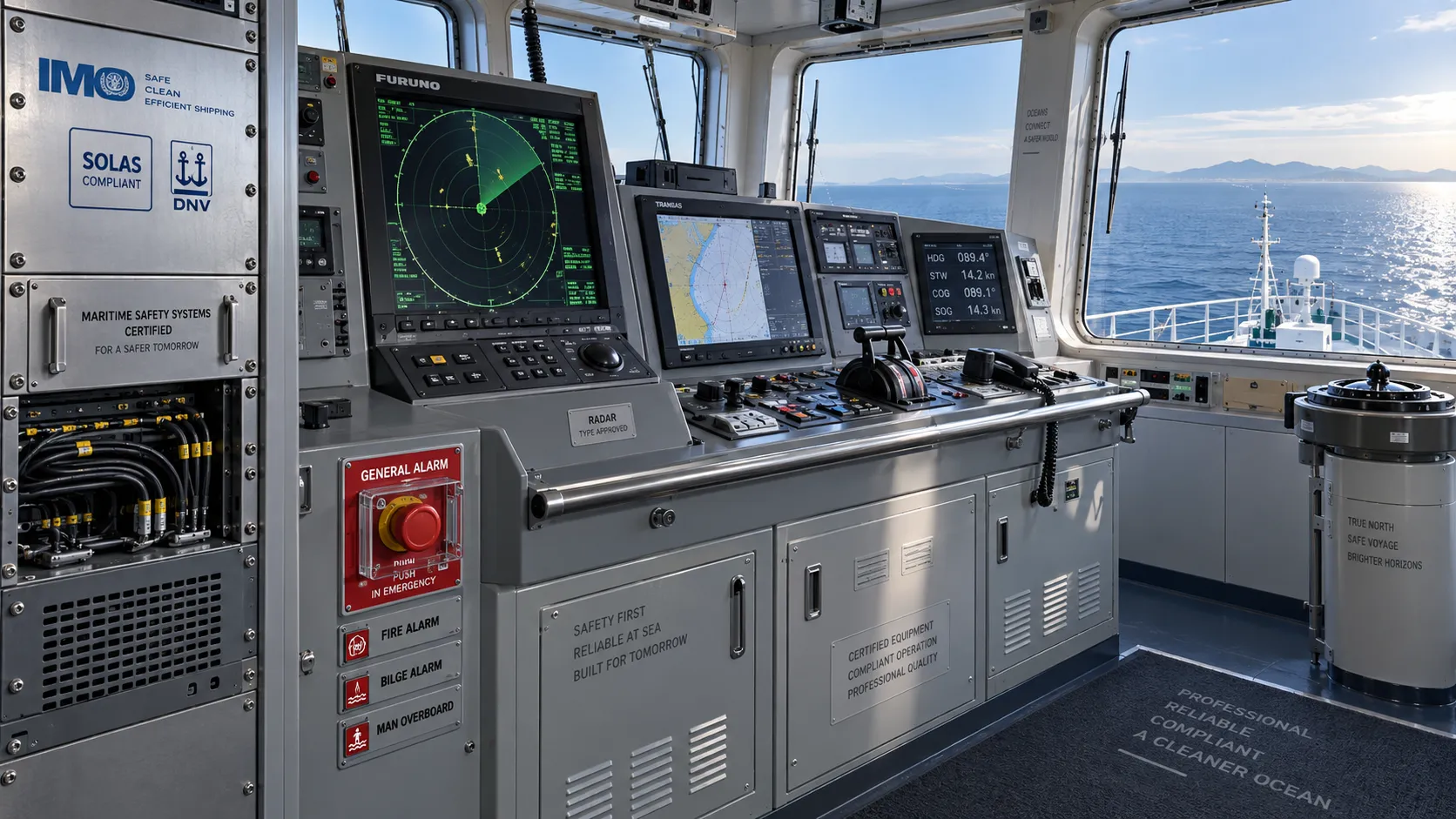
How to Evaluate a Marine Safety Systems Manufacturer for Vessel Compliance and Reliability
Marine safety systems manufacturer evaluation guide: verify compliance, engineering quality, lifecycle costs, and global service support for safer, reliable vessel operations.

Crash Test Regulations for Seatbelts: Key Compliance Requirements Explained
Crash test regulations seatbelts explained: explore FMVSS, UN rules, anchorage strength, and dynamic restraint testing for safer, compliant vehicle systems.

How to Calculate the Total Cost of Automotive Lightweighting for a Vehicle Program
Automotive lightweight solutions cost: learn how to calculate program-level costs, including materials, tooling, joining, validation, risk, and vehicle-level value.

How Automotive Seat Occupancy Sensing Improves Airbag Deployment Decisions
Automotive seat occupancy sensing helps optimize airbag deployment decisions, improving passenger classification, safety diagnostics, and compliance across real-world conditions.

What Drives Lightweight Body Component Costs in High-Volume Vehicle Programs?
Lightweight body components cost depends on material yield, forming, joining, tooling, validation, and logistics. Explore proven ways to optimize total vehicle program cost.
Related News
- 00
0000-00
How to Choose a Marine Positioning Solutions Supplier in Europe for Offshore and Port Operations - 00
0000-00
Marine Positioning Solutions Provider Comparison: GNSS, Accuracy, and Integration Factors - 00
0000-00
Marine Electromagnetic Navigation Accuracy vs GNSS: Which Performs Better Near Interference? - 00
0000-00
Marine Electromagnetic Navigation Accuracy: What Affects Position Stability at Sea? - 00
0000-00
Marine Positioning Systems Exporter Selection: What to Check in GNSS Accuracy, Compliance, and Support
Weekly Insights
Stay ahead with our curated technology reports delivered every Monday.