
How to Choose a Marine Positioning Solutions Supplier in Europe for Offshore and Port Operations
Choosing a marine positioning solutions supplier Europe is rarely a simple equipment decision. In offshore fields and busy ports, positioning accuracy shapes safety margins, vessel coordination, and schedule certainty.
The real evaluation goes beyond a product sheet. A capable partner must align signal performance, regulatory compliance, onboard integration, and field support with the realities of harsh marine operations.
That is why the topic matters across the wider mobility and safety landscape. GNCS tracks this space through the lens of precision spatial perception, where reliable navigation data becomes a foundation for operational control and risk containment.
Why supplier choice matters more in Europe
Europe combines dense port traffic, strict compliance expectations, and demanding offshore environments. Suppliers serving this market are expected to support both technical performance and documentation discipline.
In the North Sea, Baltic routes, Atlantic terminals, and Mediterranean hubs, positioning errors do not create only local inconvenience. They can affect berthing windows, construction sequencing, fuel use, and incident exposure.
A marine positioning solutions supplier Europe often works across dredging, offshore wind, subsea installation, harbor tug operations, and terminal modernization. Each use case places different pressure on latency, redundancy, and environmental resilience.
For that reason, supplier selection should be treated as a project risk decision. It belongs alongside vessel readiness, marine warranty assumptions, and control-system integration planning.
What marine positioning solutions really include
The term covers more than GNSS receivers. In practical deployment, it may include RTK or PPP correction services, heading references, inertial sensors, antennas, software interfaces, and alarm logic.
Many offshore and port operations also depend on integration with AIS, ECDIS, dynamic positioning systems, sonar inputs, and shore-based control platforms. Performance comes from the whole architecture, not from one device.
This system view matches the GNCS approach to high-precision navigation intelligence. The strongest outcomes appear when signal processing, operational safety, and compliance requirements are assessed together rather than in isolation.
Core capability areas to verify
- Position accuracy under real sea-state and multipath conditions
- Update rate and latency for maneuvering or installation work
- Redundancy design for signal loss, jamming, or sensor failure
- Compatibility with vessel automation and port management systems
- Support for class, flag, and regional certification needs
The criteria that separate a credible supplier from a basic vendor
A credible marine positioning solutions supplier Europe should be able to explain where its performance claims come from. Test methods, reference environments, and failure assumptions should be clear and reviewable.
Accuracy claims without operational context are not enough. A port approach channel, a jack-up installation site, and a dredging corridor all create different interference and continuity challenges.
Compliance and certification depth
European buyers usually need strong evidence around CE marking, marine equipment approvals, cybersecurity expectations, and class-related documentation. The supplier should already understand the approval path for the target deployment.
That matters especially when systems connect to bridge electronics or control networks. Delays often come not from hardware lead time, but from incomplete certification files and interface validation.
Integration capability
A supplier that only ships devices can create hidden engineering work later. Data protocols, calibration procedures, antenna placement rules, and software update methods should be settled before award.
GNCS has highlighted similar patterns across mobility systems: technical value increases when component behavior is understood in the context of the full operating environment.
Lifecycle support
The best marine positioning solutions supplier Europe is often the one with the most dependable support model, not the lowest upfront price. Offshore downtime can erase apparent savings very quickly.
Support should include remote diagnostics, local service reach, spare parts planning, firmware governance, and defined escalation routes. These points deserve the same scrutiny as accuracy figures.
How requirements change by operating scenario
Different operations prioritize different performance thresholds. A supplier should show how its solution behaves in the exact scenario under consideration, not only in generic marine conditions.
This scenario-based review prevents overbuying in simple operations and under-specifying in complex ones. It also makes supplier comparison far more realistic.
Questions that reveal real delivery strength
Supplier presentations usually look similar at a high level. The difference appears when discussions move from features to evidence, constraints, and operational accountability.
- Which correction sources are supported, and how is continuity managed across regions?
- What documented uptime has been achieved in comparable European projects?
- How are software updates validated for ECDIS or bridge-network compatibility?
- What local commissioning resources are available near the target port or offshore base?
- How quickly can failed components be replaced during a live campaign?
- What training is included for operators, integrators, and maintenance teams?
These questions are useful because they expose the supplier’s operating maturity. A strong marine positioning solutions supplier Europe answers with records, methods, and named responsibilities.
Reading market signals beyond price
Price remains relevant, but it should be placed inside total project economics. Integration effort, lead-time risk, maintenance burden, and service responsiveness often matter more than headline equipment cost.
This is where an intelligence-led view becomes useful. GNCS follows not only equipment trends, but also the compliance shifts and digital update practices that affect long-term navigation reliability.
For example, cloud-based update governance, cybersecurity hygiene, and data interoperability are now part of positioning system value. Older selection models focused too narrowly on hardware precision alone.
A marine positioning solutions supplier Europe with a strong roadmap should be able to discuss resilience against signal disruption, software maintenance discipline, and future integration with smarter port ecosystems.
A practical shortlist framework
Before moving to final selection, it helps to build a structured shortlist. This keeps technical and commercial discussions tied to the same project logic.
Use four screening layers
- Operational fit: proven performance in matching offshore or port conditions
- Assurance fit: certifications, testing records, and cybersecurity discipline
- Integration fit: clean compatibility with vessel, bridge, and terminal systems
- Support fit: response times, spares access, and regional service coverage
Shortlisting this way also helps internal alignment. Technical teams, operations planners, and commercial stakeholders can compare suppliers against shared criteria rather than separate assumptions.
Where to focus next
Selecting a marine positioning solutions supplier Europe starts with defining the mission profile in detail. Accuracy targets, continuity thresholds, interfaces, and compliance needs should be written before supplier scoring begins.
From there, compare suppliers using scenario evidence, not broad claims. Ask for project references, failure-response procedures, and integration documentation that reflects actual offshore or port conditions.
The most useful next step is usually a disciplined requirement matrix tied to the operating environment. That creates a firmer basis for judging whether a marine positioning solutions supplier Europe can support both present delivery needs and future operational resilience.
Related News

Which Passive Safety Engineering Standards Apply to Automotive Restraint Systems?
Passive safety engineering standards for automotive restraint systems: explore FMVSS, UN regulations, seatbelts, airbags, anchors, and compliance planning.

How European B2B Teams Can Evaluate Product Intelligence Platforms for Sourcing
B2B product intelligence platform Europe: learn how procurement teams assess suppliers, compliance data, technical capabilities, and sourcing risks with confidence.

How to Evaluate Magnesium Alloys Corrosion Resistance for Marine Parts?
Magnesium alloys corrosion resistance for marine parts depends on more than alloy grade. Learn how to assess coatings, galvanic risk, geometry, and real-world exposure before you decide.

How to Evaluate Mobility Safety Systems for Safer Vehicle Platform Design
Mobility safety systems evaluation starts with platform architecture, crash energy management, and seat-restraint timing. Learn how to choose safer, validation-ready vehicle designs.

How Seat Belt Pretensioners for EVs Improve Crash Safety and System Response
Seat belt pretensioners for EVs improve crash timing, occupant control, and system response. Discover how smarter integration boosts EV safety performance.

How to Evaluate High Strength Hot Stamped Steel Parts for Crash-Safety Applications
High strength hot stamped steel parts for crash-safety applications: learn how to assess strength, microstructure, dimensional accuracy, and process stability for safer sourcing decisions.

How Crash Management Components Reduce Repair Costs and Improve Impact Performance
Crash management components help reduce repair costs, protect critical vehicle structures, and improve impact performance. Learn how smarter design supports safer, more cost-efficient mobility programs.
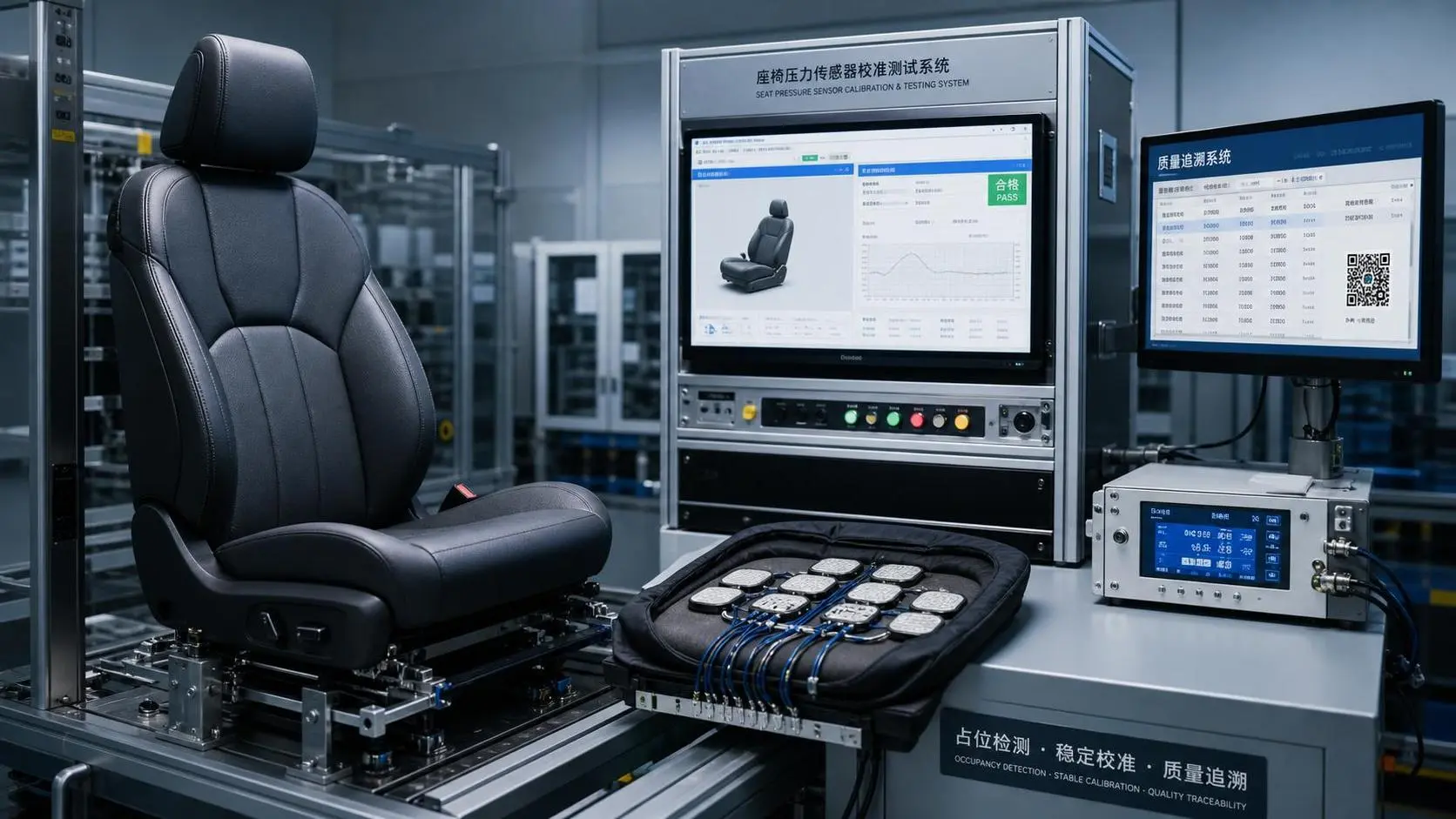
How to Evaluate a Seat Sensing Systems Factory for Automotive Safety Programs
Seat sensing systems factory selection goes beyond price. Learn how to assess quality control, validation, PPAP readiness, and long-term supply reliability for safer automotive programs.
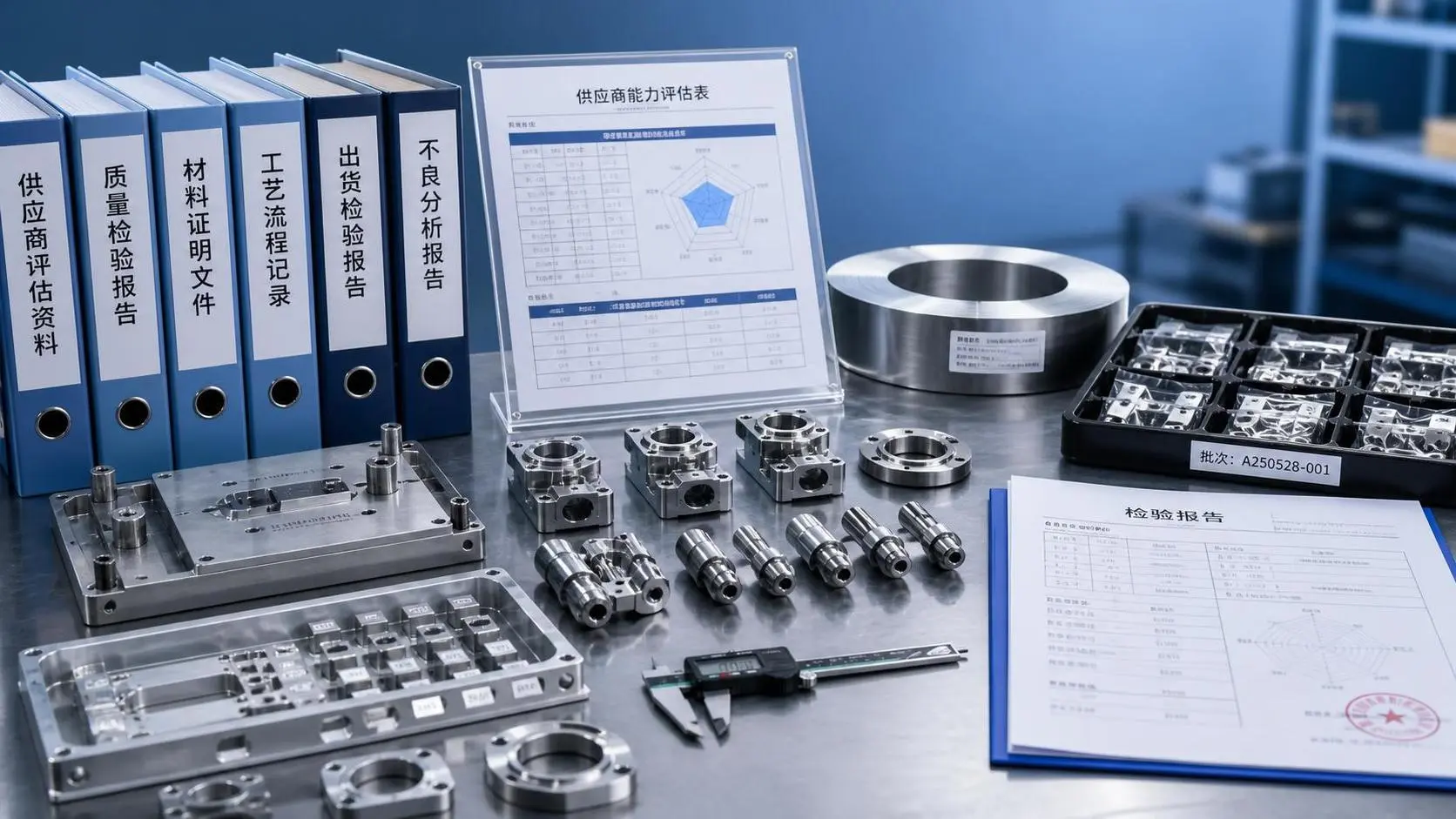
Supplier Capability Evaluation Process: Key Criteria for B2B Sourcing Decisions
Supplier capability evaluation process explained: learn the key criteria for B2B sourcing decisions, reduce supplier risk, and choose partners with confidence.
Related News
- 00
0000-00
How to Choose a Marine Positioning Solutions Supplier in Europe for Offshore and Port Operations - 00
0000-00
Marine Positioning Solutions Provider Comparison: GNSS, Accuracy, and Integration Factors - 00
0000-00
Marine Electromagnetic Navigation Accuracy vs GNSS: Which Performs Better Near Interference? - 00
0000-00
Marine Electromagnetic Navigation Accuracy: What Affects Position Stability at Sea? - 00
0000-00
Marine Positioning Systems Exporter Selection: What to Check in GNSS Accuracy, Compliance, and Support
Weekly Insights
Stay ahead with our curated technology reports delivered every Monday.