
Marine Positioning Systems Exporter Selection: What to Check in GNSS Accuracy, Compliance, and Support
Marine Positioning Systems Exporter Selection: What to Check in GNSS Accuracy, Compliance, and Support
Choosing the right marine positioning systems exporter is more than comparing prices.
For procurement teams, the real gap appears after installation, not before shipment.
A lower quote can quickly lose value if GNSS accuracy drifts, certifications fail, or support slows during deployment.
That is why marine navigation sourcing now requires a tighter review of performance, compliance, and lifecycle service.
In practical buying decisions, the best marine positioning systems exporter is usually the one that reduces operational uncertainty.
This means verified positioning stability, documented approvals, durable hardware, and responsive support across global routes.
Why Exporter Selection Matters More Than Unit Price
Marine positioning equipment works in a harder environment than many land-based GNSS systems.
Salt spray, vibration, antenna shadowing, signal interference, and weather shifts all affect real-world performance.
A capable marine positioning systems exporter understands these conditions and designs around them.
A weak supplier may still present attractive brochures, but deliver inconsistent field results.
From a cost perspective, sourcing mistakes often show up as delays, rework, vessel downtime, and extra verification expense.
That also means the exporter review should cover technical depth, not just trade capability.
The supplier must be able to explain performance limits clearly, not hide them behind general specifications.
Start With GNSS Accuracy in Real Maritime Conditions
The first checkpoint is not the advertised best-case accuracy.
It is the repeatable accuracy the system can maintain at sea.
Any marine positioning systems exporter worth shortlisting should provide measured performance data under marine conditions.
Look for evidence covering open sea, near-port congestion, and multipath-heavy coastlines.
Accuracy points that deserve verification
- Position accuracy under standalone GNSS and augmented modes.
- Heading accuracy during low-speed maneuvers and dynamic turns.
- Time to first fix after power cycles or signal interruption.
- Signal tracking stability under rain fade, interference, and partial blockage.
- Compatibility with GPS, Galileo, BeiDou, and GLONASS constellations.
Multi-constellation support is now a practical requirement, not a premium extra.
It improves availability and resilience when vessel routes cross variable signal environments.
A serious marine positioning systems exporter should also explain antenna design, correction methods, and firmware logic.
If the answer stays vague, the technical risk is usually higher than the price sheet suggests.
Check Compliance Beyond a Simple Certificate Copy
Compliance is another area where buyers can lose time if they only review document titles.
For marine electronics, paperwork alone is not enough.
The marine positioning systems exporter should show which standards apply to the actual product configuration.
This includes hardware version, firmware version, interfaces, and intended vessel application.
What to verify in compliance review
- IMO-related alignment where applicable to the installation scope.
- IEC test references for marine navigation and EMC performance.
- Type approval from recognized classification or certification bodies.
- RoHS, CE, and regional import compliance for destination markets.
- Traceable test reports, issue dates, and model mapping details.
Recent market changes make this review even more important.
More shipowners want equipment that fits both current inspections and future audit expectations.
That pushes every marine positioning systems exporter to maintain tighter document control.
When documentation cannot match the delivered batch, procurement risk rises immediately.
Evaluate Reliability as a Lifecycle Cost Issue
Reliability is where total cost becomes very real.
A marine positioning systems exporter may quote competitively, yet still create high ownership cost after deployment.
The right review should ask how long the product stays stable, serviceable, and update-ready.
Reliability questions that matter
- What is the field failure rate by product generation?
- How are salt corrosion, ingress protection, and connector sealing validated?
- What thermal range is proven in continuous marine duty?
- How often is firmware updated, and how are regressions controlled?
- How long are spare parts and replacement modules guaranteed?
In actual business, reliability data says more than polished marketing claims.
Ask the marine positioning systems exporter for return statistics, corrective action summaries, and known issue handling history.
A supplier that shares controlled failure analysis usually has stronger process discipline.
A supplier that avoids specifics often leaves the buyer to absorb post-installation uncertainty.
Technical Support Is Part of the Product
Support should never be treated as a soft benefit.
For navigation systems, support directly affects commissioning speed and operational continuity.
A dependable marine positioning systems exporter needs both pre-sale and post-sale technical depth.
Support areas to examine closely
- Installation guidance for antenna placement, wiring, and interference control.
- Remote diagnostics and troubleshooting response time.
- Firmware update procedures and rollback capability.
- Training materials for operators, integrators, and service teams.
- Regional service coverage and escalation contacts.
The stronger signal is how the exporter handles edge cases.
Can they explain interference near radar arrays?
Can they support integration with AIS, ECDIS, sonar, and autopilot interfaces?
A capable marine positioning systems exporter usually answers with case-based detail, not generic promises.
Questions to Ask Before Shortlisting a Marine Positioning Systems Exporter
A structured supplier review saves time later.
These questions help separate trading companies from technically credible exporters.
- Can you provide marine field accuracy records, not only lab specifications?
- Which standards apply to this exact model and firmware release?
- What is your documented warranty claim rate?
- How quickly can technical support respond during vessel commissioning?
- What spare parts are stocked, and for how many years?
- Can you share customer references in similar vessel classes or routes?
When a marine positioning systems exporter answers these questions clearly, supplier risk becomes easier to quantify.
A Simple Comparison Framework for Procurement
This kind of framework keeps negotiations grounded in measurable value.
It also helps compare each marine positioning systems exporter on ownership risk, not just order price.
Final Takeaway for Smarter Sourcing
Selecting a marine positioning systems exporter is really a decision about reliability under pressure.
The strongest suppliers prove GNSS accuracy with real data, maintain clean compliance records, and support the product long after shipment.
That is where procurement teams gain cost control, fewer surprises, and better operational confidence.
Before placing orders, build a shortlist around evidence, not assumptions.
Request sea-use performance records, map every certificate to the shipped model, and test support responsiveness early.
A well-vetted marine positioning systems exporter usually costs less over time, because the system keeps performing when the route gets difficult.
Related News

Climate Control Seats Cost: What Drives Price and Long-Term Ownership Value?
Climate control seats cost depends on materials, thermal tech, and integration. Learn what drives price and how to judge long-term value before you buy.
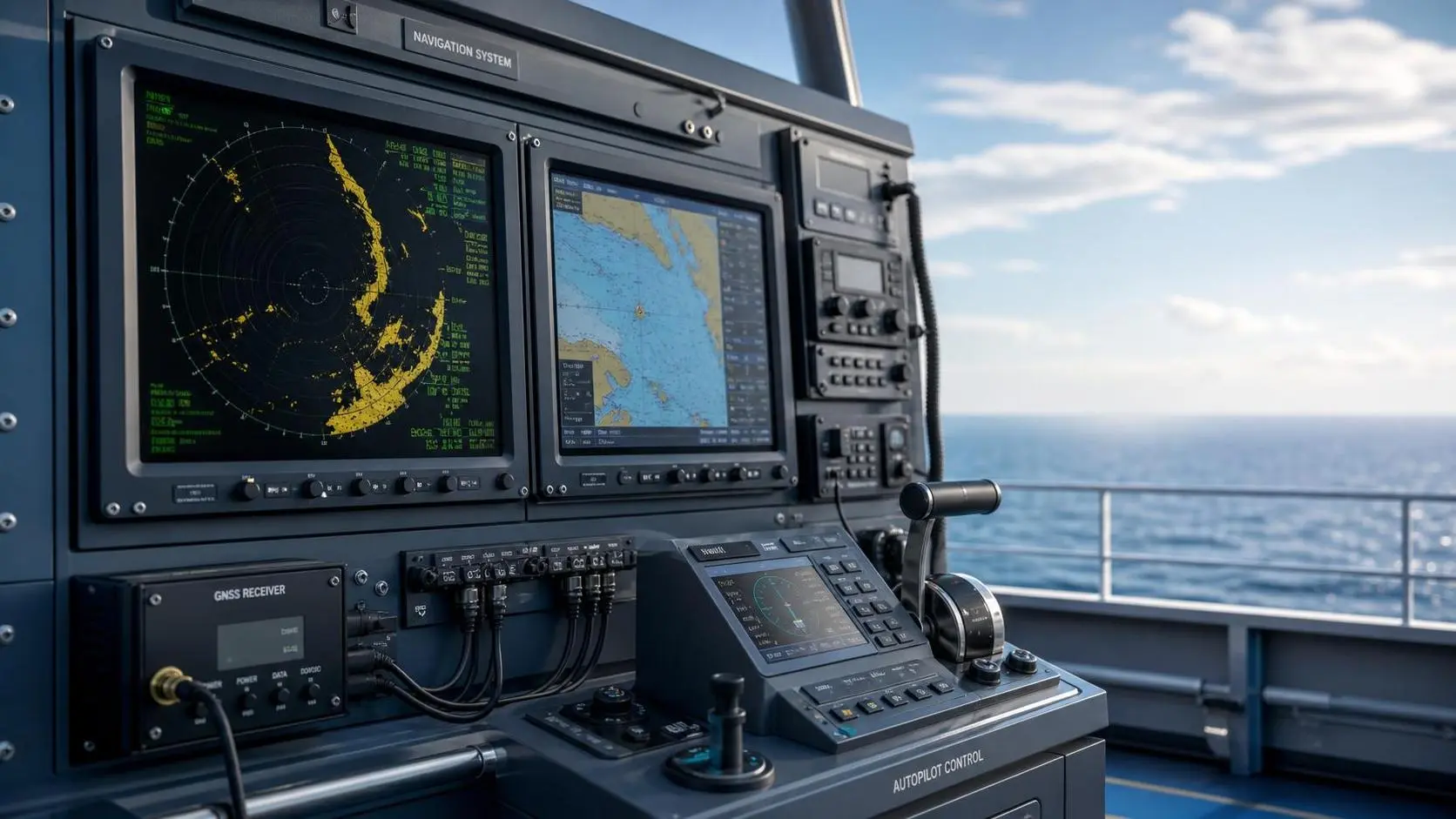
What Factors Drive Marine Navigation Components Cost in Commercial Vessel Projects?
Marine navigation components cost is shaped by integration, compliance, installation, and lifecycle support. Discover what drives pricing and how buyers can reduce risk while improving value.

How Much Does Seat Occupancy Sensing Cost? Key Pricing Factors for Buyers
Seat occupancy sensing price varies widely by technology, integration, and compliance needs. Learn the key cost drivers, avoid hidden fees, and make smarter buying decisions.

How to Specify Micro-Climate Control Cabins for Harsh Outdoor Worksites?
Micro-climate control cabins for harsh outdoor worksites: learn how to specify thermal control, filtration, pressurization, and durability for safer uptime and smarter buying.
How to Evaluate a B2B Product Knowledge Platform for Faster Procurement Decisions
B2B product knowledge platform procurement starts with reducing decision risk. Learn how to compare specs, compliance, and supplier data to speed sourcing with confidence.

How to Evaluate an Occupant Restraint Systems Exporter for Quality, Compliance, and Supply Risk
Occupant restraint systems exporter evaluation guide: learn how to verify quality controls, compliance evidence, and supply risk before sourcing to avoid recalls, delays, and hidden costs.
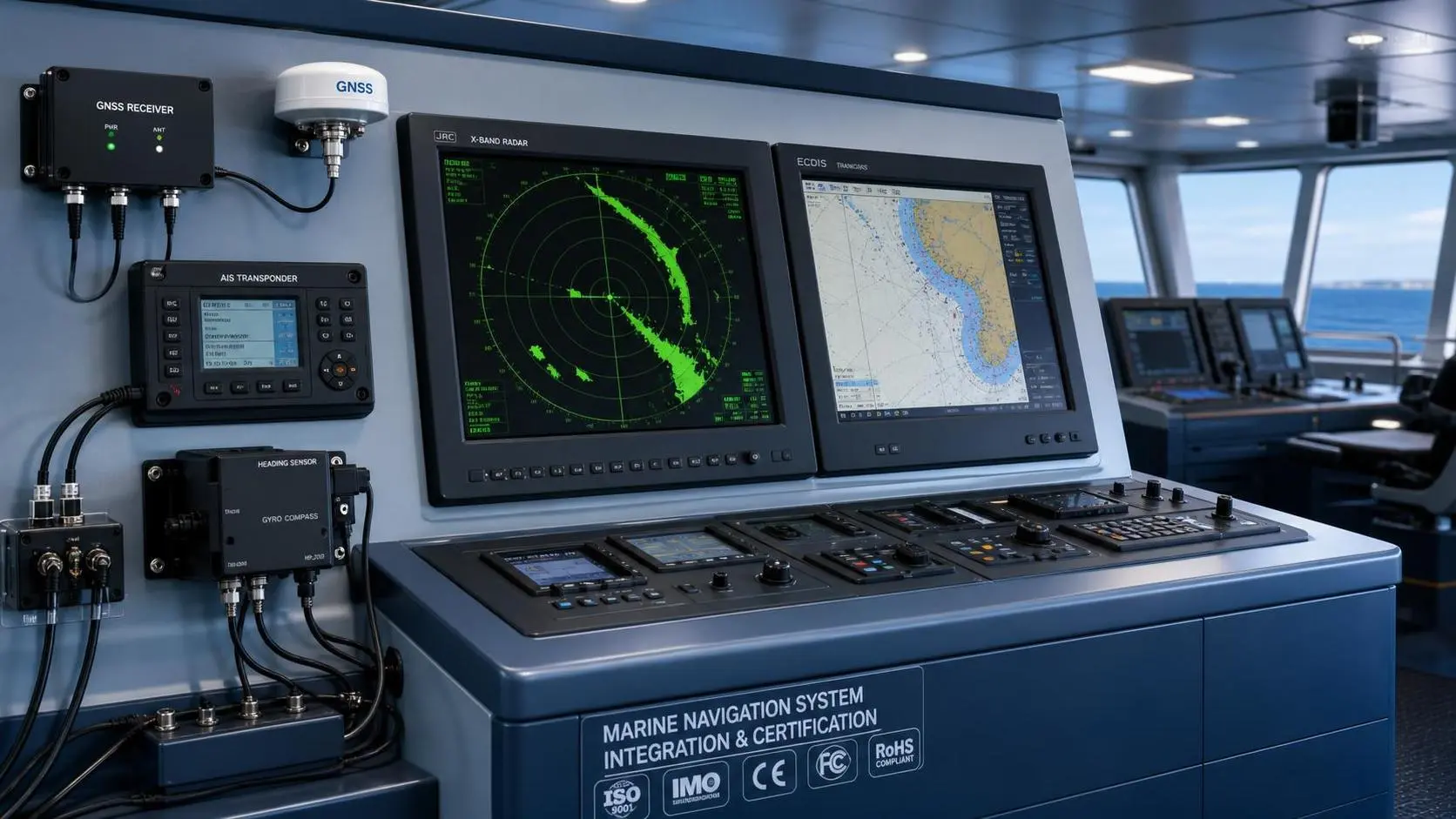
Navigation Compliance Certification: Which Marine Systems Need It and How to Prepare?
Navigation compliance certification explained: discover which marine systems need approval, what documents matter, and how to prepare early to avoid delays, rework, and costly project risks.

How to Evaluate Steel Auto Body Stampings for Strength, Fit, and Cost
Steel auto body stampings should be judged by strength, fit, and total cost together. Learn how to compare materials, forming limits, springback, joining, and tooling before choosing.

How to Evaluate Lightweight Automotive Components for EV Range and Crash Performance
Lightweight automotive components for EVs: learn how to evaluate real range gains, crash performance, joining risk, and manufacturability to choose safer, smarter EV parts.
Related News
- 00
0000-00
How to Choose a Marine Positioning Solutions Supplier in Europe for Offshore and Port Operations - 00
0000-00
Marine Positioning Solutions Provider Comparison: GNSS, Accuracy, and Integration Factors - 00
0000-00
Marine Electromagnetic Navigation Accuracy vs GNSS: Which Performs Better Near Interference? - 00
0000-00
Marine Electromagnetic Navigation Accuracy: What Affects Position Stability at Sea? - 00
0000-00
Marine Positioning Systems Exporter Selection: What to Check in GNSS Accuracy, Compliance, and Support
Weekly Insights
Stay ahead with our curated technology reports delivered every Monday.