
Marine Positioning Solutions Provider Comparison: GNSS, Accuracy, and Integration Factors
Marine Positioning Solutions Provider Comparison: GNSS, Accuracy, and Integration Factors
Choosing the right marine positioning solutions provider requires more than comparing product lists.
GNSS architecture, accuracy behavior, signal resilience, and integration depth all affect navigation safety and vessel efficiency.
That is why a technical review should focus on performance logic, not brochure language.
In practice, the best marine positioning solutions provider is the one that performs consistently across weather, traffic density, interference, and retrofit constraints.
This comparison breaks down the factors that usually decide whether a system works well onboard or becomes a maintenance burden later.
Start with the GNSS architecture, not the brand name
Any marine positioning solutions provider can claim precision.
The more useful question is how the positioning engine is built.
A modern solution should support multi-constellation reception, including GPS, Galileo, BeiDou, and GLONASS where relevant.
This improves satellite availability, geometry, and recovery speed after obstruction or signal loss.
Dual-frequency capability matters as well.
It helps reduce ionospheric error and usually improves repeatability in demanding environments.
For harbor operations, offshore support vessels, and survey work, that difference is often material.
Ask each marine positioning solutions provider whether corrections come from SBAS, PPP, RTK, or a proprietary service.
Each method has different latency, subscription, and infrastructure demands.
A good fit offshore may not be the best fit near busy coastal terminals.
Core architecture checkpoints
- Supported constellations and frequencies
- Correction source, latency, and fallback logic
- Update rate for navigation and control loops
- Receiver processing under multipath conditions
- Sensor fusion with IMU, gyrocompass, or log inputs
Accuracy claims only matter when test conditions are clear
Accuracy figures are easy to advertise and easy to misunderstand.
Many marine positioning solutions provider datasheets highlight best-case horizontal accuracy under open-sky conditions.
That number rarely tells the whole operational story.
You need to separate absolute accuracy, relative accuracy, heading accuracy, and time-to-first-fix.
For dynamic positioning support, repeatability and continuity may matter more than headline precision.
For route monitoring, integrity alarms and drift behavior may carry more weight.
A reliable marine positioning solutions provider should state accuracy with confidence levels and environmental assumptions.
Look for RMS, CEP, and 95% metrics, then verify how they were produced.
Also check whether performance changes during vessel motion, antenna masking, or heavy rain.
Questions that reveal real accuracy performance
- What is the stated accuracy at 95% confidence?
- Does the result include correction service latency?
- How does accuracy shift near cranes, masts, or port infrastructure?
- What is the degradation mode during signal interruption?
- How quickly does the system recover to nominal performance?
Signal resilience is where provider differences become visible
From recent operational changes, resilience has become a stronger buying factor.
Jamming, spoofing, and RF congestion are no longer edge cases.
This means a marine positioning solutions provider should be judged on detection, mitigation, and alerting behavior.
Receiver sensitivity alone is not enough.
You want anti-jam design, spoofing indicators, event logs, and clean interfaces with bridge alert systems.
Some vendors also combine GNSS with inertial estimation to maintain bounded output during temporary disruption.
That approach is especially useful for pilotage, offshore construction, and autonomous support functions.
A capable marine positioning solutions provider should explain failure states clearly.
If a signal is suspect, the system should degrade transparently rather than present false confidence.
Resilience features worth checking
- Interference detection and alarm thresholds
- Spoofing identification methods
- Dead reckoning or inertial bridging duration
- Antenna placement guidance and shielding recommendations
- Logging for incident review and compliance evidence
Integration depth often decides lifecycle cost
This is where many comparisons become more practical.
A marine positioning solutions provider may offer strong hardware, yet still create problems during integration.
Check interface support first.
NMEA 0183, NMEA 2000, IEC 61162, Ethernet protocols, and API access should align with the vessel architecture.
Compatibility with ECDIS, radar, AIS, autopilot, DP, and voyage data recorders is equally important.
Integration should also include diagnostics, remote updates, and cybersecurity controls.
In real projects, documentation quality can save weeks of commissioning time.
The more complete signal maps, data definitions, and alarm behaviors are, the lower the retrofit risk.
A mature marine positioning solutions provider usually has reference architectures for newbuild and retrofit cases.
Integration review table
Compliance and certification should support the operating profile
Standards alignment is not just paperwork.
It affects acceptance, interoperability, and audit readiness.
A credible marine positioning solutions provider should provide certifications relevant to intended deployment.
Depending on the vessel class, that may include IMO, IEC, MED, type approval, and class society requirements.
Environmental testing also matters.
Shock, vibration, temperature, salt fog, and EMC behavior should match the installation zone.
More importantly, certification scope should match the actual configuration being quoted.
A compliant receiver with a nonqualified accessory chain can still create approval problems later.
Vendor support, roadmap, and data transparency matter after installation
Selection should not end with hardware acceptance.
A marine positioning solutions provider becomes part of the vessel support chain for years.
That makes firmware policy, spare part continuity, and technical responsiveness important buying criteria.
Look for transparent release notes, service-level commitments, and a realistic product roadmap.
It is also worth asking how raw and processed data can be accessed for validation.
Providers that expose meaningful logs usually make root-cause analysis easier.
That becomes valuable when fleets standardize equipment across multiple ship types.
A practical way to compare a marine positioning solutions provider
A structured scoring model usually produces better procurement outcomes than feature counting.
Give higher weight to mission-critical factors, then test claims against operational evidence.
A simple framework can include five categories.
- GNSS design and correction model
- Measured accuracy and continuity
- Resilience under interference
- Integration workload and documentation quality
- Support lifecycle and compliance fit
The strongest marine positioning solutions provider is rarely the one with the longest specification sheet.
It is the provider that can show stable performance, explain failure behavior, and integrate cleanly into the wider bridge system.
For technical evaluation, that level of clarity reduces both navigation risk and downstream project friction.
When comparing options, anchor the decision in test conditions, interface evidence, and operational resilience. That is usually where the right choice becomes obvious.
Related News
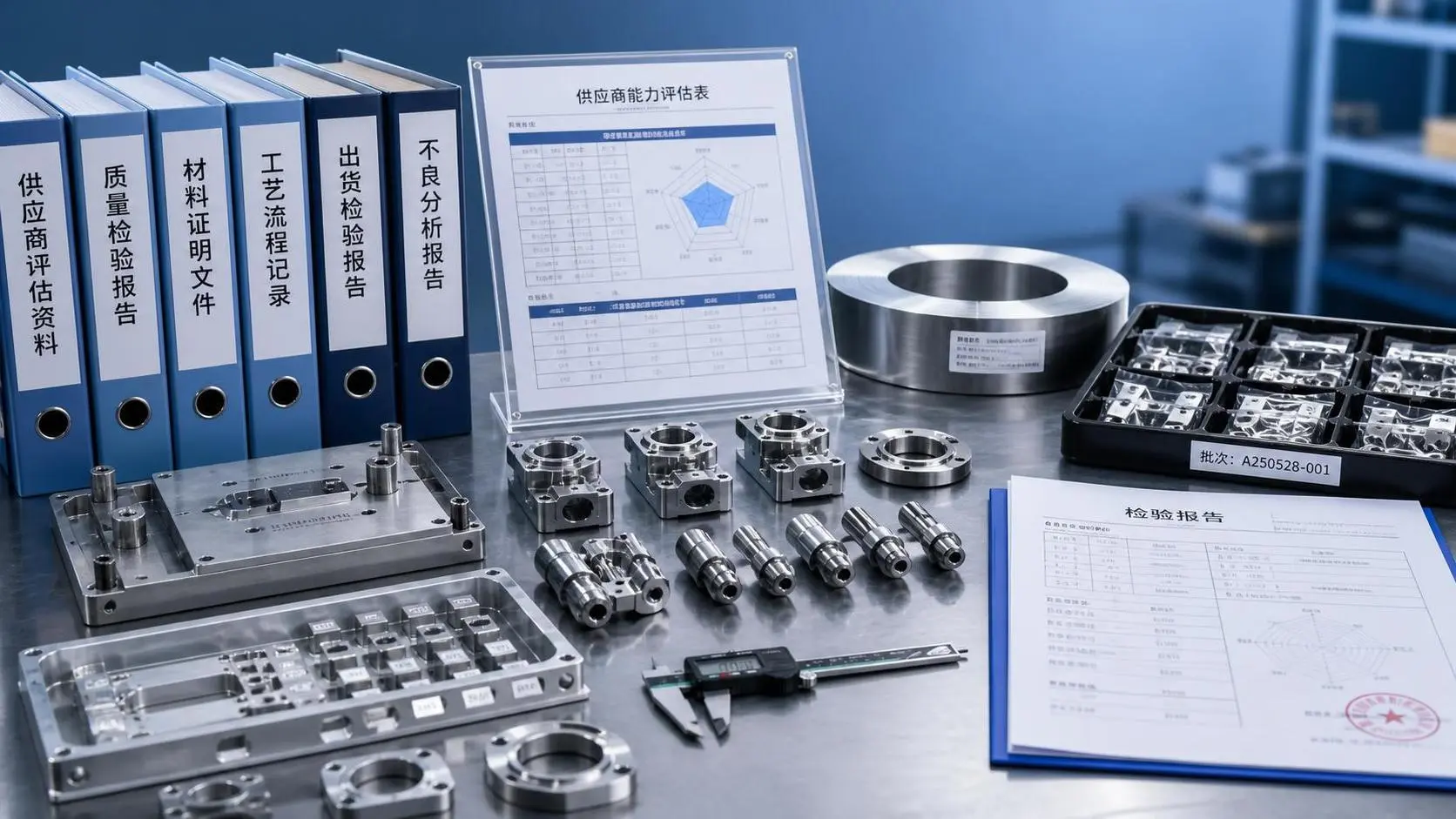
Supplier Capability Evaluation Process: Key Criteria for B2B Sourcing Decisions
Supplier capability evaluation process explained: learn the key criteria for B2B sourcing decisions, reduce supplier risk, and choose partners with confidence.
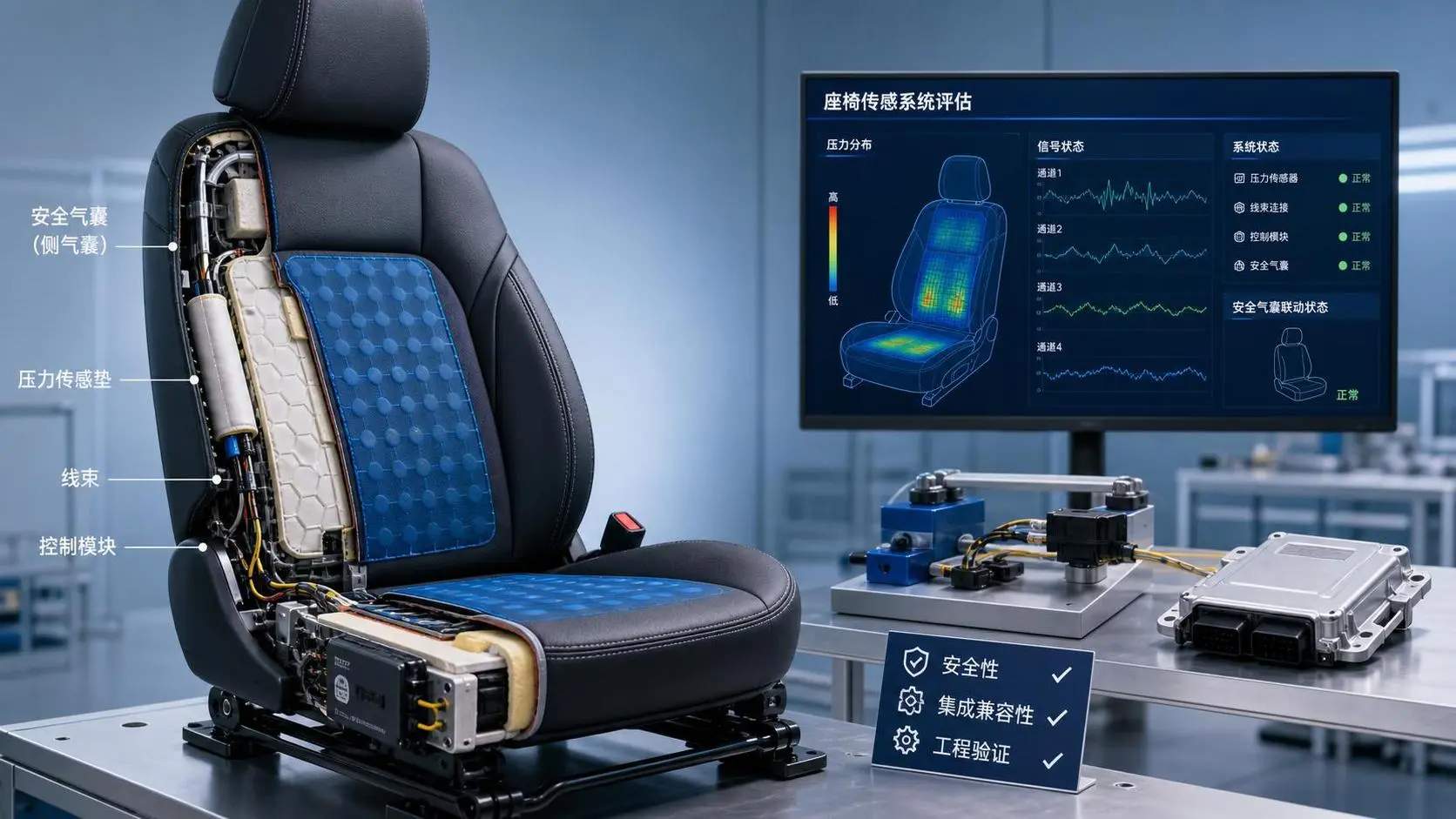
How to Evaluate a Seat Sensing Technology Supplier for Safety and Integration?
Seat sensing technology supplier evaluation guide: compare safety maturity, integration fit, algorithm reliability, and validation support to choose a partner that reduces risk.

How to Evaluate Custom Smart Automotive Seating for Premium Vehicle Programs?
Custom smart automotive seating evaluation starts with safety, comfort, integration, and production readiness. Discover how premium vehicle teams choose smarter, lower-risk seat solutions.
B2B Product Intelligence Platforms: How to Compare Features, Data Coverage, and ROI
B2B product intelligence platform comparison: learn how to evaluate data coverage, feature depth, compliance visibility, and ROI to choose a sourcing tool that reduces risk and speeds decisions.

Climate Control Seats Cost: What Drives Price and Long-Term Ownership Value?
Climate control seats cost depends on materials, thermal tech, and integration. Learn what drives price and how to judge long-term value before you buy.
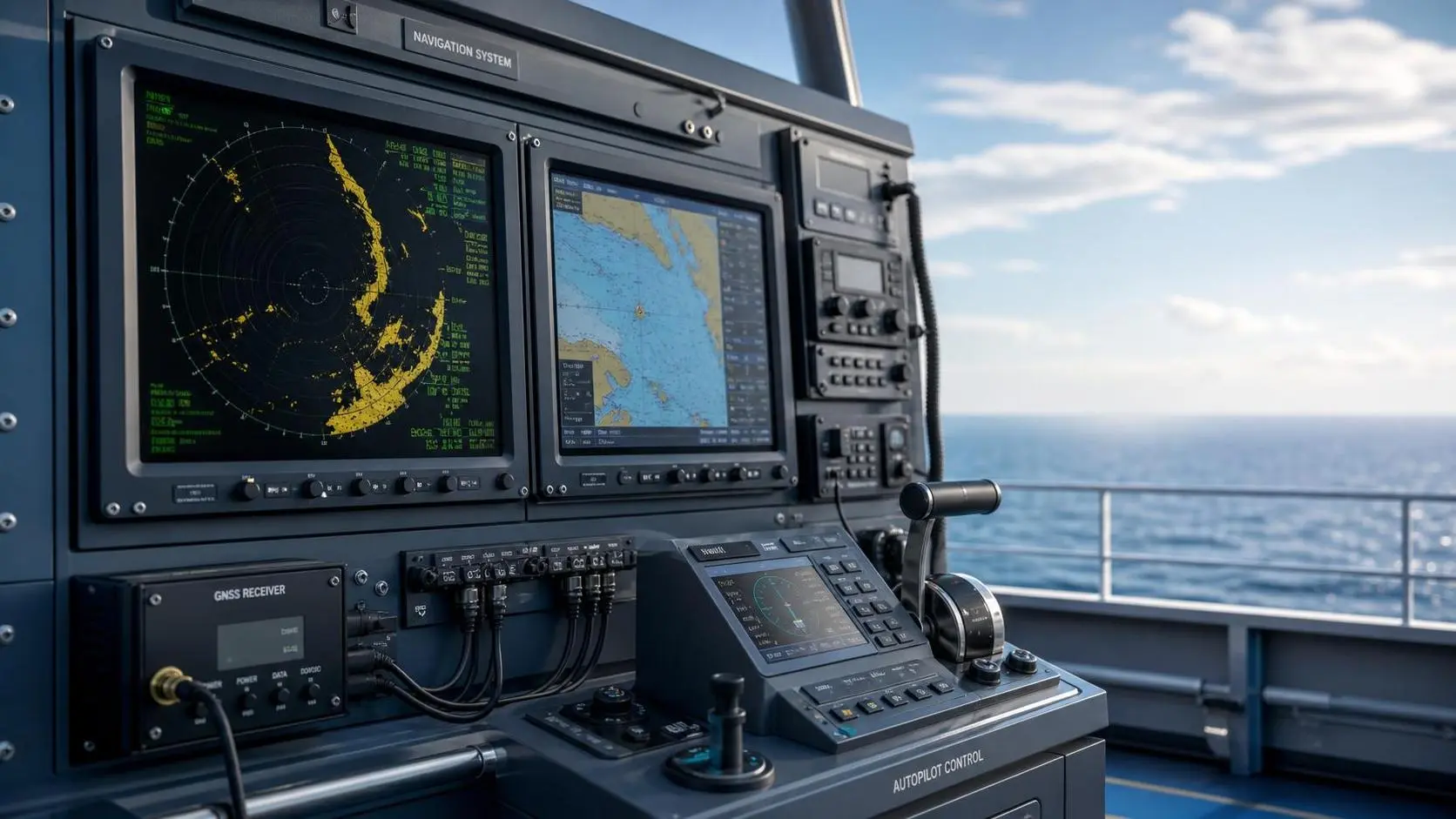
What Factors Drive Marine Navigation Components Cost in Commercial Vessel Projects?
Marine navigation components cost is shaped by integration, compliance, installation, and lifecycle support. Discover what drives pricing and how buyers can reduce risk while improving value.

How Much Does Seat Occupancy Sensing Cost? Key Pricing Factors for Buyers
Seat occupancy sensing price varies widely by technology, integration, and compliance needs. Learn the key cost drivers, avoid hidden fees, and make smarter buying decisions.

How to Specify Micro-Climate Control Cabins for Harsh Outdoor Worksites?
Micro-climate control cabins for harsh outdoor worksites: learn how to specify thermal control, filtration, pressurization, and durability for safer uptime and smarter buying.
How to Evaluate a B2B Product Knowledge Platform for Faster Procurement Decisions
B2B product knowledge platform procurement starts with reducing decision risk. Learn how to compare specs, compliance, and supplier data to speed sourcing with confidence.
Related News
- 00
0000-00
How to Choose a Marine Positioning Solutions Supplier in Europe for Offshore and Port Operations - 00
0000-00
Marine Positioning Solutions Provider Comparison: GNSS, Accuracy, and Integration Factors - 00
0000-00
Marine Electromagnetic Navigation Accuracy vs GNSS: Which Performs Better Near Interference? - 00
0000-00
Marine Electromagnetic Navigation Accuracy: What Affects Position Stability at Sea? - 00
0000-00
Marine Positioning Systems Exporter Selection: What to Check in GNSS Accuracy, Compliance, and Support
Weekly Insights
Stay ahead with our curated technology reports delivered every Monday.