
Marine Positioning Technology: GNSS Accuracy, Redundancy, and Integration
Marine positioning technology is no longer judged by satellite accuracy alone. Vessel safety now depends on resilient positioning, sensor fusion, and reliable performance when conditions deteriorate.
For maritime operations, the question is not only where a vessel is. It is how confidently that position can be trusted.
That shift explains why marine positioning technology now sits at the center of navigation system evaluation, compliance planning, and fleet digitalization.
Why positioning has become a system-level issue
Modern vessels operate in crowded ports, offshore corridors, narrow channels, and increasingly automated traffic environments.
In these settings, a small position error can affect route planning, collision avoidance, docking, survey work, and regulatory reporting.
GNSS remains the foundation, but marine positioning technology must handle signal blockage, multipath, interference, spoofing, and equipment failure.
A single receiver can provide coordinates. A dependable navigation architecture provides confidence, continuity, and traceable performance.
This is where the industry is moving. Positioning is being evaluated as part of a wider perception and safety chain.
That chain includes satellite signals, inertial sensors, radar, AIS, sonar, ECDIS, alarms, and operational procedures.
The core of marine positioning technology
At its simplest, marine positioning technology determines a vessel’s location, motion, heading, and time reference.
In practice, the system must also explain uncertainty. Accuracy without integrity can be misleading during critical maneuvers.
A complete evaluation usually considers accuracy, availability, continuity, integrity, latency, and resilience.
Accuracy shows how close the position is to reality. Availability shows whether the service can be used when needed.
Continuity reflects whether service remains stable during an operation. Integrity indicates whether errors can be detected in time.
Latency matters because a precise but delayed position can still be unsafe during fast course changes or docking operations.
Resilience is now one of the strongest decision factors in marine positioning technology, especially near busy coastal infrastructure.
GNSS accuracy is important, but not sufficient
GNSS includes constellations such as GPS, Galileo, GLONASS, BeiDou, and regional augmentation services.
Multi-constellation and multi-frequency receivers improve coverage and reduce vulnerability to specific signal limitations.
Correction methods can further raise performance. RTK is common for high-precision coastal, port, and hydrographic applications.
PPP offers wide-area precise positioning, often attractive where local base station infrastructure is limited.
SBAS and DGNSS can support improved accuracy and integrity for many general navigation scenarios.
However, GNSS performance can decline around cranes, bridges, cliffs, offshore structures, and dense urban waterfronts.
Marine positioning technology must therefore be assessed under real signal conditions, not only open-sky specifications.
The best choice depends on route, vessel class, operating envelope, and acceptable risk during degraded conditions.
Redundancy changes the value of the system
Redundancy is not simply adding another antenna or receiver. It is a designed response to failure and uncertainty.
A robust marine positioning technology architecture uses independent data sources, diverse signal paths, and clear failover logic.
Dual GNSS receivers can reduce equipment-level risk, but they may still share the same satellite environment.
That is why inertial navigation systems, speed logs, gyrocompasses, radar references, and visual or acoustic inputs matter.
When GNSS is degraded, these sources can preserve short-term positioning, heading, and motion awareness.
The critical issue is not only backup availability. It is how the system decides which source to trust.
- Independent antennas reduce local hardware and installation risks.
- Multi-constellation receivers reduce dependence on a single satellite network.
- INS integration bridges short GNSS outages and stabilizes motion estimates.
- Radar and chart correlation support external position validation.
- AIS supports traffic awareness but should not replace primary positioning.
Redundancy should also include power, data interfaces, alerts, software supervision, and maintenance access.
Integration with onboard navigation systems
Marine positioning technology becomes more useful when it is integrated into the vessel’s operational ecosystem.
ECDIS, radar, autopilot, dynamic positioning, AIS, voyage data recorders, and bridge alert systems all depend on reliable inputs.
Poor integration can create inconsistent displays, duplicated alarms, or delayed decisions during demanding maneuvers.
NMEA 0183, NMEA 2000, IEC 61162, Ethernet links, and proprietary interfaces require careful mapping.
Time synchronization is equally important. Many sensor fusion errors begin with mismatched timestamps rather than poor sensors.
In advanced systems, raw GNSS, IMU, heading, speed, and environmental data are fused through filtering algorithms.
This turns marine positioning technology from a coordinate provider into a decision-support layer for safer vessel operation.
What integration should clarify
Every connected system should know the source, age, confidence level, and status of the positioning data it receives.
A clean interface design reduces ambiguity when automatic modes, bridge teams, and remote monitoring platforms share the same data.
Signal resilience and cybersecurity are moving closer together
Maritime positioning risks are no longer limited to weak satellite reception or equipment aging.
Jamming, spoofing, meaconing, and cyber manipulation have become practical concerns for ports and strategic routes.
Marine positioning technology must therefore detect abnormal signal behavior, not only report location output.
Indicators can include sudden clock changes, impossible vessel motion, inconsistent satellite geometry, and disagreement with inertial estimates.
Radar overlays, chart matching, depth references, and visual systems can also help challenge suspicious positions.
The goal is not perfect immunity. It is early detection, controlled degradation, and clear operational warning.
This aligns with a broader mobility safety philosophy: perception systems must remain trustworthy under stress.
Where marine positioning technology creates operational value
Different maritime use cases require different positioning behavior. A single performance number cannot describe all needs.
Ocean-going vessels need dependable global navigation, route monitoring, and compliance-ready records across long voyages.
Port operations need high update rates, stable heading, and resistance to multipath from metal infrastructure.
Hydrographic survey work needs repeatability, correction quality, and precise integration with sonar data.
Offshore energy vessels need resilient positioning for station keeping, approach maneuvers, and asset inspection.
The practical value of marine positioning technology is strongest when requirements are tied to actual operating profiles.
Compliance, documentation, and performance evidence
Navigation equipment is often evaluated through standards, class expectations, flag requirements, and internal safety procedures.
Marine positioning technology should provide performance evidence that can be reviewed, not only vendor specifications.
Relevant evidence may include sea trial results, failure mode analysis, interface documentation, calibration records, and alarm behavior logs.
ECDIS connectivity should be verified with real route, chart, and alarm workflows rather than isolated bench testing.
For high-reliability operations, degraded-mode procedures should be documented before the system enters service.
GNCS follows this evidence-based view across mobility safety fields, from navigation perception to physical containment protection.
The same discipline used in crash safety evaluation also matters in marine electromagnetic signal assessment.
Key questions before selecting or upgrading a system
A structured assessment reduces the risk of selecting impressive specifications that underperform at sea.
Marine positioning technology should be compared against mission needs, installation constraints, and failure tolerance.
- What accuracy is required during the most demanding operation?
- How does the system behave during GNSS loss or spoofing suspicion?
- Which sensors are independent, and which share common failure modes?
- Are correction services available along the full operating route?
- How are uncertainty, integrity, and alarms displayed on the bridge?
- Can logs support audits, investigations, and performance reviews?
- Is the system ready for ECDIS updates and future data integration?
These questions help separate nominal capability from operational reliability.
A practical way to read the market
The market for marine positioning technology is shaped by precision demand, automation, emissions routing, and port digitalization.
More vessels are expected to exchange positioning data with shore systems, traffic services, and fleet platforms.
This increases the need for trusted data formats, consistent time references, and cybersecurity-aware integration.
It also raises expectations for software updates, remote diagnostics, and lifecycle monitoring of navigation equipment.
GNCS treats this development as part of a larger safety intelligence landscape.
High-precision navigation, cabin protection, lightweight structures, and smart seating all share one principle: safety depends on verified systems.
For marine positioning technology, that principle means transparent performance, resilient architecture, and clear integration behavior.
Moving from specifications to dependable navigation
The strongest systems are not defined by one exceptional accuracy figure.
They are defined by stable performance across route types, weather conditions, signal environments, and operational stress.
Marine positioning technology should therefore be reviewed as an architecture rather than a single device purchase.
The next step is to map vessel missions, define failure scenarios, and compare positioning layers against measurable requirements.
From there, system options can be judged through trials, integration checks, documentation review, and lifecycle support expectations.
That approach turns marine positioning technology into a dependable safety asset, not just a navigation component.
Related News
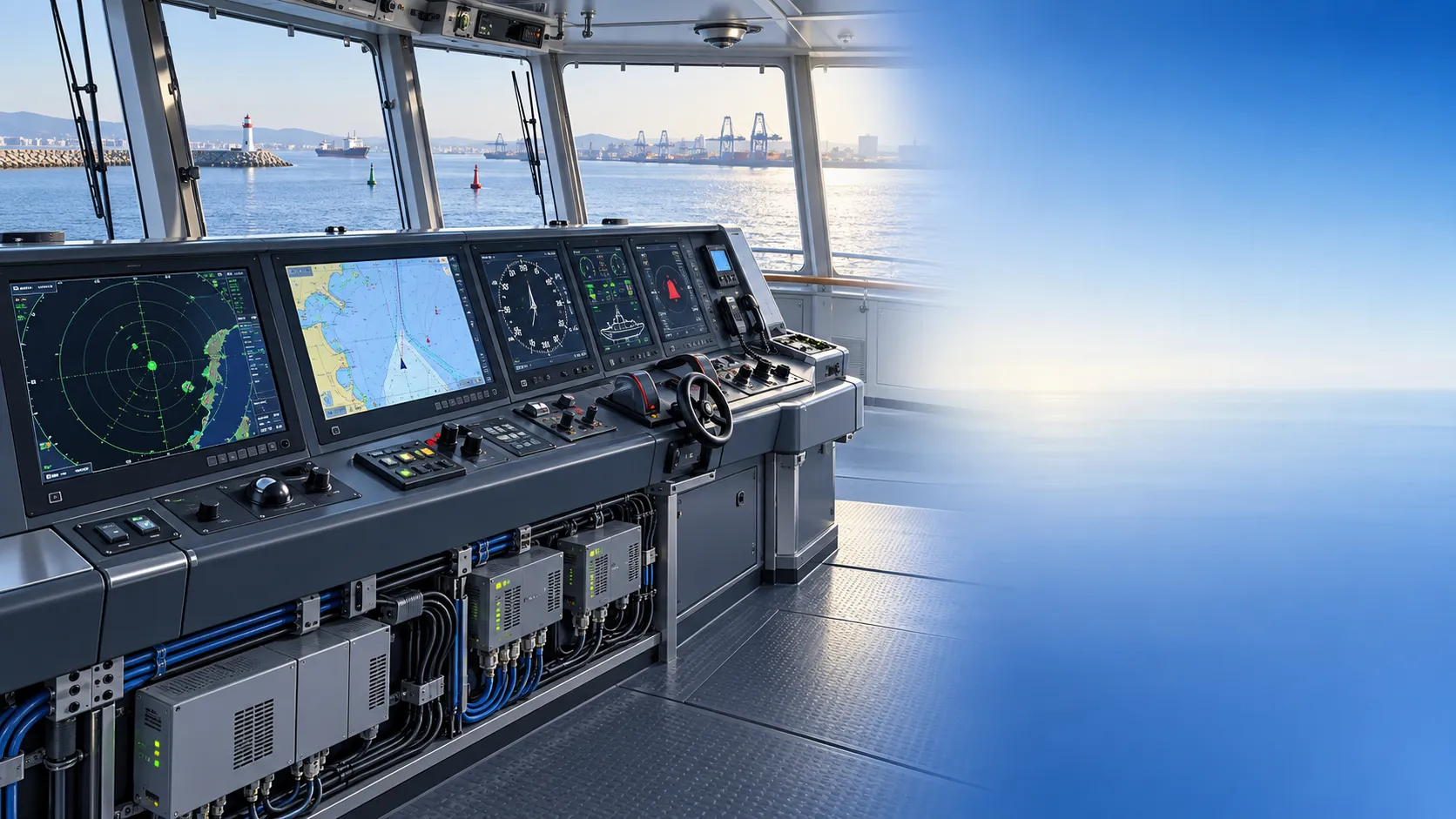
How to Specify Integrated Marine Electronics for Reliable Bridge Operations
Integrated marine electronics: learn how to specify reliable bridge systems with clear data flows, redundancy, alarm control, lifecycle interfaces, and operational testing.
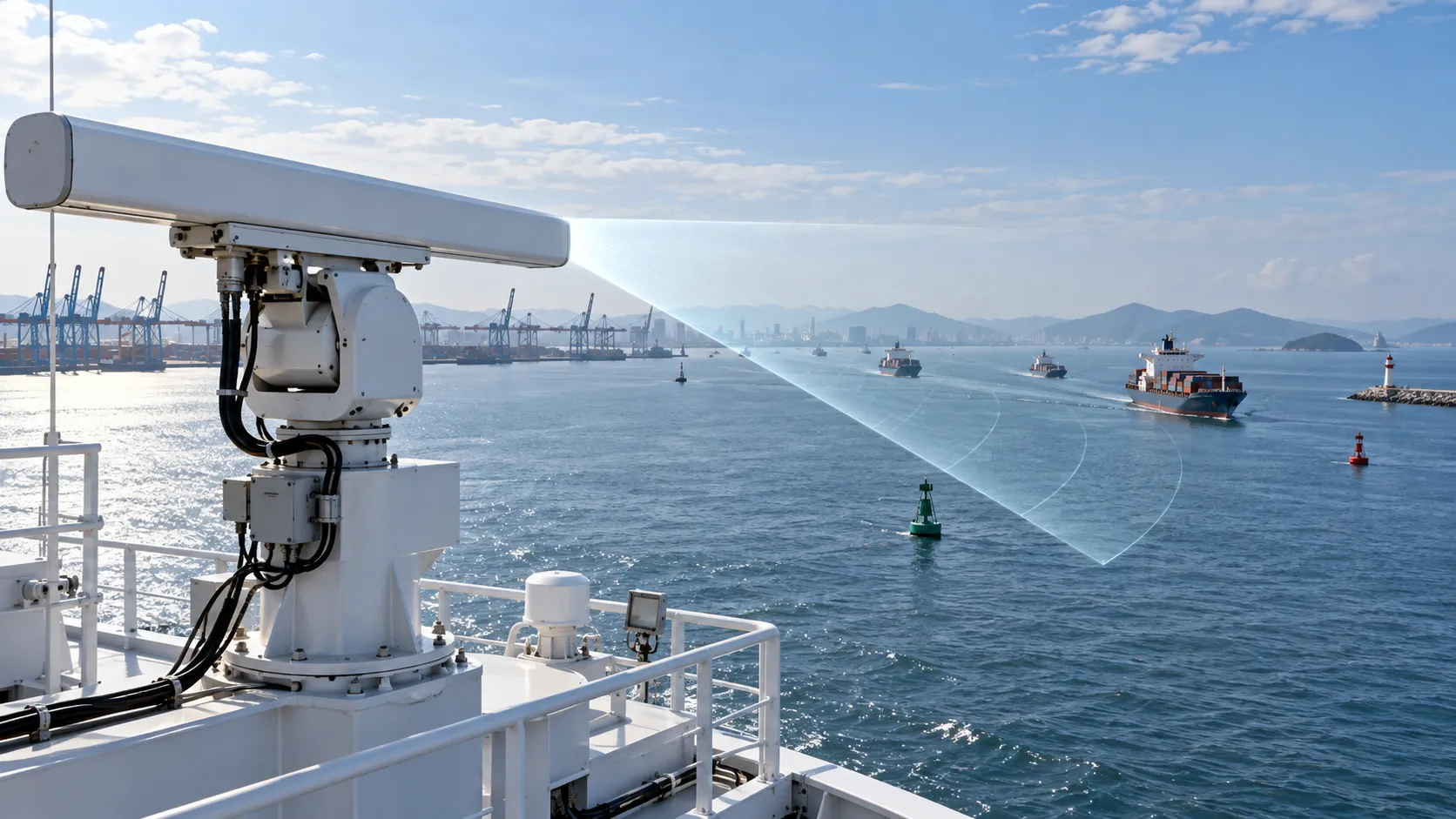
How to Evaluate Navigation Radar Manufacturers for Commercial Vessel Projects
Navigation radar manufacturers: learn how to compare performance, compliance, integration, support, and lifecycle cost for commercial vessel projects.

How Adjustable Cabin Ergonomics Reduce Operator Fatigue in Long-Shift Vehicles
Adjustable cabin ergonomics reduces operator fatigue through better seating, reach, visibility, vibration control, and climate comfort for safer long-shift vehicles.

How Rear-Impact Safety Components Work Together to Protect Vehicle Occupants
Explore how automotive safety components for rear impact work together—from crash structures and seats to head restraints and belts—to enhance occupant protection.
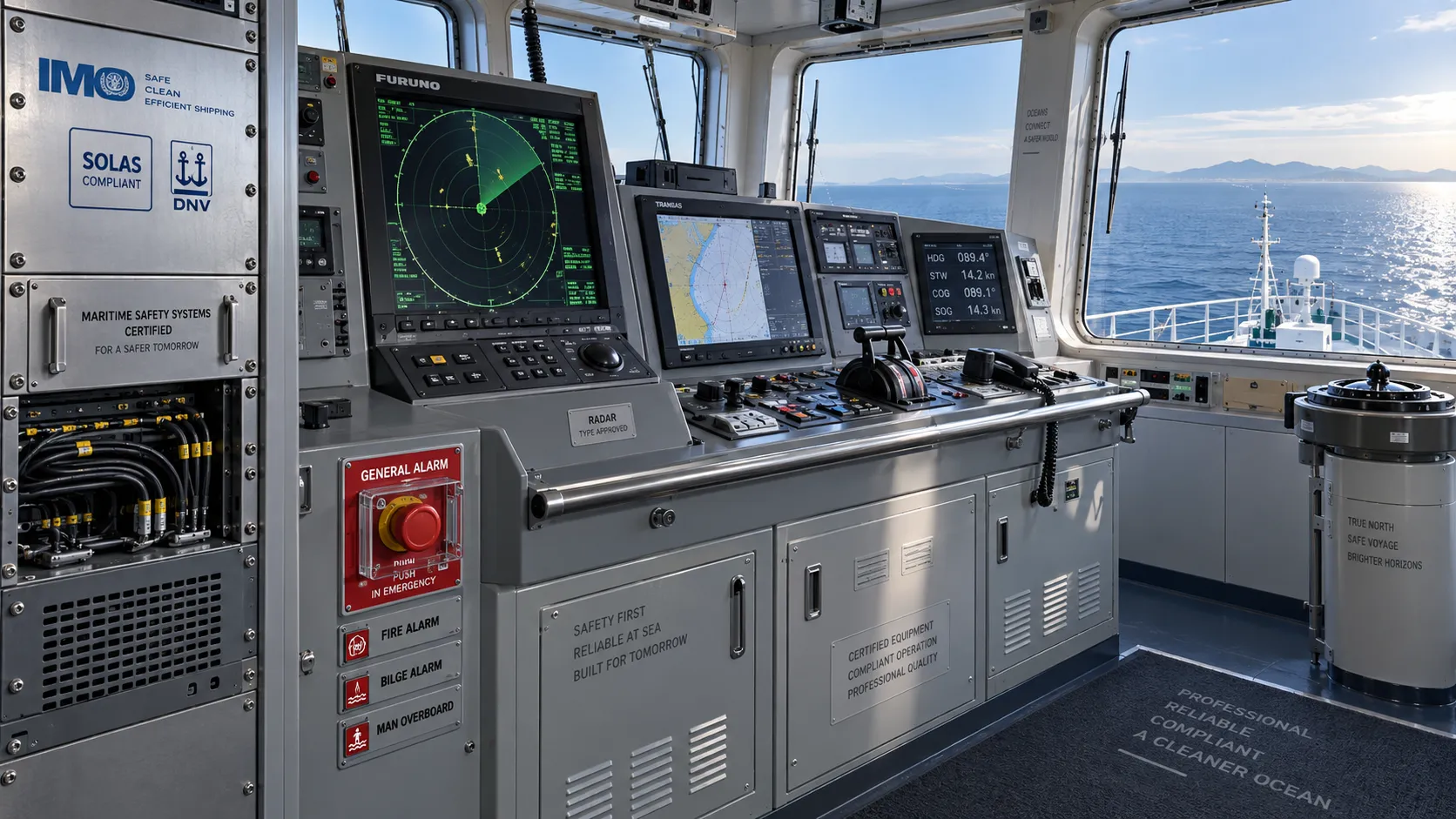
How to Evaluate a Marine Safety Systems Manufacturer for Vessel Compliance and Reliability
Marine safety systems manufacturer evaluation guide: verify compliance, engineering quality, lifecycle costs, and global service support for safer, reliable vessel operations.
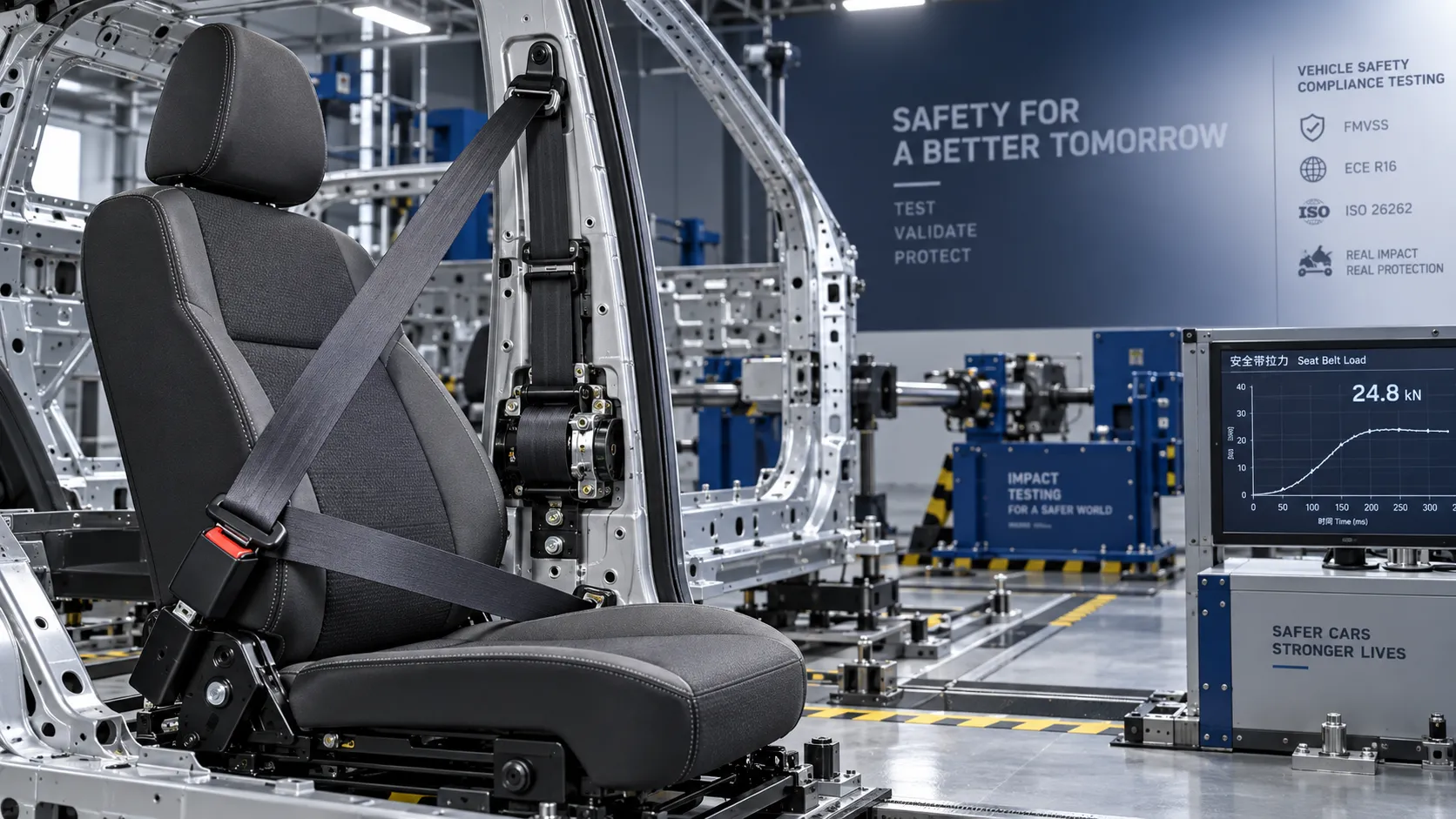
Crash Test Regulations for Seatbelts: Key Compliance Requirements Explained
Crash test regulations seatbelts explained: explore FMVSS, UN rules, anchorage strength, and dynamic restraint testing for safer, compliant vehicle systems.

How to Calculate the Total Cost of Automotive Lightweighting for a Vehicle Program
Automotive lightweight solutions cost: learn how to calculate program-level costs, including materials, tooling, joining, validation, risk, and vehicle-level value.

How Automotive Seat Occupancy Sensing Improves Airbag Deployment Decisions
Automotive seat occupancy sensing helps optimize airbag deployment decisions, improving passenger classification, safety diagnostics, and compliance across real-world conditions.

What Drives Lightweight Body Component Costs in High-Volume Vehicle Programs?
Lightweight body components cost depends on material yield, forming, joining, tooling, validation, and logistics. Explore proven ways to optimize total vehicle program cost.
Related News
- 00
0000-00
How to Choose a Marine Positioning Solutions Supplier in Europe for Offshore and Port Operations - 00
0000-00
Marine Positioning Solutions Provider Comparison: GNSS, Accuracy, and Integration Factors - 00
0000-00
Marine Electromagnetic Navigation Accuracy vs GNSS: Which Performs Better Near Interference? - 00
0000-00
Marine Electromagnetic Navigation Accuracy: What Affects Position Stability at Sea? - 00
0000-00
Marine Positioning Systems Exporter Selection: What to Check in GNSS Accuracy, Compliance, and Support
Weekly Insights
Stay ahead with our curated technology reports delivered every Monday.