
Marine Electromagnetic Navigation Explained: Where It Fits and How It Differs From GNSS
Marine electromagnetic navigation is getting more attention for a simple reason: satellite positioning is excellent, but not always enough. In maritime operations, resilience matters as much as accuracy.
That is where marine electromagnetic navigation starts to make sense. It is not a universal replacement for GNSS, yet it can add real value in constrained waters, near infrastructure, and in interference-prone conditions.
For technical evaluation, the key question is practical, not theoretical. The issue is where marine electromagnetic navigation fits in the full navigation stack, and where it does not.
At GNCS, this kind of assessment sits inside a broader view of precision spatial perception. The same systems thinking used in marine navigation also shapes how safety, structure, and intelligent equipment are evaluated across mobility sectors.
What marine electromagnetic navigation actually does
Marine electromagnetic navigation uses electromagnetic field behavior, signal propagation, or shore-linked references to help estimate vessel position, heading, or motion. Its logic is different from pure satellite ranging.
Instead of depending only on space-based timing signals, it may rely on transmitters, local field measurements, induced responses, or integrated sensing with onboard systems.
That means performance can become more local, more infrastructure-dependent, and sometimes more robust against satellite denial. It also means deployment complexity usually rises.
A fast way to frame it
- Marine electromagnetic navigation works best as a complementary layer, not a blind GNSS substitute. First check coverage geometry, signal stability, and whether local infrastructure can be maintained reliably.
- If operations happen near ports, channels, offshore platforms, or restricted waters, evaluate marine electromagnetic navigation for continuity when multipath, jamming, or masking weakens satellite performance.
- Do not judge only by peak accuracy. Compare update rate, latency, failure behavior, calibration needs, and how quickly bridge systems detect degraded electromagnetic positioning confidence.
- Integration matters more than standalone claims. Confirm the system can feed ECDIS, radar overlays, AIS correlation, alarms, and voyage logging without creating inconsistent position references.
How it differs from GNSS in real operations
GNSS calculates position from satellites, timing, and receiver processing. It is global, mature, and cost-effective. But it can be vulnerable to spoofing, jamming, blockage, and urban or port-side multipath.
Marine electromagnetic navigation is usually narrower in range, but potentially stronger in localized resilience. In some conditions, that tradeoff is worth it.
In short, GNSS gives reach. Marine electromagnetic navigation can give redundancy, locality, and another layer of assurance when satellite trust drops.
Points worth checking early
- Ask whether the vessel needs global consistency or local survivability. Marine electromagnetic navigation is stronger when mission risk comes from signal denial near critical maritime infrastructure.
- Review environmental sensitivity. Salinity, seabed properties, metallic structures, and coastal electrical noise can all affect marine electromagnetic navigation repeatability and maintenance intervals.
- Check fallback logic carefully. If electromagnetic references disappear, the handover to GNSS, inertial sensors, radar, or dead reckoning must be smooth and alarm thresholds realistic.
Where marine electromagnetic navigation fits best
The strongest use cases are usually not deep-ocean transits. They are operational zones where local precision, continuity, and resilience matter more than global reach.
Ports and approach channels
Busy ports create harsh signal environments. Cranes, steel structures, reflective surfaces, and dense traffic can reduce clean satellite performance.
In that setting, marine electromagnetic navigation may support docking approaches, channel tracking, and cross-checking against radar and pilotage references. The main check is whether the local infrastructure is stable and calibrated.
Offshore energy and service zones
Around platforms, support vessels need reliable positioning during repeat maneuvers. Satellite signals can still work, but localized redundancy helps when safety margins are tight.
Here, marine electromagnetic navigation can add confidence during close-proximity work. Still, metal-rich environments may distort measurements, so site surveys matter more than marketing claims.
Security-sensitive corridors
In waters with known spoofing or jamming risk, a second positioning logic is valuable. Marine electromagnetic navigation can help confirm whether the vessel’s spatial picture still makes sense.
The smart move is not to expect perfect immunity. The smart move is to design layered trust, with confidence scoring across GNSS, inertial, radar, AIS, and electromagnetic sources.
What often gets overlooked during evaluation
This is where many assessments become too optimistic. A marine electromagnetic navigation concept can look strong in a demo and weak in service if a few basics are missed.
- Coverage maps are not enough. Validate real vessel attitude changes, weather effects, harbor electrical noise, and interference from onboard power systems before accepting marine electromagnetic navigation stability.
- Calibration drift is easy to underestimate. Set service procedures, reference checks, and acceptance tolerances early, especially where steel structures or repeated retrofits may alter signal behavior.
- Cybersecurity cannot be separated from positioning assurance. Even if marine electromagnetic navigation reduces GNSS dependence, data injection, synchronization faults, and bridge software weaknesses still matter.
- Compliance review should start early. Confirm classification, bridge alert management, logging, and evidence trails align with operating area rules and internal safety case requirements.
This cross-check mindset is familiar across GNCS coverage. Whether evaluating navigation systems, passive safety modules, or intelligent cabin assemblies, the same rule applies: resilience is never a single-component claim.
A practical comparison framework for system selection
If marine electromagnetic navigation is under review, it helps to score it within the whole architecture instead of as a standalone feature.
Focus on these five questions
- What exact operational failure is being reduced? Define whether marine electromagnetic navigation addresses spoofing exposure, port multipath, close-maneuver continuity, or regulatory resilience requirements.
- How does accuracy behave under degradation? Compare normal mode, disturbed mode, and recovery mode, not just headline precision values from ideal test conditions.
- What supporting sensors are required? Marine electromagnetic navigation gains more value when paired with inertial units, radar references, sonar inputs, and consistent time synchronization.
- What is the lifecycle burden? Include installation complexity, harbor-side infrastructure upkeep, recalibration labor, training, and software validation in the technical business case.
- Can operators trust the output quickly? Human-machine clarity matters. Position confidence, source status, and failover events should be obvious on the bridge without extra interpretation.
How to move from interest to a solid decision
A useful next step is a limited-scope trial tied to one operational problem. That keeps the evaluation grounded and avoids broad claims with weak evidence.
Start with one route, one port zone, or one offshore task. Measure continuity, failover behavior, and operator clarity against the existing GNSS-centered architecture.
If marine electromagnetic navigation improves trust under realistic disturbances, then expand the case. If it only performs in controlled conditions, it is probably not ready for a critical role.
The most credible conclusion is usually balanced: GNSS remains the primary global backbone, while marine electromagnetic navigation can become a valuable supporting layer where local resilience is worth the added complexity.
That is also the broader GNCS view. Strong systems are built by stitching perception, safety, compliance, and operational evidence together. In marine navigation, that means choosing solutions that stay trustworthy when conditions stop being ideal.
Related News
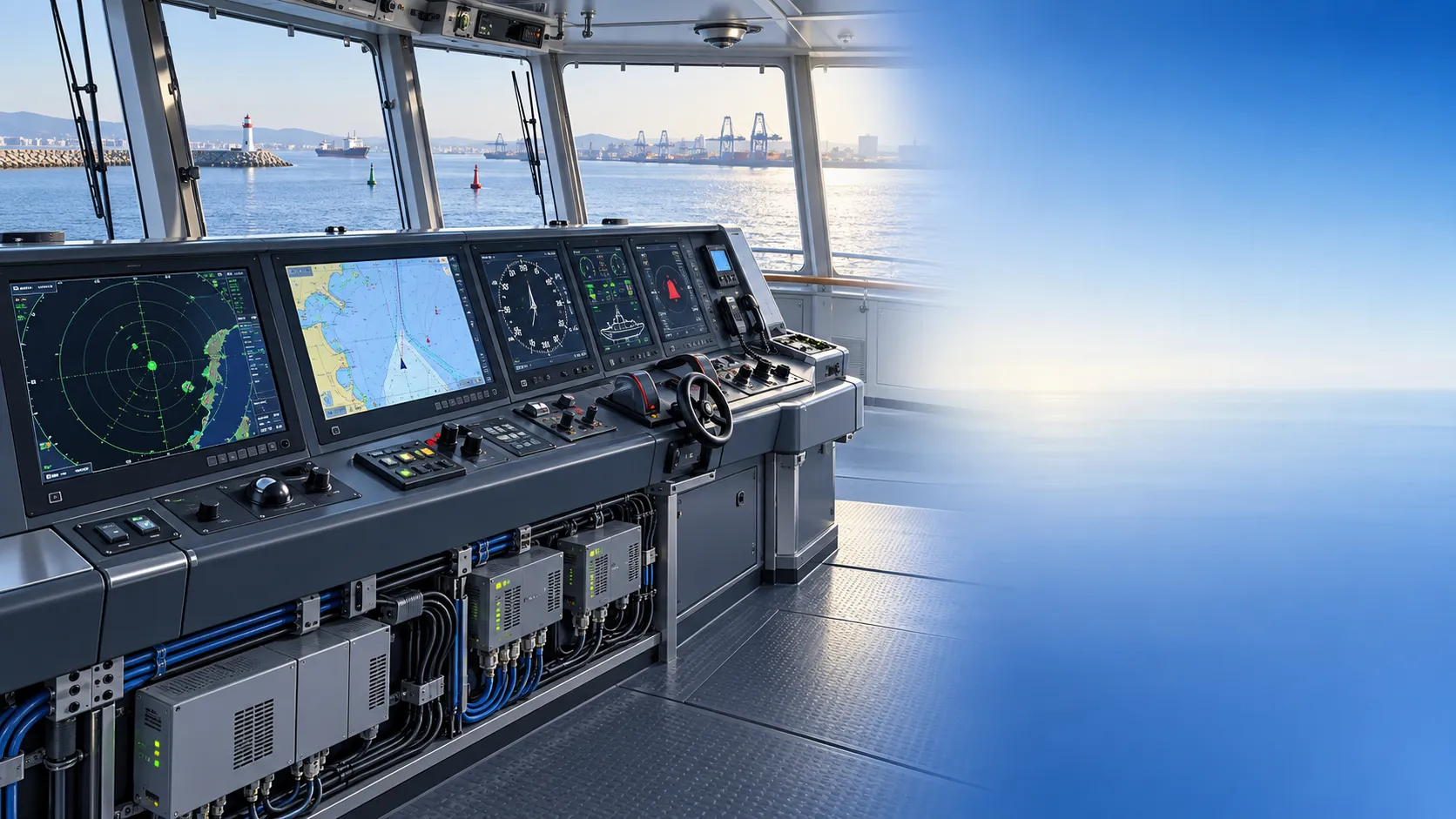
How to Specify Integrated Marine Electronics for Reliable Bridge Operations
Integrated marine electronics: learn how to specify reliable bridge systems with clear data flows, redundancy, alarm control, lifecycle interfaces, and operational testing.
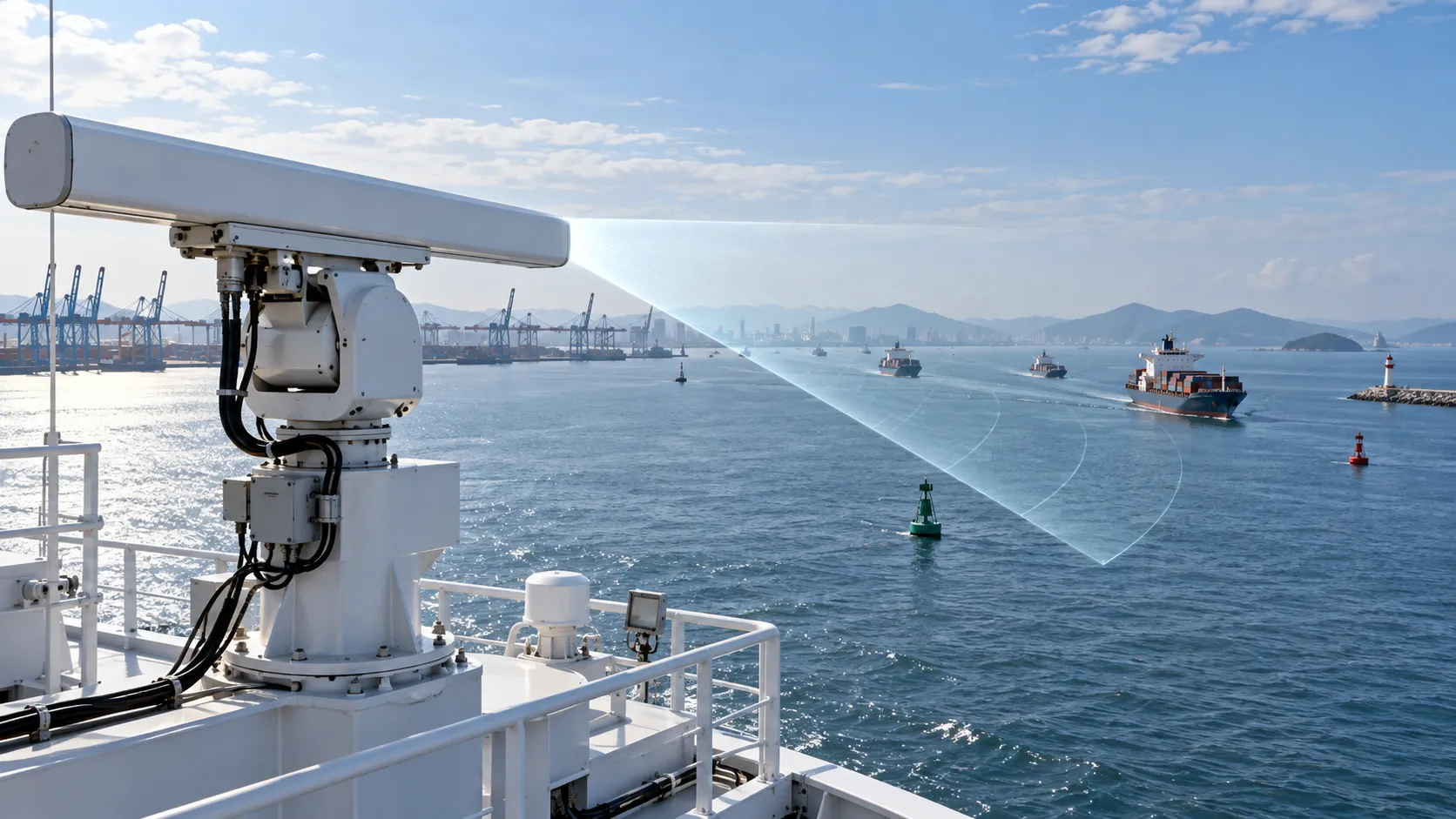
How to Evaluate Navigation Radar Manufacturers for Commercial Vessel Projects
Navigation radar manufacturers: learn how to compare performance, compliance, integration, support, and lifecycle cost for commercial vessel projects.

How Adjustable Cabin Ergonomics Reduce Operator Fatigue in Long-Shift Vehicles
Adjustable cabin ergonomics reduces operator fatigue through better seating, reach, visibility, vibration control, and climate comfort for safer long-shift vehicles.

How Rear-Impact Safety Components Work Together to Protect Vehicle Occupants
Explore how automotive safety components for rear impact work together—from crash structures and seats to head restraints and belts—to enhance occupant protection.
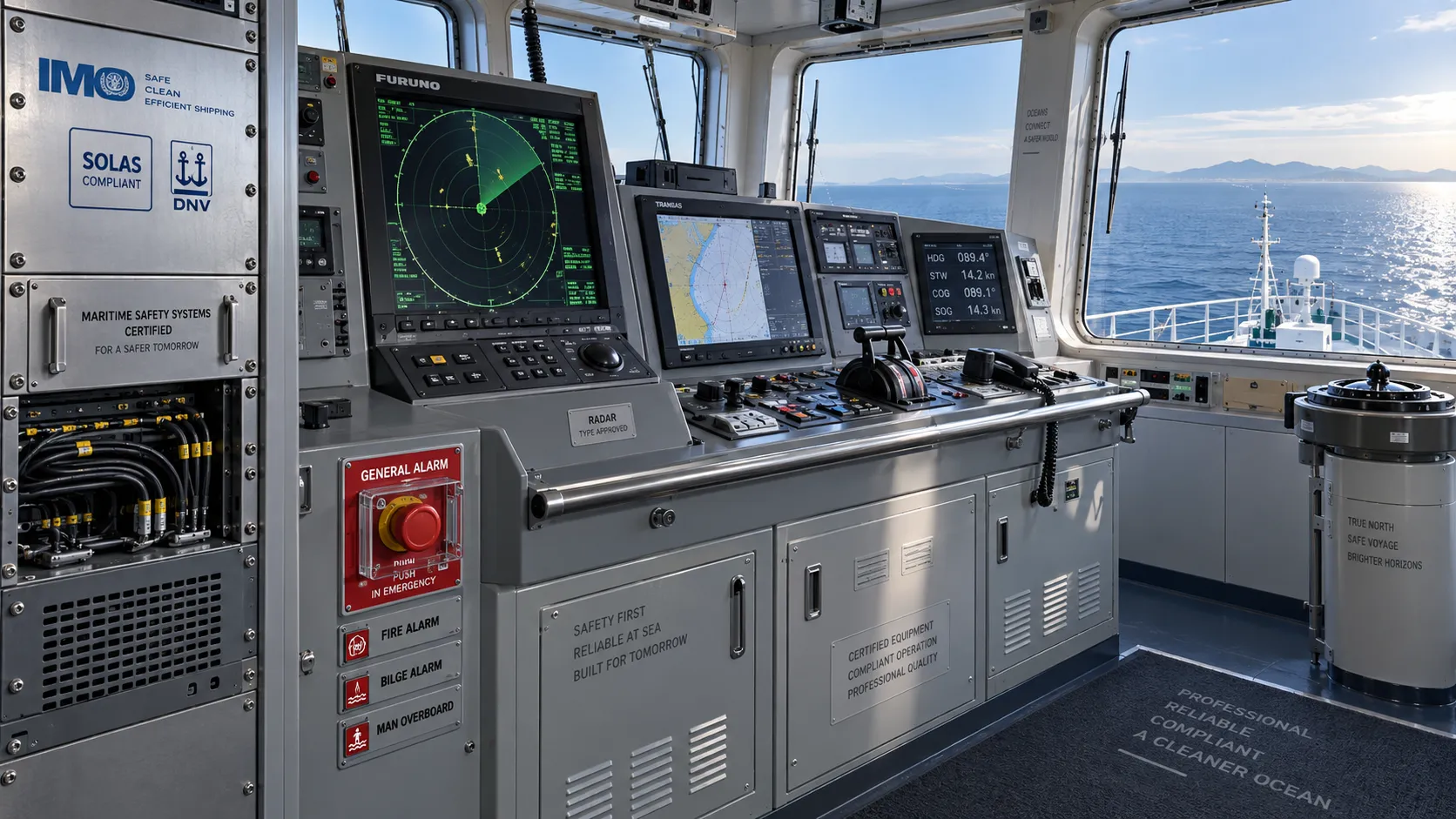
How to Evaluate a Marine Safety Systems Manufacturer for Vessel Compliance and Reliability
Marine safety systems manufacturer evaluation guide: verify compliance, engineering quality, lifecycle costs, and global service support for safer, reliable vessel operations.

Crash Test Regulations for Seatbelts: Key Compliance Requirements Explained
Crash test regulations seatbelts explained: explore FMVSS, UN rules, anchorage strength, and dynamic restraint testing for safer, compliant vehicle systems.

How to Calculate the Total Cost of Automotive Lightweighting for a Vehicle Program
Automotive lightweight solutions cost: learn how to calculate program-level costs, including materials, tooling, joining, validation, risk, and vehicle-level value.

How Automotive Seat Occupancy Sensing Improves Airbag Deployment Decisions
Automotive seat occupancy sensing helps optimize airbag deployment decisions, improving passenger classification, safety diagnostics, and compliance across real-world conditions.

What Drives Lightweight Body Component Costs in High-Volume Vehicle Programs?
Lightweight body components cost depends on material yield, forming, joining, tooling, validation, and logistics. Explore proven ways to optimize total vehicle program cost.
Related News
- 00
0000-00
How to Choose a Marine Positioning Solutions Supplier in Europe for Offshore and Port Operations - 00
0000-00
Marine Positioning Solutions Provider Comparison: GNSS, Accuracy, and Integration Factors - 00
0000-00
Marine Electromagnetic Navigation Accuracy vs GNSS: Which Performs Better Near Interference? - 00
0000-00
Marine Electromagnetic Navigation Accuracy: What Affects Position Stability at Sea? - 00
0000-00
Marine Positioning Systems Exporter Selection: What to Check in GNSS Accuracy, Compliance, and Support
Weekly Insights
Stay ahead with our curated technology reports delivered every Monday.