What ECDIS update protocols matter most for safe voyages?
For technical evaluators, understanding which ECDIS update protocols matter most for safe voyages is no longer optional. Chart errors, delayed patches, and weak validation routines can quickly turn a compliant bridge into a risk point.
As connected navigation expands, ECDIS update protocols now shape chart accuracy, cyber resilience, and inspection readiness. The right protocol framework supports safer routing, cleaner audits, and more dependable decision-making at sea.
Definition and scope of ECDIS update protocols
ECDIS update protocols are the technical and procedural rules used to receive, authenticate, install, and verify navigational data and software inside an Electronic Chart Display and Information System.
They cover more than weekly chart corrections. In practice, ECDIS update protocols also include firmware control, cybersecurity patching, exchange media handling, rollback planning, and evidence logging.
Safe voyages depend on three update layers working together:
- ENC data updates for route planning and monitoring
- System software updates for performance and regulatory compatibility
- Security updates for network protection and data integrity
When these layers are misaligned, the bridge may show valid charts on an unsupported software baseline. That gap is one of the most common hidden weaknesses in connected navigation environments.
Industry context shaping update priorities
Several industry pressures have made ECDIS update protocols a strategic control point rather than a routine maintenance task.
In this environment, ECDIS update protocols influence both navigation safety and broader operational assurance. They sit at the junction of marine compliance, software discipline, and digital trust.
The update protocols that matter most
Not all update routines carry equal safety value. The most important ECDIS update protocols are those that directly protect chart validity, software stability, and traceable compliance.
1. Source authentication and data integrity verification
The first priority is confirming that every update package comes from an authorized source. Digital signatures, checksum validation, and supplier trust chains are essential.
Without source authentication, even a complete update may still be unsafe. Corrupted or altered chart files can create silent navigation hazards that are difficult to detect visually.
2. Timely ENC correction cycles
Weekly or scheduled ENC updates remain the core of voyage safety. Delays in loading official corrections can affect depths, aids to navigation, restricted areas, and route monitoring alerts.
Strong ECDIS update protocols define who receives updates, when they are loaded, and how successful installation is confirmed before departure or route revision.
3. Software version control and compatibility management
Chart data and system software must match approved functional baselines. A chart update may install correctly while still performing poorly on outdated software.
Version control protocols should record installed revisions, approved test status, vendor notes, and known limitations. This prevents unsupported combinations across bridge equipment.
4. Secure transfer protocols for connected environments
As vessels use satellite links, shore portals, and managed service connections, secure transfer becomes critical. Encryption, access control, and segmented delivery paths reduce tampering risk.
Effective ECDIS update protocols also define how removable media is handled. USB-based updates require malware screening, physical custody rules, and dedicated scanning stations.
5. Post-update validation and audit logging
Installing an update is not the finish line. Safe voyages depend on verifying chart loading, alarm behavior, route display, and sensor integration after each major update.
Audit logs should capture date, package source, operator action, installation result, exceptions, and corrective steps. This evidence supports flag, port state, and internal review requirements.
Operational value across marine safety and compliance
Well-designed ECDIS update protocols create value beyond the bridge console. They support continuity, reduce human uncertainty, and strengthen the wider safety chain of the vessel.
- More reliable route planning with current chart intelligence
- Fewer last-minute update bottlenecks before sailing
- Lower exposure to unsupported software configurations
- Stronger cyber hygiene for connected navigation assets
- Cleaner inspection trails during audits and investigations
For intelligence-led safety platforms such as GNCS, these protocols also show how digital maintenance now links engineering detail with frontline voyage assurance.
Typical protocol scenarios and control focus
Different operating setups require different emphasis. The table below shows how ECDIS update protocols should be prioritized by scenario.
Practical implementation guidance
The strongest ECDIS update protocols are simple enough to execute consistently, yet strict enough to catch exceptions early. Practical control points should include the following.
- Maintain an approved inventory of ECDIS models, software baselines, and compatible chart services.
- Use documented source verification for every update package and transfer method.
- Separate chart updates from operating system or firmware changes in planning and testing.
- Apply post-installation checks to route display, alarms, sensor links, and backup arrangements.
- Keep exception logs for failed loads, delayed corrections, and rollback events.
- Review update timing against voyage schedules to avoid critical windows under navigation pressure.
A useful rule is this: if a step cannot be evidenced later, it was not fully controlled. That principle keeps ECDIS update protocols aligned with both safety and accountability.
Next-step focus for safer voyages
The ECDIS update protocols that matter most are those protecting authenticity, timeliness, compatibility, secure transfer, and post-update verification. These five areas directly influence safe voyage execution.
A practical next step is to map current update workflows against those five controls. Identify where updates enter, who approves them, how success is verified, and what evidence remains.
In a marine environment shaped by precision perception and compliance pressure, disciplined ECDIS update protocols are not just technical routines. They are part of the vessel’s active safety architecture.
Related News
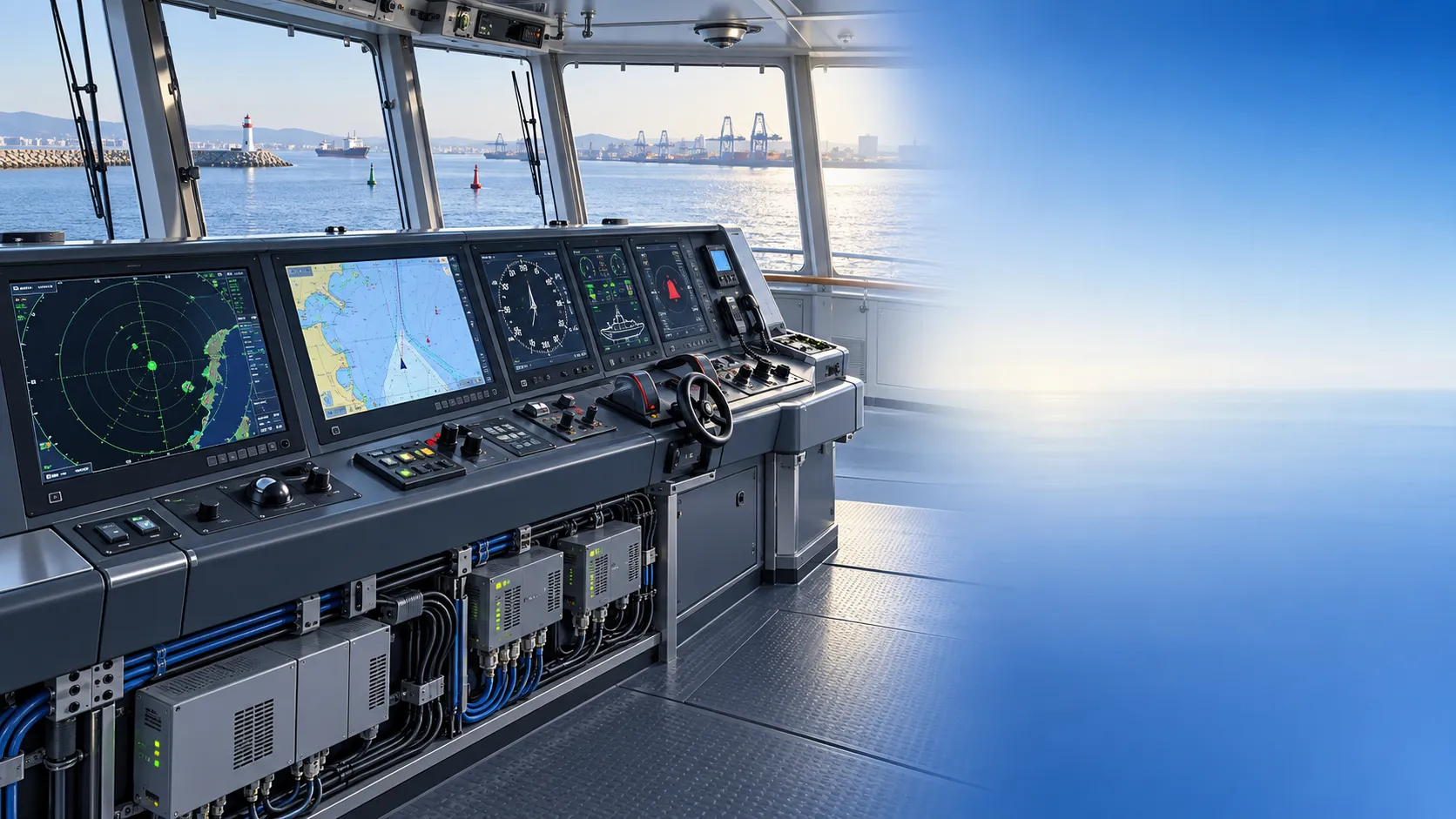
How to Specify Integrated Marine Electronics for Reliable Bridge Operations
Integrated marine electronics: learn how to specify reliable bridge systems with clear data flows, redundancy, alarm control, lifecycle interfaces, and operational testing.
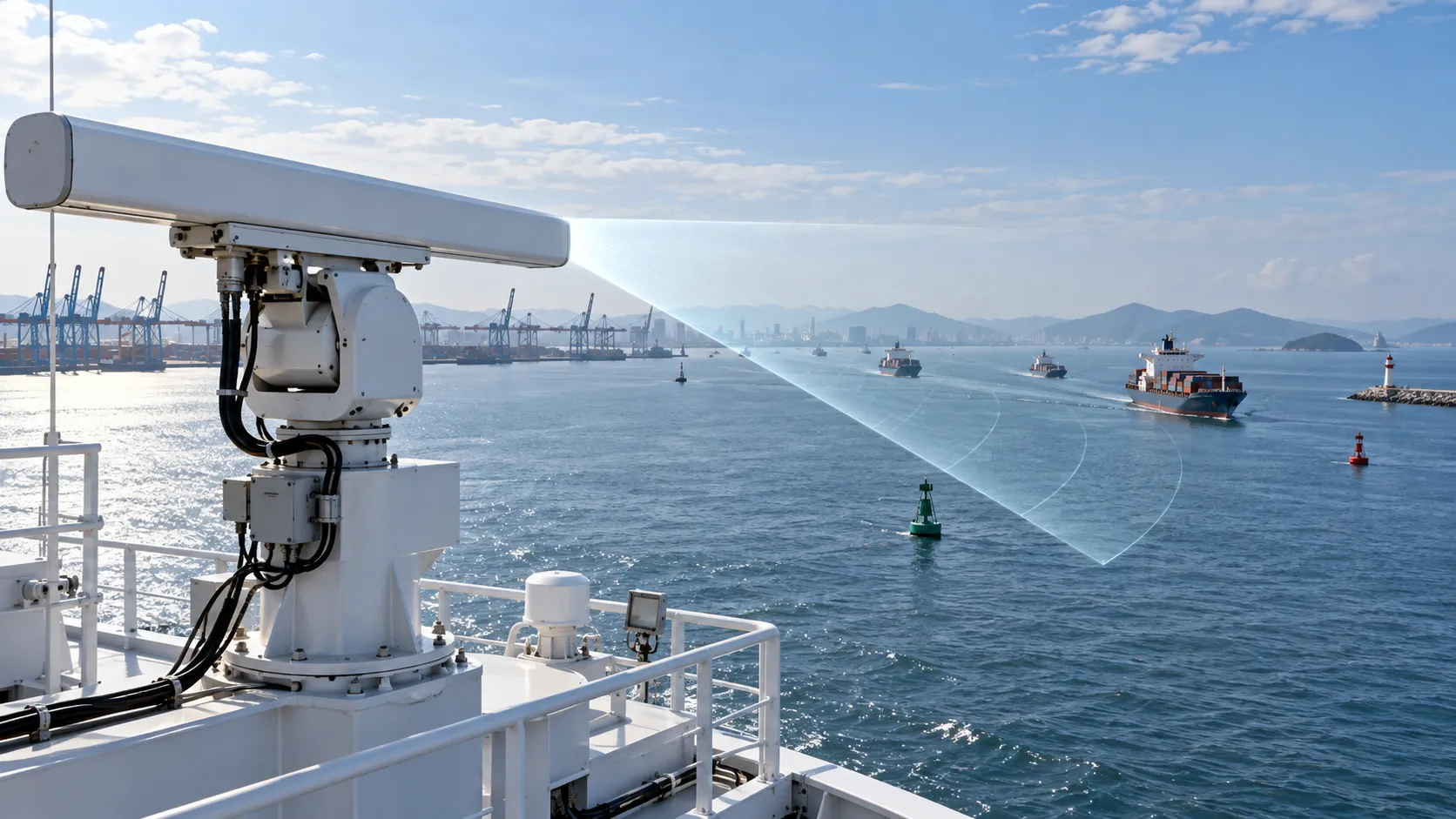
How to Evaluate Navigation Radar Manufacturers for Commercial Vessel Projects
Navigation radar manufacturers: learn how to compare performance, compliance, integration, support, and lifecycle cost for commercial vessel projects.

How Adjustable Cabin Ergonomics Reduce Operator Fatigue in Long-Shift Vehicles
Adjustable cabin ergonomics reduces operator fatigue through better seating, reach, visibility, vibration control, and climate comfort for safer long-shift vehicles.

How Rear-Impact Safety Components Work Together to Protect Vehicle Occupants
Explore how automotive safety components for rear impact work together—from crash structures and seats to head restraints and belts—to enhance occupant protection.
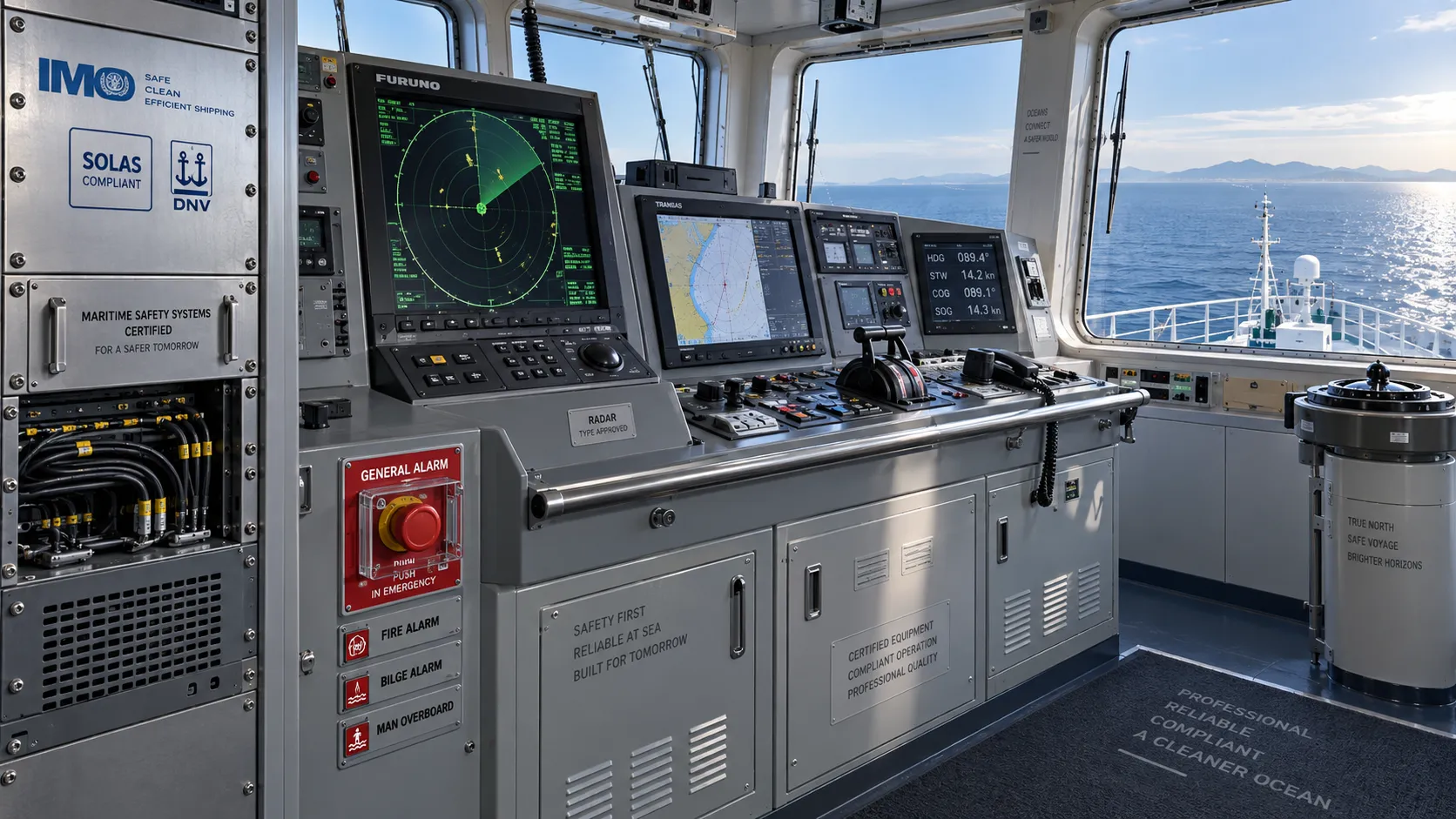
How to Evaluate a Marine Safety Systems Manufacturer for Vessel Compliance and Reliability
Marine safety systems manufacturer evaluation guide: verify compliance, engineering quality, lifecycle costs, and global service support for safer, reliable vessel operations.

Crash Test Regulations for Seatbelts: Key Compliance Requirements Explained
Crash test regulations seatbelts explained: explore FMVSS, UN rules, anchorage strength, and dynamic restraint testing for safer, compliant vehicle systems.

How to Calculate the Total Cost of Automotive Lightweighting for a Vehicle Program
Automotive lightweight solutions cost: learn how to calculate program-level costs, including materials, tooling, joining, validation, risk, and vehicle-level value.

How Automotive Seat Occupancy Sensing Improves Airbag Deployment Decisions
Automotive seat occupancy sensing helps optimize airbag deployment decisions, improving passenger classification, safety diagnostics, and compliance across real-world conditions.

What Drives Lightweight Body Component Costs in High-Volume Vehicle Programs?
Lightweight body components cost depends on material yield, forming, joining, tooling, validation, and logistics. Explore proven ways to optimize total vehicle program cost.
Related News
- 00
0000-00
ECDIS Systems for Ships: Compliance Requirements, Core Functions, and Buying Checklist - 00
0000-00
Navigation Compliance for Marine Systems: Key Rules, Certificates, and Approval Steps - 00
0000-00
How to Choose Marine Navigation Systems for Coastal, Offshore, and Port Operations - 00
0000-00
How Navigation Intelligence Affects Route Planning, Fuel Use, and Bridge Decisions - 00
0000-00
ECDIS Update Protocols: How to Manage Chart, Software, and Safety Data Correctly
Weekly Insights
Stay ahead with our curated technology reports delivered every Monday.