ECDIS Update Protocols: How to Avoid Chart Sync Errors and Compliance Risks
Why ECDIS update protocols become a frontline safety issue
ECDIS update protocols sit at the point where digital maintenance meets real navigation risk.
When chart data, permits, and route layers fall out of sync, the problem is rarely limited to one screen.
It can affect voyage planning, bridge confidence, audit evidence, and ultimately safe water decisions.
In GNCS coverage of precision perception systems, this is a familiar pattern.
A technical process looks routine until a timing gap, compatibility mismatch, or weak validation loop exposes operational consequences.
That is why ECDIS update protocols should be assessed as a control discipline, not only as a software task.
The real question is not whether updates are performed.
It is whether the workflow keeps every chart state aligned with the vessel, the route, and the compliance record.
Actual operating conditions change what “good” looks like
Different fleets can use the same ECDIS model and still need different update controls.
The gap usually comes from connectivity, trading pattern, bridge workflow, and how often route data changes close to departure.
A deep-sea vessel with scheduled update windows faces a different risk profile from a coastal operation with frequent revisions.
A newbuild integrating cloud-based services faces different issues from a mixed fleet carrying older terminals.
In practice, ECDIS update protocols should be judged by four questions.
- How does chart data enter the shipboard system?
- Where can synchronization break between source, server, and display?
- How is update completion verified before route approval?
- What evidence remains available for inspection or incident review?
Those questions sound simple, yet they reveal whether update discipline is operationally mature or only administratively complete.
Where route pressure is high, timing errors matter more than file errors
One common scenario involves frequent port calls, short turnarounds, and route changes near sailing time.
Here, ECDIS update protocols fail less often because of corrupted data and more often because of compressed timing.
Updates may be downloaded, but not fully loaded across primary and backup stations before the route is checked.
The result is subtle inconsistency.
One terminal shows the latest notices, another still reflects the prior chart state, and route validation appears complete anyway.
In this situation, the strongest safeguard is sequence control.
Update installation, permit confirmation, route import, and route check should follow a locked order.
If any step changes, the route check should be repeated automatically or by procedure.
This is also where audit readiness improves.
A timestamped chain is more defensible than a general statement that charts were updated before departure.
What deserves attention in fast-turnaround operations
- Mirror update status across primary and backup ECDIS units.
- Prevent route approval on partially updated chart portfolios.
- Record who validated permits and who released the route.
- Separate downloaded files from successfully applied files in the log.
On mixed fleets, compatibility often drives the biggest chart sync errors
Another frequent scenario appears in fleets with different bridge systems, software versions, and service histories.
The update package may be valid, yet its behavior differs across equipment generations.
That creates hidden risk because standardized instructions can look complete while actual execution diverges.
Older installations may require manual permit handling, local media transfer, or additional reboot cycles.
Newer platforms may depend on cloud synchronization and centralized dashboard confirmation.
Treating both cases as identical weakens ECDIS update protocols at the exact point where consistency is needed.
GNCS often highlights this type of cross-generation discipline gap in mobility systems.
Whether the subject is radar logic or impact protection, high-reliability equipment fails when interfaces are assumed to be uniform.
When connectivity is unstable, fallback design becomes part of compliance
Not every sync problem starts onboard.
Sometimes the update chain is stressed by bandwidth limits, interrupted transfer, or delayed shore-side packaging.
In these conditions, ECDIS update protocols should define exception handling with the same rigor as normal handling.
A weak fallback plan usually creates two risks at once.
The bridge may operate with uncertainty about chart completeness, and later nobody can reconstruct what was missing, delayed, or substituted.
A practical approach is to classify update interruptions by impact.
Missing low-impact revisions should not be handled the same way as missing data within the planned trading area.
That distinction supports better judgment without relaxing compliance discipline.
It also helps technical teams decide when manual alternatives, deferred sailing review, or additional route restrictions are necessary.
Useful fallback elements
- Define acceptable temporary workarounds by geography and risk level.
- Keep offline media procedures tested, not only documented.
- Require explicit exception signoff when updates remain incomplete.
- Preserve transfer failure logs for later compliance review.
The common misread is treating completion as proof of correctness
A frequent mistake is to assume that a successful upload equals a usable navigation state.
That assumption ignores permit validity, duplicate portfolios, display database mismatches, and route files built on older chart baselines.
Another misread is focusing on procurement cost or subscription scope while overlooking maintenance effort.
Some update environments are inexpensive to license but expensive to verify across dispersed vessels.
The stronger evaluation method is to track operational friction.
If ECDIS update protocols require repeated manual correction, they are not stable enough for high-confidence navigation.
This matters beyond maritime systems.
Across GNCS sectors, from passive safety electronics to precision sensing, disciplined updates and traceable validation are what separate nominal capability from dependable field performance.
A practical way to adapt ECDIS update protocols before risk accumulates
The most effective next step is not adding more paperwork.
It is mapping the actual update path from source release to bridge confirmation.
That map should show handoffs, timing windows, system dependencies, and failure points.
From there, protocol improvement becomes concrete.
- Separate download, installation, validation, and route-release responsibilities.
- Define version-specific instructions for different ECDIS platforms.
- Test primary and backup synchronization under realistic time pressure.
- Review exception cases, not only successful update cycles.
- Align evidence logs with inspection and incident reconstruction needs.
Well-structured ECDIS update protocols reduce more than sync errors.
They tighten route integrity, improve compliance confidence, and support the broader reliability standard expected in global mobility equipment.
Before changing tools or suppliers, it is worth comparing real operating scenarios, charting the weak points, and setting a verification standard that matches actual vessel conditions.
Related News
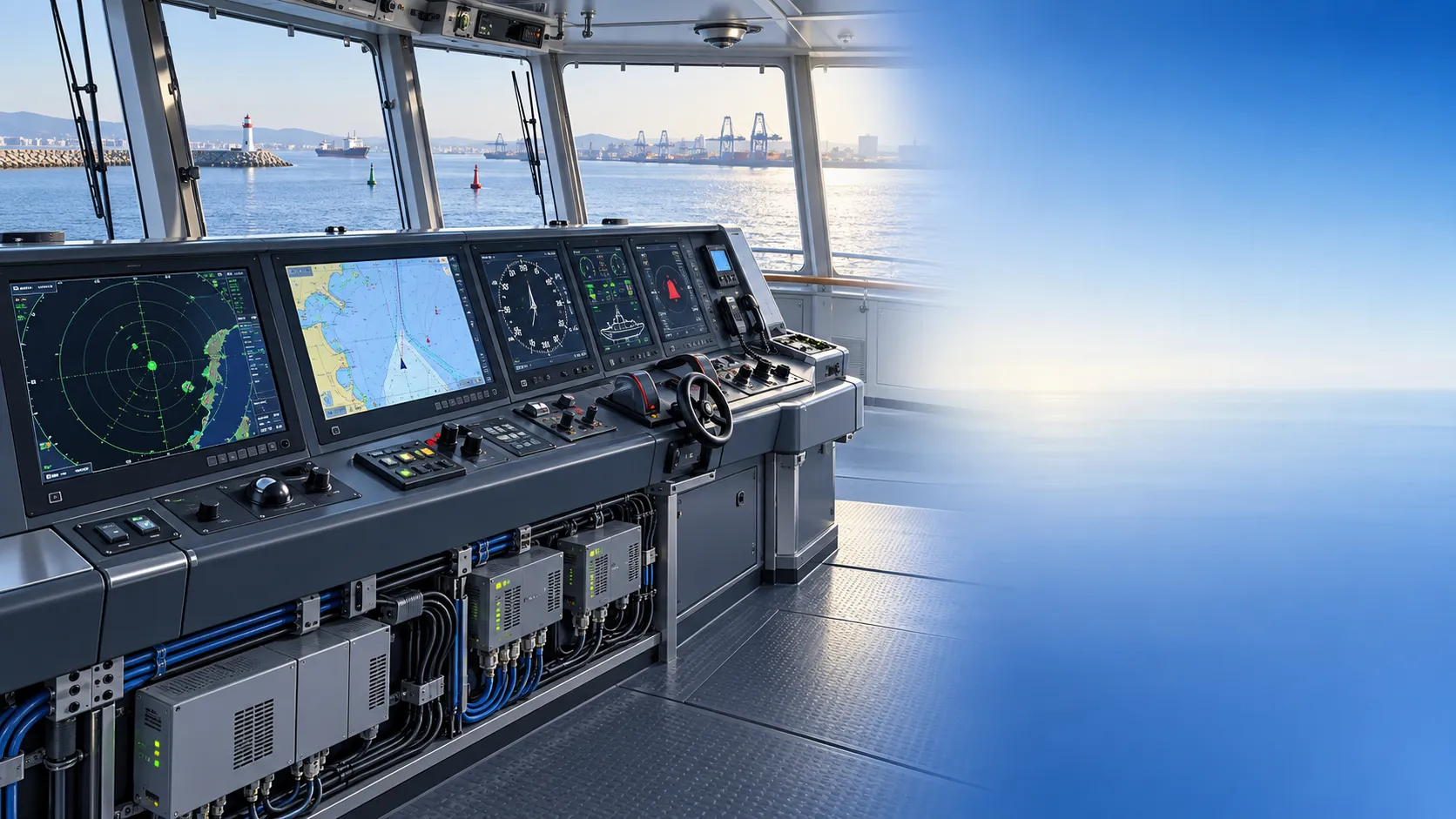
How to Specify Integrated Marine Electronics for Reliable Bridge Operations
Integrated marine electronics: learn how to specify reliable bridge systems with clear data flows, redundancy, alarm control, lifecycle interfaces, and operational testing.
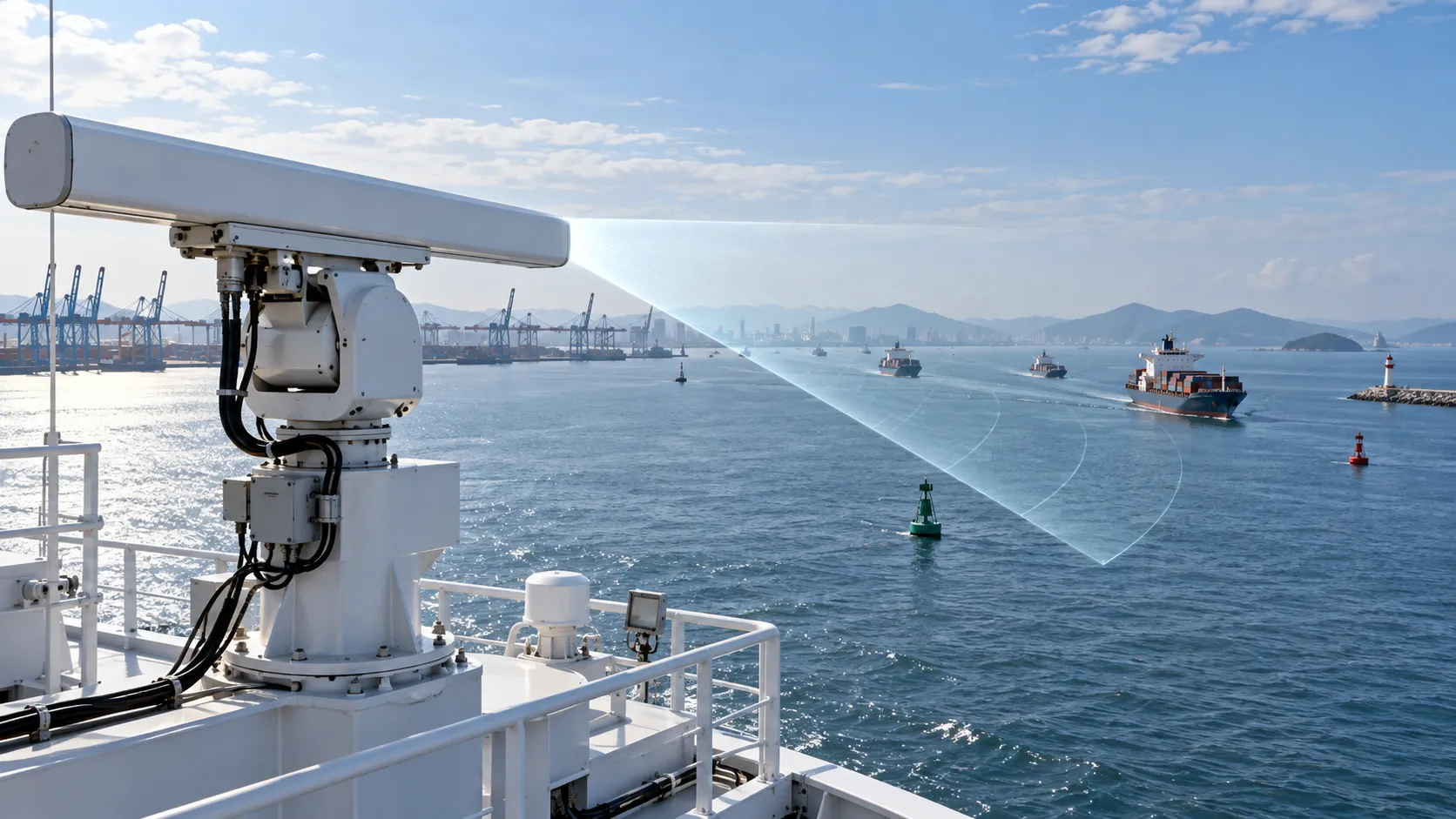
How to Evaluate Navigation Radar Manufacturers for Commercial Vessel Projects
Navigation radar manufacturers: learn how to compare performance, compliance, integration, support, and lifecycle cost for commercial vessel projects.

How Adjustable Cabin Ergonomics Reduce Operator Fatigue in Long-Shift Vehicles
Adjustable cabin ergonomics reduces operator fatigue through better seating, reach, visibility, vibration control, and climate comfort for safer long-shift vehicles.

How Rear-Impact Safety Components Work Together to Protect Vehicle Occupants
Explore how automotive safety components for rear impact work together—from crash structures and seats to head restraints and belts—to enhance occupant protection.
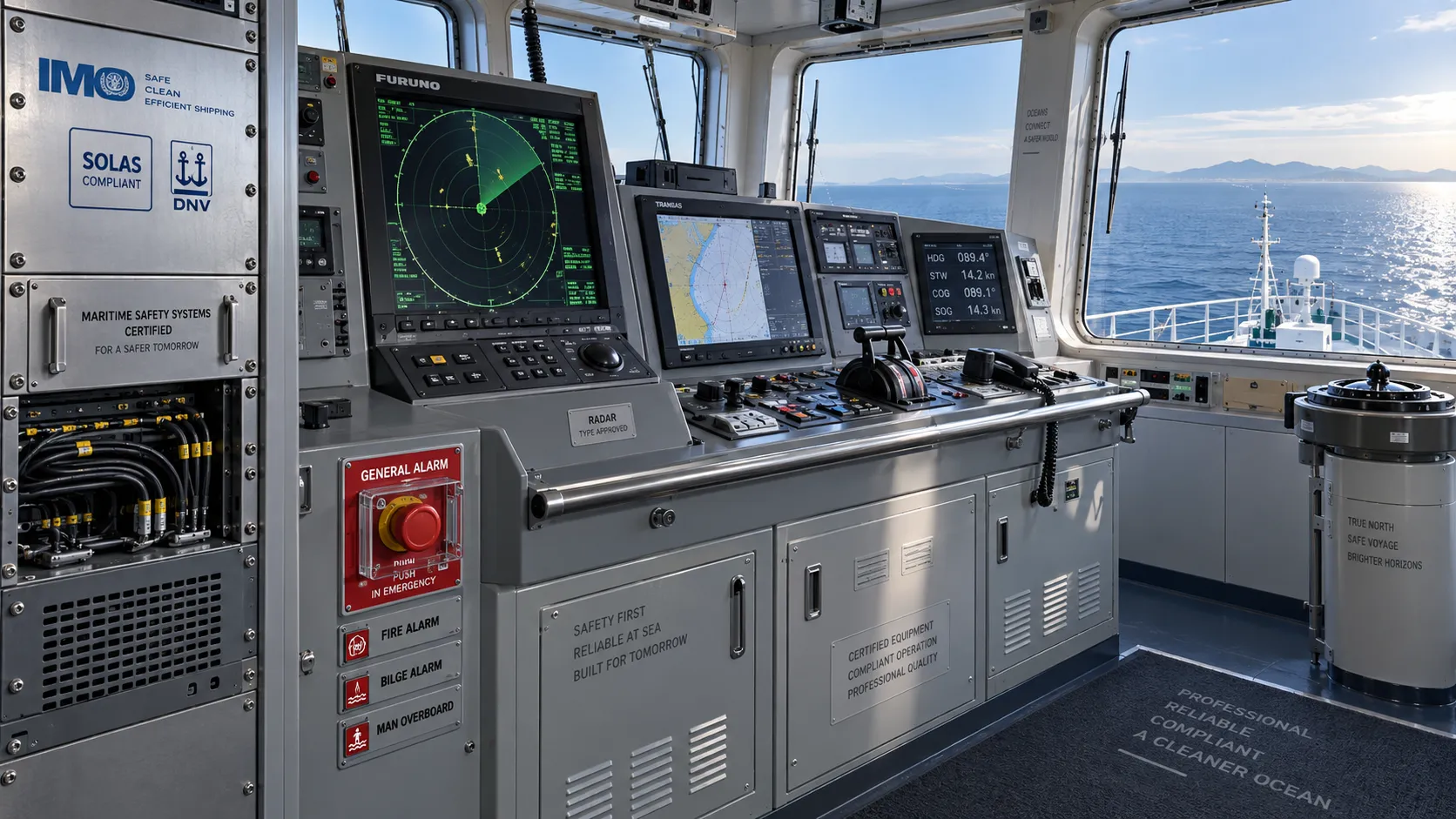
How to Evaluate a Marine Safety Systems Manufacturer for Vessel Compliance and Reliability
Marine safety systems manufacturer evaluation guide: verify compliance, engineering quality, lifecycle costs, and global service support for safer, reliable vessel operations.

Crash Test Regulations for Seatbelts: Key Compliance Requirements Explained
Crash test regulations seatbelts explained: explore FMVSS, UN rules, anchorage strength, and dynamic restraint testing for safer, compliant vehicle systems.

How to Calculate the Total Cost of Automotive Lightweighting for a Vehicle Program
Automotive lightweight solutions cost: learn how to calculate program-level costs, including materials, tooling, joining, validation, risk, and vehicle-level value.

How Automotive Seat Occupancy Sensing Improves Airbag Deployment Decisions
Automotive seat occupancy sensing helps optimize airbag deployment decisions, improving passenger classification, safety diagnostics, and compliance across real-world conditions.

What Drives Lightweight Body Component Costs in High-Volume Vehicle Programs?
Lightweight body components cost depends on material yield, forming, joining, tooling, validation, and logistics. Explore proven ways to optimize total vehicle program cost.
Related News
- 00
0000-00
ECDIS Systems for Ships: Compliance Requirements, Core Functions, and Buying Checklist - 00
0000-00
Navigation Compliance for Marine Systems: Key Rules, Certificates, and Approval Steps - 00
0000-00
How to Choose Marine Navigation Systems for Coastal, Offshore, and Port Operations - 00
0000-00
How Navigation Intelligence Affects Route Planning, Fuel Use, and Bridge Decisions - 00
0000-00
ECDIS Update Protocols: How to Manage Chart, Software, and Safety Data Correctly
Weekly Insights
Stay ahead with our curated technology reports delivered every Monday.