
How Navigation Intelligence Affects Route Planning, Fuel Use, and Bridge Decisions
Navigation intelligence now influences far more than chart display or watchkeeping convenience. It shapes how routes are built, how fuel is burned, and how bridge teams respond when weather, traffic, draft limits, or compliance pressures change faster than expected.
That shift matters across the wider mobility equipment landscape. For organizations comparing systems, suppliers, and upgrade paths, the value of navigation intelligence sits at the intersection of safety, operating cost, digital integration, and decision quality.
Within GNCS, this topic fits naturally into a broader view of precision perception and risk control. Marine navigation may operate in a different environment than passive cabin safety, yet both depend on accurate sensing, fast interpretation, and dependable action under pressure.
What navigation intelligence really means on the bridge
In practical terms, navigation intelligence is the ability of onboard systems to turn multiple data streams into usable operational guidance. It goes beyond raw positioning and helps crews understand what to do next.
A modern setup may combine GNSS, radar, AIS, sonar, ECDIS, weather feeds, engine data, tide information, and route history. The intelligence layer connects these inputs and highlights patterns that matter in the moment.
This is why the term should not be reduced to software alone. It includes sensor quality, update integrity, interface design, alert logic, and the ability to support clear bridge decisions without creating unnecessary workload.
Why the market pays closer attention now
Fuel remains one of the most visible operating costs, but it is no longer the only driver. Emissions expectations, audit requirements, insurance scrutiny, and schedule reliability now push navigation intelligence into commercial evaluation.
At the same time, bridge teams face denser traffic, tighter port windows, and more volatile weather. Static passage planning is less effective when route conditions can change several times during a single voyage.
GNCS tracks this evolution through its Strategic Intelligence Center, where marine compliance, signal processing, and equipment reliability are examined as connected issues rather than isolated product features.
That perspective matters because the strongest commercial case rarely comes from one function. It comes from combined gains in navigation accuracy, fuel discipline, incident prevention, and upgrade readiness.
How route planning becomes more precise
Traditional route planning often relied on fixed waypoints, manual weather checks, and conservative buffers. Intelligent systems still respect that discipline, but they continuously refine the route as conditions evolve.
For example, navigation intelligence can compare alternative paths based on forecasted wave height, current direction, traffic lanes, under-keel clearance, and expected arrival windows. The result is a route that is operationally realistic, not merely shortest on paper.
This improves route planning in several ways:
- It reduces unnecessary detours caused by late information.
- It helps balance schedule pressure against safety margins.
- It supports dynamic re-routing when congestion builds ahead.
- It gives more confidence in narrow-channel or coastal planning.
The gain is not just speed. Better route planning often means fewer abrupt course changes, more stable engine loading, and fewer downstream disruptions at port.
The direct link between navigation intelligence and fuel use
Fuel performance improves when vessels avoid inefficient behavior. That includes sailing into avoidable resistance, maintaining unsuitable speeds, or making last-minute corrections because earlier route choices were incomplete.
Navigation intelligence reduces those inefficiencies by helping crews choose routes that match sea state, traffic flow, and arrival requirements. Sometimes the most fuel-efficient route is longer in distance but smoother in resistance and speed profile.
The relationship can be summarized clearly:
For decision-makers, the key point is simple. Fuel savings should be evaluated as the outcome of better routing logic, not as an isolated promise from a single interface feature.
Better bridge decisions under pressure
Bridge decisions rarely fail because information is absent. More often, they fail because the information is fragmented, delayed, or difficult to prioritize during a narrow time window.
Navigation intelligence improves this by ranking what matters first. It can present collision risks, shallow-water concerns, route conflicts, and weather exposure in a sequence that supports action rather than distraction.
This is where human factors become important. A system that produces too many alarms can weaken bridge performance. A system that filters aggressively can hide a developing threat. The best solutions create disciplined awareness.
GNCS often frames this as a broader safety logic shared across sectors. Whether the subject is a radar network or an airbag assembly, intelligent protection depends on trustworthy signals, calibrated thresholds, and predictable response behavior.
Where decision quality shows up most clearly
- Approach planning in restricted waters.
- Night operations in mixed commercial traffic.
- Course changes during sudden weather deterioration.
- Reassessment after equipment faults or signal anomalies.
- Compliance-driven logging and voyage reconstruction.
What deserves close review during system evaluation
When comparing navigation intelligence options, headline claims about automation are less useful than operational proof. The strongest evaluations connect technical performance to bridge practice and total lifecycle value.
Several points deserve careful attention:
- Data fusion quality across radar, AIS, sonar, and chart layers.
- ECDIS update discipline and cloud-based synchronization reliability.
- Alert management logic, especially in high-density routes.
- Cyber resilience and system redundancy during degraded operation.
- Compatibility with fleet reporting, engine monitoring, and voyage analytics.
- Training burden required to achieve real bridge adoption.
Usually, long-term value appears when the system reduces avoidable uncertainty. That may mean fewer route revisions, fewer false alarms, better fuel forecasting, or stronger evidence during audits and incident reviews.
A wider industry signal beyond marine electronics
Navigation intelligence also reflects a larger industrial pattern. Across marine systems, lightweight body structures, seatbelt technologies, and smart seating, equipment is becoming more sensor-driven, connected, and decision-oriented.
That is why GNCS treats high-precision navigation and passive safety as part of the same strategic conversation. Both fields are moving toward integrated intelligence, where physical hardware and analytical software must perform as one system.
For companies building global equipment strategies, this creates a useful benchmark. Reliable suppliers are increasingly defined by update capability, compliance visibility, data integrity, and technical credibility, not just by hardware specifications.
How to move from interest to a sharper decision
A practical next step is to assess navigation intelligence through real voyage scenarios rather than generic feature lists. Compare how each system handles route changes, fuel-sensitive speed guidance, alert prioritization, and post-voyage traceability.
It also helps to align the review with broader equipment strategy. If digital reliability, compliance response, and cross-system integration already matter elsewhere in the business, they should also shape marine navigation choices.
The most useful decision framework is rarely the most complex. Start with operating routes, risk exposure, fuel variability, and bridge workload. Then test which navigation intelligence platform turns those realities into clearer actions, not just more data.
When that standard is applied consistently, route planning becomes more disciplined, fuel use becomes more controllable, and bridge decisions become more resilient under real-world pressure.
Related News
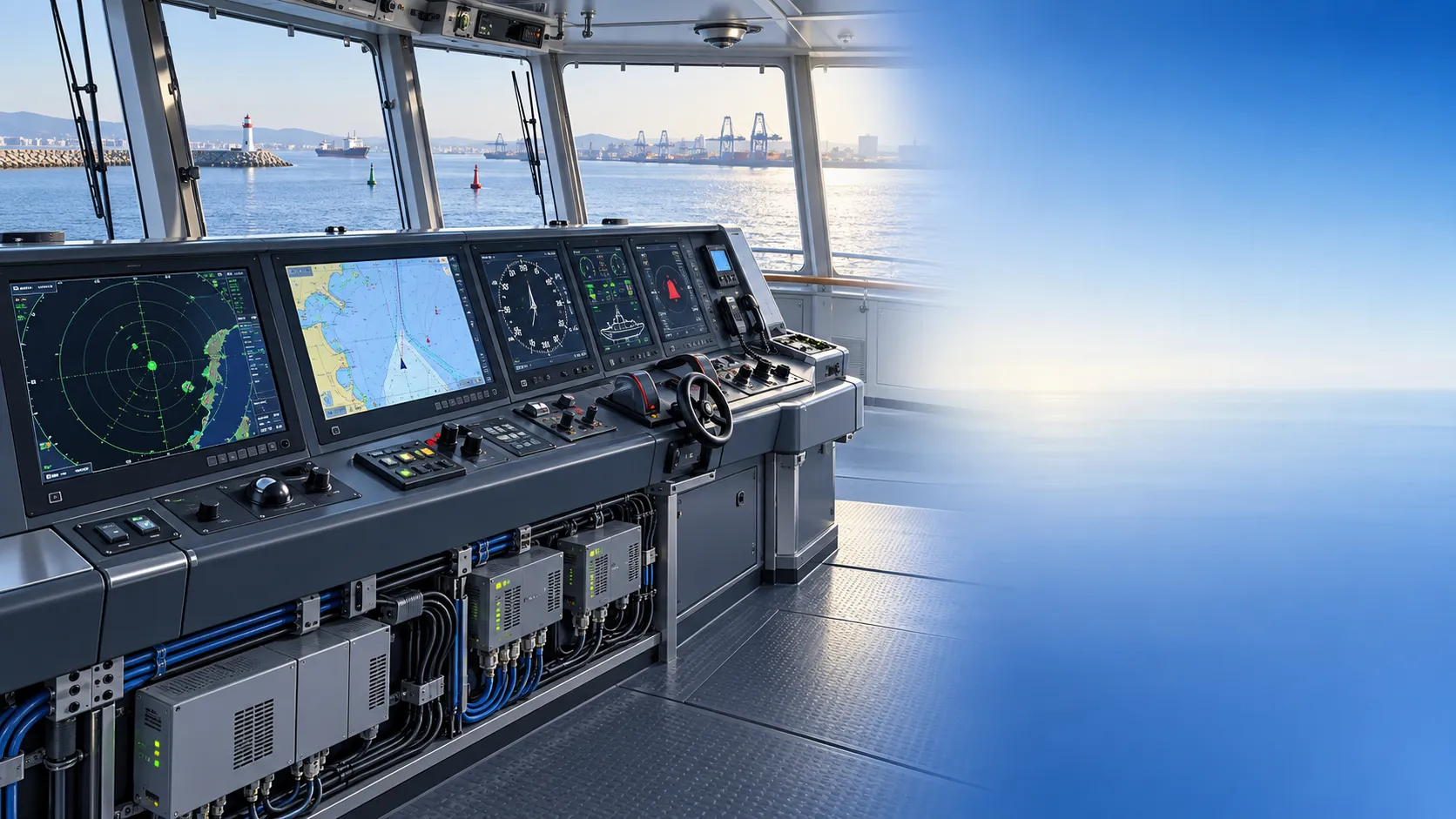
How to Specify Integrated Marine Electronics for Reliable Bridge Operations
Integrated marine electronics: learn how to specify reliable bridge systems with clear data flows, redundancy, alarm control, lifecycle interfaces, and operational testing.
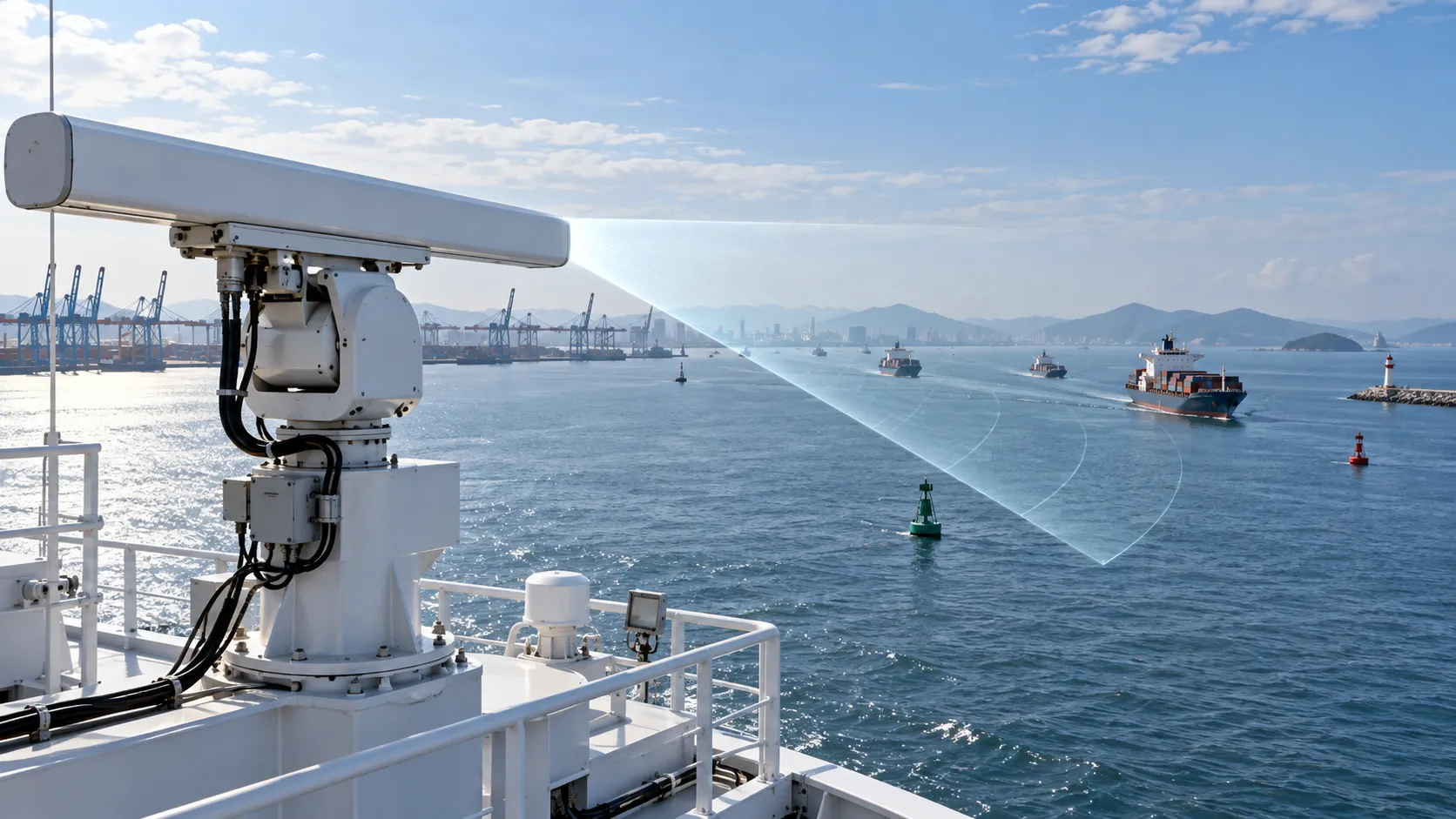
How to Evaluate Navigation Radar Manufacturers for Commercial Vessel Projects
Navigation radar manufacturers: learn how to compare performance, compliance, integration, support, and lifecycle cost for commercial vessel projects.

How Adjustable Cabin Ergonomics Reduce Operator Fatigue in Long-Shift Vehicles
Adjustable cabin ergonomics reduces operator fatigue through better seating, reach, visibility, vibration control, and climate comfort for safer long-shift vehicles.

How Rear-Impact Safety Components Work Together to Protect Vehicle Occupants
Explore how automotive safety components for rear impact work together—from crash structures and seats to head restraints and belts—to enhance occupant protection.
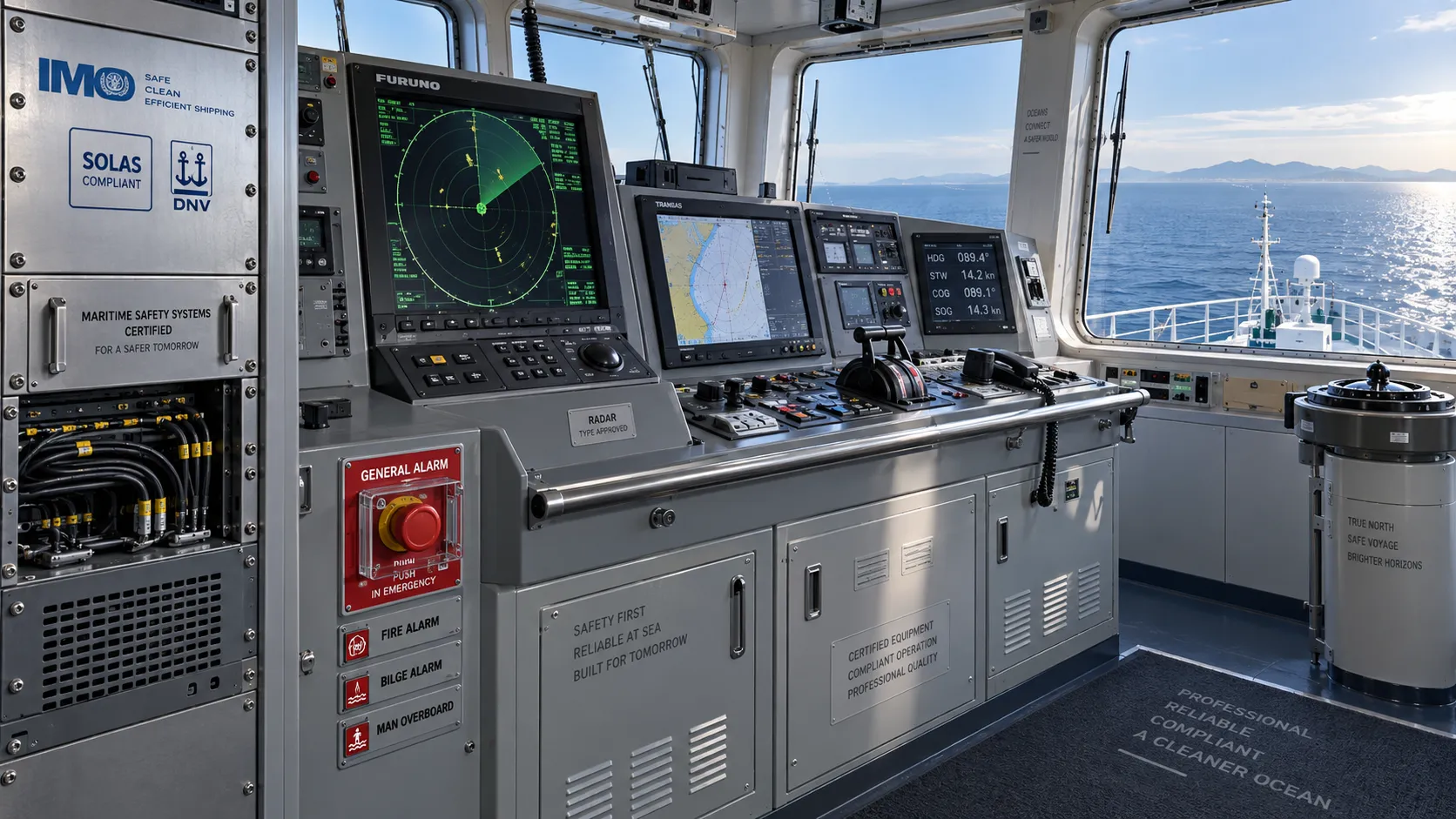
How to Evaluate a Marine Safety Systems Manufacturer for Vessel Compliance and Reliability
Marine safety systems manufacturer evaluation guide: verify compliance, engineering quality, lifecycle costs, and global service support for safer, reliable vessel operations.
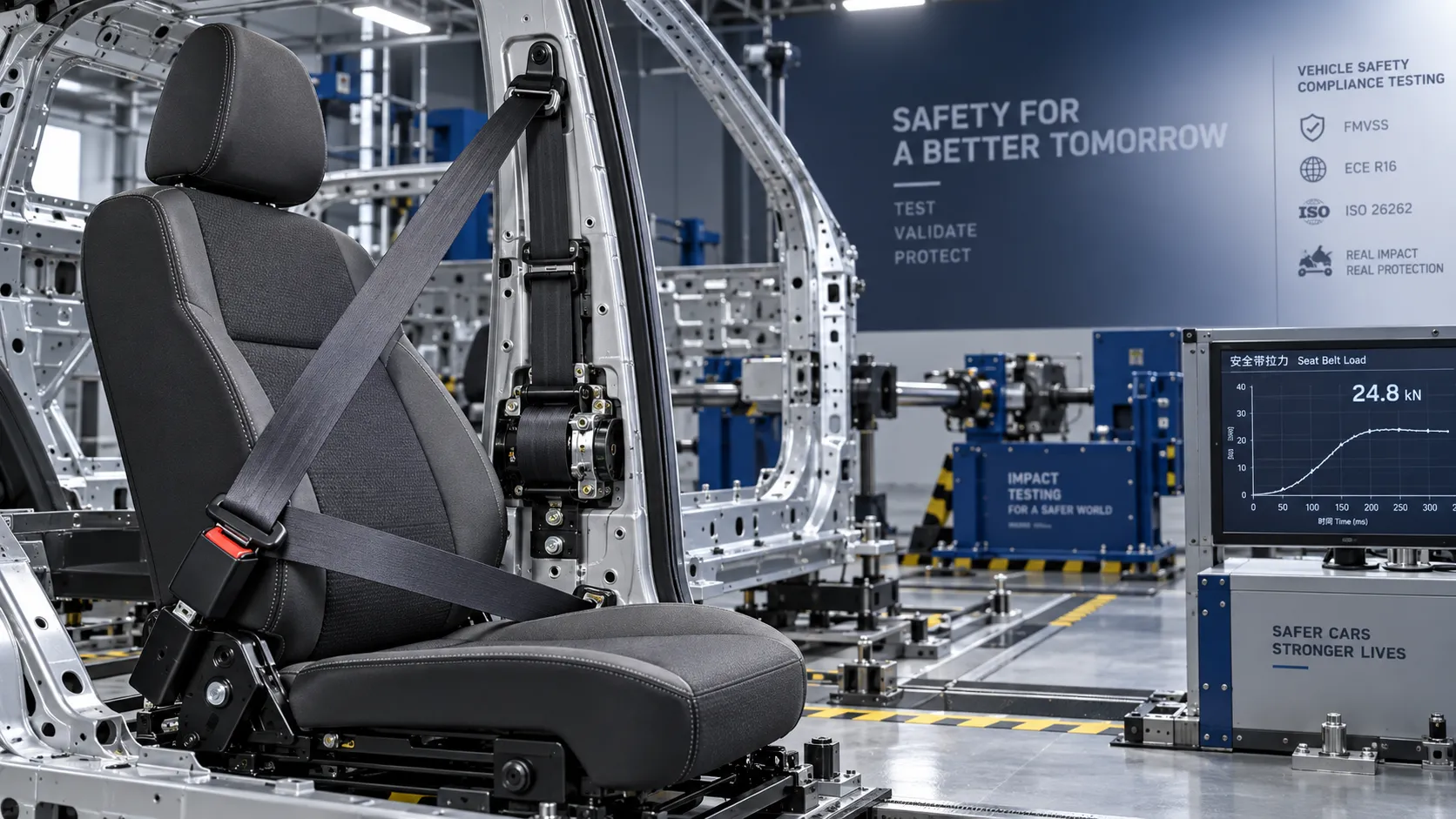
Crash Test Regulations for Seatbelts: Key Compliance Requirements Explained
Crash test regulations seatbelts explained: explore FMVSS, UN rules, anchorage strength, and dynamic restraint testing for safer, compliant vehicle systems.

How to Calculate the Total Cost of Automotive Lightweighting for a Vehicle Program
Automotive lightweight solutions cost: learn how to calculate program-level costs, including materials, tooling, joining, validation, risk, and vehicle-level value.

How Automotive Seat Occupancy Sensing Improves Airbag Deployment Decisions
Automotive seat occupancy sensing helps optimize airbag deployment decisions, improving passenger classification, safety diagnostics, and compliance across real-world conditions.

What Drives Lightweight Body Component Costs in High-Volume Vehicle Programs?
Lightweight body components cost depends on material yield, forming, joining, tooling, validation, and logistics. Explore proven ways to optimize total vehicle program cost.
Related News
- 00
0000-00
ECDIS Systems for Ships: Compliance Requirements, Core Functions, and Buying Checklist - 00
0000-00
Navigation Compliance for Marine Systems: Key Rules, Certificates, and Approval Steps - 00
0000-00
How to Choose Marine Navigation Systems for Coastal, Offshore, and Port Operations - 00
0000-00
How Navigation Intelligence Affects Route Planning, Fuel Use, and Bridge Decisions - 00
0000-00
ECDIS Update Protocols: How to Manage Chart, Software, and Safety Data Correctly
Weekly Insights
Stay ahead with our curated technology reports delivered every Monday.