How to Choose Marine Navigation Systems for Coastal, Offshore, and Port Operations
Choosing marine navigation systems for coastal, offshore, and port operations is rarely a simple hardware decision. It shapes navigational safety, regulatory readiness, crew workload, fuel discipline, and the ability to keep vessels productive in mixed operating conditions.
The challenge is that the same bridge architecture does not perform equally well everywhere. A vessel moving through congested port waters faces different risks than one crossing offshore routes or working along changing coastlines.
That is why marine navigation systems should be evaluated as an operational framework, not as isolated devices. In practice, system fit depends on environment, integration quality, update discipline, and the reliability of data under pressure.
What marine navigation systems really include
In everyday discussions, the phrase often points to GPS, radar, or ECDIS. In actual projects, marine navigation systems usually combine positioning, sensing, display, alerting, and communication functions into one coordinated decision layer.
A complete setup may include GNSS receivers, radar, AIS, echo sounders, gyrocompass inputs, autopilot interfaces, chart systems, route monitoring, and alarm management. The quality of selection depends on how these elements behave together.
This broader view matters because failures are often not caused by one component alone. Problems emerge when signals are inconsistent, displays are poorly arranged, software updates lag, or crews cannot trust what the bridge is showing.
Why the topic matters more now
Maritime operations now run through denser traffic, stricter compliance checks, and tighter performance targets. Navigation technology is expected to support safety while also improving route accuracy, reporting quality, and equipment uptime.
More attention is also moving toward data integrity. Signal interference, cyber exposure, outdated chart libraries, and poor interoperability can compromise otherwise advanced marine navigation systems.
This is where GNCS offers useful context. Its intelligence model connects high-precision navigation, compliance tracking, and systems evolution in the same way other mobility sectors connect structural safety, sensing, and control reliability.
That cross-industry perspective is valuable. It treats perception accuracy and physical safety as part of one operational discipline, rather than separate technical conversations.
Different waters require different priorities
A strong selection process starts with operating context. Coastal, offshore, and port environments share core navigation needs, but their risk patterns are different enough to change system priorities.
Coastal operations
Coastal routes involve variable depths, shoreline traffic, fishing activity, changing weather, and frequent course adjustments. Marine navigation systems here need fast situational awareness and dependable chart accuracy.
Radar clarity in cluttered areas, AIS visibility, shallow-water awareness, and responsive route monitoring become more important than raw long-range capability alone.
Offshore operations
Offshore work usually stretches endurance, redundancy, and signal resilience. Long-distance voyages, remote support limitations, and harsher weather increase the value of backup architecture and stable sensor fusion.
In this setting, marine navigation systems should support reliable positioning, route optimization, low-failure operation, and straightforward recovery if one subsystem drops out.
Port operations
Ports compress risk into short windows. Traffic density, maneuvering precision, pilotage coordination, berth approach, and local control procedures demand fast interpretation of close-range information.
For port work, marine navigation systems must reduce ambiguity. Display layout, alert logic, radar behavior at short range, and interface simplicity often matter more than extra features.
The selection criteria that usually decide success
Many procurement lists still compare marine navigation systems by feature count. That approach misses the factors that influence real performance after installation.
Integration quality
The bridge should work like a coordinated environment. Positioning inputs, radar overlays, AIS targets, sonar data, and alert functions must align without lag or confusing discrepancies.
Poor integration creates hidden risk. Operators spend time validating screens instead of acting on them.
Redundancy and failure behavior
System reliability is not only about avoiding faults. It is also about how marine navigation systems degrade when faults occur. Graceful fallback is often more valuable than premium specifications on paper.
Human-machine usability
Bridge teams need clean visual hierarchy, logical alarms, and menus that do not bury important functions. During busy maneuvers, usability becomes a safety feature.
Compliance and update management
ECDIS update workflows, cybersecurity controls, audit trails, and standards alignment should be assessed early. A technically advanced platform can still create operational friction if compliance upkeep is weak.
- Confirm which standards and flag requirements apply across routes and ports.
- Check whether software updates can be managed without long service interruptions.
- Review sensor compatibility with existing bridge equipment.
- Assess how alarms are prioritized during dense traffic conditions.
- Test fallback behavior for positioning or display loss scenarios.
Business value goes beyond navigation alone
Well-matched marine navigation systems support more than safe passage. They improve voyage predictability, reduce avoidable delays, help maintain charter confidence, and make technical incidents easier to diagnose.
They also support reporting quality. Position history, route deviations, and bridge event records increasingly matter for audits, claims review, and continuous improvement programs.
From a broader industry perspective, this mirrors other safety-critical sectors. GNCS often frames such issues through precision perception and protection logic, showing how data quality and system discipline influence operational outcomes.
That framing is useful because it shifts the decision away from isolated product comparison. It encourages a lifecycle view that includes installation, training, updates, diagnostics, and future scalability.
A practical way to compare options
A useful comparison model starts with mission profile, then tests each candidate system against actual operating stress points. This keeps decisions tied to use cases instead of sales documentation.
Map the operating envelope
List where the vessel spends most of its time, how often routes change, what local pilotage constraints exist, and which weather or traffic conditions create the highest risk.
Define non-negotiable functions
Some operations need stronger shallow-water awareness. Others need robust offshore redundancy or cleaner port maneuvering displays. This should be explicit before supplier evaluation begins.
Examine service support
Marine navigation systems are long-term assets. Spare parts access, remote diagnostics, update responsiveness, and technician availability can materially affect lifecycle cost and vessel readiness.
Use operational trials where possible
Demonstrations should not stop at screen tours. The more useful test is how the system behaves during route edits, alarm loads, target congestion, and partial signal loss.
What deserves closer attention next
The next generation of marine navigation systems will likely be judged less by isolated sensor performance and more by digital coherence. Cloud-based updates, cybersecurity resilience, predictive maintenance, and cleaner interoperability are moving into the center of evaluation.
That makes disciplined intelligence tracking increasingly important. Regulatory shifts, software evolution, and sensor integration trends do not stay static for long, especially across international fleets and mixed vessel classes.
A sound next step is to build a comparison framework around operating area, redundancy, interface usability, compliance burden, and support depth. Once those criteria are visible, the right marine navigation systems become easier to identify with confidence.
From there, decisions can move from broad preference to evidence-based selection, with each option tested against real voyage conditions rather than generic specifications.
Related News
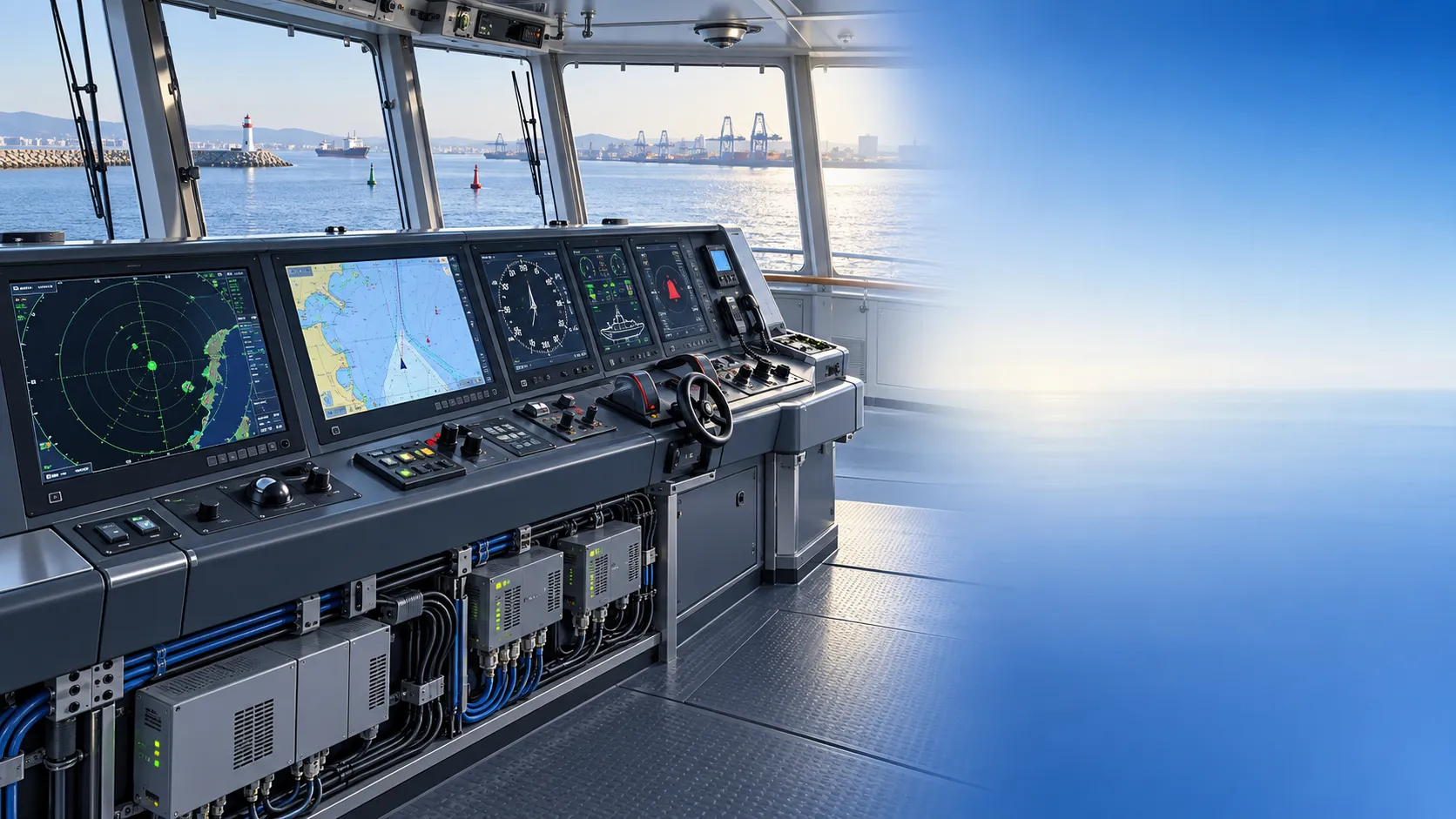
How to Specify Integrated Marine Electronics for Reliable Bridge Operations
Integrated marine electronics: learn how to specify reliable bridge systems with clear data flows, redundancy, alarm control, lifecycle interfaces, and operational testing.
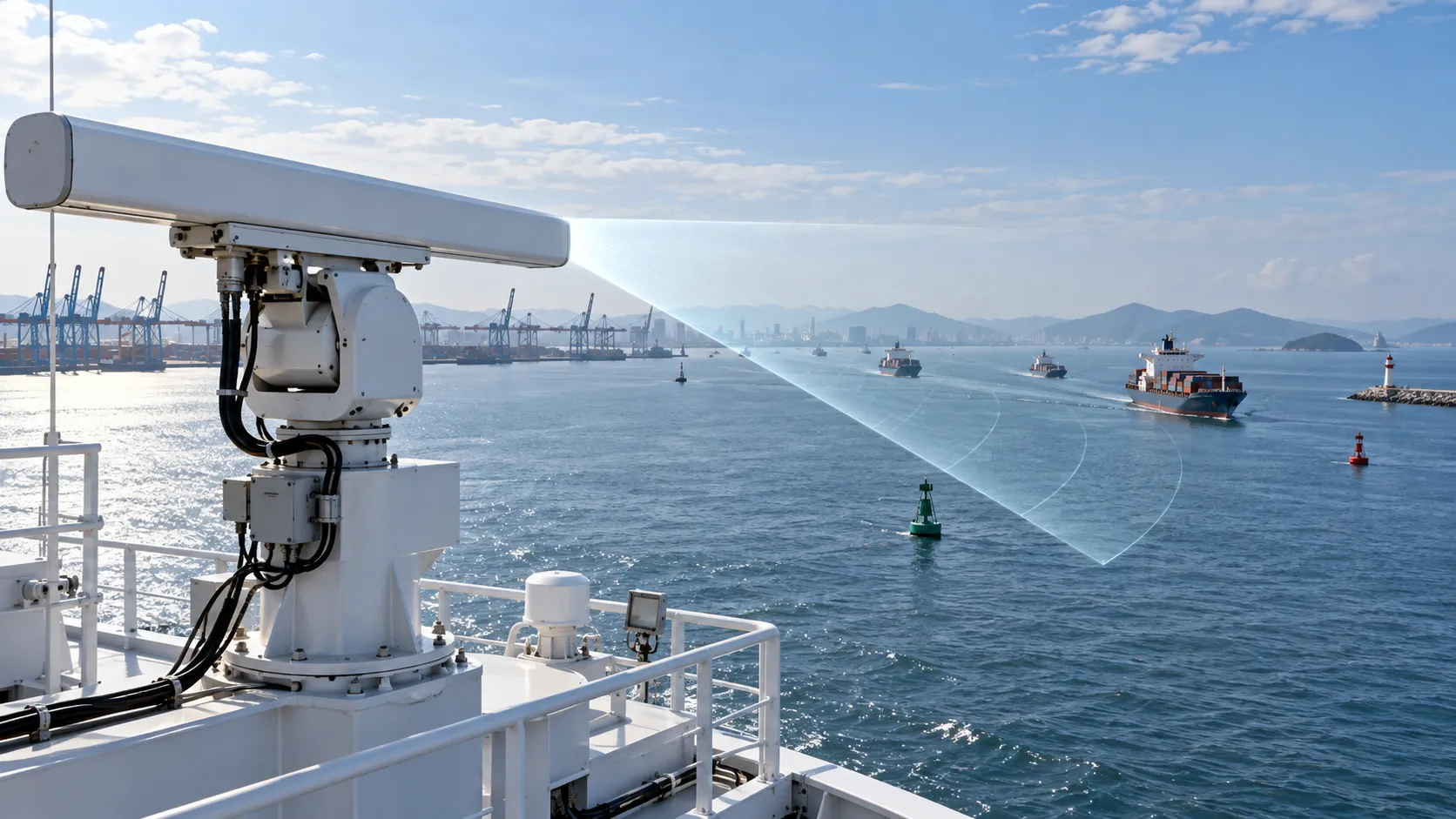
How to Evaluate Navigation Radar Manufacturers for Commercial Vessel Projects
Navigation radar manufacturers: learn how to compare performance, compliance, integration, support, and lifecycle cost for commercial vessel projects.

How Adjustable Cabin Ergonomics Reduce Operator Fatigue in Long-Shift Vehicles
Adjustable cabin ergonomics reduces operator fatigue through better seating, reach, visibility, vibration control, and climate comfort for safer long-shift vehicles.

How Rear-Impact Safety Components Work Together to Protect Vehicle Occupants
Explore how automotive safety components for rear impact work together—from crash structures and seats to head restraints and belts—to enhance occupant protection.
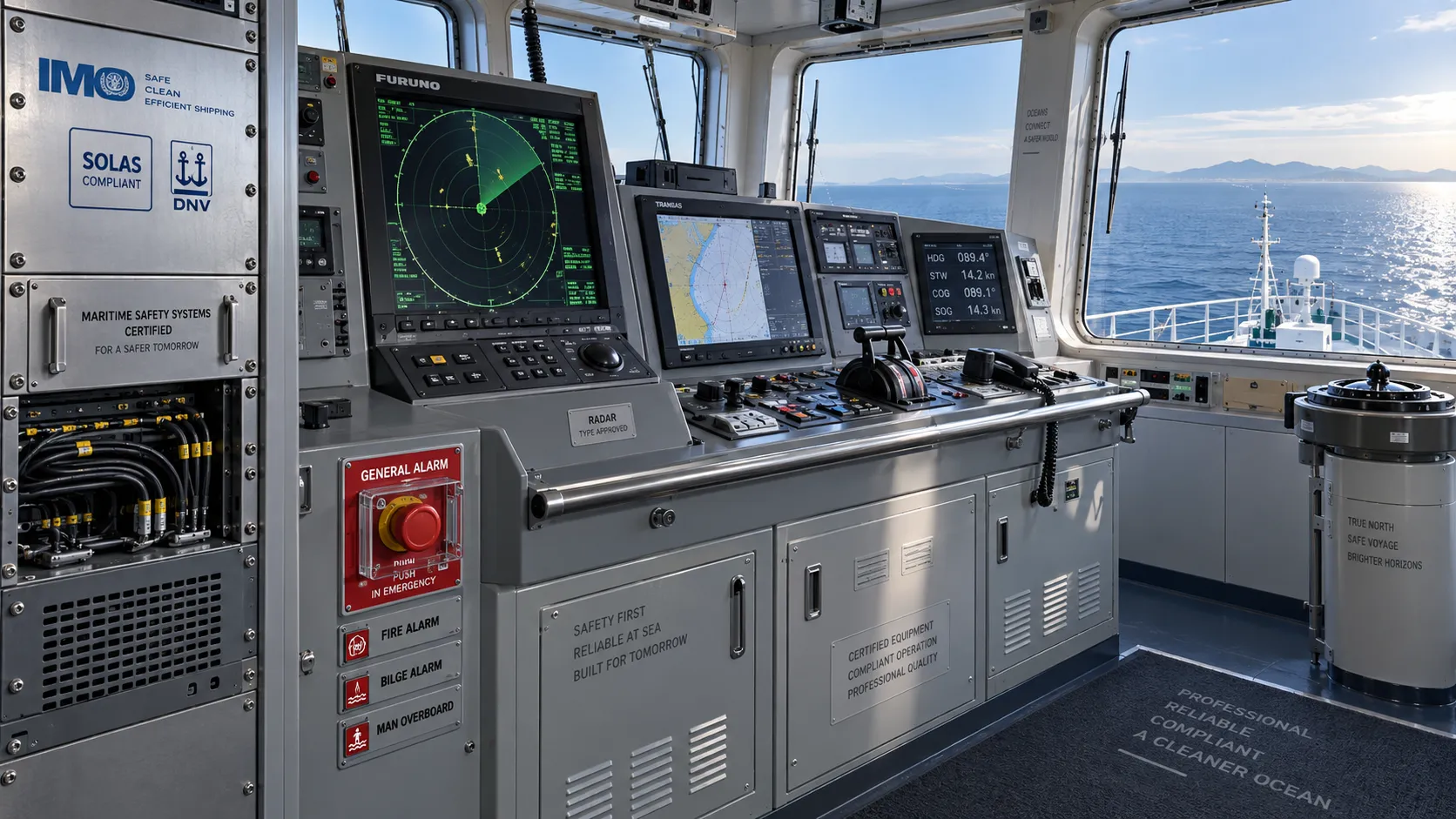
How to Evaluate a Marine Safety Systems Manufacturer for Vessel Compliance and Reliability
Marine safety systems manufacturer evaluation guide: verify compliance, engineering quality, lifecycle costs, and global service support for safer, reliable vessel operations.

Crash Test Regulations for Seatbelts: Key Compliance Requirements Explained
Crash test regulations seatbelts explained: explore FMVSS, UN rules, anchorage strength, and dynamic restraint testing for safer, compliant vehicle systems.

How to Calculate the Total Cost of Automotive Lightweighting for a Vehicle Program
Automotive lightweight solutions cost: learn how to calculate program-level costs, including materials, tooling, joining, validation, risk, and vehicle-level value.

How Automotive Seat Occupancy Sensing Improves Airbag Deployment Decisions
Automotive seat occupancy sensing helps optimize airbag deployment decisions, improving passenger classification, safety diagnostics, and compliance across real-world conditions.

What Drives Lightweight Body Component Costs in High-Volume Vehicle Programs?
Lightweight body components cost depends on material yield, forming, joining, tooling, validation, and logistics. Explore proven ways to optimize total vehicle program cost.
Related News
- 00
0000-00
ECDIS Systems for Ships: Compliance Requirements, Core Functions, and Buying Checklist - 00
0000-00
Navigation Compliance for Marine Systems: Key Rules, Certificates, and Approval Steps - 00
0000-00
How to Choose Marine Navigation Systems for Coastal, Offshore, and Port Operations - 00
0000-00
How Navigation Intelligence Affects Route Planning, Fuel Use, and Bridge Decisions - 00
0000-00
ECDIS Update Protocols: How to Manage Chart, Software, and Safety Data Correctly
Weekly Insights
Stay ahead with our curated technology reports delivered every Monday.