
Cabin Occupant Safety Seating Explained: Seat Structures, Restraints, and Crash Performance
Cabin occupant safety seating sits at the intersection of structure, restraint control, and crash energy management. It is no longer enough for a seat to feel comfortable or save weight.
In modern mobility cabins, the seat helps define occupant position before impact, guides body motion during impact, and influences injury outcomes after impact. That is why cabin occupant safety seating has become a strategic topic.
Across the broader GNCS view of mobility safety, this topic connects naturally with lightweight body stampings, airbag assemblies, seatbelt systems, and smart seat architecture. The seat is not an isolated part. It is a working node inside the protection system.
Why seating now carries more safety weight
Vehicle cabins are changing quickly. Electrification alters floor packaging, seat mounting, and mass distribution. Advanced driver assistance changes posture habits. Longer ride times make comfort and safety interact more closely.
At the same time, crash expectations are rising. Regulators and rating bodies such as IIHS and Euro NCAP look beyond basic survival space. They increasingly reflect real occupant kinematics, restraint timing, and secondary impacts inside the cabin.
That shift makes cabin occupant safety seating more important in both design and evaluation. A poorly tuned seat can undermine a strong body structure. A well-tuned seat can improve restraint performance without adding unnecessary mass.
The seat is a structural safety component
A safety seat begins with its frame. The frame must remain stable under load, manage local deformation, and protect mounting integrity during frontal, side, rear, and rollover events.
This sounds straightforward, but the engineering tradeoff is demanding. Seats need stiffness for restraint anchorage and occupant positioning, yet they also need controlled compliance to absorb energy and reduce peak loads.
Material choice matters here. High-strength steel, aluminum, and magnesium each bring different behavior in cost, joining, fatigue life, and crash response. GNCS tracks these material shifts because lightweight strategy now directly affects cabin protection logic.
Key structural elements that shape crash performance
- Seat frame rails and cross members that transfer crash loads.
- Recliner mechanisms that must resist backrest collapse.
- Track systems and floor mounts that preserve seat retention.
- Head restraint geometry that supports neck injury control.
- Foam and trim layers that influence posture and submarining risk.
In practice, cabin occupant safety seating is not judged by frame strength alone. Load path continuity is equally important. Weakness in one joint or bracket can defeat the entire safety intent.
How restraints and seats work as one system
The seatbelt does not work in a vacuum. Belt geometry, anchorage location, cushion angle, and occupant posture all change how the body loads the restraint in a crash.
This is where cabin occupant safety seating becomes highly sensitive. If the seat pan is too soft or poorly angled, the pelvis may slide forward under the lap belt. That submarining motion raises abdominal injury risk.
Pre-tensioners and force limiters also depend on seat stability. When the belt retracts early in a crash, the seat must hold occupant position reliably. If the seatback yields too much, restraint timing loses effectiveness.
Airbag performance follows the same principle. Frontal airbags assume a certain occupant path. Side airbags assume a certain torso relationship to the door and seat side structure. Seating geometry helps create that starting point.
Typical integration issues worth watching
Crash performance is about occupant motion, not just part strength
Many discussions still treat crash safety as a question of stronger parts. That view is incomplete. Cabin occupant safety seating is really about managing human motion within milliseconds.
During a frontal event, the body loads the belt, interacts with the cushion, rotates around the pelvis, and may contact the airbag. During a rear impact, the torso and head move differently, making whiplash performance more relevant.
So crash performance should be read through kinematics, injury criteria, and repeatability. Static strength tests are necessary, but they do not tell the full story of cabin occupant safety seating.
This is why sled testing, digital human models, and correlation with real-world crash data remain essential. The goal is not only to pass a regulation. It is to produce predictable protection across occupant sizes and seating positions.
Where this matters most in real programs
The strongest value appears in programs where packaging, weight, and safety targets are all tight. Electrified platforms are one example. Thin battery floor architecture often forces seat height and anchor geometry tradeoffs.
Another important case is premium long-distance travel. Here the seat must balance posture flexibility, thermal comfort, sensing, and passive safety. More features can add comfort, but they also introduce structural complexity.
Commercial mobility and shared transport bring another layer. Seating faces diverse body sizes, repeated use, and higher durability demand. In these cabins, cabin occupant safety seating must remain robust across many real-life conditions.
GNCS also frames this topic in a broader systems context. The same discipline used to evaluate precision navigation inputs can inform cabin safety decisions: understand signal quality, understand load paths, and verify system response under uncertainty.
Common evaluation scenarios
- Front seats with integrated belt systems and active electronics.
- Rear seats in mixed-occupancy layouts with varied occupant sizes.
- Lightweight seat frames using magnesium or hybrid materials.
- Seats designed for reclined or comfort-biased travel postures.
- Programs targeting new crash protocols or premium safety ratings.
How to assess cabin occupant safety seating more effectively
A useful assessment starts by treating the seat as part of an integrated containment chain. Looking at seat trim, frame drawings, or comfort specifications alone usually hides the most important risks.
More reliable judgment comes from a small group of linked questions.
- Does the seat preserve occupant position under expected crash loads?
- Do belt paths stay consistent across body sizes and postures?
- Is lightweighting reducing mass without weakening critical joints?
- Do comfort functions interfere with structure or restraint packaging?
- Are test results repeatable across prototypes, trims, and variants?
It also helps to compare lab success with downstream realities. Supplier process capability, joining consistency, and foam variation can change crash behavior more than early simulations suggest.
For that reason, cabin occupant safety seating should be reviewed through design intent, material choice, manufacturing stability, and regulation tracking at the same time.
What deserves attention next
The next wave of development will likely center on smarter sensing, adaptive restraint coordination, and lower-mass seat structures that still deliver stable crash performance.
That makes cross-domain intelligence more useful than isolated component data. GNCS approaches this by linking seat structures with body stampings, restraint technologies, compliance shifts, and commercial demand signals.
For any serious review of cabin occupant safety seating, the practical next step is to map the seat within the full containment system. Then compare structure, restraint integration, and crash evidence against the actual use scenario.
That approach produces a clearer basis for judging risk, prioritizing development, and deciding which seating concepts are truly ready for future cabins.
Related News
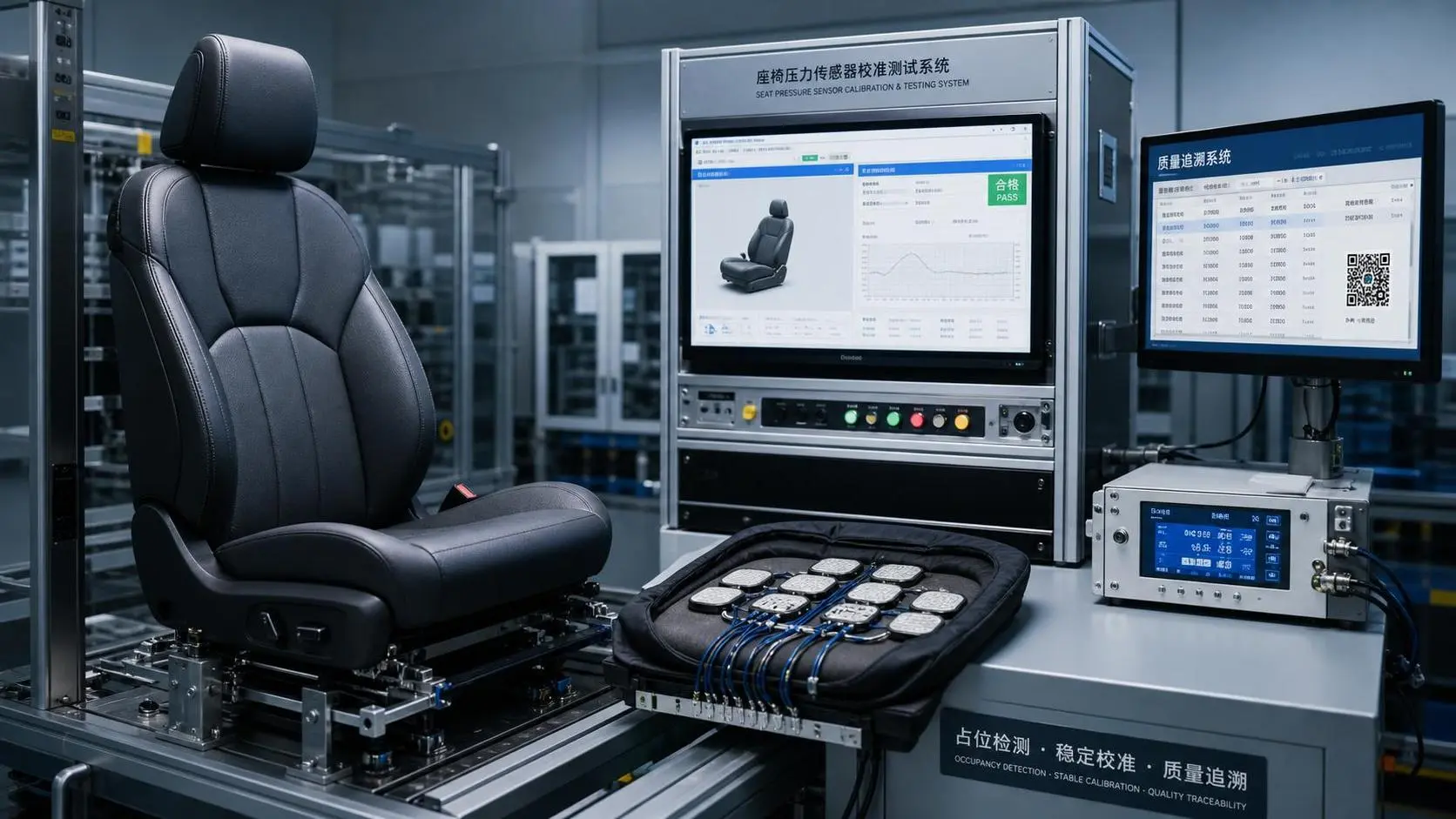
How to Evaluate a Seat Sensing Systems Factory for Automotive Safety Programs
Seat sensing systems factory selection goes beyond price. Learn how to assess quality control, validation, PPAP readiness, and long-term supply reliability for safer automotive programs.
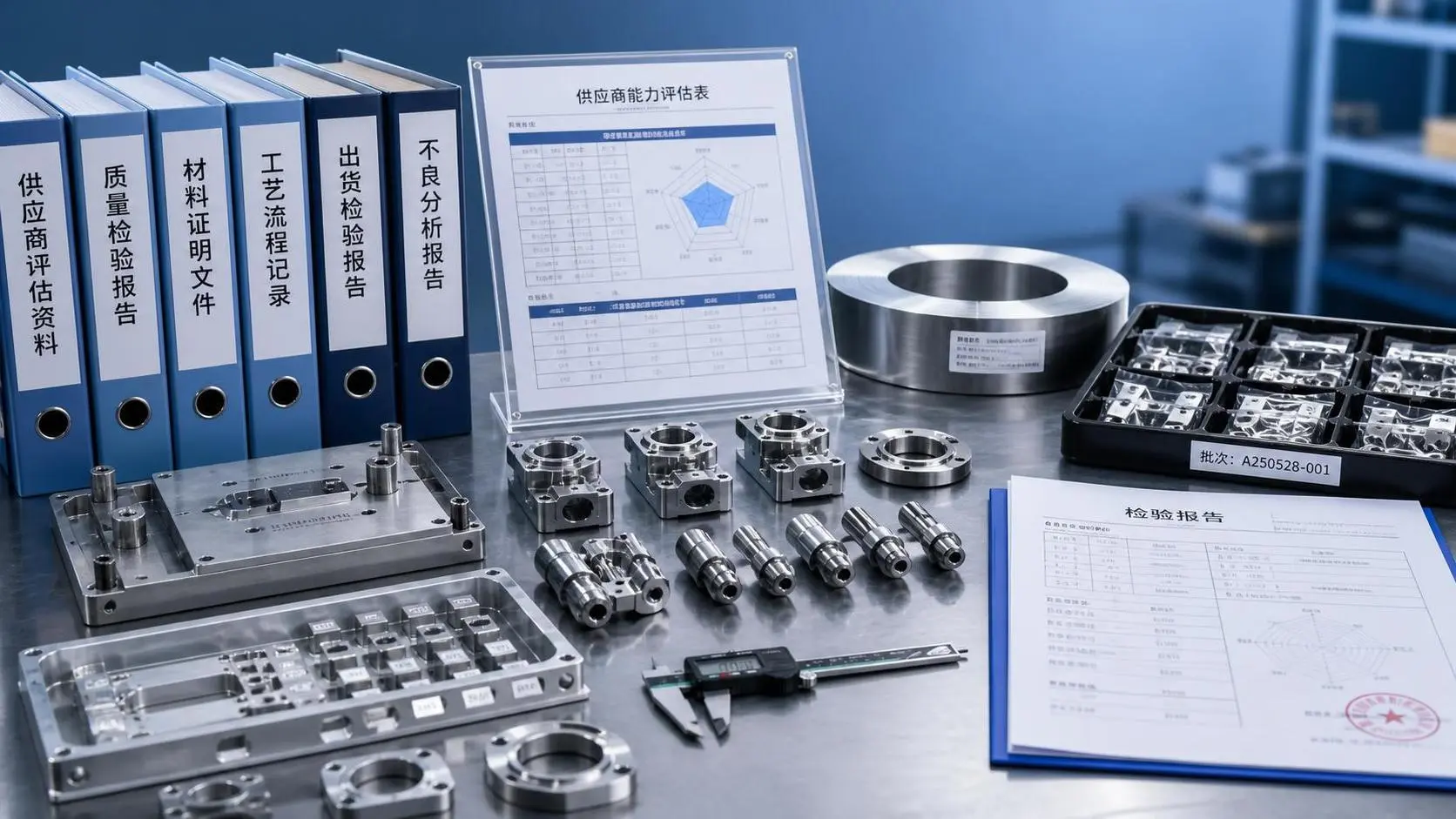
Supplier Capability Evaluation Process: Key Criteria for B2B Sourcing Decisions
Supplier capability evaluation process explained: learn the key criteria for B2B sourcing decisions, reduce supplier risk, and choose partners with confidence.
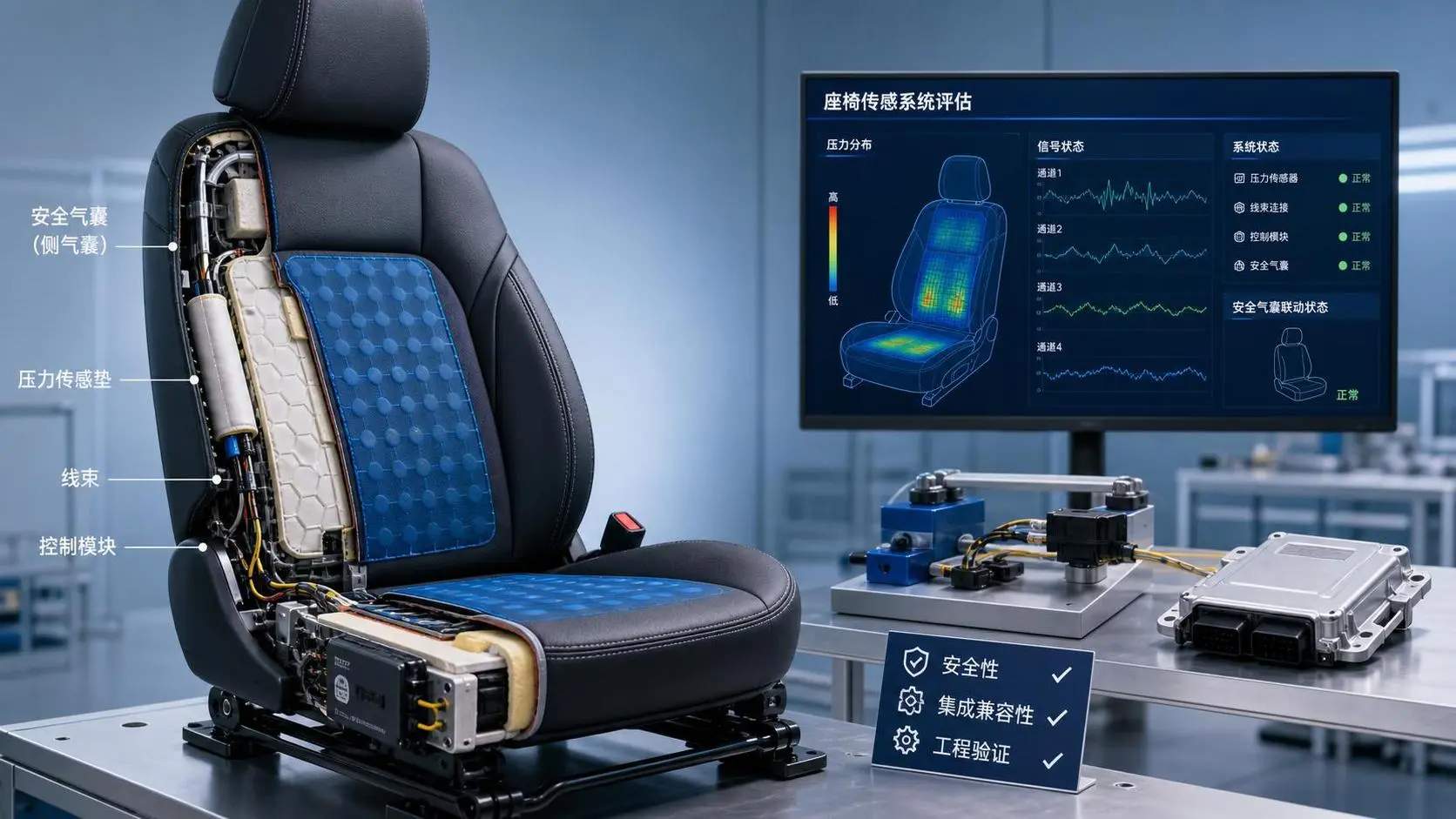
How to Evaluate a Seat Sensing Technology Supplier for Safety and Integration?
Seat sensing technology supplier evaluation guide: compare safety maturity, integration fit, algorithm reliability, and validation support to choose a partner that reduces risk.
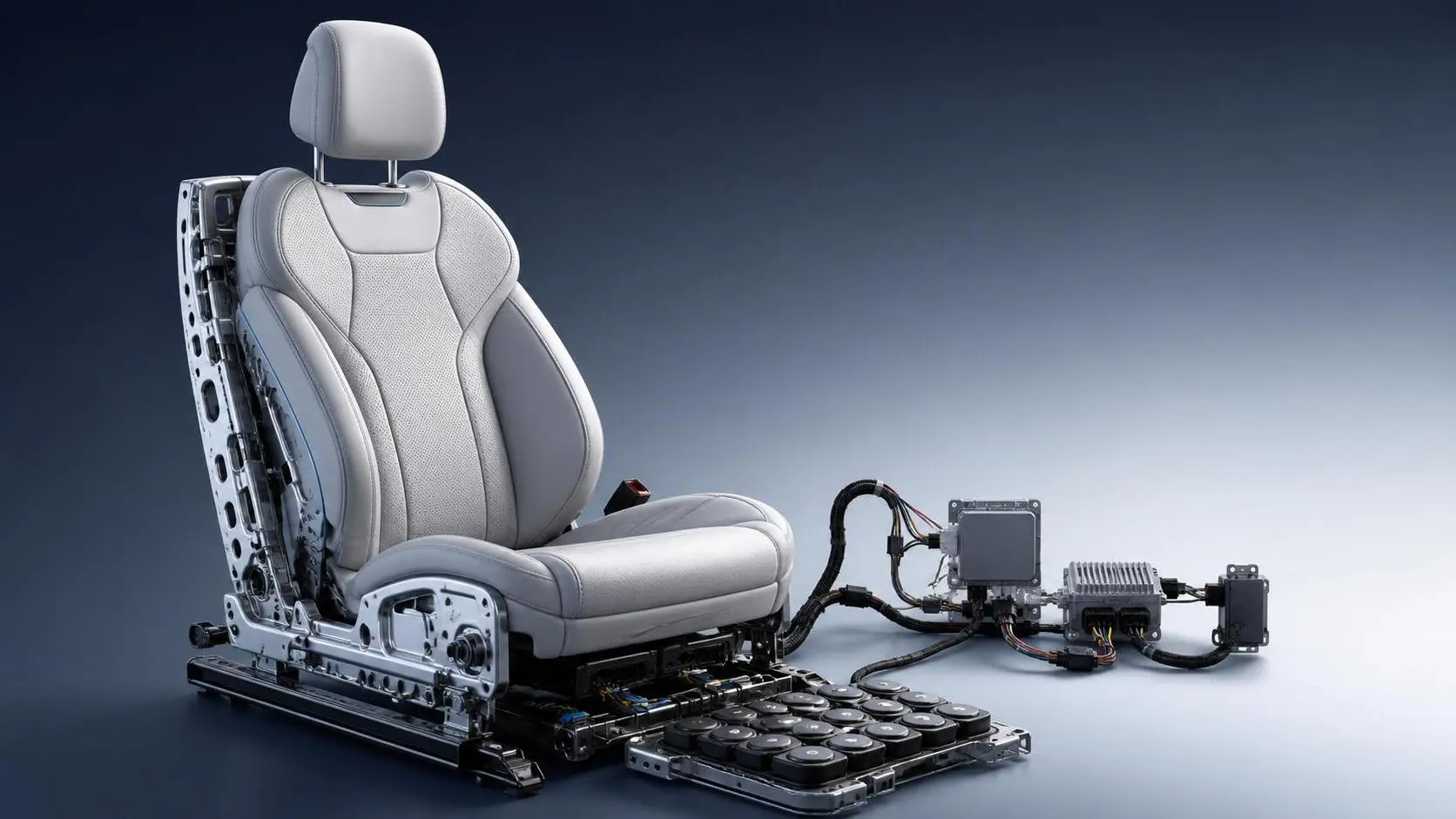
How to Evaluate Custom Smart Automotive Seating for Premium Vehicle Programs?
Custom smart automotive seating evaluation starts with safety, comfort, integration, and production readiness. Discover how premium vehicle teams choose smarter, lower-risk seat solutions.
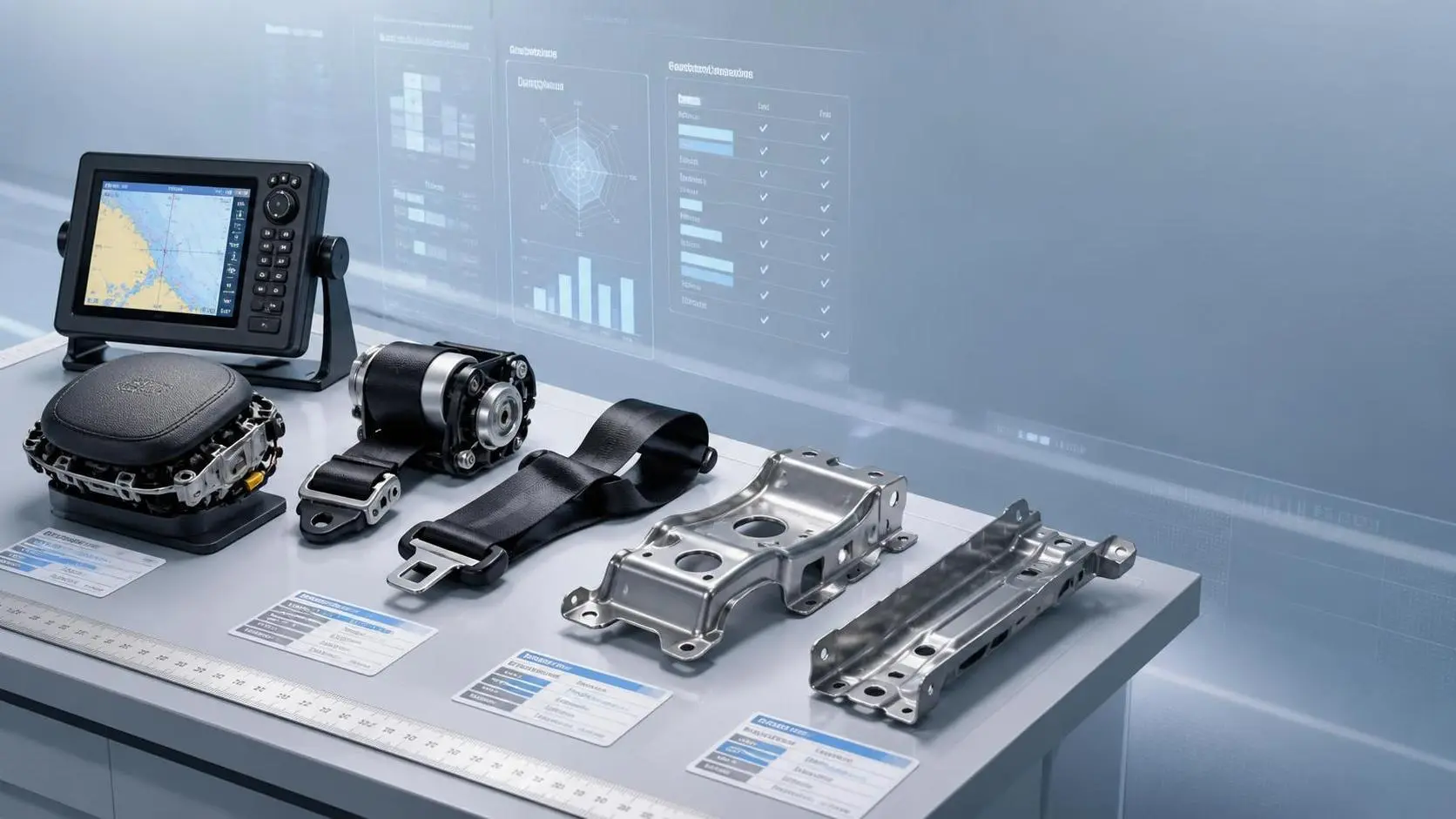
B2B Product Intelligence Platforms: How to Compare Features, Data Coverage, and ROI
B2B product intelligence platform comparison: learn how to evaluate data coverage, feature depth, compliance visibility, and ROI to choose a sourcing tool that reduces risk and speeds decisions.
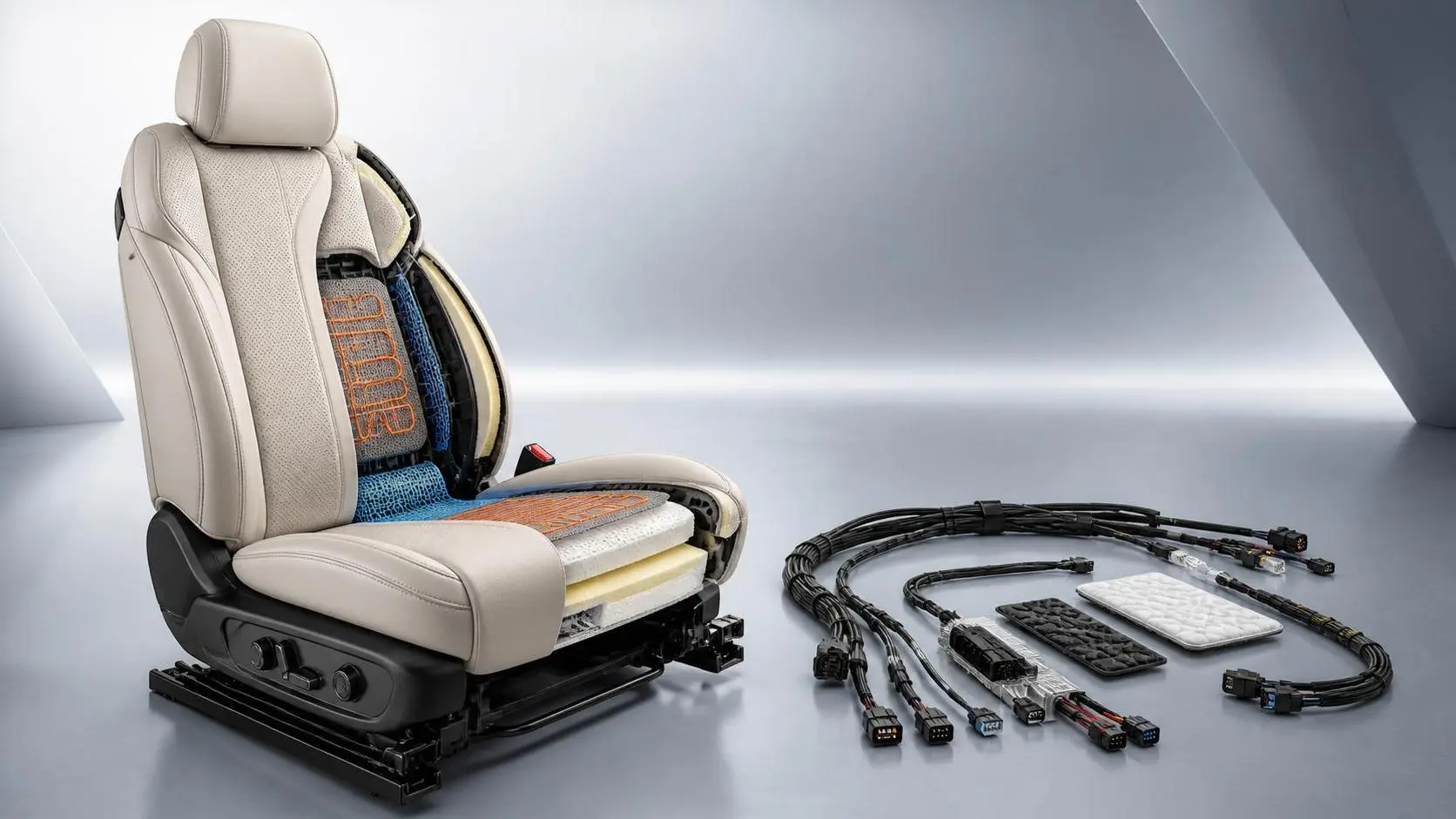
Climate Control Seats Cost: What Drives Price and Long-Term Ownership Value?
Climate control seats cost depends on materials, thermal tech, and integration. Learn what drives price and how to judge long-term value before you buy.
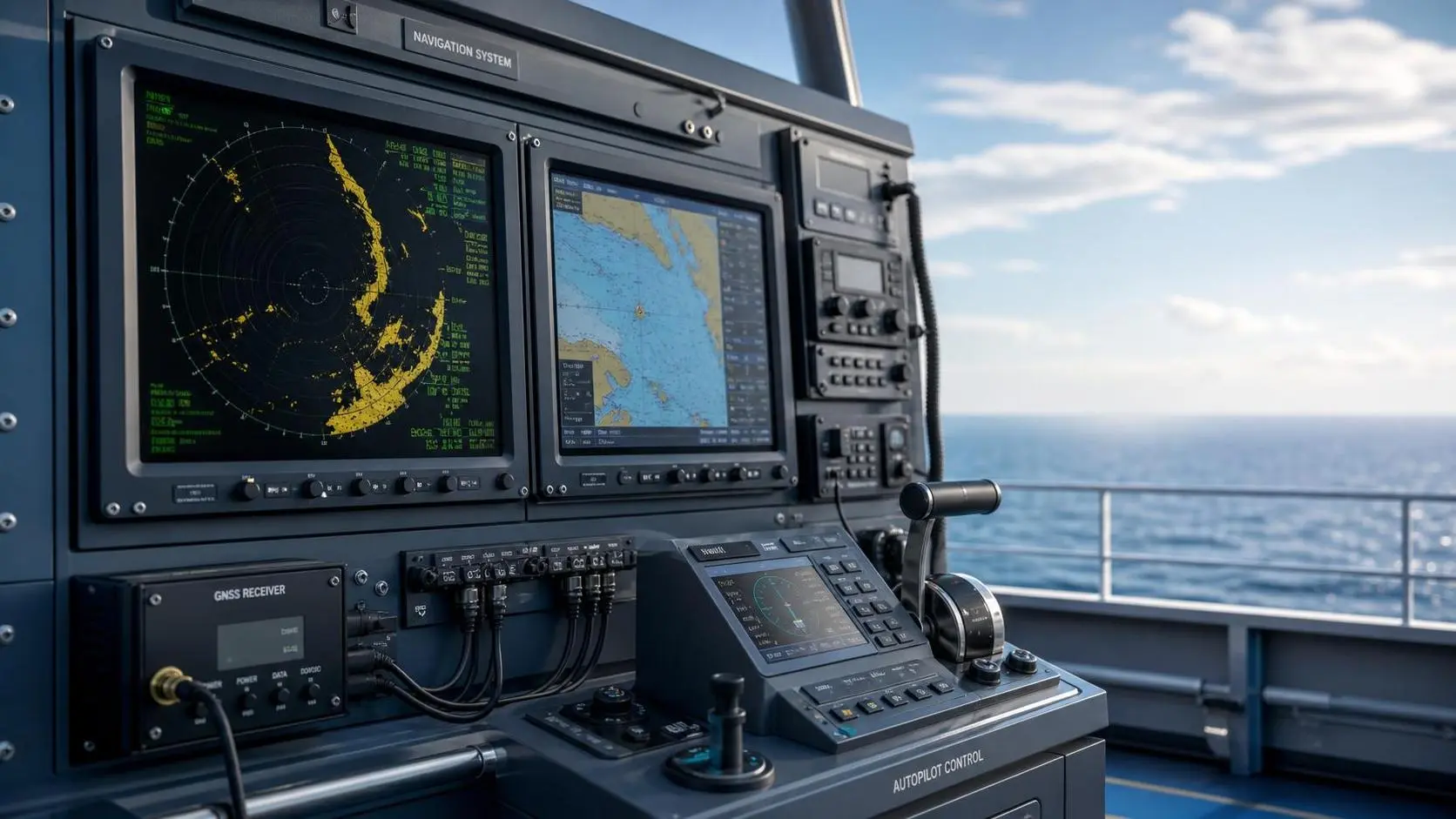
What Factors Drive Marine Navigation Components Cost in Commercial Vessel Projects?
Marine navigation components cost is shaped by integration, compliance, installation, and lifecycle support. Discover what drives pricing and how buyers can reduce risk while improving value.

How Much Does Seat Occupancy Sensing Cost? Key Pricing Factors for Buyers
Seat occupancy sensing price varies widely by technology, integration, and compliance needs. Learn the key cost drivers, avoid hidden fees, and make smarter buying decisions.

How to Specify Micro-Climate Control Cabins for Harsh Outdoor Worksites?
Micro-climate control cabins for harsh outdoor worksites: learn how to specify thermal control, filtration, pressurization, and durability for safer uptime and smarter buying.
Related News
- 00
0000-00
How to Evaluate Automotive Seat Assemblies for EVs by Weight, Safety, and Packaging - 00
0000-00
How to Evaluate a Seat Structures Exporter for OEM Programs: Capacity, Compliance, and Tooling - 00
0000-00
Sensor-Based Smart Seating Solutions: Key Features for Automotive Seat Design - 00
0000-00
What Drives Automotive Ergonomics Cost? Design Inputs, Testing Scope, and Tooling Factors - 00
0000-00
Aluminum Seat Structures vs Steel: When Is the Weight Saving Worth the Trade-Off?
Weekly Insights
Stay ahead with our curated technology reports delivered every Monday.