
How to Evaluate a Seat Sensing Systems Factory for Automotive Safety Programs
If you are sourcing for an automotive safety program, a seat sensing systems factory should never be judged on unit price alone. The real question is simpler and harder at the same time: can this supplier deliver stable sensing performance, compliance-ready documentation, and production consistency for the full life of your program? A low quote means very little if calibration drift, traceability gaps, or PPAP delays start affecting launch timing and warranty exposure.
Many buyers get stuck on the visible metrics first: tooling cost, lead time, plant size, headline capacity. Those matter, but they do not tell you whether the factory can support occupant classification, seat occupancy detection, or smart seat integration under actual automotive requirements. In this category, the expensive mistakes usually come from weak process control, immature validation routines, or poor change management.
There is a practical way to evaluate a seat sensing systems factory without turning the process into a theoretical checklist. You need to look at product fit, manufacturing discipline, safety-system understanding, and the supplier’s ability to remain reliable after SOP, not just before nomination.
Start with the program, not the catalog
Seat sensing systems are not one-size-fits-all parts. A supplier may show strong capability in basic occupancy sensing, yet still be a poor fit for a program that needs tight integration with airbag logic, seat structure packaging limits, regional compliance demands, or advanced cabin electronics.
Before comparing factories, pin down the actual use case:
- Is the system for simple occupant detection, occupant classification, or a broader smart seating function?
- Does it need to support passive safety decisions, comfort features, or both?
- What are the vehicle classes, target markets, and expected validation standards?
- Will the sensor need to interface with existing ECUs, seat frames, trim suppliers, or airbag system logic?
Procurement teams often inherit a sourcing brief that is still too generic. That creates false price comparisons. A factory quoting aggressively on a narrow technical assumption can look attractive early, then become expensive once engineering clarifies signal stability, environmental durability, or software calibration requirements.
A useful short answer is this: the right supplier is the one whose process capability matches your safety and integration risk, not the one with the lowest initial BOM number.
What a capable seat sensing systems factory should prove
In practice, buyers should expect evidence in four areas: sensing performance, automotive quality maturity, launch support, and long-term supply resilience.
Sensing performance comes first because the component sits close to safety logic. Ask how the factory validates repeatability across different occupant weights, seating positions, cushion constructions, temperature ranges, and vehicle vibration conditions. A polished sample is not enough. You want to know what happens when materials vary slightly, foam ages, or assembly tolerances move inside the normal production window.
Automotive quality maturity means more than having a certificate on the wall. IATF-aligned discipline, documented control plans, traceability, MSA, PFMEA, and change management are all more important here than a marketing presentation. If the supplier cannot explain how they handle process drift or lot-level anomaly containment, assume trouble later.
Launch support is where many otherwise capable factories become difficult partners. Ask who owns APQP coordination, DV/PV sample management, PPAP submission, and engineering communication. In automotive safety programs, the cost of a slow or incomplete launch team can exceed the saving from a cheaper piece price.
Long-term supply resilience is the part people remember after a disruption. Check second-source strategy for critical materials, electronics supply continuity, calibration equipment backup, and plant recovery planning. If the system is tied to a safety architecture, interruptions are rarely easy to absorb.
Do not separate the sensor from the seat and restraint context
This is one of the most common sourcing mistakes. Buyers sometimes evaluate the sensor supplier like a standalone electronics vendor, while the real product behavior depends on the full seat environment: frame stiffness, foam density, trim stack-up, harness routing, controller logic, and even how the seat is built at the final assembly stage.
A factory that understands this will ask good questions early. They will want to discuss seat architecture, packaging constraints, occupant classification targets, communication protocols, and validation interfaces with passive safety teams. That is usually a good sign.
If the supplier only talks about sensor sensitivity and price bands, the discussion is too shallow.
This is also where industry intelligence matters. Platforms such as GNCS are useful not because they replace supplier audits, but because they help procurement teams read the wider safety ecosystem more clearly. In seat sensing, decisions rarely sit in isolation; they connect to seat assemblies, restraint systems, lightweight structures, and evolving global compliance expectations.
Questions worth asking during factory evaluation
You do not need a hundred questions. You need the right ones.
- What failure modes have you seen most often in serial production, and how were they contained?
- How do you validate sensing accuracy after seat integration rather than only at component level?
- Which critical characteristics are monitored in-line, and which are verified off-line?
- How do you manage engineering changes once a program is in production?
- What is your escalation path if field performance data shows drift or inconsistency?
- Which parts of the process rely on manual judgment, and how do you control operator variation?
These questions do two things. First, they expose the maturity of the factory. Second, they reveal whether the supplier has lived through real automotive launch pressure. Experienced factories answer with process detail. Less mature ones fall back on broad claims about quality commitment.
Cost evaluation needs a wider lens
For procurement, this is where the decision usually gets real. A seat sensing systems factory may offer a lower unit cost but still create a higher total program cost. That happens when one or more of these risks are present:
- high validation rework due to unstable samples
- extra engineering hours for integration support
- late PPAP approval
- containment actions during launch
- field issues tied to detection inconsistency
- single-source dependence on fragile subcomponents
In other words, the cheapest quote is often only the cheapest spreadsheet line.
Ask suppliers to break out what is included in the commercial offer: tooling, calibration fixtures, validation support, software tuning support if applicable, packaging, service parts strategy, and cost implications for engineering changes. If the quote is much lower than the market range, find out what has been excluded rather than assuming the factory is simply more efficient.
It is also wise to separate cost questions into three buckets: launch cost, serial cost, and failure cost. Buyers who only optimize serial cost can end up absorbing large launch inefficiencies. Buyers who ignore failure cost may underestimate warranty and reputation exposure tied to a safety-sensitive part.
Audit the factory floor with a specific purpose
A plant visit still matters, but only if you know what you are looking for. Many audits spend too much time on general housekeeping and not enough on process discipline tied to the sensing function.
Pay close attention to calibration stations, end-of-line testing, traceability methods, ESD protection where relevant, operator training records, and material segregation. Look for signs that the process is being controlled rather than inspected after the fact.
A few details are especially revealing:
- Whether test limits are clearly defined and controlled
- Whether rejected parts are physically isolated and digitally blocked
- Whether process parameter changes require formal approval
- Whether measurement systems are stable enough for the tolerance being claimed
If the factory cannot show a disciplined connection between process inputs and sensing output, be careful. In automotive safety sourcing, “we check everything at the end” is not a strong answer.
Documentation readiness is part of supplier quality
Some factories make acceptable hardware but struggle with documentation, and that becomes a hidden procurement burden. Automotive programs need controlled records, validation reports, change histories, material declarations where required, and structured PPAP evidence. If the supplier treats documentation as an afterthought, your internal teams will spend time chasing basics instead of moving the program forward.
This matters even more in cross-border sourcing. Regional customer requirements can differ, and documentation expectations often become stricter once the part touches safety-related decision logic. Where regulatory or OEM-specific interpretation is involved, buyers should confirm current requirements with the relevant customer standards and official sources.
When a smaller factory can still be the better choice
Bigger is not automatically safer. A smaller, specialized supplier can outperform a large group if it has tighter technical focus, stronger responsiveness, and cleaner ownership of process knowledge. That is especially true when your volumes are moderate and the program requires close engineering collaboration.
But there is a limit. If the factory lacks financial stability, backup equipment, or depth in quality staffing, the risk profile changes quickly. A smaller supplier is a good option when specialization is real and operational discipline is visible. It is a poor option when the business depends on a few key people and undocumented know-how.
Common buying mistakes
One mistake is assuming compliance certificates equal production readiness. They do not.
Another is evaluating samples without evaluating variability. A good prototype proves possibility, not mass-production control.
A third is letting procurement and engineering run on separate tracks for too long. Seat sensing touches electronics, seating, and safety logic. Misalignment between commercial and technical evaluation tends to surface late, when negotiation leverage is already weaker.
And one more: underestimating post-award management. The supplier you nominate still needs scorecards, change control discipline, and periodic review after SOP. A seat sensing systems factory should be managed as a long-term safety partner, not a one-time component vendor.
What a confident sourcing decision looks like
By the time you are ready to nominate, you should be able to answer a few points with confidence. Does the supplier understand your vehicle and safety context? Can they prove stable sensing performance under realistic production conditions? Is their plant disciplined enough to hold quality over time? Are the commercial terms clear about what is included and what may become extra cost later?
If those answers are still vague, the sourcing process is not finished.
The best procurement decisions in this space are usually the least dramatic. No surprise cost inflation. No unresolved validation gaps. No last-minute concern about traceability or launch support. Just a factory that knows what it is building, knows why the performance matters, and can repeat that performance at scale.
That is the standard a seat sensing systems factory should meet when the application sits inside an automotive safety program.
FAQ
How important is IATF certification when selecting a supplier?
Important, but not sufficient on its own. It helps indicate automotive quality discipline, yet buyers still need to verify actual process control, validation capability, and change management.
Should procurement prioritize factories with in-house testing?
Usually yes. In-house testing can shorten response time, improve debugging speed, and reduce dependence on external labs during development and launch. The key question is whether the test capability is relevant and controlled.
Is the lowest-cost overseas supplier a bad choice?
Not necessarily. It becomes a bad choice when logistics risk, documentation gaps, engineering response delays, or supply fragility erase the piece-price advantage.
What is the biggest red flag during supplier review?
A supplier that speaks confidently about price and capacity but vaguely about validation, failure modes, and process controls. That usually signals weak production maturity.
Internal Link Anchor Text Suggestions
- Anchor text: occupant classification system sourcing guide - Suggested page: procurement guide or category page
- Anchor text: automotive passive safety supplier evaluation - Suggested page: industry insight article
- Anchor text: smart seat system integration challenges - Suggested page: technical blog or knowledge center page
- Anchor text: PPAP checklist for safety components - Suggested page: resource page or download hub
- Anchor text: seat assembly and sensor supplier trends - Suggested page: market analysis page
External Authority Source Directions
- Automotive industry association guidance on quality management and supplier requirements
- OEM or Tier 1 official technical standards and supplier quality manuals
- Regulatory or testing body materials related to vehicle occupant safety and compliance expectations
Related News
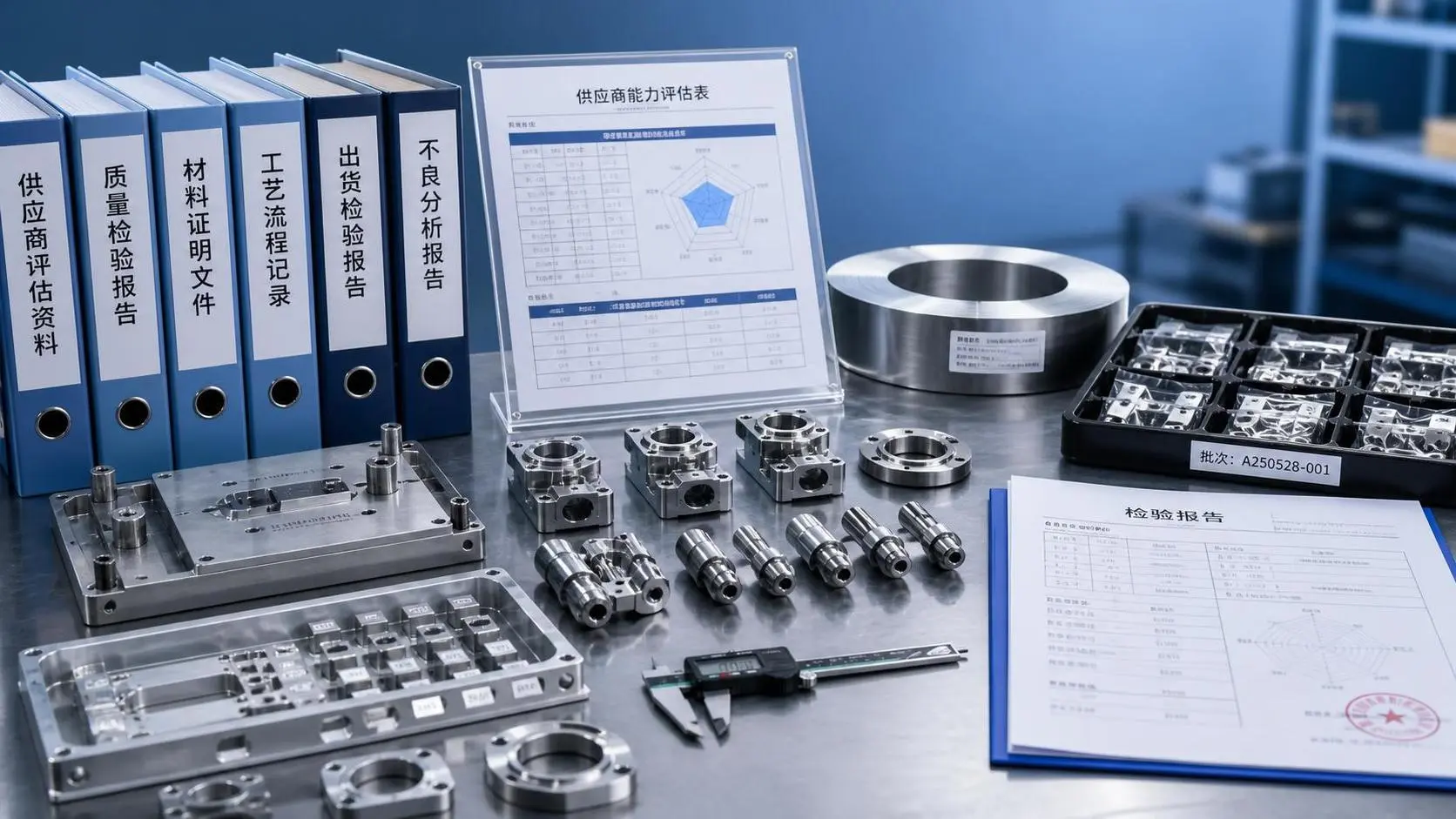
Supplier Capability Evaluation Process: Key Criteria for B2B Sourcing Decisions
Supplier capability evaluation process explained: learn the key criteria for B2B sourcing decisions, reduce supplier risk, and choose partners with confidence.
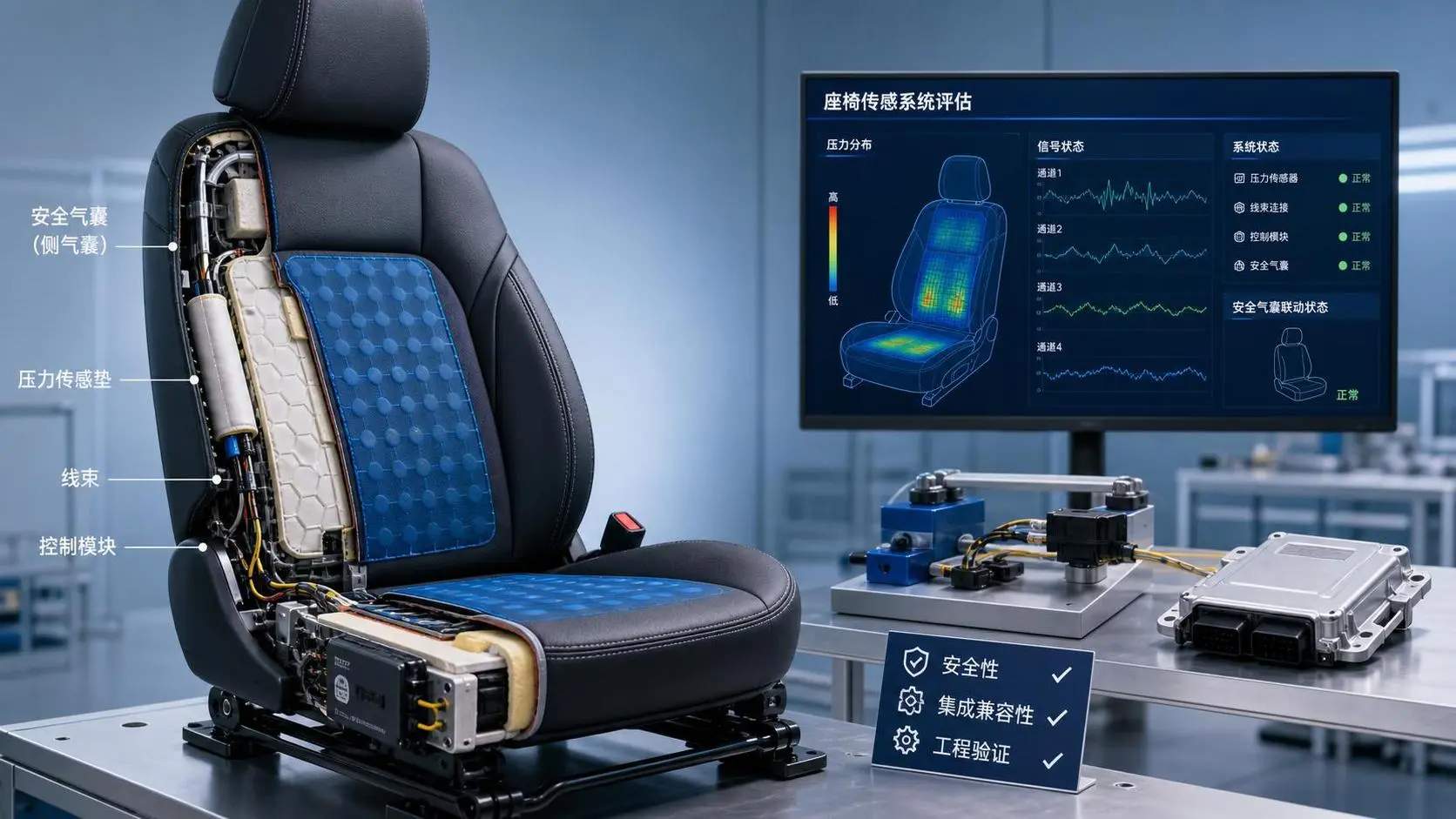
How to Evaluate a Seat Sensing Technology Supplier for Safety and Integration?
Seat sensing technology supplier evaluation guide: compare safety maturity, integration fit, algorithm reliability, and validation support to choose a partner that reduces risk.
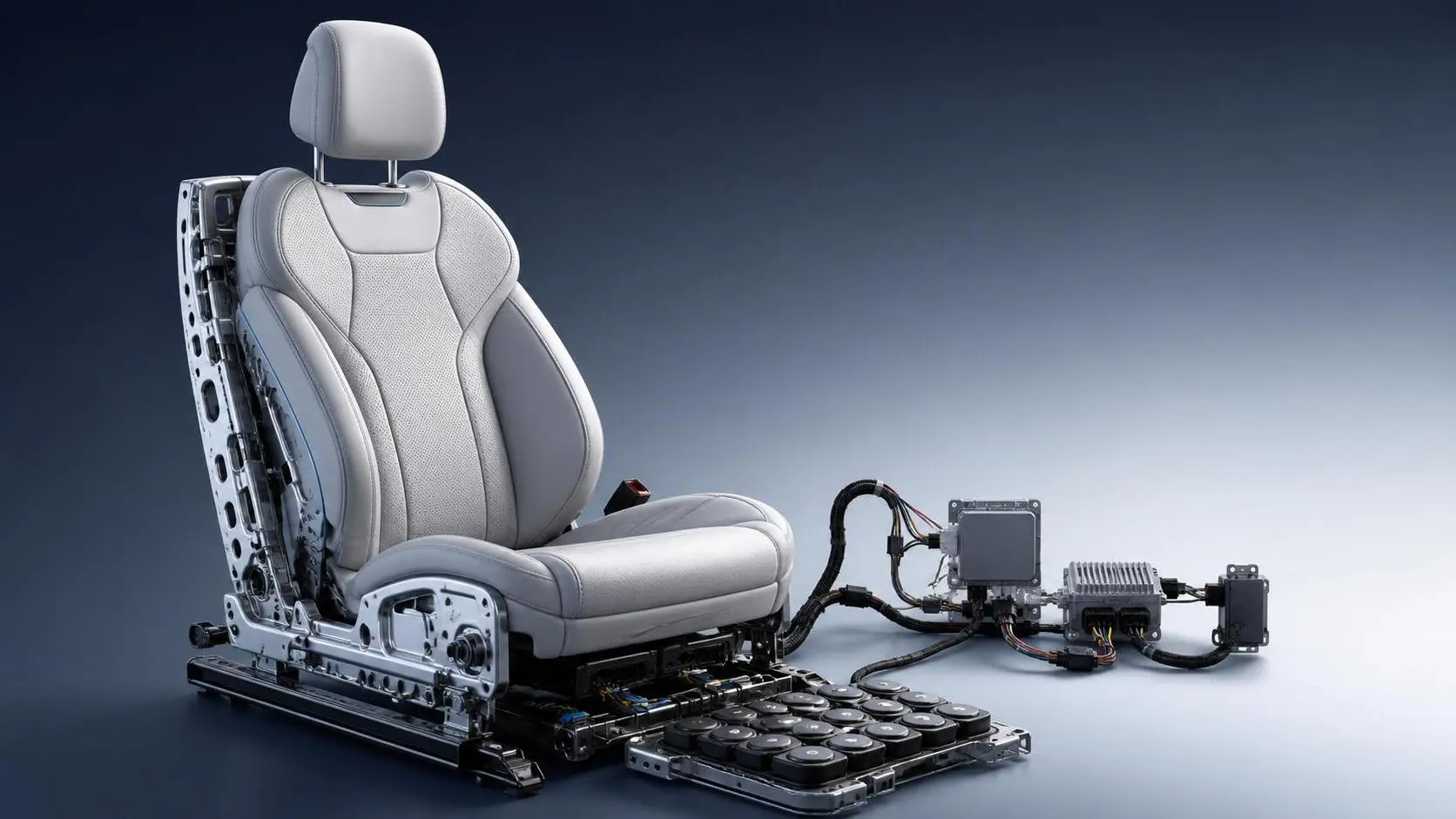
How to Evaluate Custom Smart Automotive Seating for Premium Vehicle Programs?
Custom smart automotive seating evaluation starts with safety, comfort, integration, and production readiness. Discover how premium vehicle teams choose smarter, lower-risk seat solutions.
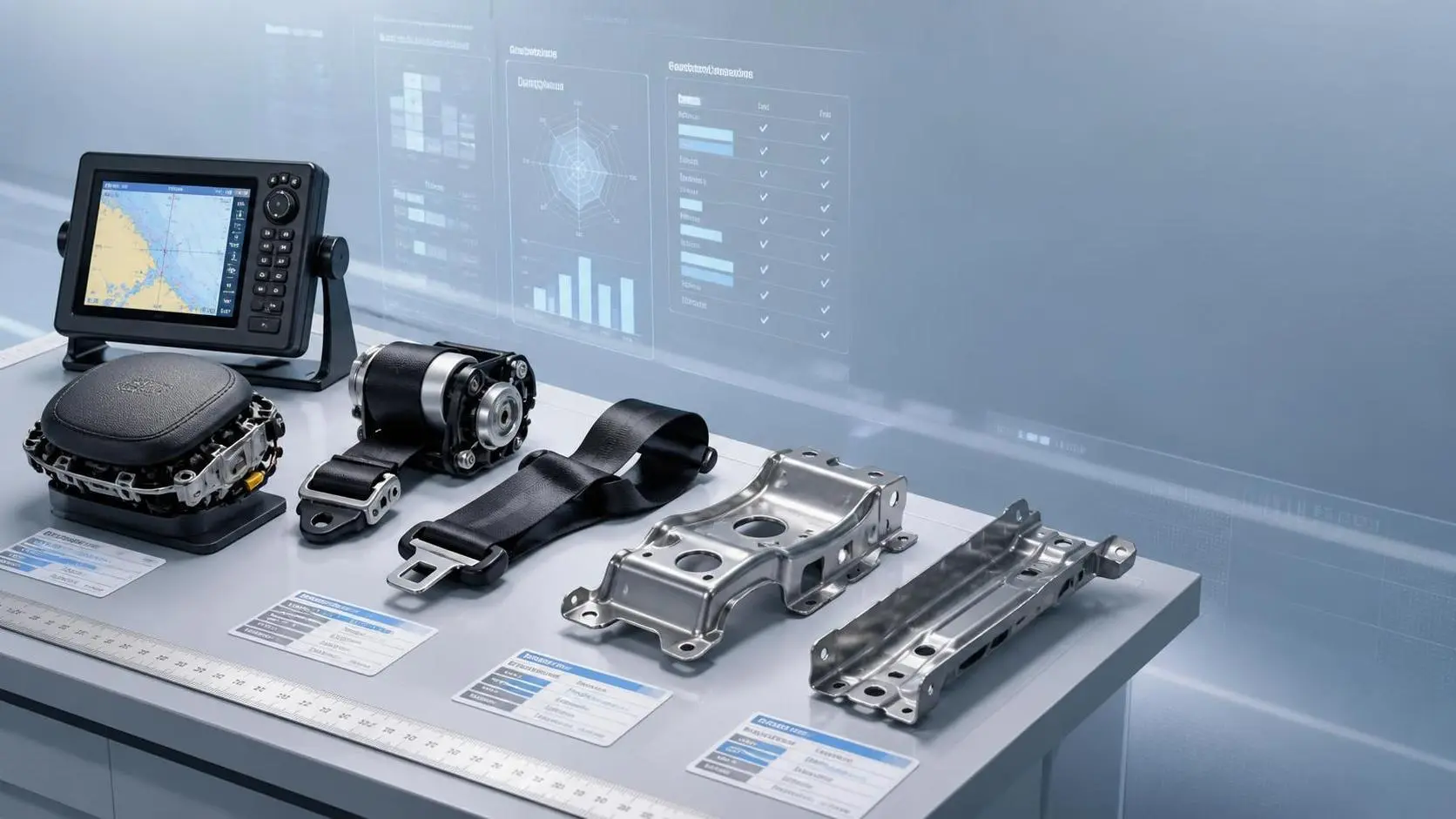
B2B Product Intelligence Platforms: How to Compare Features, Data Coverage, and ROI
B2B product intelligence platform comparison: learn how to evaluate data coverage, feature depth, compliance visibility, and ROI to choose a sourcing tool that reduces risk and speeds decisions.
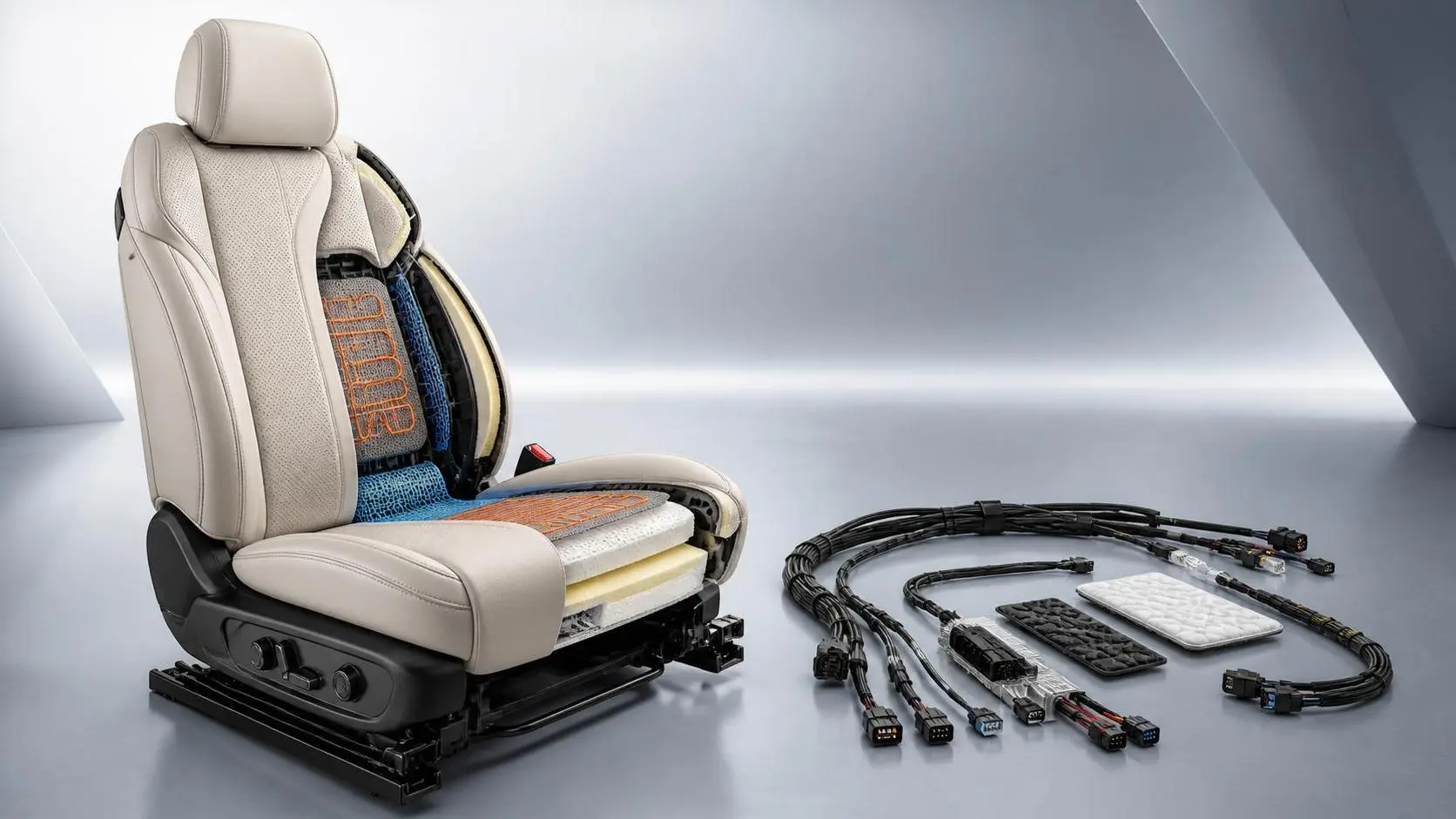
Climate Control Seats Cost: What Drives Price and Long-Term Ownership Value?
Climate control seats cost depends on materials, thermal tech, and integration. Learn what drives price and how to judge long-term value before you buy.

What Factors Drive Marine Navigation Components Cost in Commercial Vessel Projects?
Marine navigation components cost is shaped by integration, compliance, installation, and lifecycle support. Discover what drives pricing and how buyers can reduce risk while improving value.
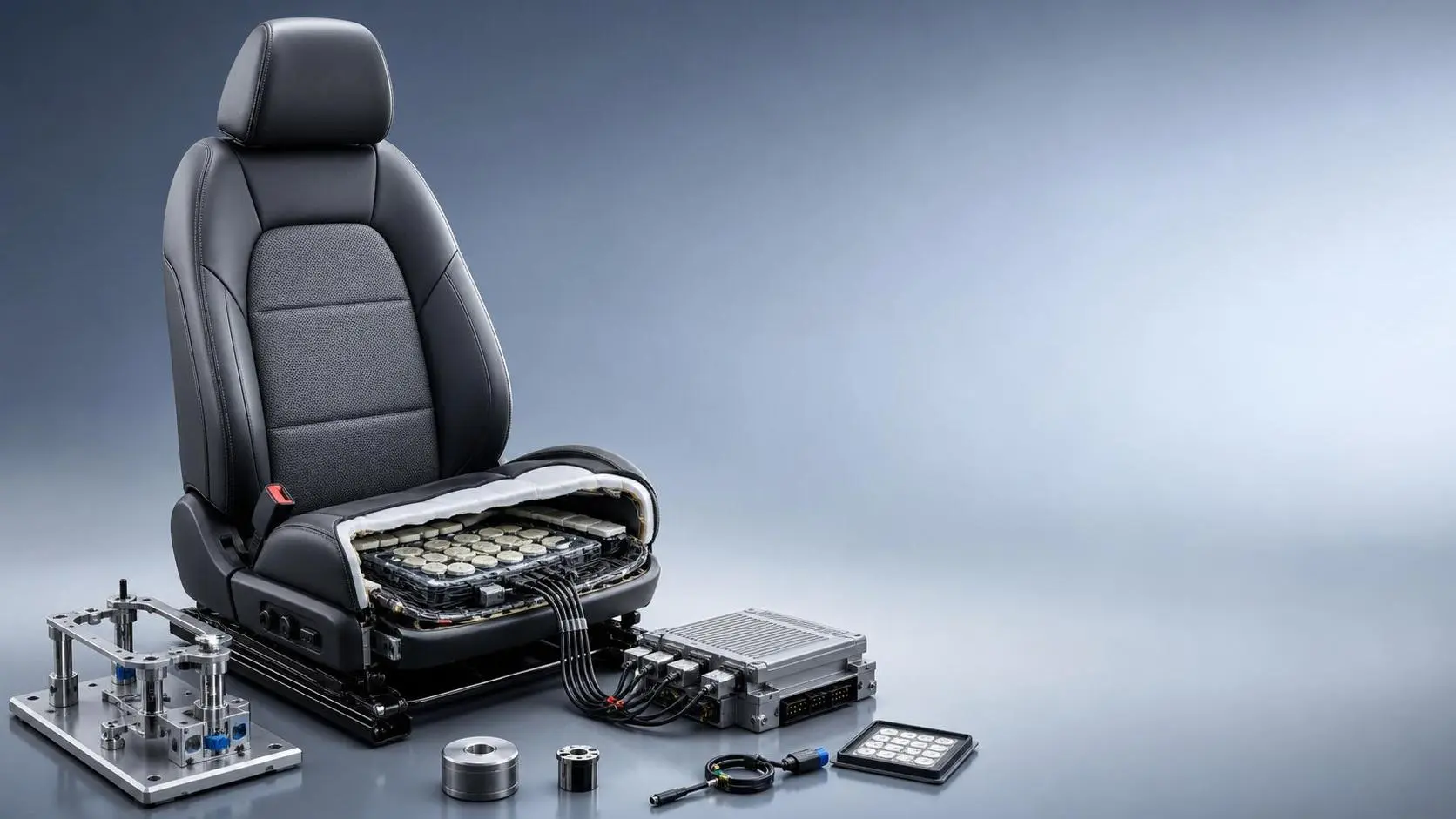
How Much Does Seat Occupancy Sensing Cost? Key Pricing Factors for Buyers
Seat occupancy sensing price varies widely by technology, integration, and compliance needs. Learn the key cost drivers, avoid hidden fees, and make smarter buying decisions.
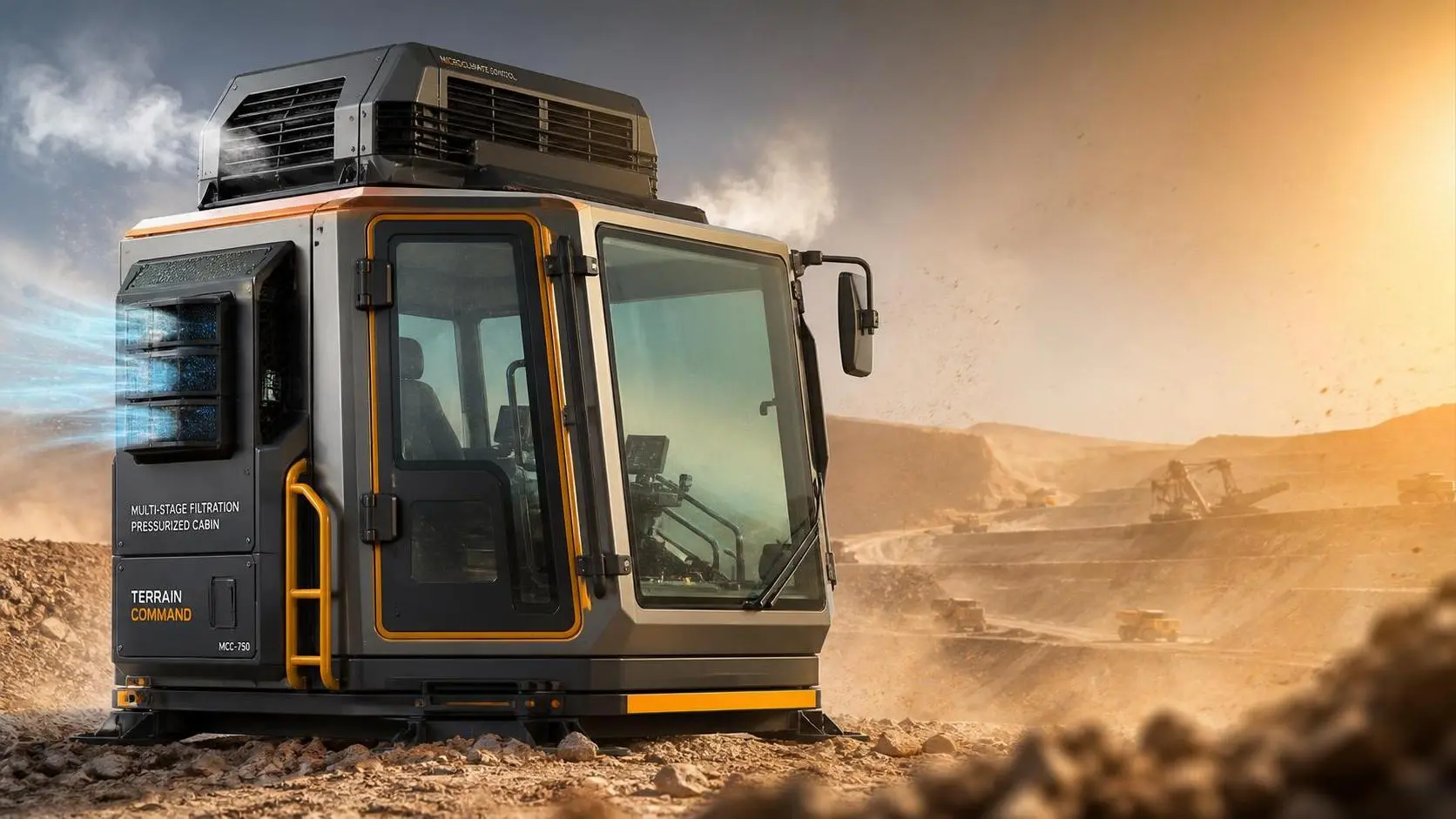
How to Specify Micro-Climate Control Cabins for Harsh Outdoor Worksites?
Micro-climate control cabins for harsh outdoor worksites: learn how to specify thermal control, filtration, pressurization, and durability for safer uptime and smarter buying.
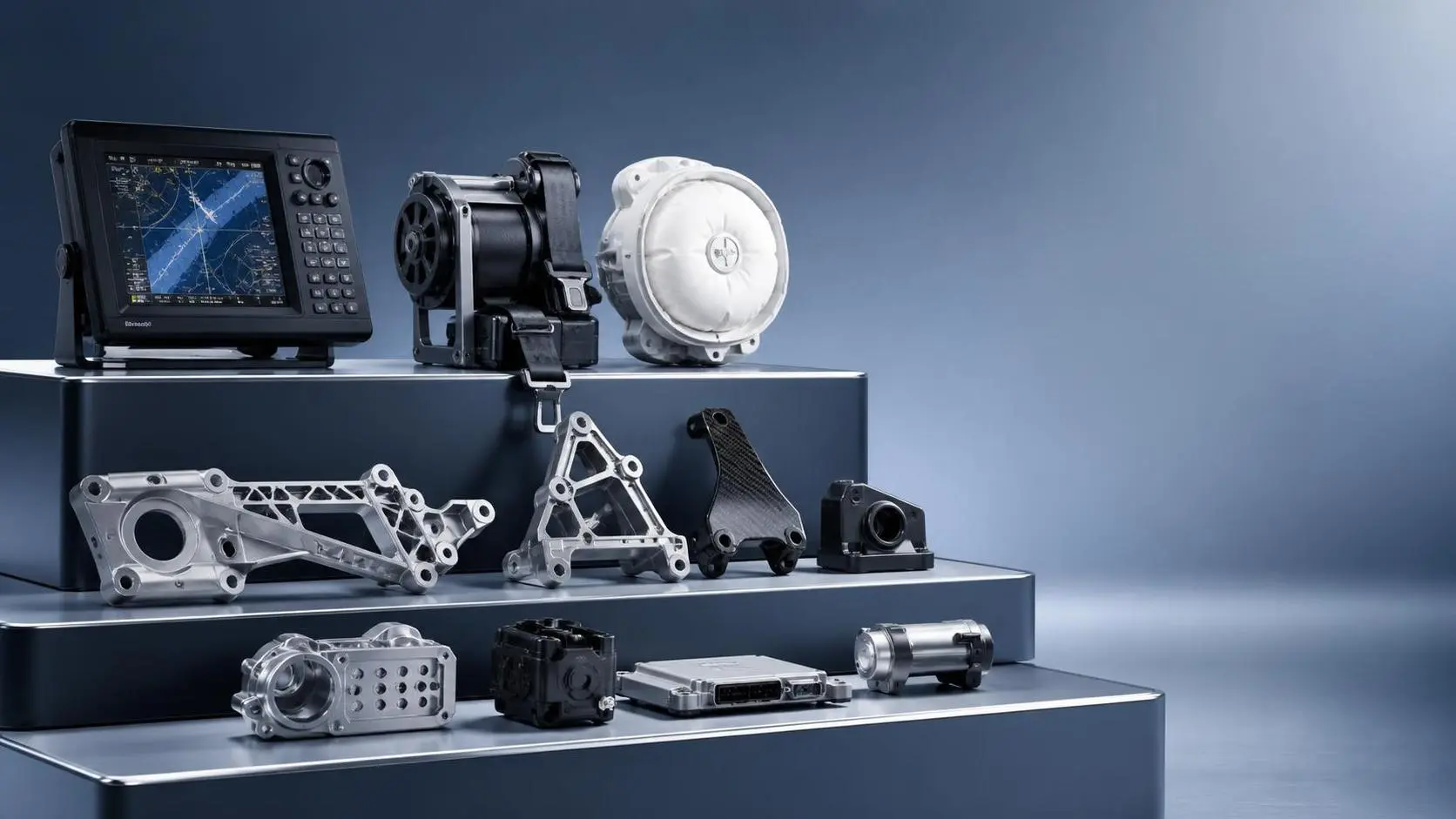
How to Evaluate a B2B Product Knowledge Platform for Faster Procurement Decisions
B2B product knowledge platform procurement starts with reducing decision risk. Learn how to compare specs, compliance, and supplier data to speed sourcing with confidence.
Related News
- 00
0000-00
How to Evaluate a Seat Sensing Systems Factory for Automotive Safety Programs - 00
0000-00
How to Evaluate Airbag Components for OEM Safety Performance and Compliance? - 00
0000-00
Automotive Crash Protection Systems Selection Guide: Key Components and Test Criteria - 00
0000-00
Automotive Occupant Protection Devices: Types, Functions, and How They Work Together - 00
0000-00
Airbag Components OEM Basics: Parts, Materials, and Validation Requirements
Weekly Insights
Stay ahead with our curated technology reports delivered every Monday.