
Automotive Ergonomic Design Pricing: What Drives Cost in Seat Frame and Adjust Systems?
Why does automotive ergonomic design pricing vary so much between similar seat systems?
Automotive ergonomic design pricing rarely moves on one factor alone.
A seat frame may look similar on paper, yet cost changes quickly once adjustment range, comfort targets, and crash performance enter the discussion.
In practical sourcing, the biggest drivers usually sit behind the visible structure.
Material grade, recliner design, track precision, motor content, sensing functions, and validation effort all push the quote in different directions.
That is why automotive ergonomic design pricing should be read as a system cost, not a simple part cost.
Seat frames and adjust systems connect comfort, safety, weight, and package efficiency.
A cheaper structure can become expensive later if it adds mass, fails durability targets, or forces redesign around airbags and seatbelt anchorage.
This is also why GNCS tracks smart seating, passive safety, and lightweight structures together.
In mobility programs, ergonomic value is shaped by containment protection, occupant posture, and integration with broader cabin safety architecture.
A realistic cost review has to connect those layers early.
What are you really paying for in seat frame and adjust systems?
The short answer is controlled motion, controlled load paths, and controlled occupant positioning.
Those three elements define most of the commercial spread in automotive ergonomic design pricing.
When suppliers build quotes, they usually separate cost into structure, mechanisms, features, and validation burden.
- Structure: steel, aluminum, magnesium content, section geometry, welding method, and corrosion treatment.
- Mechanisms: manual sliders, height adjusters, recliners, memory rails, power drives, and anti-backlash components.
- Features: lumbar systems, ventilation packaging, occupancy sensing, smart control modules, and wiring integration.
- Validation: fatigue cycles, sled performance, NVH refinement, abuse loads, and regional regulation testing.
An entry-level manual seat can remain cost disciplined because feature interaction is limited.
A premium powered seat becomes more expensive because every added function affects packaging, harness routing, mass balance, and validation time.
More importantly, lightweight ambitions often raise the engineering bar.
Hot-stamped members, mixed-material joints, or magnesium subframes can reduce weight, but tooling, joining control, and supply stability become more demanding.
That tradeoff matters in every serious review of automotive ergonomic design pricing.
A quick pricing view before supplier comparison
The table below helps frame common price movements before deeper RFQ analysis.
Which design choices move automotive ergonomic design pricing the fastest?
Three choices tend to change pricing faster than expected.
The first is lightweight architecture.
A conventional steel frame may appear cheaper upfront.
However, if the vehicle program has tight CO2, EV range, or center-of-gravity targets, the lower initial price can be misleading.
The second is feature density.
Adding memory, multi-way power adjustment, massage, or micro-climate hardware affects more than component count.
It changes package space, wiring complexity, thermal management, and service risk.
The third is regulation and safety coupling.
When seat structures must support side airbags, belt systems, and occupant detection, tolerance control becomes far stricter.
That increases both engineering hours and production discipline.
This is where GNCS sector intelligence becomes useful.
Seat cost cannot be isolated from body stampings, airbag architecture, or seatbelt load paths.
Programs that treat these interfaces separately often underestimate total cost and timing exposure.
A practical rule for comparing feature packages
If two quotes differ sharply, check whether the gap comes from content or maturity.
- Content gap means one quote includes more functions or wider ergonomic travel.
- Maturity gap means one supplier already validated a similar design family.
- The first affects hardware cost directly.
- The second affects launch risk, engineering support, and change-order probability.
How can you tell whether a lower quote is actually a higher total cost?
This is one of the most useful questions in automotive ergonomic design pricing.
A lower piece price can hide expensive assumptions.
Common examples include optimistic scrap rates, limited durability scope, weak corrosion reserves, or missing validation ownership.
In actual programs, hidden cost often appears after design freeze.
That is when tooling changes, motor noise fixes, seat track friction issues, or recliner play corrections become expensive.
A disciplined review usually checks five areas before accepting the cheapest quote.
- Whether the quoted design already supports target crash configurations.
- Whether endurance data reflects real usage cycles, not minimum lab assumptions.
- Whether tooling amortization and engineering changes are clearly separated.
- Whether electronics, sensors, and harnesses are fully costed.
- Whether the supplier can support regional compliance and program transfer.
The more global the platform, the more important that last point becomes.
GNCS frequently highlights how evolving IIHS and E-NCAP expectations influence adjacent seat and restraint decisions.
Ignoring that intelligence may save money in the RFQ stage, then lose it during revalidation.
Does supplier capability matter as much as the technical design?
Yes, and often more than expected.
Automotive ergonomic design pricing reflects not only what is being built, but how reliably it can be built at scale.
Two suppliers may propose a comparable seat frame concept.
One may have stable stamping control, proven recliner sourcing, stronger weld monitoring, and faster validation loops.
That supplier may not be the cheapest line item, yet can still offer the better commercial outcome.
Capability matters especially when the seat system sits close to safety-critical functions.
A frame that supports occupant containment poorly can create downstream issues with airbag timing, belt geometry, and crash pulse management.
This is why GNCS treats smart seats as part of a connected cabin safety ecosystem.
The strongest sourcing decisions usually compare technical concept, launch evidence, and cross-domain integration readiness together.
Questions worth asking during quote clarification
What is the smartest way to evaluate automotive ergonomic design pricing before nomination?
Start with use-case clarity, not price pressure alone.
If the vehicle targets fleet durability, urban EV efficiency, or premium long-distance comfort, the seat architecture should reflect that reality.
Then build a comparison model that combines commercial and engineering evidence.
- Define mandatory ergonomic ranges and comfort functions.
- Map every safety interface tied to the seat structure.
- Separate tooling, validation, software, and service costs from piece price.
- Check weight impact against broader vehicle targets.
- Score supplier maturity using evidence, not only claims.
That process makes automotive ergonomic design pricing easier to judge on total value.
It also reduces the common mistake of approving a low-cost seat system that later disrupts compliance, comfort, or launch timing.
The most useful next step is a structured RFQ review sheet built around cost drivers, validation scope, and interface risk.
When those items are visible early, supplier comparison becomes more accurate, and commercial decisions become easier to defend.
Related News
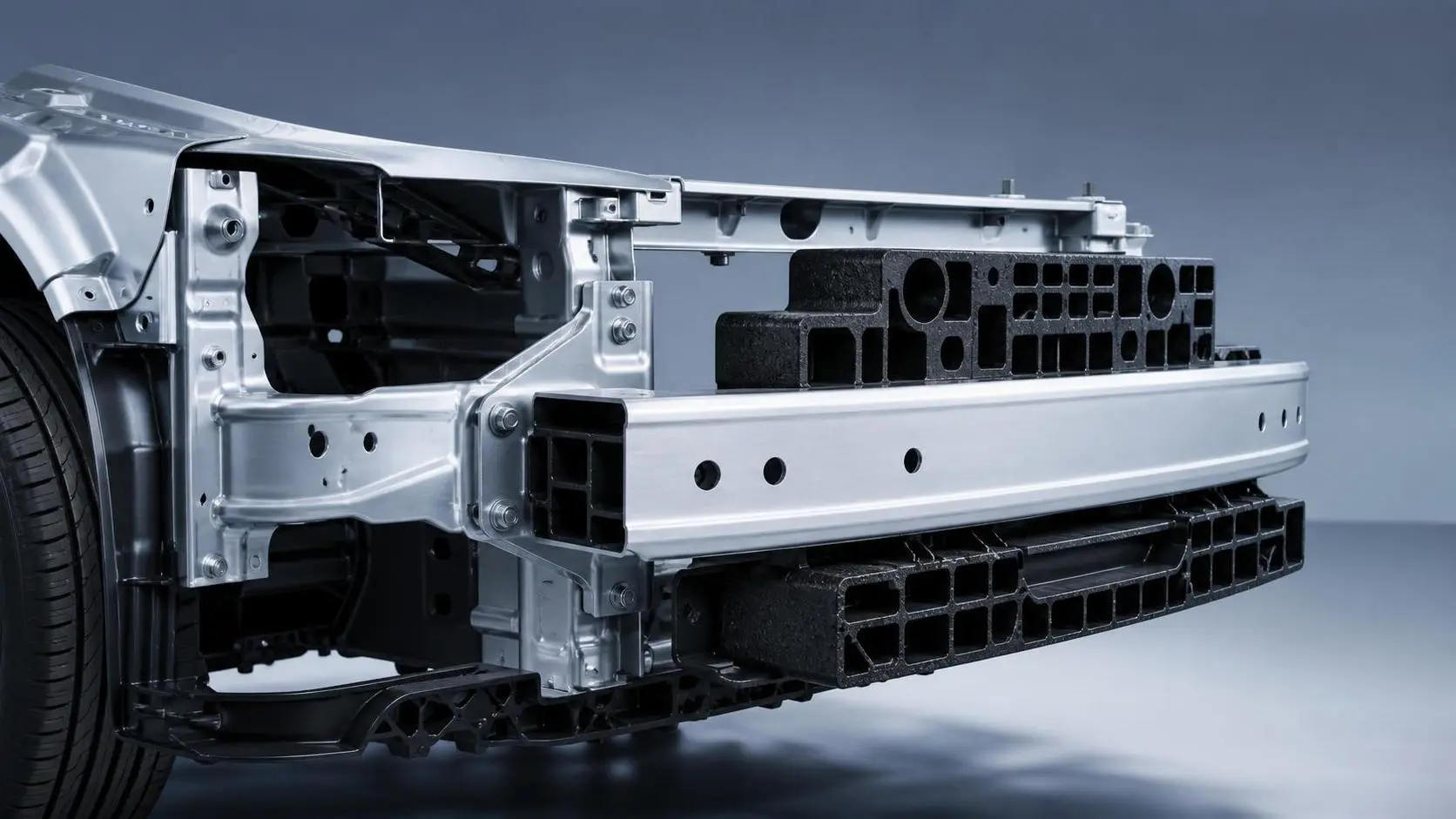
How Crash Management Components Reduce Repair Costs and Improve Impact Performance
Crash management components help reduce repair costs, protect critical vehicle structures, and improve impact performance. Learn how smarter design supports safer, more cost-efficient mobility programs.
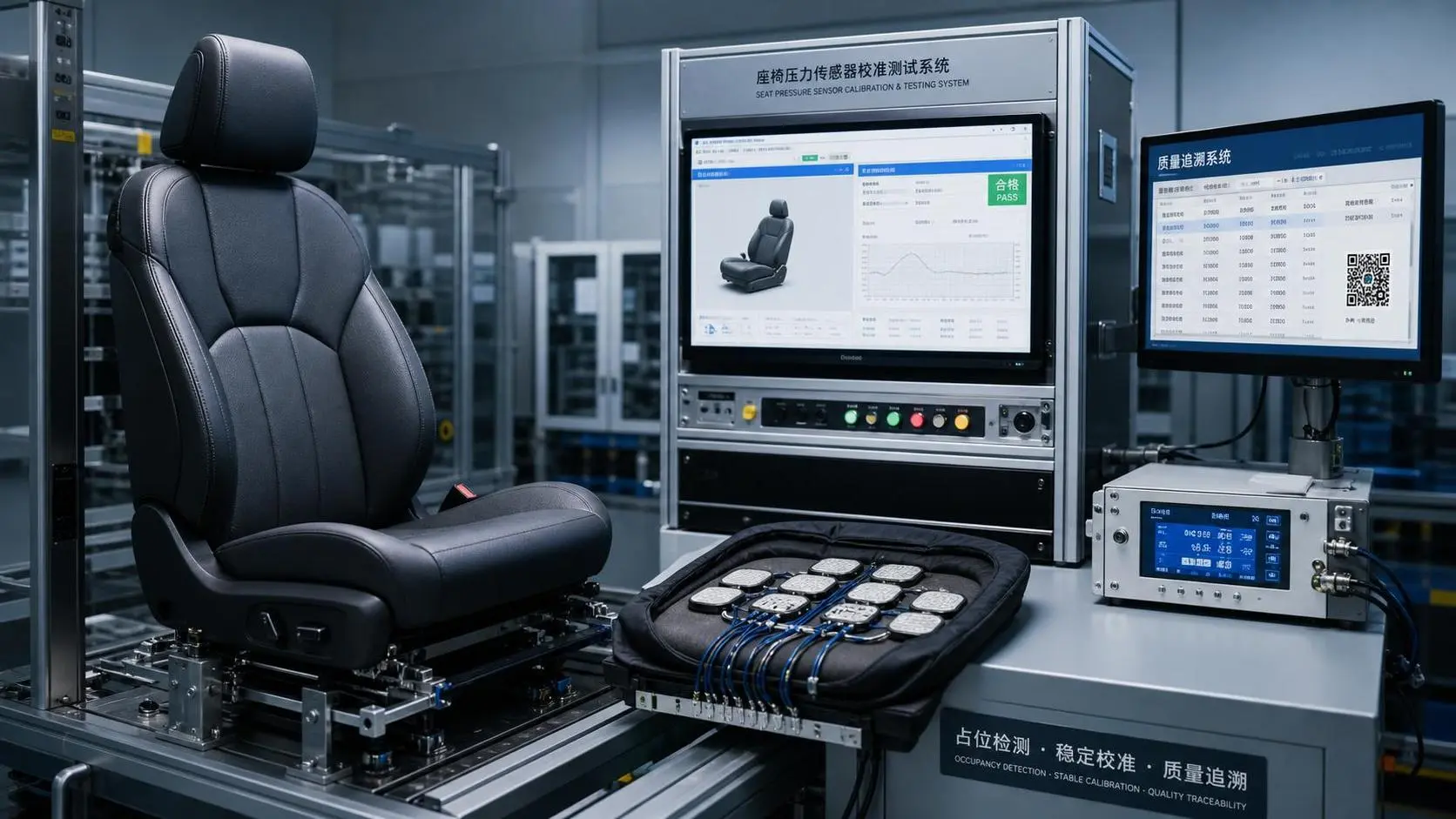
How to Evaluate a Seat Sensing Systems Factory for Automotive Safety Programs
Seat sensing systems factory selection goes beyond price. Learn how to assess quality control, validation, PPAP readiness, and long-term supply reliability for safer automotive programs.
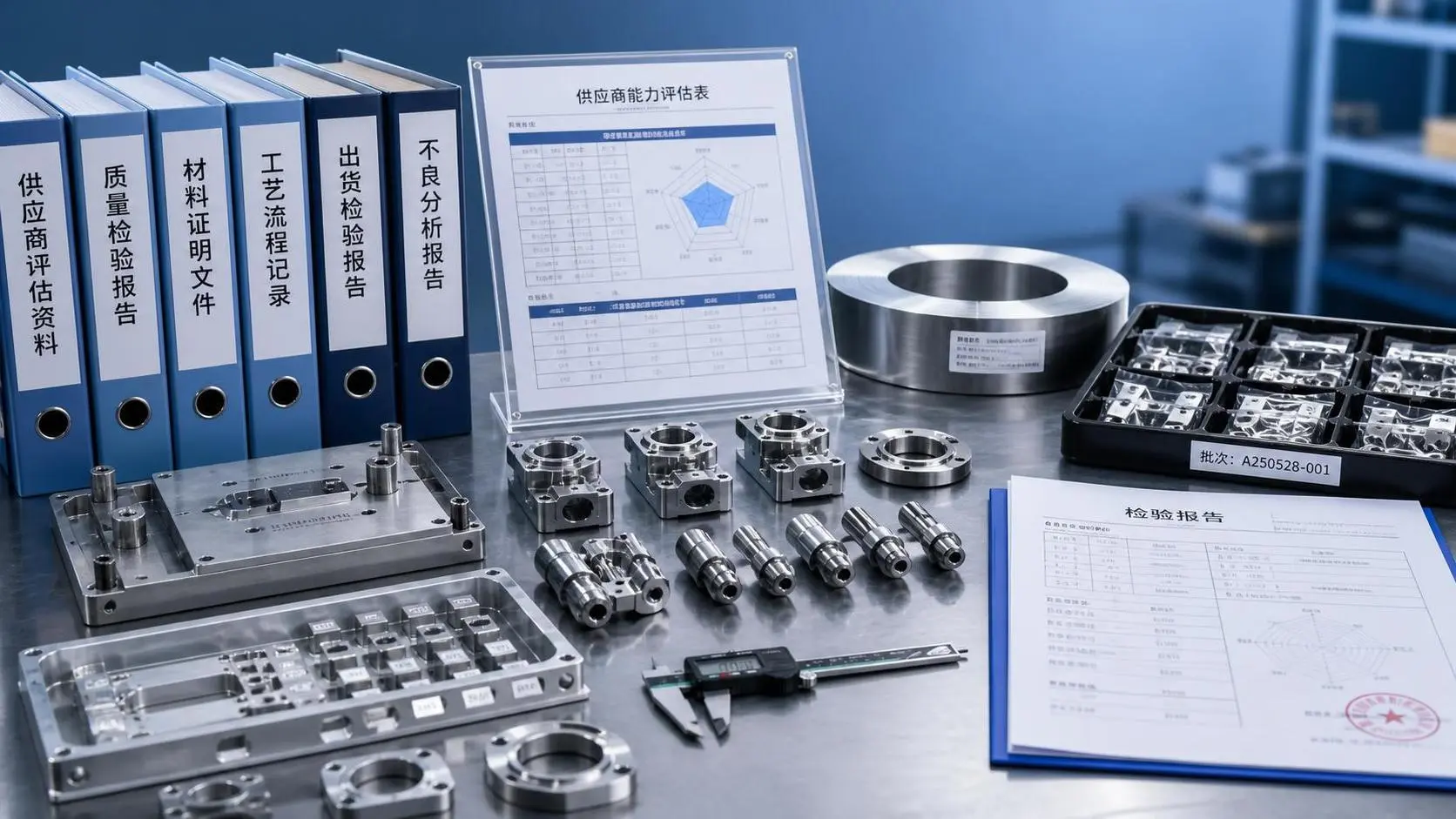
Supplier Capability Evaluation Process: Key Criteria for B2B Sourcing Decisions
Supplier capability evaluation process explained: learn the key criteria for B2B sourcing decisions, reduce supplier risk, and choose partners with confidence.
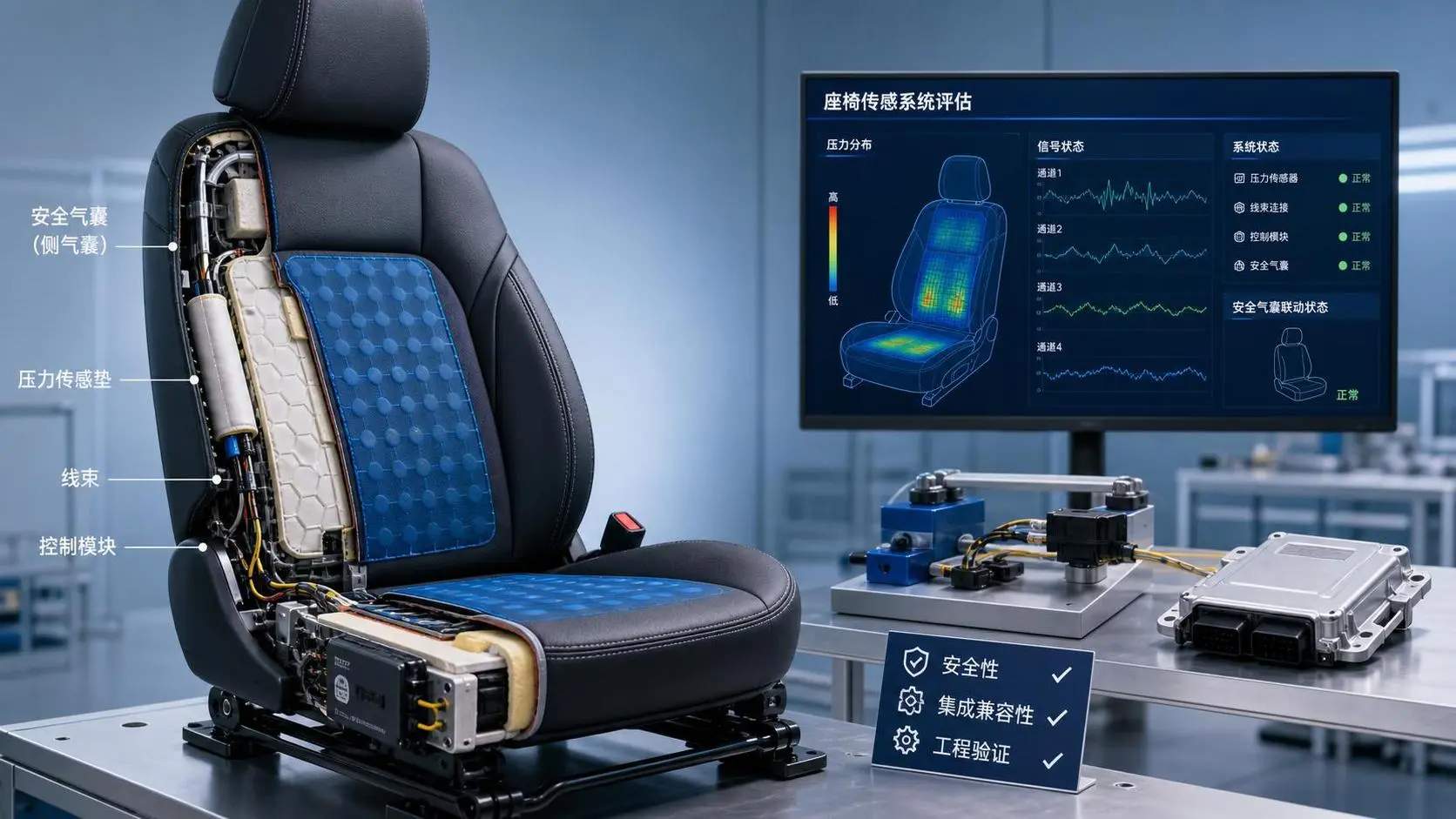
How to Evaluate a Seat Sensing Technology Supplier for Safety and Integration?
Seat sensing technology supplier evaluation guide: compare safety maturity, integration fit, algorithm reliability, and validation support to choose a partner that reduces risk.
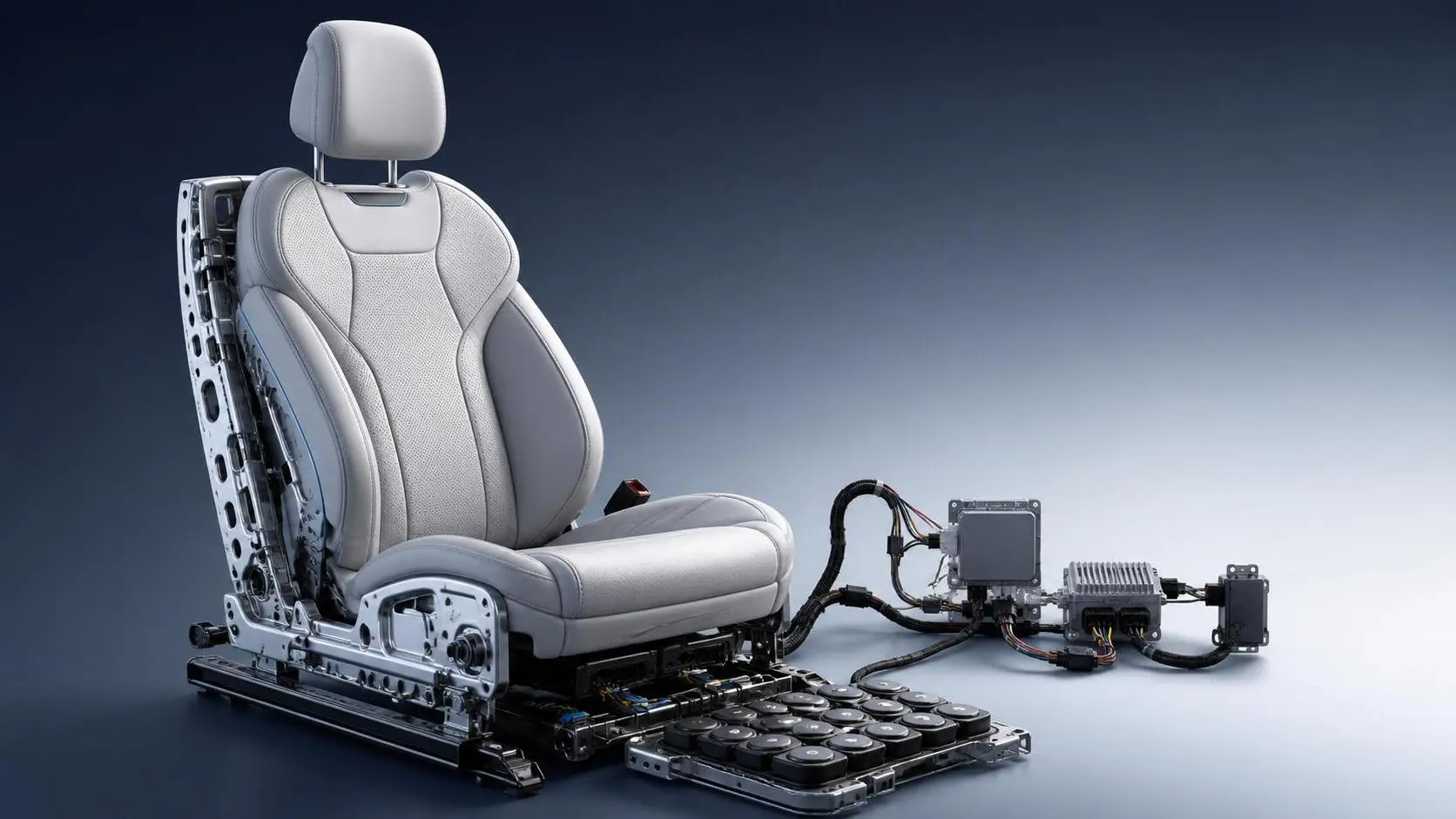
How to Evaluate Custom Smart Automotive Seating for Premium Vehicle Programs?
Custom smart automotive seating evaluation starts with safety, comfort, integration, and production readiness. Discover how premium vehicle teams choose smarter, lower-risk seat solutions.
B2B Product Intelligence Platforms: How to Compare Features, Data Coverage, and ROI
B2B product intelligence platform comparison: learn how to evaluate data coverage, feature depth, compliance visibility, and ROI to choose a sourcing tool that reduces risk and speeds decisions.
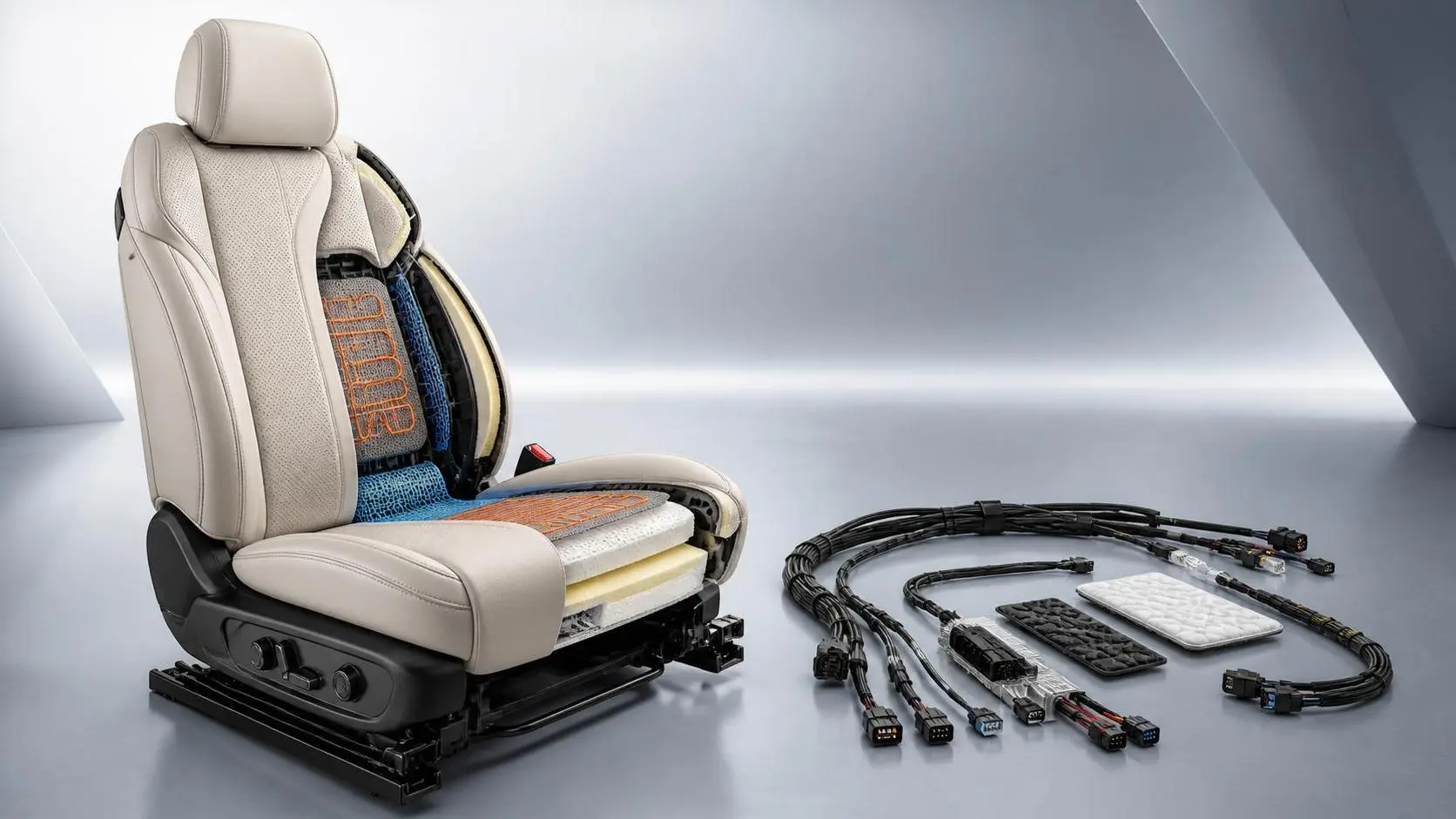
Climate Control Seats Cost: What Drives Price and Long-Term Ownership Value?
Climate control seats cost depends on materials, thermal tech, and integration. Learn what drives price and how to judge long-term value before you buy.

What Factors Drive Marine Navigation Components Cost in Commercial Vessel Projects?
Marine navigation components cost is shaped by integration, compliance, installation, and lifecycle support. Discover what drives pricing and how buyers can reduce risk while improving value.
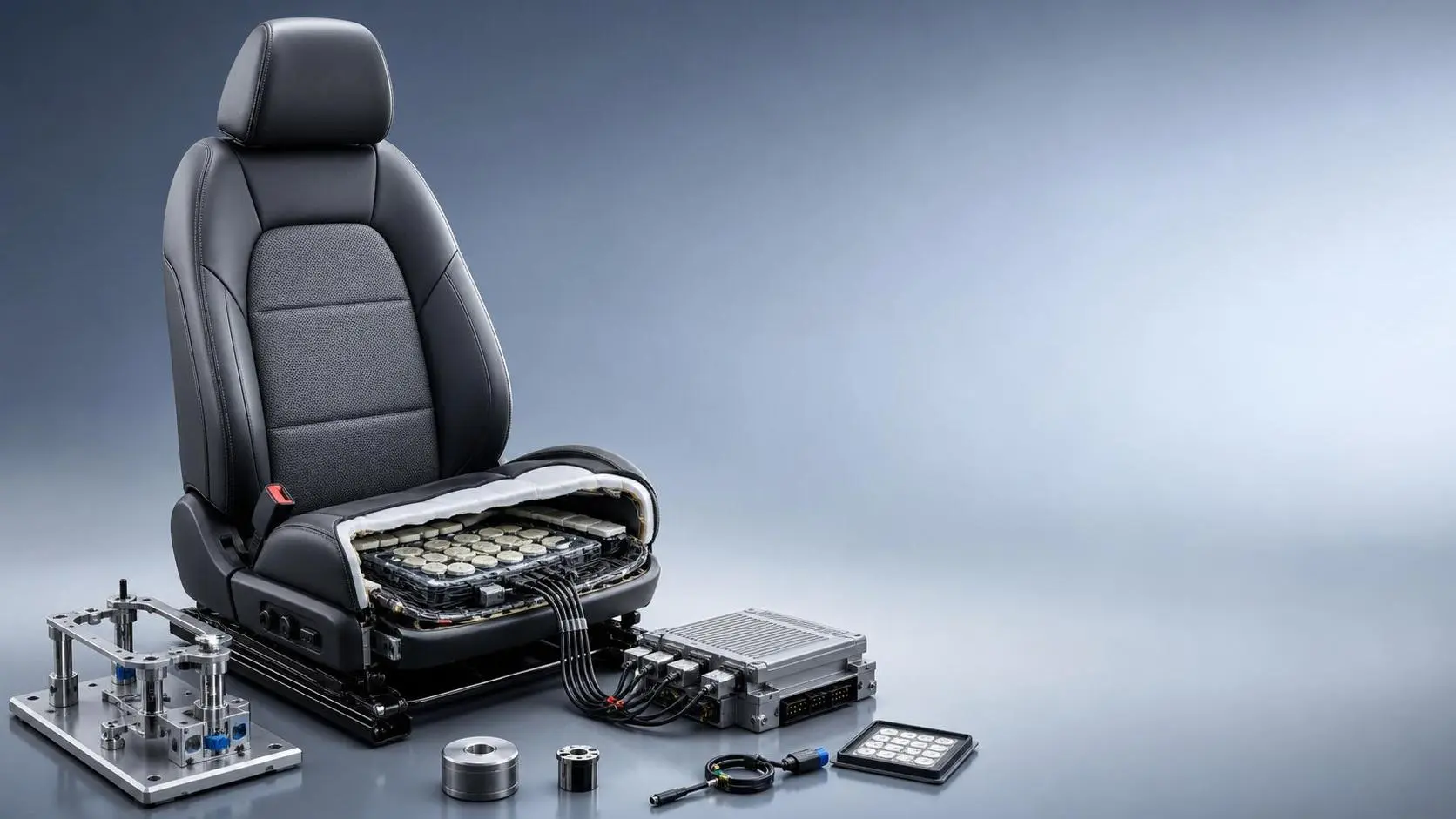
How Much Does Seat Occupancy Sensing Cost? Key Pricing Factors for Buyers
Seat occupancy sensing price varies widely by technology, integration, and compliance needs. Learn the key cost drivers, avoid hidden fees, and make smarter buying decisions.
Related News
- 00
0000-00
How to Evaluate Automotive Seat Assemblies for EVs by Weight, Safety, and Packaging - 00
0000-00
How to Evaluate a Seat Structures Exporter for OEM Programs: Capacity, Compliance, and Tooling - 00
0000-00
Sensor-Based Smart Seating Solutions: Key Features for Automotive Seat Design - 00
0000-00
What Drives Automotive Ergonomics Cost? Design Inputs, Testing Scope, and Tooling Factors - 00
0000-00
Aluminum Seat Structures vs Steel: When Is the Weight Saving Worth the Trade-Off?
Weekly Insights
Stay ahead with our curated technology reports delivered every Monday.