
Where do smart seating systems add the most value?
Smart seating systems add the most value where comfort, safety, sensing, and cabin intelligence converge. For mobility researchers and equipment decision-makers, their impact is no longer limited to premium comfort features; it now extends to occupant posture detection, crash-response coordination, fatigue monitoring, thermal management, and lightweight structural design. As vehicles become more connected, automated, and safety-regulated, smart seating is emerging as a critical interface between the human body and the mobility platform—turning the seat into both a protection node and an intelligent data source.
Where smart seating systems create measurable value first
The strongest business case appears in cabins where one seat must serve comfort, safety, health monitoring, and software-defined personalization at once.
For information researchers, the key question is not whether smart seating systems are innovative. It is where their value offsets complexity, cost, validation, and integration risk.
High-value scenarios for mobility decision research
- Premium passenger vehicles that need differentiated comfort, memory profiles, massage logic, ventilation, heating, and posture-based personalization.
- Electric vehicles where lightweight frames, thermal efficiency, battery-range protection, and software-driven cabin experiences must be balanced.
- Commercial fleets where driver fatigue detection, ergonomic support, and usage data can reduce downtime and safety exposure.
- Autonomous and semi-autonomous cabins where reclining positions, occupant classification, restraint coordination, and crash readiness become harder to manage.
- Long-distance transport, marine mobility, and special-purpose platforms where vibration, climate, posture, and survival protection intersect.
GNCS evaluates these scenarios through “Precision Spatial Perception” and “Physical Containment Protection,” linking seat intelligence with restraint systems, body structures, and navigation-driven mobility environments.
Which cabin functions benefit most from smart seating systems?
Smart seating systems become valuable when they solve specific cabin problems that conventional mechanical seats cannot address with consistent repeatability.
The following comparison helps researchers separate visible comfort features from deeper safety, sensing, and platform-level functions.
This table shows why smart seating systems should not be evaluated as decorative cabin upgrades. Their strongest value appears when multiple cabin subsystems depend on accurate occupant understanding.
Why safety integration changes the procurement equation
A smart seat sits beside airbag assemblies, seatbelt systems, body stampings, and electronic control units in the occupant protection chain.
If one component misreads body position or response timing, the entire passive safety strategy may require recalibration, simulation, and additional validation.
Key safety questions before selecting smart seating systems
- Can the sensing layer identify occupant size, posture, seat position, and belt status under realistic driving vibration?
- Does the actuator architecture maintain safe movement limits during pre-crash or emergency braking scenarios?
- How does the seat frame behave under crash loads when sensors, motors, ducts, and wiring are added?
- Are thermal components protected against overheating, moisture intrusion, and long-duration duty cycles?
- Can the supplier provide traceable test documentation for materials, electronics, and occupant interaction functions?
GNCS connects passive safety architecture with cabin ergonomics research, helping decision-makers compare not only seat features but also crash-relevant design implications.
How to compare conventional seats, premium seats, and smart seating systems
Buyers often compare seat solutions by surface material and adjustment count. That approach misses software, sensing, validation, and lifecycle implications.
A structured comparison clarifies when smart seating systems justify a higher bill of materials and longer development involvement.
The comparison suggests a practical rule: choose smart seating systems when the seat must participate in cabin intelligence, not merely support the occupant.
What parameters matter when evaluating smart seating systems?
Parameter review should combine mechanical performance, electronics reliability, sensor logic, comfort metrics, and environmental endurance.
Researchers should request parameter ranges from suppliers rather than accepting generic claims about comfort, intelligence, or high reliability.
A parameter-led review prevents feature inflation. It also helps compare smart seating systems across suppliers using evidence instead of brochure language.
Which applications deserve priority investment?
Not every cabin needs the same level of sensing or actuation. Value depends on mission profile, regulatory pressure, user expectations, and operating duration.
Passenger EVs and software-defined vehicles
Electric vehicles benefit from smart seating systems because zonal thermal comfort can reduce reliance on whole-cabin HVAC during cold or hot conditions.
The seat can also store user profiles, synchronize with infotainment, and support cabin modes such as rest, work, or long-distance travel.
Commercial fleets and professional drivers
For fleets, smart seating systems can support fatigue warnings, ergonomic correction, vibration reduction, and maintenance diagnostics based on seat usage patterns.
The value is practical: fewer fatigue-related incidents, better driver acceptance, and clearer data for safety management programs.
Autonomous cabins and reclining layouts
Automated mobility changes occupant posture. Reclined, rotated, or relaxed positions create new questions for airbags, belts, and crash energy management.
In these scenarios, smart seating systems become safety-enabling platforms because they help identify occupant geometry before restraint deployment decisions.
How standards and compliance shape smart seating decisions
Smart seating systems must be assessed against mechanical, electrical, functional safety, electromagnetic, and material-related expectations.
The exact compliance route depends on target market, vehicle category, seating layout, and whether the seat contributes to safety-related functions.
Compliance should be discussed early. Late discovery of safety or software constraints can delay launch timing and increase redesign costs.
What procurement teams often underestimate
The biggest mistakes are rarely caused by choosing too few features. They usually come from ignoring integration, validation, and serviceability.
Common selection risks
- Treating smart seating systems as trim packages instead of electro-mechanical safety-adjacent assemblies.
- Failing to confirm whether added electronics affect seat mass, packaging, wiring routes, and assembly takt time.
- Ignoring software ownership, diagnostic access, calibration updates, and field maintenance responsibilities.
- Comparing quotes without separating frame cost, sensor cost, validation cost, tooling cost, and logistics assumptions.
- Requesting advanced sensing without defining the exact decision that seat data must support.
A better procurement process begins with use-case ranking. Comfort, safety, energy saving, and data intelligence should be weighted before quotation comparison.
How GNCS supports research, comparison, and supplier conversations
GNCS operates as an intelligence portal across marine navigation, auto body stampings, airbags, seatbelts, and auto seat assemblies.
This cross-domain view is useful because smart seating systems do not operate alone. They influence restraint timing, body energy absorption, cabin electronics, and user perception.
Research support areas available through GNCS intelligence
- Technical interpretation of smart seating systems, including sensing architecture, actuator selection, thermal comfort, and lightweight frame direction.
- Comparison of passive safety interactions involving airbags, seatbelt systems, occupant posture, and seat structural behavior.
- Market and trend monitoring for connected cabins, EV comfort strategies, autonomous layouts, and high-reliability component demand.
- Procurement-oriented intelligence to prepare supplier questions on parameters, delivery schedule, certification path, samples, and customization feasibility.
For information researchers, GNCS helps turn scattered product claims into decision-ready intelligence that can support internal review and supplier negotiation.
FAQ: practical questions about smart seating systems
How do I know if smart seating systems are necessary for my project?
They are most relevant when the seat must provide data, adapt to occupants, support safety logic, reduce thermal load, or create premium differentiation.
If the project only needs basic adjustment and cost control, a conventional or premium comfort seat may be more appropriate.
What should be checked before requesting quotations?
Define seating layout, target markets, crash expectations, electrical architecture, communication interface, trim requirements, and estimated production volume.
Without these inputs, quotations for smart seating systems may hide major differences in validation scope and integration responsibility.
Are smart seating systems only for luxury vehicles?
No. Luxury cabins adopted them early, but fleets, EVs, special vehicles, and automated mobility platforms increasingly use intelligent seats for functional reasons.
The strongest justification may come from safety monitoring, driver endurance, energy saving, or data integration rather than luxury perception alone.
What delivery risks should buyers anticipate?
Risks include tooling lead time, electronics supply, software calibration, regional compliance testing, seat trim approval, and interface changes from vehicle platforms.
Early sample planning and clear validation milestones reduce uncertainty, especially when smart seating systems are tied to safety-related functions.
Why choose GNCS for smart seating systems intelligence?
GNCS helps researchers and mobility decision-makers evaluate smart seating systems through a broader safety and perception framework.
Instead of isolating the seat from the vehicle, we connect it with body structures, airbag assemblies, seatbelt systems, cabin electronics, and evolving compliance expectations.
You can consult GNCS for parameter confirmation, application scenario comparison, product selection logic, supplier question lists, delivery-cycle assessment, certification requirements, sample planning, and quotation discussion.
For projects involving connected cabins, EV platforms, fleet safety, autonomous seating layouts, or high-end auto seat assemblies, GNCS provides intelligence that supports confident technical and commercial decisions.
Related News
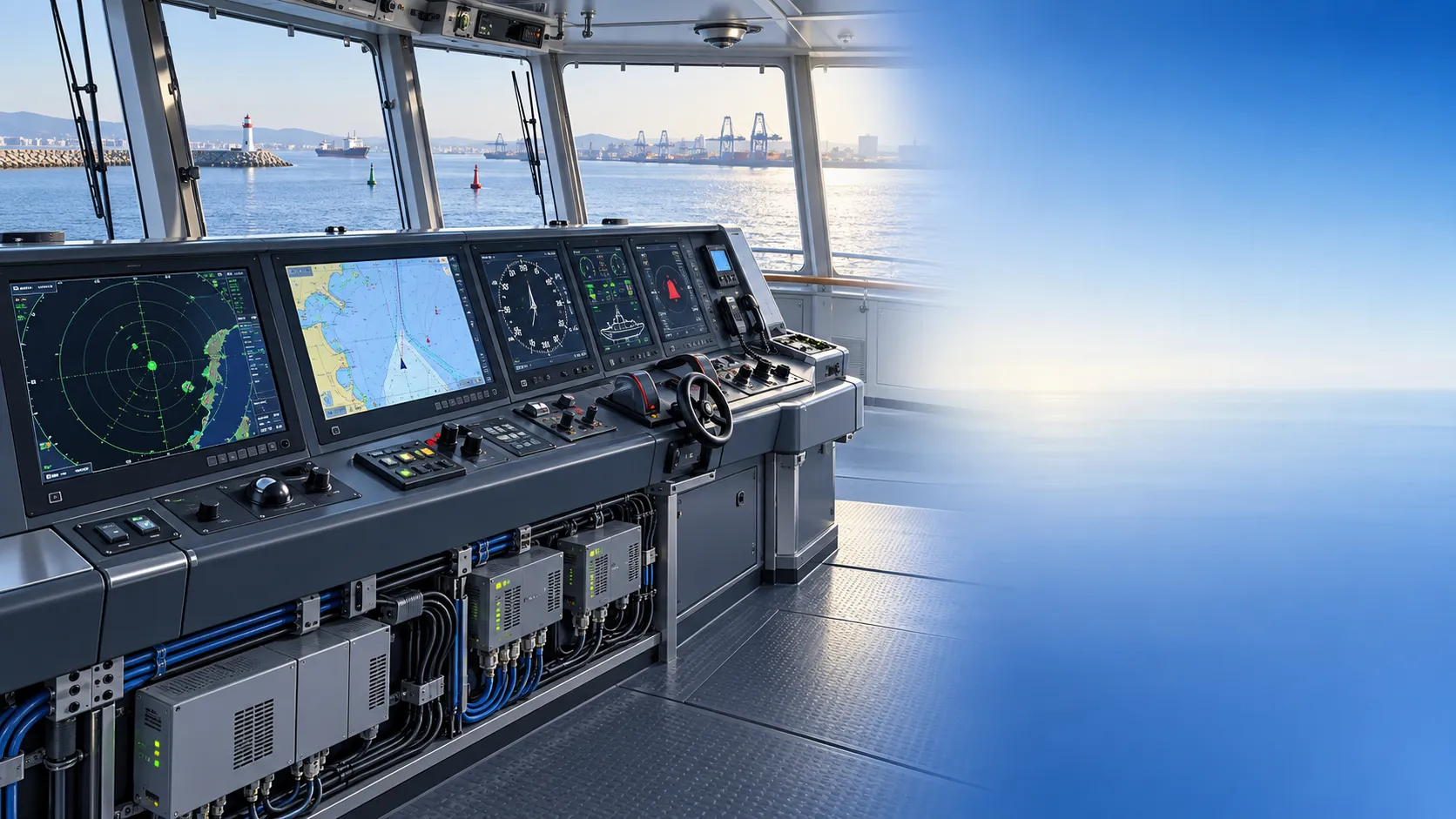
How to Specify Integrated Marine Electronics for Reliable Bridge Operations
Integrated marine electronics: learn how to specify reliable bridge systems with clear data flows, redundancy, alarm control, lifecycle interfaces, and operational testing.

How to Evaluate Navigation Radar Manufacturers for Commercial Vessel Projects
Navigation radar manufacturers: learn how to compare performance, compliance, integration, support, and lifecycle cost for commercial vessel projects.
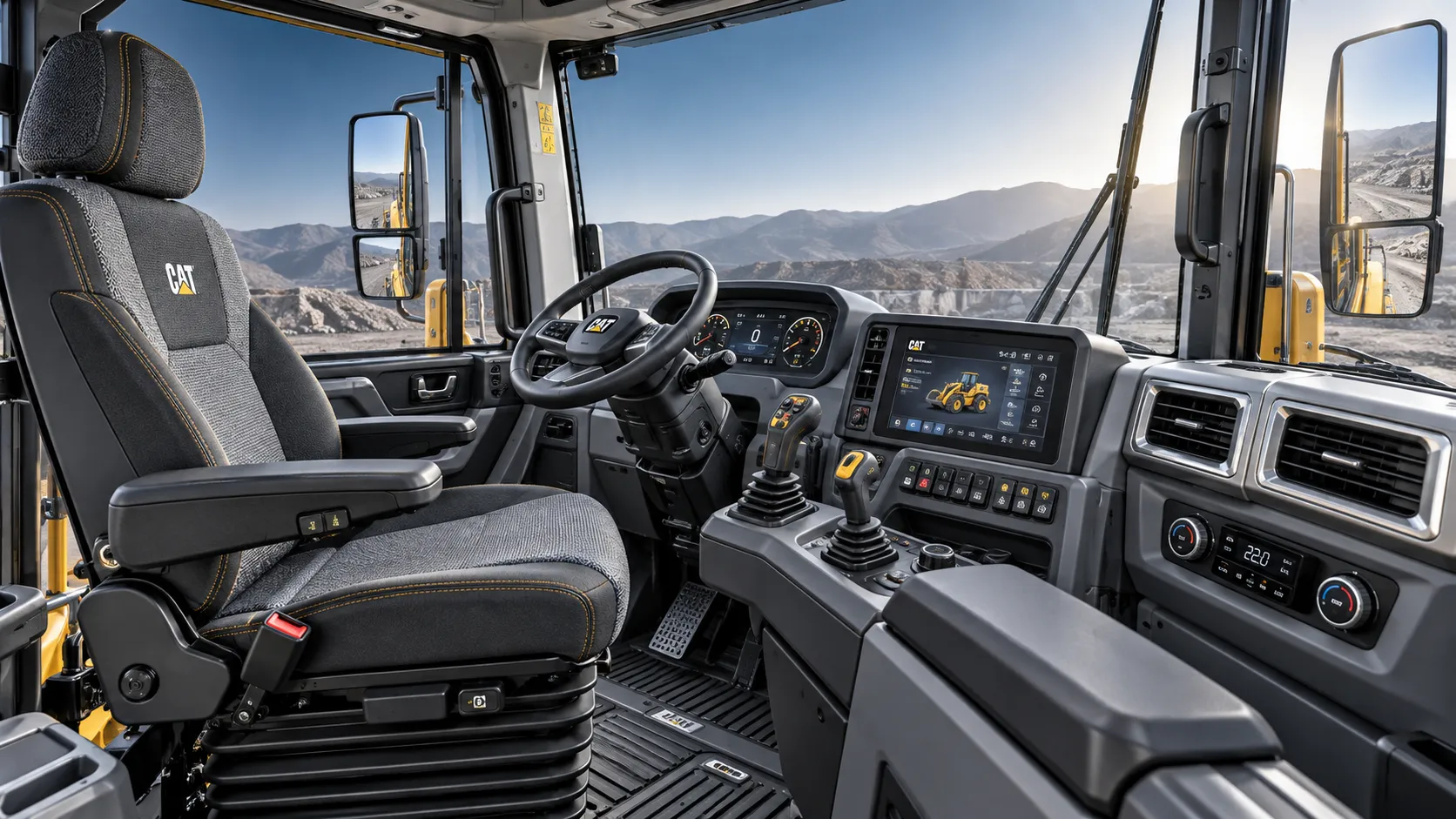
How Adjustable Cabin Ergonomics Reduce Operator Fatigue in Long-Shift Vehicles
Adjustable cabin ergonomics reduces operator fatigue through better seating, reach, visibility, vibration control, and climate comfort for safer long-shift vehicles.
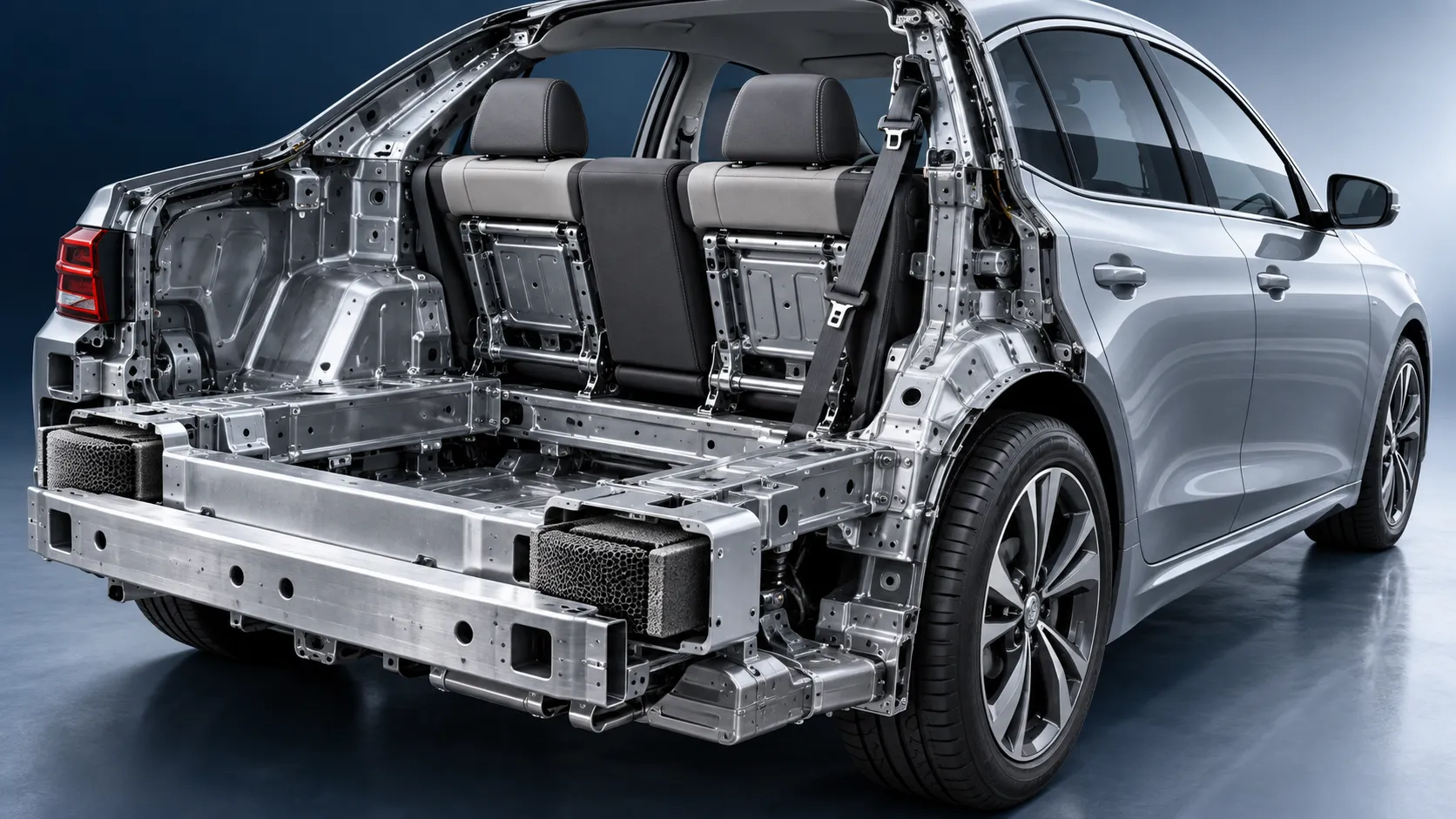
How Rear-Impact Safety Components Work Together to Protect Vehicle Occupants
Explore how automotive safety components for rear impact work together—from crash structures and seats to head restraints and belts—to enhance occupant protection.
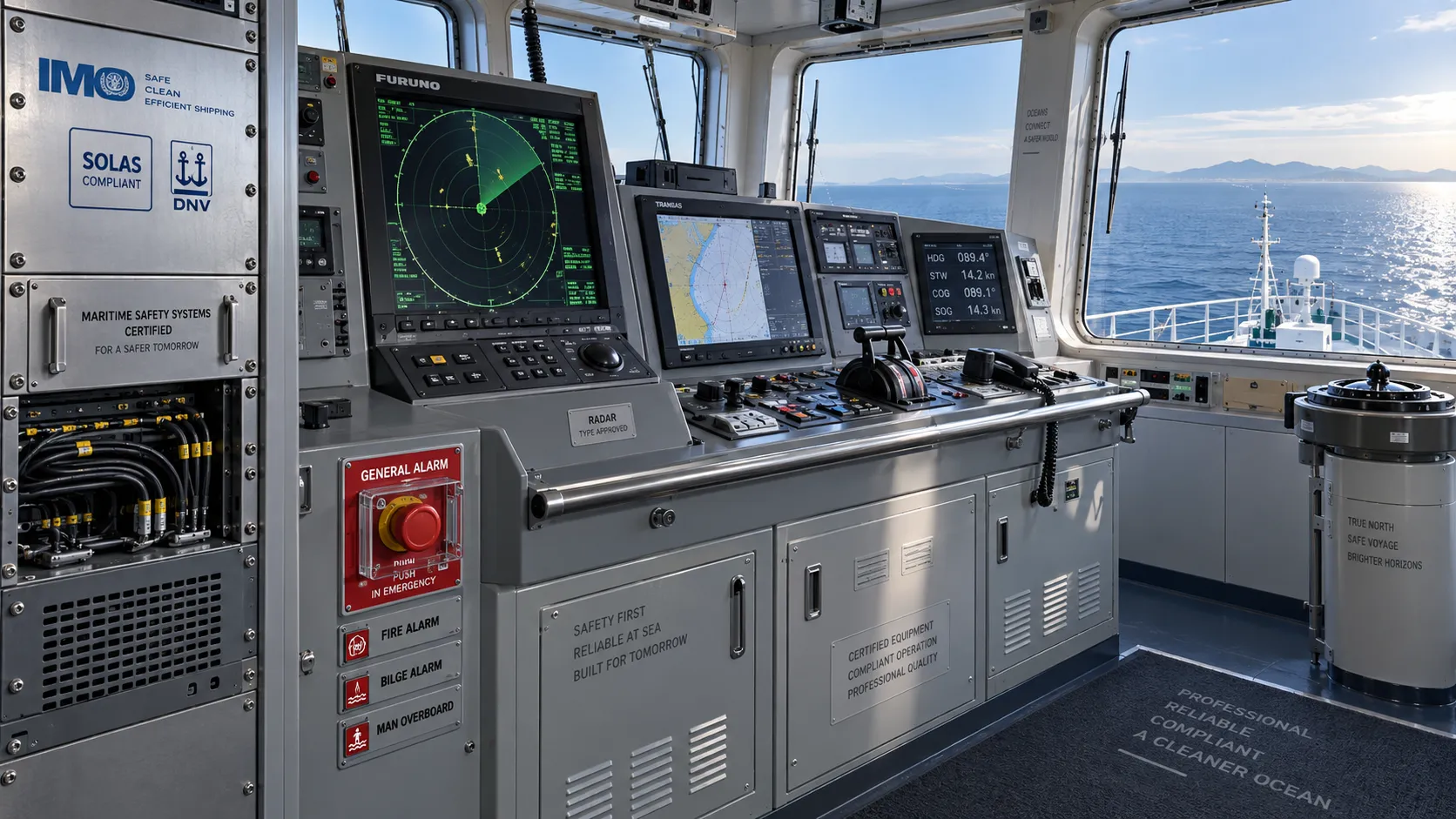
How to Evaluate a Marine Safety Systems Manufacturer for Vessel Compliance and Reliability
Marine safety systems manufacturer evaluation guide: verify compliance, engineering quality, lifecycle costs, and global service support for safer, reliable vessel operations.
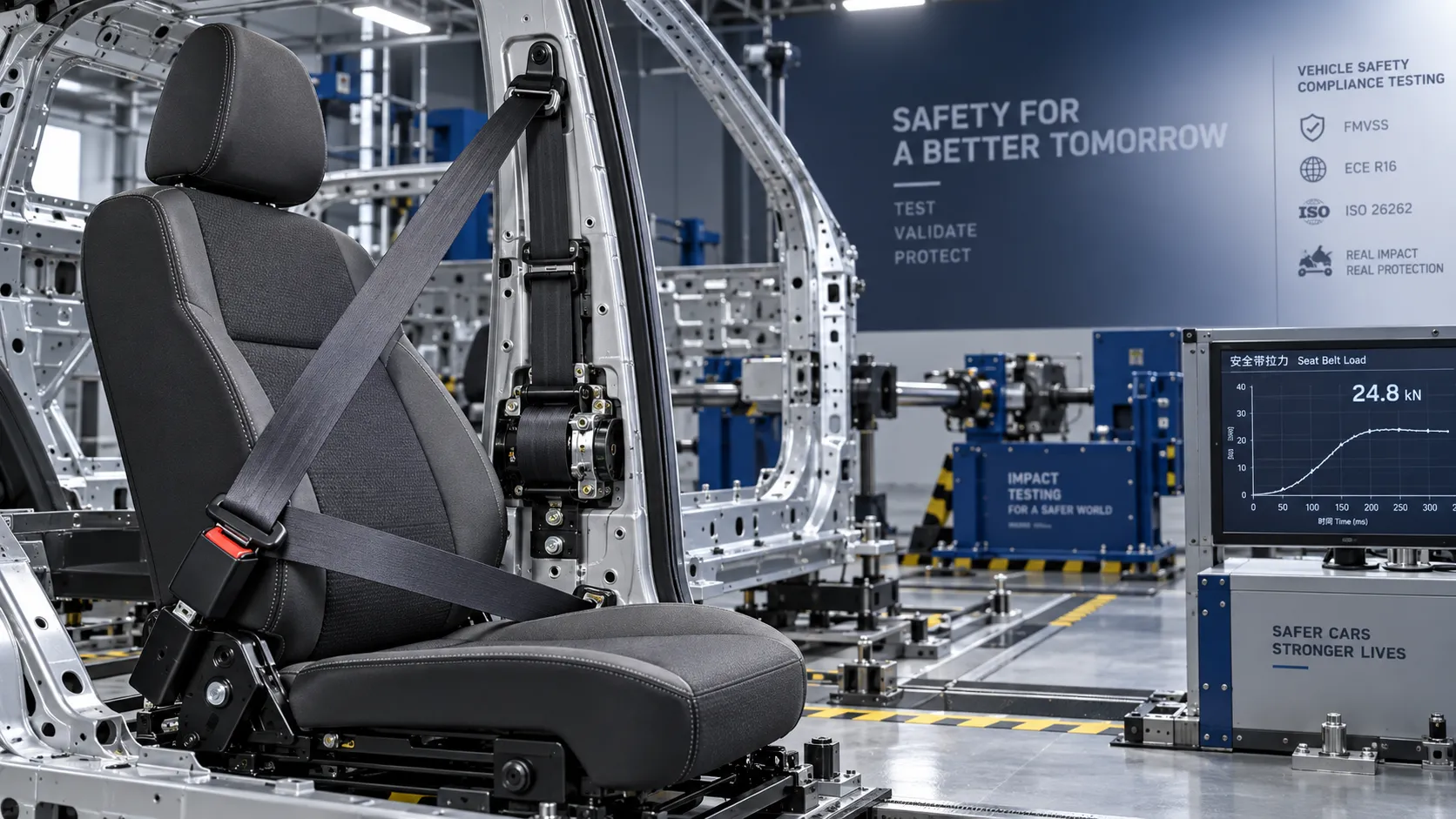
Crash Test Regulations for Seatbelts: Key Compliance Requirements Explained
Crash test regulations seatbelts explained: explore FMVSS, UN rules, anchorage strength, and dynamic restraint testing for safer, compliant vehicle systems.
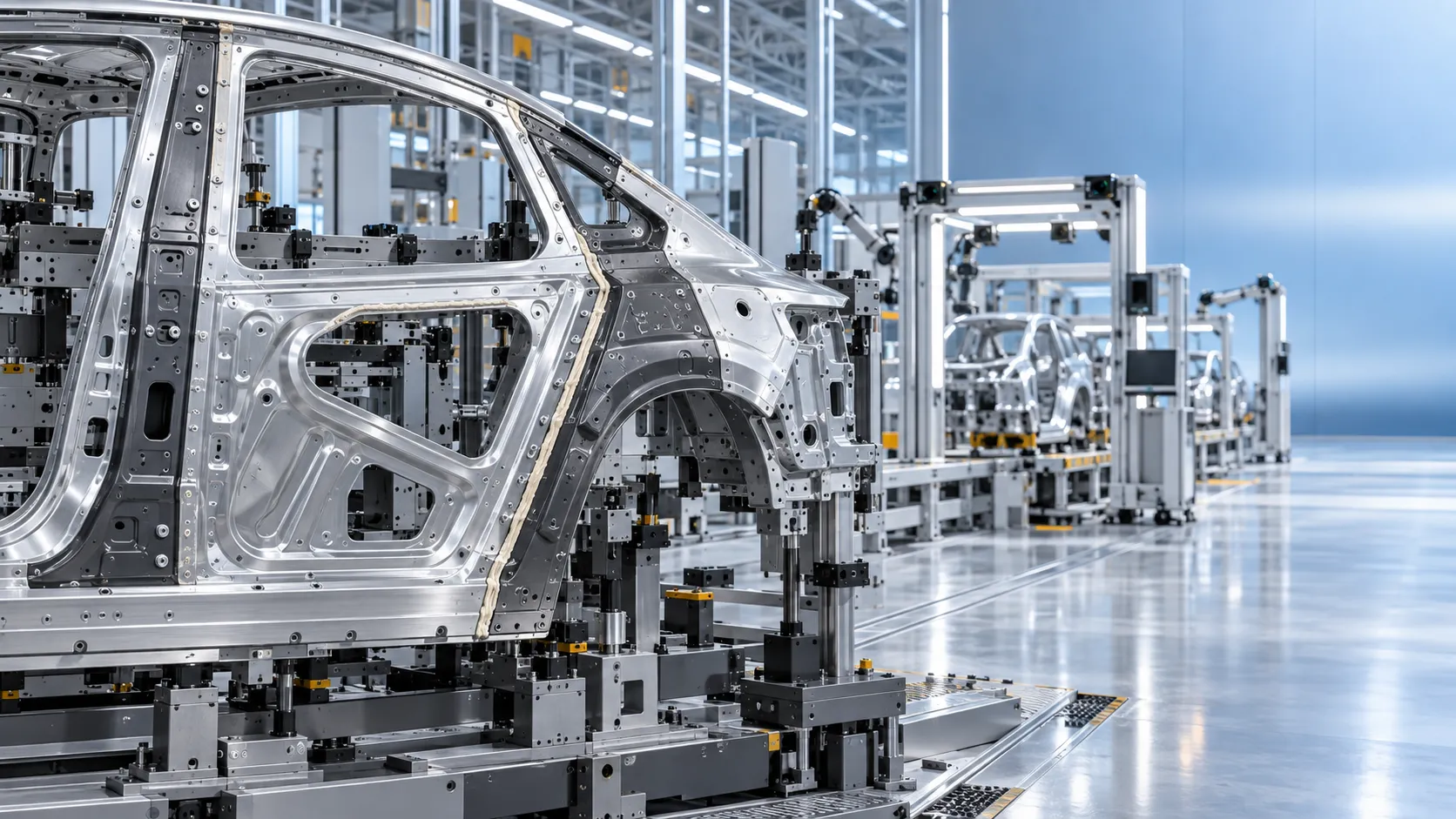
How to Calculate the Total Cost of Automotive Lightweighting for a Vehicle Program
Automotive lightweight solutions cost: learn how to calculate program-level costs, including materials, tooling, joining, validation, risk, and vehicle-level value.
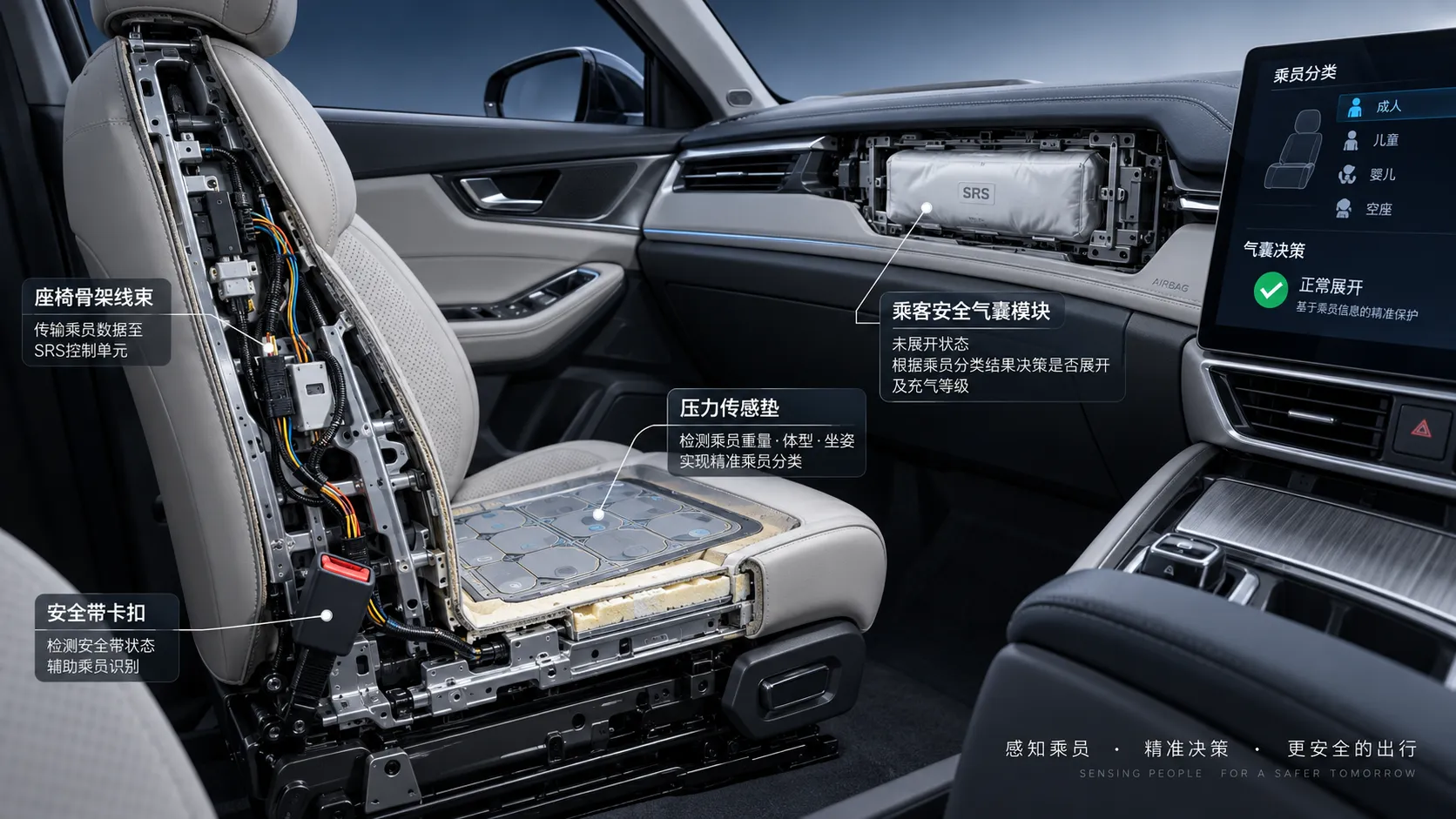
How Automotive Seat Occupancy Sensing Improves Airbag Deployment Decisions
Automotive seat occupancy sensing helps optimize airbag deployment decisions, improving passenger classification, safety diagnostics, and compliance across real-world conditions.
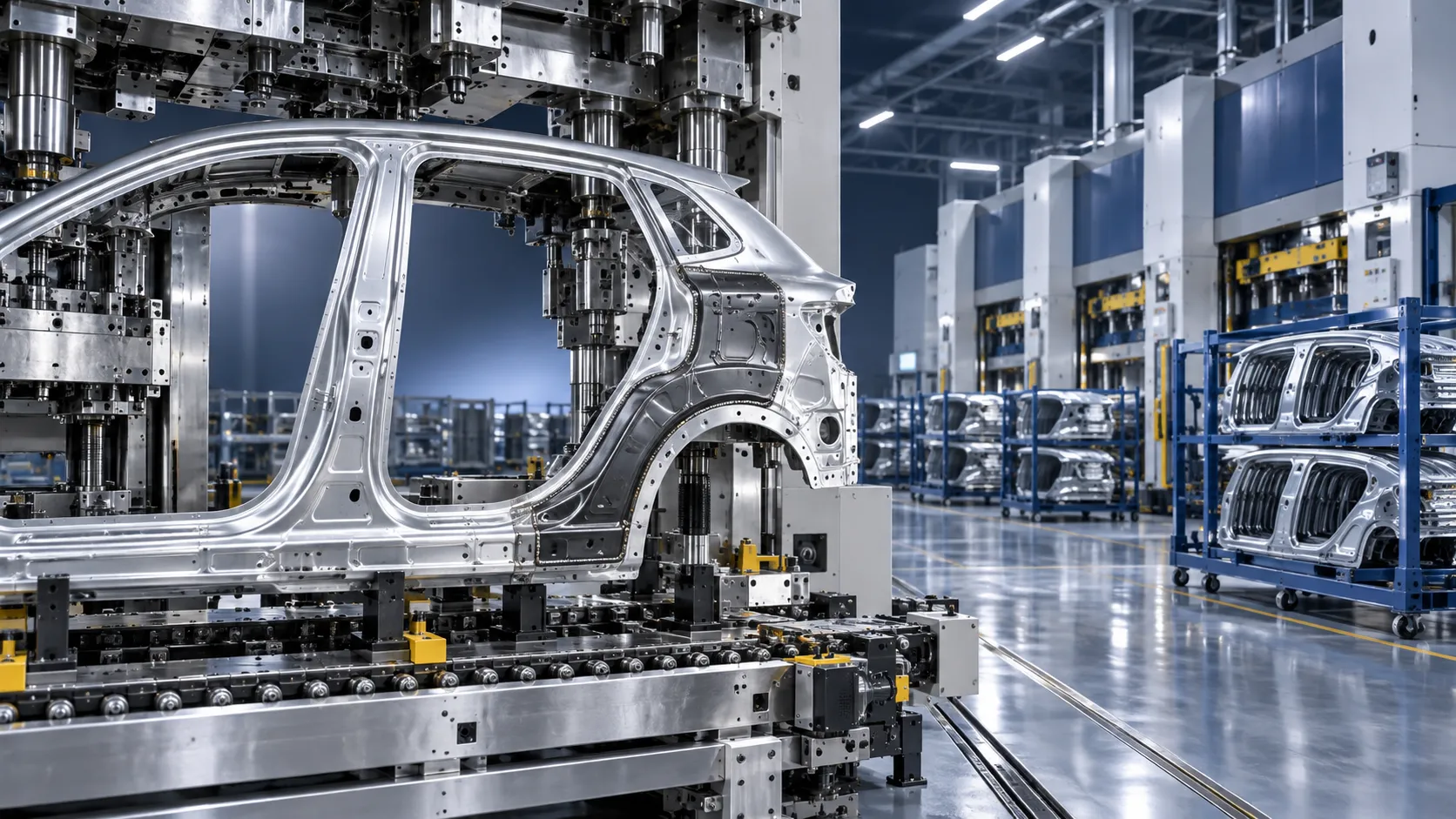
What Drives Lightweight Body Component Costs in High-Volume Vehicle Programs?
Lightweight body components cost depends on material yield, forming, joining, tooling, validation, and logistics. Explore proven ways to optimize total vehicle program cost.
Related News
- 00
0000-00
What European OEMs Should Evaluate When Sourcing Memory Seat Modules - 00
0000-00
How to Evaluate Custom Smart Automotive Seating for Premium Vehicle Programs? - 00
0000-00
How to Evaluate Custom Smart Seating Solutions for Comfort, Safety, and Integration? - 00
0000-00
What Affects Memory Seat Modules Price? Cost Drivers and Spec Trade-Offs - 00
0000-00
Smart Seat Systems Price Breakdown: What Drives Cost Across Sensors, Motors, and Modules?
Weekly Insights
Stay ahead with our curated technology reports delivered every Monday.