
Smart Seat Systems Manufacturer Selection: Key Features and Integration Checks
Selecting a smart seat systems manufacturer is no longer a narrow sourcing task. It sits at the intersection of structure, sensing, software, safety, and lifecycle reliability.
In mobility cabins, the seat is both a physical restraint interface and a digital contact point. That makes manufacturer selection a technical decision with direct effects on comfort, compliance, and system integration.
For platforms tracked by GNCS, this matters because smart seating now connects with broader cabin safety logic. It must work alongside lightweight structures, seatbelt systems, airbags, and connected electronic architectures.
Why smart seating has become a system-level issue
A conventional seat could be judged mainly by packaging, trim quality, and basic durability. A smart seat system adds occupancy sensing, adjustment memory, thermal management, posture support, diagnostics, and data interfaces.
That expansion changes the role of the supplier. A smart seat systems manufacturer must deliver more than hardware. It must support electrical architecture, embedded controls, testing evidence, and stable production execution.
This is especially relevant in global programs. Validation now spans crash behavior, electromagnetic compatibility, software communication, material traceability, and regional regulatory expectations.
From a GNCS perspective, the seat is the first touchpoint between occupant and cabin intelligence. It cannot be separated from passive safety performance or from the wider perception-and-protection chain.
What defines a capable smart seat systems manufacturer
Not every seating supplier operates at the same depth. Some are strong in trim and foam execution. Others can manage mechatronics, ECU integration, and advanced occupant detection with stronger validation discipline.
The difference usually appears in five areas: structural engineering, smart function maturity, electronics integration, compliance capability, and launch stability.
Structural and mechanical foundation
A smart seat still begins with its frame, tracks, recliner, adjuster, foam package, and anchorage design. If this base is weak, advanced features add cost without delivering reliable field performance.
Frame material strategy deserves close attention. Steel remains common, while aluminum and magnesium appear in lightweight programs. Weight reduction is useful only when stiffness, fatigue life, and crash load paths stay controlled.
Intelligent feature stack
The term smart can mean very different things. In one program it may refer to heating, ventilation, and memory. In another, it includes pressure mapping, occupancy classification, driver monitoring linkage, or wellness functions.
A credible smart seat systems manufacturer should clearly define which functions are production proven, which are optional, and which still require customer-side development effort.
Electronics and software readiness
Modern seats communicate with domain controllers, body systems, HMI layers, and safety modules. Integration quality depends on network compatibility, diagnostic logic, fail-safe behavior, and update governance.
This is where an apparently strong catalog supplier can become a program risk. Feature claims are easy. Stable software releases, version control, and fault isolation are harder.
Key feature checks before comparing suppliers
Technical comparison works better when the review stays tied to measurable checks. Broad statements such as premium comfort or intelligent experience rarely help final selection.
A strong smart seat systems manufacturer should be able to explain each area with test reports, design assumptions, and production control plans. The discussion should not rely on brochure language.
Integration checks that often decide the outcome
Many seat programs fail late because the supplier was judged by standalone seat performance. In practice, the seat must behave correctly inside a complete cabin architecture.
Interface with passive safety systems
Seat geometry affects occupant posture, belt routing, and airbag timing assumptions. Recliner behavior, cushion stiffness, and sensor accuracy can all influence restraint system performance.
That is why GNCS places smart seating beside airbags and seatbelt systems in the same intelligence context. The seat is part of the physical containment chain, not an isolated comfort module.
Electrical and communication architecture
Check network topology early. A smart seat systems manufacturer may support CAN, LIN, or Ethernet, but gateway logic, message definitions, and diagnostics depth vary widely.
Also review software ownership. It should be clear which layer belongs to the seat supplier, which belongs to the vehicle integrator, and how updates are validated after change requests.
Packaging, thermal, and NVH behavior
Smart seats add motors, ducts, control modules, and wiring. These elements can create packaging conflicts, new buzz or rattle sources, and local heat accumulation in dense cabin layouts.
A capable supplier will present integration drawings, thermal maps, and NVH mitigation plans before tooling freezes. Late discovery usually leads to expensive compromises.
Compliance and validation depth matter more than claims
Global mobility programs face overlapping standards, internal specifications, and regional test expectations. Seats may need evidence related to crashworthiness, flammability, EMC, durability, and material compliance.
A smart seat systems manufacturer should show how validation is organized across prototype, DV, PV, and serial production stages. Missing linkage between stages is a clear warning sign.
The best suppliers also understand adjacent regulations. That includes awareness of how lightweight body changes, restraint calibration, or cabin electronics evolution can alter seat validation assumptions.
This cross-domain awareness is increasingly valuable. GNCS tracks it because safety and perception technologies are converging, not staying in separate engineering silos.
Where practical value appears in real programs
The right smart seat systems manufacturer helps reduce more than component risk. It can improve program timing, software stability, occupant experience, and the credibility of technical submissions to global customers.
- Shorter validation loops because interfaces are defined earlier.
- Fewer redesigns when restraint and seat logic are aligned from the start.
- Better comfort consistency across climate and usage conditions.
- Stronger launch confidence when traceability and process control are mature.
- Higher acceptance in premium or export programs that demand documented technical depth.
That value is not limited to passenger cars. The same logic applies across mobility cabins where human-machine contact, safety containment, and electronic integration are tightly linked.
A practical selection framework
A useful review process starts by separating must-have requirements from attractive extras. This prevents feature-rich proposals from hiding weak fundamentals.
Next, score each smart seat systems manufacturer across the same evidence set. Use real tests, interface documents, PPAP discipline, software process maturity, and change management records.
Then examine integration readiness under realistic conditions. Review sensor drift, seatbelt interaction, vehicle network faults, environmental cycling, and manufacturing variation.
Finally, compare development behavior. The most reliable supplier is often the one that exposes limits early, explains assumptions clearly, and responds with engineering detail instead of sales language.
What to do next
Before shortlisting any smart seat systems manufacturer, build a review sheet that connects cabin targets, safety interfaces, software architecture, and production expectations in one place.
That approach makes supplier comparison more objective and reduces late-stage surprises. It also fits the broader GNCS view that seating performance should be judged within the full perception-and-protection system.
When the seat is evaluated as both a structural restraint platform and an intelligent cabin node, the selection decision becomes clearer, and the technical risk becomes easier to control.
Related News
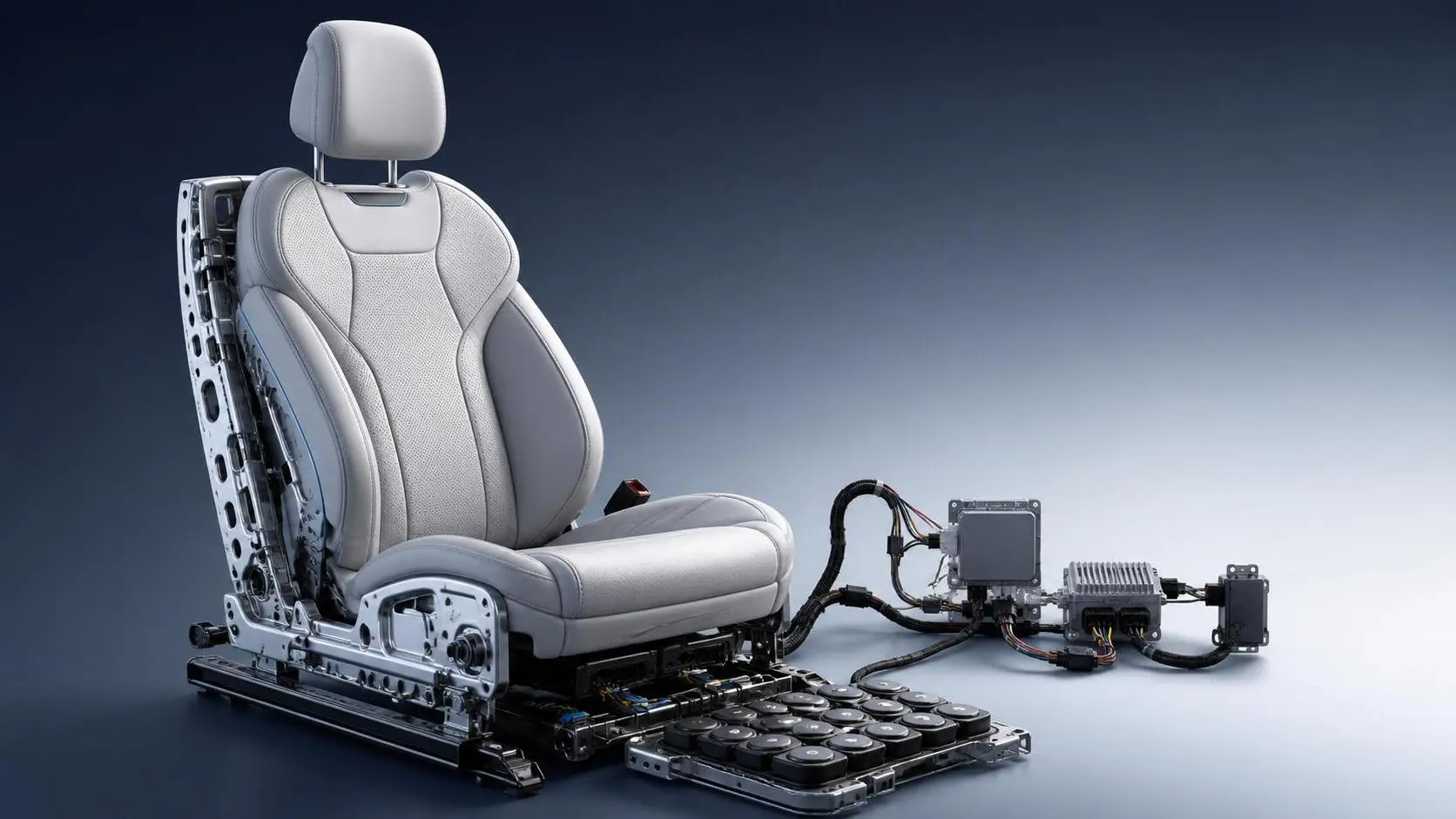
How to Evaluate Custom Smart Automotive Seating for Premium Vehicle Programs?
Custom smart automotive seating evaluation starts with safety, comfort, integration, and production readiness. Discover how premium vehicle teams choose smarter, lower-risk seat solutions.
B2B Product Intelligence Platforms: How to Compare Features, Data Coverage, and ROI
B2B product intelligence platform comparison: learn how to evaluate data coverage, feature depth, compliance visibility, and ROI to choose a sourcing tool that reduces risk and speeds decisions.
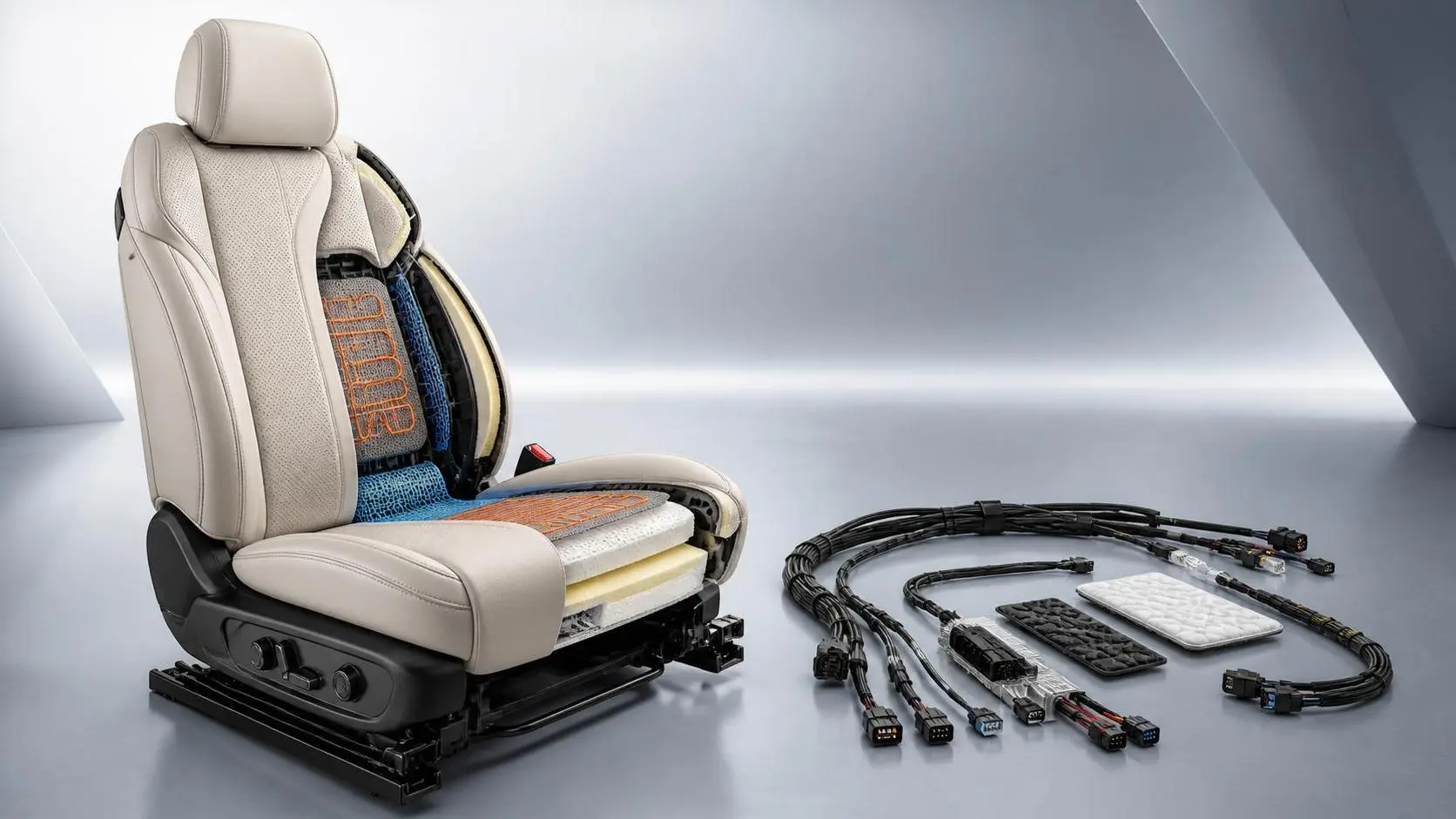
Climate Control Seats Cost: What Drives Price and Long-Term Ownership Value?
Climate control seats cost depends on materials, thermal tech, and integration. Learn what drives price and how to judge long-term value before you buy.
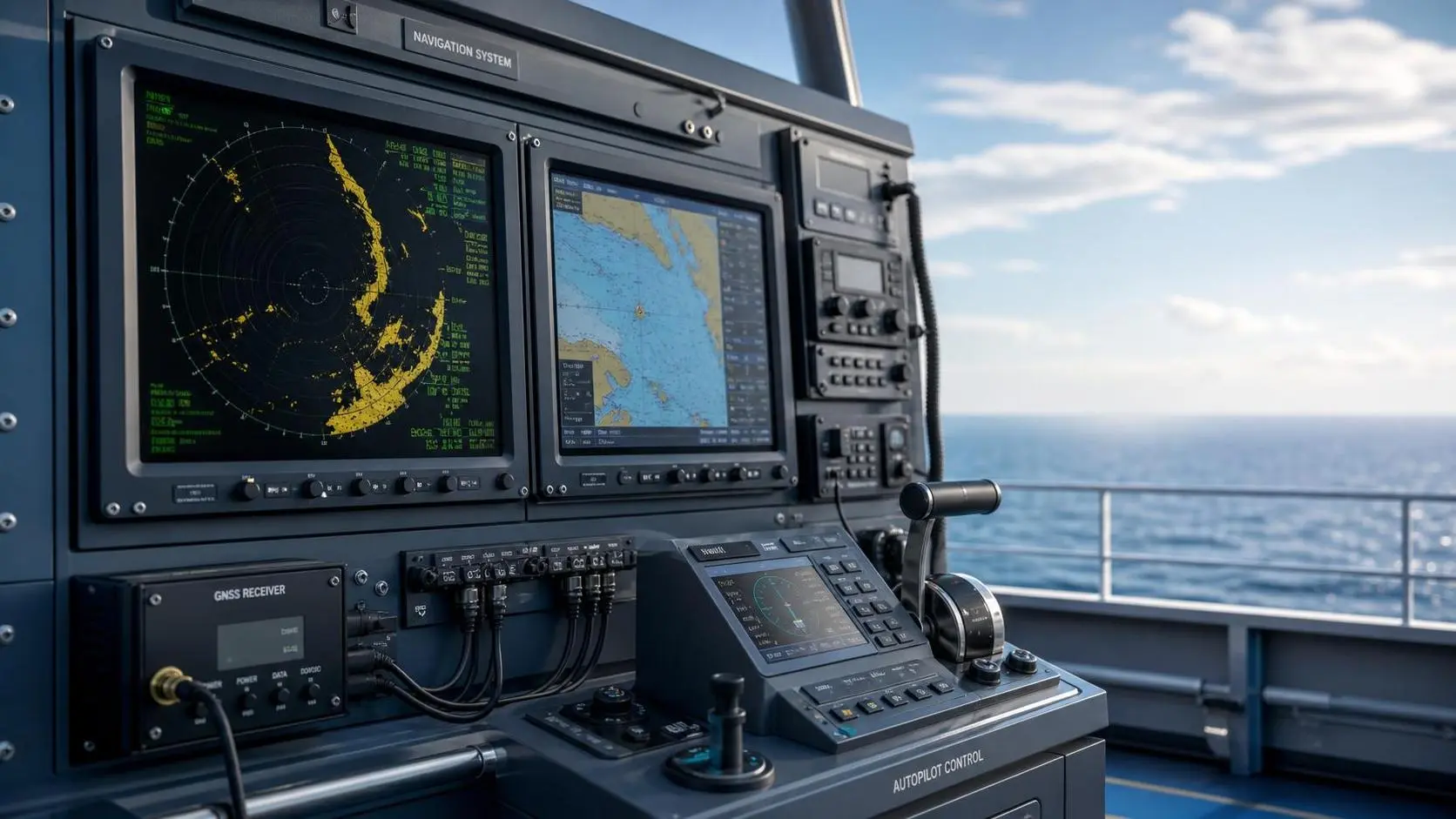
What Factors Drive Marine Navigation Components Cost in Commercial Vessel Projects?
Marine navigation components cost is shaped by integration, compliance, installation, and lifecycle support. Discover what drives pricing and how buyers can reduce risk while improving value.
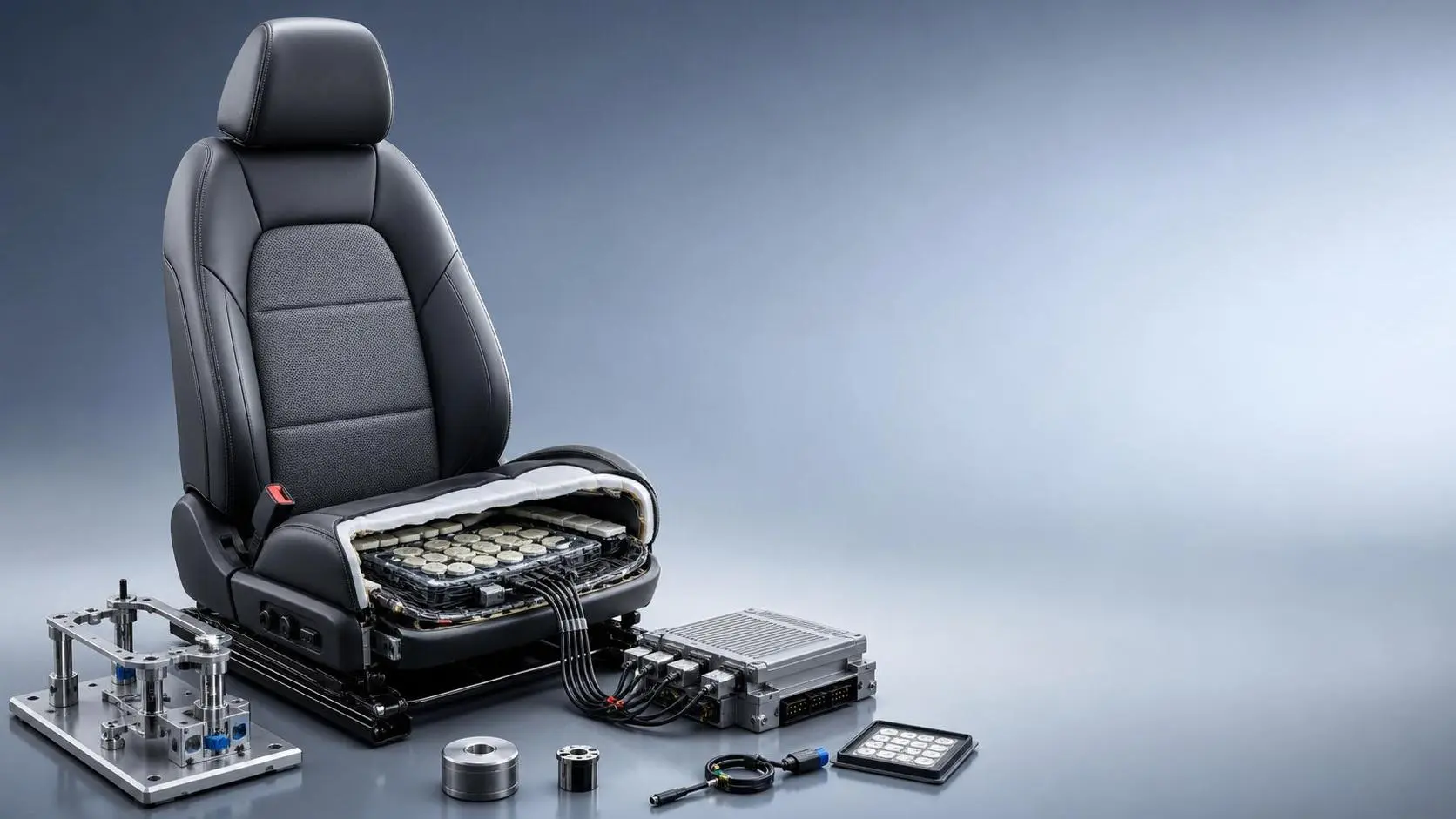
How Much Does Seat Occupancy Sensing Cost? Key Pricing Factors for Buyers
Seat occupancy sensing price varies widely by technology, integration, and compliance needs. Learn the key cost drivers, avoid hidden fees, and make smarter buying decisions.
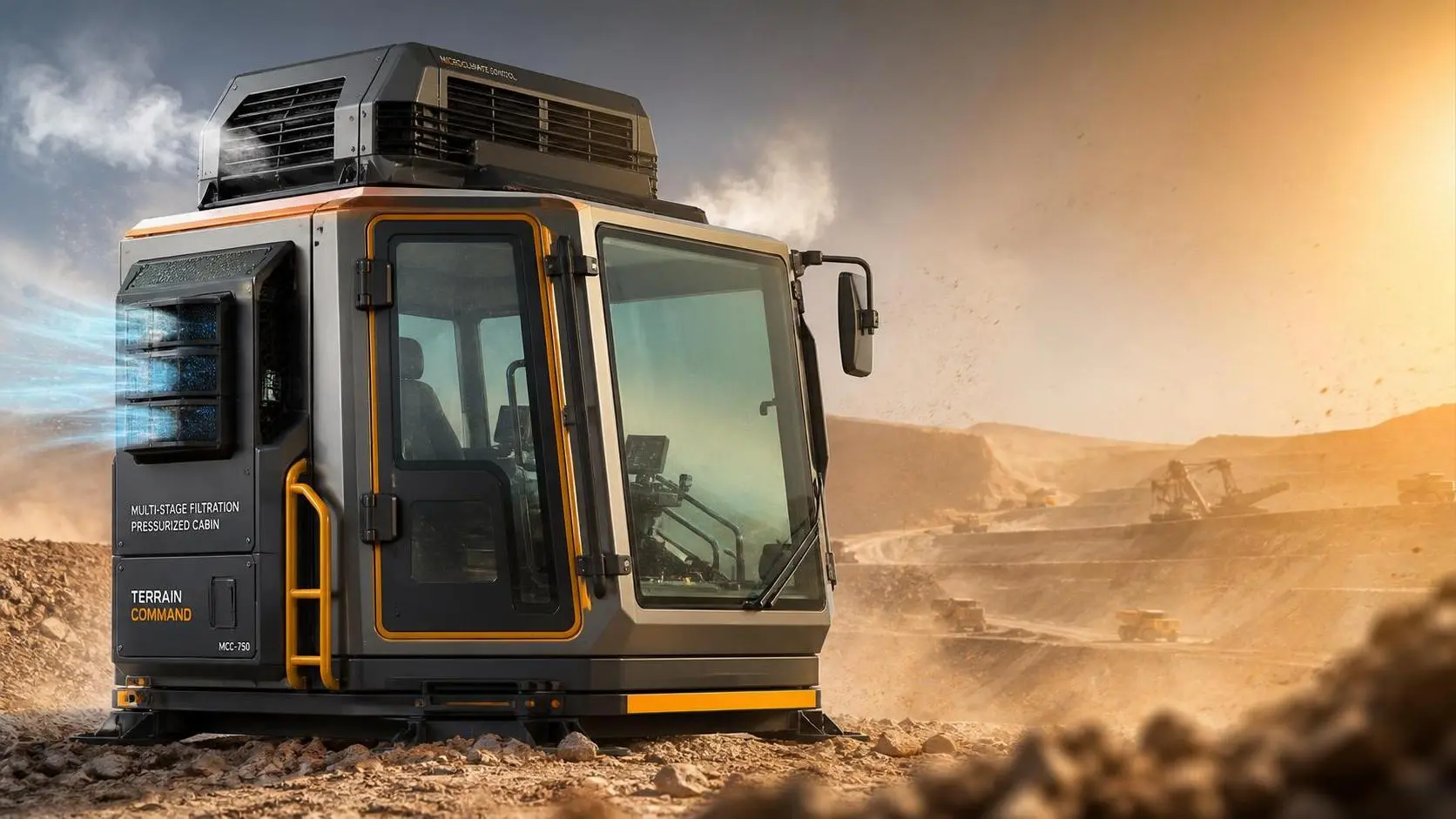
How to Specify Micro-Climate Control Cabins for Harsh Outdoor Worksites?
Micro-climate control cabins for harsh outdoor worksites: learn how to specify thermal control, filtration, pressurization, and durability for safer uptime and smarter buying.
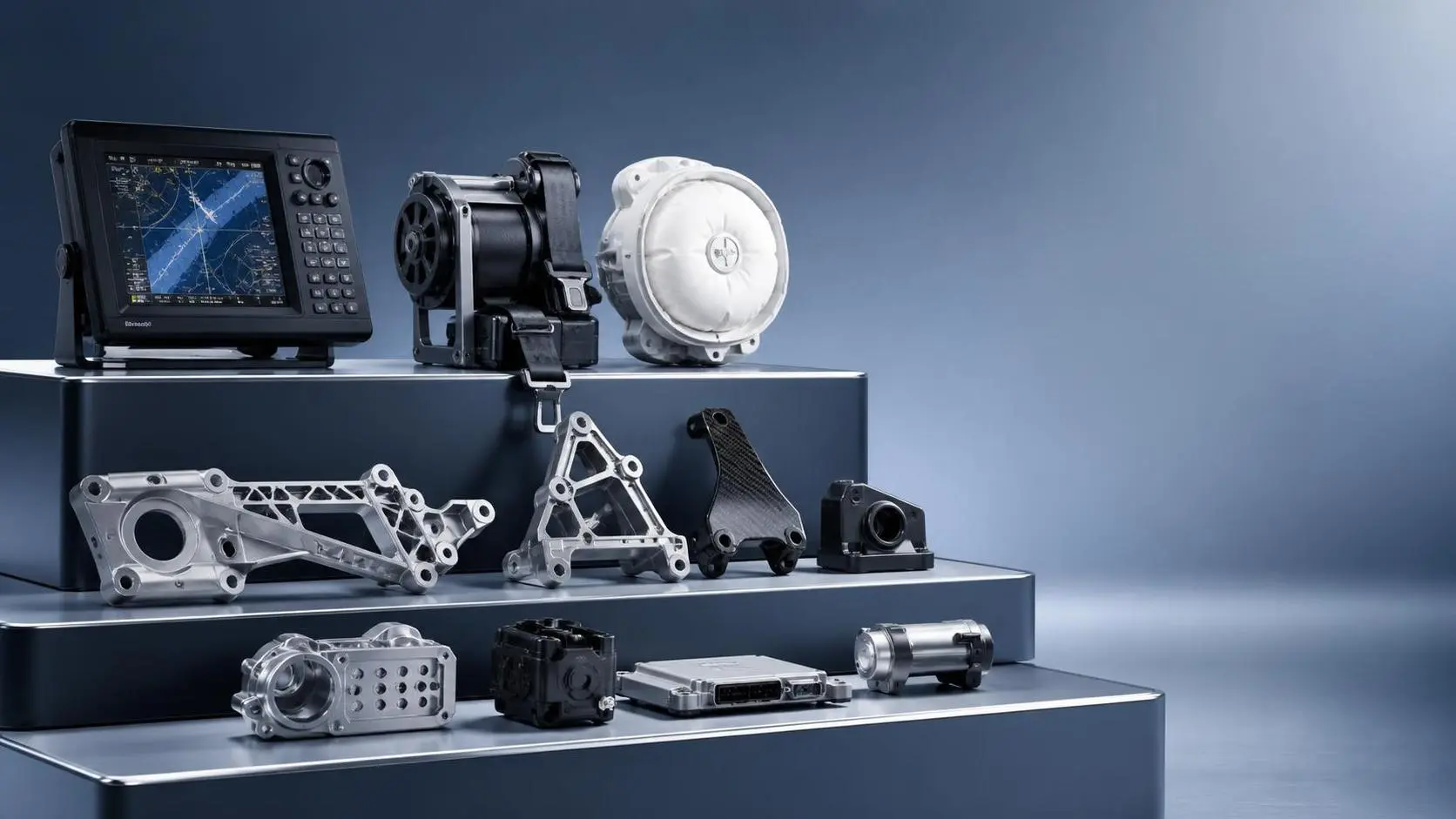
How to Evaluate a B2B Product Knowledge Platform for Faster Procurement Decisions
B2B product knowledge platform procurement starts with reducing decision risk. Learn how to compare specs, compliance, and supplier data to speed sourcing with confidence.
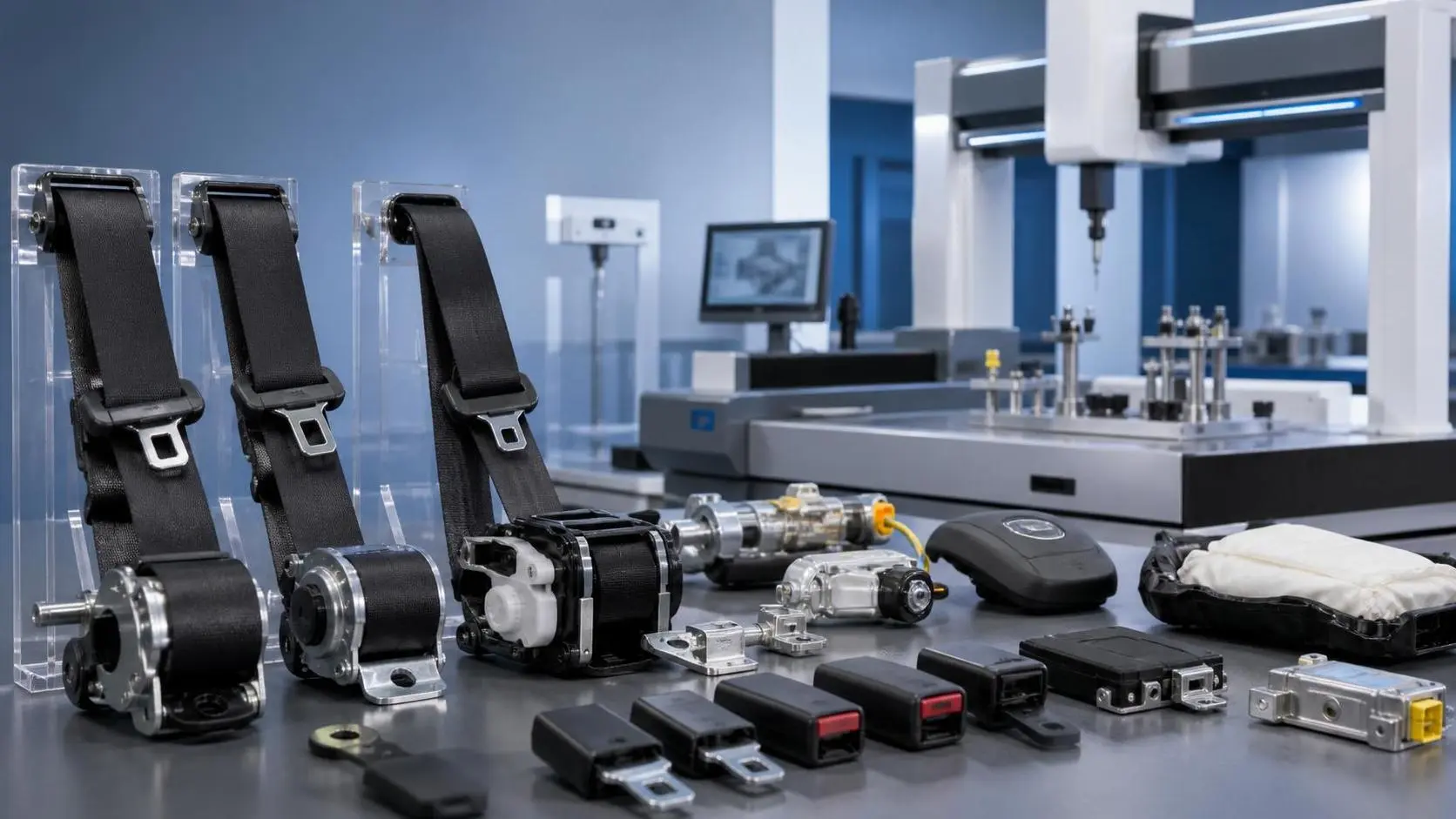
How to Evaluate an Occupant Restraint Systems Exporter for Quality, Compliance, and Supply Risk
Occupant restraint systems exporter evaluation guide: learn how to verify quality controls, compliance evidence, and supply risk before sourcing to avoid recalls, delays, and hidden costs.
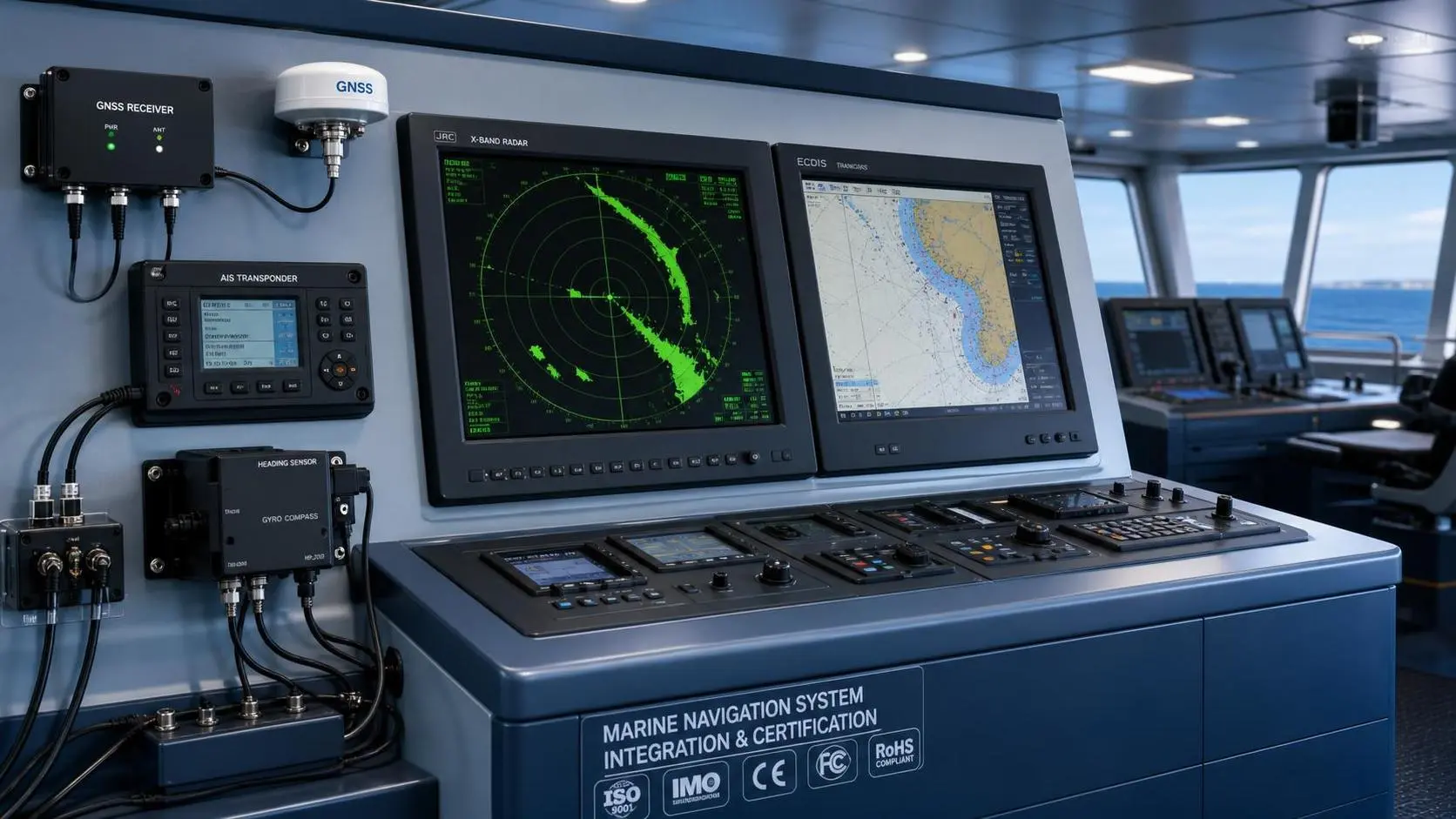
Navigation Compliance Certification: Which Marine Systems Need It and How to Prepare?
Navigation compliance certification explained: discover which marine systems need approval, what documents matter, and how to prepare early to avoid delays, rework, and costly project risks.
Related News
- 00
0000-00
How to Evaluate Custom Smart Automotive Seating for Premium Vehicle Programs? - 00
0000-00
How to Evaluate Custom Smart Seating Solutions for Comfort, Safety, and Integration? - 00
0000-00
What Affects Memory Seat Modules Price? Cost Drivers and Spec Trade-Offs - 00
0000-00
Smart Seat Systems Price Breakdown: What Drives Cost Across Sensors, Motors, and Modules? - 00
0000-00
What a Smart Automotive Seating Factory Can Deliver: Automation, Traceability, and Quality Control
Weekly Insights
Stay ahead with our curated technology reports delivered every Monday.