Why smart cabin solutions are getting more attention
As mobility systems become more connected, safe, and comfort-driven, smart cabin solutions are gaining stronger relevance across marine and automotive environments. This attention is not driven by novelty alone.
It comes from a practical need to combine sensing, passive safety, lightweight structures, navigation intelligence, and human-centered comfort inside one controlled space.
For GNCS, the rise of smart cabin solutions reflects a broader shift. Precision perception and physical containment protection are now expected to work together, not separately.
Whether in an ocean-going bridge, an electric vehicle interior, or a long-distance transport cabin, the core question is the same: which cabin functions matter most in each scenario?
Why scenario judgment matters for smart cabin solutions
Smart cabin solutions do not create equal value in every environment. A feature useful in private mobility may be secondary in commercial fleets or marine navigation systems.
That is why scenario judgment has become essential. Decision quality improves when cabin functions are matched to risk exposure, operating duration, compliance pressure, and occupant behavior.
In GNCS-covered sectors, cabin intelligence often crosses several technical domains:
- navigation and positioning awareness
- lightweight structural support
- airbag and seatbelt coordination
- seat ergonomics and climate control
- sensor-driven occupant detection
- data logging for compliance and maintenance
The growing interest in smart cabin solutions comes from this convergence. Operators want one cabin ecosystem that supports safety, efficiency, comfort, and usable intelligence.
Scenario 1: Long-haul automotive cabins need safety and fatigue control together
In long-haul road mobility, smart cabin solutions are valued when they reduce fatigue while strengthening passive safety performance during extended travel cycles.
The cabin is no longer only a seating space. It becomes a sensing zone where posture, restraint status, temperature, vibration, and occupancy conditions can be monitored continuously.
Key judgment points in this scenario
- Does seat structure balance comfort with crash energy management?
- Can seatbelt systems adapt to occupant position changes?
- Are climate and pressure adjustments linked to travel duration?
- Does data support predictive maintenance and fault alerts?
Here, smart cabin solutions succeed when they integrate seat assemblies, restraint systems, and sensing logic without adding unnecessary weight or interface complexity.
Scenario 2: Marine bridge and crew cabins prioritize awareness, endurance, and reliability
In maritime operations, smart cabin solutions attract attention for a different reason. Crews face long duty periods, changing weather, electromagnetic interference, and safety-critical navigation demands.
A marine cabin must support concentration and reduce operational friction. It should also connect well with navigation displays, sonar data, positioning inputs, and alert management.
Core judgment points for marine smart cabin solutions
- Can interfaces remain clear under low visibility conditions?
- Do seating systems reduce vibration and prolonged strain?
- Are alarms prioritized without overloading the operator?
- Can cabin materials resist corrosion and harsh environments?
In this scenario, smart cabin solutions are less about entertainment or visual novelty. They are about reliable perception, human endurance, and operational discipline.
Scenario 3: Premium mobility cabins focus on personalization without weakening protection
High-end cabins bring another layer of demand. Users expect comfort, personalization, and seamless interaction, yet regulators still expect robust passive safety and traceable system performance.
This is where smart cabin solutions gain strategic value. They can coordinate occupant recognition, micro-climate control, seat memory, lighting logic, and restraint readiness in one architecture.
What makes this scenario different
- occupant expectations are high and highly individualized
- material choices affect both luxury feel and mass reduction
- digital controls must remain intuitive under stress
- safety systems must respond correctly to varied seating postures
The best smart cabin solutions in premium settings do not overload the user. They simplify complexity behind the interface and preserve protective performance.
How scenario needs differ across cabin environments
The same smart cabin solutions can produce different outcomes depending on environment, duty cycle, safety exposure, and digital maturity.
Practical guidance for choosing the right smart cabin solutions
Effective evaluation starts with use conditions, not feature lists. Smart cabin solutions should be selected according to cabin tasks, failure consequences, and lifecycle expectations.
Recommended evaluation steps
- Map cabin scenarios by duration, motion profile, and occupant exposure.
- Prioritize safety-critical interactions between seating, airbags, and seatbelts.
- Check whether lightweight materials affect durability or repair complexity.
- Assess interface readability during stress, fatigue, or poor visibility.
- Review update paths, sensor calibration needs, and compliance records.
This is where GNCS intelligence becomes useful. Cross-domain analysis helps connect navigation precision, body engineering, passive safety, and seating systems into one decision framework.
Common mistakes when smart cabin solutions are evaluated too narrowly
Rising interest does not always lead to good implementation. Several common errors explain why some smart cabin solutions underperform after deployment.
Frequent misjudgments
- Treating comfort features as separate from passive safety architecture.
- Ignoring cabin weight growth caused by added electronics.
- Assuming all occupant sensing works equally across postures and clothing conditions.
- Copying automotive logic directly into marine environments.
- Focusing on display sophistication while neglecting operator workload.
Another overlooked point is maintenance visibility. Smart cabin solutions should not become black boxes. Fault detection, service access, and compliance traceability must remain clear.
What to do next if smart cabin solutions are becoming relevant in your field
The growing attention around smart cabin solutions is justified because cabin spaces now carry more safety, data, and comfort responsibility than before.
The next practical step is to define the real scenario first. Identify whether the priority is navigation awareness, crash protection, occupant endurance, or premium personalization.
Then compare current cabin architecture against those demands. Look at seating mechanics, restraint coordination, sensing quality, interface clarity, lightweight strategy, and regulatory fit.
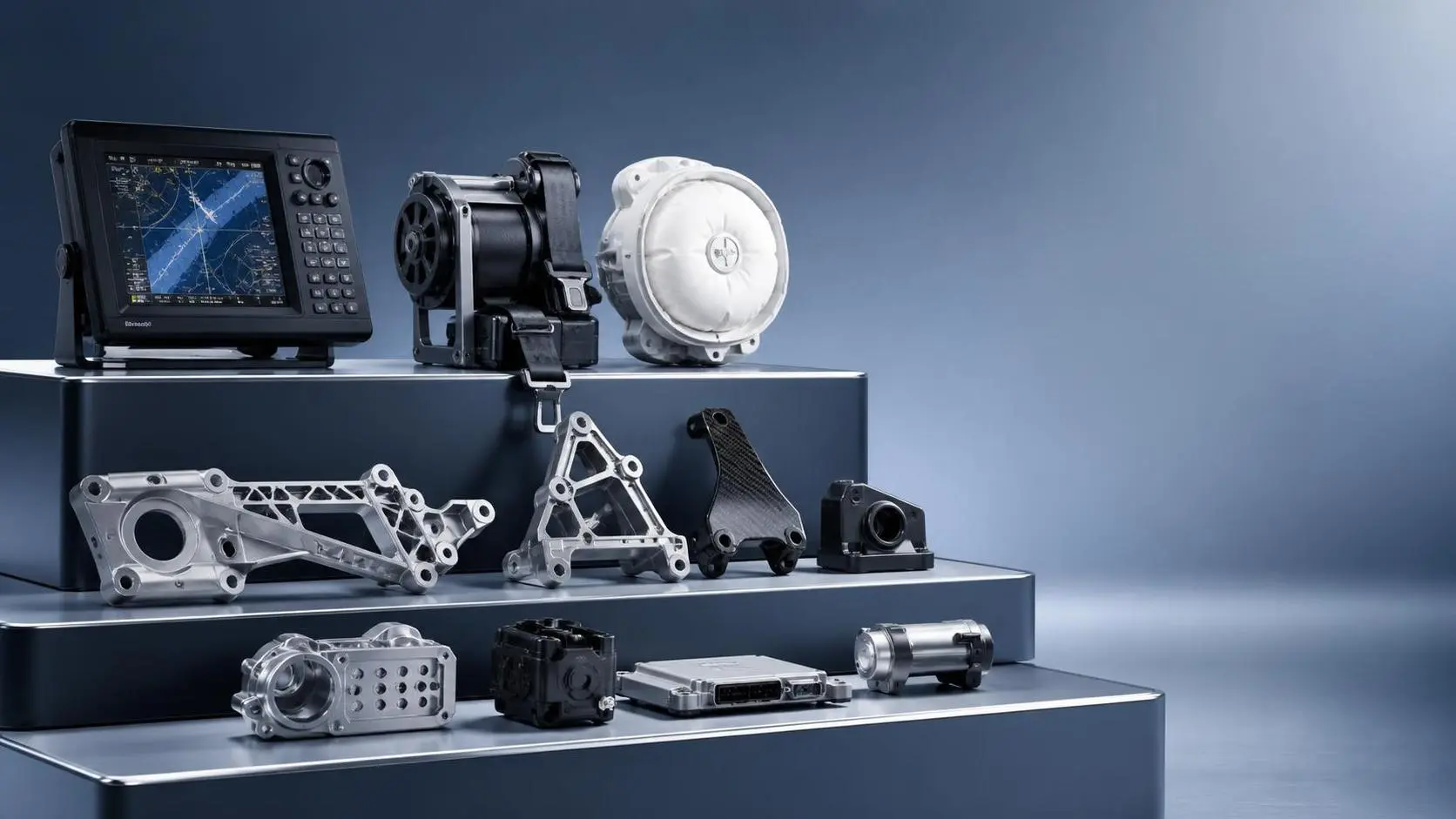
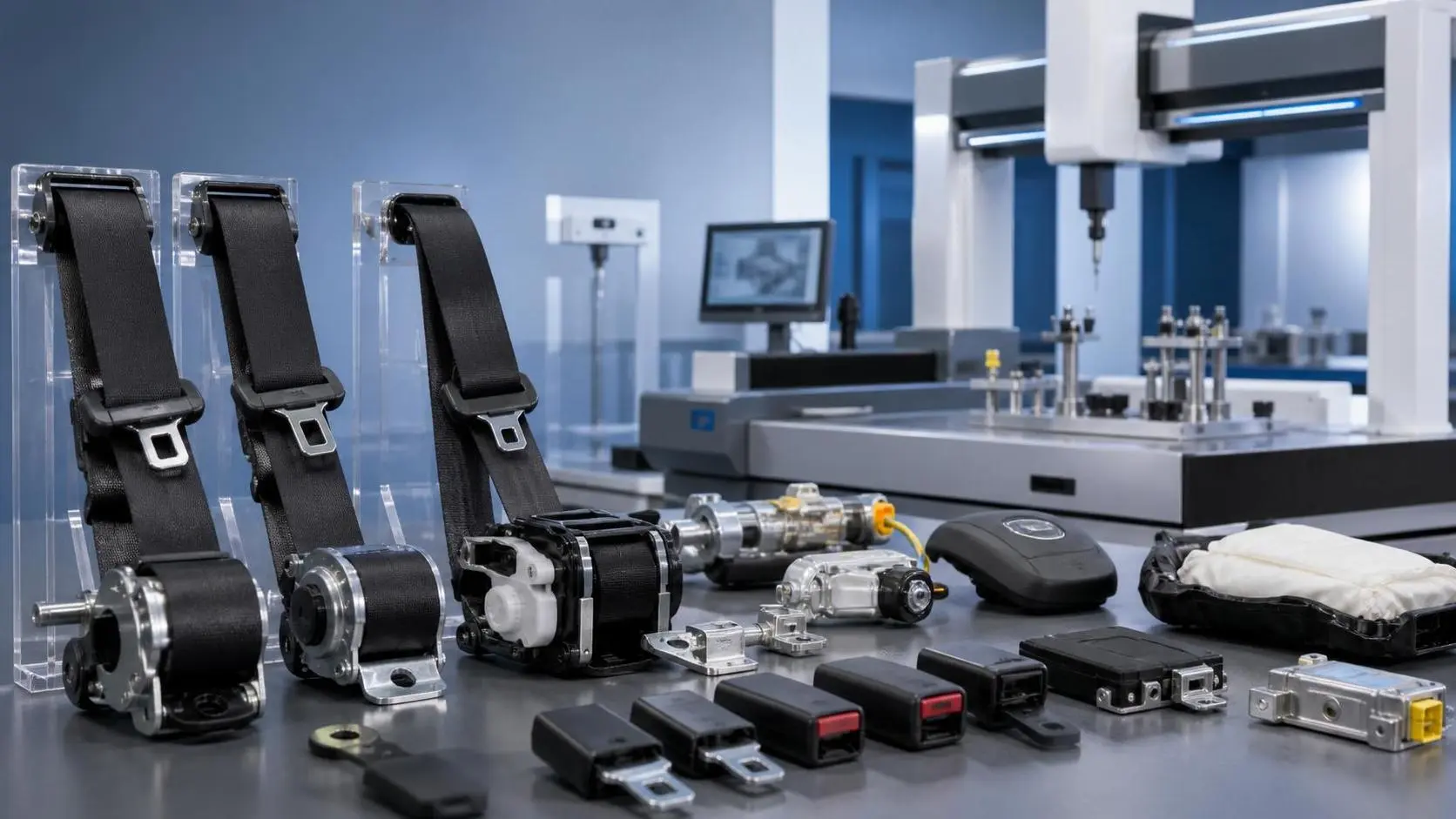
GNCS tracks these linked developments across marine navigation systems, auto body stampings, airbag assemblies, seatbelt systems, and auto seat assemblies. That broader view helps reveal which smart cabin solutions are meaningful, scalable, and future-ready.
As cabins become the front line of perception and protection, smart cabin solutions will keep gaining attention. The real advantage will belong to solutions chosen by scenario, not by hype.
Related News
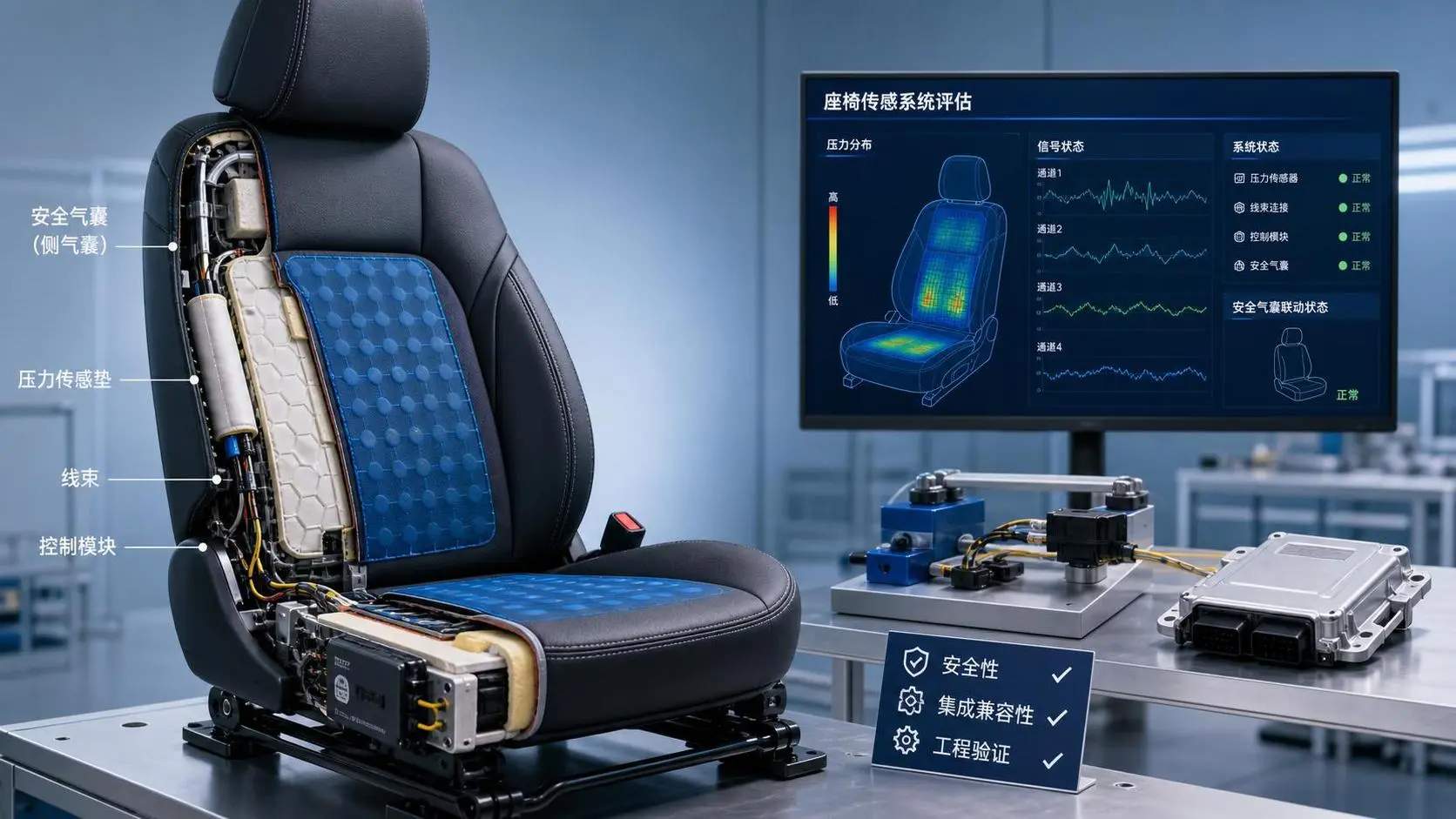
How to Evaluate a Seat Sensing Technology Supplier for Safety and Integration?
Seat sensing technology supplier evaluation guide: compare safety maturity, integration fit, algorithm reliability, and validation support to choose a partner that reduces risk.
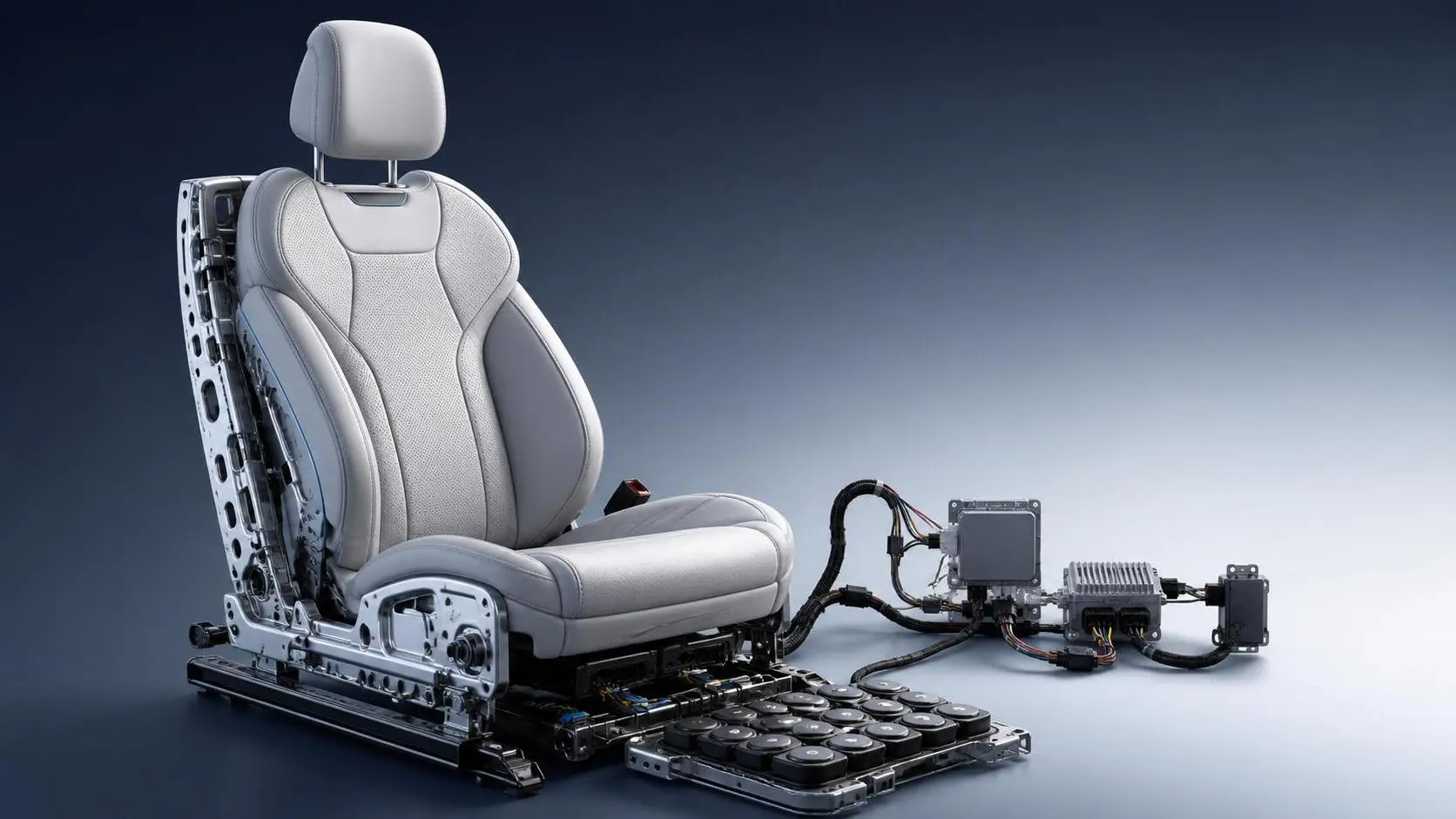
How to Evaluate Custom Smart Automotive Seating for Premium Vehicle Programs?
Custom smart automotive seating evaluation starts with safety, comfort, integration, and production readiness. Discover how premium vehicle teams choose smarter, lower-risk seat solutions.
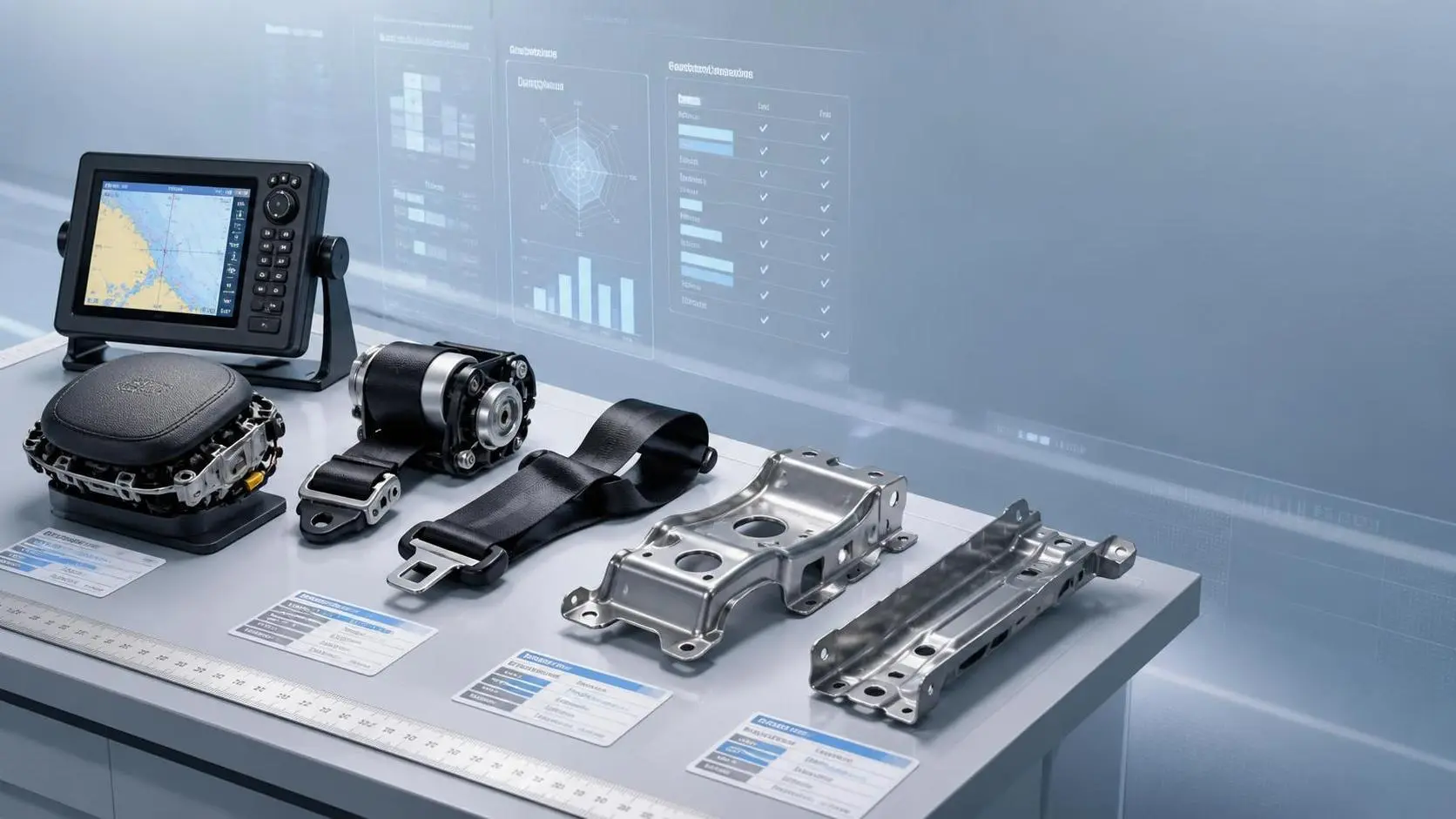
B2B Product Intelligence Platforms: How to Compare Features, Data Coverage, and ROI
B2B product intelligence platform comparison: learn how to evaluate data coverage, feature depth, compliance visibility, and ROI to choose a sourcing tool that reduces risk and speeds decisions.
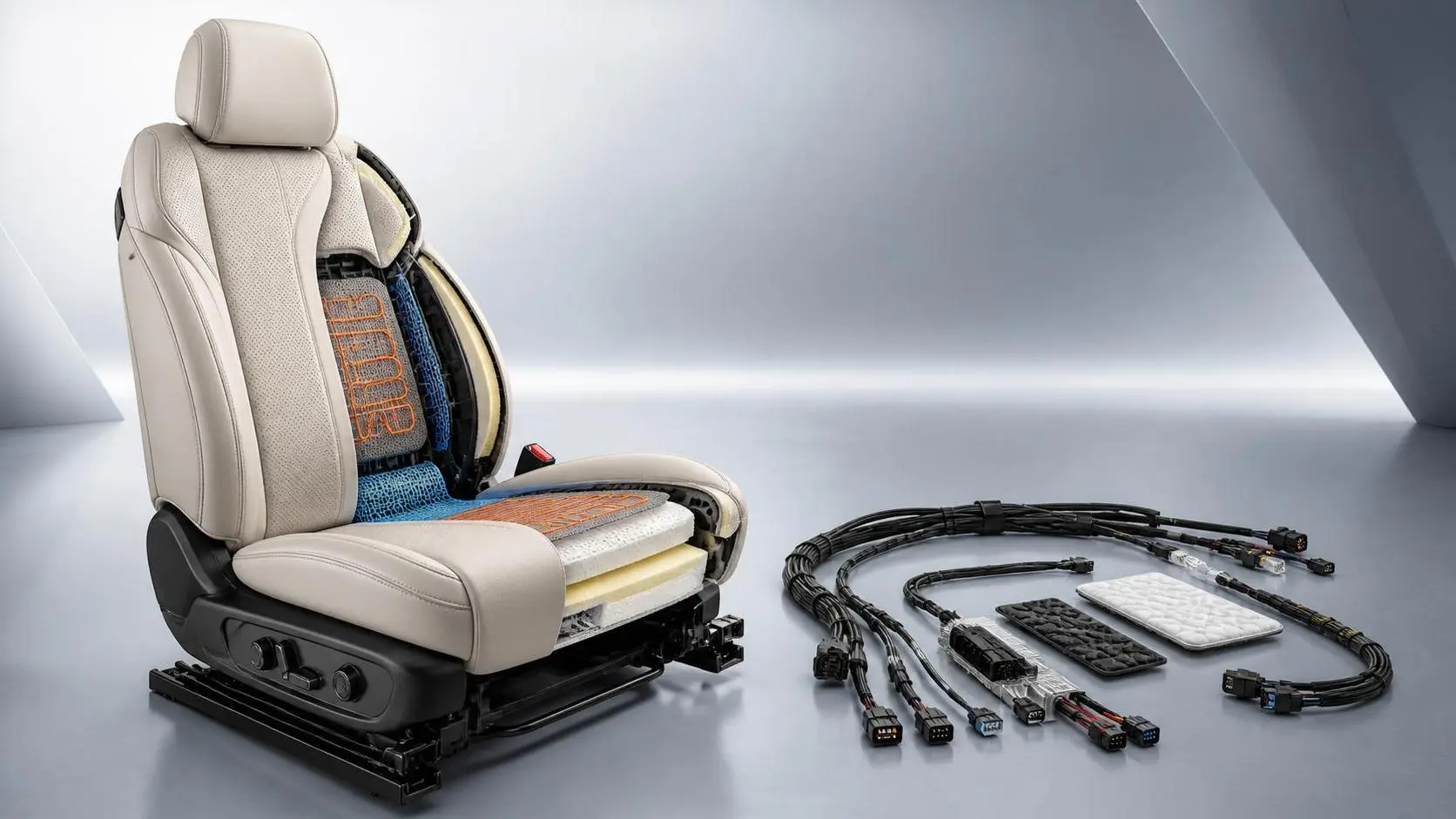
Climate Control Seats Cost: What Drives Price and Long-Term Ownership Value?
Climate control seats cost depends on materials, thermal tech, and integration. Learn what drives price and how to judge long-term value before you buy.
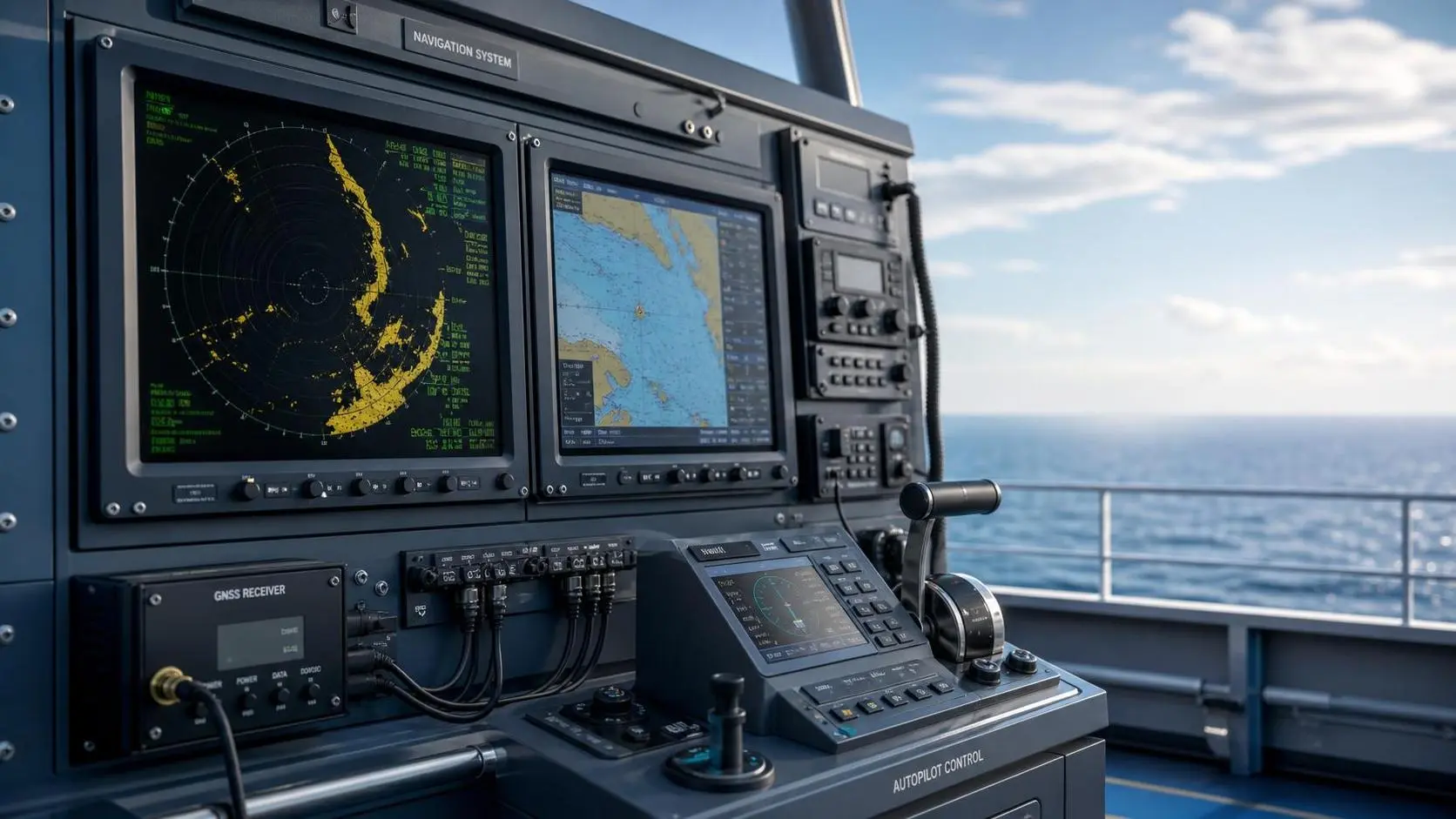
What Factors Drive Marine Navigation Components Cost in Commercial Vessel Projects?
Marine navigation components cost is shaped by integration, compliance, installation, and lifecycle support. Discover what drives pricing and how buyers can reduce risk while improving value.
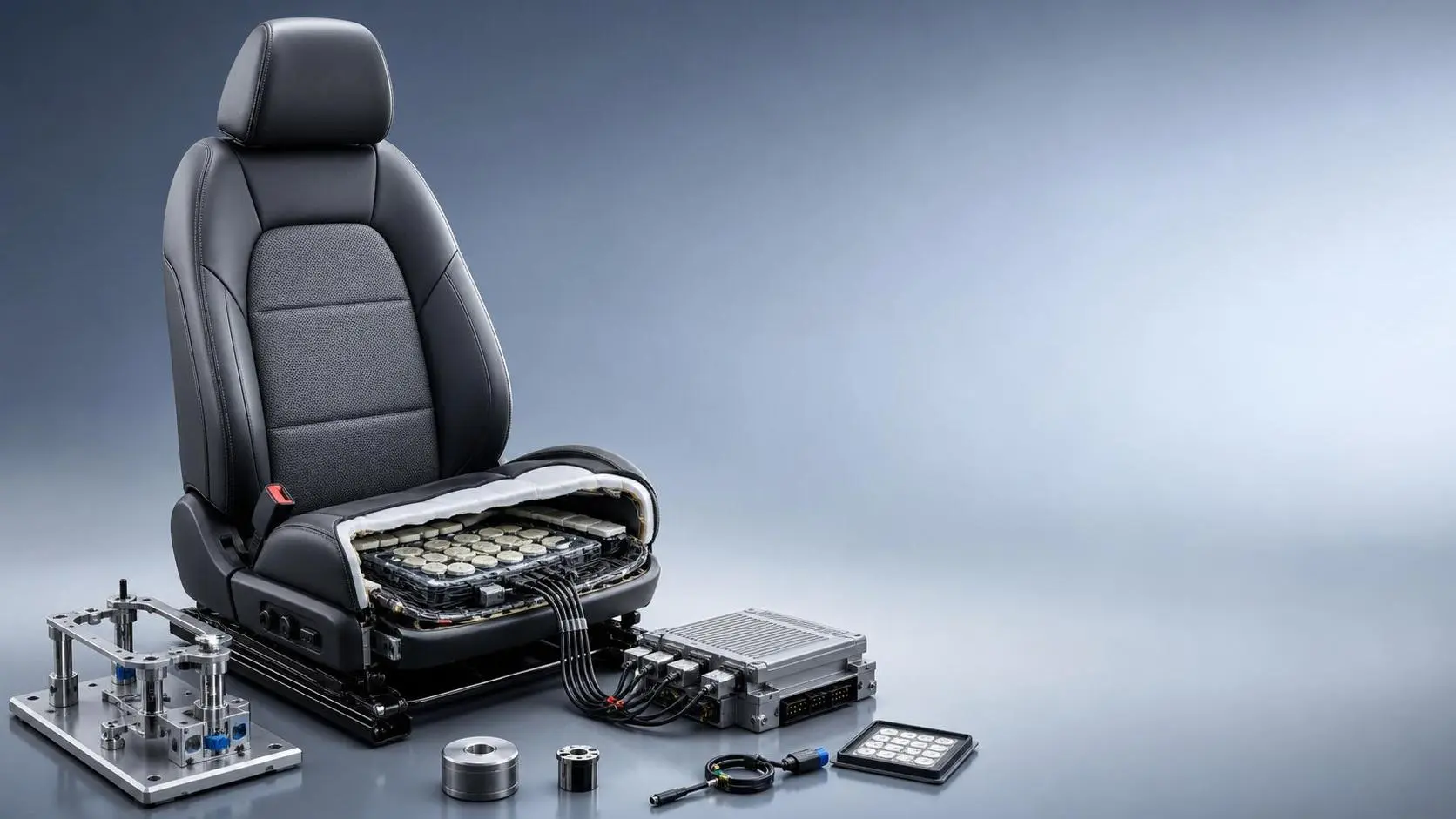
How Much Does Seat Occupancy Sensing Cost? Key Pricing Factors for Buyers
Seat occupancy sensing price varies widely by technology, integration, and compliance needs. Learn the key cost drivers, avoid hidden fees, and make smarter buying decisions.
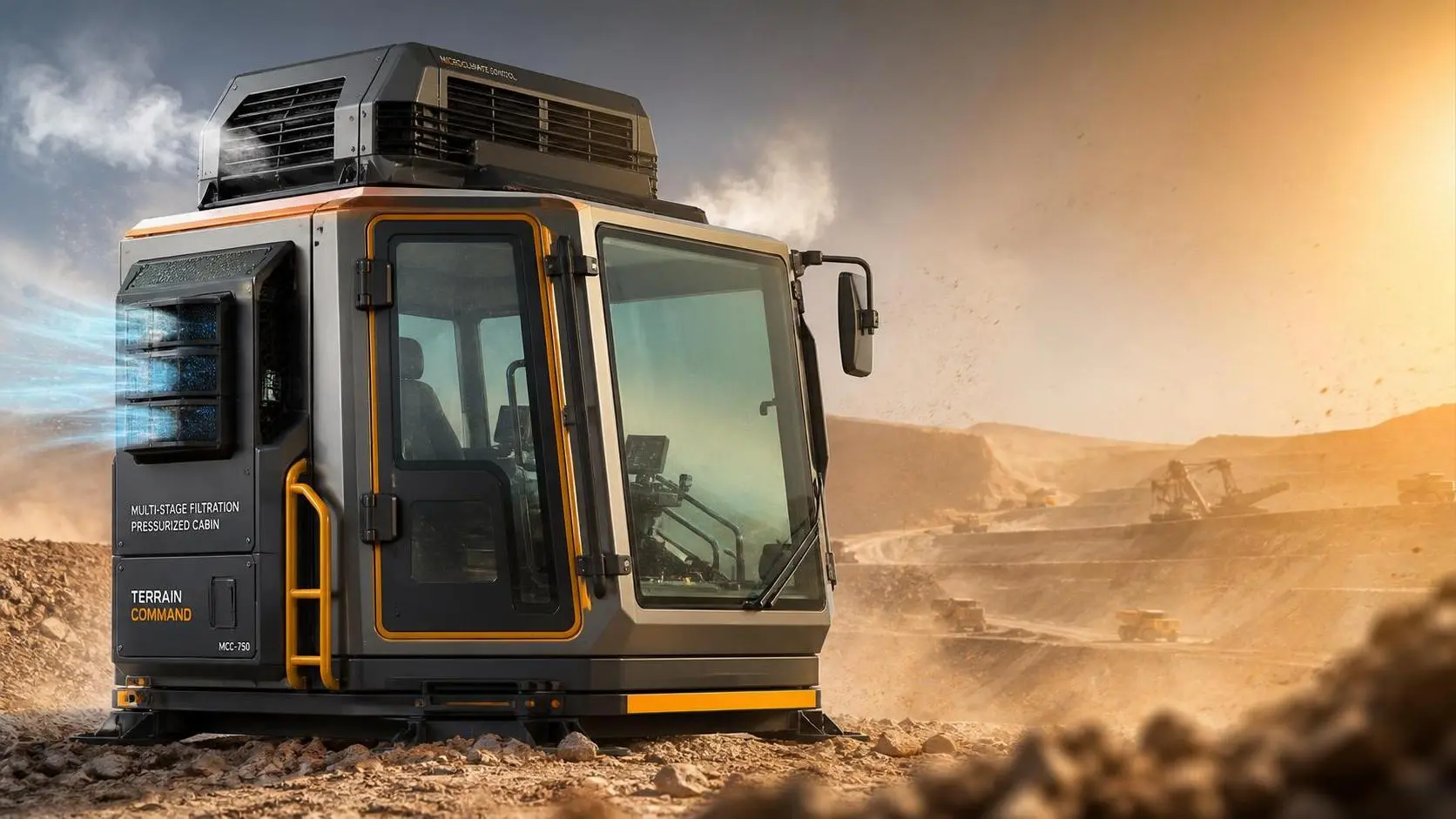
How to Specify Micro-Climate Control Cabins for Harsh Outdoor Worksites?
Micro-climate control cabins for harsh outdoor worksites: learn how to specify thermal control, filtration, pressurization, and durability for safer uptime and smarter buying.
How to Evaluate a B2B Product Knowledge Platform for Faster Procurement Decisions
B2B product knowledge platform procurement starts with reducing decision risk. Learn how to compare specs, compliance, and supplier data to speed sourcing with confidence.
How to Evaluate an Occupant Restraint Systems Exporter for Quality, Compliance, and Supply Risk
Occupant restraint systems exporter evaluation guide: learn how to verify quality controls, compliance evidence, and supply risk before sourcing to avoid recalls, delays, and hidden costs.
Related News
- 00
0000-00
How to Evaluate Custom Smart Automotive Seating for Premium Vehicle Programs? - 00
0000-00
How to Evaluate Custom Smart Seating Solutions for Comfort, Safety, and Integration? - 00
0000-00
What Affects Memory Seat Modules Price? Cost Drivers and Spec Trade-Offs - 00
0000-00
Smart Seat Systems Price Breakdown: What Drives Cost Across Sensors, Motors, and Modules? - 00
0000-00
What a Smart Automotive Seating Factory Can Deliver: Automation, Traceability, and Quality Control
Weekly Insights
Stay ahead with our curated technology reports delivered every Monday.