
Smart Seating Systems Explained: Core Modules, Comfort Features, and Vehicle Applications
Why are smart seating systems getting so much attention?
Smart seating systems now sit at the center of cabin design, not at the edge of it.
They combine structure, ergonomics, sensors, electronics, and comfort functions into one coordinated seat architecture.
That matters because the seat is both a comfort interface and a passive safety component.
In practical terms, a modern seat must support posture, manage vibration, reduce fatigue, and work with restraints.
It also needs to fit lightweight vehicle targets, electronic control strategies, and stricter compliance expectations.
This is why smart seating systems are frequently discussed alongside seatbelt systems, airbag assemblies, and lightweight body structures.
GNCS follows this area from that wider mobility perspective.
Its research lens connects cabin ergonomics with crash energy management, lightweight frames, and evolving global regulations.
So when people ask what smart seating systems really mean, the answer is broader than powered adjustment.
They represent an integrated seating platform built to improve comfort, occupant awareness, and cabin safety performance.
What exactly makes a seat system “smart”?
A smart seat is usually defined by coordinated functions, not by a single premium feature.
The core idea is that mechanical parts and electronic functions work as one system.
Most smart seating systems are built around several core modules.
- Seat frame module, which carries load and supports crash performance.
- Adjustment module, including motors, tracks, recliners, and memory settings.
- Cushion and trim module, shaping pressure distribution and perceived comfort.
- Thermal module, such as heating, ventilation, or localized climate control.
- Sensing module, covering occupancy, posture, buckle status, and pressure mapping.
- Control module, which links the seat to vehicle networks and safety logic.
A useful way to think about smart seating systems is to separate visible functions from hidden engineering.
Visible functions include massage, heating, memory, and auto-adjustment.
Hidden engineering includes frame strength, anti-submarining geometry, sensor calibration, and material durability.
The hidden layer often determines whether the seat performs well over years of real use.
A quick comparison helps clarify the concept
The difference is not cosmetic.
It changes how the vehicle manages human support, safety timing, and cabin experience.
Which comfort features actually matter in real use?
Many people focus on headline features, but comfort quality usually comes from several smaller decisions working together.
In real driving conditions, the most valuable features are those that reduce fatigue over time.
Pressure distribution is one of the biggest factors.
If the cushion and backrest do not spread load evenly, even soft foam can feel tiring.
Lumbar support is another major factor, especially during long-distance travel or stop-and-go use.
Ventilation also tends to matter more than expected.
It helps manage heat and moisture, which strongly affects perceived comfort in dense traffic or hot climates.
Massage functions can be useful, but their value depends on motion quality and control precision.
Poorly tuned massage becomes a novelty rather than a lasting comfort tool.
A more grounded way to judge smart seating systems is to ask whether they improve these daily-use conditions.
- Can the seat adapt to different body sizes without awkward compromise?
- Does thermal control stay effective after repeated use?
- Does the seating position support visibility and pedal reach together?
- Can the material resist compression set and surface wear?
- Do the controls feel intuitive rather than distracting?
That last point is easy to overlook.
A feature-rich seat loses value if adjustment menus are confusing or slow during actual use.
Where are smart seating systems used, and do applications differ by vehicle type?
Yes, applications differ a lot.
The same technology stack is not used equally in every cabin environment.
Passenger cars often emphasize personalization, thermal comfort, and profile memory.
Premium models add posture sensing, active bolstering, and advanced rear-seat functions.
Commercial vehicles usually prioritize durability, fatigue reduction, and support over long operating hours.
Here, vibration management and robust adjustment hardware become more important than luxury extras.
Electric vehicles bring another layer of change.
Because EV layouts and energy strategies differ, smart seating systems may be optimized for weight, power draw, and space efficiency.
Autonomous and highly assisted driving concepts push the discussion further.
Seat rotation, recline flexibility, and occupant monitoring become more relevant when cabin posture is less fixed.
This is also where GNCS context becomes useful.
The portal treats auto seat assemblies as the first touchpoint between human and machine.
That view aligns with broader mobility trends, where seats are no longer isolated components.
They are part of a safety and perception ecosystem linked to structure, restraints, and digital control.
How should you compare smart seating systems without getting lost in feature lists?
A long option sheet can be misleading.
A better comparison starts with performance priorities and application fit.
In actual evaluation work, four checks usually reveal the real difference.
This comparison method keeps attention on engineering substance.
It also reflects how GNCS tracks smart seating systems within a larger compliance and intelligence framework.
Crash test standards, lightweighting targets, and software-linked cabin functions increasingly overlap.
A seat that looks advanced on paper may still create integration delays if that overlap is ignored.
What are the common mistakes and implementation risks?
One common mistake is treating smart seating systems as a comfort-only upgrade.
That approach misses how strongly seat design interacts with restraint positioning and occupant kinematics.
Another mistake is underestimating calibration work.
Sensors, memory settings, and posture recognition need stable inputs and repeatable performance.
If calibration drifts, the user experience becomes inconsistent and safety logic may be compromised.
Cost judgment can also go wrong.
The visible bill of materials is only part of the picture.
Validation time, harness complexity, software updates, and warranty exposure matter just as much.
- Do not separate seat comfort targets from passive safety targets.
- Check whether lightweight materials change stiffness or vibration behavior.
- Confirm thermal features under repeated cycles, not only fresh-state testing.
- Review software update needs if the seat relies on digital control logic.
- Watch for packaging conflicts with battery floors, airbags, or cabin electronics.
In short, smart seating systems reward integrated evaluation.
They become harder to judge accurately when structure, electronics, and compliance are reviewed in isolation.
So what is the best next step if you are still comparing options?
Start by narrowing the use case.
A seat designed for premium rear comfort is judged differently from one built for daily fleet endurance.
Then map requirements across four layers: structure, comfort, sensing, and compliance.
That simple framework keeps comparisons grounded.
The most reliable decisions usually come from reviewing smart seating systems as part of the whole cabin safety chain.
This includes body lightweighting, seatbelt geometry, airbag timing, and long-cycle durability expectations.
That is also why GNCS places seat intelligence beside navigation precision and passive safety research.
The common thread is controlled perception, controlled movement, and controlled protection.
If the goal is better understanding, the next move is practical rather than theoretical.
List the target vehicle application, define the comfort priorities, confirm compliance boundaries, and compare integration depth before comparing features.
That process makes smart seating systems easier to evaluate, and much harder to misunderstand.
Related News
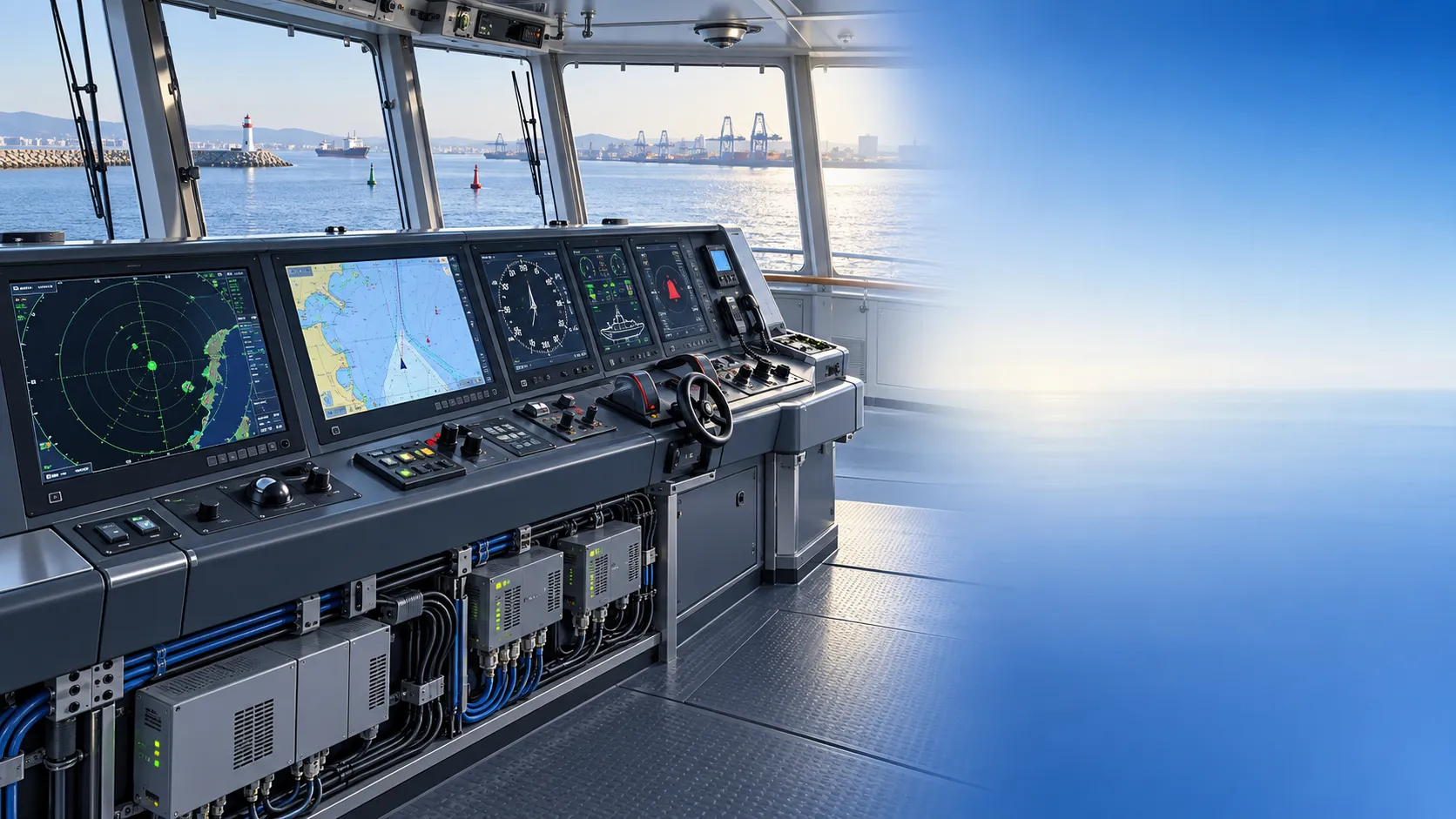
How to Specify Integrated Marine Electronics for Reliable Bridge Operations
Integrated marine electronics: learn how to specify reliable bridge systems with clear data flows, redundancy, alarm control, lifecycle interfaces, and operational testing.

How to Evaluate Navigation Radar Manufacturers for Commercial Vessel Projects
Navigation radar manufacturers: learn how to compare performance, compliance, integration, support, and lifecycle cost for commercial vessel projects.
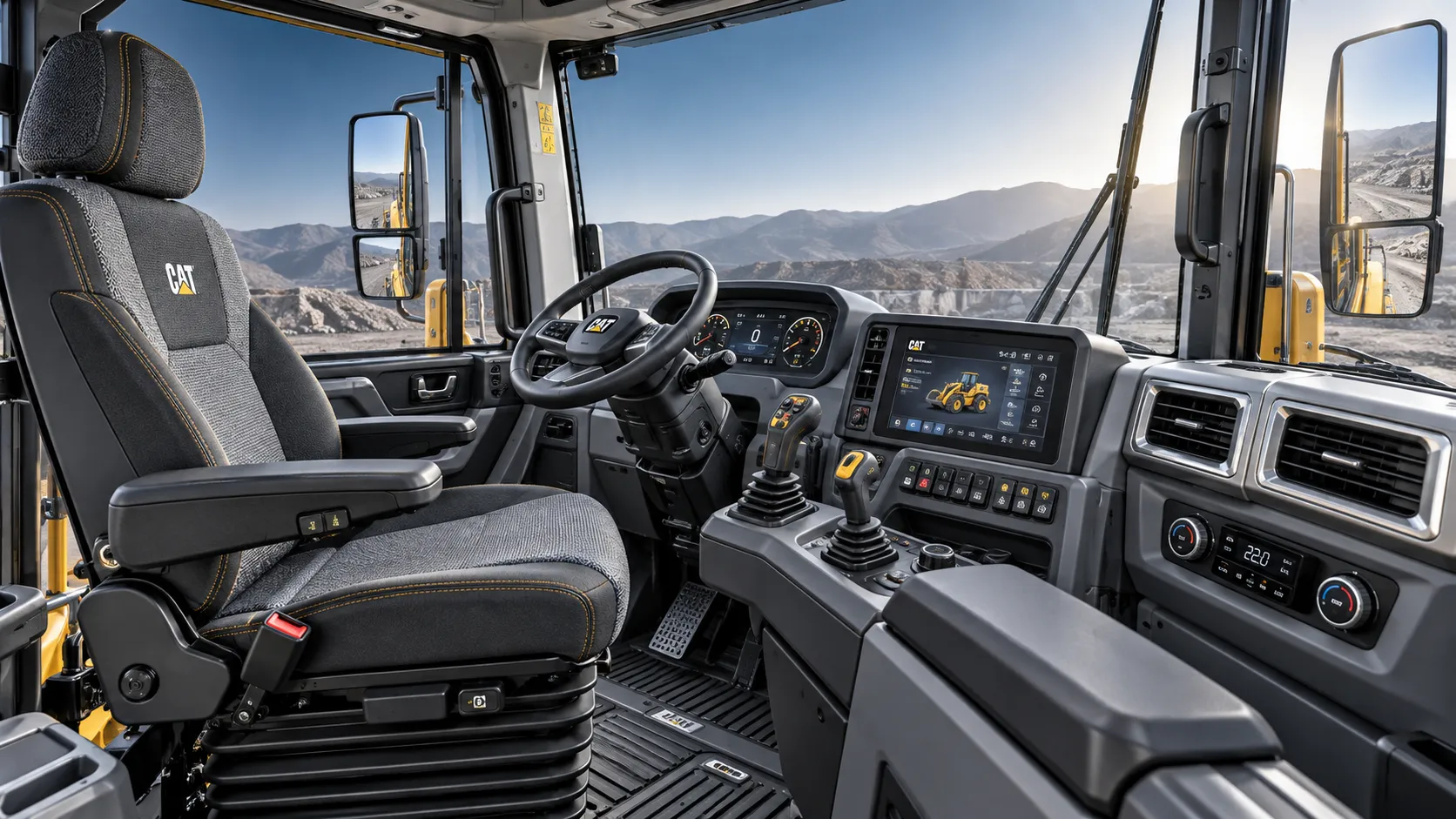
How Adjustable Cabin Ergonomics Reduce Operator Fatigue in Long-Shift Vehicles
Adjustable cabin ergonomics reduces operator fatigue through better seating, reach, visibility, vibration control, and climate comfort for safer long-shift vehicles.
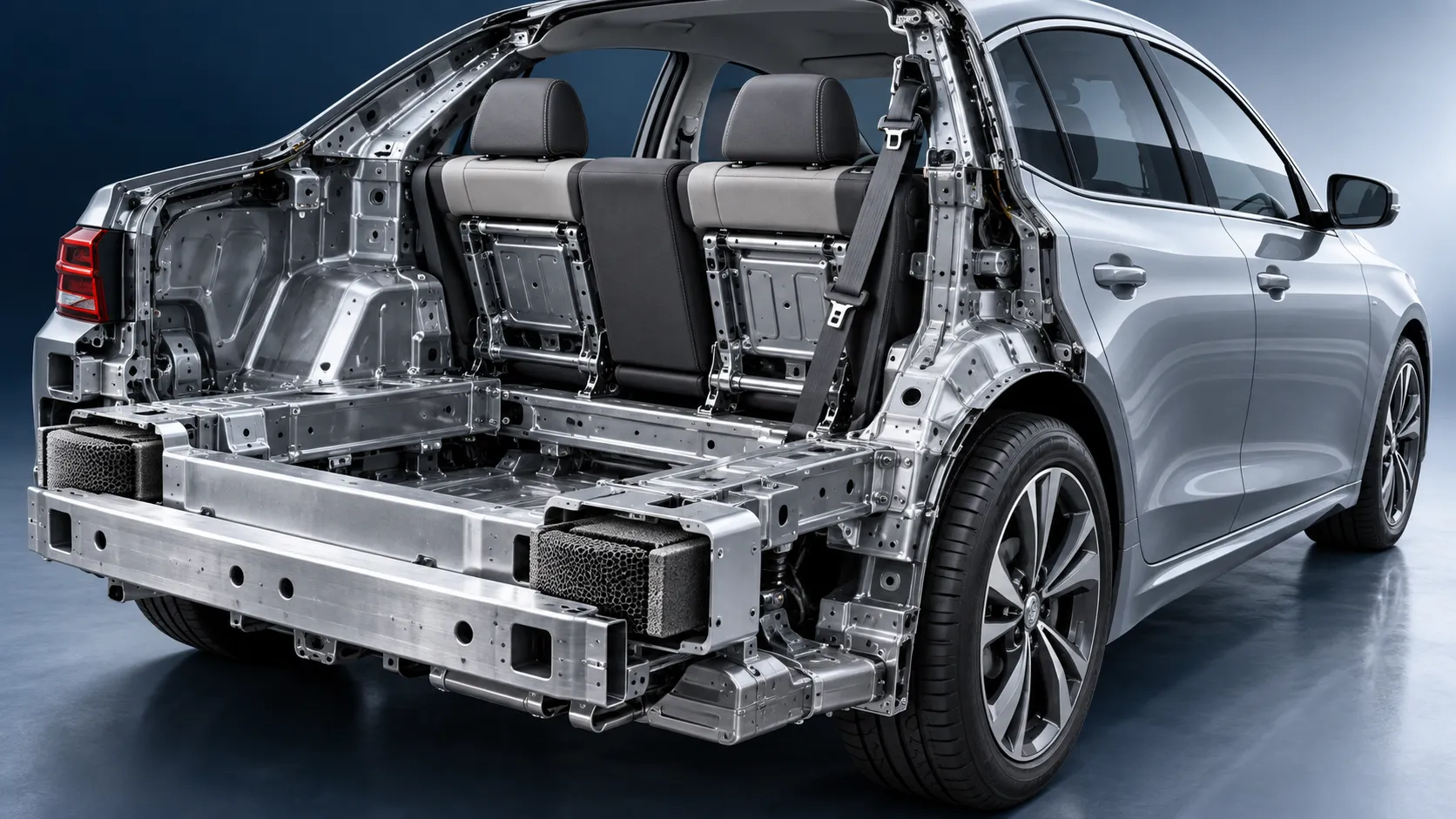
How Rear-Impact Safety Components Work Together to Protect Vehicle Occupants
Explore how automotive safety components for rear impact work together—from crash structures and seats to head restraints and belts—to enhance occupant protection.
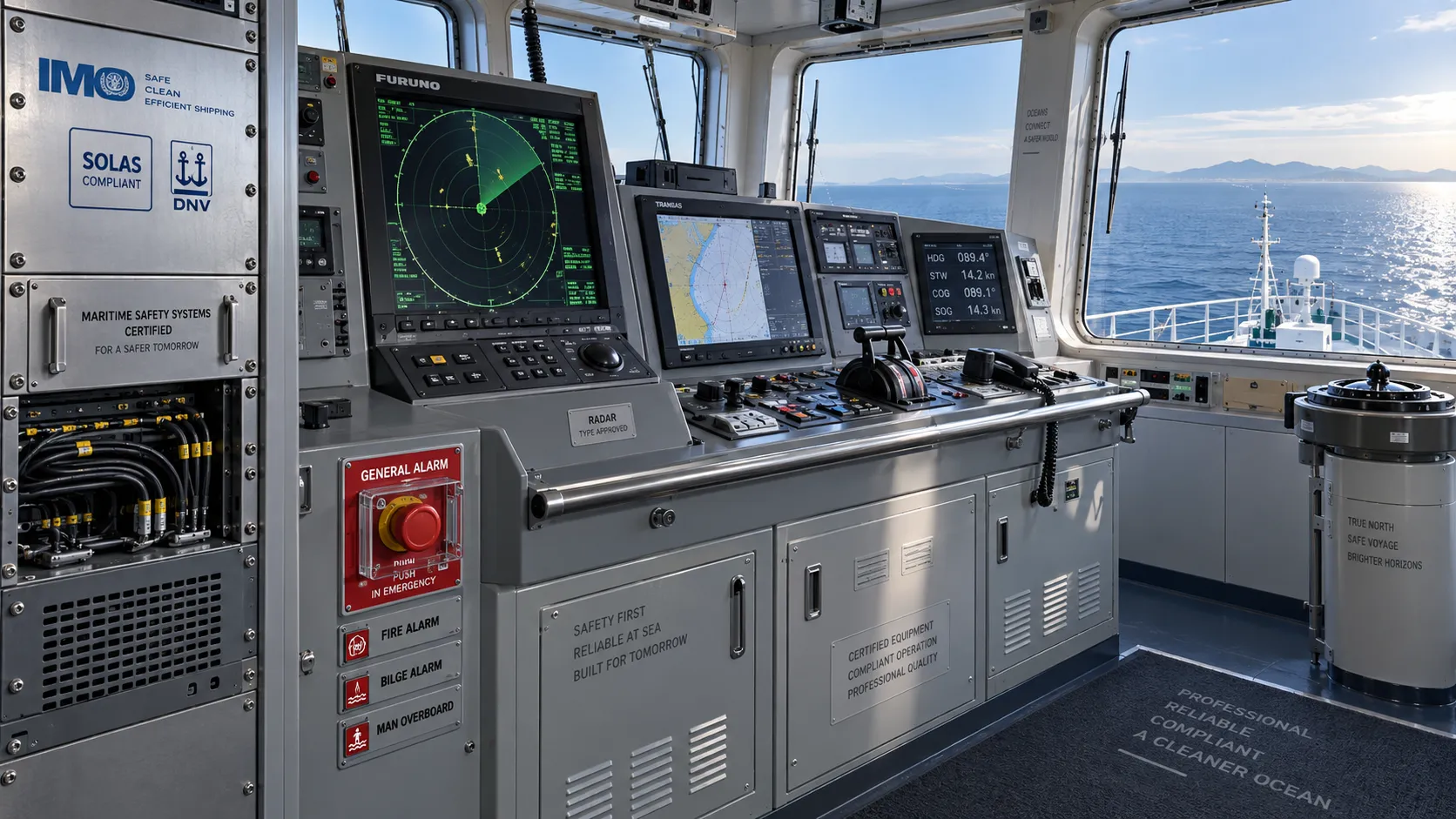
How to Evaluate a Marine Safety Systems Manufacturer for Vessel Compliance and Reliability
Marine safety systems manufacturer evaluation guide: verify compliance, engineering quality, lifecycle costs, and global service support for safer, reliable vessel operations.
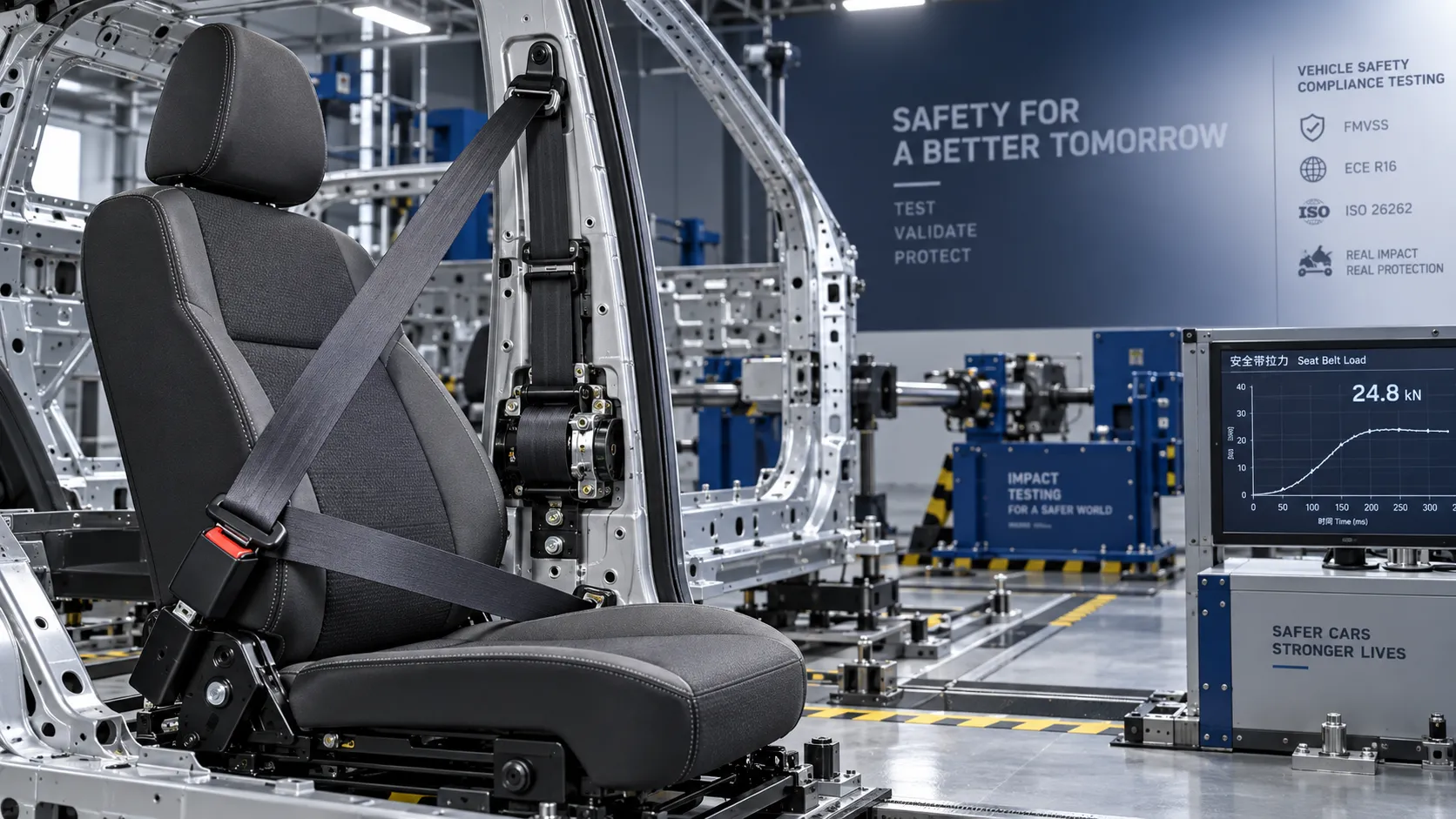
Crash Test Regulations for Seatbelts: Key Compliance Requirements Explained
Crash test regulations seatbelts explained: explore FMVSS, UN rules, anchorage strength, and dynamic restraint testing for safer, compliant vehicle systems.
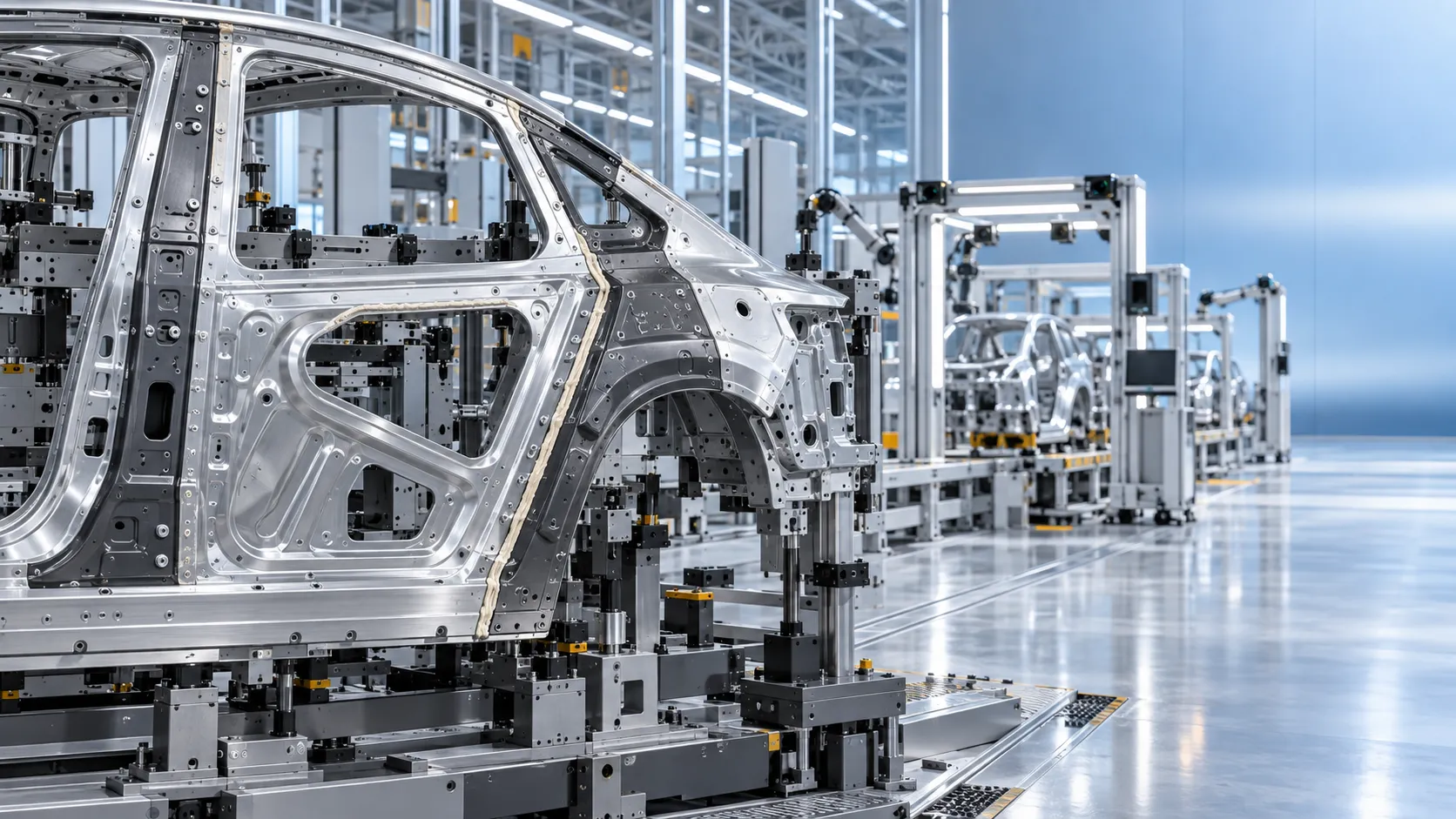
How to Calculate the Total Cost of Automotive Lightweighting for a Vehicle Program
Automotive lightweight solutions cost: learn how to calculate program-level costs, including materials, tooling, joining, validation, risk, and vehicle-level value.
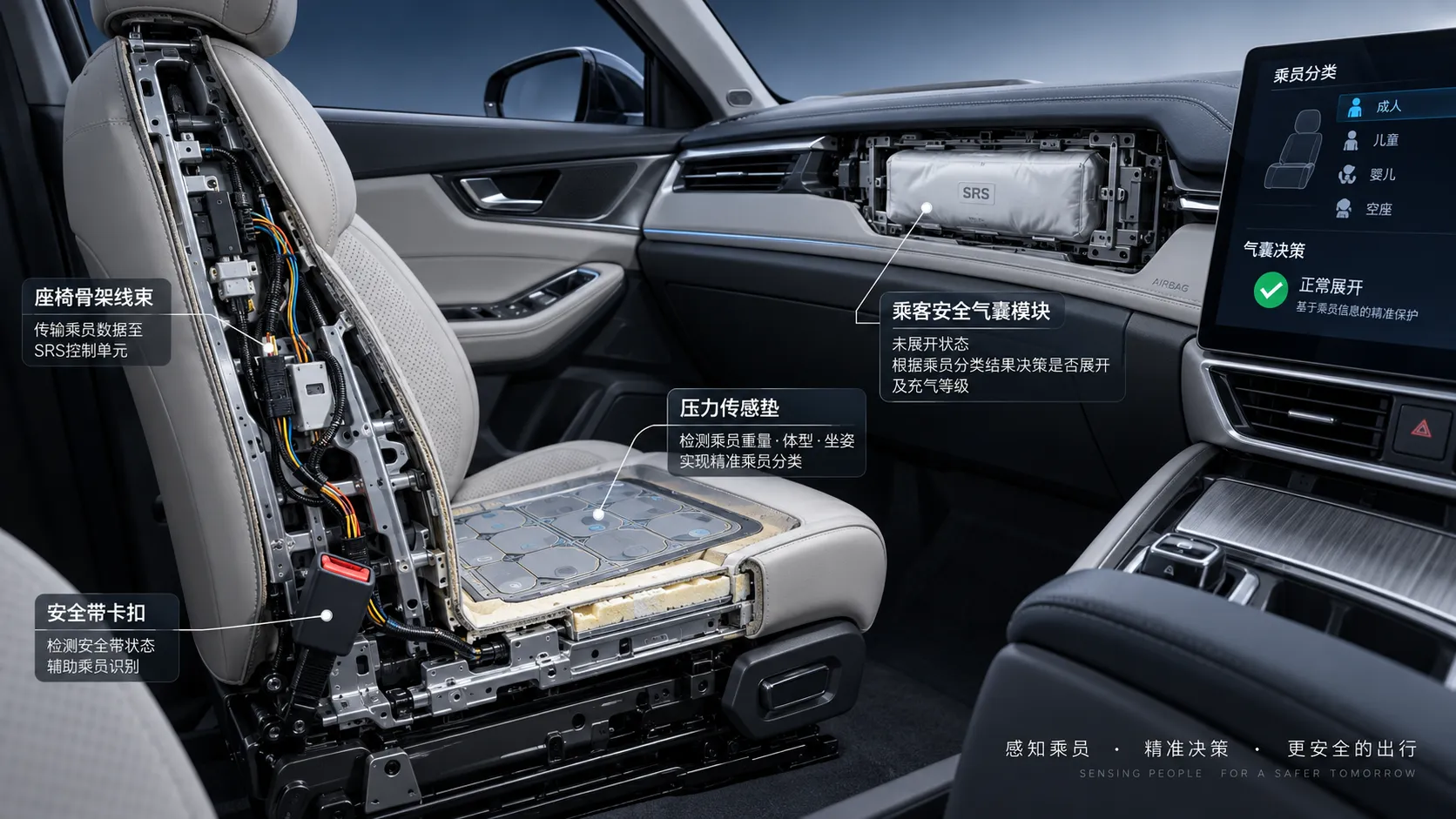
How Automotive Seat Occupancy Sensing Improves Airbag Deployment Decisions
Automotive seat occupancy sensing helps optimize airbag deployment decisions, improving passenger classification, safety diagnostics, and compliance across real-world conditions.
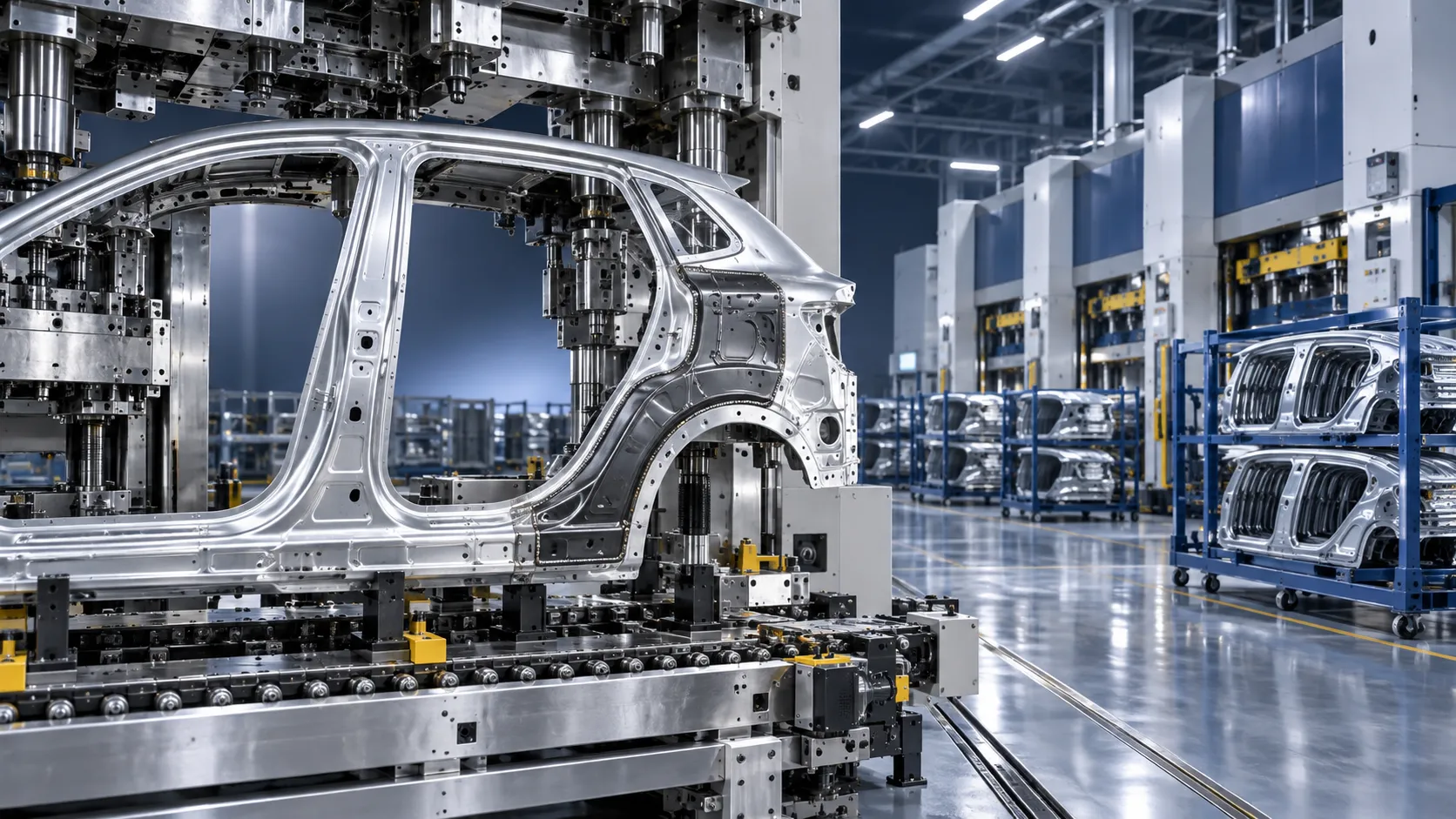
What Drives Lightweight Body Component Costs in High-Volume Vehicle Programs?
Lightweight body components cost depends on material yield, forming, joining, tooling, validation, and logistics. Explore proven ways to optimize total vehicle program cost.
Related News
- 00
0000-00
What European OEMs Should Evaluate When Sourcing Memory Seat Modules - 00
0000-00
How to Evaluate Custom Smart Automotive Seating for Premium Vehicle Programs? - 00
0000-00
How to Evaluate Custom Smart Seating Solutions for Comfort, Safety, and Integration? - 00
0000-00
What Affects Memory Seat Modules Price? Cost Drivers and Spec Trade-Offs - 00
0000-00
Smart Seat Systems Price Breakdown: What Drives Cost Across Sensors, Motors, and Modules?
Weekly Insights
Stay ahead with our curated technology reports delivered every Monday.