
Smart Seat Systems Price Breakdown: What Drives Cost Across Sensors, Motors, and Modules?
Smart Seat Systems Price Breakdown: What Drives Cost Across Sensors, Motors, and Modules?
For procurement teams, understanding smart seat systems price is no longer just about comparing quotes. It means tracing cost drivers across sensors, motors, ECUs, wiring, and integrated comfort modules.
As smart seating becomes more feature-rich and compliance-driven, buyers need a clearer view of what truly shapes pricing, supplier premiums, and total program value before making sourcing decisions.
That is especially true in programs balancing comfort, lightweighting, safety integration, and regional compliance. A low quote may hide expensive tradeoffs later in validation, warranty, or line-side complexity.
Why smart seat systems price varies so widely
Smart seat systems price can move sharply even when two seat programs look similar on paper. The reason is that the cost base is built from layered hardware, software, testing, and integration choices.
At entry level, a seat may include only position adjustment motors and basic occupancy sensing. At the premium end, the system adds memory, ventilation, heating, massage, weight sensing, posture detection, and controller networking.
More obvious features raise cost, but hidden factors matter just as much. Connector quality, harness routing, thermal durability, noise control, and software calibration can all change commercial outcomes.
In practical sourcing, smart seat systems price is usually shaped by three layers:
- Core electromechanical content, such as motors, actuators, tracks, and frames.
- Sensing and control content, including ECUs, pressure mats, switches, and software.
- Integration content, covering validation, compliance, packaging, and supplier overhead.
Sensors: small components, outsized pricing impact
Sensors are often underestimated in early cost reviews. Yet they can move smart seat systems price faster than visible trim upgrades, especially when they support safety logic or occupant classification.
Common sensor content includes occupancy sensors, seat position sensors, belt reminder inputs, recliner angle sensing, weight detection, and climate feedback sensing. Each adds hardware cost and validation scope.
The biggest cost jump usually comes when the sensor influences airbag deployment logic. Once a seat feeds passive safety decisions, traceability, reliability, and calibration requirements become more demanding.
Procurement should watch four sensor pricing triggers:
- Accuracy threshold and drift tolerance over time.
- Operating environment, including vibration, humidity, and thermal cycling.
- Functional link to restraint systems or occupant detection.
- Calibration effort at plant level or supplier level.
A cheaper sensor can inflate total cost if false readings increase rework or warranty exposure. That is why smart seat systems price should be reviewed against system risk, not unit part price alone.
Motors and actuators: the most visible cost driver
Motors are the clearest driver in any smart seat systems price discussion. The count, torque level, duty cycle, noise target, and speed requirement all influence the final seat cost.
A four-way power seat is fundamentally different from a twelve-way seat with lumbar adjustment, memory, thigh support, and massage. Every movement function adds mechanical parts, control logic, and testing hours.
Brushless motors usually command a premium over brushed alternatives. However, they may lower noise, improve life cycle performance, and reduce failure rates in premium or high-usage programs.
Actuator pricing also changes with packaging constraints. Tight seat architecture often forces compact designs, custom brackets, or higher assembly precision, which raises manufacturing cost.
Control modules, wiring, and software are often underquoted
Many buyers focus on visible seat hardware first. Yet smart seat systems price often rises in the electrical layer, where ECUs, harnesses, gateways, and software integration accumulate hidden cost.
A standalone controller is cheaper than a networked module with diagnostics, memory profiles, and over-the-air compatibility. Once communication protocols expand, validation complexity expands with them.
Wiring is another quiet cost driver. Longer harnesses, added connectors, shielding, and branch complexity can materially change piece price and installation time.
Software should never be treated as free. Even simple comfort functions require logic tuning, fault management, and vehicle-level testing. In premium programs, software change control can become a major cost item.
This is where smart seat systems price often diverges between suppliers with similar hardware. One may include robust diagnostics and cleaner integration support, while another leaves those costs for later engineering change orders.
Comfort modules can quickly shift the commercial equation
Heated seats are now relatively mature from a cost perspective. Ventilation, massage, and active micro-climate control are different. They add fans, ducts, valves, pumps, pads, and control logic.
These modules influence smart seat systems price through both content and packaging. They compete for space with airbags, frames, trim, and wiring, creating tradeoffs that can affect assembly efficiency.
There is also a serviceability question. Integrated comfort systems may lower cabin differentiation risk, but difficult repairs can increase aftersales burden and warranty reserve assumptions.
A useful sourcing question is simple: does the feature change purchase conversion, brand perception, or regulatory alignment enough to justify its full system cost?
What external factors raise smart seat systems price
Component design is only part of the picture. Smart seat systems price is also shaped by commercial conditions outside the bill of materials.
- Low annual volume reduces supplier scale efficiency.
- Regional sourcing shifts logistics, tariffs, and compliance cost.
- Commodity volatility affects copper, steel, aluminum, and resins.
- Launch timing pressure increases engineering and tooling premiums.
- Single-source strategies strengthen supplier pricing power.
From recent market shifts, a clearer signal is the rising value of validated supply resilience. Buyers are increasingly paying for delivery confidence, not just lower nominal piece price.
That also means supplier maturity matters. A partner with stronger PPAP discipline, cleaner change management, and better cross-functional support may offer better total economics.
How to evaluate quotes beyond the headline number
When comparing smart seat systems price, use a structured review instead of a pure RFQ ranking. Headline price alone rarely captures lifecycle cost or launch risk.
- Map every quote to feature content by trim and region.
- Separate base hardware cost from software and validation charges.
- Check whether tooling, calibration, and plant support are included.
- Review warranty assumptions, durability targets, and failure data.
- Test supplier flexibility for platform carryover and future upgrades.
This approach exposes false savings early. It also makes smart seat systems price discussions more objective during negotiations, especially when engineering and purchasing teams need a shared cost model.
A practical procurement view on total value
The best smart seat systems price is not automatically the lowest one. It is the price that matches target features, launch timing, validation needs, and warranty expectations without creating avoidable downstream cost.
In real programs, the strongest sourcing decisions usually come from early cost decomposition. Break the seat into sensors, motors, modules, harnesses, software, and validation obligations before negotiating commercial terms.
That discipline helps identify where to standardize, where to localize, and where to pay for premium capability. It also improves leverage when discussing design-to-cost actions with suppliers.
For teams tracking smart seat systems price across future mobility platforms, the most useful question is straightforward: which content genuinely improves occupant value, and which content only complicates cost?
Answer that well, and sourcing moves from quote comparison to informed program control. That is where better seat economics, better supplier alignment, and better launch outcomes usually begin.
Related News
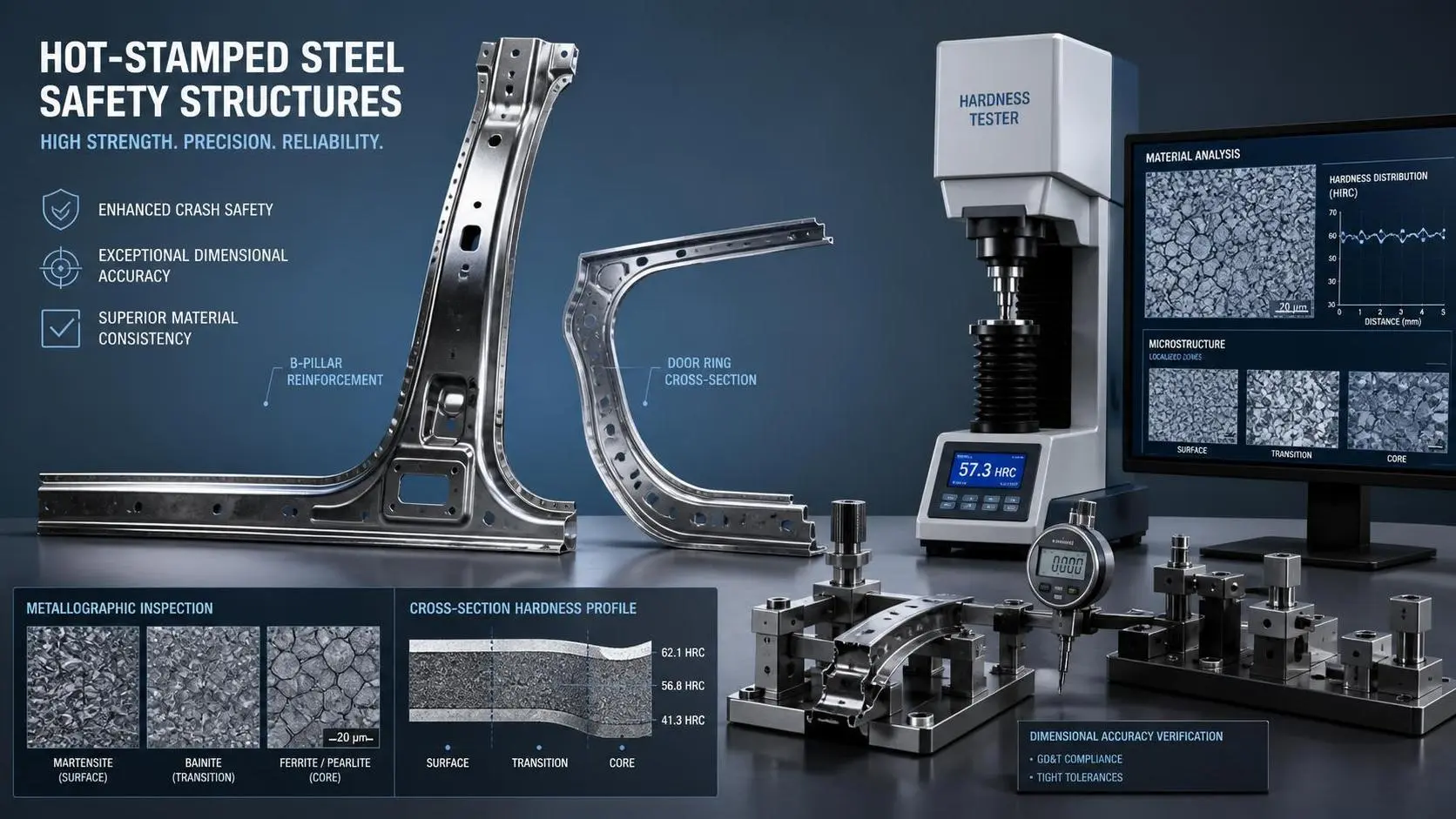
How to Evaluate High Strength Hot Stamped Steel Parts for Crash-Safety Applications
High strength hot stamped steel parts for crash-safety applications: learn how to assess strength, microstructure, dimensional accuracy, and process stability for safer sourcing decisions.
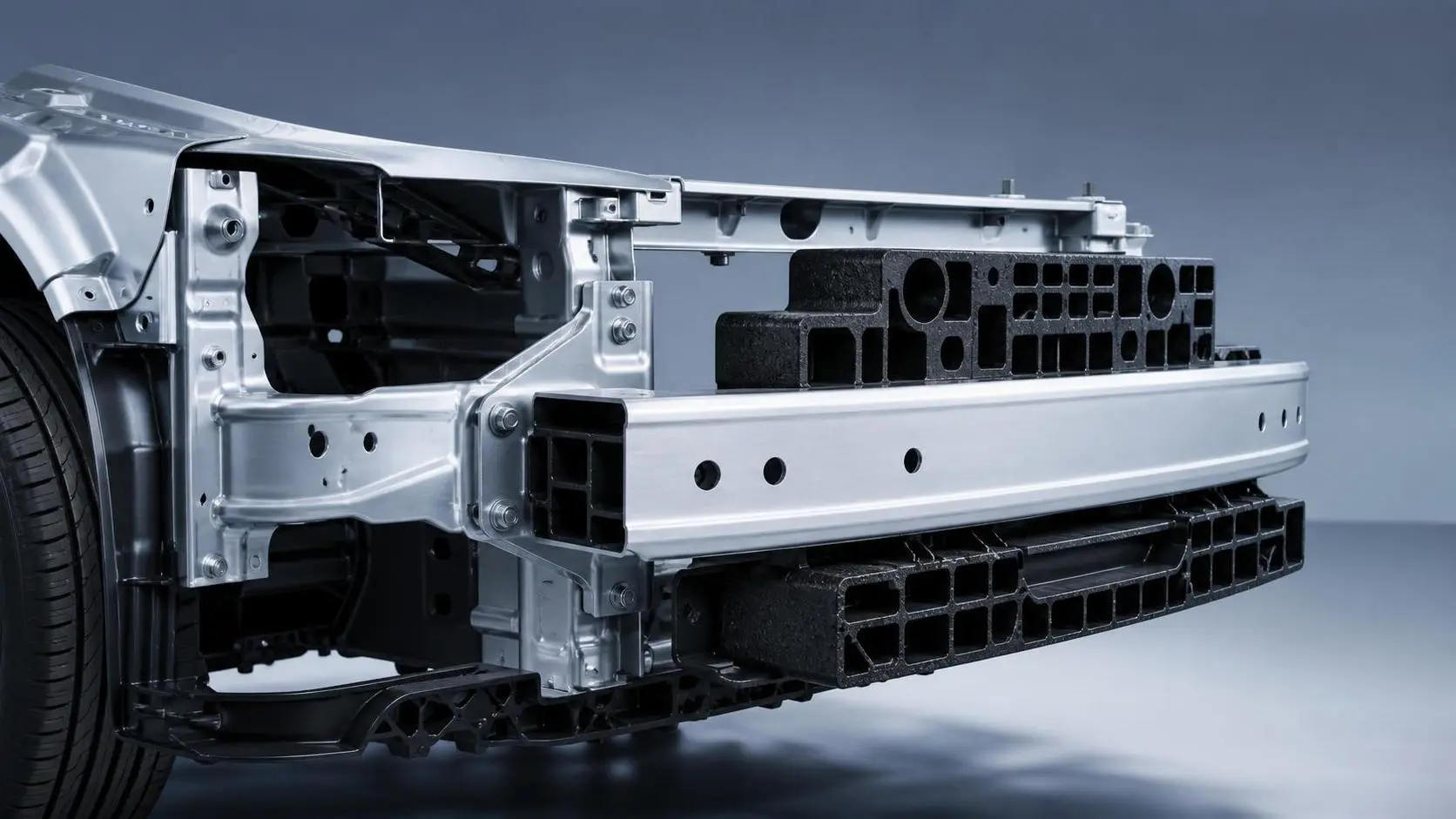
How Crash Management Components Reduce Repair Costs and Improve Impact Performance
Crash management components help reduce repair costs, protect critical vehicle structures, and improve impact performance. Learn how smarter design supports safer, more cost-efficient mobility programs.
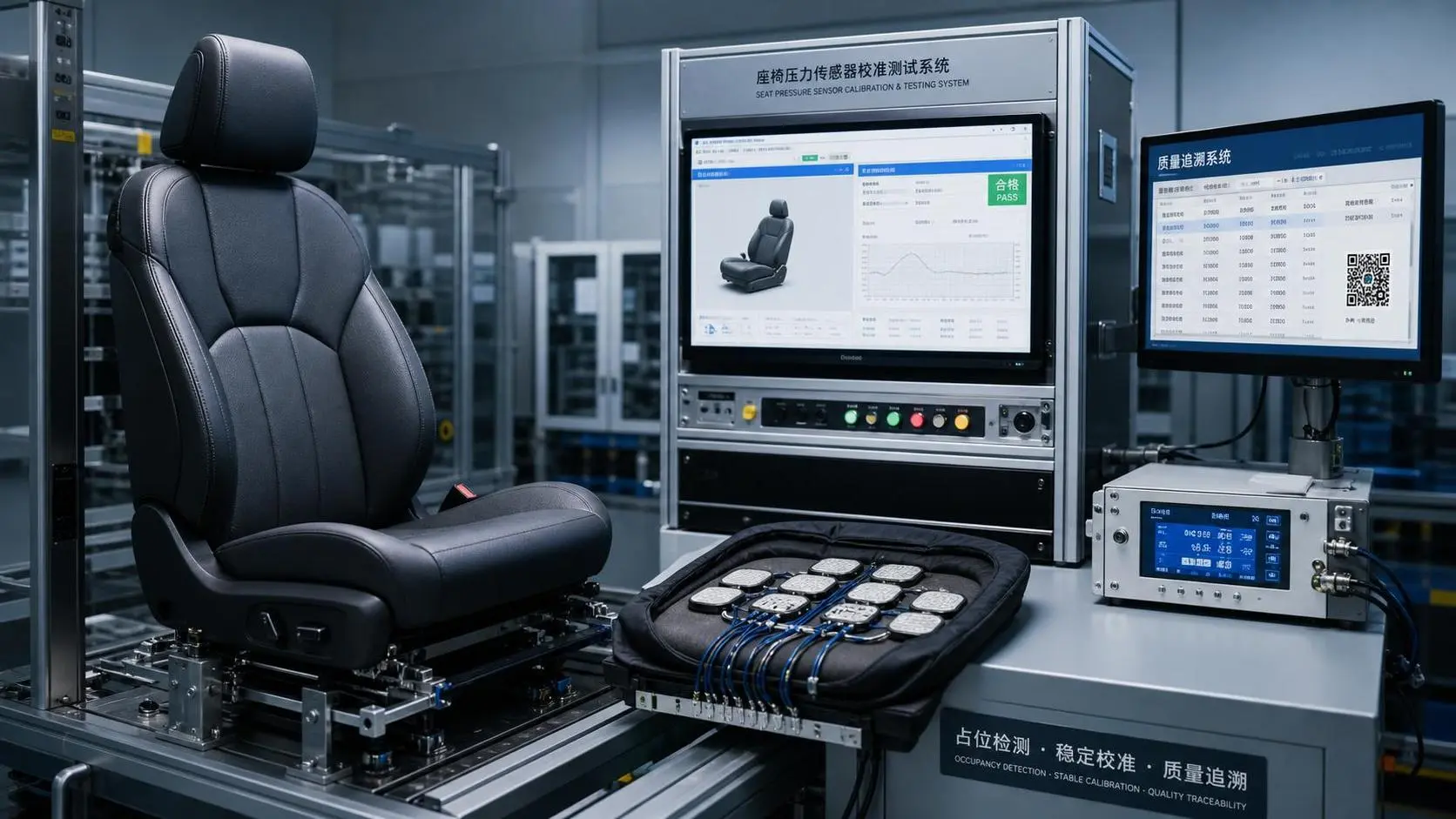
How to Evaluate a Seat Sensing Systems Factory for Automotive Safety Programs
Seat sensing systems factory selection goes beyond price. Learn how to assess quality control, validation, PPAP readiness, and long-term supply reliability for safer automotive programs.
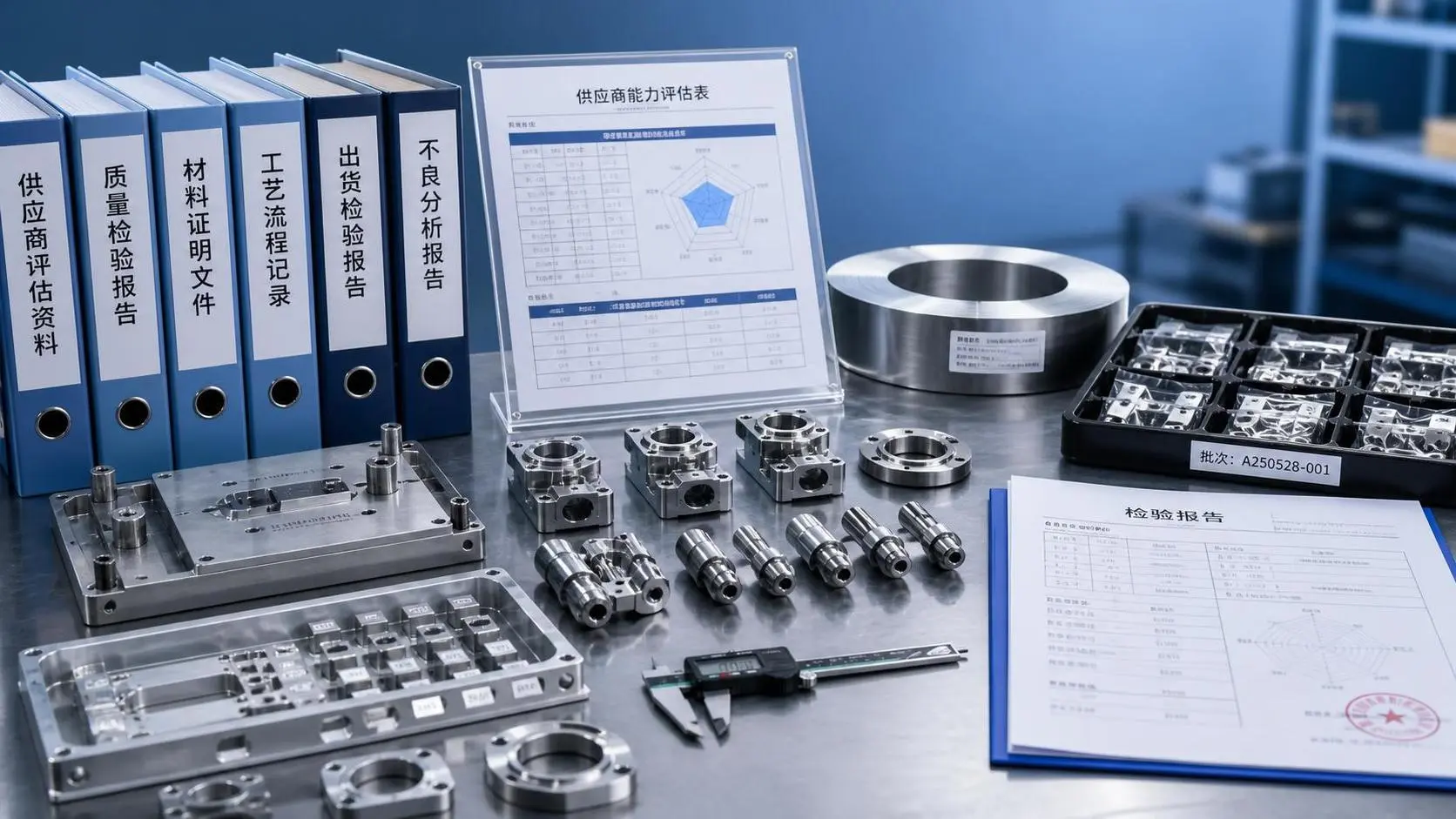
Supplier Capability Evaluation Process: Key Criteria for B2B Sourcing Decisions
Supplier capability evaluation process explained: learn the key criteria for B2B sourcing decisions, reduce supplier risk, and choose partners with confidence.
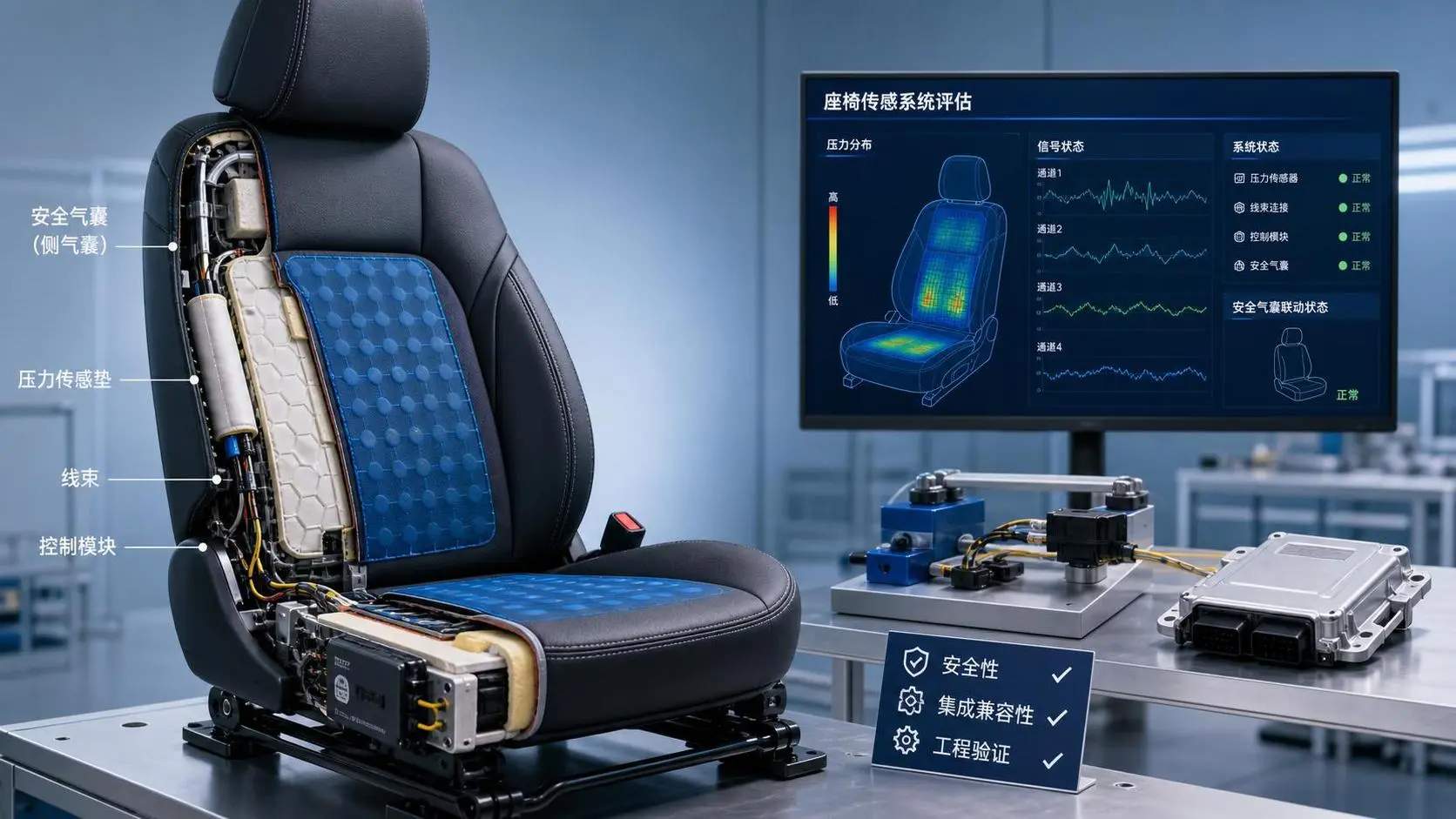
How to Evaluate a Seat Sensing Technology Supplier for Safety and Integration?
Seat sensing technology supplier evaluation guide: compare safety maturity, integration fit, algorithm reliability, and validation support to choose a partner that reduces risk.
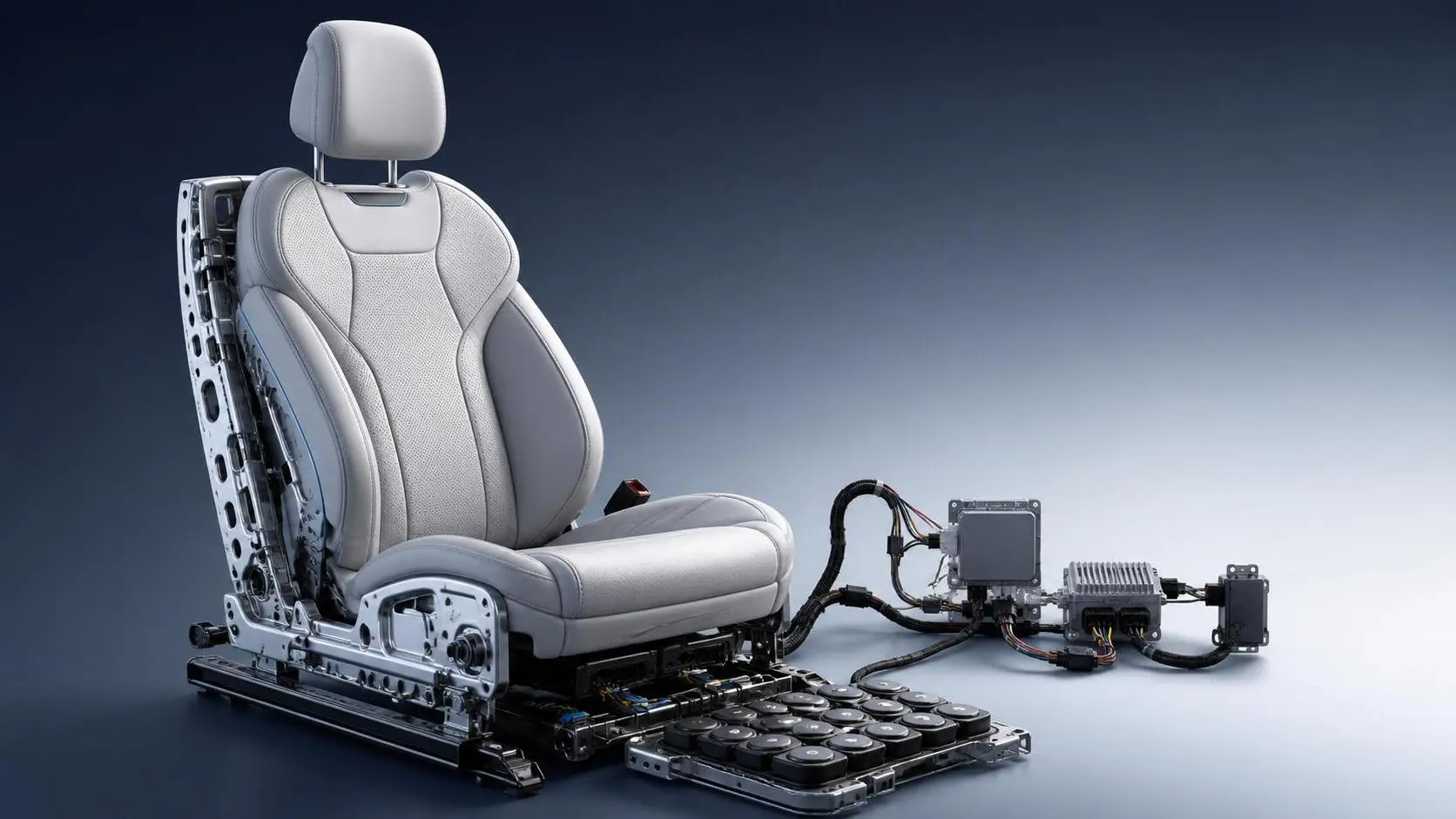
How to Evaluate Custom Smart Automotive Seating for Premium Vehicle Programs?
Custom smart automotive seating evaluation starts with safety, comfort, integration, and production readiness. Discover how premium vehicle teams choose smarter, lower-risk seat solutions.
B2B Product Intelligence Platforms: How to Compare Features, Data Coverage, and ROI
B2B product intelligence platform comparison: learn how to evaluate data coverage, feature depth, compliance visibility, and ROI to choose a sourcing tool that reduces risk and speeds decisions.
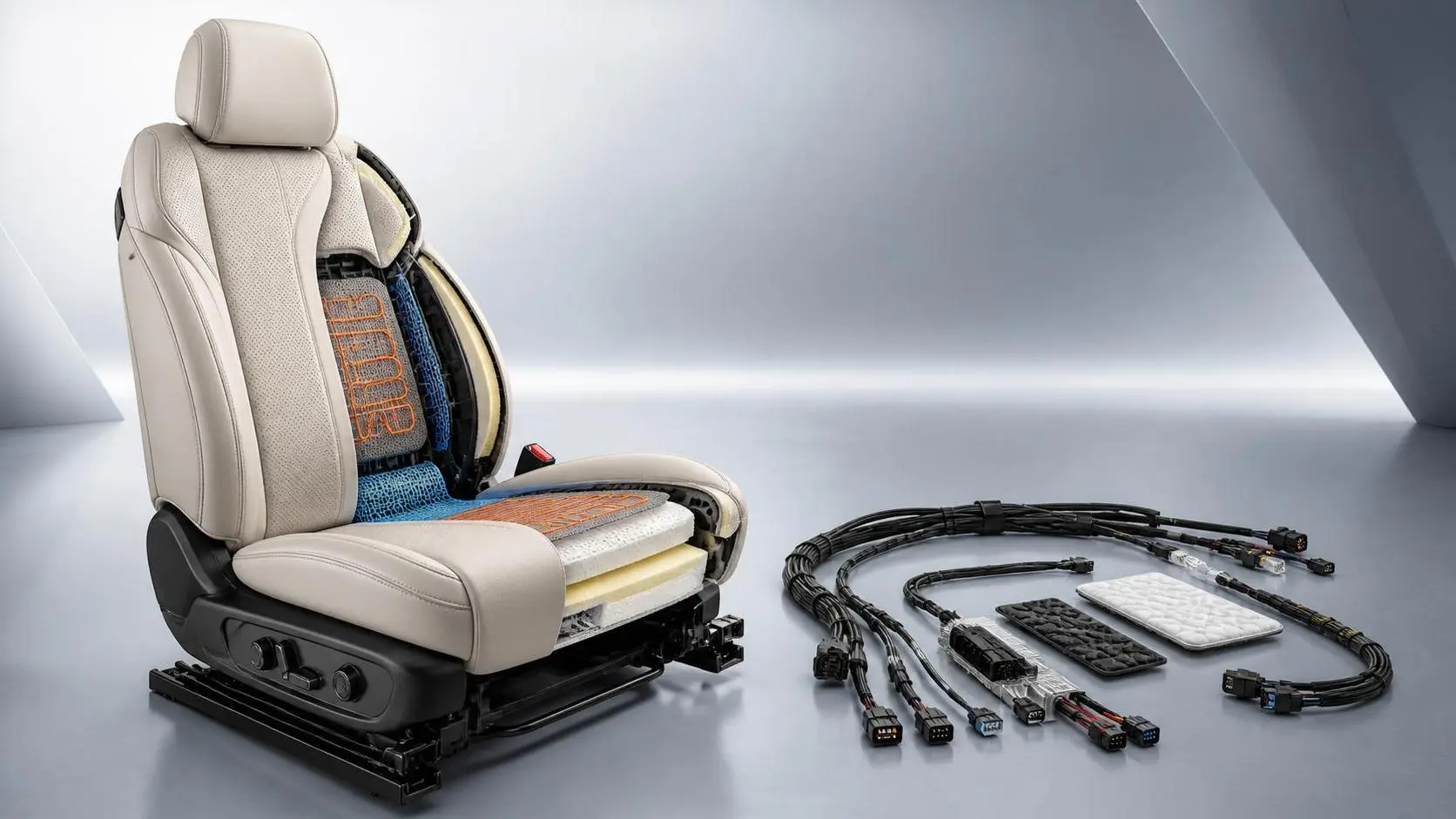
Climate Control Seats Cost: What Drives Price and Long-Term Ownership Value?
Climate control seats cost depends on materials, thermal tech, and integration. Learn what drives price and how to judge long-term value before you buy.
What Factors Drive Marine Navigation Components Cost in Commercial Vessel Projects?
Marine navigation components cost is shaped by integration, compliance, installation, and lifecycle support. Discover what drives pricing and how buyers can reduce risk while improving value.
Related News
- 00
0000-00
How to Evaluate Custom Smart Automotive Seating for Premium Vehicle Programs? - 00
0000-00
How to Evaluate Custom Smart Seating Solutions for Comfort, Safety, and Integration? - 00
0000-00
What Affects Memory Seat Modules Price? Cost Drivers and Spec Trade-Offs - 00
0000-00
Smart Seat Systems Price Breakdown: What Drives Cost Across Sensors, Motors, and Modules? - 00
0000-00
What a Smart Automotive Seating Factory Can Deliver: Automation, Traceability, and Quality Control
Weekly Insights
Stay ahead with our curated technology reports delivered every Monday.