
What a Smart Automotive Seating Factory Can Deliver: Automation, Traceability, and Quality Control
A smart automotive seating factory is no longer defined by assembly speed alone. Its real value comes from linking automation, traceability, and quality control into one connected production environment, where every seat frame, foam pad, trim cover, sensor, and fastening point can be managed with greater precision.
That matters because automotive seating now sits at the intersection of comfort, lightweight design, passive safety, and intelligent cabin functions. In the broader mobility landscape observed by GNCS, seats are not isolated interior parts. They connect directly with seatbelt systems, airbag deployment logic, body structure performance, and the wider compliance demands shaping global transportation equipment.
For anyone evaluating manufacturing capability or supplier readiness, the modern seating plant offers a useful lens. It shows how digital production systems reduce variability, strengthen accountability, and support the higher expectations attached to smart cabin components.
Why seating factories are under closer scrutiny
Automotive seats have changed from simple mechanical assemblies into multi-layer systems. A single seat may combine a metal structure, reclining mechanisms, foam, textiles or leather, heating modules, ventilation channels, occupancy sensing, wiring, and safety-related interfaces.
This complexity raises the cost of inconsistency. A dimensional deviation in a frame can affect trim fit. A wiring issue can disrupt seat memory or sensor feedback. A process escape in fastening or torque control can create downstream safety concerns.
As vehicle programs become more global, a smart automotive seating factory is also expected to support common standards across plants, platforms, and regions. That means stable documentation, repeatable processes, and evidence that quality performance is not dependent on manual experience alone.
This is one reason GNCS places smart seating within a larger safety and perception framework. The seat is the first touchpoint between occupant and machine, but it also influences restraint integration, ergonomics, and data-driven cabin intelligence.
What defines a smart automotive seating factory
In practical terms, a smart automotive seating factory uses digital tools to control production in real time rather than relying only on end-of-line checks. It turns each manufacturing step into a measurable event.
Automation is part of the picture, but not the full story. A plant becomes smart when machines, operators, test stations, and production records work as one system.
- Automated welding, riveting, cutting, gluing, and sewing reduce variation in repetitive tasks.
- Digital work instructions keep assembly steps aligned with the latest engineering release.
- Part identification systems connect every component lot with a specific seat or batch.
- Inline inspection catches deviations before they move to the next station.
- Production analytics reveal recurring faults, cycle bottlenecks, and equipment drift.
In other words, the smart automotive seating factory is built to make process knowledge visible. That visibility is increasingly important when a seat program must satisfy demanding OEM audit, warranty, and trace-back requirements.
Automation that improves consistency, not just speed
Automation in seating production is often misunderstood as a simple labor replacement story. In reality, its strongest contribution is consistency across high-volume, multi-variant manufacturing.
Frame production is a clear example. Robotic welding cells can hold tighter repeatability for seat structures, especially when high-strength steel or lightweight materials are involved. That supports downstream fit, crash performance targets, and dimensional stability.
Trim and foam operations also benefit. Automated cutting improves material yield and pattern accuracy. Controlled foam dispensing helps maintain density and shape. Assisted assembly stations can verify correct component sequence when left-hand and right-hand variants share one line.
Even where full automation is unrealistic, semi-automated stations still add value. Torque tools with data capture, pick-to-light systems, and vision-assisted positioning reduce human error without forcing a rigid production model.
The key point is that automation should match process risk. A smart automotive seating factory gains the most when it automates steps that affect safety, repeatability, or rework cost.
Where automation tends to matter most
Traceability as a manufacturing discipline
Traceability is often discussed as a compliance feature, but in seating production it is also an operational discipline. It answers a basic question: what exactly happened to this seat, from incoming materials to final shipment?
A capable smart automotive seating factory can trace component origin, workstation history, operator interaction, tool parameters, inspection results, and rework records. When quality issues appear in the field, that record shortens diagnosis time and limits unnecessary containment.
This becomes more important as seats integrate smart features. Occupancy classification, position sensing, heating, and ventilation add more interfaces that can fail silently if documentation is weak. Without strong traceability, a minor electrical defect can become a broad and expensive investigation.
The best systems do more than store data. They structure it so that audits, warranty reviews, and supplier performance checks can move quickly from symptom to root cause.
What strong traceability usually includes
- Unique identification for frames, cushions, covers, and critical purchased parts.
- Lot linkage for textiles, foams, fasteners, electronics, and coatings.
- Station-level records for torque, weld parameters, and inspection approvals.
- Time-stamped rework and deviation history.
- Accessible reporting for OEM, regulatory, and internal quality reviews.
Quality control is moving upstream
Traditional quality control depended heavily on final inspection. That approach is too late for a product as layered as an automotive seat. By the time a defect appears at the end of the line, the cost of correction is already high.
A smart automotive seating factory shifts quality control upstream. It uses inline sensors, vision systems, poka-yoke logic, and statistical process monitoring to stop problems earlier.
For example, camera-based systems can check clip placement, cover alignment, or presence of small parts that are easy to miss manually. Torque tools can lock progression when a critical fastener falls outside the approved window. Dimensional measurement can flag frame distortion before upholstery begins.
This approach aligns with the wider GNCS perspective on safety systems. Whether the subject is airbag chemistry, seatbelt force management, or seat structure performance, the underlying principle is the same: quality should be engineered into the process, not inspected into the product.
How the factory connects with broader cabin safety goals
Seats influence more than occupant comfort. Their geometry, stiffness, mounting integrity, and sensor accuracy affect how the rest of the cabin safety system behaves.
A seat that is poorly built can compromise belt fit, seating position, or airbag timing assumptions. A seat that is well built supports the physical containment logic central to passive safety.
That is why analysis of a smart automotive seating factory should not stop at line efficiency. It should also examine how the plant supports crashworthiness targets, lightweight body strategies, and intelligent cabin architecture.
From GNCS’s cross-sector viewpoint, the pattern is familiar. High-precision marine navigation relies on stable sensing and disciplined signal handling. Smart seating relies on the same manufacturing mindset: controlled inputs, verified outputs, and reliable system behavior under real operating conditions.
How to evaluate a smart automotive seating factory in practice
The most useful evaluation goes beyond marketing language. Terms like digital, intelligent, or automated can sound impressive while hiding weak execution.
A better approach is to test the plant against a few practical questions.
- Which processes are automated, and why were those steps selected?
- Can the factory trace a seat back to component lots and station data within minutes?
- How are engineering changes released to the line and verified?
- What defects are detected inline rather than at final inspection?
- How does the plant manage mixed-model complexity and option variation?
- Are process capability, rework trends, and warranty feedback connected in one review loop?
These questions reveal whether the smart automotive seating factory is truly data-driven or simply equipped with isolated hardware. The distinction matters when long-term reliability and regulatory confidence are under review.
Where the next decisions should focus
The next step is not to look for the most automated plant in absolute terms. It is to identify the factory that shows the clearest connection between process design, traceability depth, and quality discipline.
In many cases, the strongest signal is coherence. A smart automotive seating factory should show how material control, structural joining, trim assembly, electrical testing, and audit documentation fit together as one operating system.
That is especially relevant in a market shaped by lightweight structures, intelligent cabins, and tighter safety expectations. Seats now carry both physical and digital responsibilities, and the factory behind them must be judged on both.
For continued assessment, it helps to compare factories by trace-back speed, inline defect prevention, variant management, and evidence of cross-functional learning from field issues. Those indicators often say more than capacity claims alone.
Viewed this way, a smart automotive seating factory becomes more than a production site. It becomes a measurable indicator of how well a company can support modern mobility with reliable, safe, and intelligently controlled cabin systems.
Related News
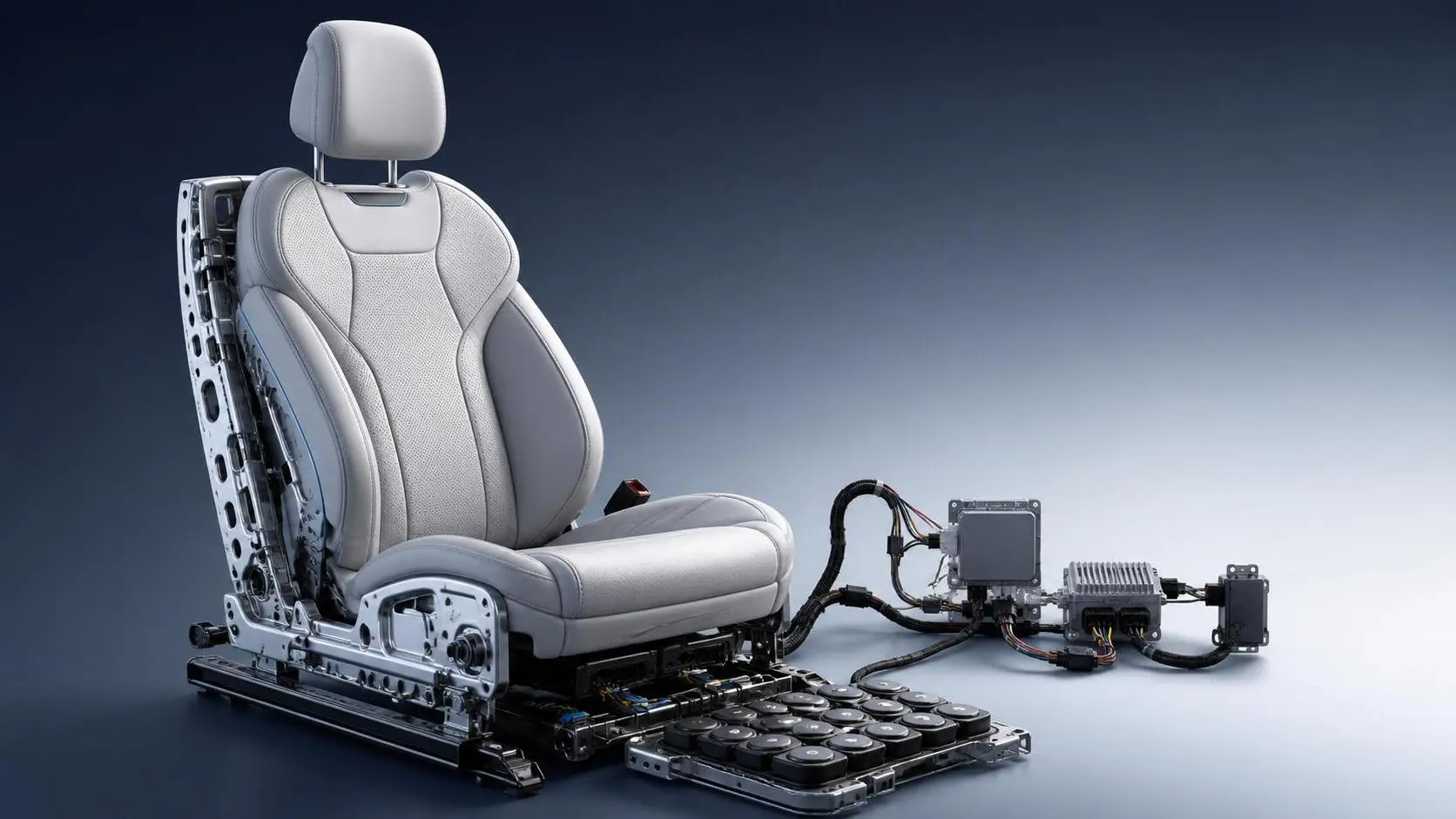
How to Evaluate Custom Smart Automotive Seating for Premium Vehicle Programs?
Custom smart automotive seating evaluation starts with safety, comfort, integration, and production readiness. Discover how premium vehicle teams choose smarter, lower-risk seat solutions.
B2B Product Intelligence Platforms: How to Compare Features, Data Coverage, and ROI
B2B product intelligence platform comparison: learn how to evaluate data coverage, feature depth, compliance visibility, and ROI to choose a sourcing tool that reduces risk and speeds decisions.
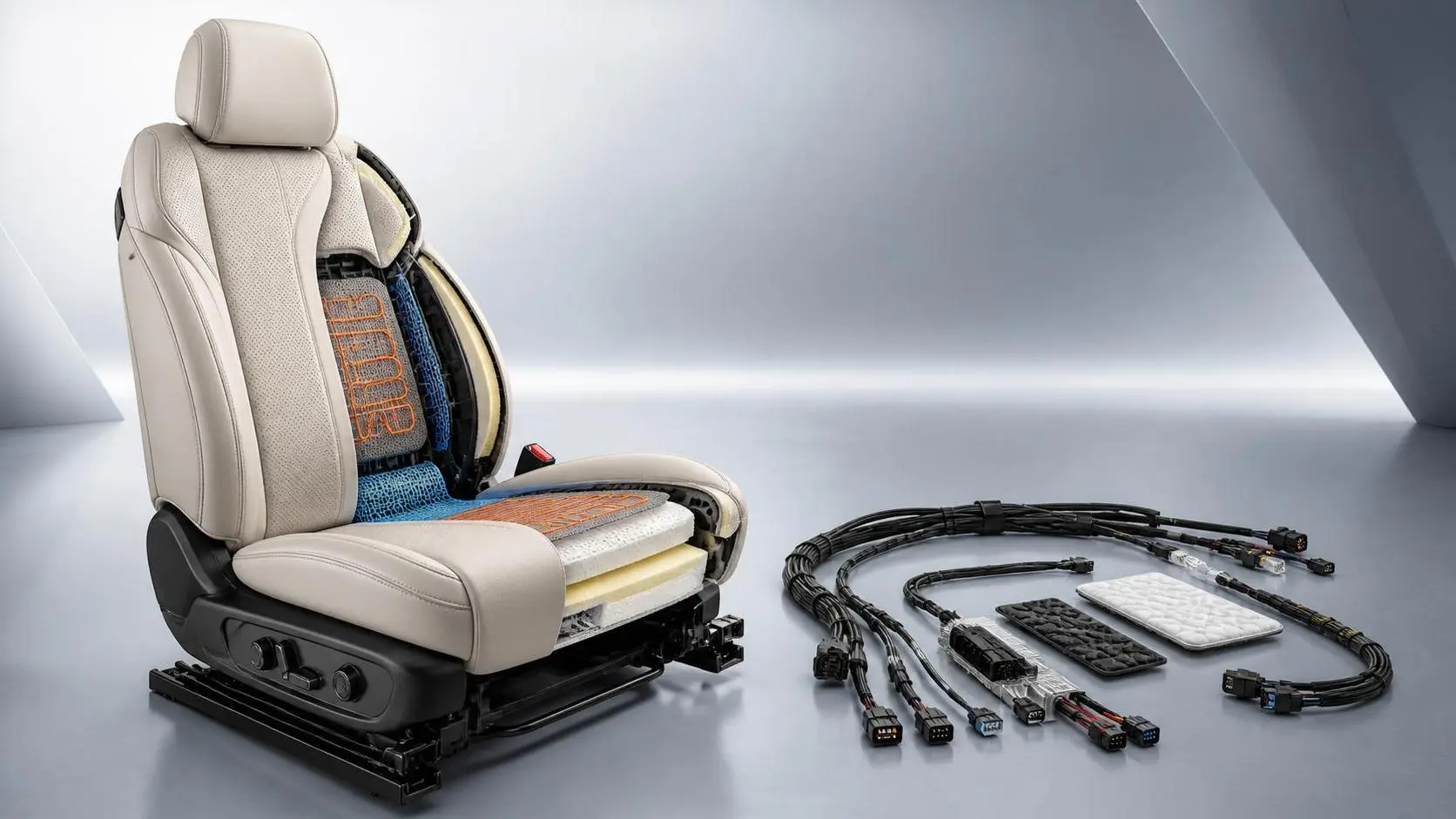
Climate Control Seats Cost: What Drives Price and Long-Term Ownership Value?
Climate control seats cost depends on materials, thermal tech, and integration. Learn what drives price and how to judge long-term value before you buy.
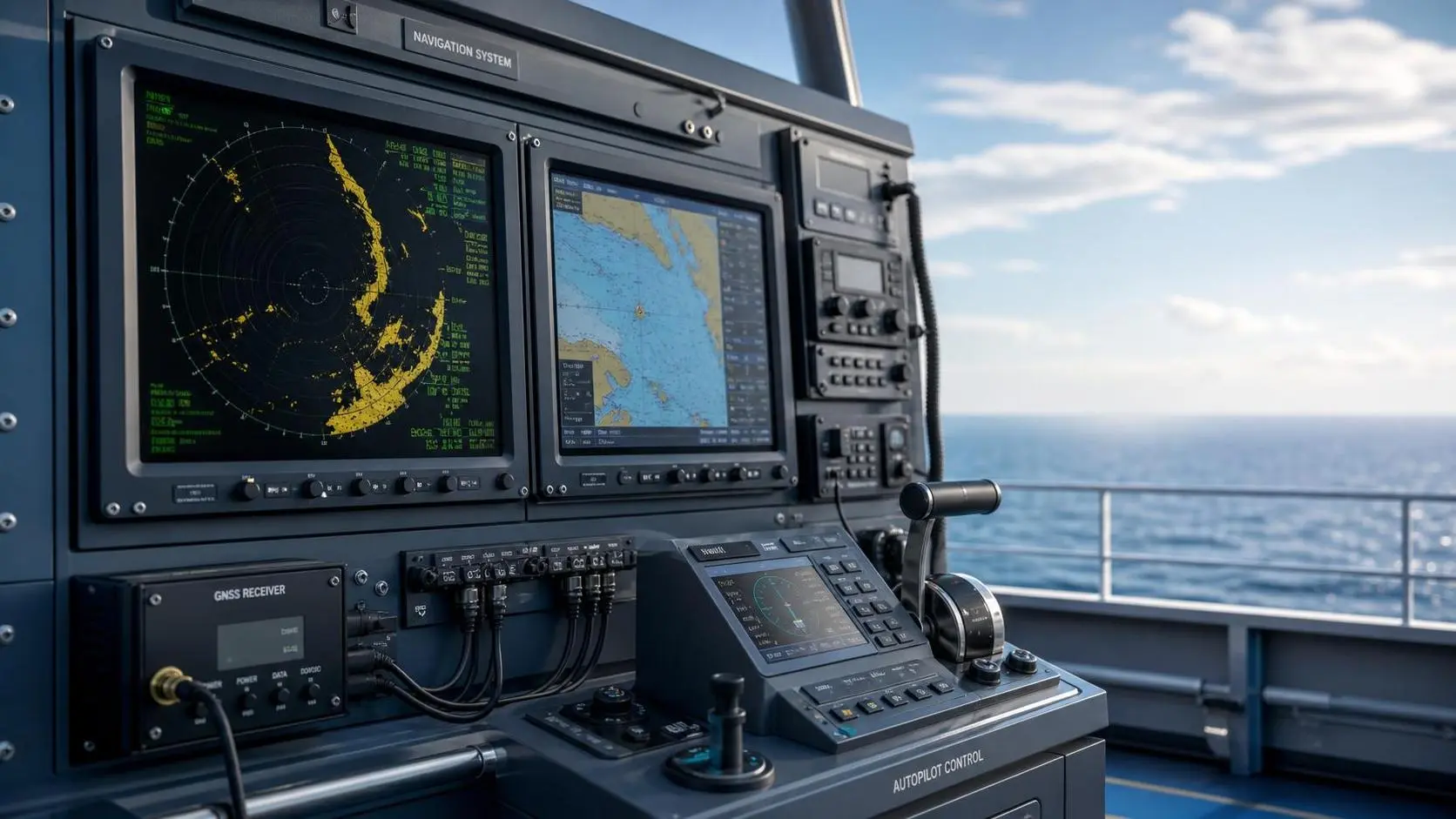
What Factors Drive Marine Navigation Components Cost in Commercial Vessel Projects?
Marine navigation components cost is shaped by integration, compliance, installation, and lifecycle support. Discover what drives pricing and how buyers can reduce risk while improving value.
How Much Does Seat Occupancy Sensing Cost? Key Pricing Factors for Buyers
Seat occupancy sensing price varies widely by technology, integration, and compliance needs. Learn the key cost drivers, avoid hidden fees, and make smarter buying decisions.
How to Specify Micro-Climate Control Cabins for Harsh Outdoor Worksites?
Micro-climate control cabins for harsh outdoor worksites: learn how to specify thermal control, filtration, pressurization, and durability for safer uptime and smarter buying.
How to Evaluate a B2B Product Knowledge Platform for Faster Procurement Decisions
B2B product knowledge platform procurement starts with reducing decision risk. Learn how to compare specs, compliance, and supplier data to speed sourcing with confidence.
How to Evaluate an Occupant Restraint Systems Exporter for Quality, Compliance, and Supply Risk
Occupant restraint systems exporter evaluation guide: learn how to verify quality controls, compliance evidence, and supply risk before sourcing to avoid recalls, delays, and hidden costs.
Navigation Compliance Certification: Which Marine Systems Need It and How to Prepare?
Navigation compliance certification explained: discover which marine systems need approval, what documents matter, and how to prepare early to avoid delays, rework, and costly project risks.
Related News
- 00
0000-00
How to Evaluate Custom Smart Automotive Seating for Premium Vehicle Programs? - 00
0000-00
How to Evaluate Custom Smart Seating Solutions for Comfort, Safety, and Integration? - 00
0000-00
What Affects Memory Seat Modules Price? Cost Drivers and Spec Trade-Offs - 00
0000-00
Smart Seat Systems Price Breakdown: What Drives Cost Across Sensors, Motors, and Modules? - 00
0000-00
What a Smart Automotive Seating Factory Can Deliver: Automation, Traceability, and Quality Control
Weekly Insights
Stay ahead with our curated technology reports delivered every Monday.