
What Affects Memory Seat Modules Price? Cost Drivers and Spec Trade-Offs
What Affects Memory Seat Modules Price? Cost Drivers and Spec Trade-Offs
For procurement teams, understanding what shapes memory seat modules price is essential to balancing cost, performance, and supplier risk.
A seat memory system looks simple from the outside.
In reality, the final cost depends on electronics, motors, software, wiring, validation, and supplier capability.
That is why memory seat modules price can shift quickly, even when two quotations seem close on paper.
The better approach is to break cost into clear drivers, then match each feature to actual program value.
Why Memory Seat Modules Price Varies So Much
Most price gaps start with product architecture.
A basic memory module may only store position and drive a few motors.
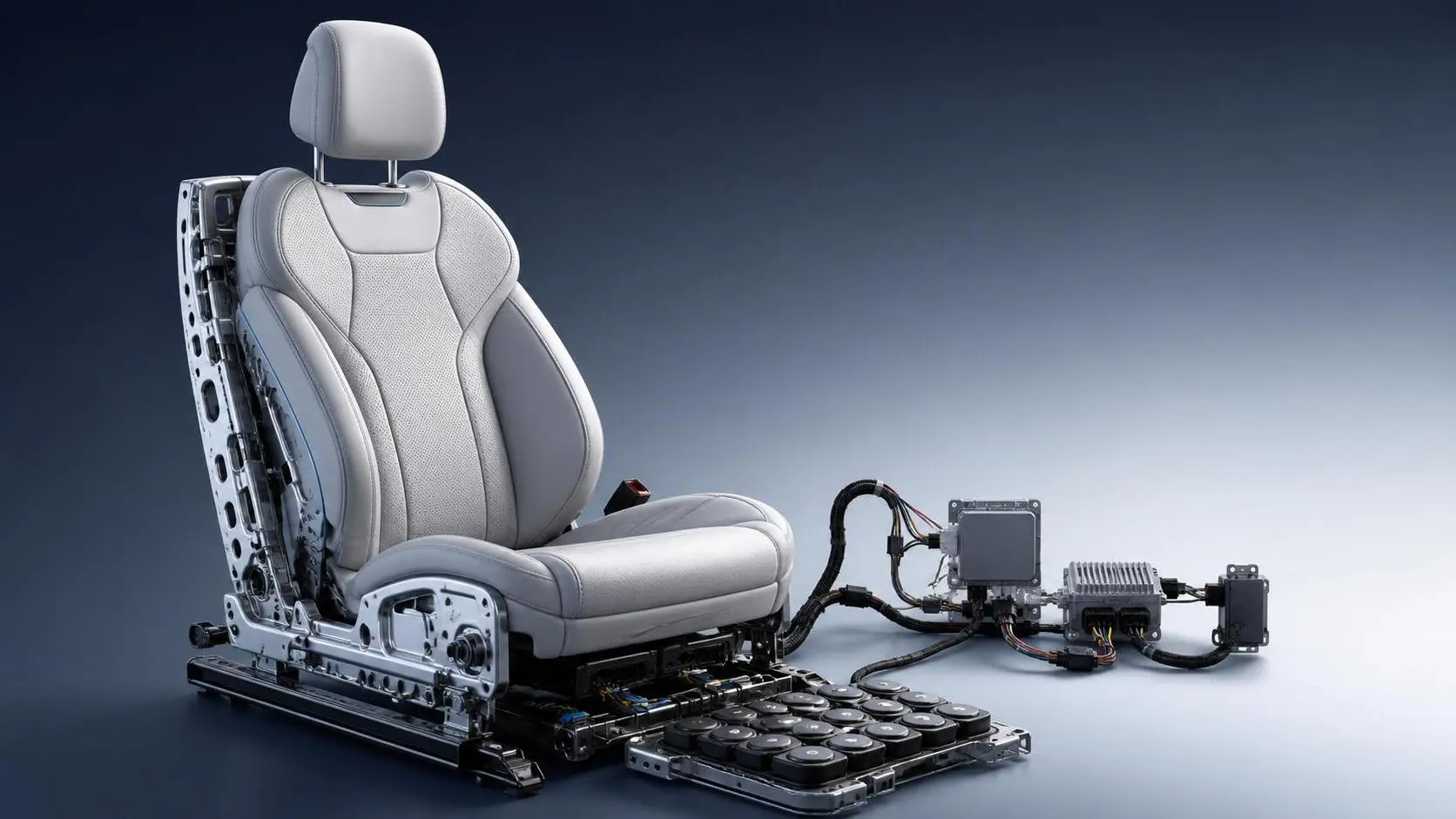
A higher-end version may manage lumbar, recline, cushion tilt, easy entry, anti-pinch, and network communication.
Each added function increases hardware content, software complexity, and validation scope.
So memory seat modules price is rarely about one part alone. It reflects the full control system behind the seat.
Core Cost Drivers in Memory Seat Modules
1. Motor Count and Seat Adjustment Axes
Motor quantity is one of the biggest drivers of memory seat modules price.
More adjustment axes require more outputs, stronger current handling, and more robust position management.
A six-way seat usually costs less to control than a ten-way or twelve-way seat.
The same pattern applies when memory must cover headrest, thigh support, or massage subsystems.
2. ECU Design and Processing Capability
The module ECU is another major cost lever.
A simple controller with limited logic costs less than a module supporting diagnostics, multiple profiles, and network security.
If the design needs CAN, LIN, or gateway interaction, component cost rises further.
More capable processors also bring higher software development and testing costs.
3. Position Sensing Technology
Memory recall depends on accurate position feedback.
Potentiometers, Hall sensors, and integrated motor feedback all have different cost and durability profiles.
Lower-cost sensing may work for entry programs.
But premium platforms usually pay more for repeatability, lower drift, and better long-term stability.
4. Wiring Harness and Connector Design
Harness design can quietly add significant cost.
Longer harnesses, tighter packaging, extra shielding, and sealed connectors all affect memory seat modules price.
This becomes more obvious in heated, ventilated, or sensor-rich seats.
When the seat integrates many features, connector count and assembly labor rise with it.
Software Functions That Push Price Higher
Software content is often underestimated in seat module sourcing.
Yet advanced logic can move memory seat modules price as much as hardware changes.
Common software features that raise cost include:
- multi-user memory profiles
- easy entry and exit positioning
- mirror and steering linkage
- obstacle detection and anti-pinch logic
- diagnostic trouble codes and service modes
- OTA-ready software architecture in connected vehicles
These functions create value, but only when they are used by the program and supported by the vehicle platform.
In actual purchasing decisions, unused software is just hidden cost.
Validation, Compliance, and Quality Requirements
Validation standards have a direct effect on memory seat modules price.
Testing for EMC, durability, thermal cycling, vibration, moisture, and abuse conditions can be expensive.
Programs with global launch plans often require broader certification coverage.
That means higher engineering cost and more PPAP documentation from the supplier.
Quality targets also matter.
A module for luxury or safety-sensitive programs may need tighter defect control, traceability, and end-of-line testing.
That adds cost, but it may reduce warranty exposure later.
Volume, Localization, and Supply Chain Effects
Not every cost driver is technical.
Annual volume has a strong influence on memory seat modules price.
Higher volume spreads tooling, software amortization, and validation cost across more units.
Low-volume specialty programs usually pay more per module.
Localization also matters.
Imported semiconductors, motors, and connectors can raise exposure to tariffs, currency changes, and lead-time swings.
A slightly higher local quote may still offer better landed cost and lower disruption risk.
Practical Spec Trade-Offs for Better Cost Control
The most effective way to manage memory seat modules price is to challenge specifications early.
Several trade-offs often deliver meaningful savings without hurting the user experience.
- Limit memory to the driver seat when passenger usage data is weak.
- Reduce adjustment axes that rarely affect comfort perception.
- Use shared communication architecture where the vehicle already supports it.
- Avoid premium sensors when standard accuracy meets recall targets.
- Request modular software, so optional features stay optional.
- Standardize connectors and harness routes across seat variants.
From recent sourcing cycles, the clearest savings usually come from simplification, not aggressive piece-price pressure.
That also tends to improve manufacturability and launch stability.
How to Compare Supplier Quotes More Accurately
A low quote does not always mean a lower total cost.
To compare memory seat modules price properly, align suppliers on the same commercial and technical baseline.
This is where disciplined quote normalization matters most.
Without it, memory seat modules price comparisons often become misleading.
A Smarter Buying Framework
A practical buying framework keeps cost and functionality aligned.
Start with the customer-facing functions that truly matter.
Then map those needs to module architecture, validation level, and supply chain strategy.
The strongest decisions usually answer three questions:
- Which seat functions drive real market value?
- Which specs are legacy habits rather than current needs?
- Which supplier can support quality, cost, and engineering changes over time?
That is the point where memory seat modules price becomes a strategic decision, not only a negotiation topic.
In a market shaped by electronics cost, feature expansion, and compliance pressure, clean specifications matter more than ever.
Buyers that define the right scope early can control memory seat modules price more effectively, reduce supplier risk, and protect long-term program value.
Related News
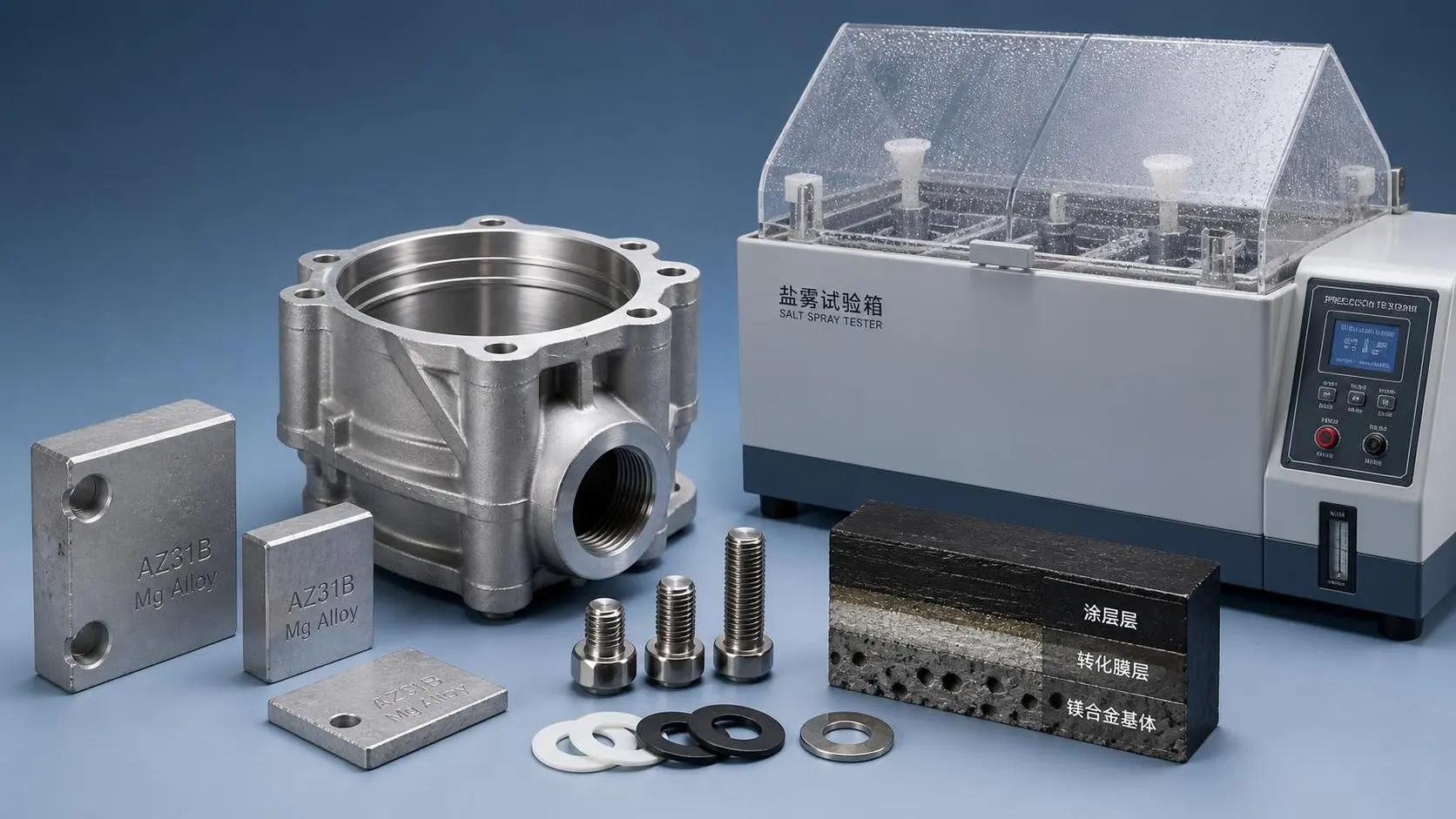
How to Evaluate Magnesium Alloys Corrosion Resistance for Marine Parts?
Magnesium alloys corrosion resistance for marine parts depends on more than alloy grade. Learn how to assess coatings, galvanic risk, geometry, and real-world exposure before you decide.
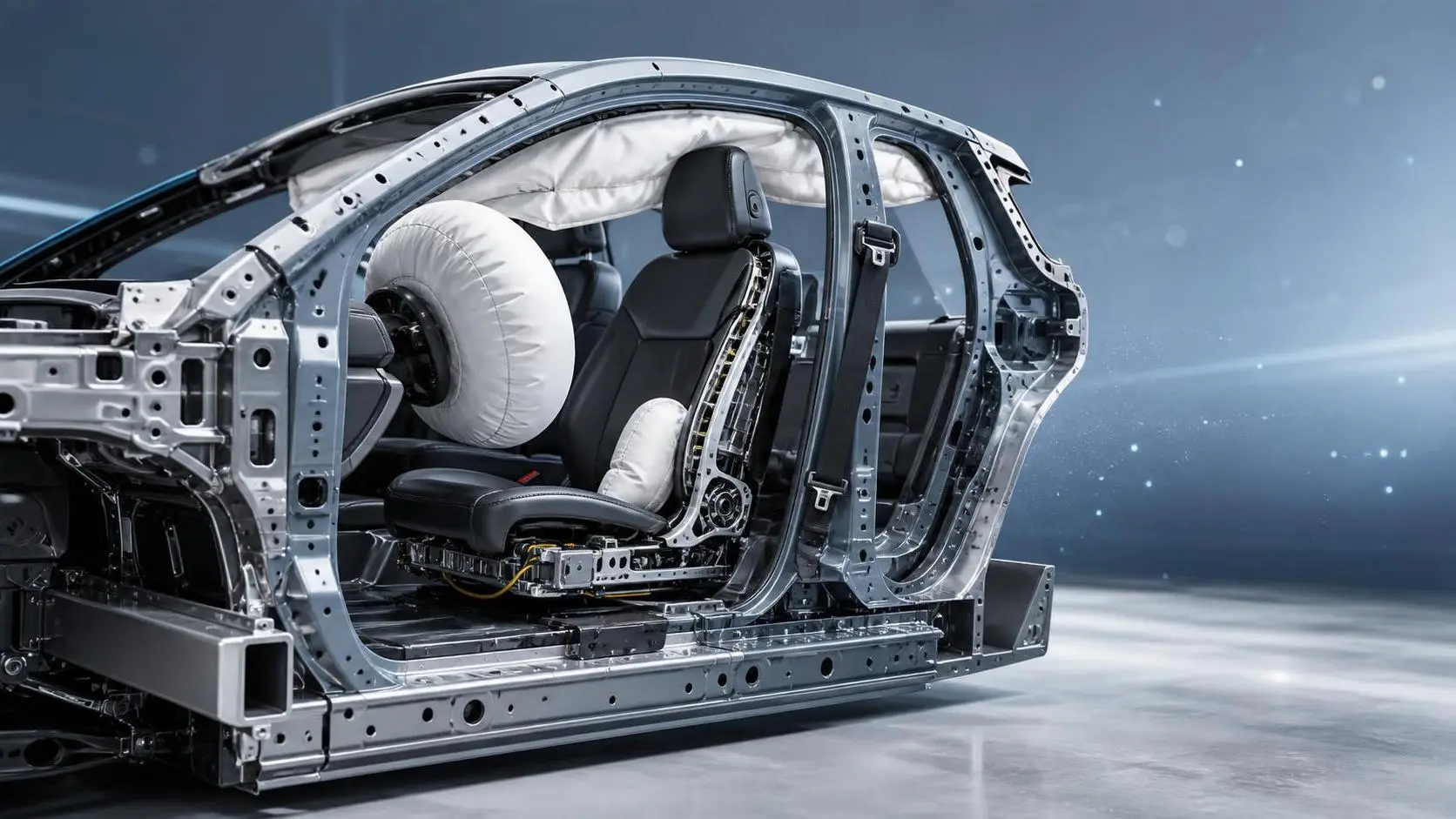
How to Evaluate Mobility Safety Systems for Safer Vehicle Platform Design
Mobility safety systems evaluation starts with platform architecture, crash energy management, and seat-restraint timing. Learn how to choose safer, validation-ready vehicle designs.
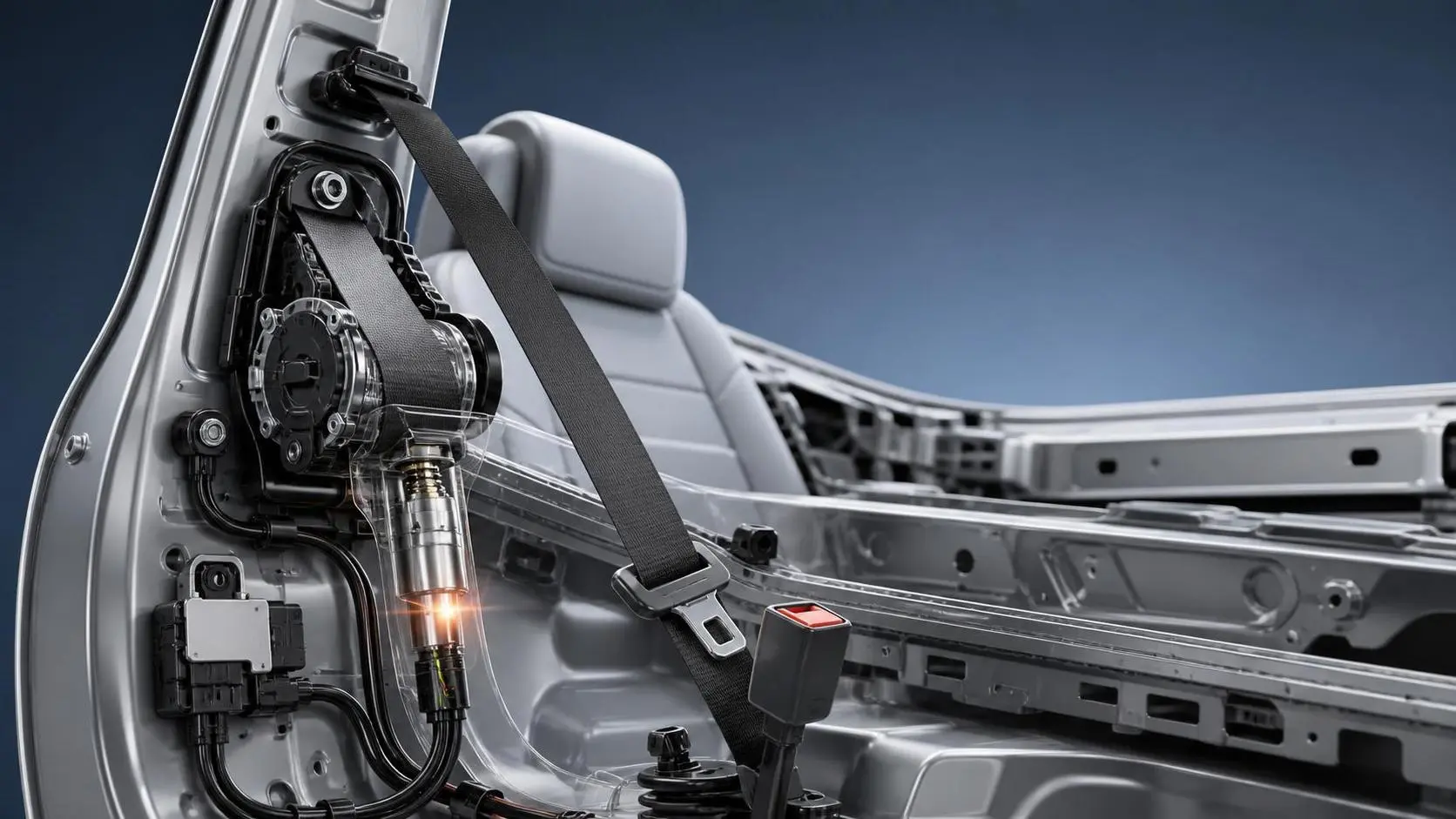
How Seat Belt Pretensioners for EVs Improve Crash Safety and System Response
Seat belt pretensioners for EVs improve crash timing, occupant control, and system response. Discover how smarter integration boosts EV safety performance.
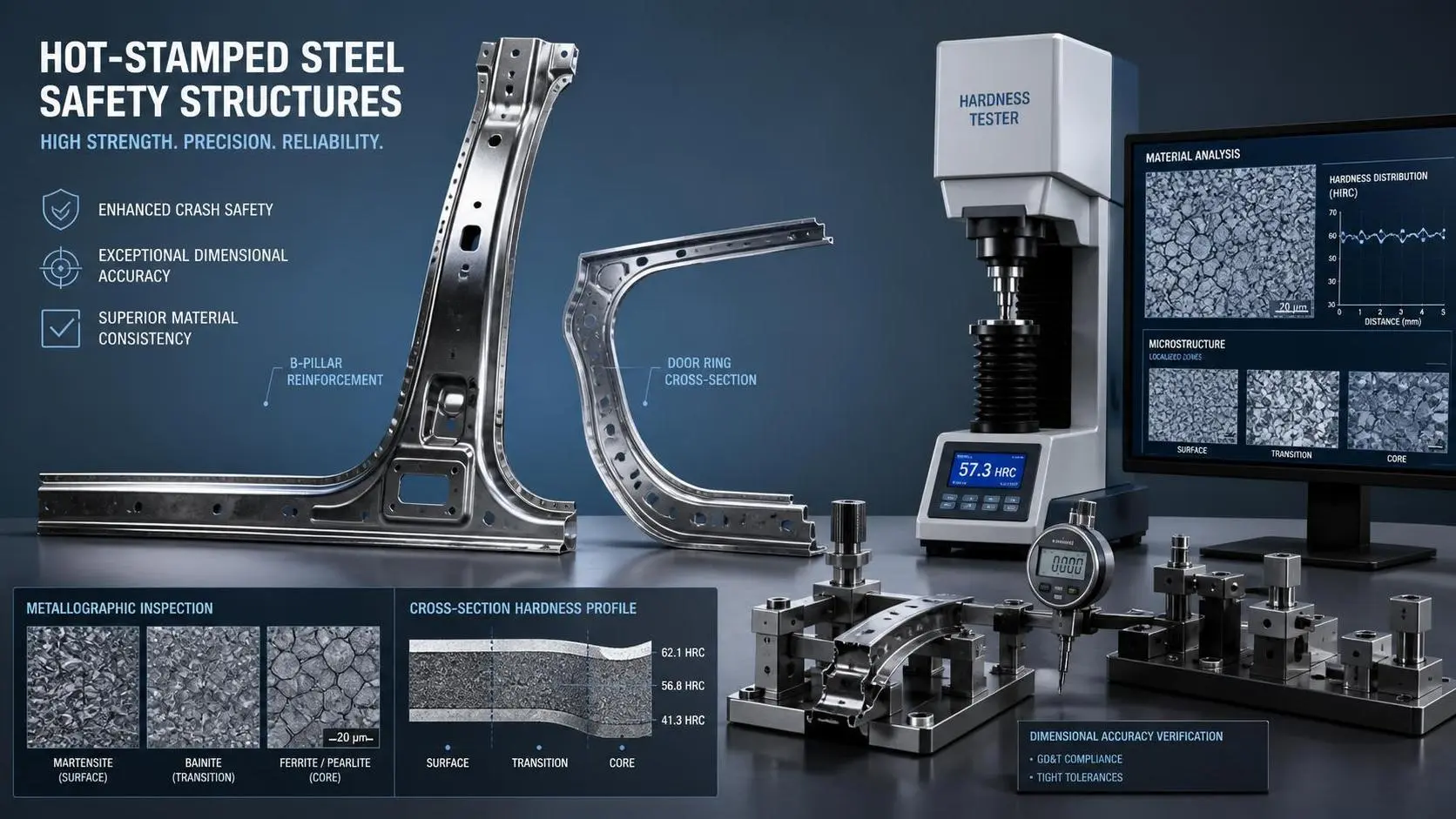
How to Evaluate High Strength Hot Stamped Steel Parts for Crash-Safety Applications
High strength hot stamped steel parts for crash-safety applications: learn how to assess strength, microstructure, dimensional accuracy, and process stability for safer sourcing decisions.
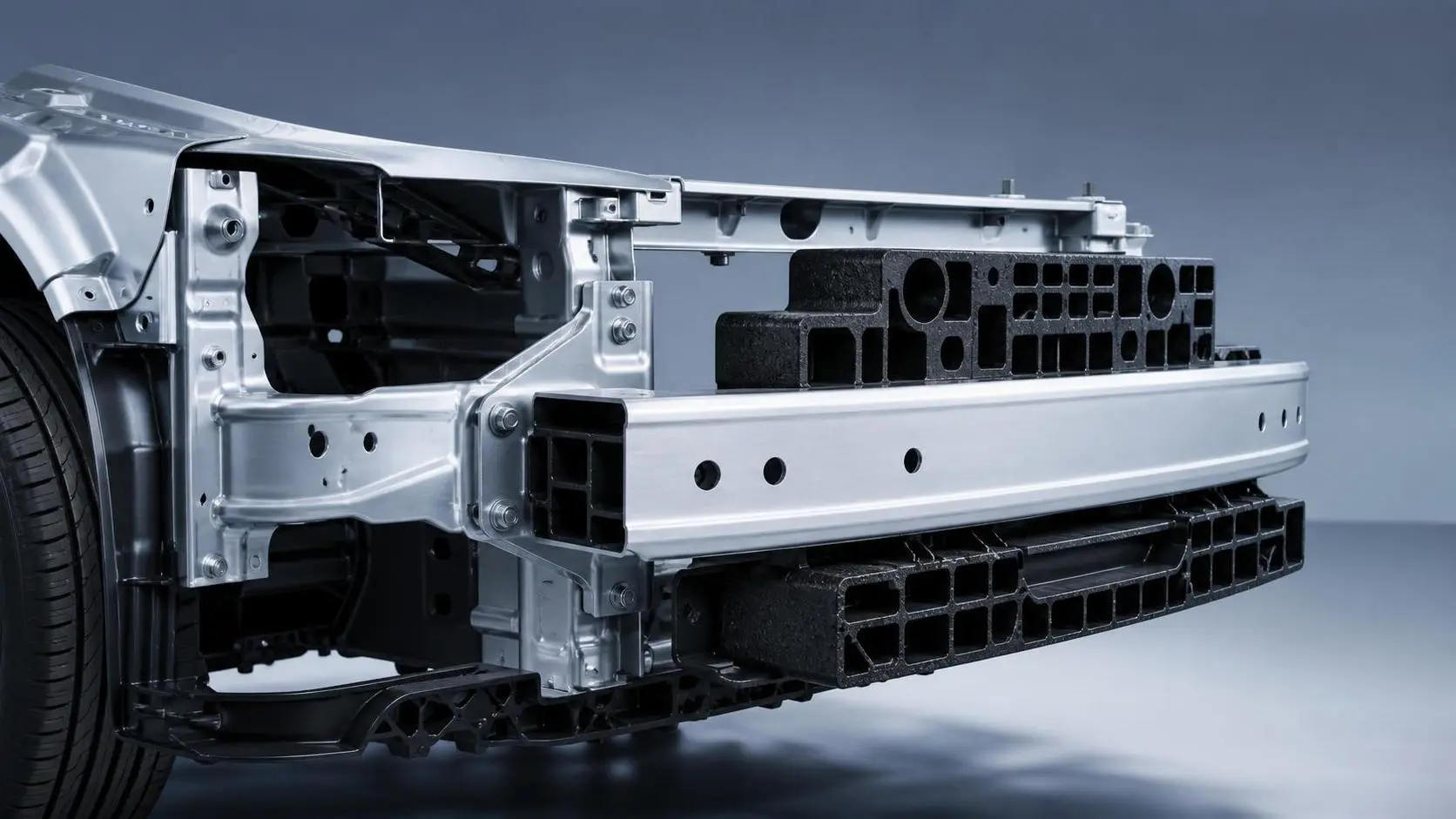
How Crash Management Components Reduce Repair Costs and Improve Impact Performance
Crash management components help reduce repair costs, protect critical vehicle structures, and improve impact performance. Learn how smarter design supports safer, more cost-efficient mobility programs.
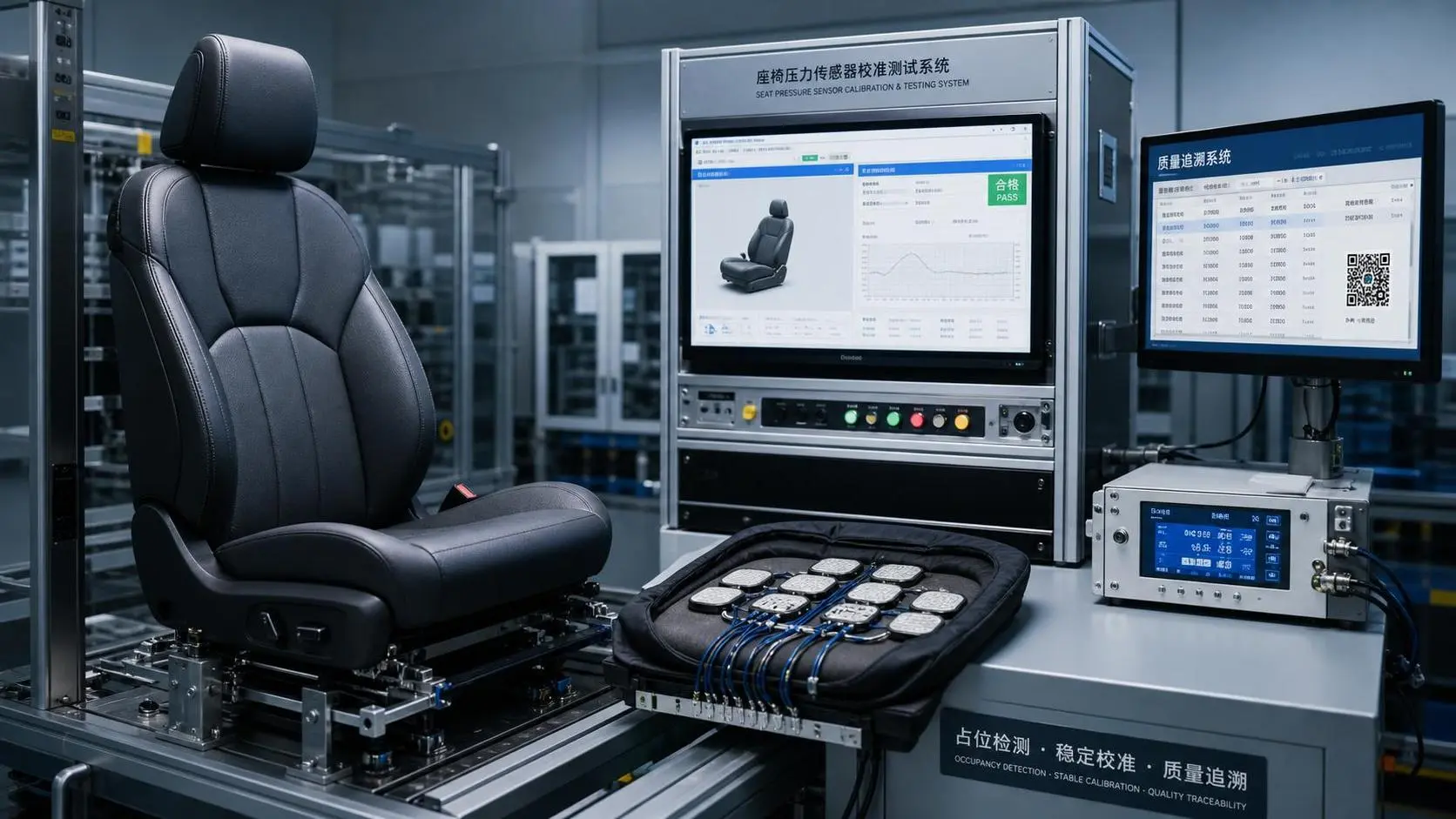
How to Evaluate a Seat Sensing Systems Factory for Automotive Safety Programs
Seat sensing systems factory selection goes beyond price. Learn how to assess quality control, validation, PPAP readiness, and long-term supply reliability for safer automotive programs.
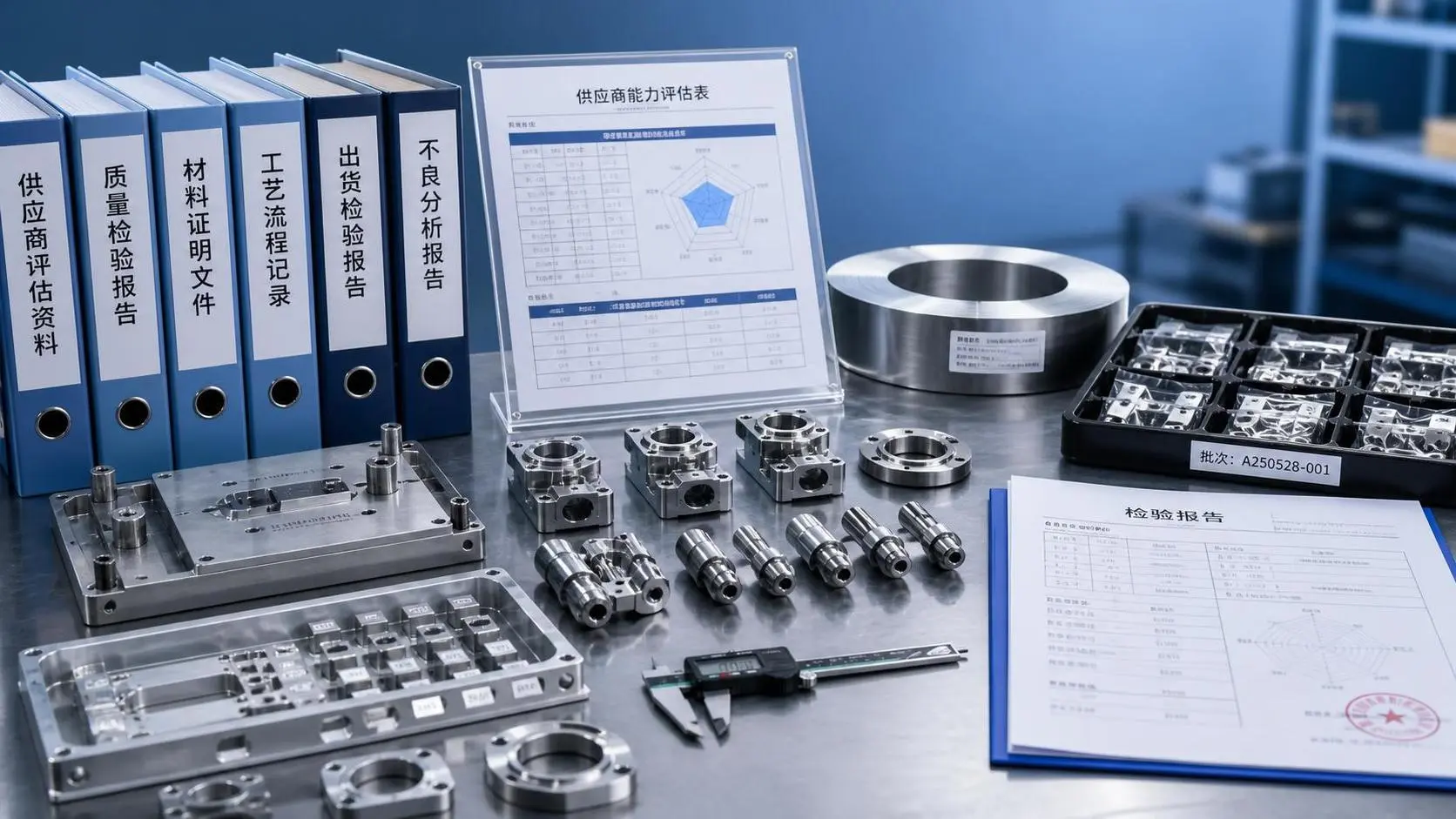
Supplier Capability Evaluation Process: Key Criteria for B2B Sourcing Decisions
Supplier capability evaluation process explained: learn the key criteria for B2B sourcing decisions, reduce supplier risk, and choose partners with confidence.
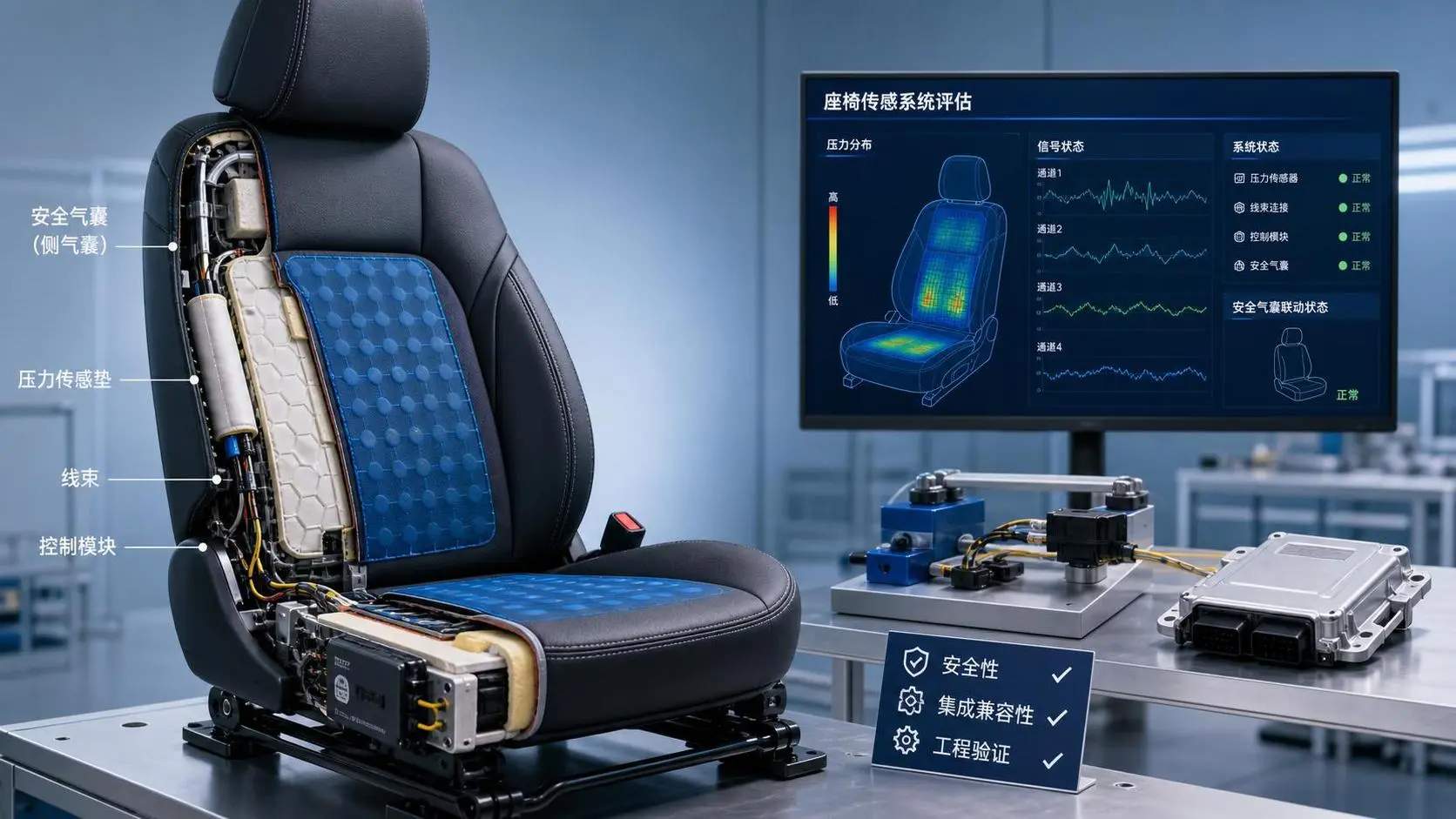
How to Evaluate a Seat Sensing Technology Supplier for Safety and Integration?
Seat sensing technology supplier evaluation guide: compare safety maturity, integration fit, algorithm reliability, and validation support to choose a partner that reduces risk.
How to Evaluate Custom Smart Automotive Seating for Premium Vehicle Programs?
Custom smart automotive seating evaluation starts with safety, comfort, integration, and production readiness. Discover how premium vehicle teams choose smarter, lower-risk seat solutions.
Related News
- 00
0000-00
How to Evaluate Custom Smart Automotive Seating for Premium Vehicle Programs? - 00
0000-00
How to Evaluate Custom Smart Seating Solutions for Comfort, Safety, and Integration? - 00
0000-00
What Affects Memory Seat Modules Price? Cost Drivers and Spec Trade-Offs - 00
0000-00
Smart Seat Systems Price Breakdown: What Drives Cost Across Sensors, Motors, and Modules? - 00
0000-00
What a Smart Automotive Seating Factory Can Deliver: Automation, Traceability, and Quality Control
Weekly Insights
Stay ahead with our curated technology reports delivered every Monday.