
Smart Seating Systems for EVs: Which Features Improve Comfort, Safety, and Integration?
Smart Seating Systems for EVs: Which Features Improve Comfort, Safety, and Integration?
As EV platforms evolve, smart seating systems are moving from a comfort upgrade to a core sourcing decision.
That shift is easy to understand.
Seats now influence range, cabin experience, safety performance, software integration, and long-term warranty exposure.
For EV programs, the right smart seating systems can support brand value while reducing hidden lifecycle costs.
The challenge is that not every advanced feature creates real purchasing value.
Some features improve comfort but add complexity.
Others directly strengthen safety coordination, energy efficiency, and supplier competitiveness.
The key is knowing which features matter most for procurement, cost control, and platform integration.
Why smart seating systems matter more in EV procurement
In conventional vehicles, seat selection often focused on trim level, comfort feel, and basic safety packaging.
In EVs, the decision space is broader.
Battery placement changes cabin proportions.
Digital cockpits raise expectations for connected comfort.
Weight reduction remains critical for driving efficiency.
At the same time, global compliance pressure continues to grow around occupant protection and cabin monitoring.
This means smart seating systems must perform across several dimensions at once.
- Support occupant posture during short commutes and long journeys.
- Coordinate with airbags, seatbelts, and restraint logic.
- Reduce mass without weakening structural performance.
- Connect smoothly with vehicle software and sensor networks.
- Control total cost across sourcing, assembly, service, and warranty.
From a purchasing view, that combination makes seat architecture a strategic component, not just an interior module.
Comfort features that create real value
Comfort still matters, but the best smart seating systems focus on measurable user benefit, not feature overload.
Ergonomic support and pressure distribution
Good seat comfort starts with geometry.
Cushion angle, lumbar support, bolstering, foam density, and backrest contour affect fatigue more than flashy add-ons.
For EVs used in ride-hailing or premium commuting, poor pressure distribution often becomes a complaint driver.
Procurement teams should ask for pressure mapping data, occupant-size coverage, and durability results over repeated load cycles.
Thermal comfort with energy awareness
Heating and ventilation are no longer luxury-only functions.
In EVs, localized seat heating can reduce dependence on whole-cabin HVAC during cold starts.
That can improve energy efficiency in real-world driving.
Ventilated seats also matter in warm climates, especially for synthetic upholstery and compact cabins.
The stronger sourcing choice is a thermal system with fast response, low power draw, and stable control logic.
Memory, adjustability, and easy use
Multiple adjustment points improve perceived quality, but only if controls are intuitive and reliable.
Smart seating systems with memory profiles help shared-use vehicles and family EVs.
However, too many motors can raise mass, current demand, and failure rates, so balance is essential.
Safety features that should not be optional
Comfort sells, but safety protects the program.
This is where smart seating systems need the closest technical review.
Frame strength and load-path design
Seat frames must manage crash loads while staying lightweight.
High-strength steel, aluminum, and magnesium blends are increasingly used for this reason.
But material choice alone is not enough.
Buyers should examine joint design, deformation behavior, anchorage performance, and manufacturing consistency.
Occupant sensing and classification
Integrated sensing is one of the most valuable smart seating systems features in modern EVs.
Weight sensors, posture detection, buckle status, and occupancy logic support airbag deployment decisions and warning systems.
This also supports compliance in markets moving toward stronger in-cabin monitoring requirements.
Accuracy over time matters more than headline sensor count.
Whiplash and restraint coordination
Head restraints, anti-submarining design, and belt interface geometry all affect injury outcomes.
The best smart seating systems are designed as part of the wider passive safety package.
In practical sourcing terms, seat suppliers should show validation with airbags, seatbelt pre-tensioners, and crash pulse conditions.
Integration features that affect long-term platform value
A seat may feel excellent in a demo vehicle and still become difficult in production.
Integration quality is what separates short-term appeal from durable value.
Electrical and software compatibility
Smart seating systems increasingly connect with body control modules, user profiles, ADAS alerts, and infotainment environments.
That creates new sourcing questions.
- Does the seat module support common communication protocols?
- Can software updates be managed without service disruption?
- Are diagnostics clear enough for field repair teams?
- Is cybersecurity considered for connected seat functions?
These points are especially important for high-end EV cabins with personalized digital settings.
Lightweight design without fragile trade-offs
Weight savings are attractive, but not all lightweight strategies age well.
Some low-mass designs increase vibration, squeak risk, or repair difficulty.
A better approach is to compare mass reduction against NVH behavior, crash validation, and part replacement costs.
Modular architecture for multi-trim programs
For procurement teams, modular smart seating systems often deliver the strongest business case.
A shared frame with scalable foam, trim, sensing, or comfort packages can simplify sourcing across vehicle grades.
That usually improves volume leverage and reduces tooling duplication.
How to evaluate suppliers beyond the feature list
The strongest purchasing decisions rarely come from brochures.
They come from disciplined comparison of engineering maturity, quality systems, and commercial flexibility.
- Request test evidence for comfort, durability, thermal response, and crash-related performance.
- Review PPAP readiness, traceability, and change management processes.
- Check software support capability for connected smart seating systems.
- Compare warranty assumptions, not just piece price.
- Assess regional manufacturing footprint and logistics resilience.
- Confirm supplier experience with EV packaging and passive safety integration.
A lower quote can become expensive if calibration drift, motor failures, or trim wear appear after launch.
That is why total landed value matters more than nominal component cost.
A practical sourcing checklist for smart seating systems
In actual buying decisions, a simple checklist helps keep discussions grounded.
- Prioritize ergonomic performance supported by measurable test data.
- Select thermal features with clear energy-efficiency benefits.
- Treat occupant sensing accuracy as a safety requirement.
- Verify coordination with seatbelts, airbags, and restraint strategy.
- Look for lightweight construction with proven durability.
- Favor modular smart seating systems for trim scalability.
- Evaluate software, diagnostics, and service support early.
- Model total cost across tooling, logistics, warranty, and updates.
Seen together, these factors reveal which features truly strengthen the sourcing case.
More importantly, they help identify where premium content is justified and where it only adds complexity.
Final takeaway
The best smart seating systems for EVs do three things well.
They improve daily comfort in ways users actually feel.
They strengthen safety through robust structure and reliable occupant sensing.
And they integrate cleanly into the electrical, software, and cost logic of the EV platform.
For sourcing teams, that is the real decision standard.
Not the longest option sheet, but the best balance of comfort, safety, integration, and lifecycle value.
When smart seating systems are assessed with that lens, purchasing decisions become clearer, safer, and more commercially resilient.
Related News
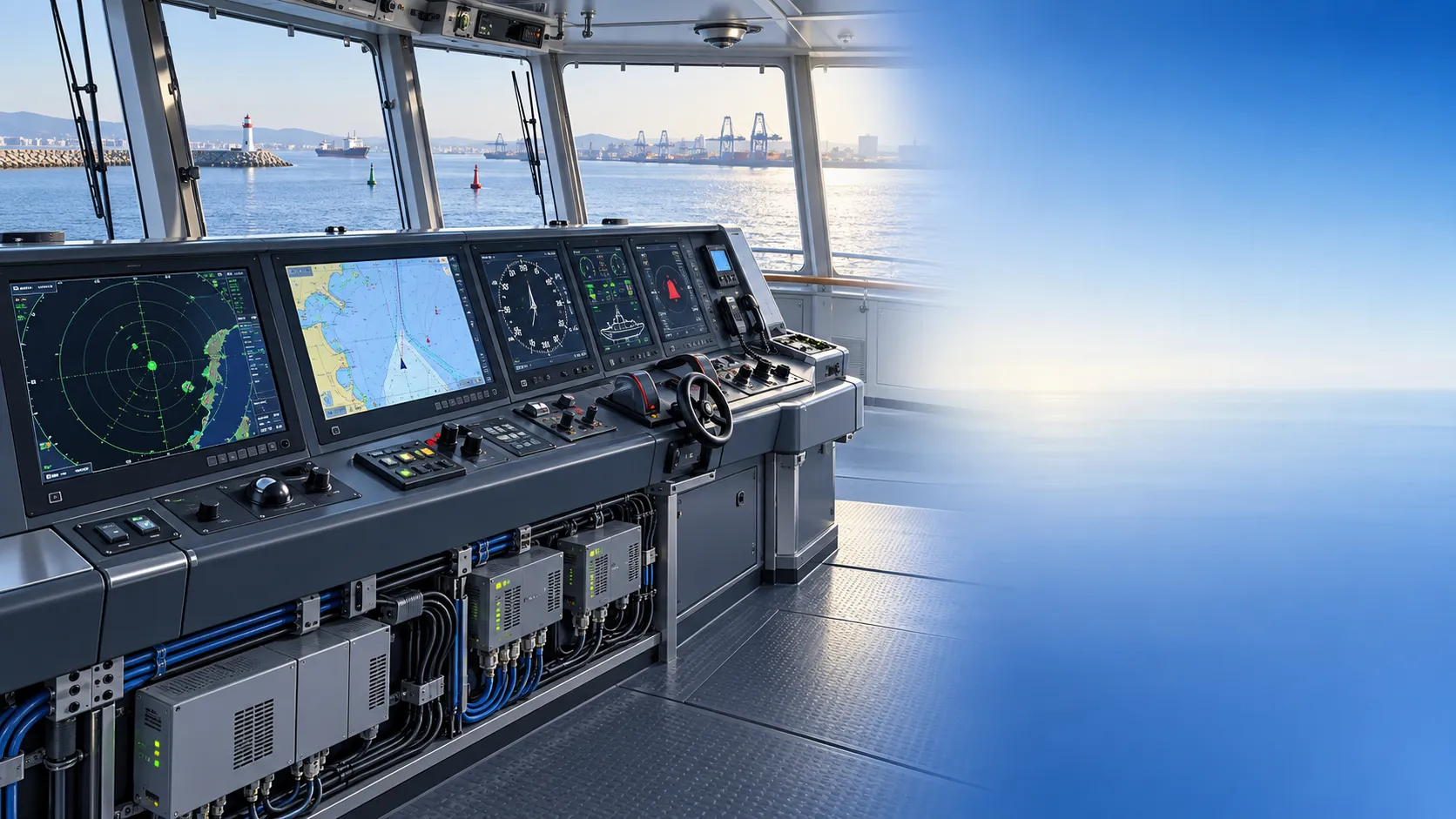
How to Specify Integrated Marine Electronics for Reliable Bridge Operations
Integrated marine electronics: learn how to specify reliable bridge systems with clear data flows, redundancy, alarm control, lifecycle interfaces, and operational testing.

How to Evaluate Navigation Radar Manufacturers for Commercial Vessel Projects
Navigation radar manufacturers: learn how to compare performance, compliance, integration, support, and lifecycle cost for commercial vessel projects.
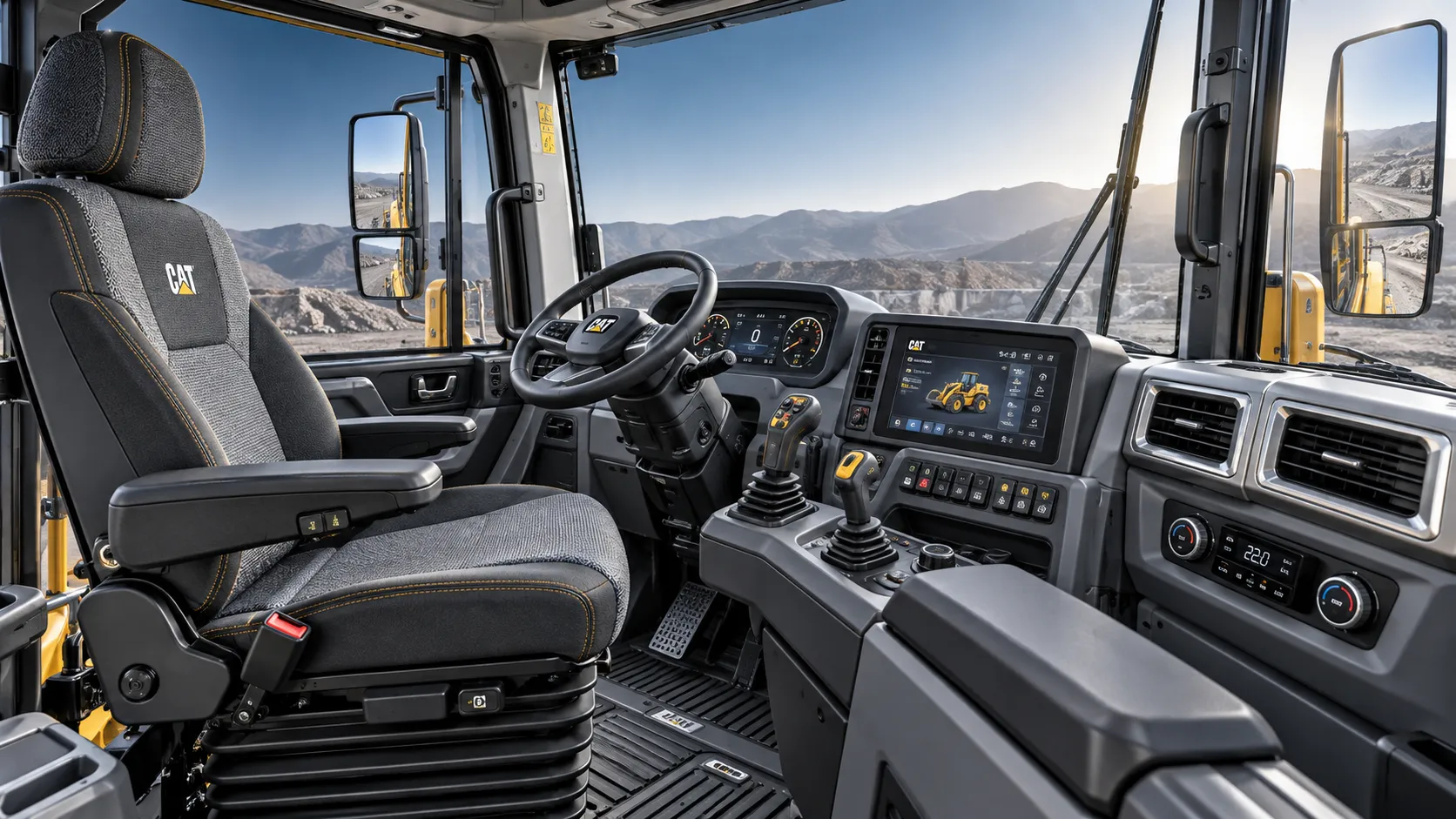
How Adjustable Cabin Ergonomics Reduce Operator Fatigue in Long-Shift Vehicles
Adjustable cabin ergonomics reduces operator fatigue through better seating, reach, visibility, vibration control, and climate comfort for safer long-shift vehicles.
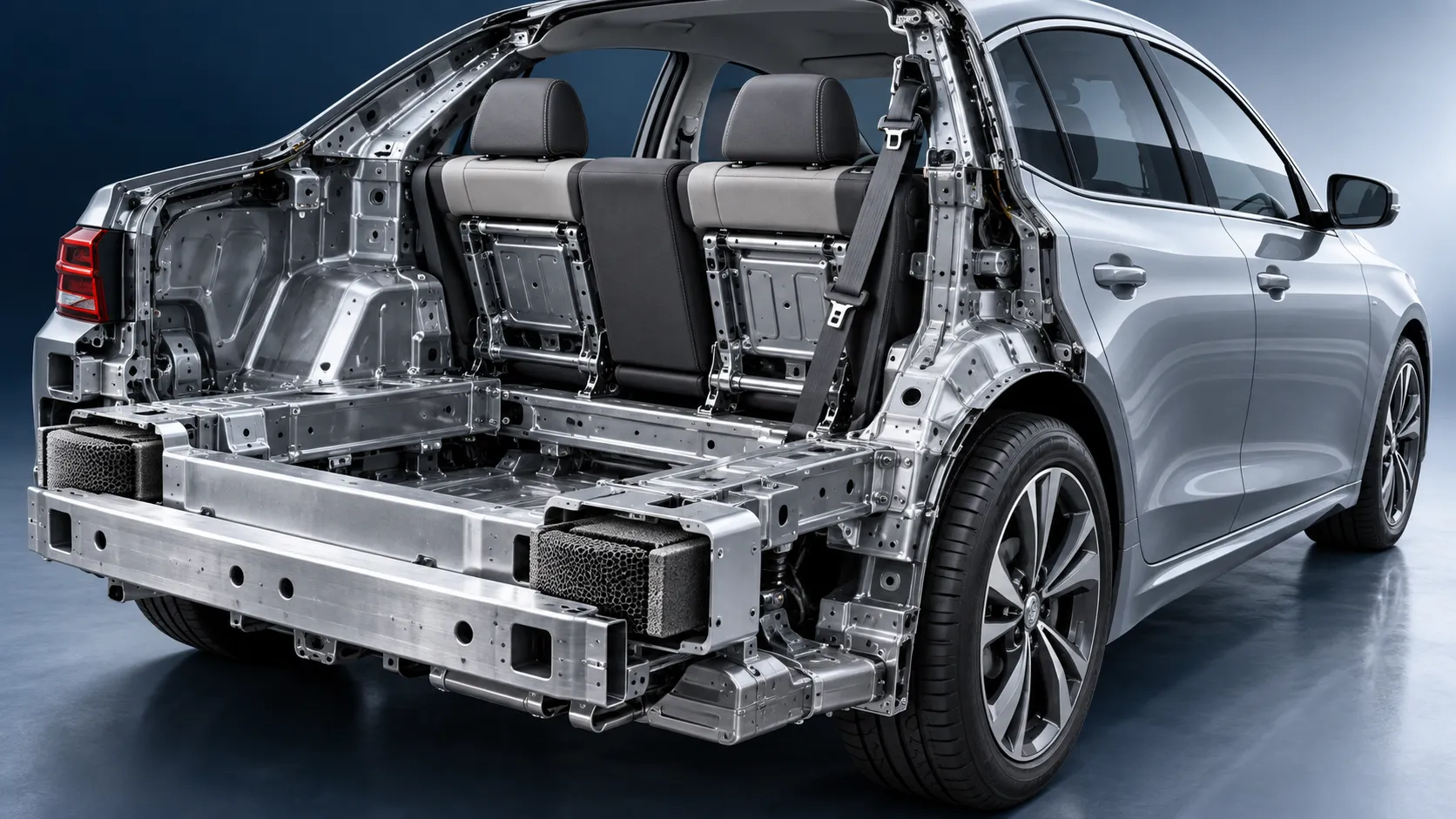
How Rear-Impact Safety Components Work Together to Protect Vehicle Occupants
Explore how automotive safety components for rear impact work together—from crash structures and seats to head restraints and belts—to enhance occupant protection.
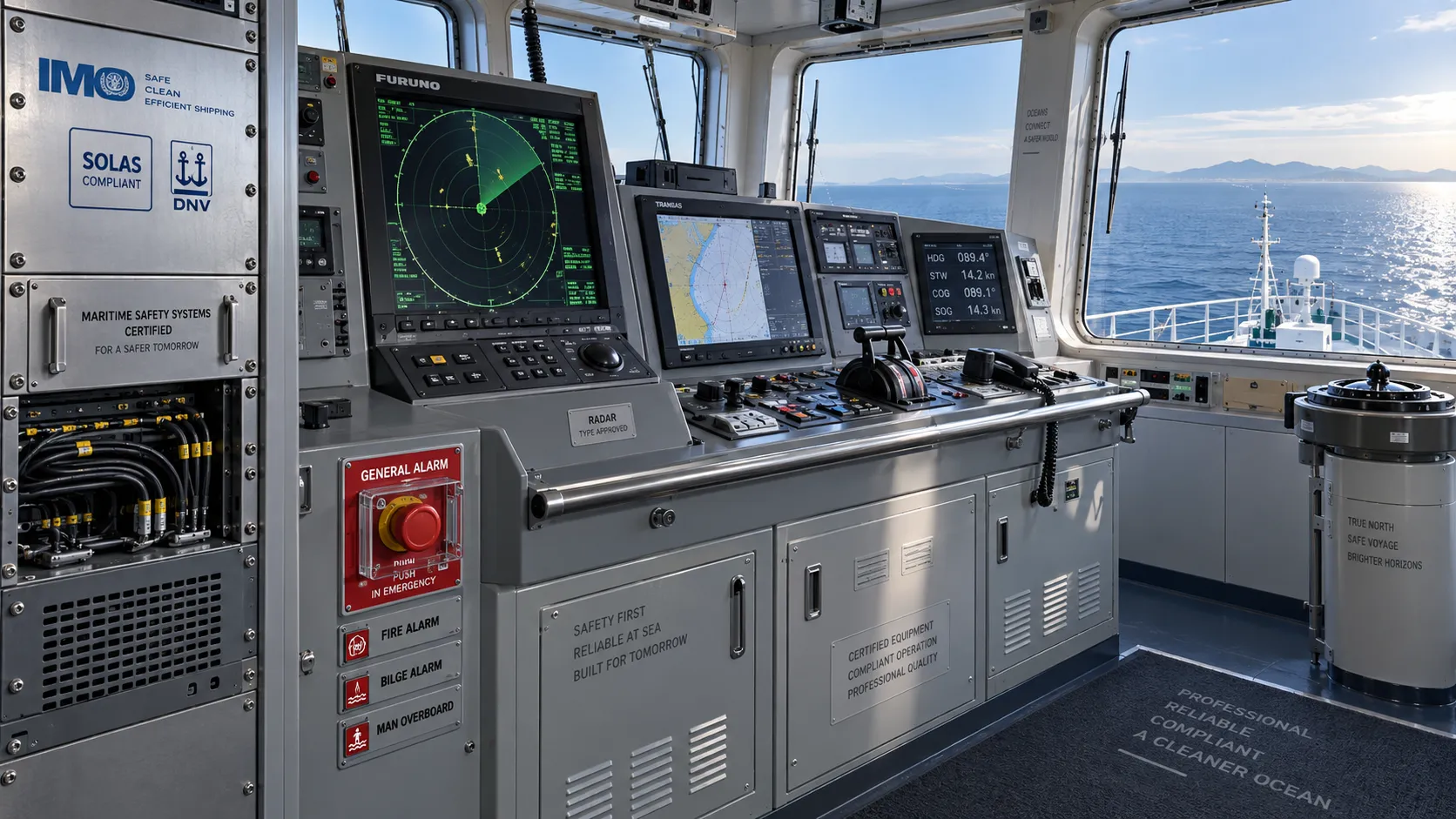
How to Evaluate a Marine Safety Systems Manufacturer for Vessel Compliance and Reliability
Marine safety systems manufacturer evaluation guide: verify compliance, engineering quality, lifecycle costs, and global service support for safer, reliable vessel operations.
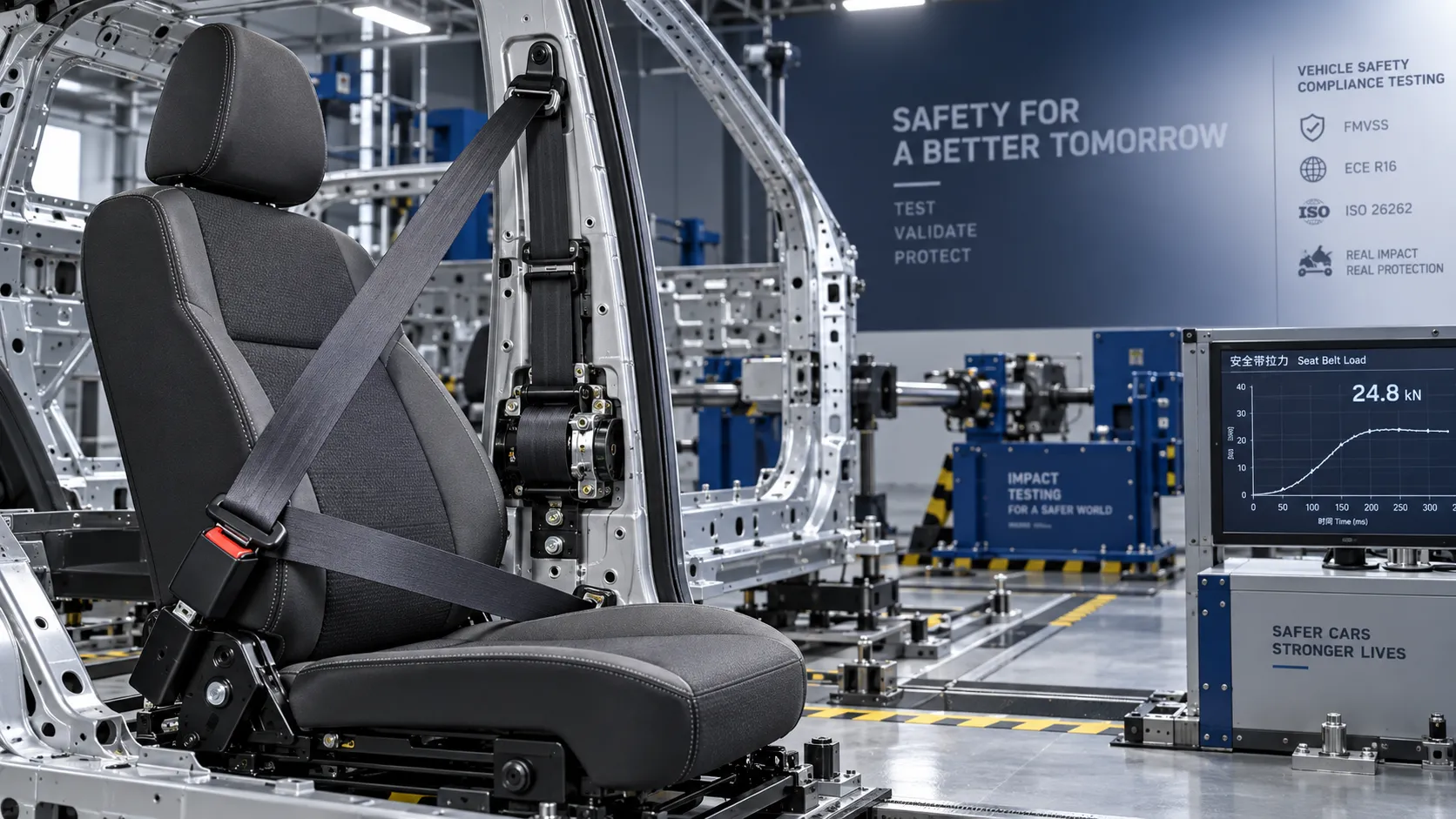
Crash Test Regulations for Seatbelts: Key Compliance Requirements Explained
Crash test regulations seatbelts explained: explore FMVSS, UN rules, anchorage strength, and dynamic restraint testing for safer, compliant vehicle systems.
How to Calculate the Total Cost of Automotive Lightweighting for a Vehicle Program
Automotive lightweight solutions cost: learn how to calculate program-level costs, including materials, tooling, joining, validation, risk, and vehicle-level value.
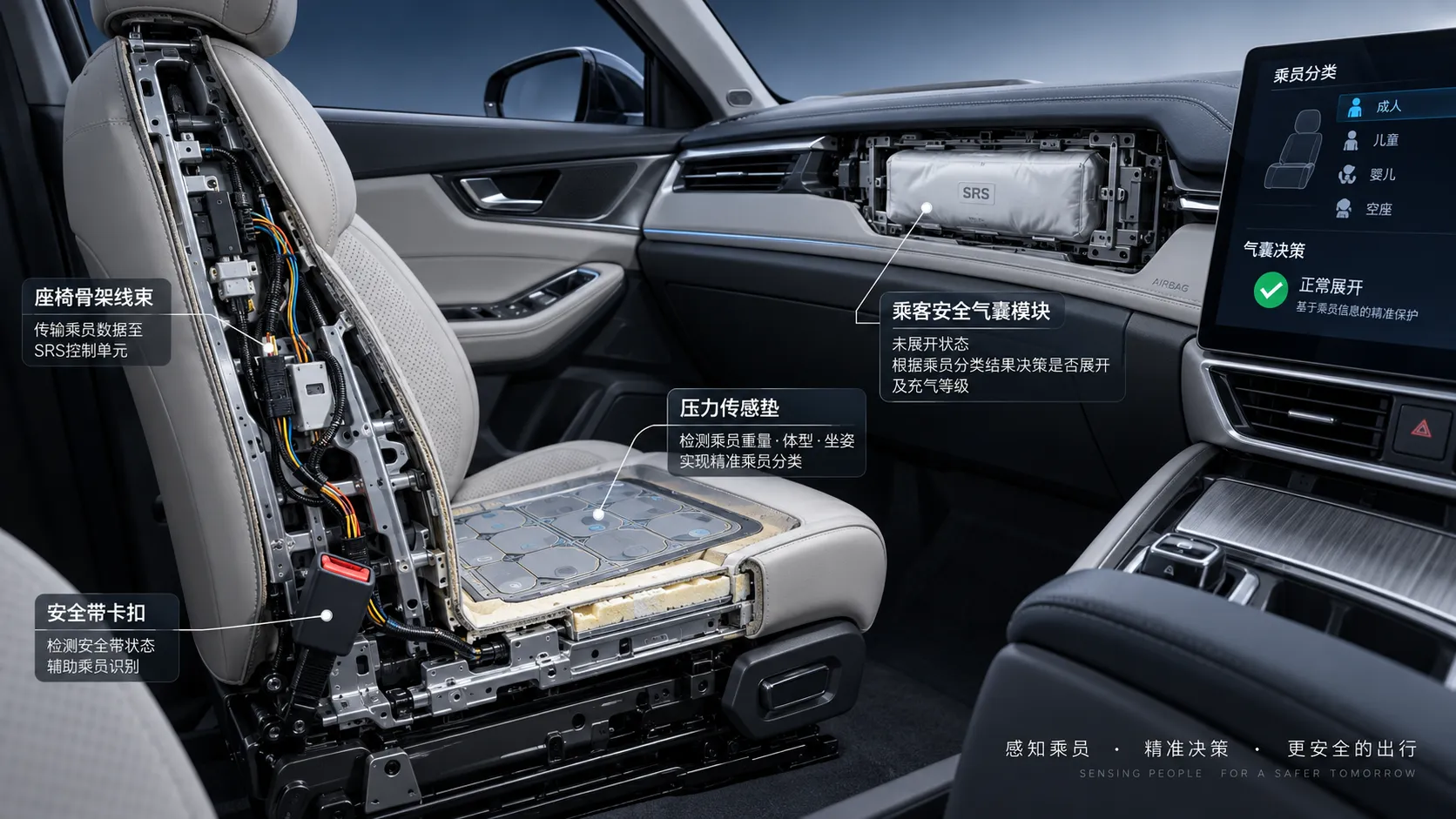
How Automotive Seat Occupancy Sensing Improves Airbag Deployment Decisions
Automotive seat occupancy sensing helps optimize airbag deployment decisions, improving passenger classification, safety diagnostics, and compliance across real-world conditions.
What Drives Lightweight Body Component Costs in High-Volume Vehicle Programs?
Lightweight body components cost depends on material yield, forming, joining, tooling, validation, and logistics. Explore proven ways to optimize total vehicle program cost.
Related News
- 00
0000-00
What European OEMs Should Evaluate When Sourcing Memory Seat Modules - 00
0000-00
How to Evaluate Custom Smart Automotive Seating for Premium Vehicle Programs? - 00
0000-00
How to Evaluate Custom Smart Seating Solutions for Comfort, Safety, and Integration? - 00
0000-00
What Affects Memory Seat Modules Price? Cost Drivers and Spec Trade-Offs - 00
0000-00
Smart Seat Systems Price Breakdown: What Drives Cost Across Sensors, Motors, and Modules?
Weekly Insights
Stay ahead with our curated technology reports delivered every Monday.