
When hot stamping processes save cost and when they do not
For project teams balancing performance, timing, and budget, hot stamping processes deserve careful financial review. They can lower total program cost, but only under specific product, volume, and manufacturing conditions.
In automotive lightweight structures, marine equipment housings, and safety-critical components, the value of hot stamping processes often comes from system-level simplification. The real savings rarely come from forming alone.
This article answers the most common cost questions around hot stamping processes. It explains where savings are real, where hidden costs appear, and how to judge the business case more accurately.
What do hot stamping processes actually change in the cost structure?
Hot stamping processes heat sheet material, form it at high temperature, and quench it in the die. This creates very high strength parts with controlled geometry and crash behavior.
The direct process cost is usually higher than conventional cold stamping. Furnaces, die cooling, line integration, and tighter process monitoring all raise capital and operating requirements.
However, cost evaluation should not stop at piece price. Hot stamping processes may reduce the number of parts, welds, reinforcements, and assembly steps in the final structure.
That is why a high-cost forming step can still produce a lower total system cost. The winning logic is structural efficiency, not cheap press time.
Typical cost elements affected include:
- Material gauge and blank weight
- Part count and reinforcement strategy
- Welding, joining, and fixture complexity
- Dimensional stability and scrap risk
- Crash compliance margin
- Tooling life and launch tuning effort
When do hot stamping processes usually save cost?
Hot stamping processes tend to save cost when a component must deliver both lightweighting and very high crash strength. In these cases, cold formed solutions often need extra parts and added joining operations.
1. When one hot-stamped part replaces several conventional parts
This is one of the strongest cost-saving cases. A single high-strength component can replace a multi-piece assembly built from thicker or lower-strength stampings.
Savings may appear in welding cells, tooling count, tolerance stack-up, and quality inspection. Fewer interfaces also improve structural consistency.
2. When mass reduction creates downstream value
In mobility sectors, lower mass can justify the process. Lighter structures may improve fuel economy, electric range, payload balance, or vessel efficiency.
The value is stronger when the weight reduction avoids redesign elsewhere. For example, smaller brackets, simpler supports, or reduced reinforcement loops can unlock additional savings.
3. When safety performance would otherwise require expensive redesign
Hot stamping processes are often chosen for B-pillars, door beams, tunnel parts, and roof rails because crash energy management is critical.
If a conventional design struggles to pass crash targets, repeated redesign cycles can become expensive. A hot-stamped concept may reduce testing iterations and compliance risk.
4. When production volume supports the investment
Hot stamping processes usually make more sense in stable, medium-to-high volume programs. The fixed investment is easier to absorb when utilization remains strong over time.
If the platform architecture stays consistent across multiple variants, the cost case improves further. Shared technical logic strengthens return on tooling and process development.
When do hot stamping processes fail to save cost?
Not every strong part needs hot forming. In some programs, hot stamping processes increase cost without enough structural or commercial return.
1. When the design is simple and cold stamping already works
If a part can meet strength, formability, and dimensional targets using conventional high-strength steel, the premium process may be unnecessary.
This is common in brackets, covers, non-crash parts, and low-demand structures. In such cases, hot stamping processes may add cost without delivering meaningful system benefit.
2. When annual volume is too low
Low volume programs struggle to recover furnace, die, automation, and process validation investment. Piece cost rises quickly when line loading is weak.
This issue becomes more visible in specialized vehicles, niche mobility platforms, or fragmented product portfolios with frequent engineering changes.
3. When logistics and supply chain add hidden cost
Hot stamping processes often depend on qualified material supply, coating control, and specialized production capability. Geographic distance can raise freight, inventory, and scheduling risk.
If the supply base is limited, the nominal process advantage may be offset by supplier concentration risk or delayed launch readiness.
4. When downstream trimming, piercing, or joining becomes difficult
Very hard parts can complicate post-form operations. Laser trimming, hole quality control, and joining compatibility may increase cost beyond the original estimate.
In those cases, the full manufacturing route matters more than the headline forming technology. Hot stamping processes must be evaluated as one chain.
Which hidden costs are most often overlooked?
The biggest mistake is comparing only forming price against cold stamping price. Several hidden items can change the answer significantly.
- Prototype and tryout time for thermal process tuning
- Die cooling design and maintenance burden
- Energy consumption and uptime sensitivity
- Coated blank sourcing and quality variation
- Tool wear in trimming and piercing stages
- Inspection investment for hardness and dimensional consistency
- Launch scrap during recipe stabilization
Another hidden issue is design lock-in. Once the architecture depends on hot stamping processes, late geometry changes may become more expensive than expected.
That matters in regulated safety programs. Compliance shifts, crash model updates, or packaging changes can reshape the economic outcome late in development.
How should hot stamping processes be compared with alternatives?
A sound comparison should include total landed cost, structural performance, launch risk, and lifecycle flexibility. Piece price alone is not enough.
Useful alternatives may include cold stamping with advanced high-strength steel, roll forming, hydroforming, tailored blanks, or mixed-material assemblies.
The best comparison question is simple: does the selected route lower total system cost while meeting strength, safety, and timing targets with acceptable risk?
How can a program judge the business case with more confidence?
A disciplined business case for hot stamping processes should combine engineering and commercial logic from the beginning. Cost savings are strongest when design intent and manufacturing route align early.
Use this quick checklist before committing:
- Define whether the part is safety-critical or weight-critical.
- Measure how many parts and welds can be eliminated.
- Estimate volume stability across the full program life.
- Test post-form trimming, piercing, and joining economics.
- Include launch scrap, validation effort, and supply chain risk.
- Compare against at least two realistic alternative process routes.
If the answer relies only on theoretical mass reduction, the case may be weak. If it combines lighter weight, fewer parts, simpler assembly, and stronger safety margin, the case is often credible.
Quick FAQ summary table
In conclusion, hot stamping processes save cost when they create structural consolidation, reliable safety performance, and meaningful weight reduction at suitable volume.
They do not save cost when used as a default premium solution for parts that already work with simpler methods. The right decision comes from total value analysis, not process reputation.
For stronger results, review hot stamping processes at the platform level, model hidden manufacturing costs early, and validate alternatives before design freeze. That approach produces clearer economics and fewer late surprises.
Related News

How to Specify Integrated Marine Electronics for Reliable Bridge Operations
Integrated marine electronics: learn how to specify reliable bridge systems with clear data flows, redundancy, alarm control, lifecycle interfaces, and operational testing.

How to Evaluate Navigation Radar Manufacturers for Commercial Vessel Projects
Navigation radar manufacturers: learn how to compare performance, compliance, integration, support, and lifecycle cost for commercial vessel projects.
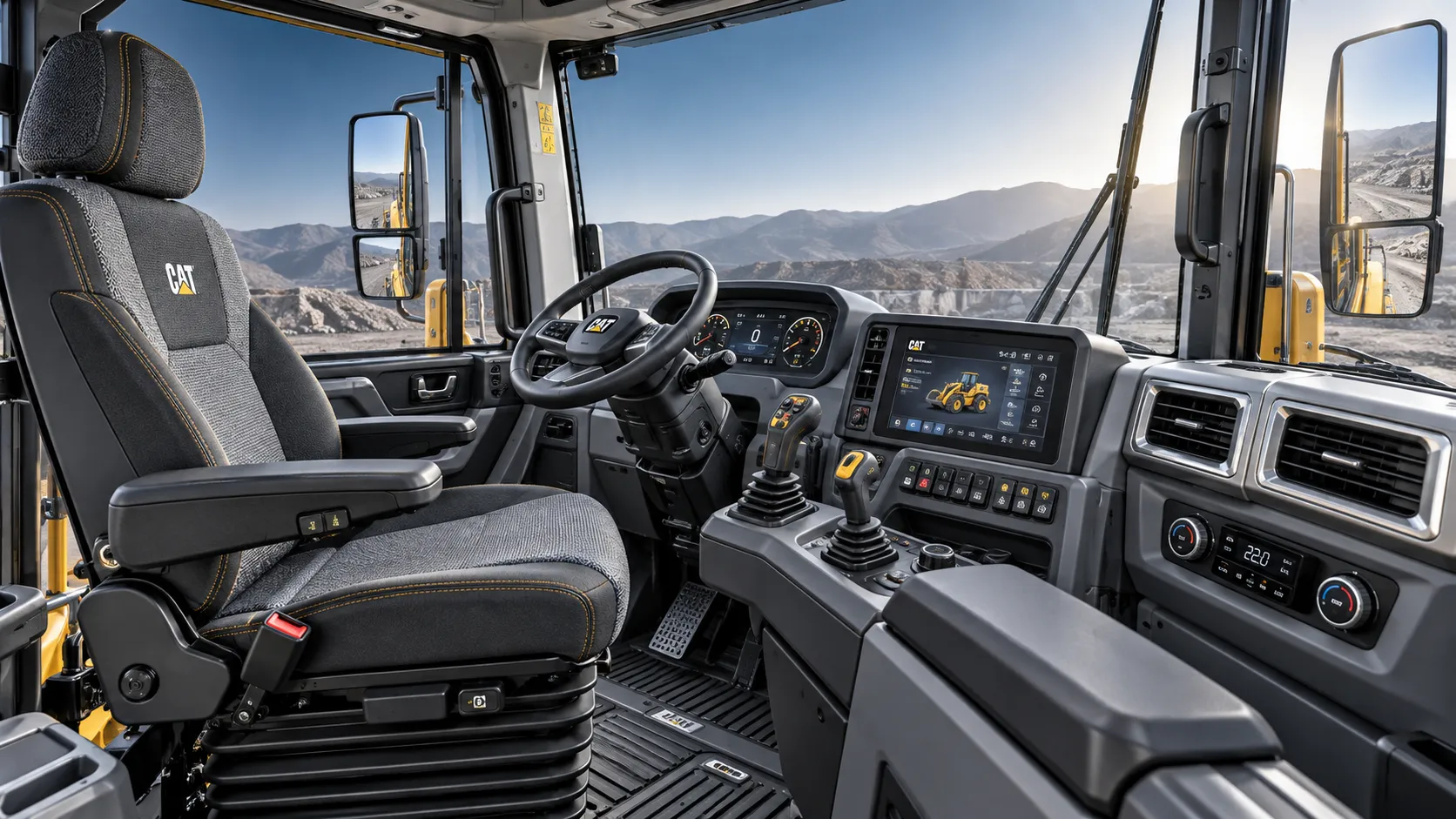
How Adjustable Cabin Ergonomics Reduce Operator Fatigue in Long-Shift Vehicles
Adjustable cabin ergonomics reduces operator fatigue through better seating, reach, visibility, vibration control, and climate comfort for safer long-shift vehicles.
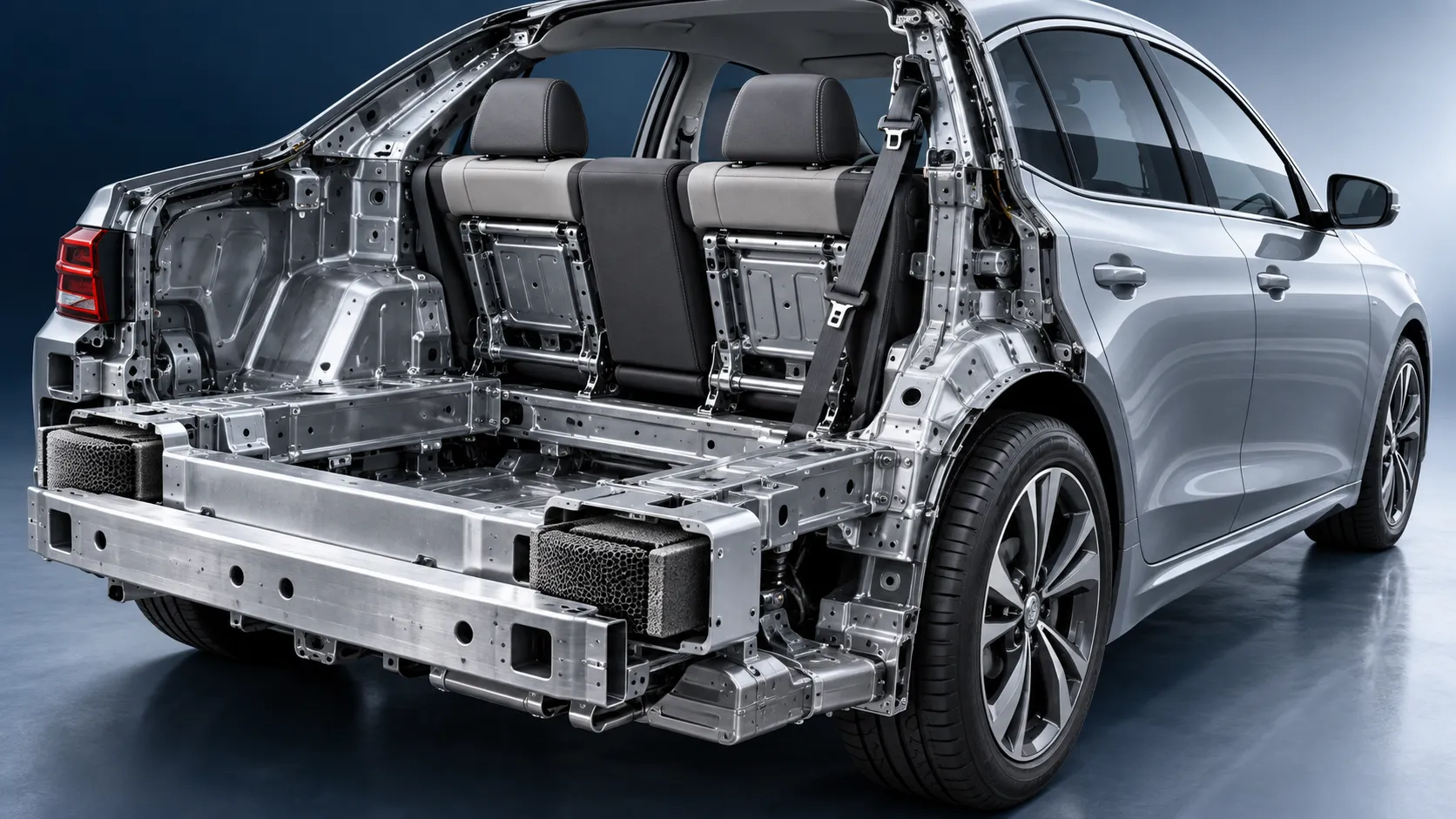
How Rear-Impact Safety Components Work Together to Protect Vehicle Occupants
Explore how automotive safety components for rear impact work together—from crash structures and seats to head restraints and belts—to enhance occupant protection.

How to Evaluate a Marine Safety Systems Manufacturer for Vessel Compliance and Reliability
Marine safety systems manufacturer evaluation guide: verify compliance, engineering quality, lifecycle costs, and global service support for safer, reliable vessel operations.
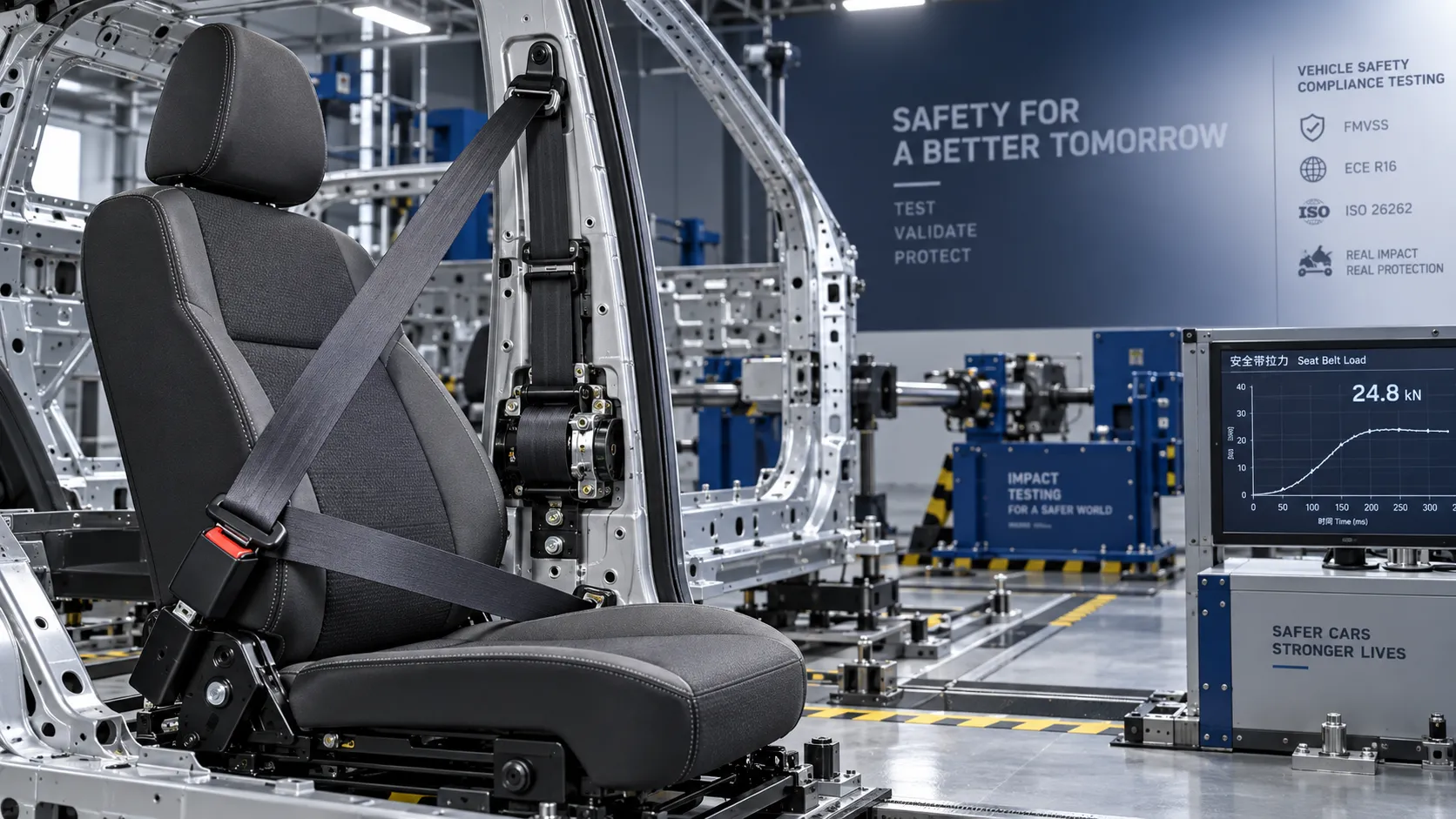
Crash Test Regulations for Seatbelts: Key Compliance Requirements Explained
Crash test regulations seatbelts explained: explore FMVSS, UN rules, anchorage strength, and dynamic restraint testing for safer, compliant vehicle systems.
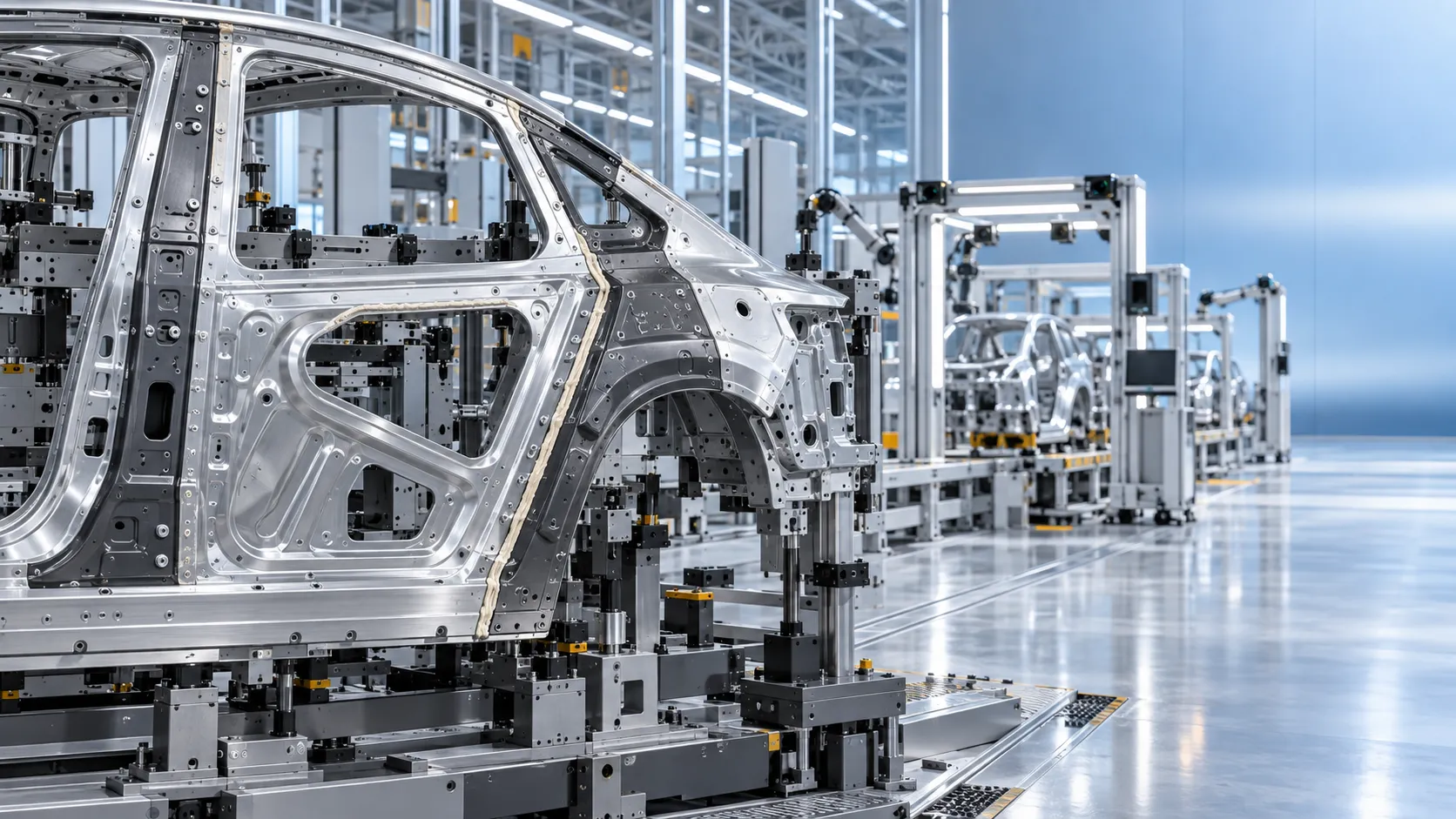
How to Calculate the Total Cost of Automotive Lightweighting for a Vehicle Program
Automotive lightweight solutions cost: learn how to calculate program-level costs, including materials, tooling, joining, validation, risk, and vehicle-level value.

How Automotive Seat Occupancy Sensing Improves Airbag Deployment Decisions
Automotive seat occupancy sensing helps optimize airbag deployment decisions, improving passenger classification, safety diagnostics, and compliance across real-world conditions.
What Drives Lightweight Body Component Costs in High-Volume Vehicle Programs?
Lightweight body components cost depends on material yield, forming, joining, tooling, validation, and logistics. Explore proven ways to optimize total vehicle program cost.
Related News
- 00
0000-00
How 22MnB5 Hot Stamping Balances Crash Strength and Formability in Body Parts - 00
0000-00
22MnB5 Hot Stamped Steel Parts: Key Properties, Forming Limits, and Typical Uses - 00
0000-00
How to Evaluate Hot Stamped Steel Parts for Crash Performance and Weight Targets - 00
0000-00
Hot Stamping Processes Explained: Materials, Forming Steps, and Common Quality Defects - 00
0000-00
Hot Stamping Processes: Steps, Tooling, and Part Quality Factors That Matter
Weekly Insights
Stay ahead with our curated technology reports delivered every Monday.