
Hot Stamping Processes: Steps, Tooling, and Part Quality Factors That Matter
Hot stamping processes sit at the center of lightweight structures, crash performance, and program timing. For sectors tracked by GNCS, they matter because a single formed part often carries structural, safety, and compliance responsibility at once.
In automotive body systems, especially pillars, rails, and reinforcements, the process allows very high strength without excessive mass. That balance affects vehicle range, occupant protection, tooling budgets, and launch stability more directly than many upstream decisions.
The same logic also fits broader mobility manufacturing. When design teams ask for thinner gauges, tighter packaging, and better energy management, hot stamping processes become less of a forming option and more of a strategic manufacturing route.
Why hot stamping remains a priority
The strongest interest comes from the collision between lightweighting goals and safety rules. A body structure must absorb and redirect crash energy, yet it must also support cost targets and global production consistency.
That is why hot stamped boron steel components remain common in safety-critical zones. They can reach very high tensile strength after quenching, while still being formable when heated to the right temperature window.
GNCS follows this topic closely because it connects directly with passive safety architecture. A hot-stamped B-pillar, roof rail, or door ring does not work in isolation. It must perform alongside airbags, seatbelts, and seating restraint geometry.
In practice, this means part quality is not only a stamping issue. It is a system-level issue tied to crashworthiness, assembly precision, and downstream certification confidence.
What the process really involves
Hot stamping processes usually start with a coated steel blank, often aluminum-silicon coated boron steel. The blank is cut to shape first, then moved into a furnace for controlled heating.
Once the material reaches its austenitizing range, it becomes formable enough for complex geometry. The heated blank is then transferred quickly into a cooled die, where forming and quenching happen almost together.
This combined action is what makes hot stamping processes different from conventional cold stamping. The die does not simply shape the part. It also removes heat fast enough to lock in the intended martensitic structure.
Typical production sequence
- Blank preparation, including geometry, coating selection, and edge condition control.
- Furnace heating with stable temperature, atmosphere, and residence time.
- Rapid transfer from furnace to press with minimal heat loss.
- Forming in water-cooled tooling under controlled press force.
- In-die quenching to achieve final mechanical properties.
- Trimming, piercing, inspection, and sometimes laser processing.
Each step influences the next one. A furnace variation can become a dimensional issue. A transfer delay can become a hardness issue. That chain effect is why launch teams cannot evaluate the process one station at a time.
Tooling decisions shape both quality and economics
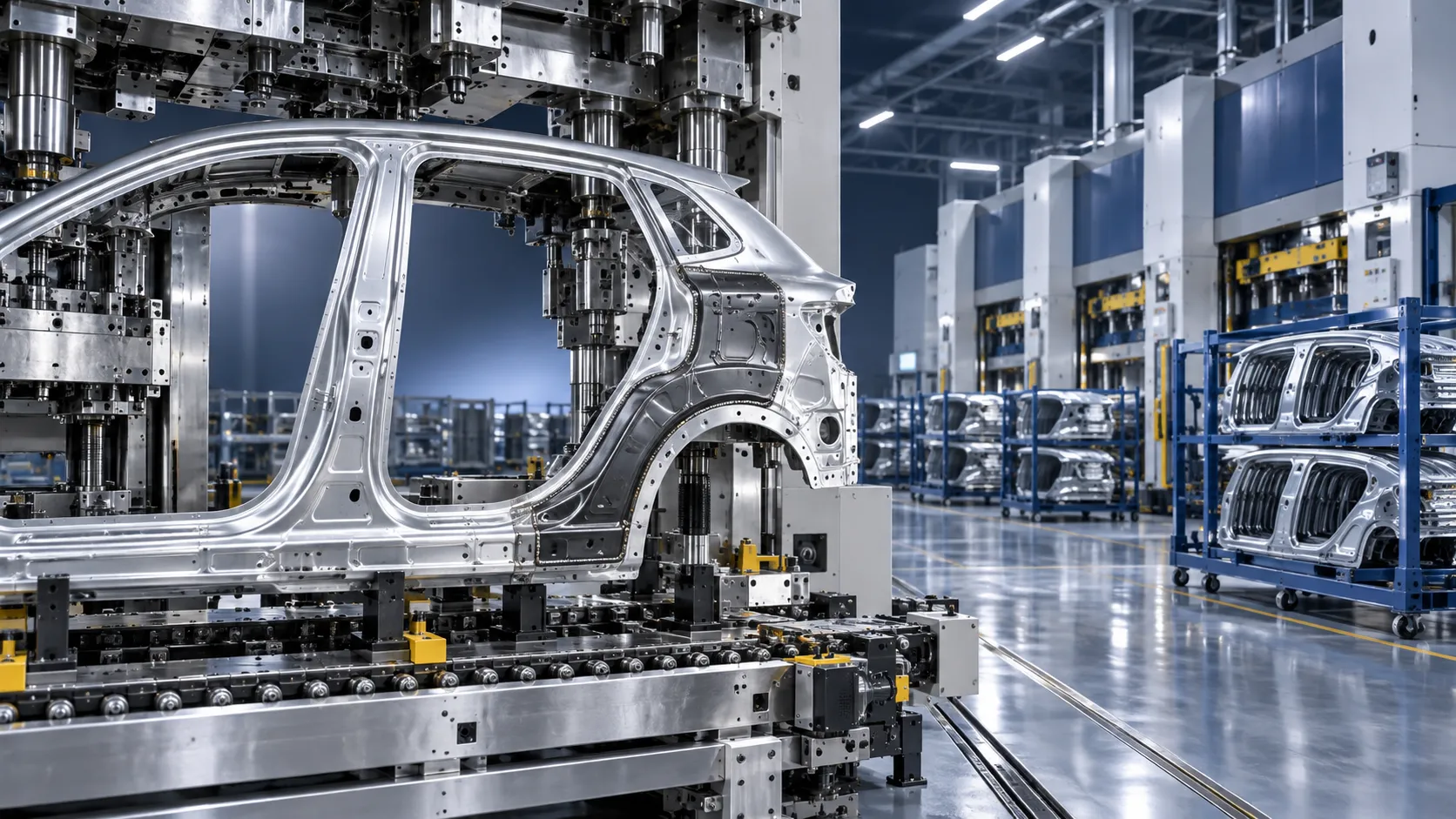
Tooling for hot stamping processes carries a heavier burden than standard forming dies. It must withstand thermal cycling, maintain geometry, control cooling rates, and support stable output across long production runs.
The die material, cooling channel layout, surface treatment, and venting strategy all affect part quality. Weak cooling uniformity often shows up later as inconsistent hardness, distortion, or excessive springback in local regions.
Press line design matters as well. Transfer automation, cycle time balance, and thermal protection between furnace and die can decide whether a planned process is robust or only workable under ideal trial conditions.
Tooling points worth close review
In business terms, the tooling question is rarely just about capital expenditure. It is about how much process variation the program can absorb after SOP without quality escapes or expensive containment actions.
Part quality factors that matter most
The quality of hot stamped parts is judged across several dimensions at once. Strength alone is not enough. A part can meet hardness targets and still create major problems in assembly or crash performance.
Mechanical properties
The expected tensile strength depends on proper heating, transfer, forming, and quenching. If the cooling rate drops below the required threshold, the final microstructure may become mixed, reducing performance predictability.
Dimensional stability
Dimensional variation often comes from uneven temperature fields, nonuniform die contact, or trimming effects. This becomes critical in body-in-white assemblies where stack-up errors can affect welding, door fit, and sensor packaging.
Surface and edge condition
Surface scale, coating behavior, and edge cracking are frequent watch points. In some cases, the part passes forming but fails later during trimming, flanging, joining, or corrosion validation.
Property consistency
One good trial run proves little. Repeatability across shifts, coils, and plants is what determines whether hot stamping processes are ready for a global platform or only a local pilot volume.
Where these process choices show up in real programs
Automotive body structures remain the clearest use case. A-pillars, B-pillars, bumper beams, tunnel reinforcements, side impact members, and roof components often rely on hot stamping processes for strength-to-weight efficiency.
The wider industrial value is similar wherever structural parts must resist impact, remain lightweight, and fit tightly into complex assemblies. That includes specialty transport equipment and selected mobility systems beyond passenger vehicles.
From the GNCS perspective, the relevance is broader than the press shop. Structural stiffness influences restraint timing, occupant kinematics, and the packaging logic of airbags, seatbelts, and smart seats.
That link matters because mobility safety is increasingly evaluated as an integrated system. Material choice, forming route, restraint design, and regulatory performance are now part of the same decision chain.
How to evaluate hot stamping processes more effectively
A useful review starts by separating appearance from capability. Many process plans look stable during development, yet fail later because the validation window was too narrow or the tooling assumptions were too optimistic.
- Check whether part geometry suits hot forming rather than forcing cold-stamping logic into a heated process.
- Review furnace, transfer, and die data together, not as isolated equipment decisions.
- Confirm how hardness, microstructure, and dimensional results are sampled across the full part.
- Look beyond prototype success and examine maintenance, uptime, and global replication risk.
- Align the forming strategy with crash targets, joining methods, and downstream corrosion requirements.
Usually, the strongest programs build shared criteria early. That means design, manufacturing, quality, and safety teams agree on what part success actually means before tooling release.
What deserves attention next
The next wave of interest is not only faster cycle time. It includes tailored properties, digital traceability, simulation accuracy, and stronger links between forming data and crash outcomes.
For teams comparing future body strategies, hot stamping processes should be assessed alongside aluminum forming, mixed-material joining, and changing regulatory expectations. The right answer depends on system performance, not on one material trend.
A practical next step is to map each critical part against four questions: required strength, allowable variation, tooling complexity, and safety relevance. That framework usually reveals whether the current process plan is mature, underdeveloped, or misaligned.
For organizations following GNCS intelligence, the value lies in connecting forming science with safety architecture and market direction. That broader view makes hot stamping processes easier to judge, and far easier to deploy with confidence.
Related News

How to Specify Integrated Marine Electronics for Reliable Bridge Operations
Integrated marine electronics: learn how to specify reliable bridge systems with clear data flows, redundancy, alarm control, lifecycle interfaces, and operational testing.

How to Evaluate Navigation Radar Manufacturers for Commercial Vessel Projects
Navigation radar manufacturers: learn how to compare performance, compliance, integration, support, and lifecycle cost for commercial vessel projects.
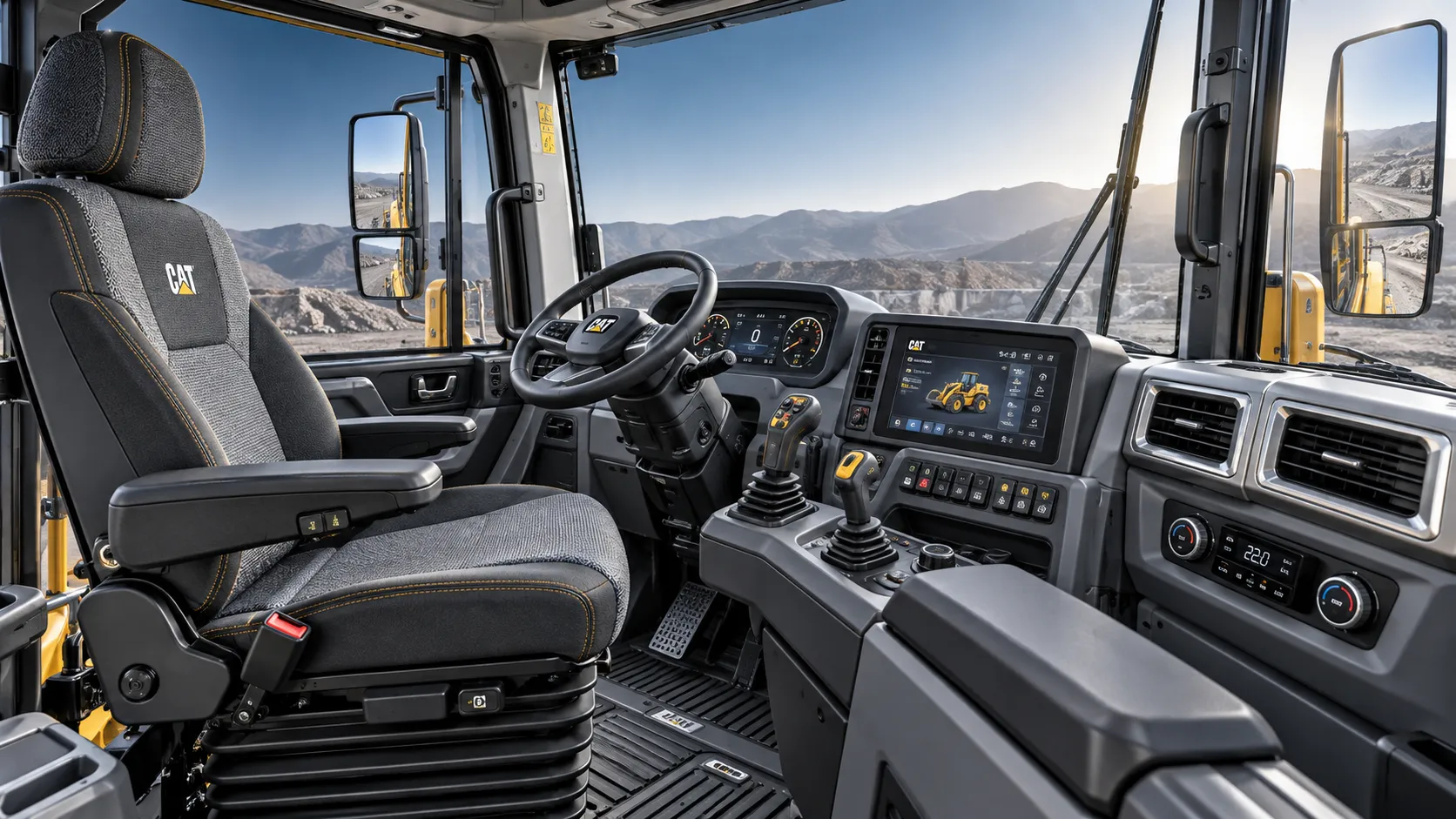
How Adjustable Cabin Ergonomics Reduce Operator Fatigue in Long-Shift Vehicles
Adjustable cabin ergonomics reduces operator fatigue through better seating, reach, visibility, vibration control, and climate comfort for safer long-shift vehicles.
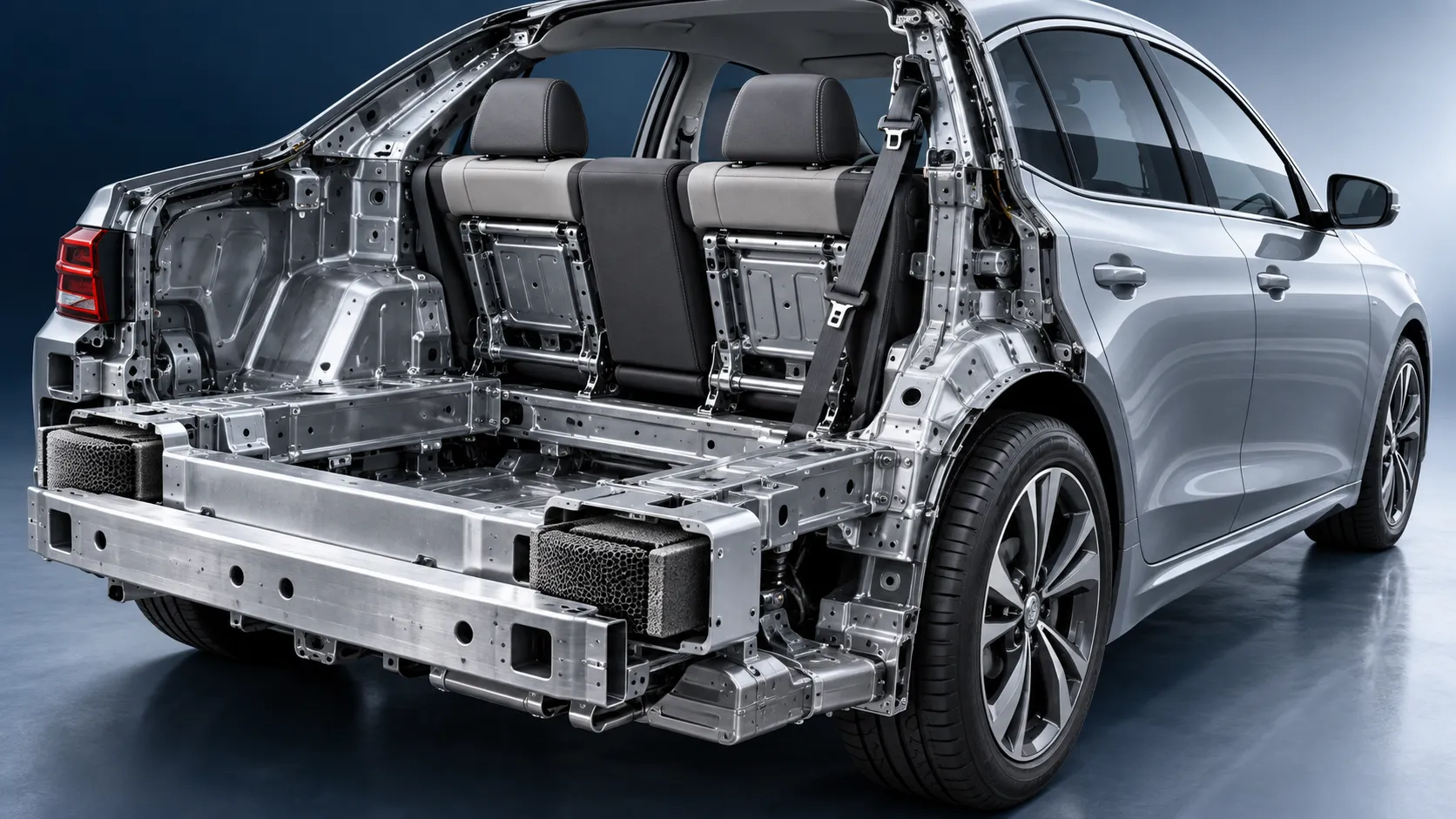
How Rear-Impact Safety Components Work Together to Protect Vehicle Occupants
Explore how automotive safety components for rear impact work together—from crash structures and seats to head restraints and belts—to enhance occupant protection.

How to Evaluate a Marine Safety Systems Manufacturer for Vessel Compliance and Reliability
Marine safety systems manufacturer evaluation guide: verify compliance, engineering quality, lifecycle costs, and global service support for safer, reliable vessel operations.
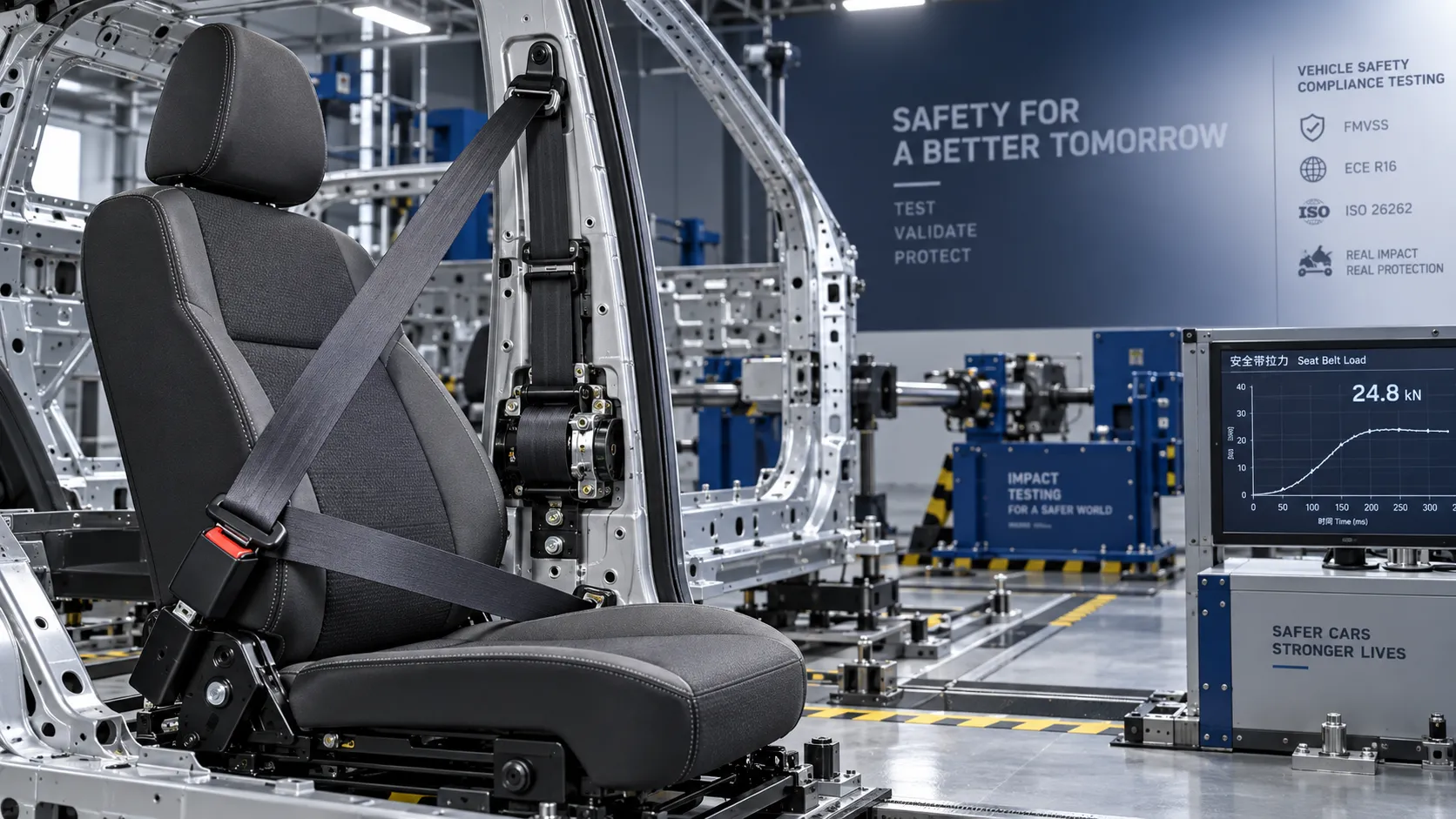
Crash Test Regulations for Seatbelts: Key Compliance Requirements Explained
Crash test regulations seatbelts explained: explore FMVSS, UN rules, anchorage strength, and dynamic restraint testing for safer, compliant vehicle systems.
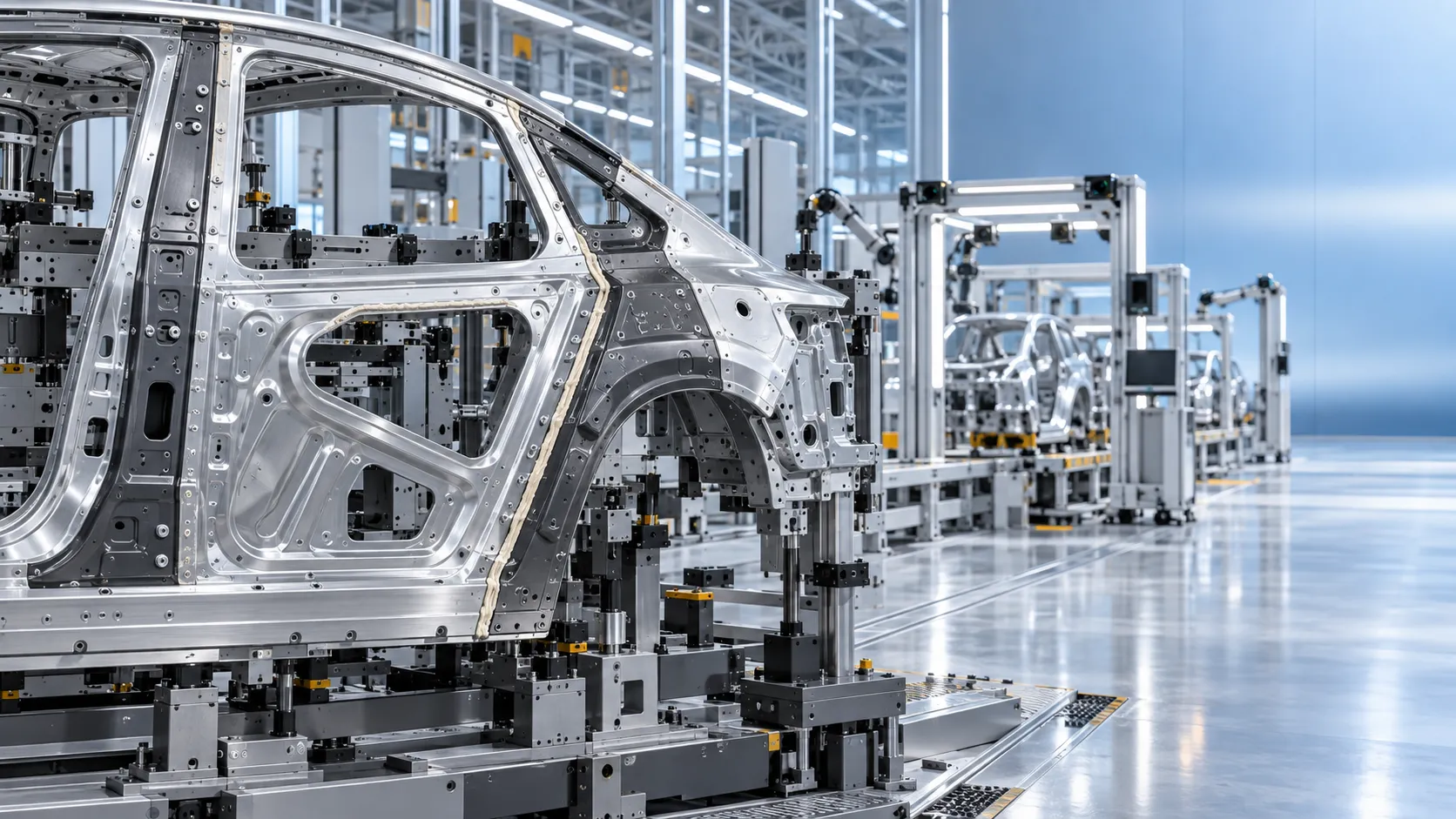
How to Calculate the Total Cost of Automotive Lightweighting for a Vehicle Program
Automotive lightweight solutions cost: learn how to calculate program-level costs, including materials, tooling, joining, validation, risk, and vehicle-level value.

How Automotive Seat Occupancy Sensing Improves Airbag Deployment Decisions
Automotive seat occupancy sensing helps optimize airbag deployment decisions, improving passenger classification, safety diagnostics, and compliance across real-world conditions.
What Drives Lightweight Body Component Costs in High-Volume Vehicle Programs?
Lightweight body components cost depends on material yield, forming, joining, tooling, validation, and logistics. Explore proven ways to optimize total vehicle program cost.
Related News
- 00
0000-00
How 22MnB5 Hot Stamping Balances Crash Strength and Formability in Body Parts - 00
0000-00
22MnB5 Hot Stamped Steel Parts: Key Properties, Forming Limits, and Typical Uses - 00
0000-00
How to Evaluate Hot Stamped Steel Parts for Crash Performance and Weight Targets - 00
0000-00
Hot Stamping Processes Explained: Materials, Forming Steps, and Common Quality Defects - 00
0000-00
Hot Stamping Processes: Steps, Tooling, and Part Quality Factors That Matter
Weekly Insights
Stay ahead with our curated technology reports delivered every Monday.