
Passive Safety Components: Key Types, Functions, and Where They Matter Most
Why passive safety components deserve closer attention
Passive safety components sit quietly inside modern mobility systems, yet they define what happens when prevention is no longer enough.
They do not avoid a crash. They manage energy, control occupant movement, and reduce injury during impact.
That makes them central to vehicle design, supplier evaluation, regulatory compliance, and long-term platform planning.
In the broader GNCS view of mobility, this topic also connects with lightweight body structures, smart seating, and global safety rules.
The result is not a single part category, but a coordinated protection system built around physical containment and controlled deceleration.
What counts as passive safety components
The term usually covers parts designed to protect occupants once an incident occurs.
Unlike active systems, such as braking assistance or lane support, passive safety components work through structure, restraint, inflation, and absorption.
In practical terms, they include restraint systems, airbag modules, crash structures, seat frames, head restraints, and interior energy-absorbing elements.
Their value is measured less by visibility and more by timing, load paths, deployment accuracy, and injury outcome.
A system rather than a single component
A seatbelt without a tuned seat structure is incomplete.
An airbag without correct sensing and occupant positioning can underperform.
A strong body shell without controlled crumple zones may transfer too much force into the cabin.
This is why passive safety components are assessed as an integrated architecture, not a box of independent parts.
The key types shaping occupant protection
Some categories matter across nearly every vehicle platform, while others become critical in specific layouts or use cases.
Seatbelt systems
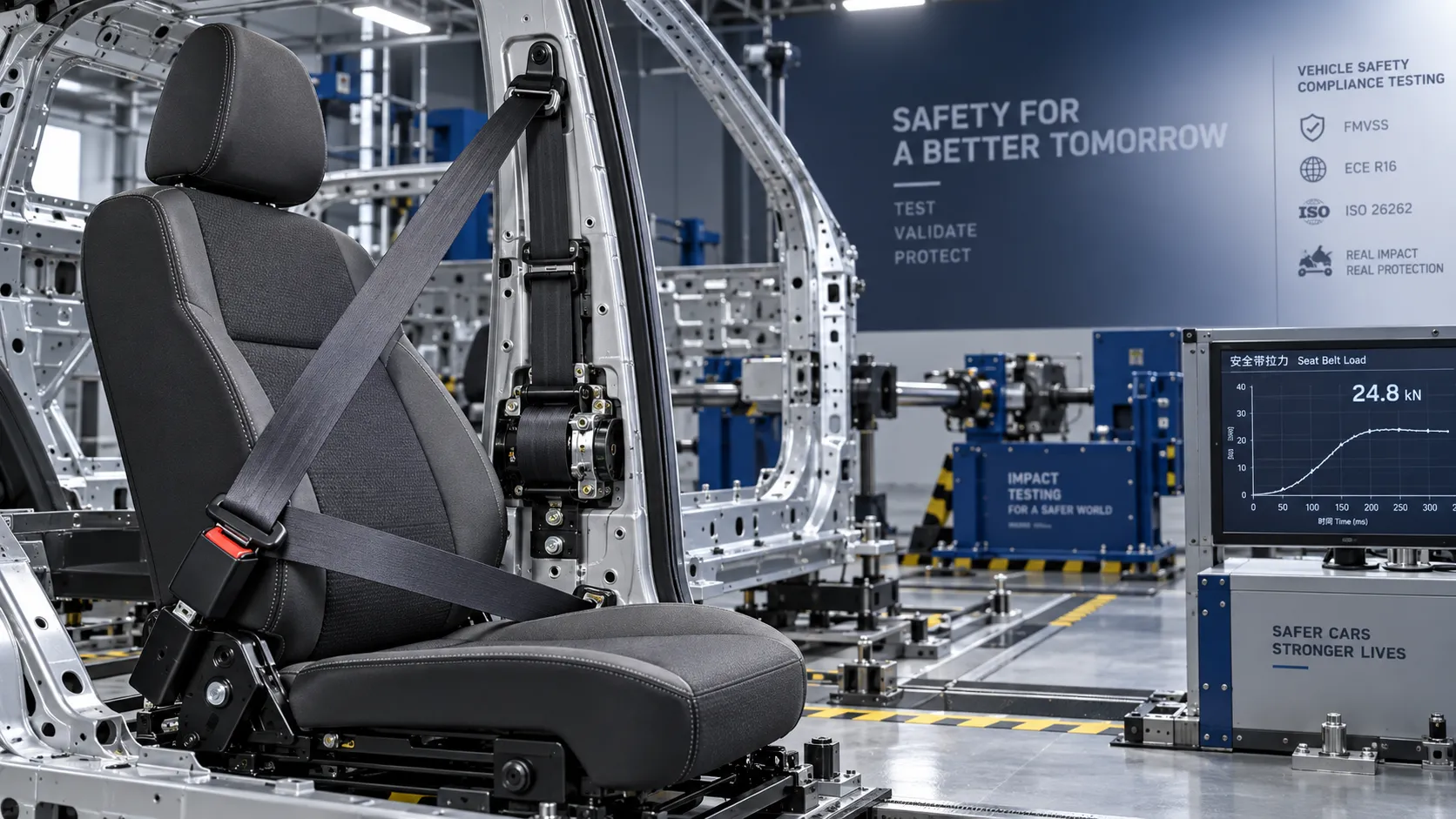
Seatbelts remain the first restraint layer in most crash events.
Pretensioners remove slack early, while load limiters reduce chest force after peak restraint begins.
This balance between firmness and controlled release is one of the most important functions in passive safety components.
Airbag assemblies
Frontal, side, curtain, knee, and center airbags address different impact directions and occupant motions.
Their effectiveness depends on inflator chemistry, venting behavior, fabric strength, folding method, and deployment timing.
GNCS closely tracks this area because chemical evolution and electronics integration are changing both safety performance and compliance expectations.
Body structures and stampings
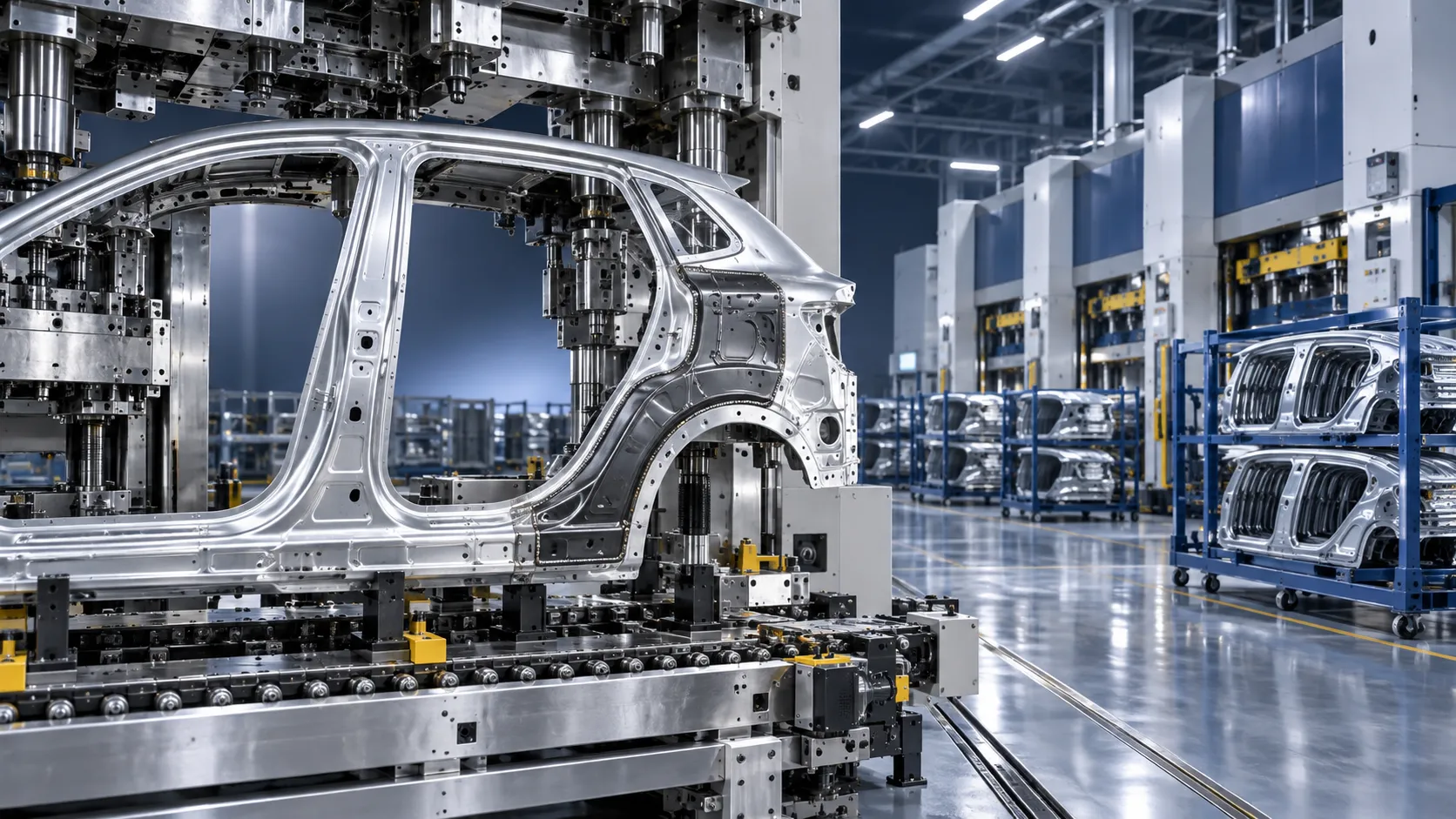
The body-in-white is often the largest passive safety component in a vehicle, even if it is not discussed that way.
Hot-stamped steel, aluminum sections, cross-members, side sills, and front rails all shape crash energy flow.
The design goal is selective deformation outside the occupant cell and controlled integrity inside it.
Seats, head restraints, and interior absorbers
Seats are not only comfort hardware.
They position the body, support belt geometry, interact with airbags, and influence whiplash performance.
Energy-absorbing foams, knee bolsters, and trim structures also reduce secondary contact injuries inside the cabin.
Where these components matter most
The importance of passive safety components increases when crash conditions, occupant diversity, and platform complexity become harder to predict.
This is also why the discussion extends beyond passenger cars.
Commercial vehicles, premium cabins, special mobility platforms, and emerging interior layouts all place new demands on passive safety components.
Why the industry is paying more attention now
Several trends are forcing a more detailed view of passive safety performance.
- Crash protocols from IIHS, Euro NCAP, and related programs keep tightening injury criteria and test realism.
- Vehicle architectures are changing because of electrification, battery packaging, and software-defined platforms.
- Lighter materials improve efficiency, but they also require precise energy management under impact.
- Seat design is becoming more complex through sensing, thermal comfort systems, and flexible cabin layouts.
- Supplier credibility now depends on traceable validation, material consistency, and cross-system integration.
GNCS frames these shifts through its broader intelligence model.
The same platform that watches navigation precision and marine compliance also tracks collision energy, restraint evolution, and cabin protection logic.
That cross-domain perspective matters because safety is increasingly a systems question, not a siloed parts question.
How to read value in real business settings
In business terms, passive safety components influence more than crash scores.
They affect homologation timelines, redesign costs, warranty exposure, insurance positioning, and brand trust.
They also shape sourcing decisions, especially where reliability and repeatability are more valuable than low nominal cost.
Signals worth checking
- Whether a component has proven performance across multiple crash modes, not just one benchmark test.
- How well it integrates with adjacent systems such as seat frames, occupant sensing, and body structures.
- Whether material and process controls support stable output at production scale.
- How quickly the design can adapt to new compliance updates or platform revisions.
- What evidence exists on validation depth, failure modes, and field durability.
This is where intelligence platforms become useful.
Market news alone rarely reveals whether a seatbelt pretensioner strategy, inflator chemistry shift, or lightweight stamping choice creates downstream risk.
More useful insight comes from connecting regulation, engineering logic, and supplier execution.
A practical framework for evaluating passive safety components
A clear assessment usually starts with five questions.
- What injury mechanism is the component meant to reduce?
- Which crash directions and occupant sizes were used to validate it?
- How does it interact with nearby passive safety components?
- What material, chemical, or manufacturing variables can shift performance?
- How exposed is it to changing standards, recalls, or platform redesigns?
This framework helps turn a broad safety topic into a more usable decision map.
It also helps separate mature solutions from components that look advanced but remain weak in validation depth or integration quality.
What to watch next
The next phase of passive safety components will likely be shaped by lighter structures, smarter seats, cleaner inflator technologies, and more demanding crash protocols.
Attention should also stay on how cabin layouts evolve as mobility platforms become more digital and more flexible inside.
For that reason, the most useful next step is not simply collecting part names.
It is building a structured view of which passive safety components carry the highest risk, the strongest differentiation, and the greatest regulatory sensitivity in each application.
From there, comparing materials, validation methods, integration paths, and supplier credibility becomes far more precise.
That is where better judgment starts, and where better protection usually follows.
Related News
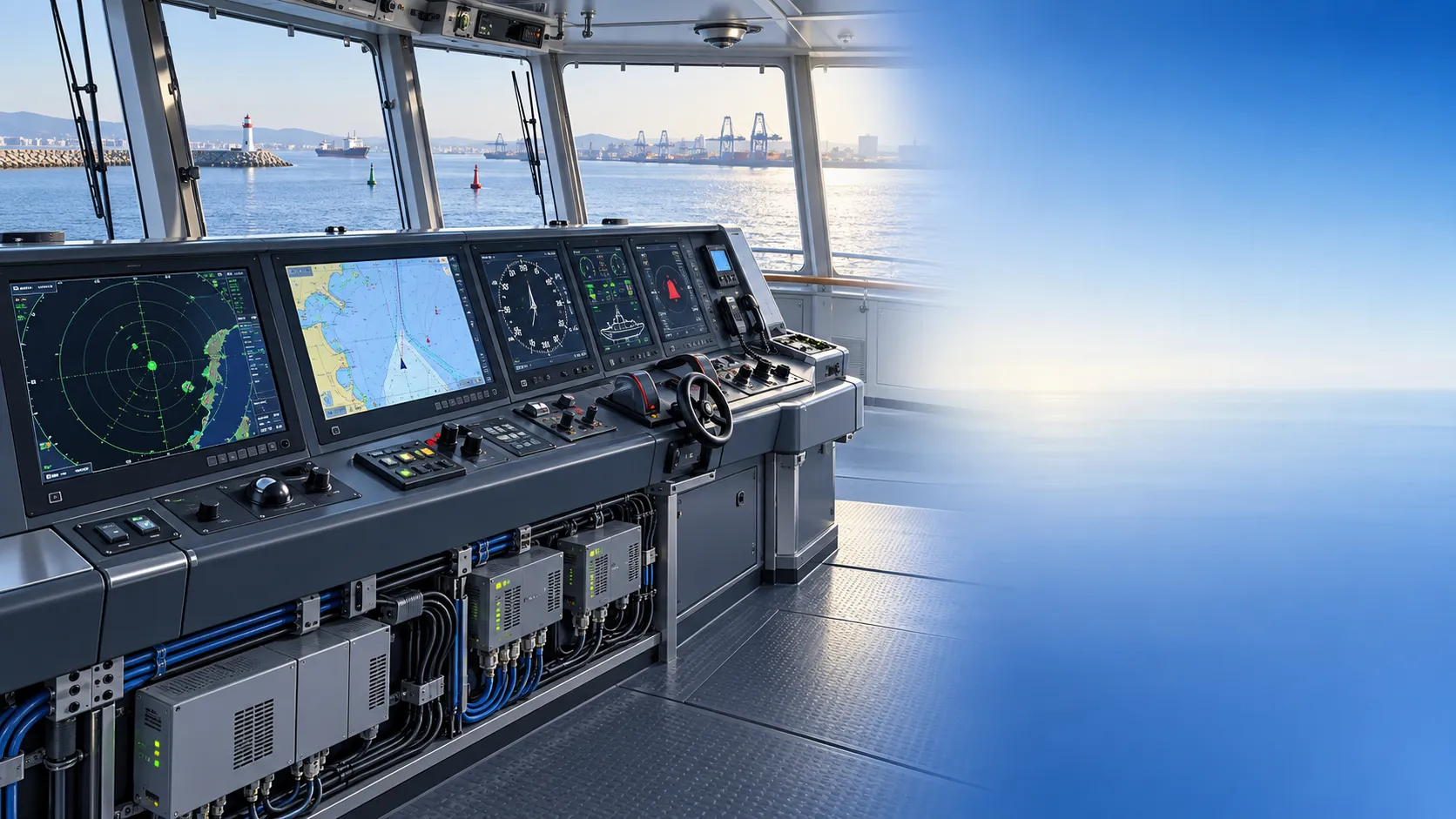
How to Specify Integrated Marine Electronics for Reliable Bridge Operations
Integrated marine electronics: learn how to specify reliable bridge systems with clear data flows, redundancy, alarm control, lifecycle interfaces, and operational testing.

How to Evaluate Navigation Radar Manufacturers for Commercial Vessel Projects
Navigation radar manufacturers: learn how to compare performance, compliance, integration, support, and lifecycle cost for commercial vessel projects.
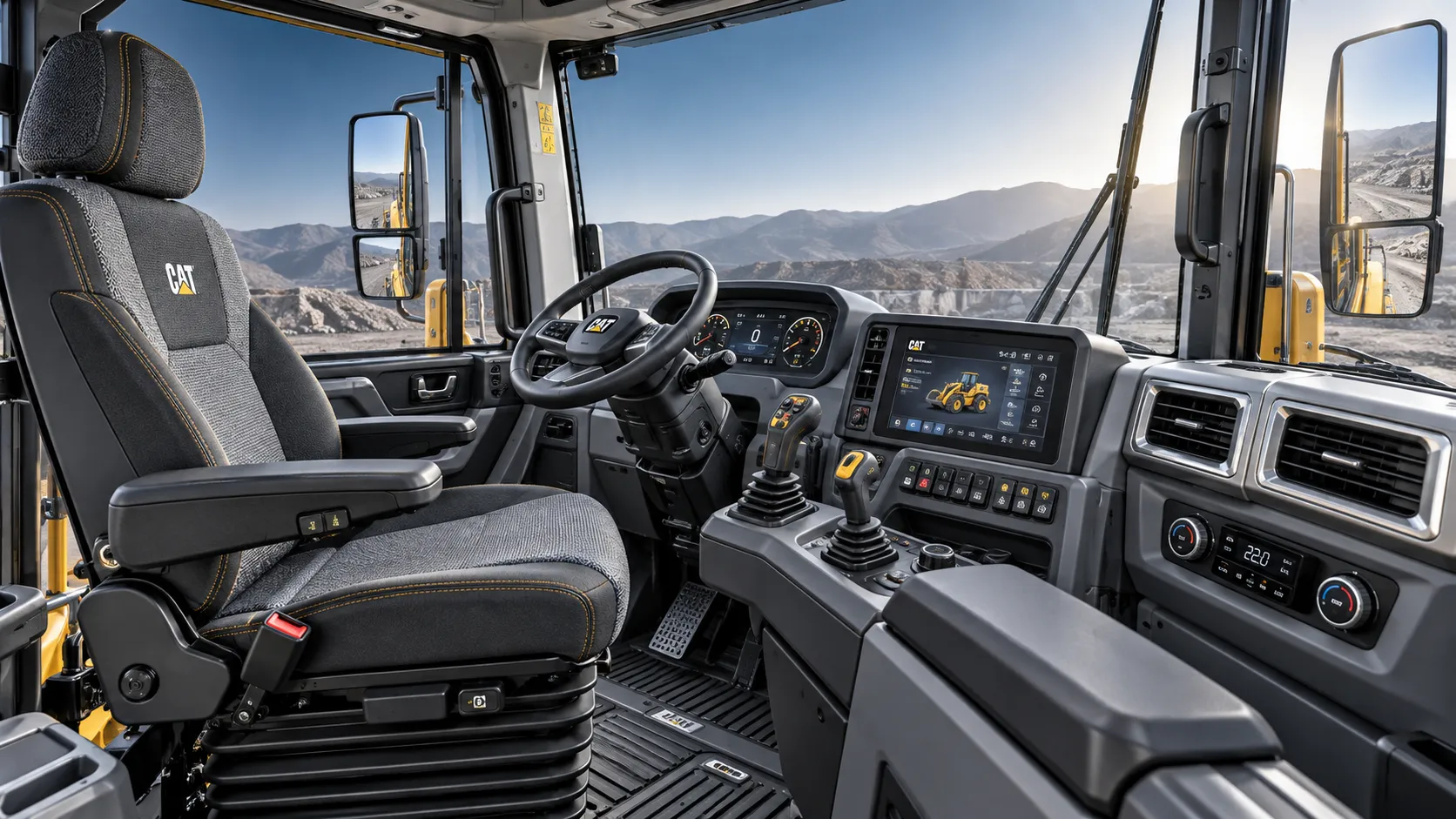
How Adjustable Cabin Ergonomics Reduce Operator Fatigue in Long-Shift Vehicles
Adjustable cabin ergonomics reduces operator fatigue through better seating, reach, visibility, vibration control, and climate comfort for safer long-shift vehicles.
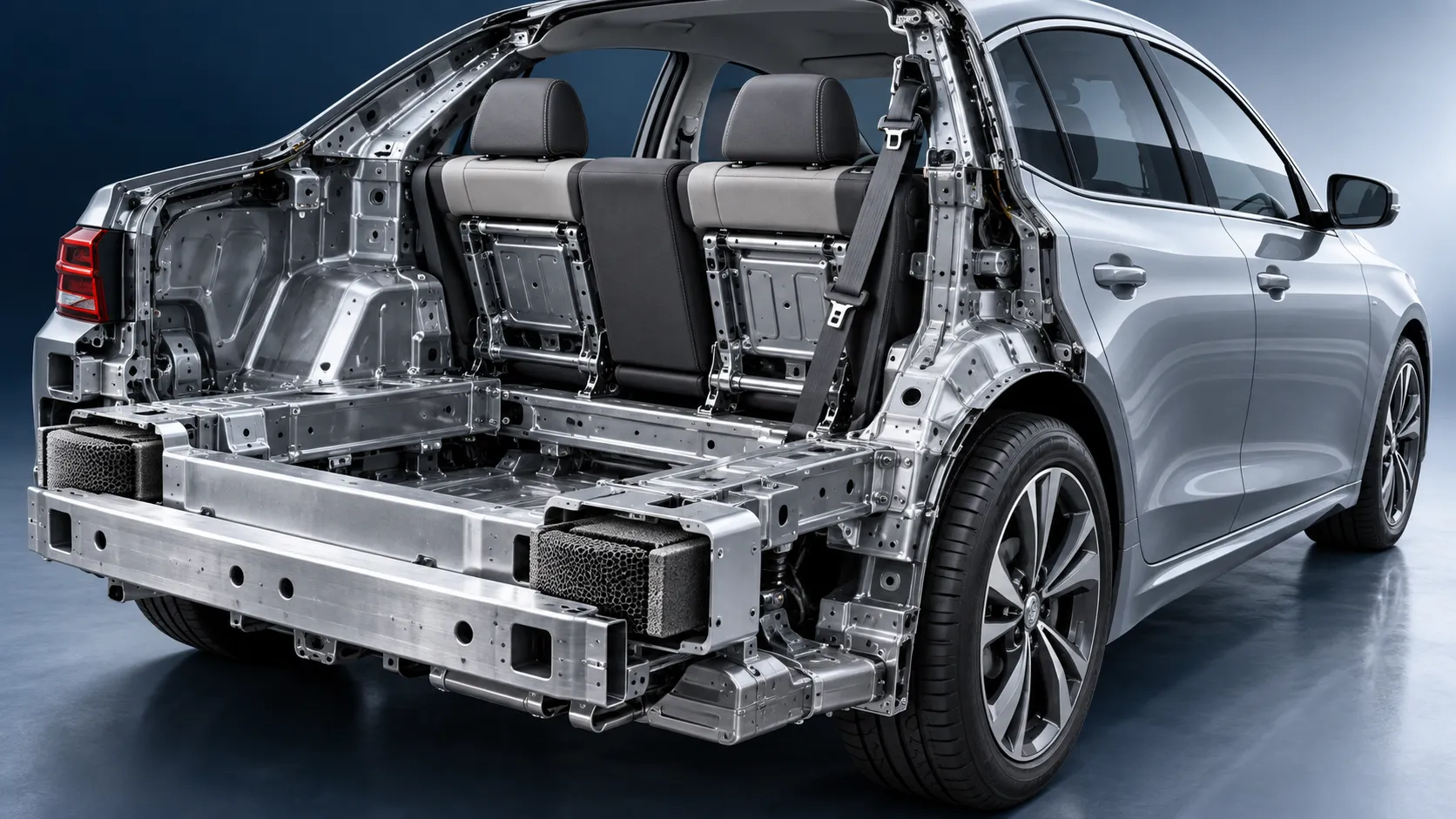
How Rear-Impact Safety Components Work Together to Protect Vehicle Occupants
Explore how automotive safety components for rear impact work together—from crash structures and seats to head restraints and belts—to enhance occupant protection.
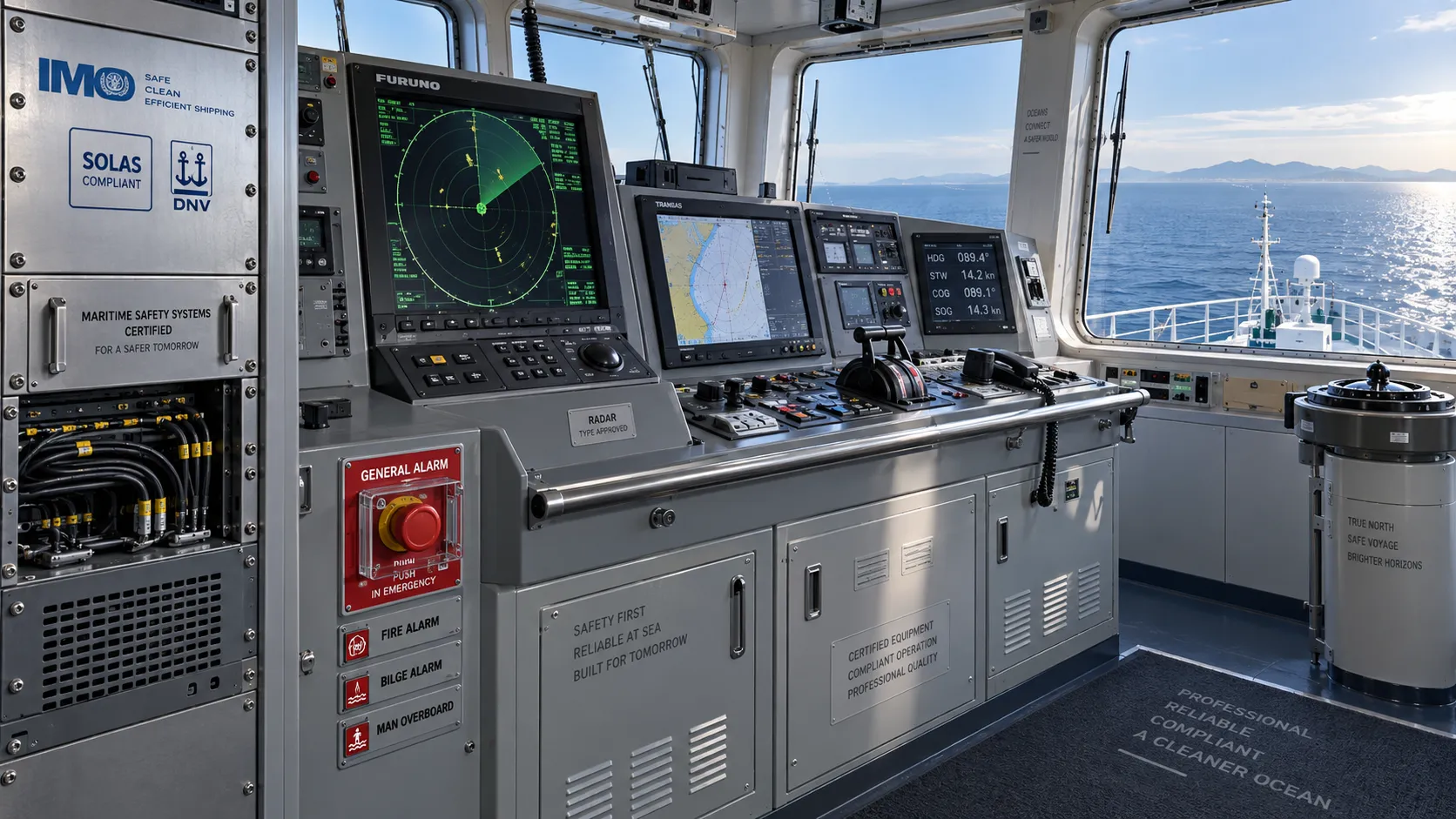
How to Evaluate a Marine Safety Systems Manufacturer for Vessel Compliance and Reliability
Marine safety systems manufacturer evaluation guide: verify compliance, engineering quality, lifecycle costs, and global service support for safer, reliable vessel operations.
Crash Test Regulations for Seatbelts: Key Compliance Requirements Explained
Crash test regulations seatbelts explained: explore FMVSS, UN rules, anchorage strength, and dynamic restraint testing for safer, compliant vehicle systems.

How to Calculate the Total Cost of Automotive Lightweighting for a Vehicle Program
Automotive lightweight solutions cost: learn how to calculate program-level costs, including materials, tooling, joining, validation, risk, and vehicle-level value.

How Automotive Seat Occupancy Sensing Improves Airbag Deployment Decisions
Automotive seat occupancy sensing helps optimize airbag deployment decisions, improving passenger classification, safety diagnostics, and compliance across real-world conditions.
What Drives Lightweight Body Component Costs in High-Volume Vehicle Programs?
Lightweight body components cost depends on material yield, forming, joining, tooling, validation, and logistics. Explore proven ways to optimize total vehicle program cost.
Related News
- 00
0000-00
How 22MnB5 Hot Stamping Balances Crash Strength and Formability in Body Parts - 00
0000-00
22MnB5 Hot Stamped Steel Parts: Key Properties, Forming Limits, and Typical Uses - 00
0000-00
How to Evaluate Hot Stamped Steel Parts for Crash Performance and Weight Targets - 00
0000-00
Hot Stamping Processes Explained: Materials, Forming Steps, and Common Quality Defects - 00
0000-00
Hot Stamping Processes: Steps, Tooling, and Part Quality Factors That Matter
Weekly Insights
Stay ahead with our curated technology reports delivered every Monday.