
When do hot stamping processes justify their cost?
When do hot stamping processes justify their cost?
For safety-critical mobility equipment, the cost of hot stamping processes must be tested against measurable engineering and business value.
That value appears when crash performance, weight reduction, dimensional stability, and regulatory confidence outweigh higher tooling and energy expenses.
In automotive body structures, passive safety systems, and advanced transport platforms, hot stamping processes often become strategic rather than optional.
Technical basis of hot stamping processes
Hot stamping processes form heated sheet metal inside cooled dies, creating ultra-high-strength parts with complex geometry and stable mechanical properties.
The most common route uses boron steel, heated to an austenitic state, then quenched during forming to create martensitic strength.
This method enables thinner structural components while maintaining crash energy management, intrusion resistance, and load path integrity.
Compared with cold stamping, hot stamping processes reduce springback and improve dimensional repeatability for demanding safety structures.
The premium cost usually comes from furnaces, cooled tooling, cycle time, coating management, die durability, and process monitoring requirements.
Therefore, the decision should not focus only on part price. It should compare total system value across the vehicle or platform.
Current industry signals behind the cost question
Several mobility trends are making hot stamping processes more relevant, especially where safety regulations and lightweight targets are tightening together.
These signals show why hot stamping processes are rarely justified by metallurgy alone. They are justified by platform-level economics.
GNCS tracks these links across navigation, cabin safety, body structures, and compliance pressure within global mobility equipment.
Cost elements that must be measured
A reliable assessment separates visible part cost from hidden cost drivers. Hot stamping processes affect both categories.
- Tooling investment: cooled dies, trim tools, sensors, and maintenance capacity.
- Energy use: furnace heating, quenching control, and thermal stability.
- Material specification: boron steel grade, coating type, blank thickness, and supplier consistency.
- Quality assurance: hardness checks, coating integrity, geometry inspection, and traceability.
- Downstream effects: joining strategy, corrosion protection, packaging, and repair complexity.
Hot stamping processes justify their cost when these expenses reduce larger costs elsewhere in the safety architecture.
Examples include fewer reinforcements, lower body mass, reduced weld count, shorter validation loops, or stronger crash rating confidence.
Performance thresholds that support the premium
The clearest justification appears when a part must combine high strength, low mass, and complex shape in one component.
Hot stamping processes are especially useful when cold-formed steel cannot meet springback, tensile strength, or packaging constraints.
They also help when aluminum alone cannot provide the same intrusion resistance at acceptable cost or section size.
If these requirements are not critical, hot stamping processes may be over-engineering. A simpler cold-formed solution may win.
Volume, tooling amortization, and platform life
Production volume strongly affects the business case. High tooling cost needs enough output to dilute investment per part.
Hot stamping processes fit best when parts serve multi-year platforms, regional variants, or shared vehicle architectures.
Low-volume specialty applications can still justify the premium when safety risk, brand value, or certification pressure is high.
The decision should include expected program life, design freeze stability, spare part needs, and future regulatory exposure.
A part used across several models may make hot stamping processes economical even when the first program looks expensive.
Typical applications where value is strongest
Hot stamping processes are most persuasive in components that guard survival space or protect high-value energy systems.
In these zones, hot stamping processes can reduce component count while improving safety validation confidence.
The strongest cases connect material choice with crash simulations, joining feasibility, coating durability, and repair strategy.
Risk reduction and compliance value
The cost of failure in safety-critical structures can exceed the premium of advanced forming by a wide margin.
Hot stamping processes help reduce uncertainty when regulations demand repeatable crash behavior across regions and test protocols.
Stable strength and geometry support better correlation between simulation, prototype testing, and serial production.
This matters when IIHS, Euro NCAP, or local standards push smaller overlap, side pole, and rollover performance.
Compliance value also includes fewer late engineering changes, less retesting, and lower launch risk.
For this reason, hot stamping processes may be justified even when piece price comparisons look unfavorable.
Supplier capability as a deciding factor
The process is only as reliable as its execution. Supplier maturity can change the full economic result.
Strong hot stamping processes require furnace uniformity, die cooling balance, transfer control, lubrication discipline, and traceable inspection.
Capability should be reviewed through process capability data, defect history, metallurgical reports, and launch performance.
- Check hardness distribution across critical zones.
- Review coating behavior after heating and forming.
- Confirm trim edge quality and crack prevention methods.
- Validate joining compatibility with spot welding or adhesives.
- Assess contingency plans for furnace or die downtime.
A weak supplier can erase the benefits of hot stamping processes through scrap, delays, and inconsistent mechanical properties.
A practical decision framework
A balanced decision compares cost, performance, risk, and strategic platform value in one model.
- Define the required crash function and failure mode.
- Compare cold stamping, aluminum, and hot forming alternatives.
- Calculate mass savings and related efficiency benefits.
- Estimate tooling, cycle time, scrap, and inspection costs.
- Model platform volume and amortization across variants.
- Include compliance, launch risk, and redesign avoidance.
Hot stamping processes justify their cost when the combined value exceeds the incremental manufacturing burden.
The result should be expressed as cost per kilogram saved, cost per risk reduced, and cost per crash target secured.
Cases where the cost may not be justified
Not every structural part needs advanced thermal forming. Overuse can increase complexity without improving platform value.
Hot stamping processes may be unsuitable for simple geometry, low load paths, very small volumes, or frequently changing designs.
They may also be less attractive when repairability, joining access, or corrosion requirements create downstream penalties.
If a cold-formed high-strength steel part passes validation with lower total cost, the simpler route should remain credible.
The best engineering choices avoid prestige bias. They match the forming method to measurable safety and lifecycle needs.
Implementation priorities for stronger returns
The return from hot stamping processes improves when design, simulation, sourcing, and quality planning begin early.
- Use simulation to place strength only where it creates crash value.
- Consider tailor-welded blanks or tailored tempering for local performance.
- Design joints around access, heat effects, and assembly sequence.
- Plan inspection points before production equipment is locked.
- Track total cost of ownership, not only quoted piece price.
Early integration prevents expensive redesigns and helps hot stamping processes deliver their full system benefit.
Strategic conclusion and next steps
Hot stamping processes justify their cost when they protect safety space, cut mass, stabilize geometry, and reduce compliance risk.
They are most valuable in high-strength structural zones, shared platforms, electric mobility architectures, and demanding crash environments.
The next step is to build a part-level decision matrix using load path importance, mass opportunity, volume, and supplier capability.
GNCS continues to observe how hot stamping processes connect material intelligence with cabin protection and global mobility safety standards.
A disciplined evaluation turns the premium from a cost concern into a measurable investment in safer, lighter, and more resilient equipment.
Related News
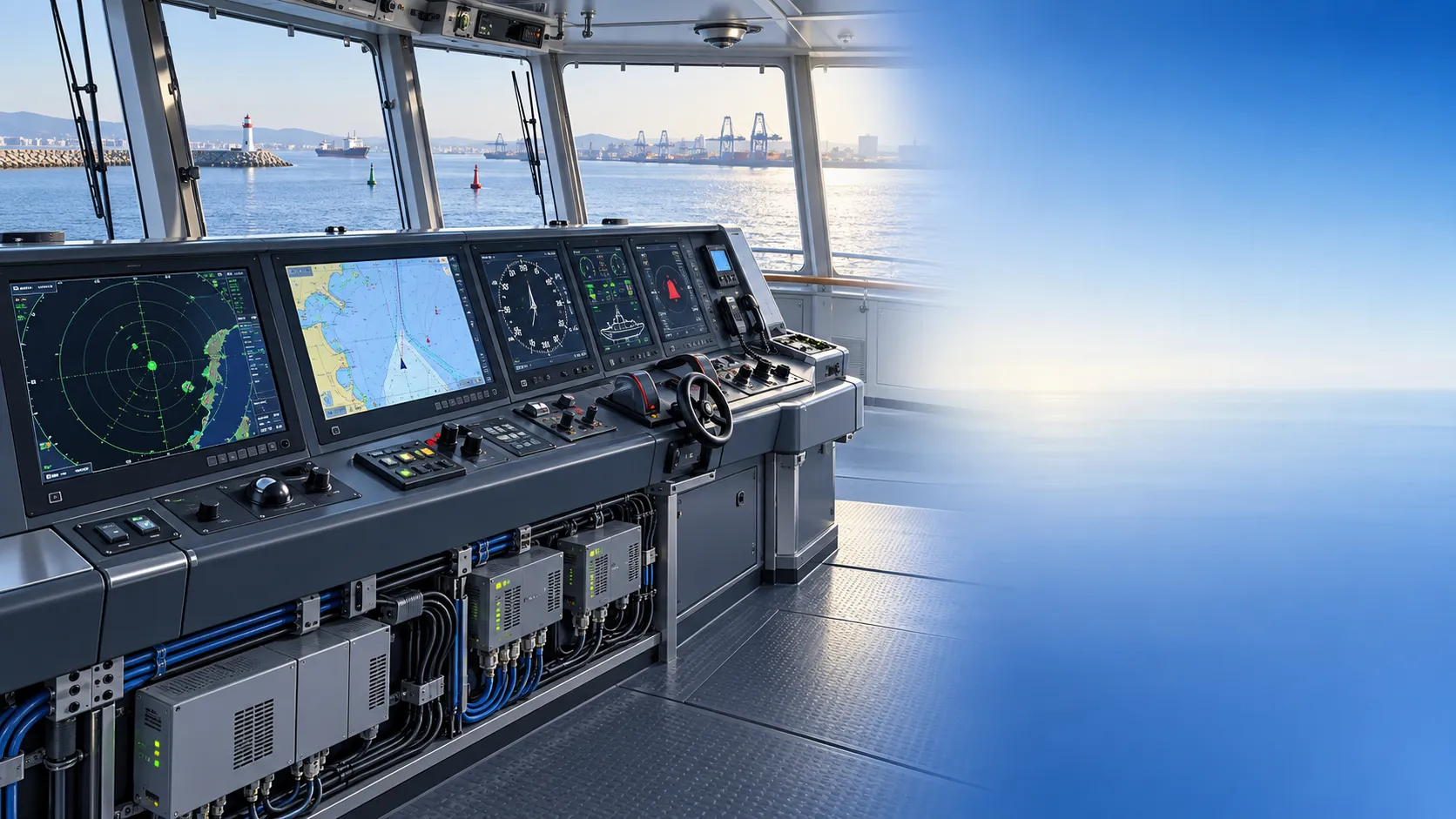
How to Specify Integrated Marine Electronics for Reliable Bridge Operations
Integrated marine electronics: learn how to specify reliable bridge systems with clear data flows, redundancy, alarm control, lifecycle interfaces, and operational testing.

How to Evaluate Navigation Radar Manufacturers for Commercial Vessel Projects
Navigation radar manufacturers: learn how to compare performance, compliance, integration, support, and lifecycle cost for commercial vessel projects.
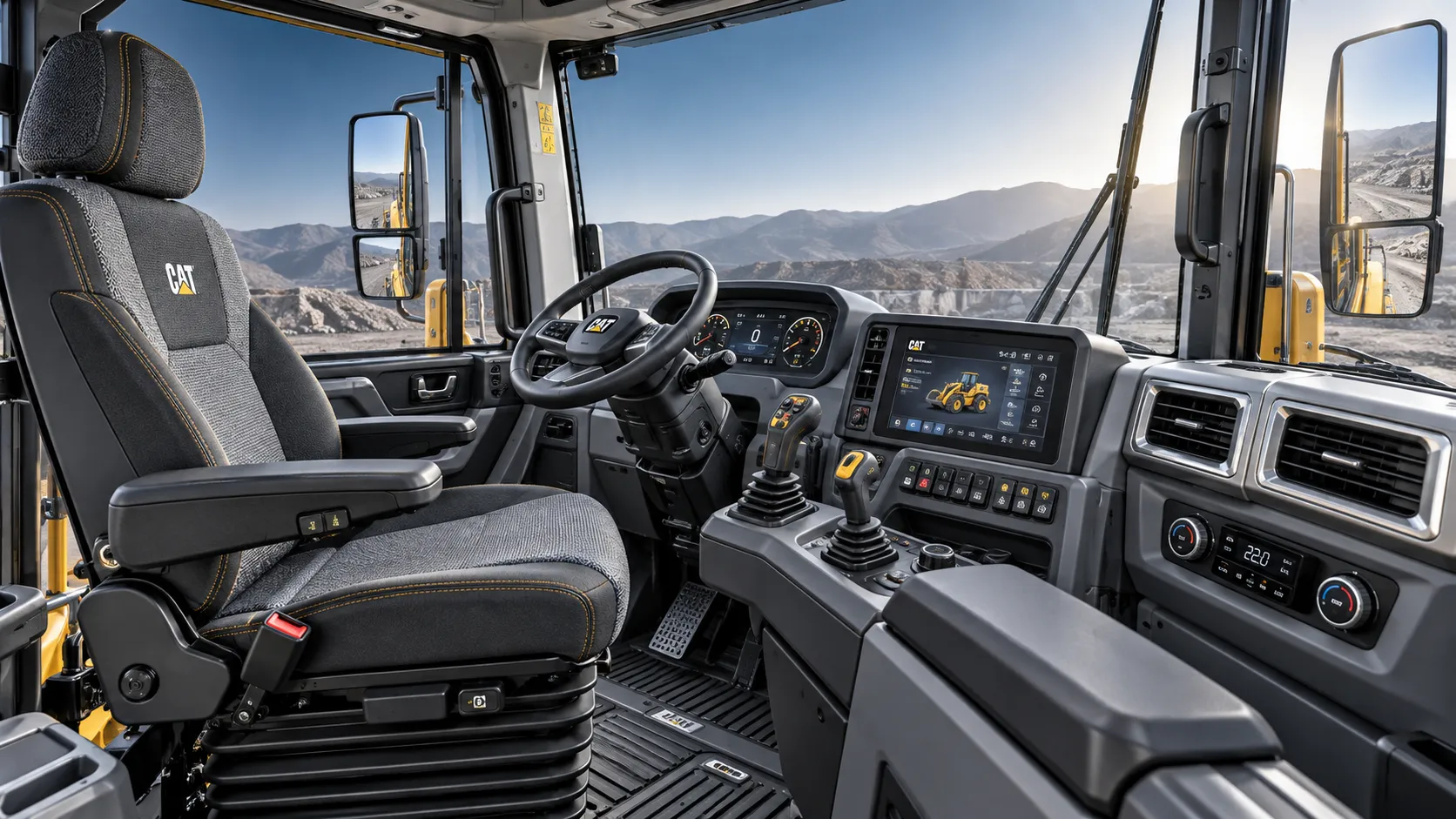
How Adjustable Cabin Ergonomics Reduce Operator Fatigue in Long-Shift Vehicles
Adjustable cabin ergonomics reduces operator fatigue through better seating, reach, visibility, vibration control, and climate comfort for safer long-shift vehicles.
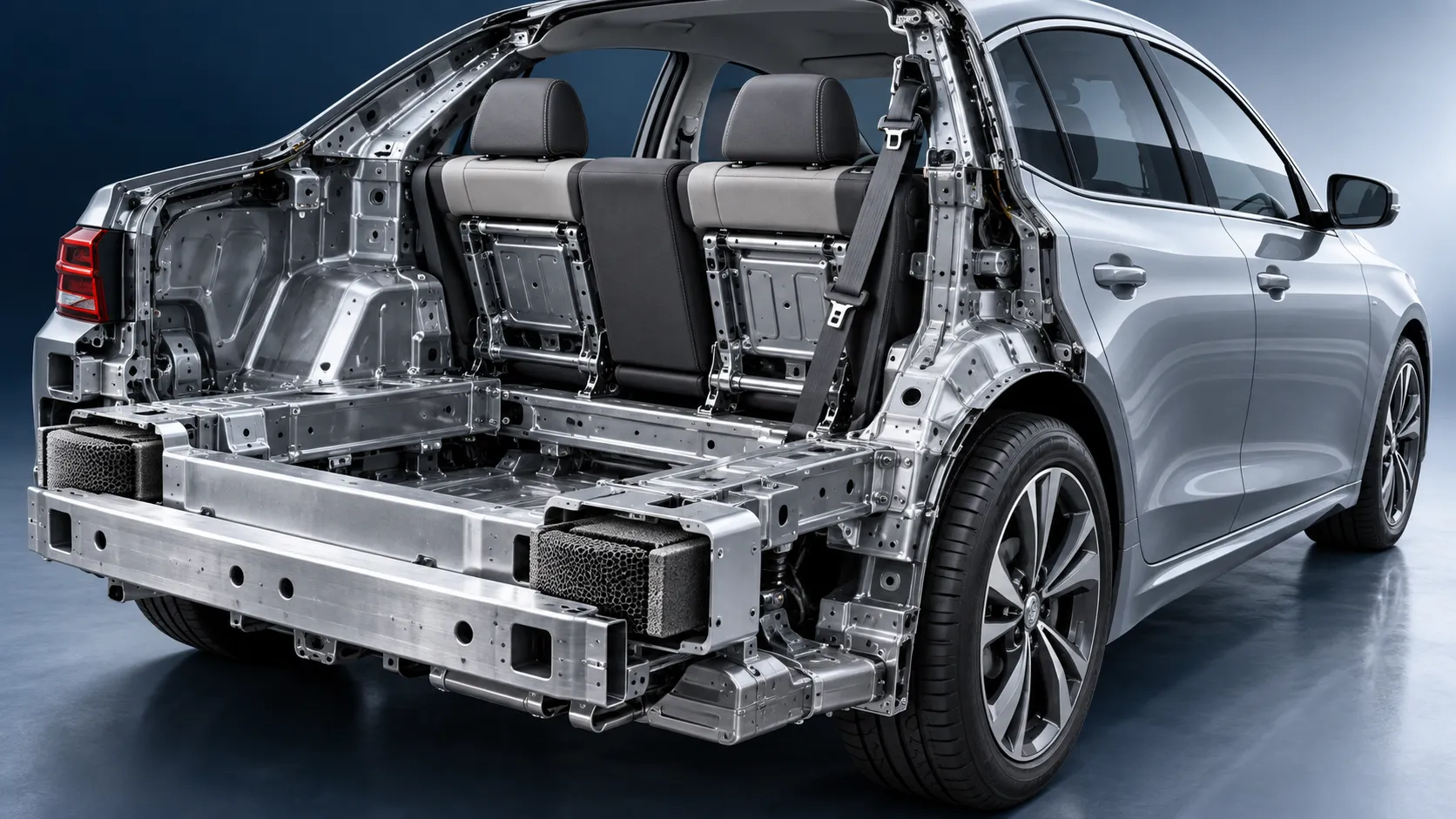
How Rear-Impact Safety Components Work Together to Protect Vehicle Occupants
Explore how automotive safety components for rear impact work together—from crash structures and seats to head restraints and belts—to enhance occupant protection.
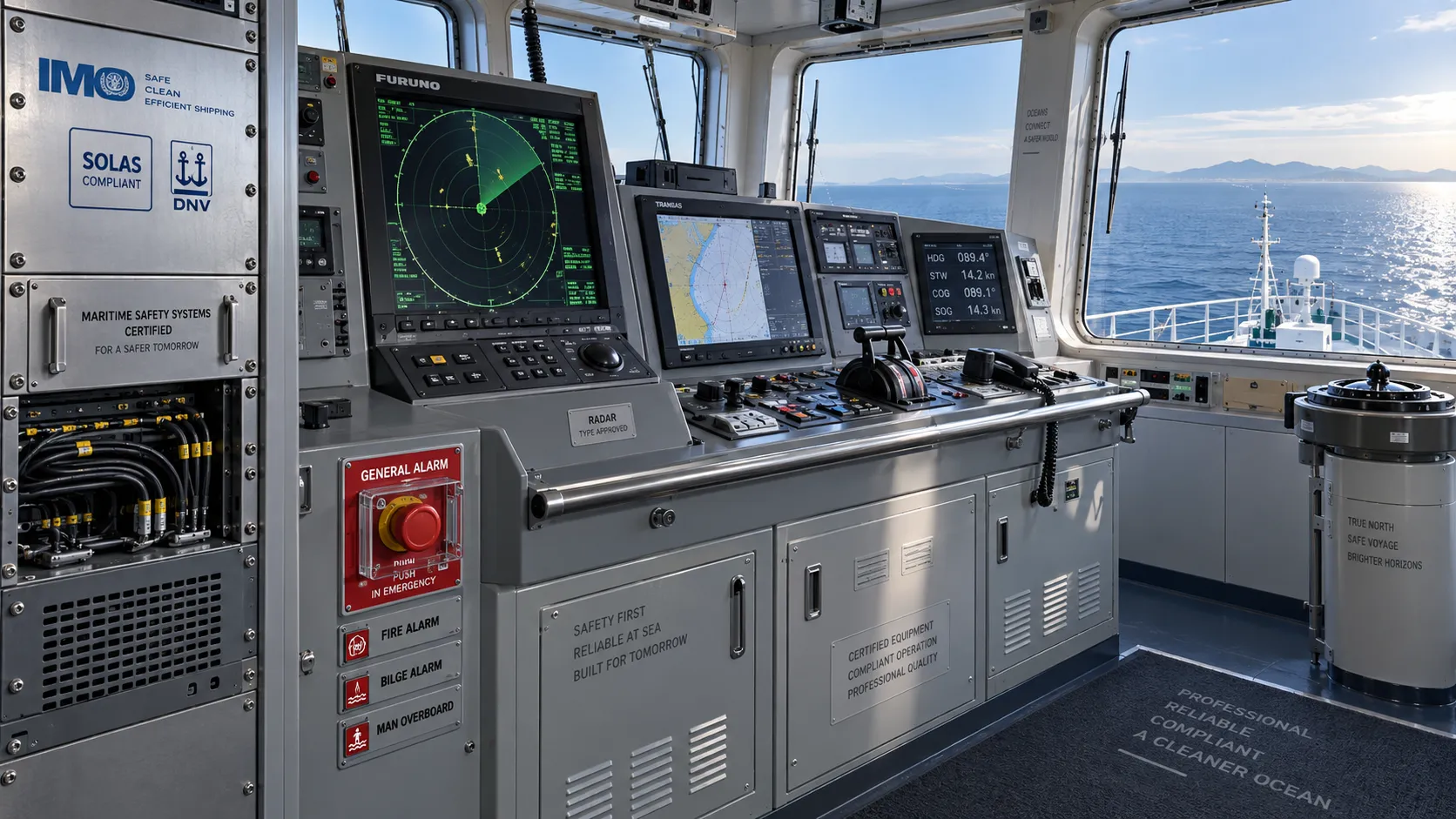
How to Evaluate a Marine Safety Systems Manufacturer for Vessel Compliance and Reliability
Marine safety systems manufacturer evaluation guide: verify compliance, engineering quality, lifecycle costs, and global service support for safer, reliable vessel operations.
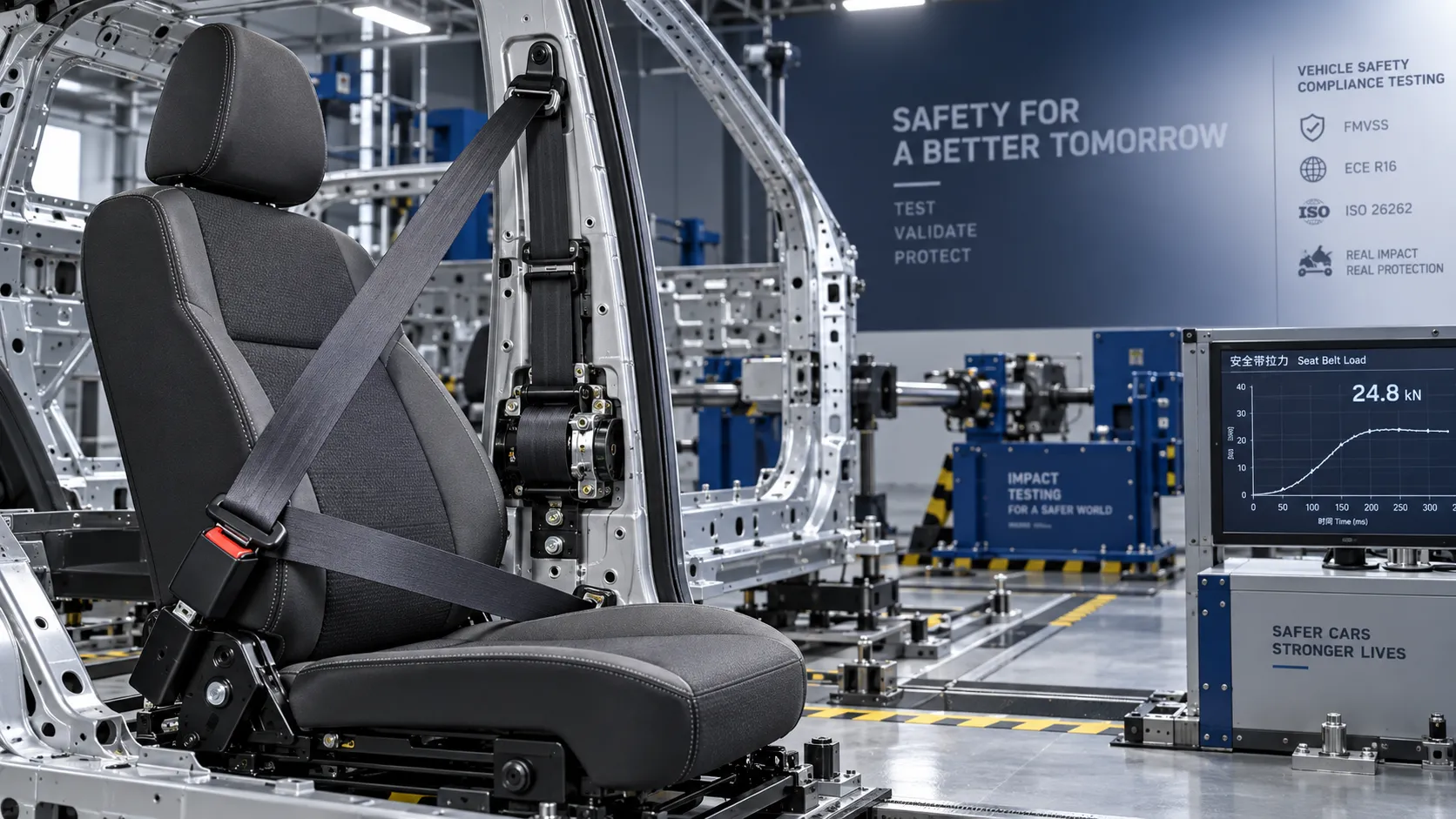
Crash Test Regulations for Seatbelts: Key Compliance Requirements Explained
Crash test regulations seatbelts explained: explore FMVSS, UN rules, anchorage strength, and dynamic restraint testing for safer, compliant vehicle systems.
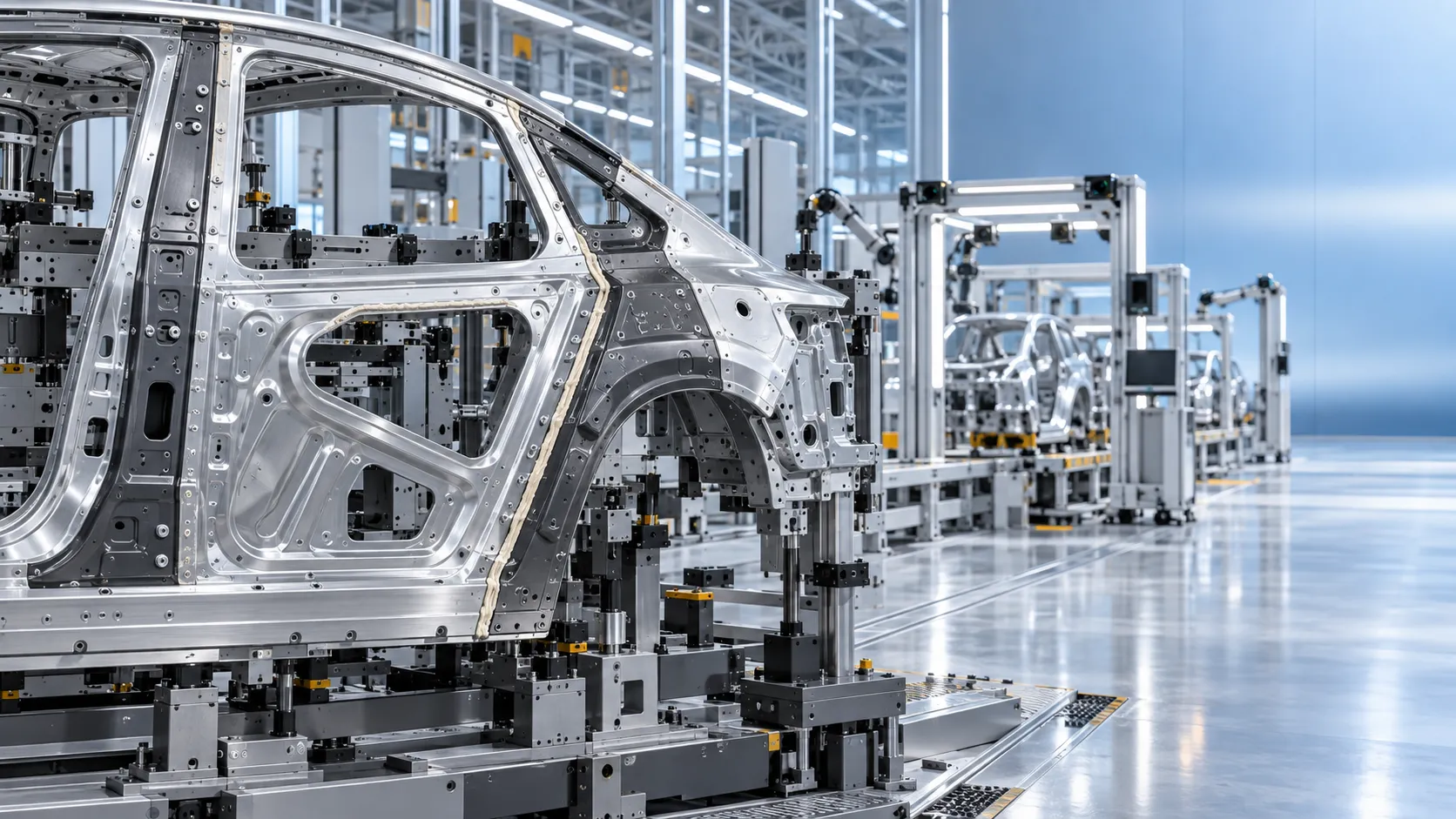
How to Calculate the Total Cost of Automotive Lightweighting for a Vehicle Program
Automotive lightweight solutions cost: learn how to calculate program-level costs, including materials, tooling, joining, validation, risk, and vehicle-level value.

How Automotive Seat Occupancy Sensing Improves Airbag Deployment Decisions
Automotive seat occupancy sensing helps optimize airbag deployment decisions, improving passenger classification, safety diagnostics, and compliance across real-world conditions.
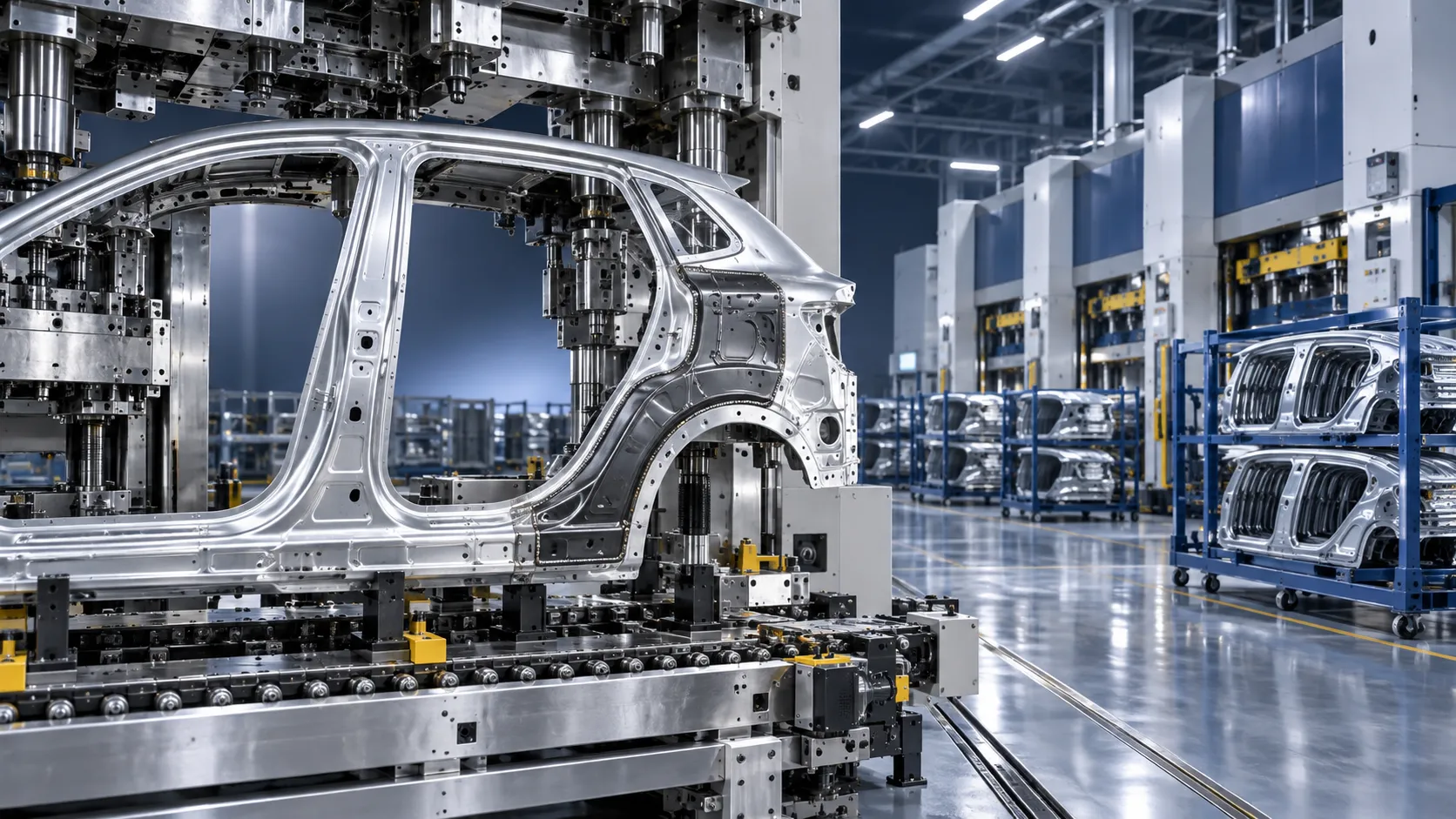
What Drives Lightweight Body Component Costs in High-Volume Vehicle Programs?
Lightweight body components cost depends on material yield, forming, joining, tooling, validation, and logistics. Explore proven ways to optimize total vehicle program cost.
Related News
- 00
0000-00
How 22MnB5 Hot Stamping Balances Crash Strength and Formability in Body Parts - 00
0000-00
22MnB5 Hot Stamped Steel Parts: Key Properties, Forming Limits, and Typical Uses - 00
0000-00
How to Evaluate Hot Stamped Steel Parts for Crash Performance and Weight Targets - 00
0000-00
Hot Stamping Processes Explained: Materials, Forming Steps, and Common Quality Defects - 00
0000-00
Hot Stamping Processes: Steps, Tooling, and Part Quality Factors That Matter
Weekly Insights
Stay ahead with our curated technology reports delivered every Monday.