
Why hot stamping processes still lead in safety parts
For technical evaluators assessing passive safety performance, hot stamping processes remain a decisive benchmark in modern safety parts.
Their value comes from ultra-high strength, tight dimensional control, and stable crash energy behavior in severe loading conditions.
Across the broader mobility chain, these capabilities matter in automotive structures, cabin protection systems, and compliance-driven lightweight engineering.
For GNCS, this topic connects directly with the portal’s focus on precision, containment protection, and safety intelligence across advanced equipment sectors.
Why scenario judgment matters when evaluating hot stamping processes
Not every safety part faces the same risk profile, load path, or packaging constraint.
That is why evaluating hot stamping processes by use scenario produces better decisions than using strength numbers alone.
A front crash member, a side impact reinforcement, and a battery-adjacent structural part require different balances of hardness, ductility, and geometry precision.
In practical reviews, the key question is not whether hot forming is advanced.
The real question is where hot stamping processes still outperform cold forming, roll forming, or mixed-material alternatives.
This scenario-based view is increasingly relevant as regulations tighten and lightweight targets become more aggressive.
In side-impact scenarios, hot stamping processes still lead the decision
Side-impact events leave limited deformation space, so structural response must be immediate and predictable.
In this scenario, hot stamping processes are favored for B-pillars, door rings, sill reinforcements, and intrusion-resistant cross members.
These parts often need tensile strength around 1500 MPa with consistent geometry after quenching.
That combination is difficult to maintain with conventional cold stamping in complex shapes.
The process heats boron steel, forms it in austenitic condition, and then quenches it in the die.
This route reduces springback while creating a martensitic structure suited for intrusion control.
For safety validation, stable part-to-part repeatability matters as much as peak strength.
That repeatability is one reason hot stamping processes still dominate in side-impact critical zones.
Core judgment points in side structures
- Intrusion resistance under narrow crush space
- Low springback in deep or closed-section geometries
- Reliable weld interface behavior in body-in-white integration
- Crash consistency across mass production lots
In frontal crash load paths, hot stamping processes support controlled energy management
Frontal crash design does not always require the hardest possible structure in every location.
Instead, it requires a coordinated load path that manages deceleration while protecting the survival space.
Here, hot stamping processes are valuable in upper rails, firewall reinforcements, tunnel sections, and anti-intrusion members.
The process supports tailored geometry and, in some programs, tailored properties through controlled cooling or laser-welded blanks.
This allows one part to combine rigid zones with more deformable zones where the crash strategy demands it.
Such design flexibility explains why hot stamping processes still lead in advanced passive safety architectures.
When crash regulations and consumer ratings become stricter, engineering teams need materials that behave predictably at speed.
Hot-formed parts help reduce uncertainty in those simulations and physical tests.
What evaluators should verify in frontal applications
- Thickness optimization against mass targets
- Load transfer to adjoining structures
- Hardness distribution after forming and quenching
- Trim, pierce, and edge crack resistance after heat treatment
In lightweight platforms, hot stamping processes remain practical despite material competition
Lightweight design has expanded the use of aluminum, magnesium, and hybrid structures.
Even so, hot stamping processes continue to hold a strong position in safety parts where cost, strength, and manufacturing maturity must align.
A thinner hot-stamped steel part can often replace a thicker conventional steel component while preserving crash performance.
That creates mass savings without forcing a full shift to expensive joining systems or unfamiliar repair pathways.
In mixed-material platforms, this process also serves as a stable anchor in the safety cage.
That anchor role is especially important when battery systems, seating interfaces, and occupant restraints need predictable body behavior.
This is where GNCS coverage of auto body stampings and cabin safety becomes closely connected.
Different application scenarios create different requirements for hot stamping processes
A clear comparison helps separate true fit from default material selection.
How to judge whether hot stamping processes suit a given safety part
A practical assessment should combine material science, tooling capability, and regulatory intent.
- Check whether the part protects occupant space or mainly absorbs energy.
- Review geometry complexity and expected springback sensitivity.
- Match steel grade, coating, and furnace window to corrosion and quality targets.
- Validate quench uniformity, die cooling, and final hardness distribution.
- Confirm joining routes with spot welding, laser welding, or adhesive systems.
- Link the process choice to IIHS, Euro NCAP, or regional crash protocols.
When these conditions are favorable, hot stamping processes usually offer a strong technical and commercial case.
Common misjudgments that weaken the value of hot stamping processes
One frequent mistake is assuming higher strength always means better crash performance.
If the part sits in an intended crush zone, excessive rigidity can hurt energy management.
Another mistake is evaluating hot stamping processes only by laboratory tensile values.
Real performance also depends on coating behavior, edge quality, weld integrity, and production consistency.
A third oversight is ignoring downstream integration.
Safety parts interact with airbags, seatbelts, seats, and sensing logic through the vehicle’s structural timing.
If body stiffness changes, occupant restraint tuning may also need revision.
This system-level view is essential in modern passive safety engineering.
Why hot stamping processes still lead in safety parts under today’s compliance pressure
The leadership of hot stamping processes is not based on habit.
It comes from a proven fit with difficult scenarios where high strength, shape accuracy, and crash consistency must coexist.
As safety standards evolve and lightweight targets intensify, that fit remains highly relevant.
The best next step is to review each candidate part by scenario, not by trend.
Map the load case, define the safety function, and test whether hot stamping processes provide the most balanced solution.
For ongoing intelligence on auto body stampings, passive safety components, and global compliance shifts, GNCS provides a structured basis for informed technical evaluation.
Related News
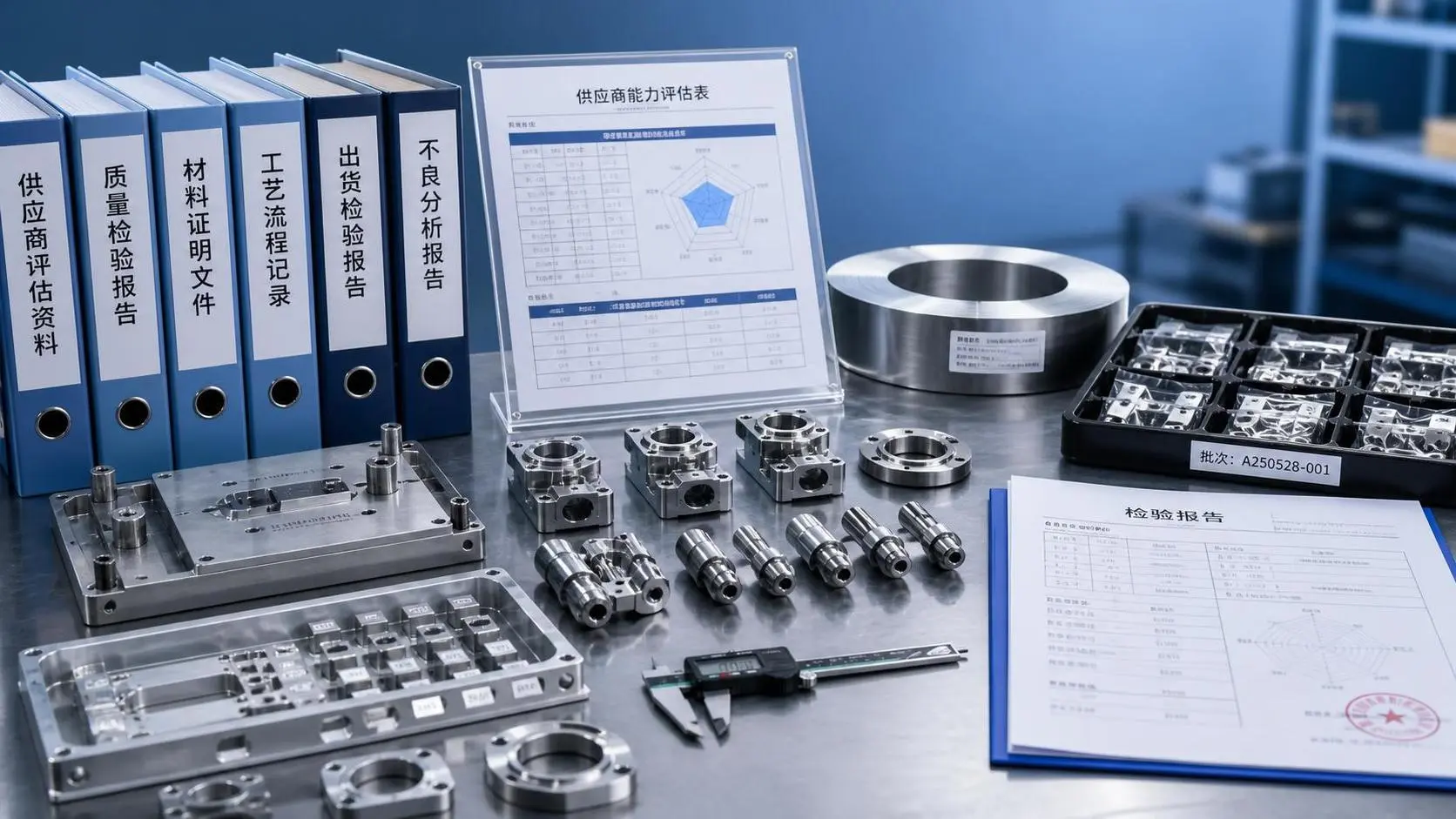
Supplier Capability Evaluation Process: Key Criteria for B2B Sourcing Decisions
Supplier capability evaluation process explained: learn the key criteria for B2B sourcing decisions, reduce supplier risk, and choose partners with confidence.
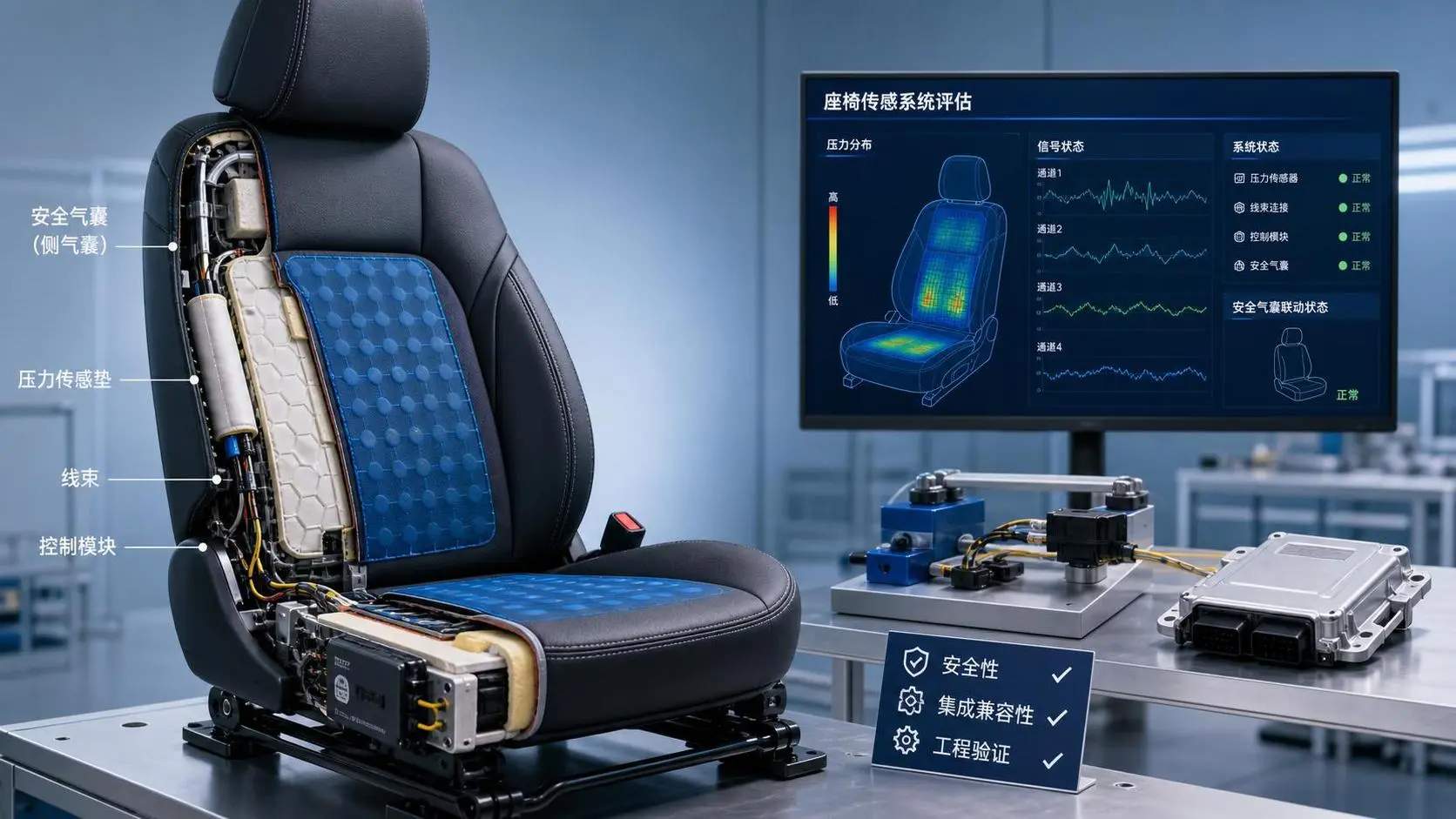
How to Evaluate a Seat Sensing Technology Supplier for Safety and Integration?
Seat sensing technology supplier evaluation guide: compare safety maturity, integration fit, algorithm reliability, and validation support to choose a partner that reduces risk.
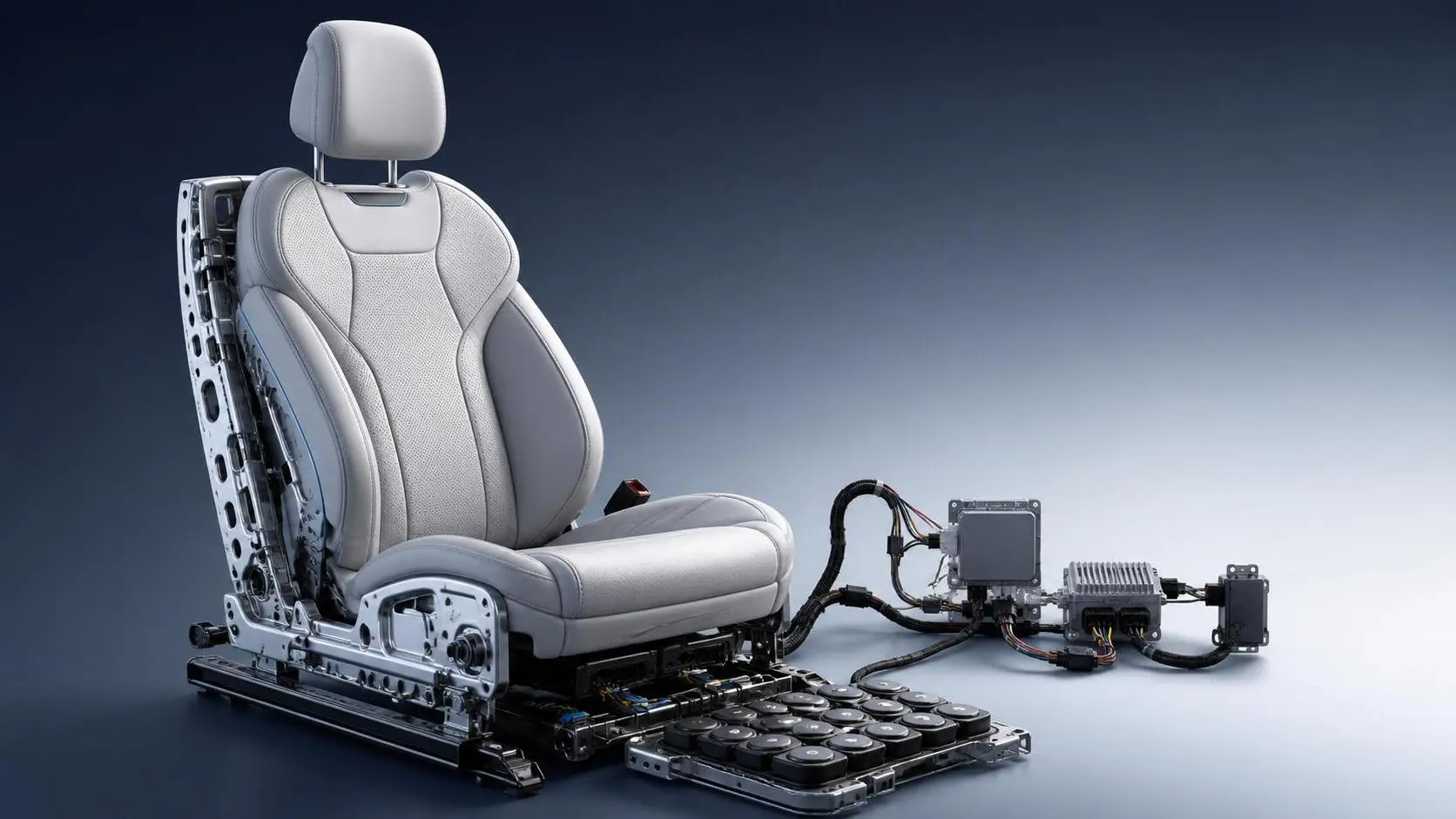
How to Evaluate Custom Smart Automotive Seating for Premium Vehicle Programs?
Custom smart automotive seating evaluation starts with safety, comfort, integration, and production readiness. Discover how premium vehicle teams choose smarter, lower-risk seat solutions.
B2B Product Intelligence Platforms: How to Compare Features, Data Coverage, and ROI
B2B product intelligence platform comparison: learn how to evaluate data coverage, feature depth, compliance visibility, and ROI to choose a sourcing tool that reduces risk and speeds decisions.
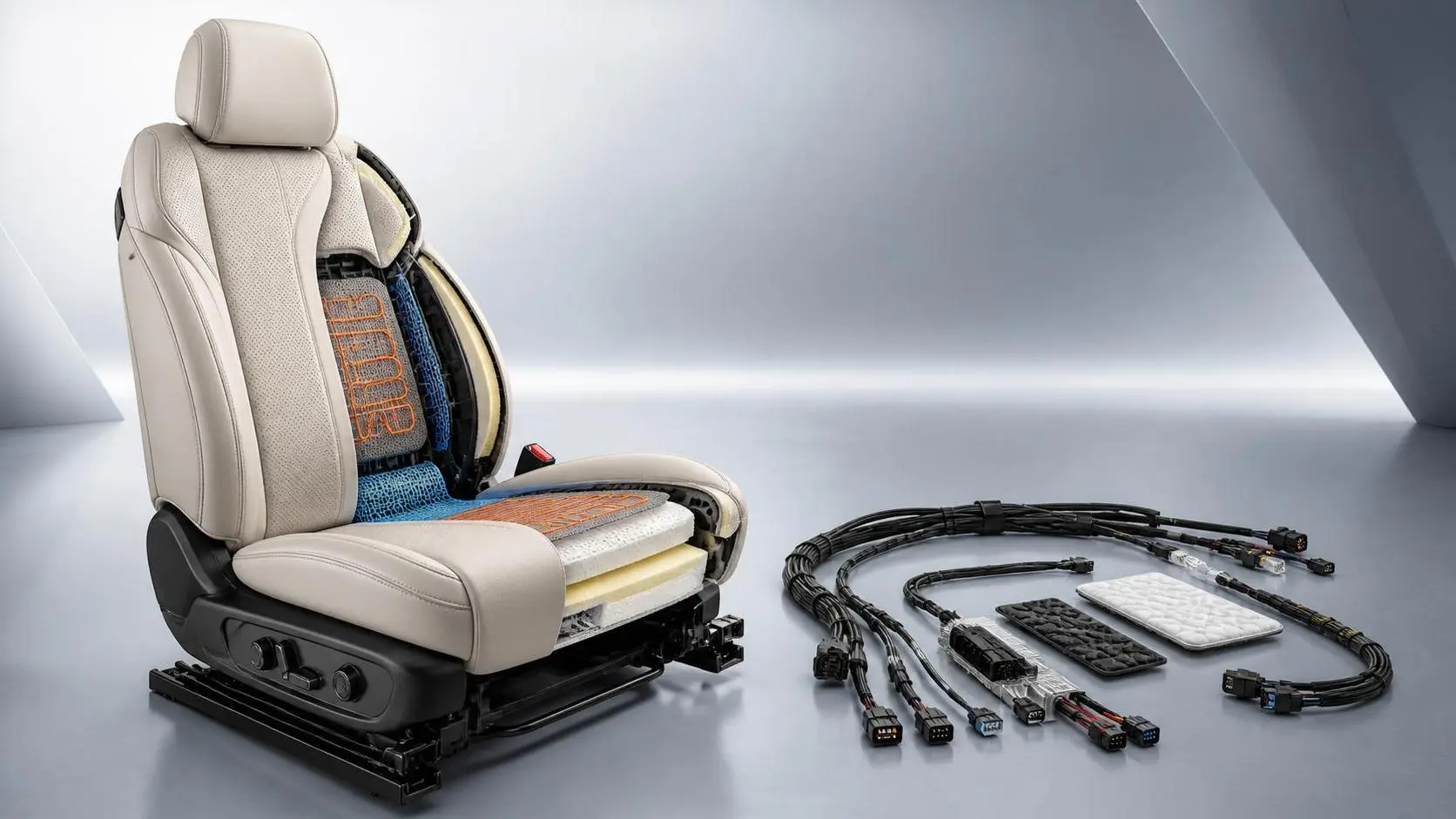
Climate Control Seats Cost: What Drives Price and Long-Term Ownership Value?
Climate control seats cost depends on materials, thermal tech, and integration. Learn what drives price and how to judge long-term value before you buy.

What Factors Drive Marine Navigation Components Cost in Commercial Vessel Projects?
Marine navigation components cost is shaped by integration, compliance, installation, and lifecycle support. Discover what drives pricing and how buyers can reduce risk while improving value.

How Much Does Seat Occupancy Sensing Cost? Key Pricing Factors for Buyers
Seat occupancy sensing price varies widely by technology, integration, and compliance needs. Learn the key cost drivers, avoid hidden fees, and make smarter buying decisions.
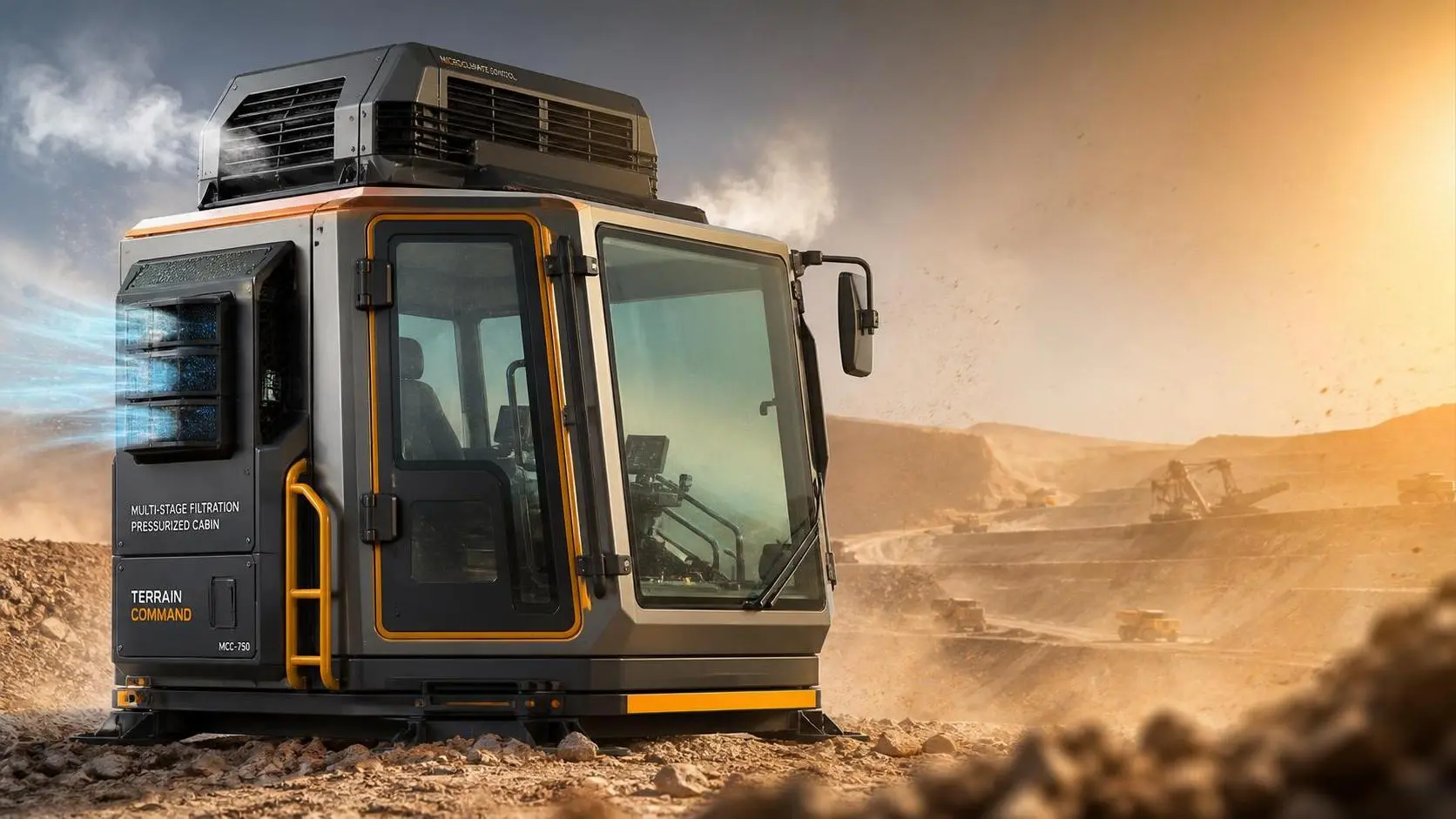
How to Specify Micro-Climate Control Cabins for Harsh Outdoor Worksites?
Micro-climate control cabins for harsh outdoor worksites: learn how to specify thermal control, filtration, pressurization, and durability for safer uptime and smarter buying.
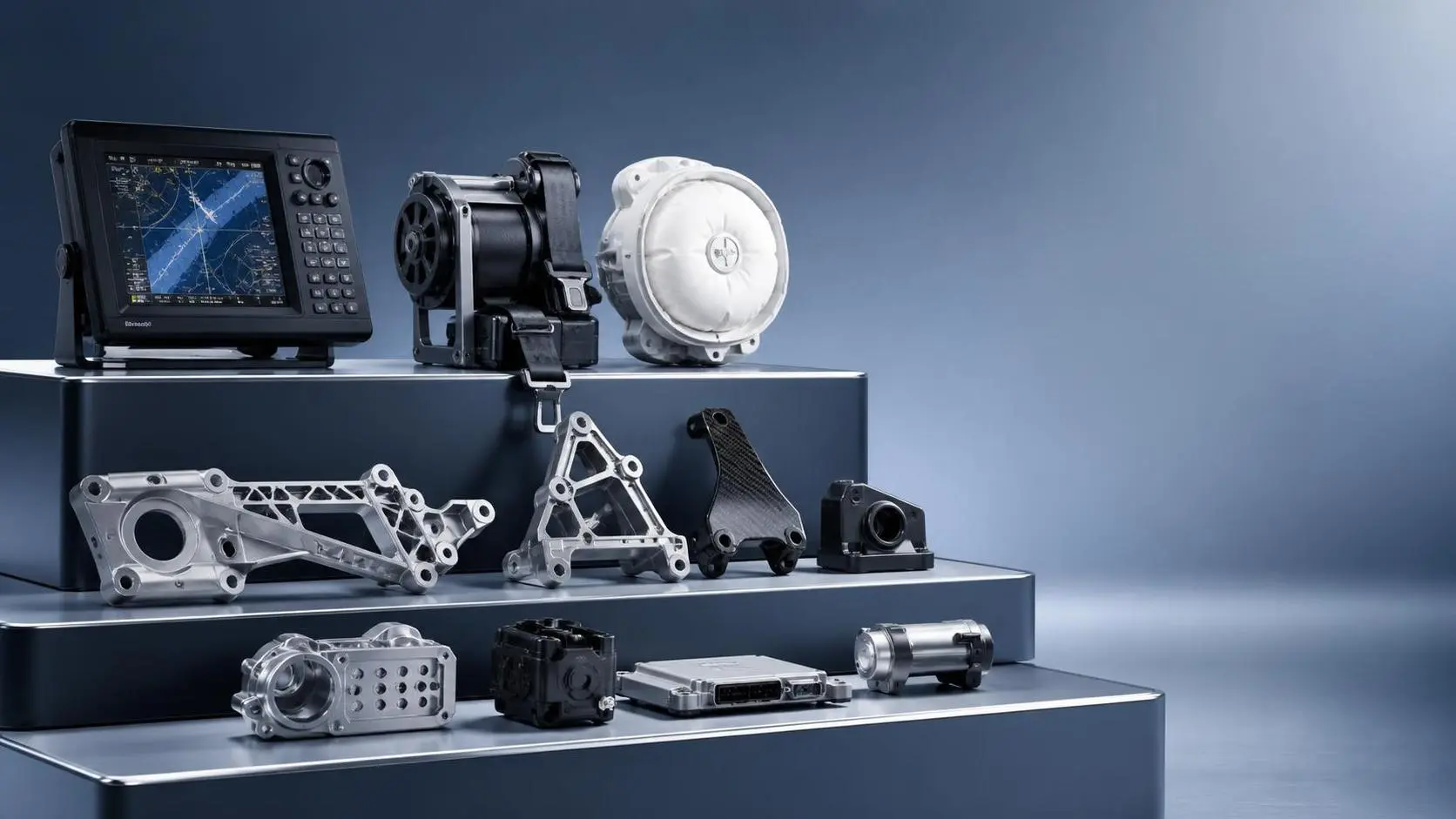
How to Evaluate a B2B Product Knowledge Platform for Faster Procurement Decisions
B2B product knowledge platform procurement starts with reducing decision risk. Learn how to compare specs, compliance, and supplier data to speed sourcing with confidence.
Related News
- 00
0000-00
22MnB5 Hot Stamped Steel Parts: Key Properties, Forming Limits, and Typical Uses - 00
0000-00
How to Evaluate Hot Stamped Steel Parts for Crash Performance and Weight Targets - 00
0000-00
Hot Stamping Processes Explained: Materials, Forming Steps, and Common Quality Defects - 00
0000-00
Hot Stamping Processes: Steps, Tooling, and Part Quality Factors That Matter - 00
0000-00
Passive Safety Components: Key Types, Functions, and Where They Matter Most
Weekly Insights
Stay ahead with our curated technology reports delivered every Monday.