
Hot Stamping Processes Explained: Materials, Forming Steps, and Common Quality Defects
Hot Stamping Processes Explained: Materials, Forming Steps, and Common Quality Defects
Hot stamping processes are central to lightweight, crash-ready manufacturing. They help producers form complex parts while reaching very high final strength.
That matters in automotive bodies, passive safety parts, and other engineered structures where energy absorption, dimensional accuracy, and repeatability must work together.
For technical assessment, the key question is simple. Do the hot stamping processes deliver stable metallurgy, clean forming, and predictable part performance at production speed?
The answer depends on three linked areas: material selection, forming steps, and defect control. If one shifts, the others usually react.
Why Hot Stamping Processes Matter
Hot stamping processes combine heating, transfer, forming, and die quenching in one integrated route. This makes them different from conventional cold stamping.
The main advantage is the ability to shape steel at high temperature, when flow stress is lower. The part then hardens rapidly inside cooled tooling.
In practice, this supports thinner gauges, tighter crash targets, and lower vehicle mass. More importantly, it can improve consistency when process windows are well controlled.
From a business perspective, hot stamping processes are often chosen for A-pillars, B-pillars, roof rails, bumper beams, tunnel reinforcements, and seat structures.
These parts sit close to the safety envelope. That is why defect detection and process validation carry unusual weight during technical review.
Core Materials Used in Hot Stamping Processes
Most hot stamping processes rely on boron alloyed steels, especially 22MnB5. This grade offers a strong balance of formability before quenching and strength after cooling.
When heated to the austenitizing range, the microstructure changes and becomes ready for rapid die quenching. After proper cooling, martensite forms and strength rises sharply.
Coatings also matter. Al-Si coated blanks are widely used because they reduce oxidation and scale during furnace exposure.
Zinc-based coatings can also appear in some hot stamping processes, but they demand tighter thermal control. Surface reactions may influence weldability, friction, and coating integrity.
In some programs, aluminum hot forming is assessed as well. However, its thermal behavior, springback profile, and strengthening route differ from boron steel lines.
Material checks that deserve attention
- Base steel chemistry and boron content stability
- Coating type, thickness, and furnace reaction behavior
- Blank thickness tolerance and edge condition
- Incoming hardness, cleanliness, and storage environment
A stable material lot reduces noise later in the line. Without that stability, many downstream defects can look like tool or temperature failures.
Step-by-Step Forming Flow in Hot Stamping Processes
Although plant layouts vary, most hot stamping processes follow a clear sequence. Each step affects part quality, and each one has a narrow process window.
1. Blank preparation
Blanks are cut to shape, inspected, and sometimes lubricated. Edge quality is important because rough trim zones can trigger cracks during forming.
2. Austenitizing in the furnace
The blank enters the furnace and heats to the required austenitizing temperature. Time, temperature uniformity, and atmosphere control are critical here.
If heating is uneven, hot stamping processes lose consistency fast. Some zones may transform correctly while others remain underheated or overexposed.
3. Transfer from furnace to press
Robotic transfer must be quick and repeatable. Excessive transfer time causes temperature drop, which raises forming resistance and increases defect risk.
4. Forming and die quenching
This is the heart of hot stamping processes. The heated blank is formed inside water-cooled dies, then quenched under pressure.
Tool contact, cooling channel performance, closing speed, and holding time all shape the final microstructure and dimensions.
5. Trimming, piercing, and post-processing
After quenching, the part is trimmed and pierced, often by laser. Because the material is now very hard, tool wear and edge quality need close monitoring.
A small problem early in hot stamping processes can become a larger geometry or joining problem at this stage. That is why traceability matters.
Process Variables That Drive Quality
Technical review should focus on the variables that most directly control metallurgical and dimensional outcomes. These are the real stability levers.
- Furnace temperature profile and soak time
- Blank temperature at press entry
- Transfer time and robot path repeatability
- Press force, forming speed, and die closure behavior
- Cooling rate, die channel efficiency, and water temperature
- Tool wear, alignment, and surface condition
What stands out in modern hot stamping processes is the need for closed-loop monitoring. Manual checks alone rarely catch drift early enough.
More plants now track thermal data, press signatures, and cooling performance together. That gives a more realistic picture of process capability.
Common Quality Defects in Hot Stamping Processes
Most defects in hot stamping processes fall into three groups: metallurgical defects, forming defects, and dimensional defects. The best evaluations separate them clearly.
Cracks and splits
Cracking often comes from poor blank edges, cold spots, excessive draw stress, or bad tool radii. It can also signal coating-related friction problems.
Wrinkling and local thinning
These defects point to unstable material flow. Binder force, part geometry, lubrication behavior, and temperature variation usually play a combined role.
Soft spots and low hardness zones
This is one of the most serious issues in hot stamping processes. It often means quenching was incomplete or the blank entered the die below target temperature.
Oxidation, scale, and coating damage
Surface defects usually start in the furnace or during transfer. They may affect welding, corrosion resistance, appearance, and downstream assembly efficiency.
Springback and dimensional deviation
Hot stamping processes reduce springback compared with cold forming, but they do not eliminate it. Tool wear and thermal imbalance can still move parts out of tolerance.
Excessive die marks or surface imprints
These often reflect contact pressure issues, rough tooling, trapped debris, or coating transfer. They are useful early warnings of tool condition change.
How to Evaluate Stability and Risk
In actual sourcing and process review, it helps to assess hot stamping processes through evidence, not claims. A capable line should show measurable control.
- Request hardness maps across critical sections
- Review metallography for martensite distribution
- Check dimensional studies over multiple production lots
- Verify cooling system maintenance and channel cleanliness
- Audit furnace calibration and transfer timing records
- Compare scrap patterns with tool wear history
A stronger signal is process correlation. When a supplier can connect hardness drift, transfer delay, and cooling loss, control maturity is usually higher.
That also means faster containment when defects appear. In safety-related parts, response speed is almost as important as nominal capability.
Practical Takeaways for Better Decisions
Hot stamping processes are not just a forming method. They are a tightly linked thermal, mechanical, and metallurgical system.
The most reliable evaluations start with the material, follow the full forming route, and end with defect evidence tied to process data.
When reviewing hot stamping processes, pay closest attention to furnace stability, transfer discipline, die cooling, and hardness consistency. Those four areas explain many risks.
If the goal is safer lightweight structures, better launch readiness, and fewer hidden failures, that is where the most useful answers usually appear.
Related News

How to Specify Integrated Marine Electronics for Reliable Bridge Operations
Integrated marine electronics: learn how to specify reliable bridge systems with clear data flows, redundancy, alarm control, lifecycle interfaces, and operational testing.

How to Evaluate Navigation Radar Manufacturers for Commercial Vessel Projects
Navigation radar manufacturers: learn how to compare performance, compliance, integration, support, and lifecycle cost for commercial vessel projects.

How Adjustable Cabin Ergonomics Reduce Operator Fatigue in Long-Shift Vehicles
Adjustable cabin ergonomics reduces operator fatigue through better seating, reach, visibility, vibration control, and climate comfort for safer long-shift vehicles.
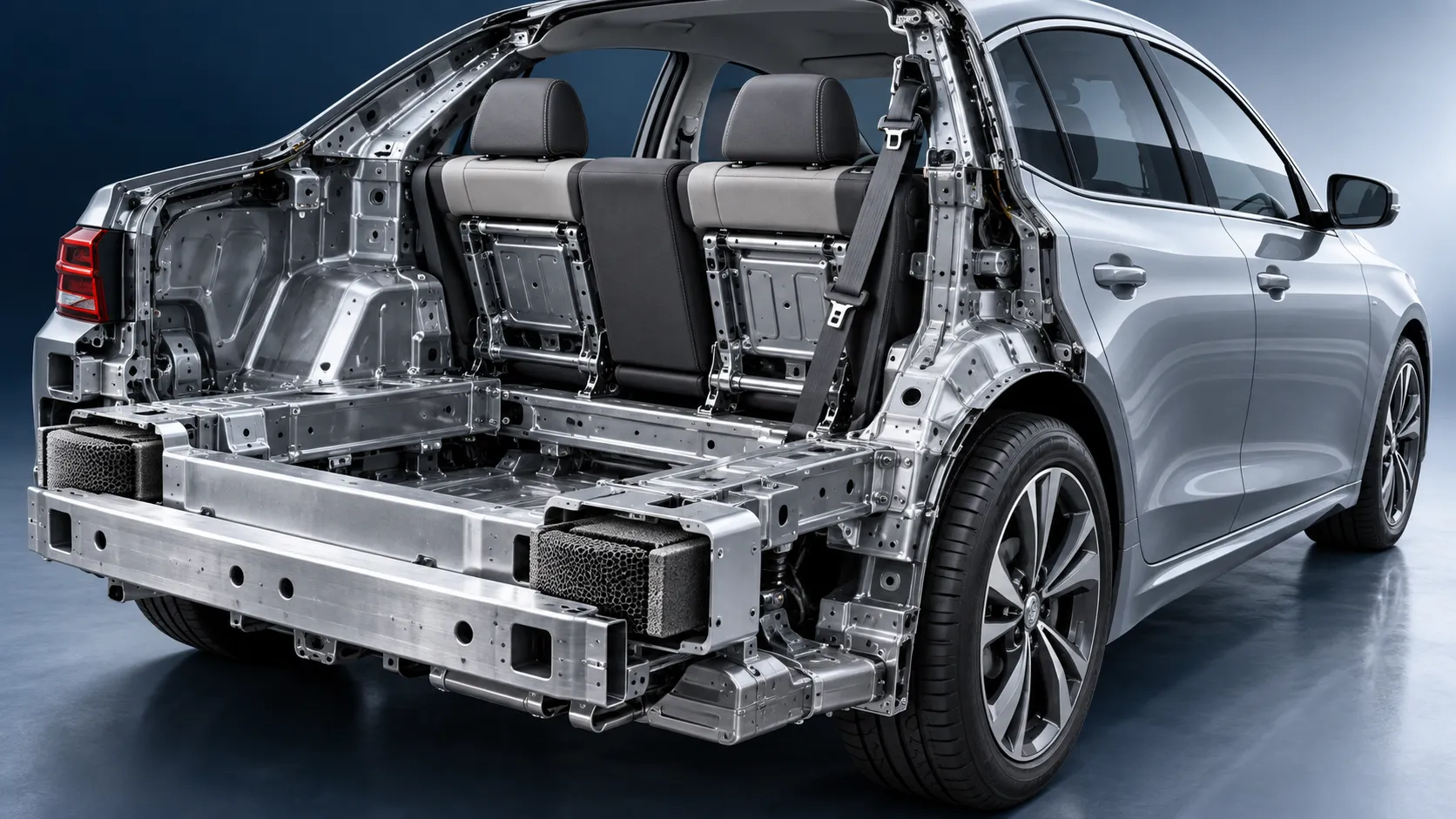
How Rear-Impact Safety Components Work Together to Protect Vehicle Occupants
Explore how automotive safety components for rear impact work together—from crash structures and seats to head restraints and belts—to enhance occupant protection.

How to Evaluate a Marine Safety Systems Manufacturer for Vessel Compliance and Reliability
Marine safety systems manufacturer evaluation guide: verify compliance, engineering quality, lifecycle costs, and global service support for safer, reliable vessel operations.
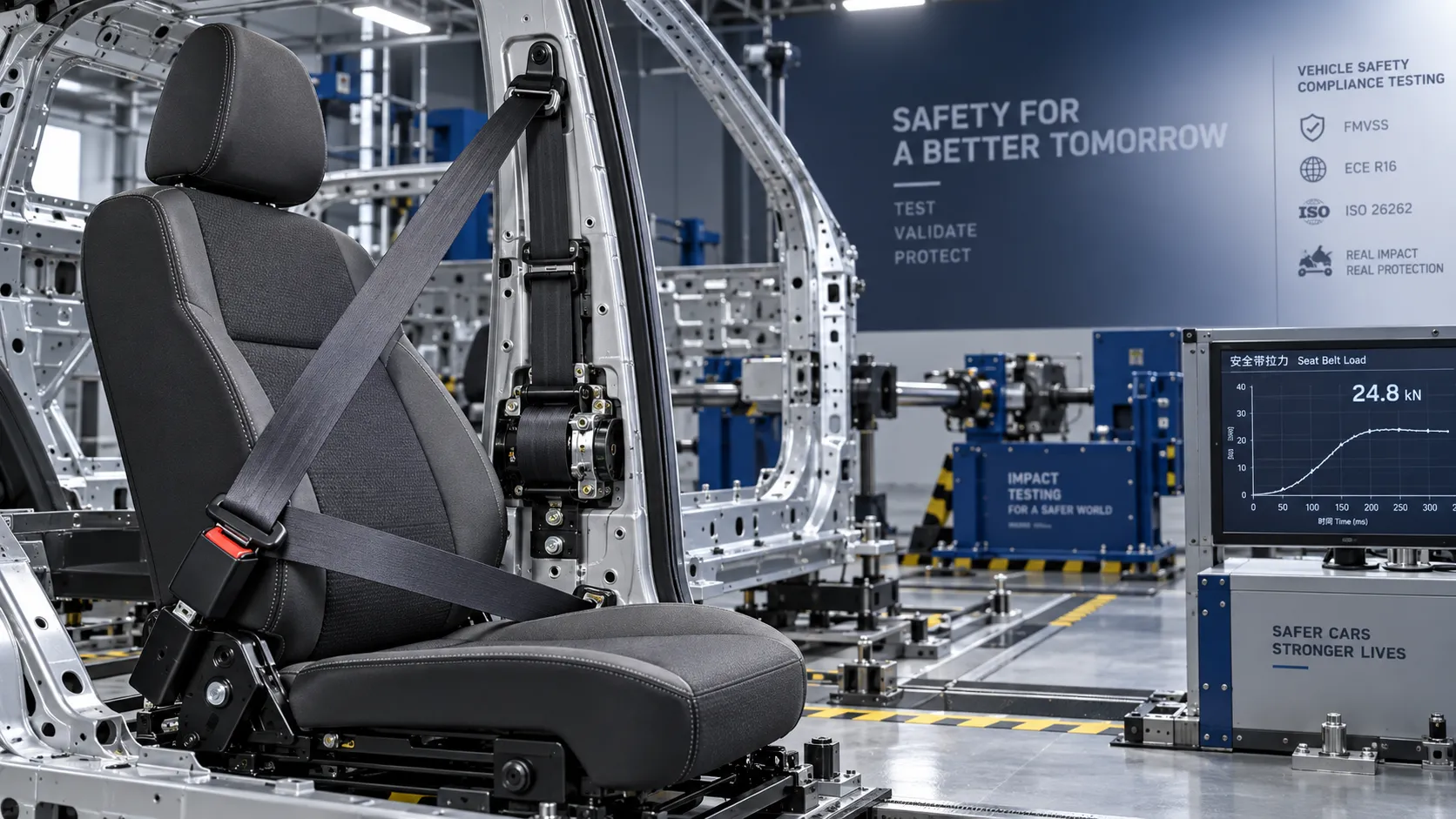
Crash Test Regulations for Seatbelts: Key Compliance Requirements Explained
Crash test regulations seatbelts explained: explore FMVSS, UN rules, anchorage strength, and dynamic restraint testing for safer, compliant vehicle systems.

How to Calculate the Total Cost of Automotive Lightweighting for a Vehicle Program
Automotive lightweight solutions cost: learn how to calculate program-level costs, including materials, tooling, joining, validation, risk, and vehicle-level value.

How Automotive Seat Occupancy Sensing Improves Airbag Deployment Decisions
Automotive seat occupancy sensing helps optimize airbag deployment decisions, improving passenger classification, safety diagnostics, and compliance across real-world conditions.
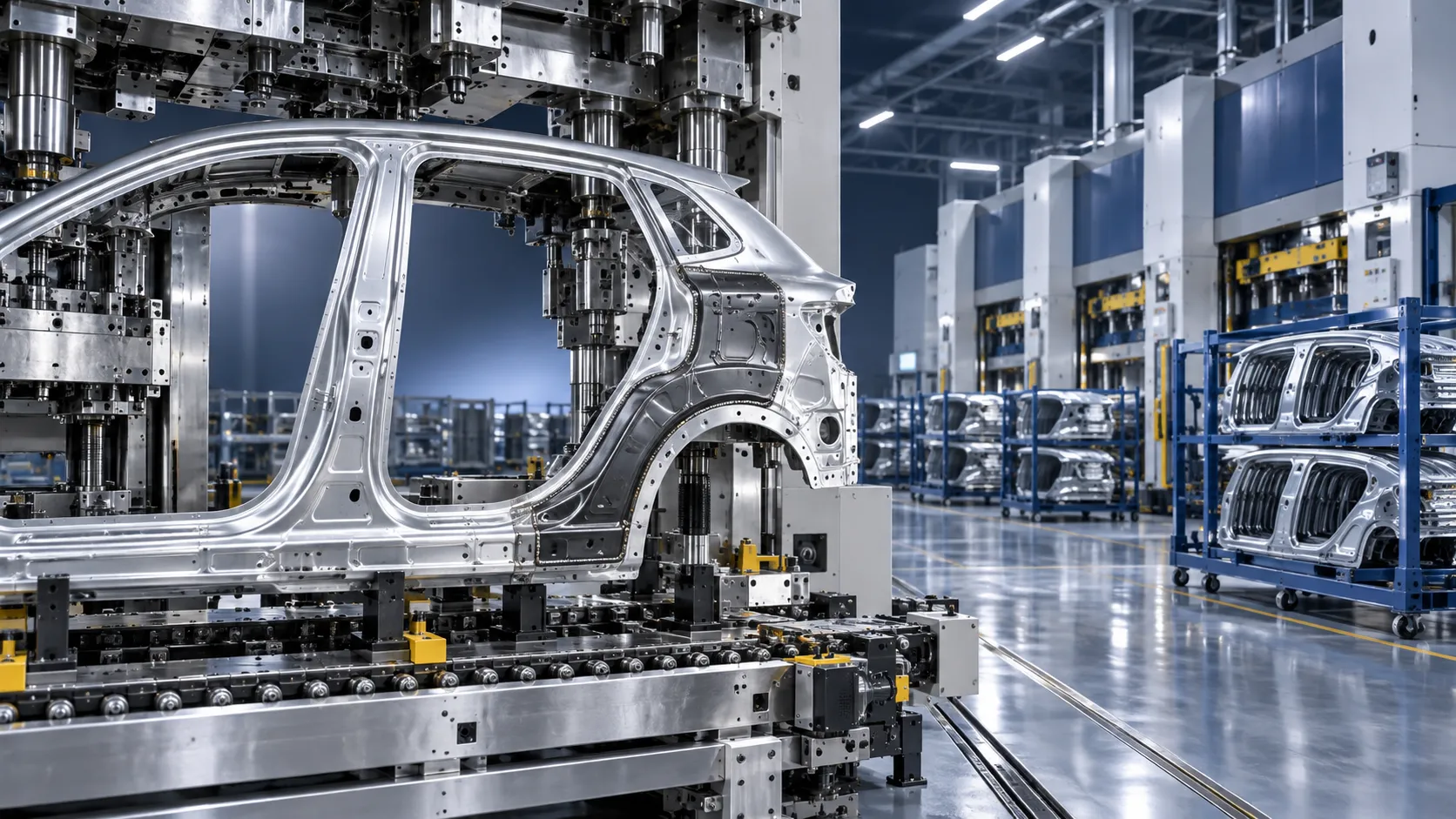
What Drives Lightweight Body Component Costs in High-Volume Vehicle Programs?
Lightweight body components cost depends on material yield, forming, joining, tooling, validation, and logistics. Explore proven ways to optimize total vehicle program cost.
Related News
- 00
0000-00
How 22MnB5 Hot Stamping Balances Crash Strength and Formability in Body Parts - 00
0000-00
22MnB5 Hot Stamped Steel Parts: Key Properties, Forming Limits, and Typical Uses - 00
0000-00
How to Evaluate Hot Stamped Steel Parts for Crash Performance and Weight Targets - 00
0000-00
Hot Stamping Processes Explained: Materials, Forming Steps, and Common Quality Defects - 00
0000-00
Hot Stamping Processes: Steps, Tooling, and Part Quality Factors That Matter
Weekly Insights
Stay ahead with our curated technology reports delivered every Monday.