
Are vehicle lightweight solutions worth the cost in 2026?
As material costs, EV range targets, and safety regulations tighten in 2026, the debate around vehicle lightweight solutions has become more practical than theoretical.
The core question is not whether lighter vehicles sound efficient. It is whether the added cost creates measurable value across fuel economy, battery range, crash management, compliance, and lifecycle economics.
In today’s mobility industry, vehicle lightweight solutions span body structures, stampings, seating frames, restraint integration, and material engineering.
For GNCS and the broader equipment ecosystem, lightweighting matters because it connects structural performance with passive safety, intelligent cabin design, and global regulation readiness.
Definition and scope of vehicle lightweight solutions
In simple terms, vehicle lightweight solutions are design and manufacturing methods that reduce mass without weakening safety, durability, or user comfort.
This does not only mean replacing steel with expensive materials. Effective lightweighting often comes from better geometry, smarter joining, and stronger localized reinforcement.
Common approaches include:
- advanced high-strength steel and hot stamping
- aluminum body panels and structural parts
- magnesium or mixed-material seat frames
- topology optimization for brackets and cross-members
- integrated passive safety packaging to reduce redundant mass
The best vehicle lightweight solutions do not chase the lowest weight at any cost. They target the best weight-to-function ratio in real operating conditions.
Industry signals shaping the 2026 cost debate
In 2026, several pressures are changing how companies evaluate vehicle lightweight solutions.
These signals explain why the answer is nuanced. Some vehicle lightweight solutions produce fast returns. Others only work when paired with platform redesign and scale.
Where the value becomes measurable
The strongest case for vehicle lightweight solutions appears when value is measured across several systems, not one isolated component.
Energy efficiency and range
A lighter body reduces propulsion demand. In EVs, this can extend range, improve acceleration efficiency, and ease thermal stress on the battery system.
In combustion and hybrid platforms, lower mass supports fuel economy and emissions targets, especially in stop-and-go operation.
Crash performance and containment
Weight reduction only matters if structural load paths remain stable. This is where hot-stamped parts, tailored blanks, airbags, and seatbelt systems must work together.
Well-engineered vehicle lightweight solutions can improve crash pulse control by placing strength exactly where intrusion resistance and energy absorption are needed.
Cabin comfort and smart seating
Seat assemblies are often overlooked. Lighter seat frames can reduce total vehicle mass while supporting thermal comfort, sensing systems, and ergonomic durability.
This is especially relevant in premium mobility, where comfort features must be added without erasing efficiency gains.
Platform-level cost optimization
Reducing mass in one area can lower downstream costs elsewhere. Smaller brakes, adjusted suspension tuning, or optimized battery sizing may partially offset material premiums.
That is why the real economics of vehicle lightweight solutions are often better than part-by-part comparisons suggest.
When vehicle lightweight solutions are worth the cost
In 2026, vehicle lightweight solutions are usually worth the cost under the following conditions:
- the platform has strict range or emissions targets
- crash compliance requires higher structural efficiency
- mass reduction enables smaller secondary systems
- annual production volume supports tooling recovery
- repairability and joining methods are planned early
- mixed-material design is validated across supply chains
They are less attractive when lightweighting is treated as a late-stage cosmetic change, rather than a systems engineering strategy.
A costly aluminum substitution, without redesigning geometry or assembly logic, may deliver disappointing returns.
Typical solution paths by component category
This comparison shows that not all vehicle lightweight solutions carry the same risk profile. Some are mature and scalable. Others remain selective and premium.
Practical evaluation criteria for 2026 programs
A sound decision framework should test vehicle lightweight solutions against technical, commercial, and compliance realities.
- Measure kilograms removed per added dollar, not material prestige.
- Model range, emissions, and secondary system savings together.
- Check crash pulse effects, restraint timing, and cabin intrusion behavior.
- Review forming, joining, inspection, and repair ecosystem readiness.
- Include lifecycle carbon and recycled content implications.
- Stress-test supply continuity for critical alloys and processes.
This approach prevents overinvestment in fashionable materials while protecting high-value opportunities in proven lightweight structures.
Strategic outlook for GNCS-linked mobility sectors
For GNCS, the lightweight discussion goes beyond body mass. It links navigation-adjacent electronics packaging, structural intelligence, and occupant protection architecture.
In automotive applications, the most resilient vehicle lightweight solutions will combine high-strength stampings, efficient seat structures, and passive safety synchronization.
That integration matters because future compliance will reward systems that balance precision, protection, and manufacturability.
It also creates a stronger technical story for premium component programs, where verified performance can justify cost more effectively than weight reduction alone.
Conclusion and next-step guidance
So, are vehicle lightweight solutions worth the cost in 2026? In many cases, yes—but only when assessed at system level, not as isolated material upgrades.
The strongest returns come from integrated engineering that improves efficiency, supports crashworthiness, and aligns with regulatory and supply-chain realities.
A practical next step is to benchmark current structures, identify high-mass safety-critical zones, and compare redesign paths using total-value metrics.
Within that process, vehicle lightweight solutions should be judged by verified performance, scalable production logic, and long-term mobility relevance.
GNCS continues to track these shifts across body stampings, safety systems, and smart cabin architecture, helping technical decisions stay connected to real industry evolution.
Related News

How to Specify Integrated Marine Electronics for Reliable Bridge Operations
Integrated marine electronics: learn how to specify reliable bridge systems with clear data flows, redundancy, alarm control, lifecycle interfaces, and operational testing.

How to Evaluate Navigation Radar Manufacturers for Commercial Vessel Projects
Navigation radar manufacturers: learn how to compare performance, compliance, integration, support, and lifecycle cost for commercial vessel projects.
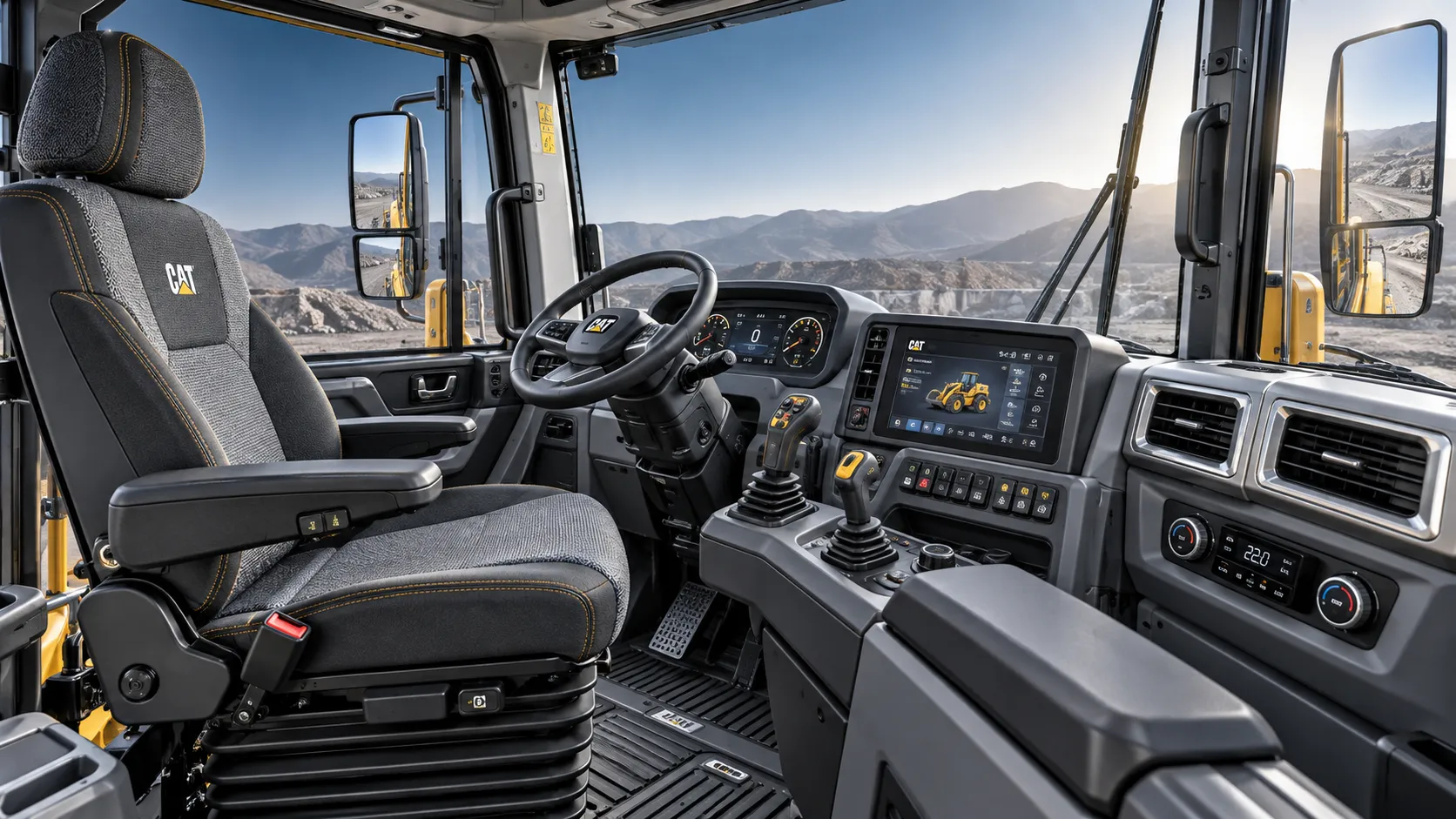
How Adjustable Cabin Ergonomics Reduce Operator Fatigue in Long-Shift Vehicles
Adjustable cabin ergonomics reduces operator fatigue through better seating, reach, visibility, vibration control, and climate comfort for safer long-shift vehicles.
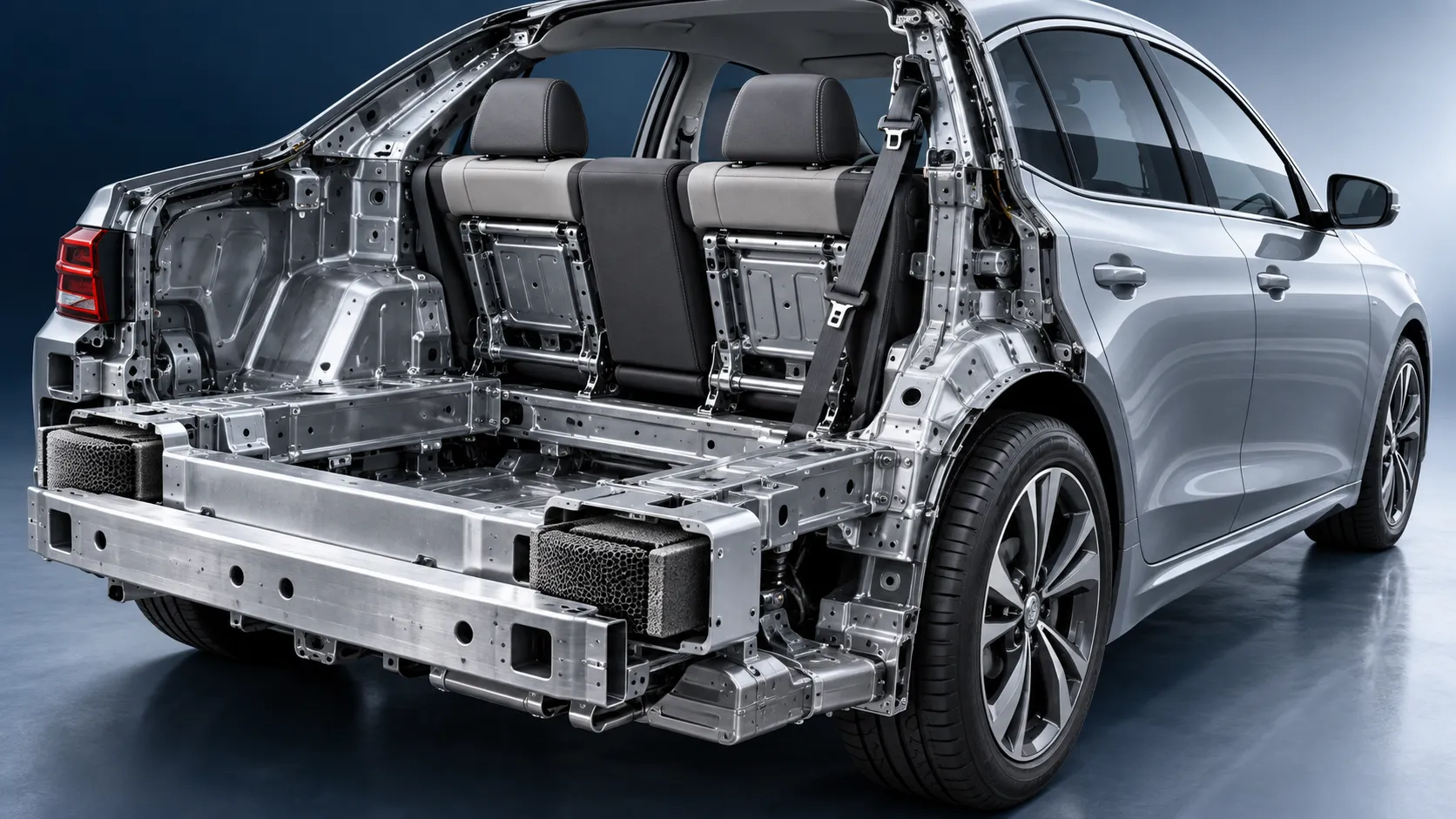
How Rear-Impact Safety Components Work Together to Protect Vehicle Occupants
Explore how automotive safety components for rear impact work together—from crash structures and seats to head restraints and belts—to enhance occupant protection.

How to Evaluate a Marine Safety Systems Manufacturer for Vessel Compliance and Reliability
Marine safety systems manufacturer evaluation guide: verify compliance, engineering quality, lifecycle costs, and global service support for safer, reliable vessel operations.
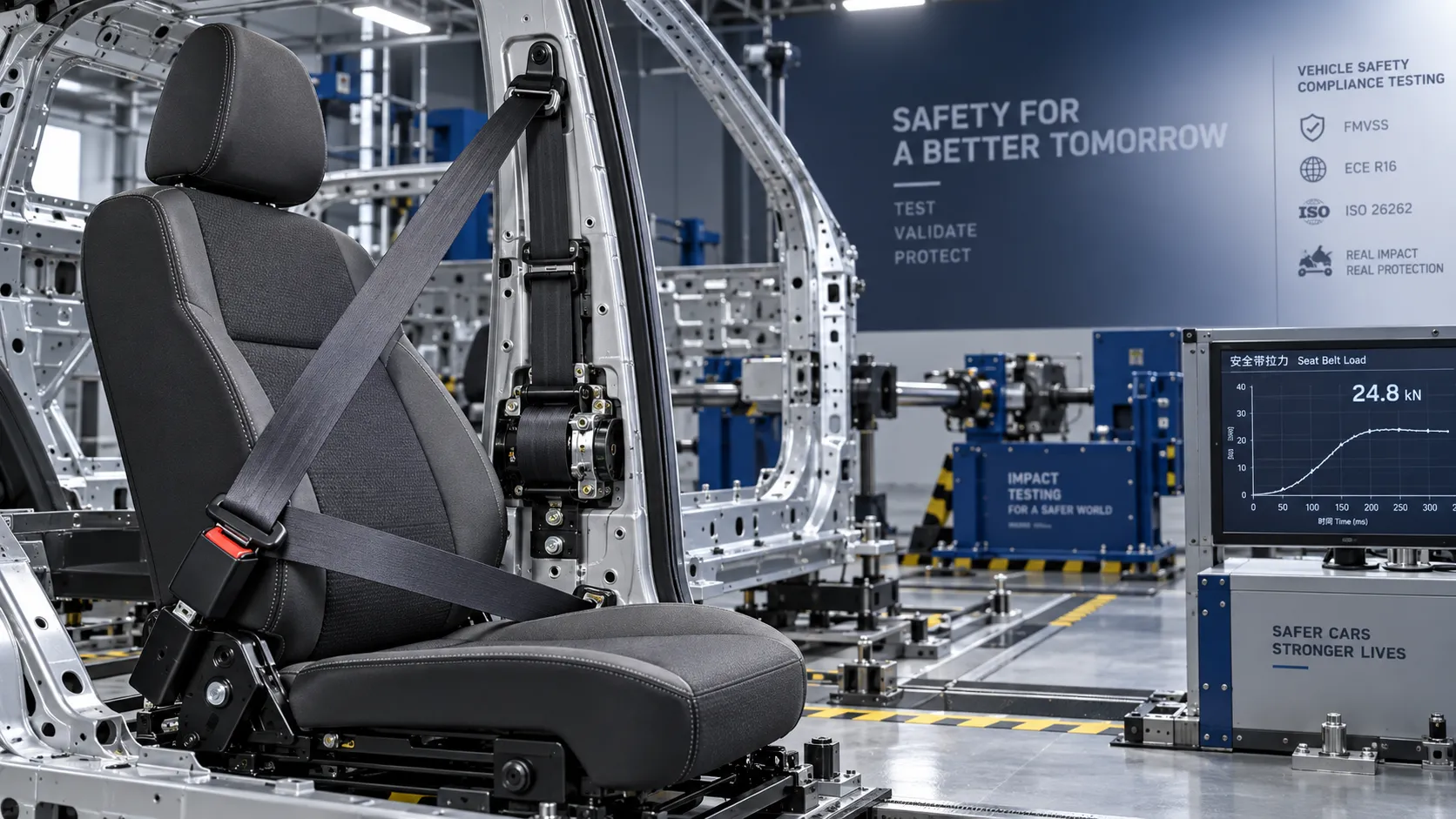
Crash Test Regulations for Seatbelts: Key Compliance Requirements Explained
Crash test regulations seatbelts explained: explore FMVSS, UN rules, anchorage strength, and dynamic restraint testing for safer, compliant vehicle systems.

How to Calculate the Total Cost of Automotive Lightweighting for a Vehicle Program
Automotive lightweight solutions cost: learn how to calculate program-level costs, including materials, tooling, joining, validation, risk, and vehicle-level value.
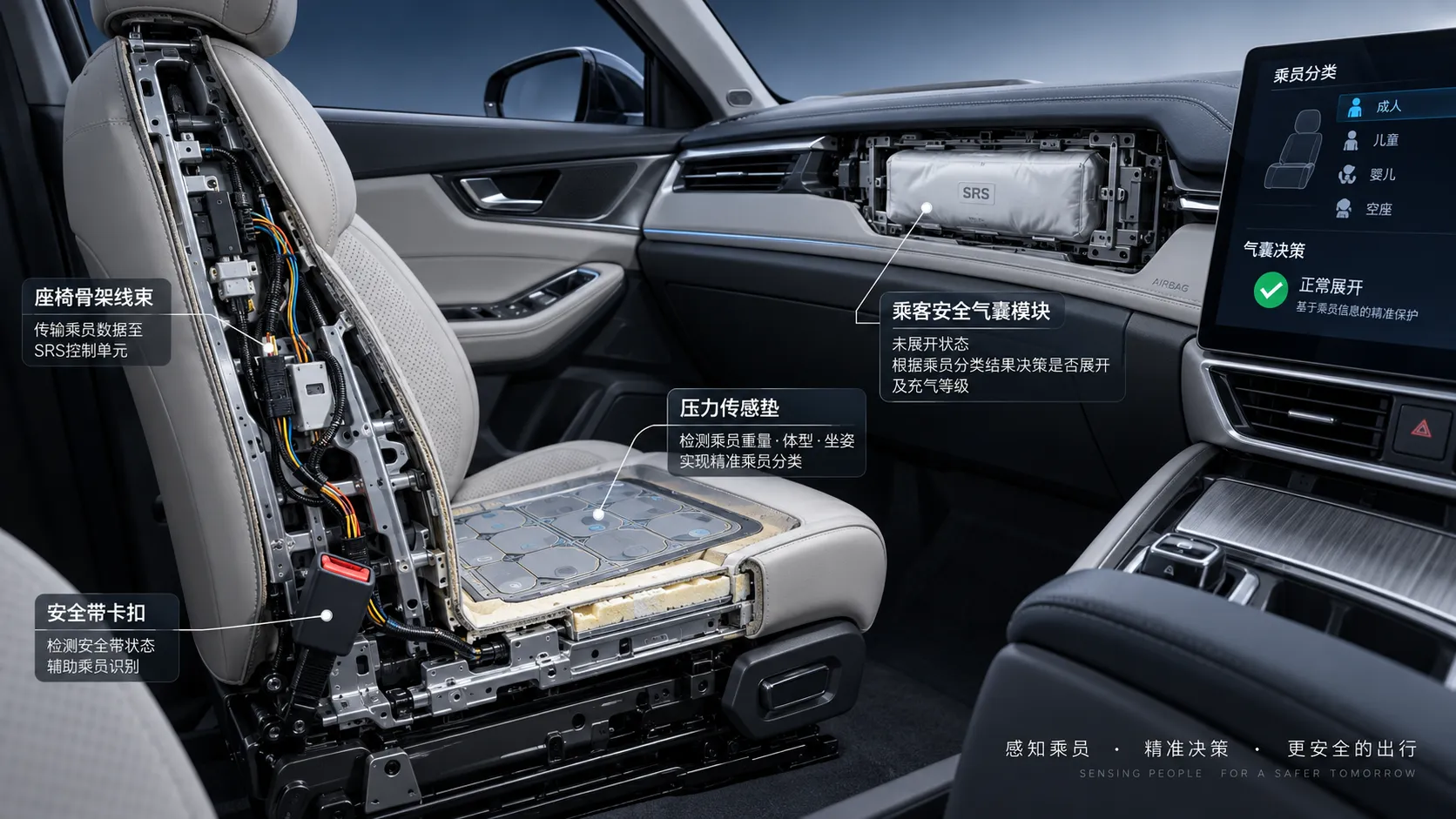
How Automotive Seat Occupancy Sensing Improves Airbag Deployment Decisions
Automotive seat occupancy sensing helps optimize airbag deployment decisions, improving passenger classification, safety diagnostics, and compliance across real-world conditions.

What Drives Lightweight Body Component Costs in High-Volume Vehicle Programs?
Lightweight body components cost depends on material yield, forming, joining, tooling, validation, and logistics. Explore proven ways to optimize total vehicle program cost.
Related News
- 00
0000-00
How to Evaluate High Strength Hot Stamped Steel Parts for Crash-Safety Applications - 00
0000-00
How to Evaluate Steel Auto Body Stampings for Strength, Fit, and Cost - 00
0000-00
Vehicle Lightweight Engineering for Body Structures vs High-Strength Steel: When to Use Which - 00
0000-00
Vehicle Lightweight Solutions for Structural Parts: When to Use Aluminum, HSS, or Hot Stamping - 00
0000-00
How to Evaluate High Strength Steel Stampings for Seat Structures: Key Grades and Forming Limits
Weekly Insights
Stay ahead with our curated technology reports delivered every Monday.