
How energy-absorbing materials cut risk and repair costs
For global mobility systems, energy-absorbing materials have moved from optional engineering detail to board-level risk control. They help reduce injury severity, protect structures, and cut repair costs across marine cabins, vehicle bodies, seat systems, and passive safety assemblies.
This shift matters because compliance is tightening, lightweighting targets are rising, and downtime is becoming more expensive. In that environment, energy-absorbing materials support safer designs while improving lifecycle value, serviceability, and supplier confidence.
Why energy-absorbing materials are becoming a stronger buying signal
Across marine and automotive sectors, impact management is no longer judged only by peak strength. Buyers increasingly examine how structures deform, how cabins protect occupants, and how damage remains localized after a collision.
That is where energy-absorbing materials create value. They convert crash energy into controlled deformation, friction, compression, or fracture, reducing transferred force to people and surrounding components.
In practical terms, this means fewer severe injuries, lower replacement scope, and more predictable post-impact repair. It also supports mixed-material architectures used in lightweight bodies, smart seating, and protected cabin zones.
The market signals behind the rise of energy-absorbing materials
Several trend signals explain the growing demand for energy-absorbing materials in integrated mobility equipment. The shift is technical, commercial, and regulatory at the same time.
- Stricter crash and occupant protection benchmarks increase the need for controlled energy dissipation.
- Lightweight platforms need materials that offset reduced mass with smarter impact performance.
- Repair economics now influence design choices more than before.
- Marine and automotive cabins require better protection for electronics, sensors, and human interfaces.
- Insurance pressure and fleet uptime targets reward designs with lower secondary damage.
As a result, energy-absorbing materials are now evaluated not just for performance in tests, but for total system effect. That includes durability, manufacturability, replacement complexity, and regulatory traceability.
What is driving adoption across safety-critical applications
The growth of energy-absorbing materials is tied to clear engineering and business drivers. Their value becomes stronger when viewed across the full operating lifecycle.
Different material families serve different roles. Foams, honeycomb structures, engineered polymers, aluminum crush elements, and advanced composites each absorb energy in specific deformation patterns.
The best choice depends on crash pulse, packaging space, environmental conditions, joining method, and replacement strategy. This is why energy-absorbing materials should be selected at system level, not in isolation.
How energy-absorbing materials change outcomes in real systems
Vehicle body and structural zones
In lightweight auto bodies, energy-absorbing materials help tune crush behavior. They can protect the passenger cell while reducing deformation transfer to adjacent structural members.
This often lowers repair scope after moderate impacts. Instead of widespread structural distortion, damage can remain concentrated in replaceable modules or designed crush sections.
Airbag, seatbelt, and seating integration
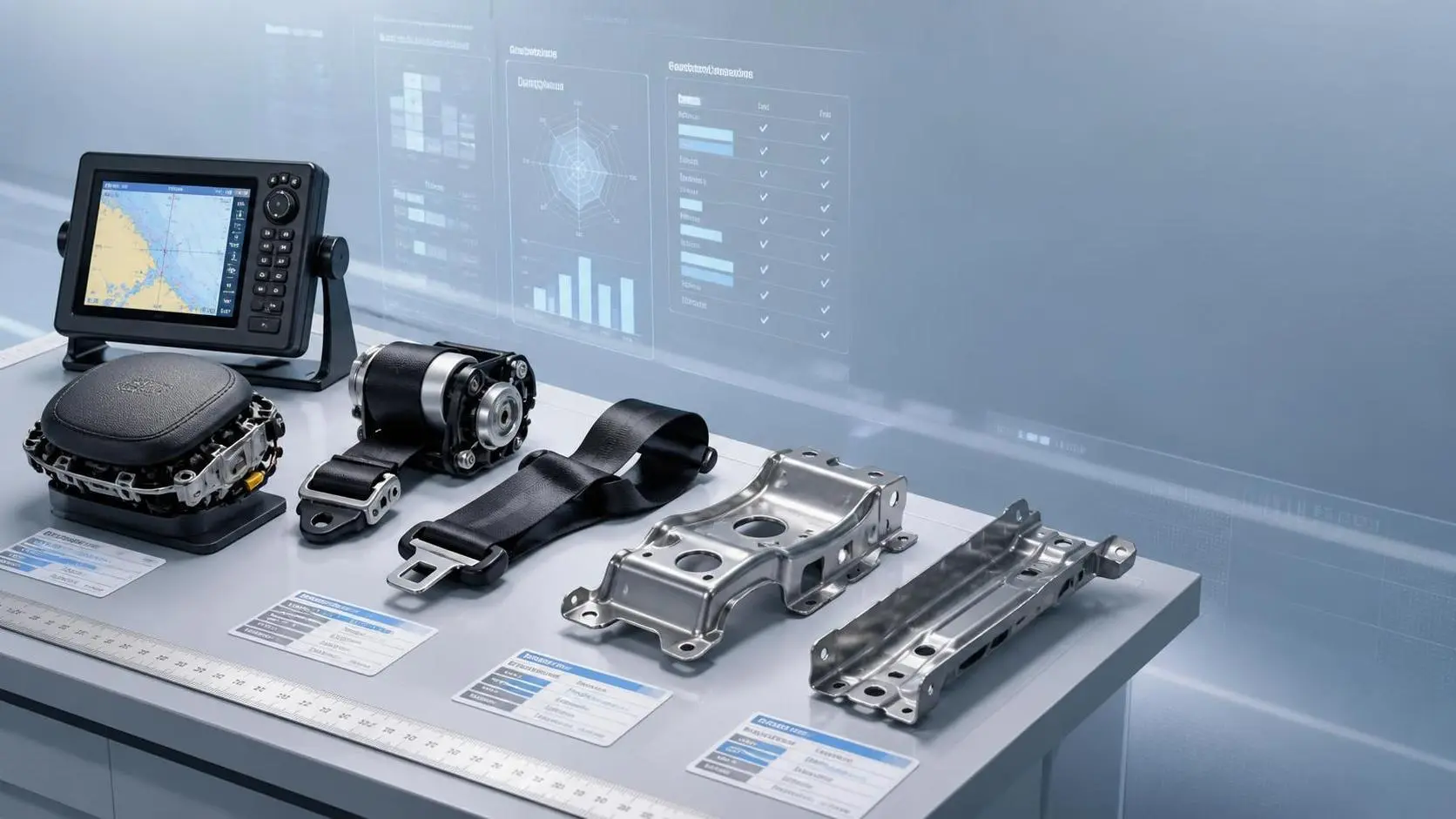
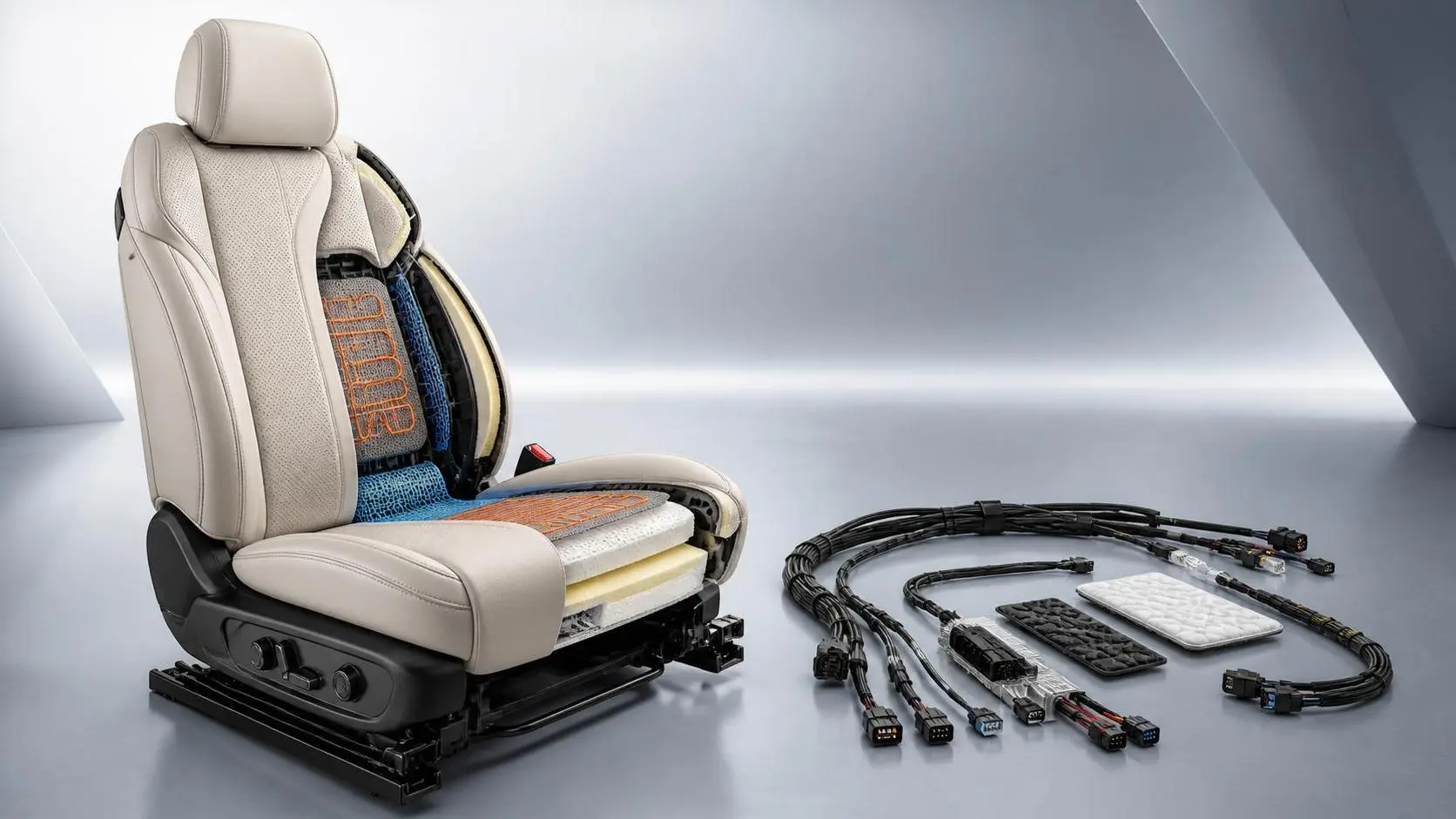
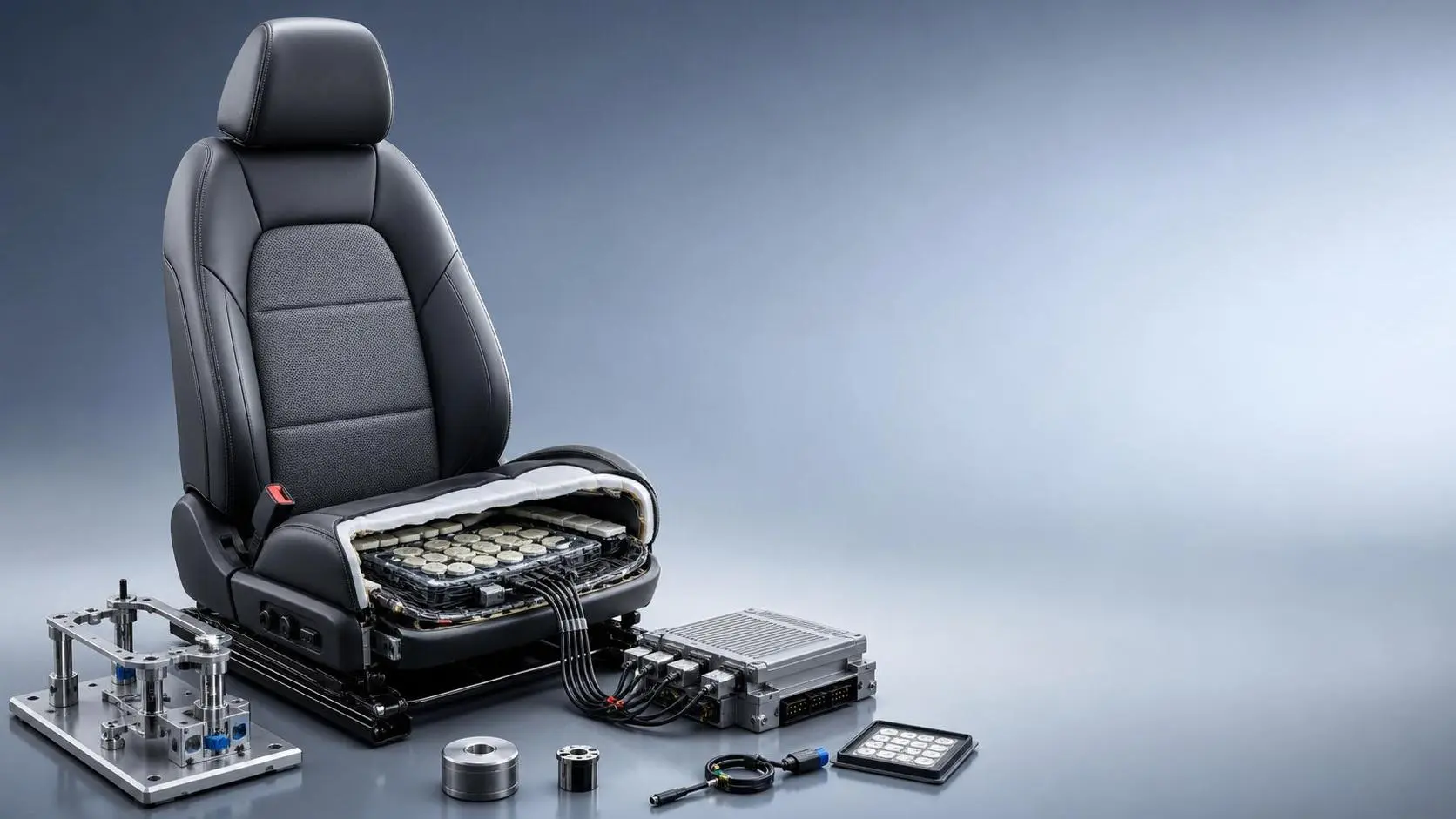
Passive safety systems work best when restraint timing matches body motion. Energy-absorbing materials in seats, bolsters, trims, and load paths help manage that motion more precisely.
That coordination can reduce chest loads, head contact severity, and submarining risk. It also supports smarter interaction between pretensioners, force limiters, airbags, and seat frames.
Marine cabins and navigation environments
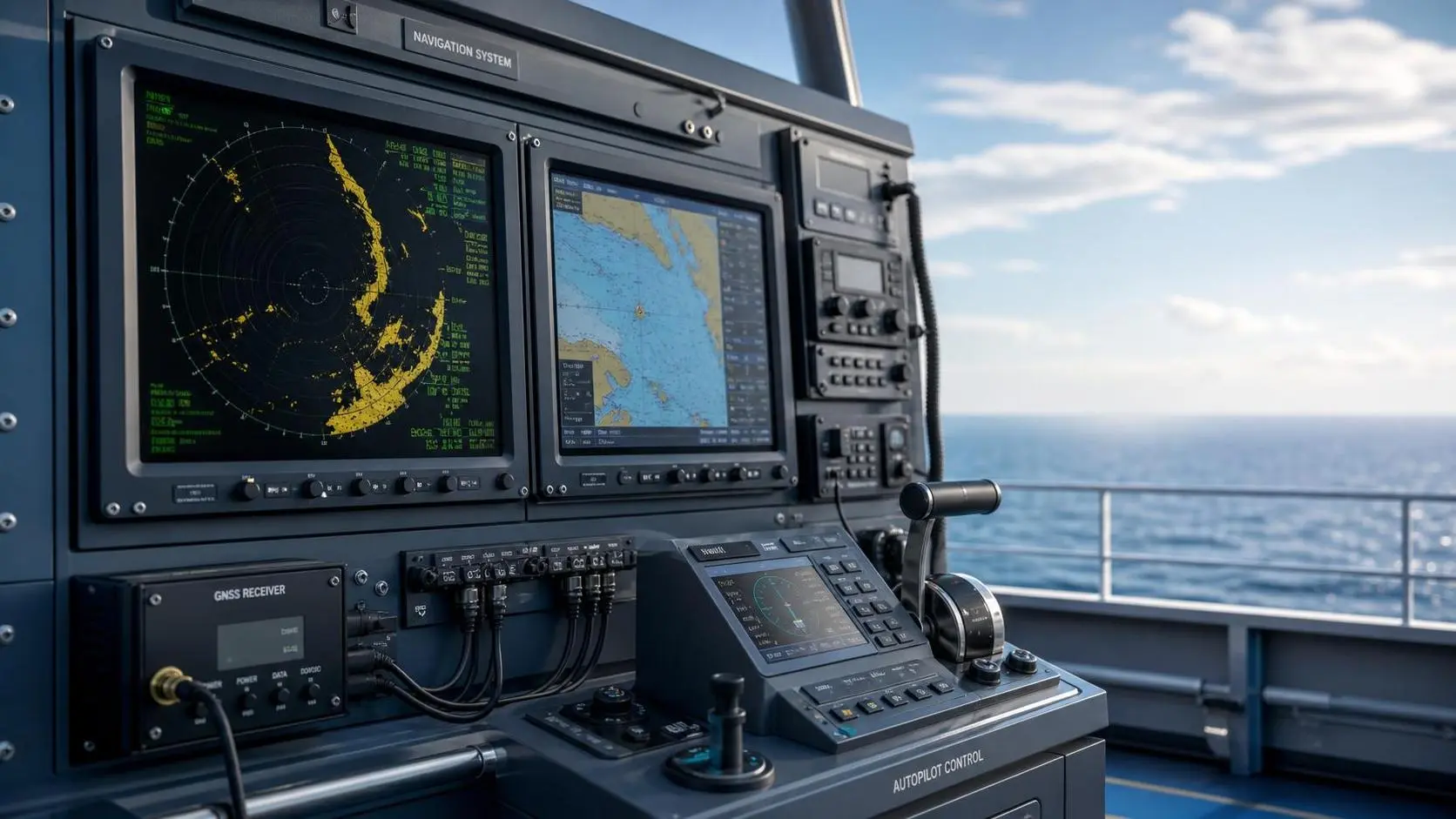
In marine applications, energy-absorbing materials do more than address rare collision events. They also help limit vibration transfer, shock loading, and equipment damage in harsh operating conditions.
For protected cabin structures, consoles, and seating, that means better crew safety and lower replacement rates for high-value electronics. It also strengthens reliability in mission-critical navigation spaces.
Where repair savings actually come from
The financial case for energy-absorbing materials is often misunderstood. Savings do not come only from fewer major crashes. They also come from smaller repair footprints in common lower-speed incidents.
- Damage stays within defined crush zones or replaceable modules.
- Sensitive components avoid secondary impact or intrusion.
- Cabin structures retain geometry, reducing alignment work.
- Interior trims and seats experience lower transmitted loads.
- Service teams can replace targeted parts instead of full assemblies.
This matters for fleets, premium vehicle platforms, and specialized marine assets. Reduced downtime can be as valuable as direct parts savings, especially when operational schedules are tight.
What to evaluate before choosing energy-absorbing materials
Not all energy-absorbing materials deliver the same business outcome. Selection should connect laboratory performance with production reality, environmental exposure, and field repair conditions.
- Energy absorption profile under relevant impact speeds and load directions.
- Behavior after aging, humidity, corrosion, salt exposure, or thermal cycling.
- Compatibility with joining methods and surrounding materials.
- Ease of inspection, replacement, and service documentation.
- Regulatory evidence, validation depth, and supplier process stability.
The strongest programs compare energy-absorbing materials through both safety metrics and cost-per-event logic. A cheaper material can become expensive if it increases hidden damage or slows repair turnaround.
How businesses can respond to the next wave of material decisions
The next phase of adoption will reward teams that treat energy-absorbing materials as a platform decision. That means linking crash performance, cabin protection, compliance, and aftermarket economics early.
A practical next step is to review where impact energy is currently managed poorly. Focus first on zones with high repair frequency, costly secondary damage, or demanding occupant protection targets.
From there, compare candidate energy-absorbing materials by validated performance, integration complexity, and lifecycle cost. The best decision is usually the one that balances safety, durability, serviceability, and global compliance confidence.
For sectors tracked by GNCS, this is not a narrow material trend. It is a broader shift toward precision protection, smarter structures, and lower-risk mobility systems. Energy-absorbing materials are increasingly central to that transition.
Related News
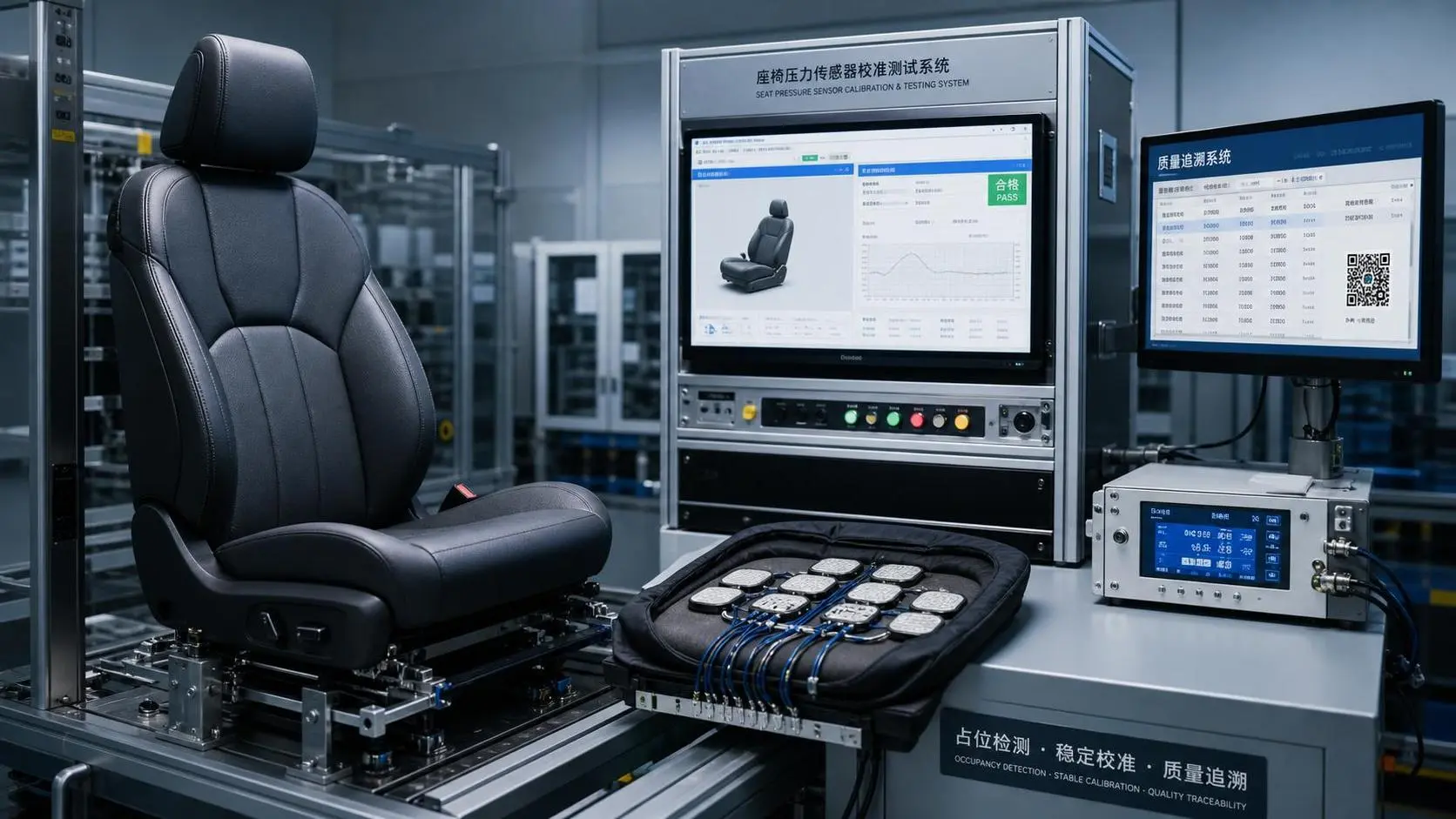
How to Evaluate a Seat Sensing Systems Factory for Automotive Safety Programs
Seat sensing systems factory selection goes beyond price. Learn how to assess quality control, validation, PPAP readiness, and long-term supply reliability for safer automotive programs.
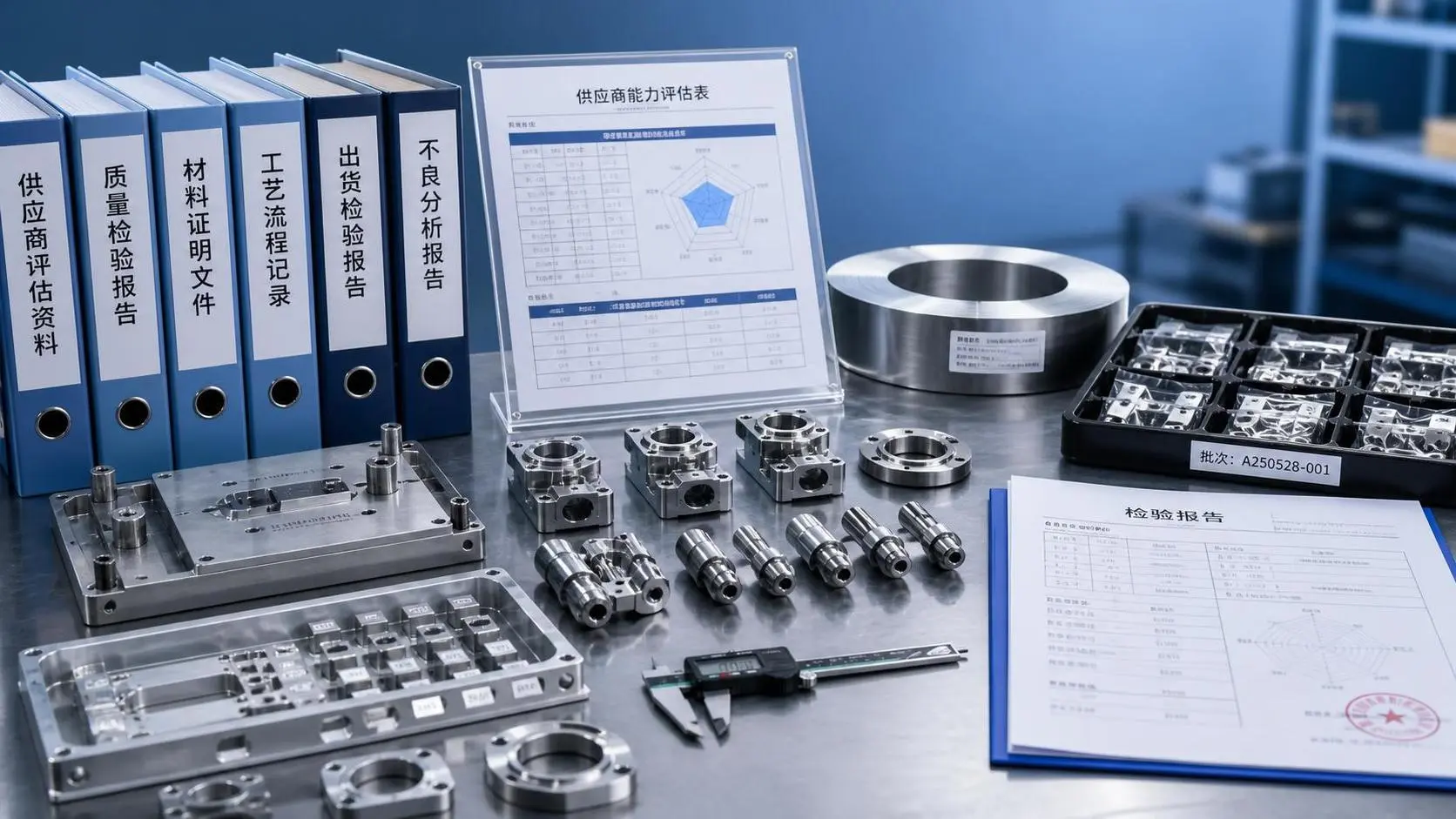
Supplier Capability Evaluation Process: Key Criteria for B2B Sourcing Decisions
Supplier capability evaluation process explained: learn the key criteria for B2B sourcing decisions, reduce supplier risk, and choose partners with confidence.
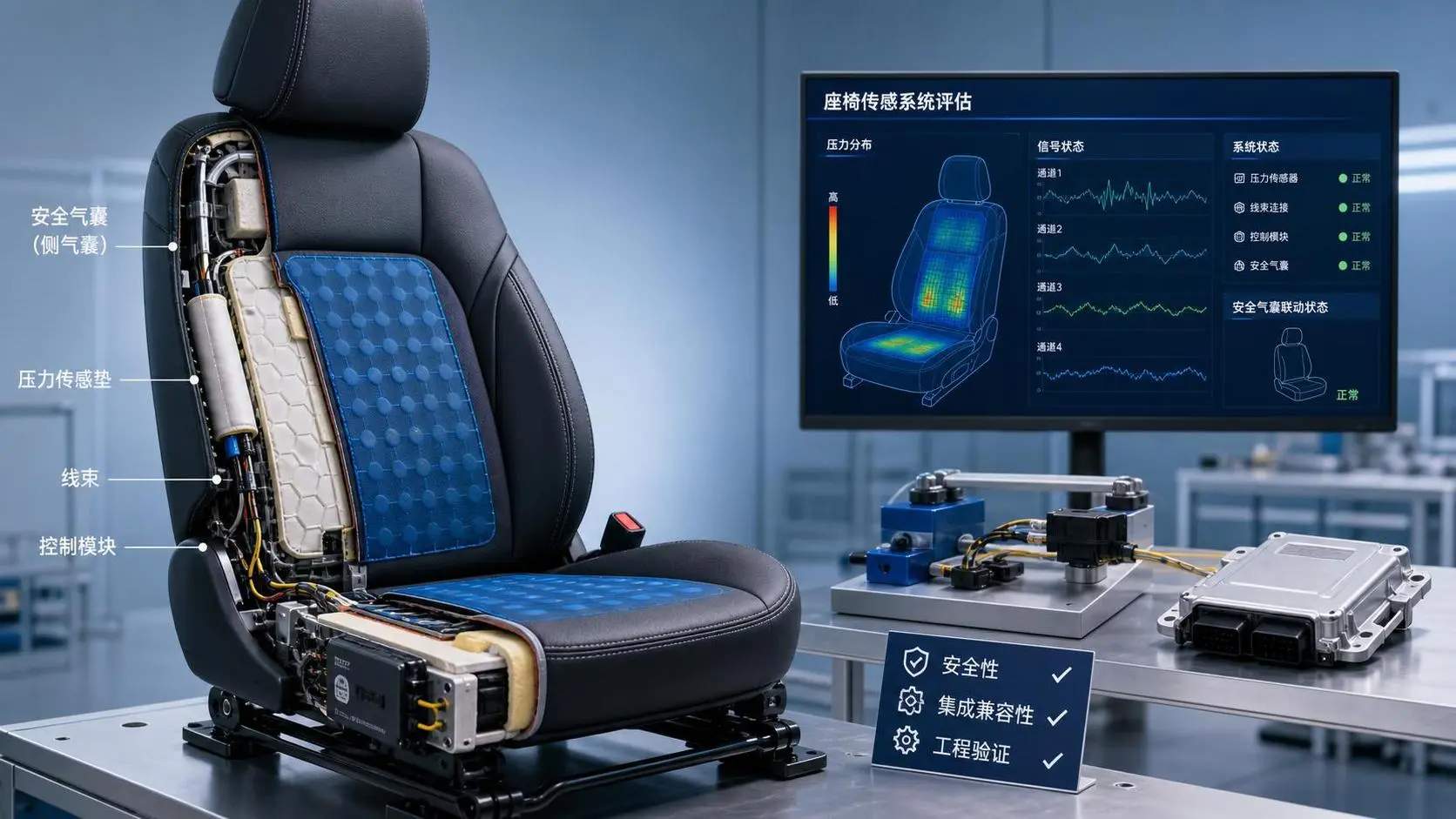
How to Evaluate a Seat Sensing Technology Supplier for Safety and Integration?
Seat sensing technology supplier evaluation guide: compare safety maturity, integration fit, algorithm reliability, and validation support to choose a partner that reduces risk.
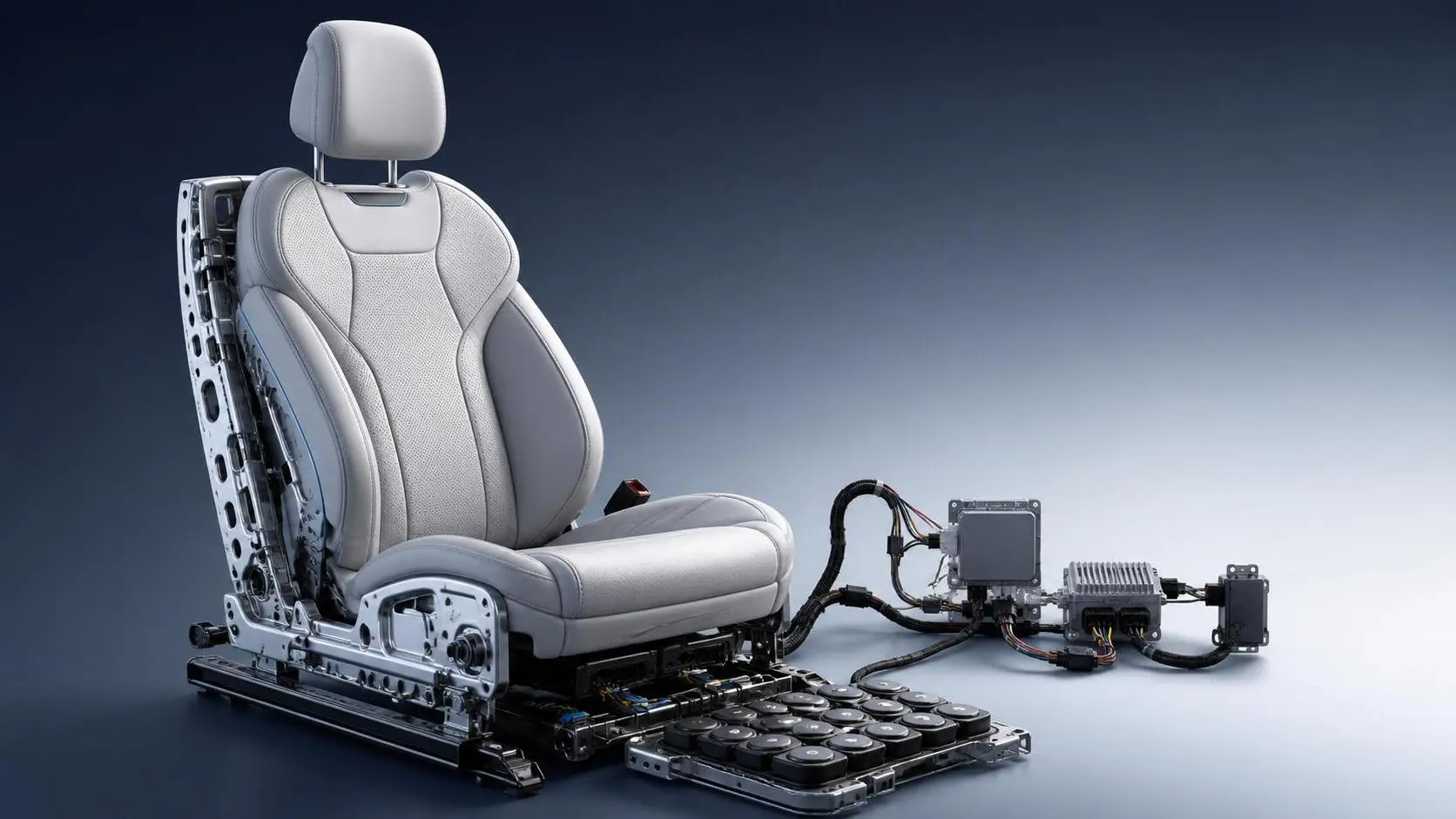
How to Evaluate Custom Smart Automotive Seating for Premium Vehicle Programs?
Custom smart automotive seating evaluation starts with safety, comfort, integration, and production readiness. Discover how premium vehicle teams choose smarter, lower-risk seat solutions.
B2B Product Intelligence Platforms: How to Compare Features, Data Coverage, and ROI
B2B product intelligence platform comparison: learn how to evaluate data coverage, feature depth, compliance visibility, and ROI to choose a sourcing tool that reduces risk and speeds decisions.
Climate Control Seats Cost: What Drives Price and Long-Term Ownership Value?
Climate control seats cost depends on materials, thermal tech, and integration. Learn what drives price and how to judge long-term value before you buy.
What Factors Drive Marine Navigation Components Cost in Commercial Vessel Projects?
Marine navigation components cost is shaped by integration, compliance, installation, and lifecycle support. Discover what drives pricing and how buyers can reduce risk while improving value.
How Much Does Seat Occupancy Sensing Cost? Key Pricing Factors for Buyers
Seat occupancy sensing price varies widely by technology, integration, and compliance needs. Learn the key cost drivers, avoid hidden fees, and make smarter buying decisions.

How to Specify Micro-Climate Control Cabins for Harsh Outdoor Worksites?
Micro-climate control cabins for harsh outdoor worksites: learn how to specify thermal control, filtration, pressurization, and durability for safer uptime and smarter buying.
Related News
- 00
0000-00
How to Evaluate Steel Auto Body Stampings for Strength, Fit, and Cost - 00
0000-00
Vehicle Lightweight Engineering for Body Structures vs High-Strength Steel: When to Use Which - 00
0000-00
Vehicle Lightweight Solutions for Structural Parts: When to Use Aluminum, HSS, or Hot Stamping - 00
0000-00
How to Evaluate High Strength Steel Stampings for Seat Structures: Key Grades and Forming Limits - 00
0000-00
Custom High Strength Steel Stampings: Key Tolerances, Tooling Factors, and Lead Times
Weekly Insights
Stay ahead with our curated technology reports delivered every Monday.