How to Evaluate a Cabin Restraint Systems Supplier for Commercial Vehicle Projects
How to Evaluate a Cabin Restraint Systems Supplier for Commercial Vehicle Projects
Choosing the right cabin restraint systems supplier can determine whether a commercial vehicle project meets safety, compliance, cost, and delivery goals.
For sourcing decisions, price is only one layer.
A weak supplier can create delays, validation failures, warranty exposure, and difficult launch issues.
A strong cabin restraint systems supplier helps reduce those risks early.
In commercial vehicle programs, restraint systems must work under heavy use, diverse cabin layouts, and strict regulatory conditions.
That makes supplier evaluation a practical exercise in safety, engineering, process control, and long-term support.
The sections below show how to compare suppliers with clearer criteria and fewer blind spots.
Start with Program Fit, Not Just Catalog Fit
Many buyers begin with product range.
That is useful, but it is not enough.
A cabin restraint systems supplier may offer seatbelt assemblies, pretensioners, buckles, and anchorage components.
What matters more is whether those products match your vehicle architecture, duty cycle, and validation path.
In actual projects, commercial trucks, buses, specialty vehicles, and off-highway platforms face different design pressures.
A supplier with passenger car experience alone may not be ready for heavy commercial requirements.
At this stage, check for three things:
- Experience in commercial vehicle restraint applications
- Ability to support custom mounting, webbing length, and packaging constraints
- Understanding of regional compliance targets and test expectations
This first screen quickly separates a generic supplier from a project-ready cabin restraint systems supplier.
Verify Engineering Depth and Safety Design Capability
Engineering capability is one of the strongest predictors of project stability.
A qualified cabin restraint systems supplier should do more than manufacture to print.
They should contribute to load path design, occupant kinematics, packaging optimization, and failure prevention.
Ask how the supplier supports development.
Do they use simulation tools for restraint performance?
Can they interpret sled test data and recommend design adjustments?
Do they understand interactions between seats, anchorage points, airbags, and body structure?
The more complex the cabin, the more valuable this becomes.
Recent industry changes make this even more important.
Lightweight seats, smarter sensors, and tighter packaging leave less margin for weak engineering assumptions.
Useful evaluation questions include:
- What in-house design resources support restraint development?
- Which validation tools and test methods are routinely used?
- How are design changes documented and controlled?
- Can the supplier provide examples of solving past safety integration issues?
A capable cabin restraint systems supplier should answer these clearly, with data rather than marketing language.
Check Compliance Readiness Early
Compliance problems usually surface late, and late problems are expensive.
That is why regulatory readiness should be reviewed before commercial negotiation goes too far.
A dependable cabin restraint systems supplier should understand applicable standards for target markets.
Depending on the project, this may include FMVSS, ECE, ISO, or OEM-specific performance requirements.
Do not stop at asking whether the supplier is certified.
Ask how they maintain compliance across product revisions, raw material shifts, and process updates.
This is where weaker suppliers often struggle.
Look for evidence such as:
- Current certification records and audit history
- Traceable test reports tied to part numbers
- Change management procedures for regulated components
- Documented PPAP or equivalent approval workflows
A strong cabin restraint systems supplier treats compliance as an operating discipline, not a one-time milestone.
Assess Manufacturing Consistency and Process Control
Safety products fail when process discipline fails.
For that reason, plant capability deserves close review.
A cabin restraint systems supplier should show stable production methods, not just available capacity.
Focus on the processes that directly affect restraint performance.
That includes webbing control, stitching quality, metal component tolerances, pretensioner assembly discipline, and end-of-line verification.
More clearly than before, buyers now need visibility into traceability systems and defect containment speed.
If a deviation appears, how quickly can the supplier isolate lots, stop shipments, and issue corrective action?
During a site audit, review:
A reliable cabin restraint systems supplier should be able to walk through these controls with confidence and evidence.
Review Supply Chain Resilience and Delivery Performance
Commercial vehicle programs rarely stay static.
Volumes change, engineering revisions happen, and launch windows tighten.
That means the cabin restraint systems supplier must be resilient beyond normal production conditions.
Ask about dual sourcing for critical materials, regional production options, logistics planning, and inventory buffers.
It is also worth checking how the supplier performed during recent disruptions.
Past behavior often says more than future promises.
On-time delivery data matters, but responsiveness matters too.
A late answer on a tooling issue can be just as damaging as a late shipment.
Good review points include:
- Historical delivery performance by program
- Capacity planning for ramp-up and service demand
- Business continuity planning for critical parts
- Communication speed during shortages or engineering changes
A mature cabin restraint systems supplier usually has structured answers here, supported by operational records.
Compare Total Cost, Not Unit Price Alone
Low piece price can hide expensive downstream risk.
This is especially true for restraint systems, where quality escapes carry a high cost.
When comparing a cabin restraint systems supplier, build a total cost view.
Include tooling, validation support, warranty exposure, logistics, service parts, and change management effort.
Also consider program friction.
If one supplier requires constant intervention, internal teams end up paying for that hidden instability.
A practical cost comparison should cover:
- Quoted product price across forecast volumes
- Tooling ownership and maintenance terms
- Testing, documentation, and engineering support charges
- Expected defect cost and warranty risk
- Logistics and regional support costs
This approach gives a more realistic view of which cabin restraint systems supplier will actually protect program economics.
Use a Structured Supplier Evaluation Scorecard
Good sourcing decisions are easier when evaluation criteria are explicit.
A simple scorecard can prevent bias and make tradeoffs visible.
For each cabin restraint systems supplier, assign weighted scores across the factors that matter most to the project.
Typical categories include engineering, compliance, quality, delivery, cost, and support responsiveness.
The weighting should reflect real program risk.
For example:
- Engineering and validation support: 25%
- Compliance readiness: 20%
- Manufacturing quality and traceability: 25%
- Delivery and supply resilience: 15%
- Commercial terms and total cost: 15%
This does two useful things.
First, it improves internal alignment.
Second, it creates a documented basis for why one cabin restraint systems supplier was chosen over another.
That becomes valuable when programs expand or supplier performance is reviewed later.
Final Decision: Choose the Supplier That Reduces Risk Over Time
The best cabin restraint systems supplier is not always the cheapest or the largest.
The better choice is usually the supplier that consistently lowers technical, regulatory, and operational risk.
In practical terms, that means proven engineering support, strong compliance discipline, stable manufacturing, and dependable delivery.
It also means a partner that responds well when conditions change.
When evaluating a cabin restraint systems supplier, keep the process evidence-based and program-specific.
Review technical fit first, then validate quality systems, compliance readiness, supply resilience, and total cost.
That sequence usually leads to better outcomes than starting with price pressure alone.
For commercial vehicle projects, restraint systems sit too close to safety performance to be treated as a routine commodity.
A disciplined evaluation process gives decision makers a clearer path to selecting a cabin restraint systems supplier that can support launch, compliance, and long-term reliability.
Related News
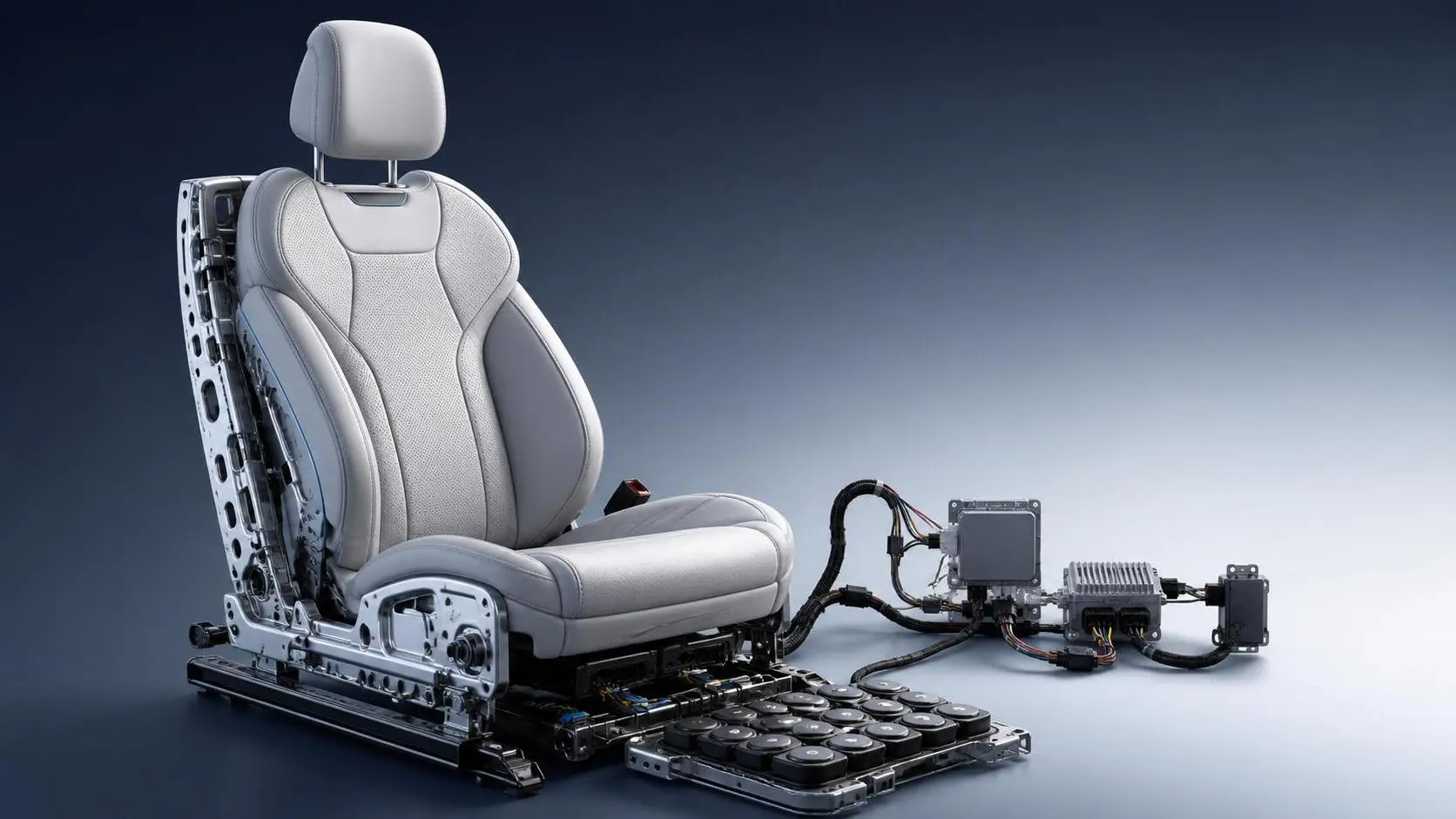
How to Evaluate Custom Smart Automotive Seating for Premium Vehicle Programs?
Custom smart automotive seating evaluation starts with safety, comfort, integration, and production readiness. Discover how premium vehicle teams choose smarter, lower-risk seat solutions.
B2B Product Intelligence Platforms: How to Compare Features, Data Coverage, and ROI
B2B product intelligence platform comparison: learn how to evaluate data coverage, feature depth, compliance visibility, and ROI to choose a sourcing tool that reduces risk and speeds decisions.
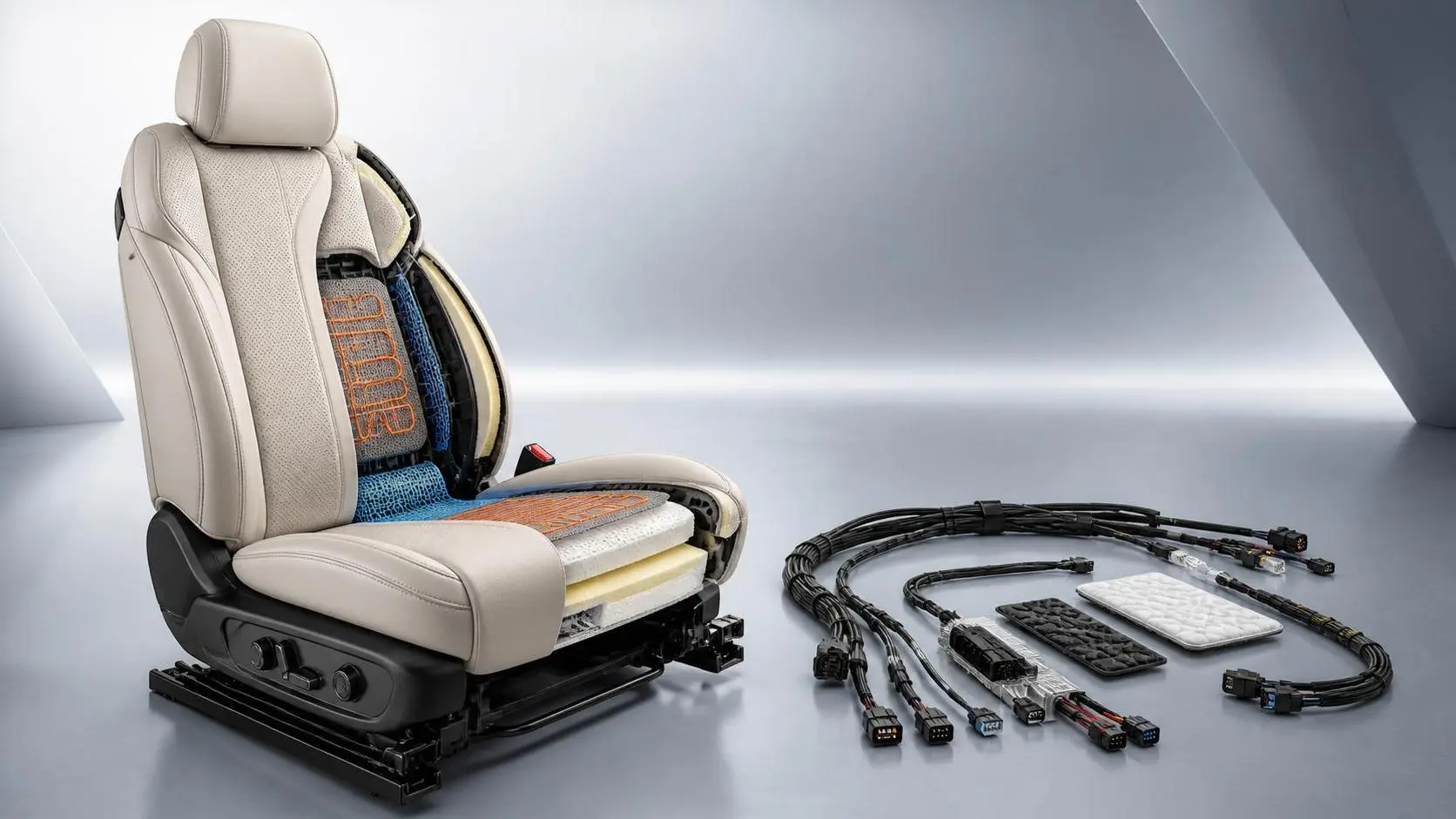
Climate Control Seats Cost: What Drives Price and Long-Term Ownership Value?
Climate control seats cost depends on materials, thermal tech, and integration. Learn what drives price and how to judge long-term value before you buy.

What Factors Drive Marine Navigation Components Cost in Commercial Vessel Projects?
Marine navigation components cost is shaped by integration, compliance, installation, and lifecycle support. Discover what drives pricing and how buyers can reduce risk while improving value.

How Much Does Seat Occupancy Sensing Cost? Key Pricing Factors for Buyers
Seat occupancy sensing price varies widely by technology, integration, and compliance needs. Learn the key cost drivers, avoid hidden fees, and make smarter buying decisions.
How to Specify Micro-Climate Control Cabins for Harsh Outdoor Worksites?
Micro-climate control cabins for harsh outdoor worksites: learn how to specify thermal control, filtration, pressurization, and durability for safer uptime and smarter buying.
How to Evaluate a B2B Product Knowledge Platform for Faster Procurement Decisions
B2B product knowledge platform procurement starts with reducing decision risk. Learn how to compare specs, compliance, and supplier data to speed sourcing with confidence.
How to Evaluate an Occupant Restraint Systems Exporter for Quality, Compliance, and Supply Risk
Occupant restraint systems exporter evaluation guide: learn how to verify quality controls, compliance evidence, and supply risk before sourcing to avoid recalls, delays, and hidden costs.
Navigation Compliance Certification: Which Marine Systems Need It and How to Prepare?
Navigation compliance certification explained: discover which marine systems need approval, what documents matter, and how to prepare early to avoid delays, rework, and costly project risks.
Related News
- 00
0000-00
How Do Seatbelt Systems with Pretensioner Improve Crash Protection? - 00
0000-00
How Seatbelt Technology for Buses Improves Passenger Safety and Meets Compliance Needs - 00
0000-00
How Buckle Pretensioner Systems Improve Occupant Restraint in Modern Vehicles - 00
0000-00
Integrated Seatbelt Systems vs Conventional Designs: Which Fits Your Vehicle Platform Better? - 00
0000-00
Seatbelt Components for Passenger Cars: Main Parts, Functions, and How They Work Together
Weekly Insights
Stay ahead with our curated technology reports delivered every Monday.