
Integrated Seatbelt Systems vs Conventional Designs: Which Fits Your Vehicle Platform Better?
Integrated Seatbelt Systems vs Conventional Designs: Which Fits Your Vehicle Platform Better?
For project teams evaluating restraint architecture, this choice goes far beyond packaging.
Integrated seatbelt systems can reshape seat design, body interfaces, testing scope, and sourcing strategy.
Conventional designs remain widely used because they are proven, flexible, and often easier to industrialize.
The better option depends on your platform layout, safety targets, mass budget, and launch risk tolerance.
This article breaks down the main trade-offs in practical terms, so the decision can be made earlier and with fewer surprises.
What Makes These Two Architectures Different?
Integrated seatbelt systems attach key restraint components directly to the seat structure.
That usually means the upper anchorage, retractor, or buckle load path is seat-mounted rather than body-mounted.
Conventional designs place most anchorage points on the vehicle body, pillar, floor, or roof structure.
The seat then supports occupant posture, while the body carries the main restraint loads during a crash.
On paper, the difference looks simple.
In practice, it changes structural engineering, supplier ownership, seat kinematics, and validation planning.
Why Integrated Seatbelt Systems Attract Platform Teams
Integrated seatbelt systems are often considered when body architecture needs more packaging freedom.
They are especially relevant for vehicles with unusual B-pillar geometry, rotating seats, or flexible cabin layouts.
A seat-integrated belt can maintain belt geometry more consistently across seat positions.
That matters when recline range, fore-aft travel, or second-row motion becomes more complex.
Another advantage is body-side simplification.
If the restraint load path moves into the seat, upper body reinforcements may be reduced or relocated.
This can help designers working on lightweight structures, compact EV cabins, or shared global platforms.
From a user experience angle, integrated seatbelt systems can also improve belt reach and perceived comfort.
That benefit is not always decisive, but it supports premium cabin positioning.
Why Conventional Designs Still Win Many Programs
Conventional designs remain the default for good reason.
They spread restraint loads into the body-in-white, which is already engineered for crash energy management.
That usually keeps the seat frame lighter and less structurally demanding.
For high-volume platforms, conventional designs are often easier to validate, manufacture, and cost down.
They also fit better with mature supplier ecosystems.
Teams can source seat structures and seatbelt systems with clearer boundaries and fewer cross-functional disputes.
That matters when launch timing is tight or engineering bandwidth is limited.
More importantly, conventional restraint architecture is familiar to regulators, test labs, and manufacturing plants.
Less novelty usually means fewer hidden integration issues late in the program.
The Core Evaluation Areas
1. Structural load path
This is the first question to answer.
Integrated seatbelt systems require the seat frame, recliner, tracks, and floor attachments to absorb crash loads safely.
That can increase local reinforcement, joining complexity, and fatigue requirements.
Conventional designs shift more of that burden into body structures designed for large energy transfer.
2. Vehicle packaging
From recent platform trends, packaging has become a stronger decision driver.
Integrated seatbelt systems help when pillar space is limited or cabin openness is a design priority.
They can also support multi-row layouts where access paths must stay clean.
Conventional systems fit better when body hard points are already stable across derivatives.
3. Weight performance
Many teams assume integrated seatbelt systems always save weight.
That is not consistently true.
You may reduce body reinforcements, but the seat structure often grows heavier.
The result depends on material strategy, seat architecture, and derivative count.
4. Cost and sourcing
Integrated seatbelt systems can consolidate functionality, but they rarely simplify ownership.
Seat suppliers, restraint suppliers, and vehicle integrators need tighter coordination.
Tooling, test fixtures, and engineering changes can become more coupled.
Conventional designs usually preserve cleaner commercial boundaries.
5. Compliance and validation
This area is often underestimated early on.
Integrated seatbelt systems may expand the test matrix because seat position, seat motion, and restraint performance interact more directly.
That can affect timing under FMVSS, ECE, NCAP, and internal durability standards.
Where Integrated Seatbelt Systems Usually Fit Best
Integrated seatbelt systems tend to make sense in a few clear scenarios:
- Premium vehicles with strong comfort and accessibility targets
- EV platforms with unconventional side structure packaging
- Cabins using swivel, lounge, or highly adjustable seating concepts
- Global architectures needing common seat modules across different body styles
- Programs willing to trade higher seat complexity for body-side freedom
The stronger signal is not novelty.
It is whether the platform gains measurable architectural value from moving restraint functions into the seat.
Where Conventional Designs Usually Fit Better
Conventional designs are usually the safer business decision in these cases:
- High-volume programs with aggressive cost and launch timing pressure
- Vehicles with stable B-pillar and floor anchorage geometry
- Seat designs already near structural or mass limits
- Organizations with separate sourcing streams for seats and seatbelt systems
- Programs with limited tolerance for revalidation late in development
In real programs, maturity has value.
A familiar conventional architecture often protects timing better than a theoretically elegant integrated concept.
A Practical Decision Framework
When comparing integrated seatbelt systems with conventional designs, use a weighted scorecard.
- Rank packaging freedom, crash performance, mass, cost, timing, and compliance risk.
- Map which loads move into the seat and which stay in the body.
- Quantify part count, reinforcement changes, and supplier interface complexity.
- Review test matrix growth, including seat position and occupant scenario coverage.
- Stress-test the architecture against derivative expansion and regional regulations.
This approach keeps the conversation anchored in platform value, not assumptions.
It also helps avoid late reversals after tooling and validation budgets are already committed.
Final Take
Integrated seatbelt systems are not automatically better, and conventional designs are not automatically outdated.
The right answer depends on where your platform needs flexibility most.
If cabin innovation, seat motion, and body packaging are central, integrated seatbelt systems may create real platform advantage.
If cost stability, validation speed, and supplier maturity lead the program, conventional designs often fit better.
The most reliable next step is straightforward.
Run an early architecture review that combines seat engineering, body engineering, restraint specialists, purchasing, and compliance teams.
That is usually where the better fit becomes obvious.
Related News
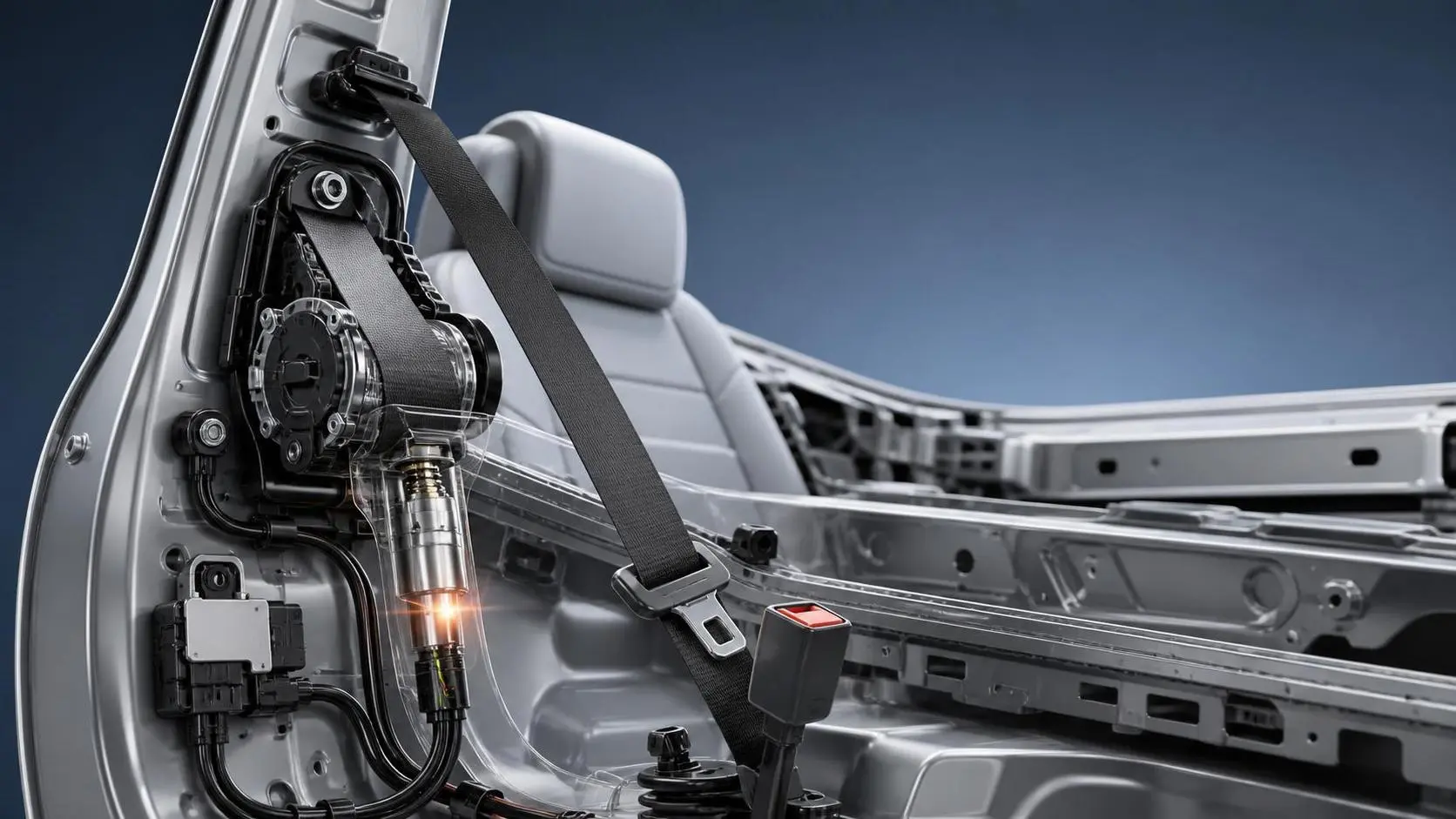
How Seat Belt Pretensioners for EVs Improve Crash Safety and System Response
Seat belt pretensioners for EVs improve crash timing, occupant control, and system response. Discover how smarter integration boosts EV safety performance.
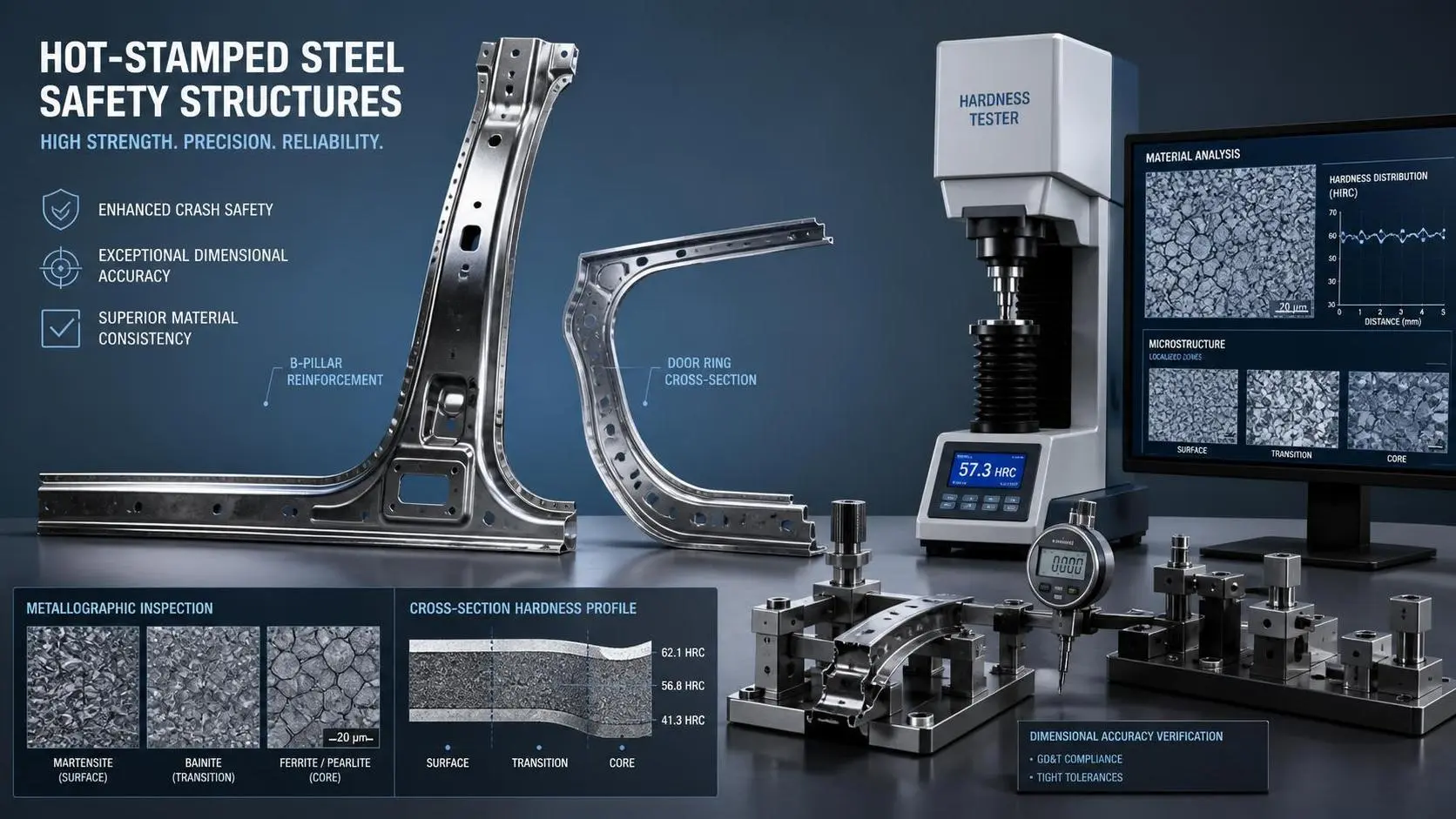
How to Evaluate High Strength Hot Stamped Steel Parts for Crash-Safety Applications
High strength hot stamped steel parts for crash-safety applications: learn how to assess strength, microstructure, dimensional accuracy, and process stability for safer sourcing decisions.
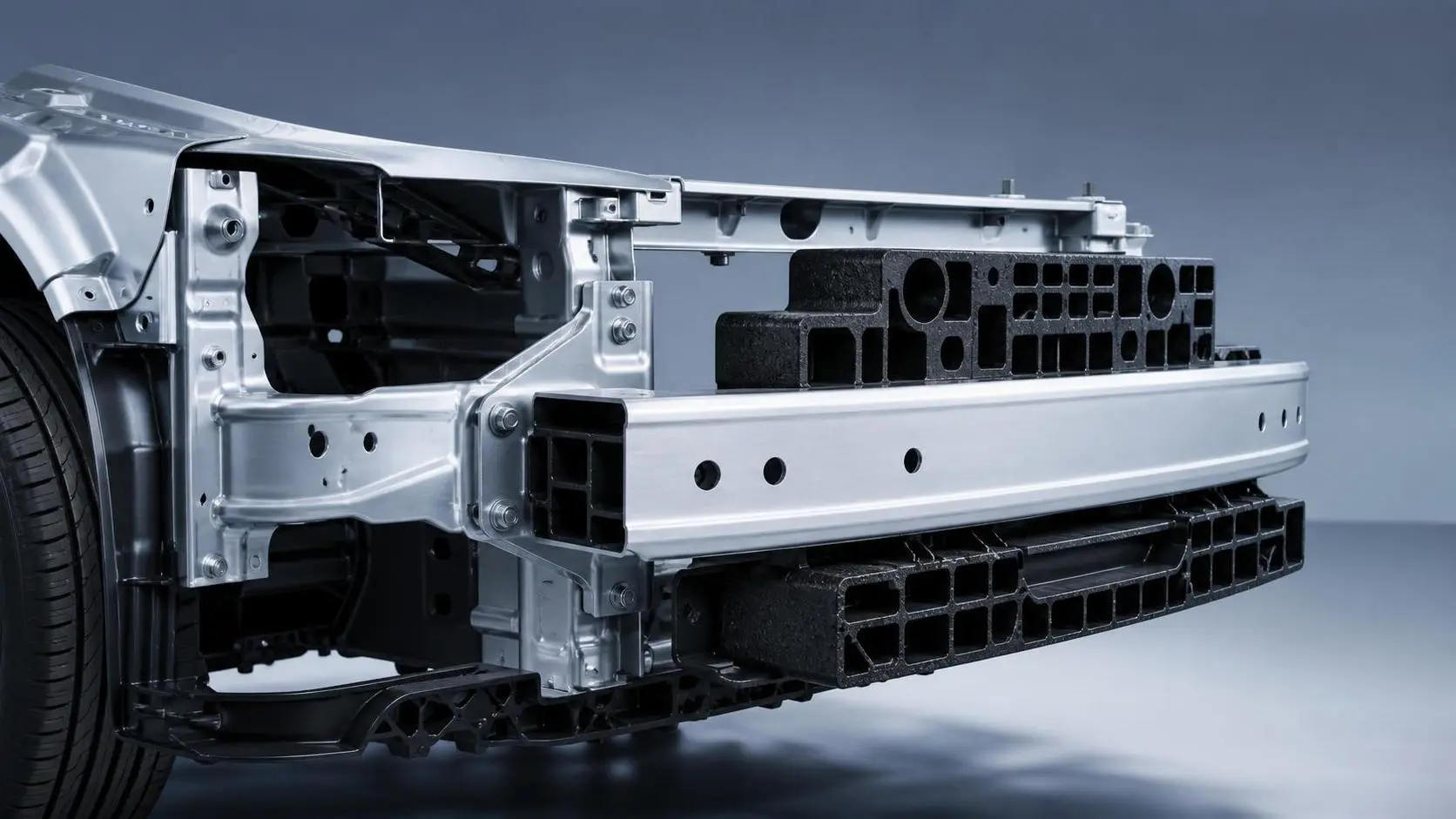
How Crash Management Components Reduce Repair Costs and Improve Impact Performance
Crash management components help reduce repair costs, protect critical vehicle structures, and improve impact performance. Learn how smarter design supports safer, more cost-efficient mobility programs.
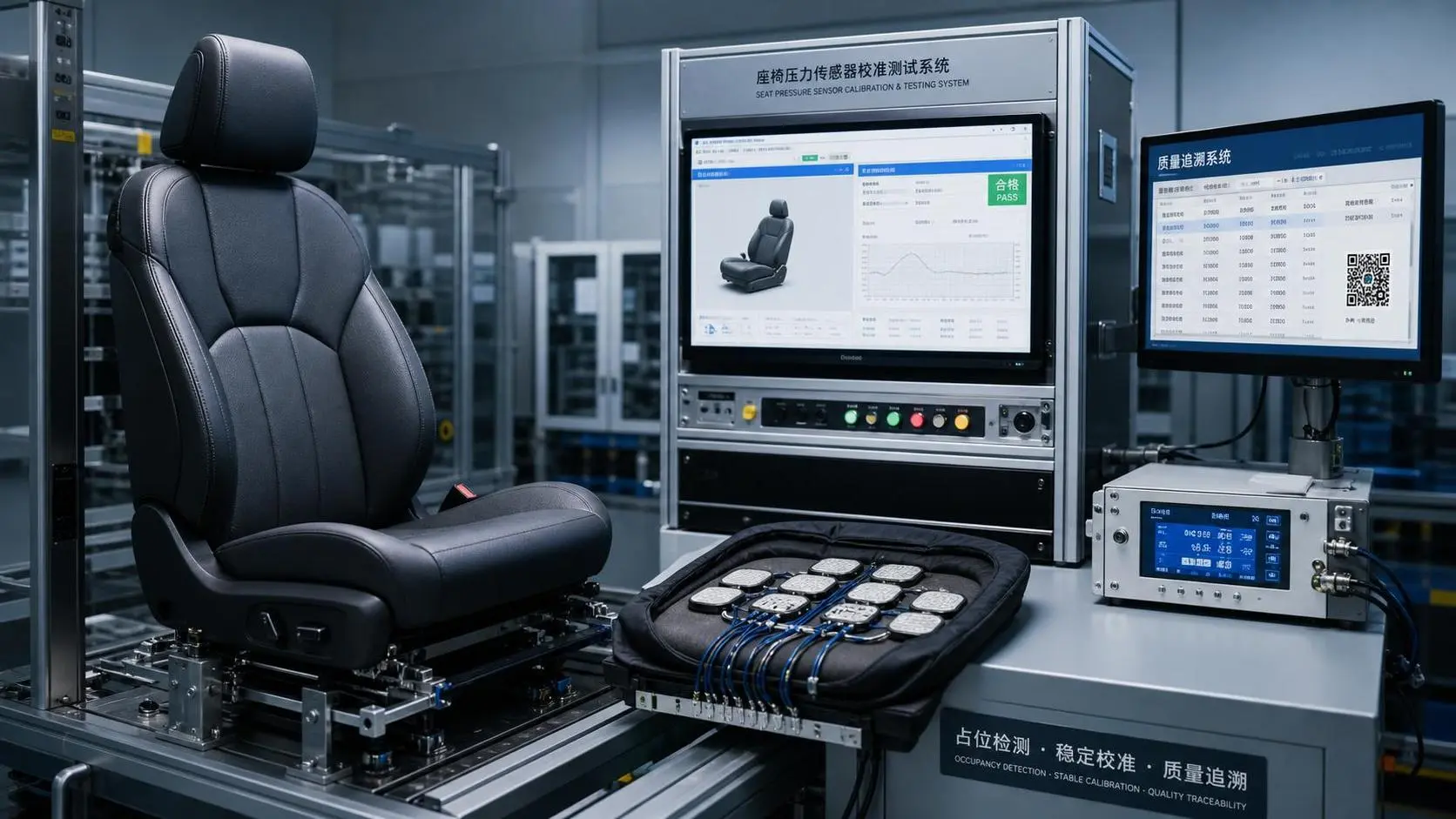
How to Evaluate a Seat Sensing Systems Factory for Automotive Safety Programs
Seat sensing systems factory selection goes beyond price. Learn how to assess quality control, validation, PPAP readiness, and long-term supply reliability for safer automotive programs.
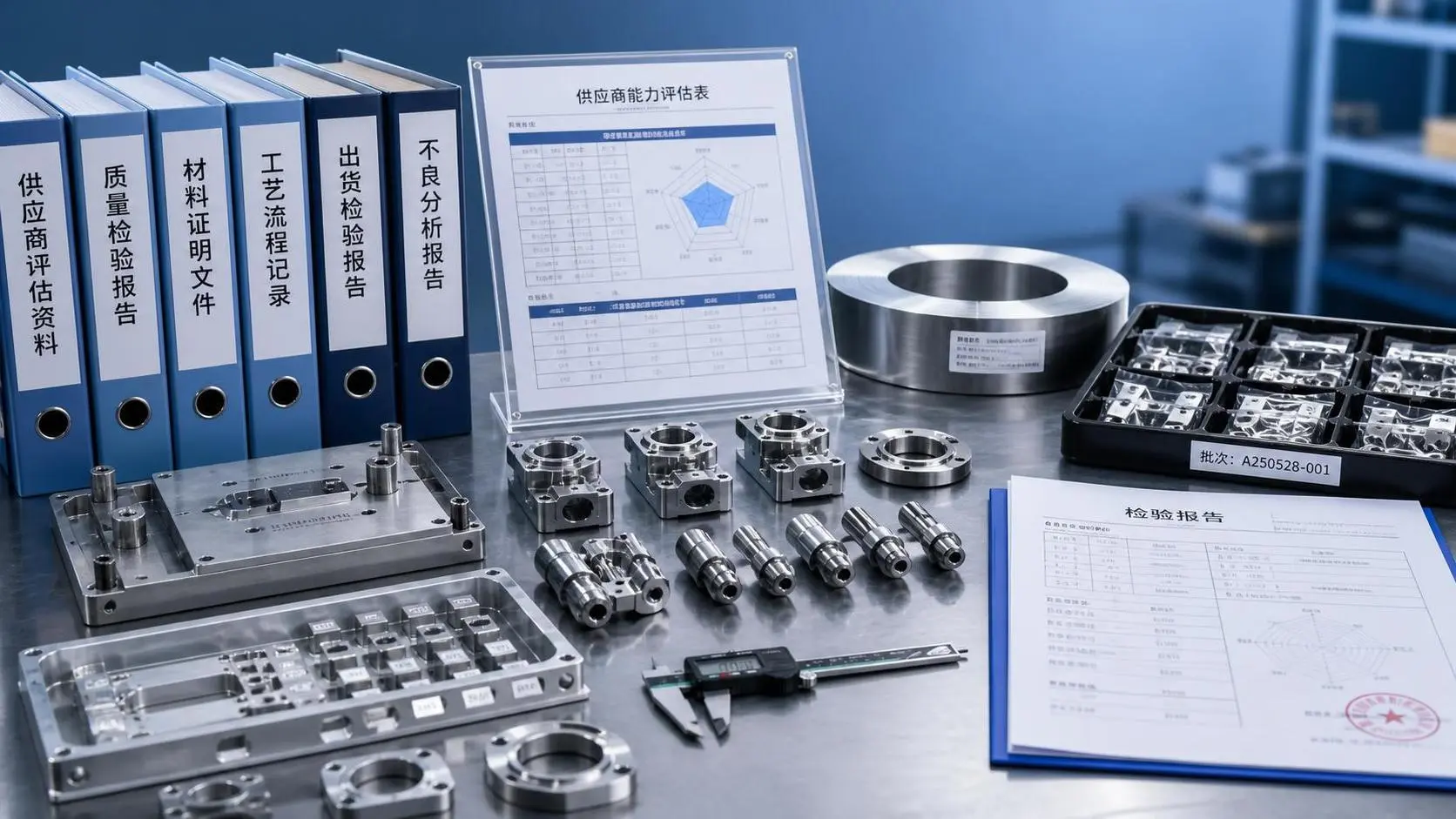
Supplier Capability Evaluation Process: Key Criteria for B2B Sourcing Decisions
Supplier capability evaluation process explained: learn the key criteria for B2B sourcing decisions, reduce supplier risk, and choose partners with confidence.
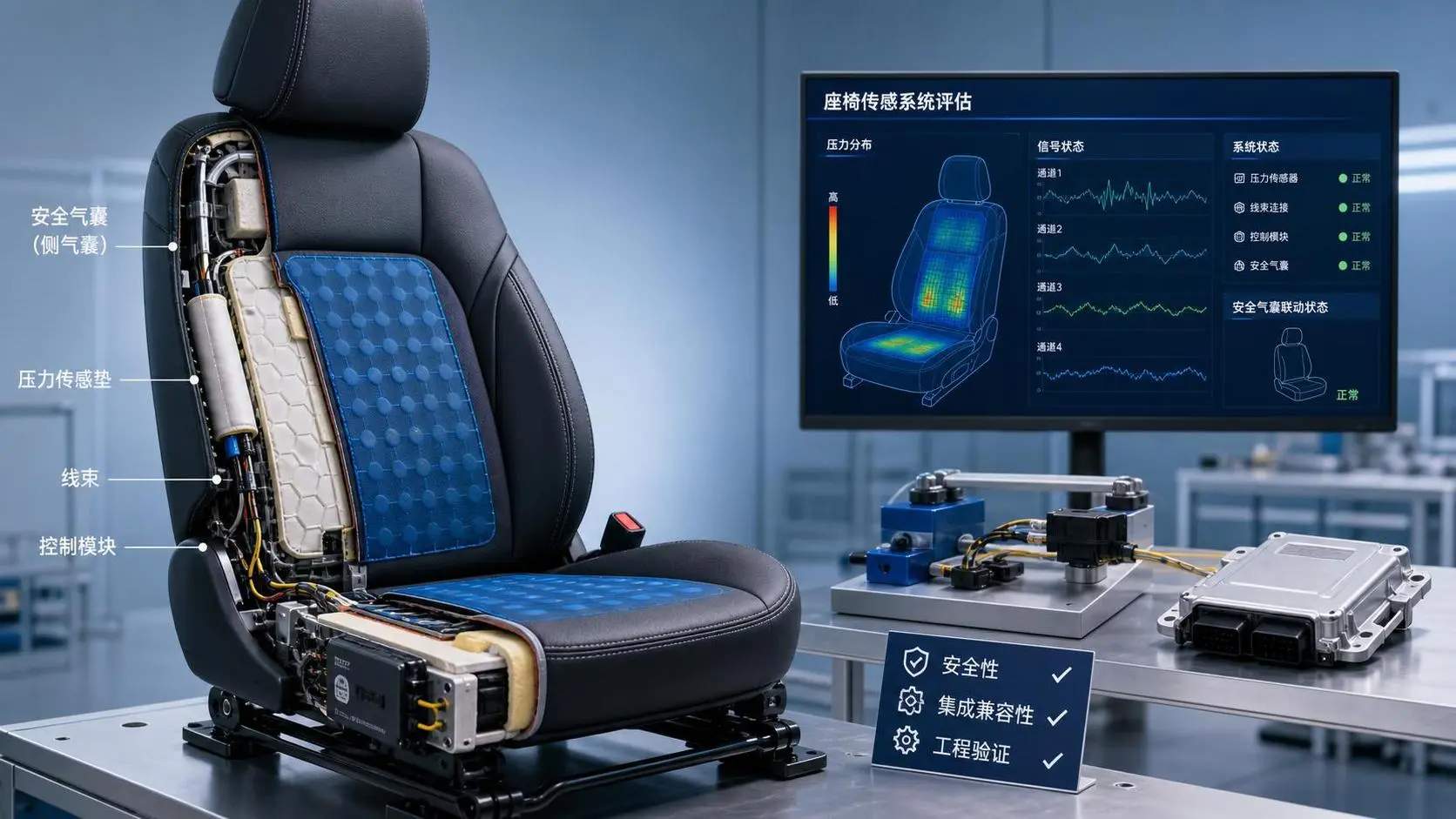
How to Evaluate a Seat Sensing Technology Supplier for Safety and Integration?
Seat sensing technology supplier evaluation guide: compare safety maturity, integration fit, algorithm reliability, and validation support to choose a partner that reduces risk.
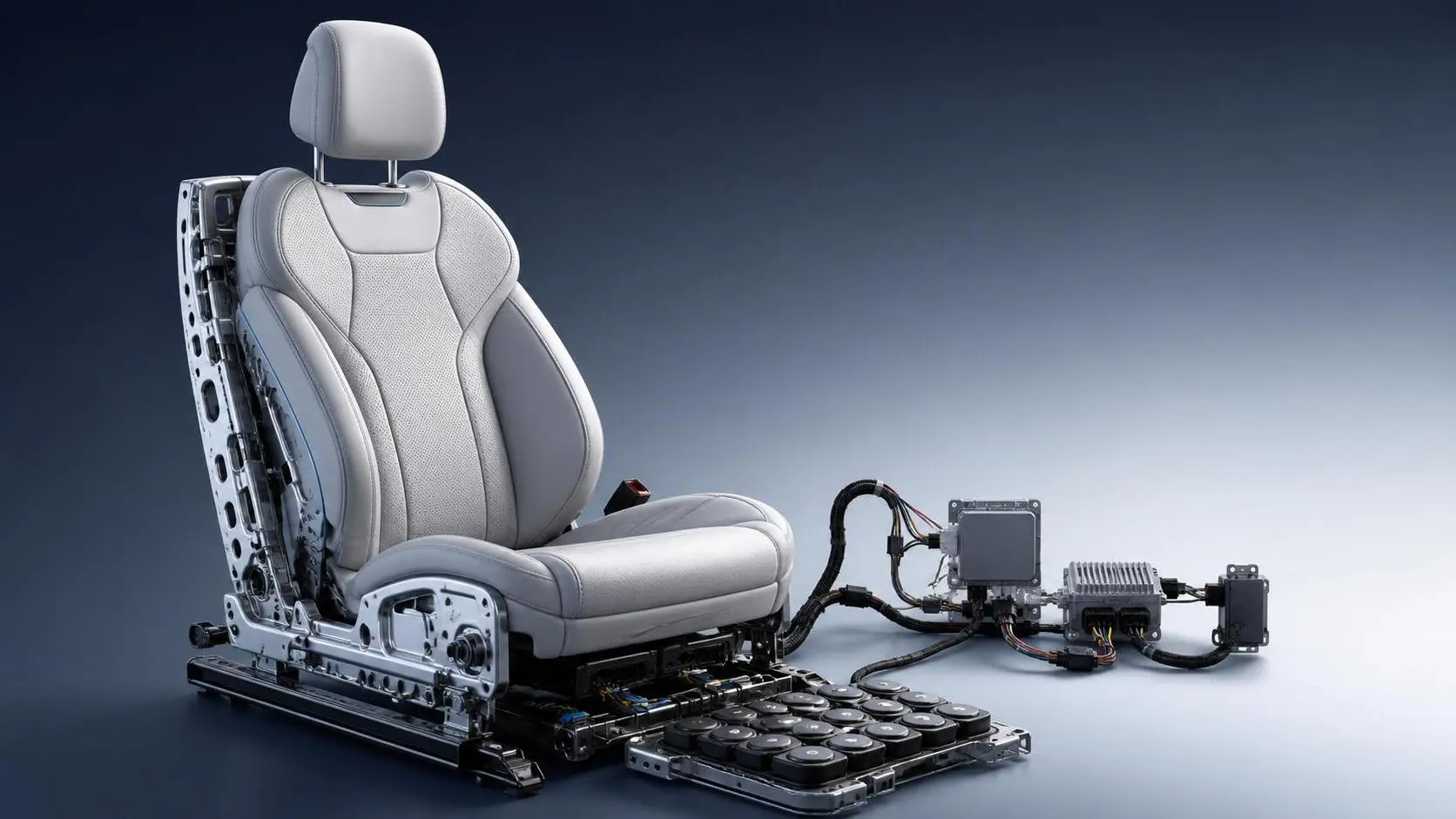
How to Evaluate Custom Smart Automotive Seating for Premium Vehicle Programs?
Custom smart automotive seating evaluation starts with safety, comfort, integration, and production readiness. Discover how premium vehicle teams choose smarter, lower-risk seat solutions.
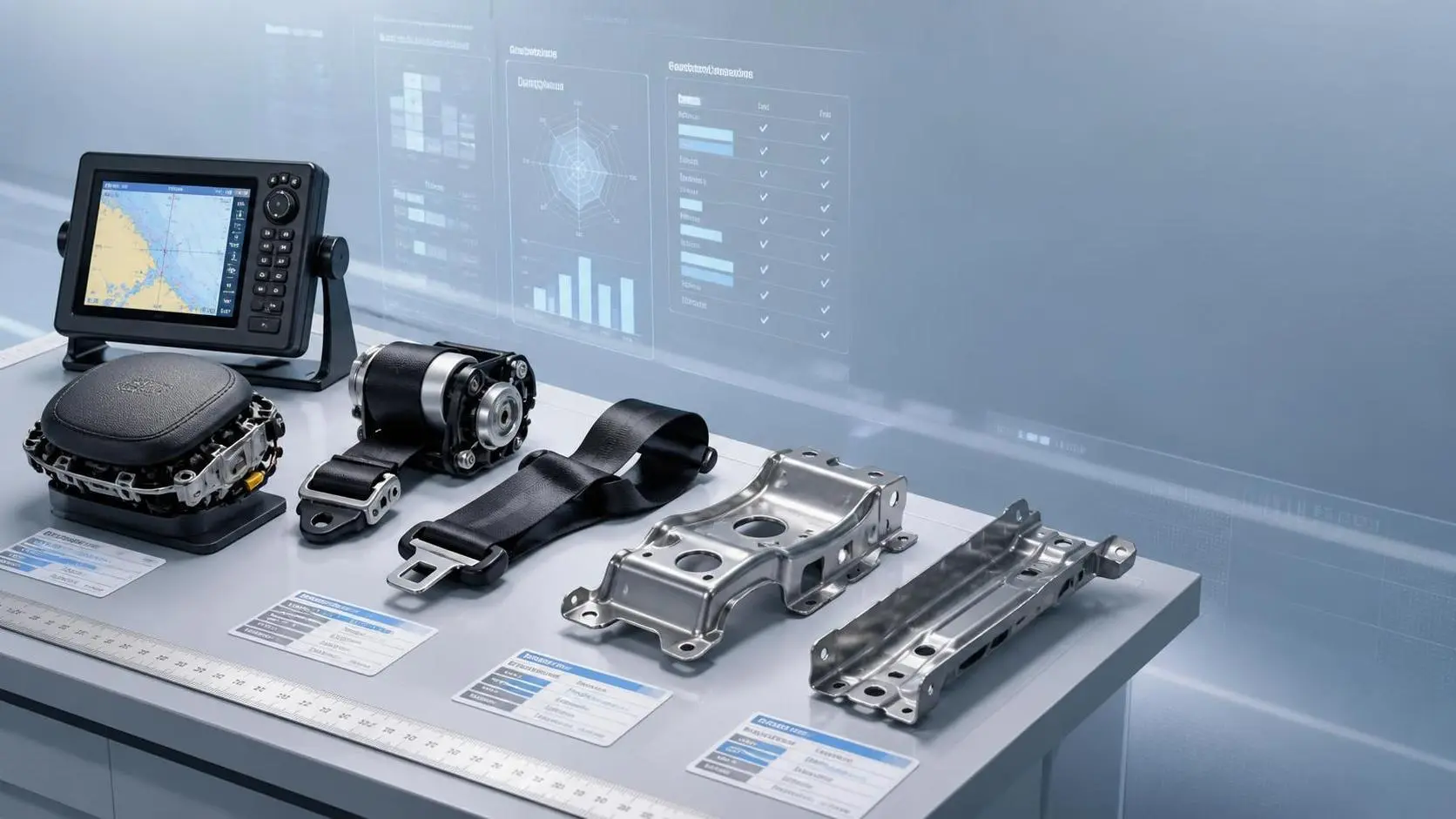
B2B Product Intelligence Platforms: How to Compare Features, Data Coverage, and ROI
B2B product intelligence platform comparison: learn how to evaluate data coverage, feature depth, compliance visibility, and ROI to choose a sourcing tool that reduces risk and speeds decisions.
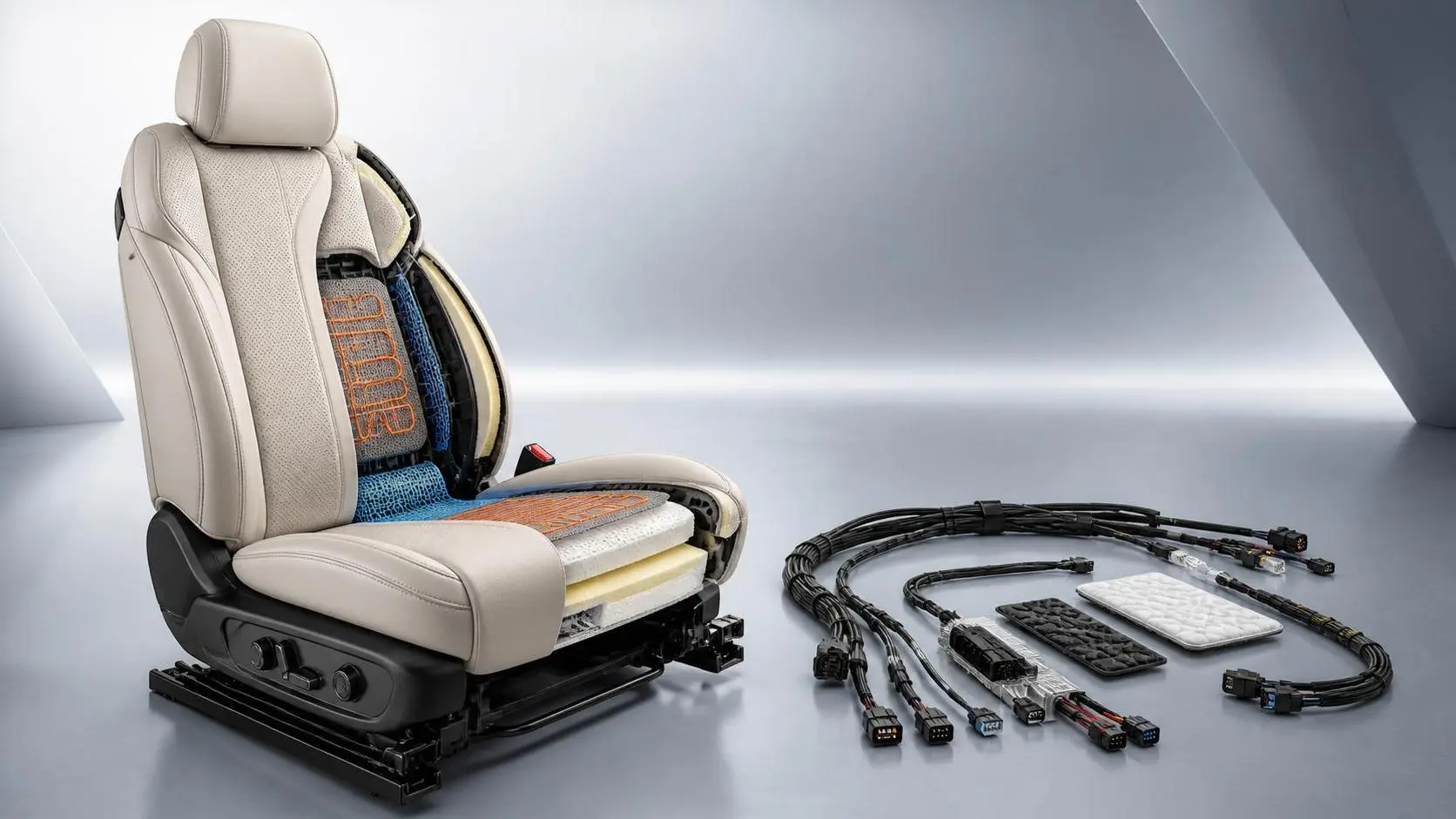
Climate Control Seats Cost: What Drives Price and Long-Term Ownership Value?
Climate control seats cost depends on materials, thermal tech, and integration. Learn what drives price and how to judge long-term value before you buy.
Related News
- 00
0000-00
How Seat Belt Pretensioners for EVs Improve Crash Safety and System Response - 00
0000-00
How Do Seatbelt Systems with Pretensioner Improve Crash Protection? - 00
0000-00
How Seatbelt Technology for Buses Improves Passenger Safety and Meets Compliance Needs - 00
0000-00
How Buckle Pretensioner Systems Improve Occupant Restraint in Modern Vehicles - 00
0000-00
Integrated Seatbelt Systems vs Conventional Designs: Which Fits Your Vehicle Platform Better?
Weekly Insights
Stay ahead with our curated technology reports delivered every Monday.