
How Seatbelt Technology for Buses Improves Passenger Safety and Meets Compliance Needs
How Seatbelt Technology for Buses Improves Passenger Safety and Meets Compliance Needs
The easiest mistake is to treat bus seatbelts as a simple carryover from passenger cars. They are not. In buses, restraint design sits inside a very different safety logic: higher occupant counts, varied seating layouts, mixed age groups, frequent standing or moving passengers in some service categories, and a body structure that may be regulated under different crash and rollover expectations than private vehicles. So when engineers talk about seatbelt technology for buses, they are not talking only about a webbing strap and buckle. They are talking about a restraint system that has to work as part of a seat structure, an anchorage strategy, an energy-management concept, and a compliance package.
That distinction matters because bus safety is often judged from the outside by one question: “Does it have seatbelts?” Technical evaluators usually need to ask a harder one: “What kind of restraint system is installed, what crash mode was it designed for, and how is it validated within the vehicle category?” A lap belt in a basic school bus seating position, a three-point belt in a coach, and an integrated belt seat in a shuttle may all satisfy very different operating assumptions.
The restraint system is only as good as the seat around it
In bus applications, the seat is often part of the restraint architecture rather than just a mounting surface. That is especially true for three-point systems, where the upper anchorage may be carried by the seat frame itself or tied into the vehicle body side structure. This changes the engineering problem. A belt can be perfectly specified on paper and still underperform if the seatback strength, floor fixation, or anchorage geometry is weak.
This is why technical reviews often look beyond the belt hardware and into integrated seat systems. Load paths under frontal deceleration, the deformation behavior of the seat frame, and the interaction between adjacent passengers all matter. In a bus, poor geometry can create submarining risk, poor shoulder fit, or excessive upper-body excursion. The restraint is not being judged in isolation; it is being judged as part of occupant containment.
That also explains why lightweighting and safety engineering can pull against each other. Operators want lower mass for fuel economy or range, but reducing structural mass in seats and anchorages cannot compromise restraint performance. For evaluators, this is one of the practical checkpoints: not whether a supplier claims lightweight construction, but whether the belt-seat-anchor system still meets the intended crash load requirements after material and packaging changes.
Why modern bus seatbelt technology goes beyond basic restraint
In higher-specification buses, especially coaches and premium intercity platforms, seatbelt technology increasingly includes elements that were once associated mainly with passenger cars. Pretensioners and load limiters are the clearest examples. Their purpose is not cosmetic sophistication. Pretensioners reduce slack early in a crash event, helping position the occupant before peak loading develops. Load limiters then help manage belt forces so the restraint does not simply trade one injury mechanism for another.
Whether these technologies are necessary depends on the vehicle class, operating speed, seat orientation, and regulatory target. They are more relevant in scenarios where higher-speed frontal impact performance and controlled occupant kinematics are critical. In some bus categories, a simpler restraint may still be appropriate. The technical point is that “more advanced” is not automatically “more suitable.” The right question is whether the feature matches the crash pulse, occupant profile, and compliance obligation of that seating position.
There is also a growing move toward sensing and status monitoring. Seatbelt reminder functions, buckle detection, and occupancy-linked alerts are becoming more common in fleets that want stronger safety governance. For operators, this is partly about behavior. For compliance and liability teams, it is also about traceability. If a bus is transporting schoolchildren, contract passengers, or long-distance coach travelers, the ability to monitor restraint usage can become operationally significant even where regulations focus more on installation than on real-time enforcement.
Compliance is not one global checkbox
One reason the topic gets oversimplified is that bus restraint compliance is fragmented across regions and bus types. The standards and legal obligations that matter in Europe, North America, or other export markets are not fully interchangeable, and neither are the test assumptions behind them. Depending on classification, evaluators may need to consider seat anchor strength, belt anchorage strength, rollover performance, frontal impact behavior, or occupant protection requirements tied to school transport, coach operation, or special-purpose vehicles.
For example, technical teams often review frameworks shaped by UNECE regulations in many international markets, while US projects may revolve around FMVSS requirements and school bus-specific safety logic. Those frameworks do not always express safety in the same way. A system designed to pass one market pathway may still require redesign in anchorage strategy, labeling, seat configuration, or validation evidence before it is suitable elsewhere.
That is why documentation quality matters almost as much as component quality. Compliance review is rarely satisfied by a parts list stating that a seat includes a belt. Evaluators typically need evidence of the complete tested configuration: belt type, anchorage location, seat model, mounting interface, applicable vehicle category, and any conditions attached to certification or approval. Without that chain, a technically sound product can still create approval risk.
Where misunderstandings usually appear
A common misconception is that adding seatbelts always improves safety in every bus scenario without tradeoffs. The real answer depends on the vehicle architecture and service model. In compartmentalized school bus designs, for instance, the historical safety strategy has not always mirrored the coach-bus model of individually restrained seated occupants. Once belts are added, seating design, evacuation considerations, fit for smaller passengers, and driver oversight all come into play. The engineering case can still be strong, but it is not a one-variable decision.
Another misunderstanding is to focus on the belt mechanism and ignore human factors. A technically advanced restraint that is uncomfortable, badly positioned, or hard to use may produce low compliance in actual service. Evaluators in fleet procurement often underestimate this point. Buckle accessibility, retractor behavior, belt retraction force, and compatibility with winter clothing or school bags can affect real-world usage more than a specification sheet suggests.
There is also a tendency to assume smart monitoring solves non-use by itself. It helps, but it does not replace training, route policy, or clear operating procedures. A buckle sensor can show whether the latch is engaged. It cannot confirm that the belt is routed correctly on the occupant or that the passenger remains properly positioned throughout the trip.
What technical evaluators should actually look for
When assessing seatbelt technology for buses, the most useful approach is to review the system in layers. Start with the use case: school bus, city shuttle, employee transport, tourist coach, airport apron bus, or paratransit application. Then match that use case to seating orientation, passenger dwell time, expected speed profile, and jurisdictional requirements. Only after that does it make sense to compare hardware options.
A practical screening sequence often includes these questions:
- Is the restraint concept aligned with the bus category and operating environment?
- Was the belt validated in the exact or equivalent seat-and-anchorage configuration being procured?
- Are pretensioners or load limiters functionally justified, or simply specified because they sound advanced?
- Does the system address fit, ease of use, and misuse risk for the intended passenger group?
- Is the compliance evidence complete enough for homologation, procurement review, and post-incident traceability?
That last point is often underrated. In regulated mobility sectors, the issue is not just whether a restraint was designed well. It is whether the operator, integrator, or Tier 1 supplier can prove what was installed, what standard path it followed, and under what conditions it remains compliant after vehicle modifications or seat-layout changes.
Seen this way, bus seatbelt technology is less a standalone component category than a convergence point between passive safety engineering, seat design, structural integration, and regulatory interpretation. The systems that perform best in practice are not merely the ones with the longest feature list. They are the ones whose restraint behavior, installation method, and approval evidence stay coherent from design review through fleet operation. For anyone evaluating safety architecture rather than just parts, that is the standard worth using.
Related News
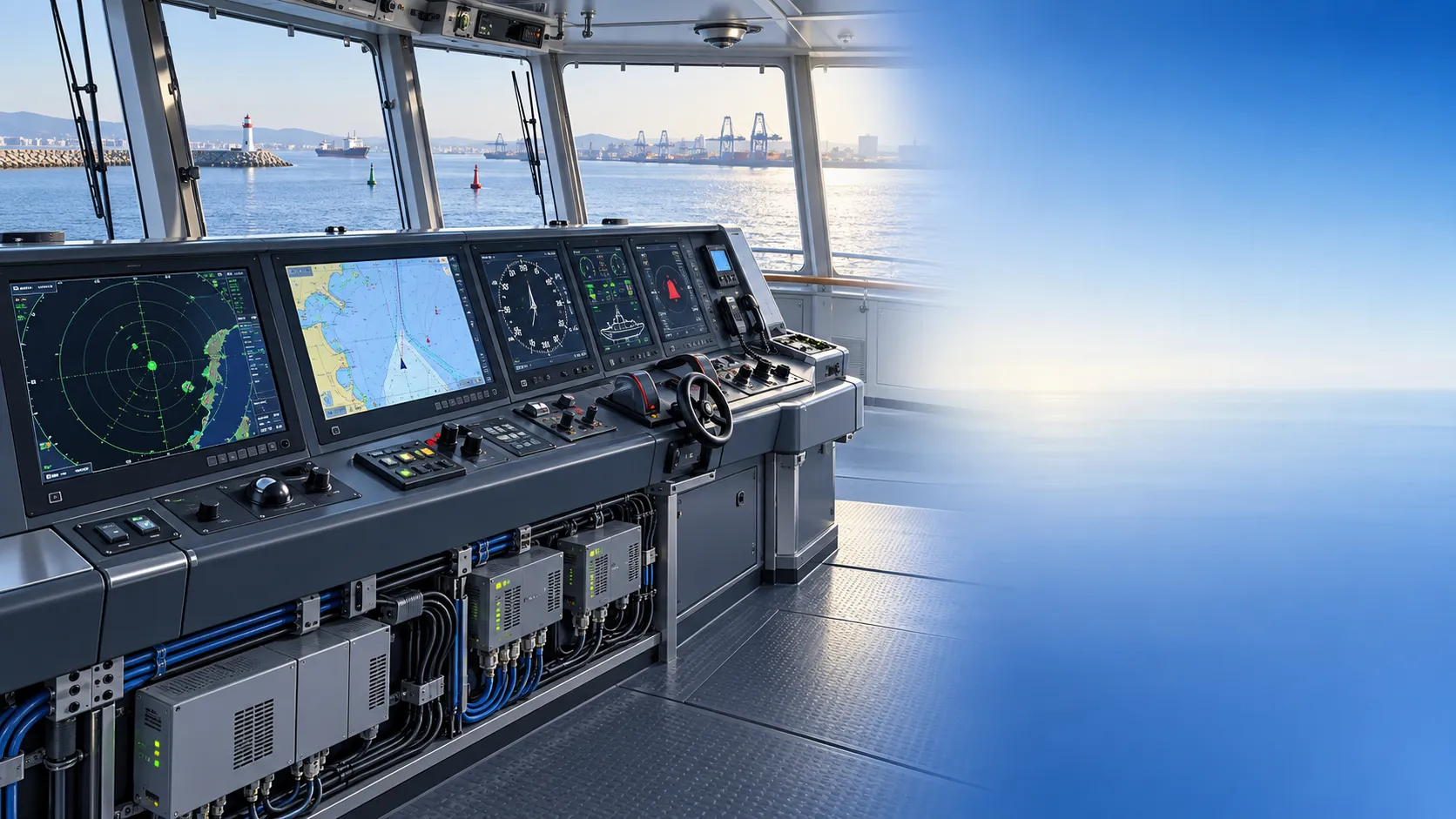
How to Specify Integrated Marine Electronics for Reliable Bridge Operations
Integrated marine electronics: learn how to specify reliable bridge systems with clear data flows, redundancy, alarm control, lifecycle interfaces, and operational testing.
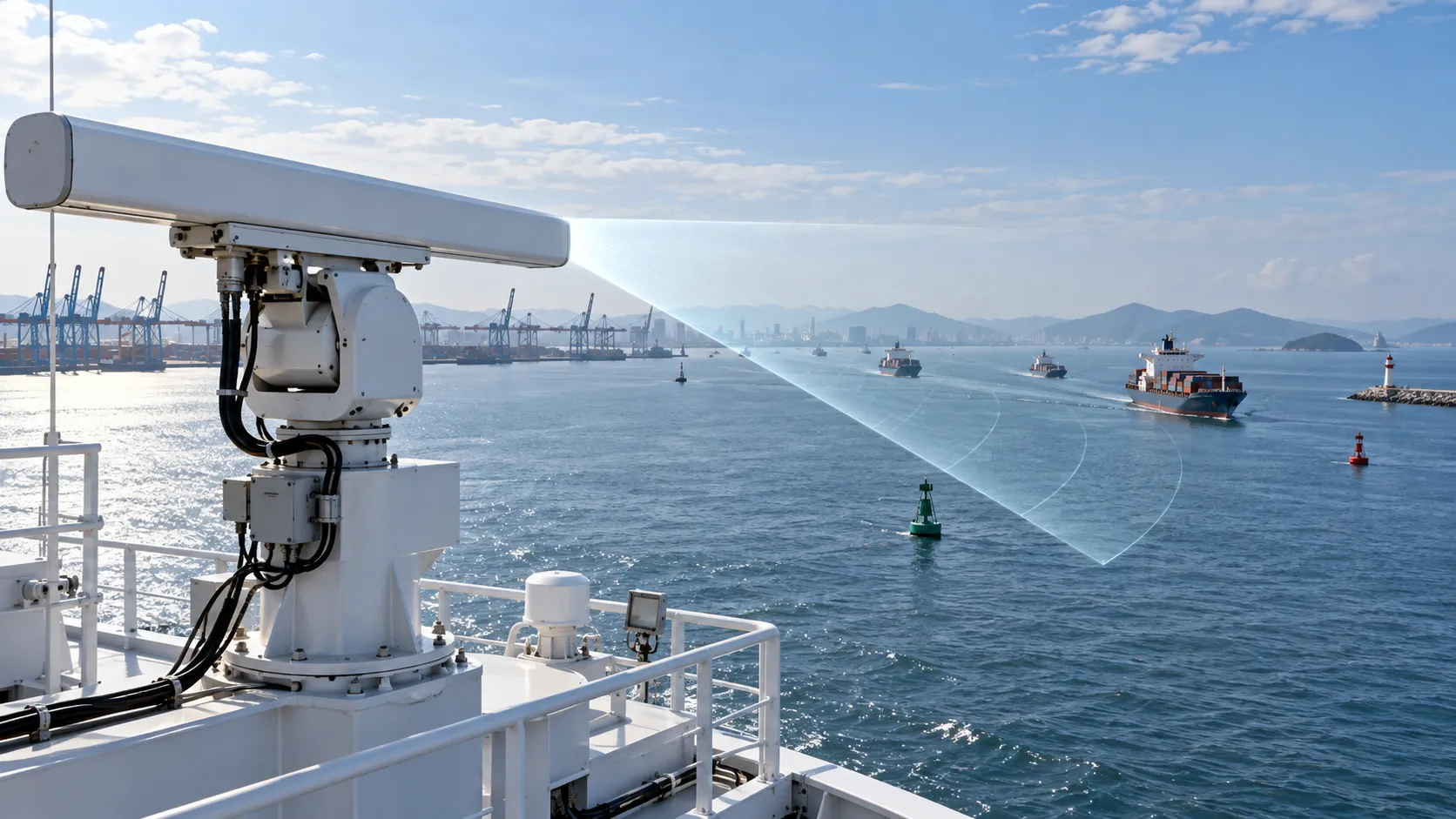
How to Evaluate Navigation Radar Manufacturers for Commercial Vessel Projects
Navigation radar manufacturers: learn how to compare performance, compliance, integration, support, and lifecycle cost for commercial vessel projects.
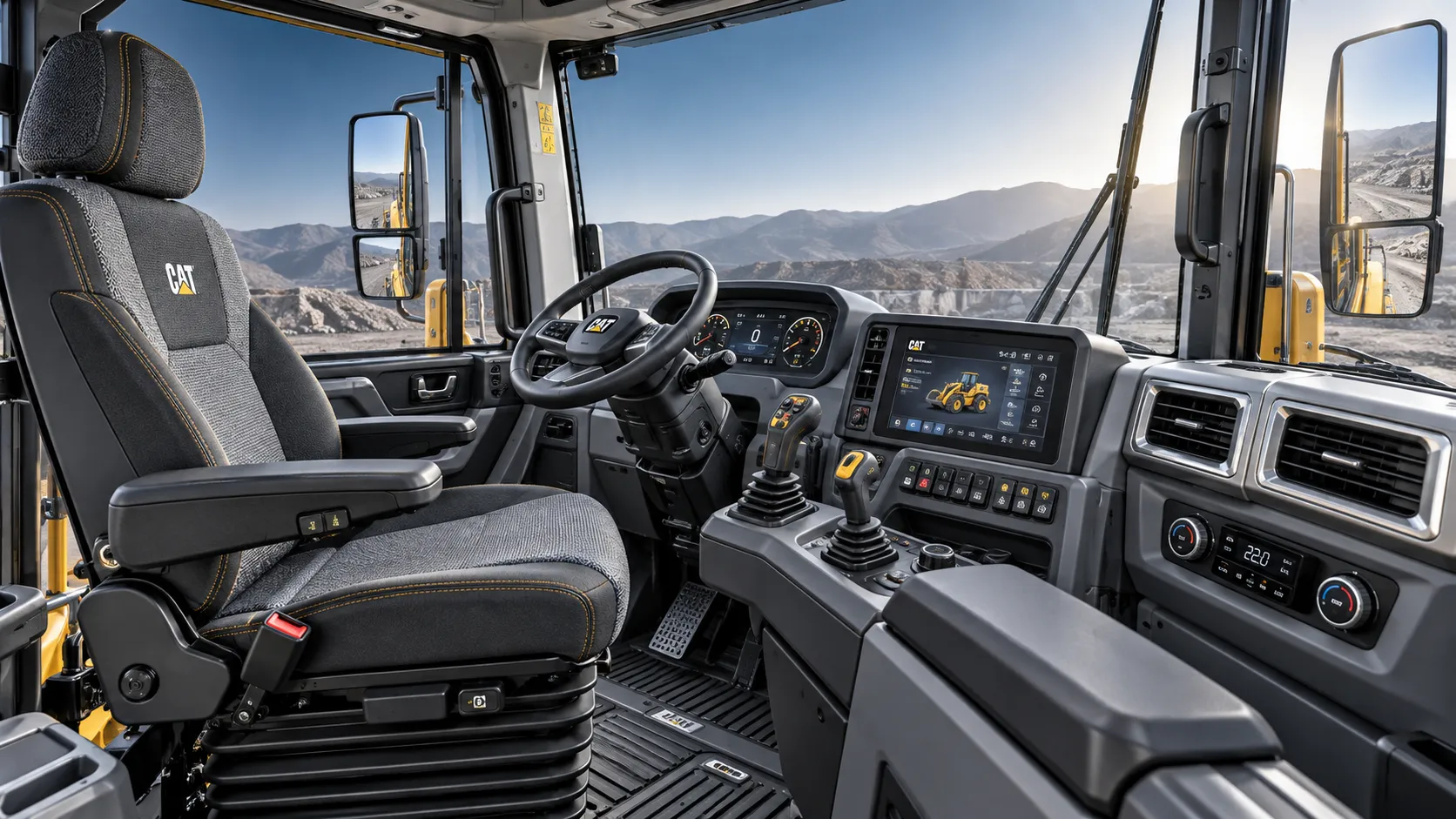
How Adjustable Cabin Ergonomics Reduce Operator Fatigue in Long-Shift Vehicles
Adjustable cabin ergonomics reduces operator fatigue through better seating, reach, visibility, vibration control, and climate comfort for safer long-shift vehicles.
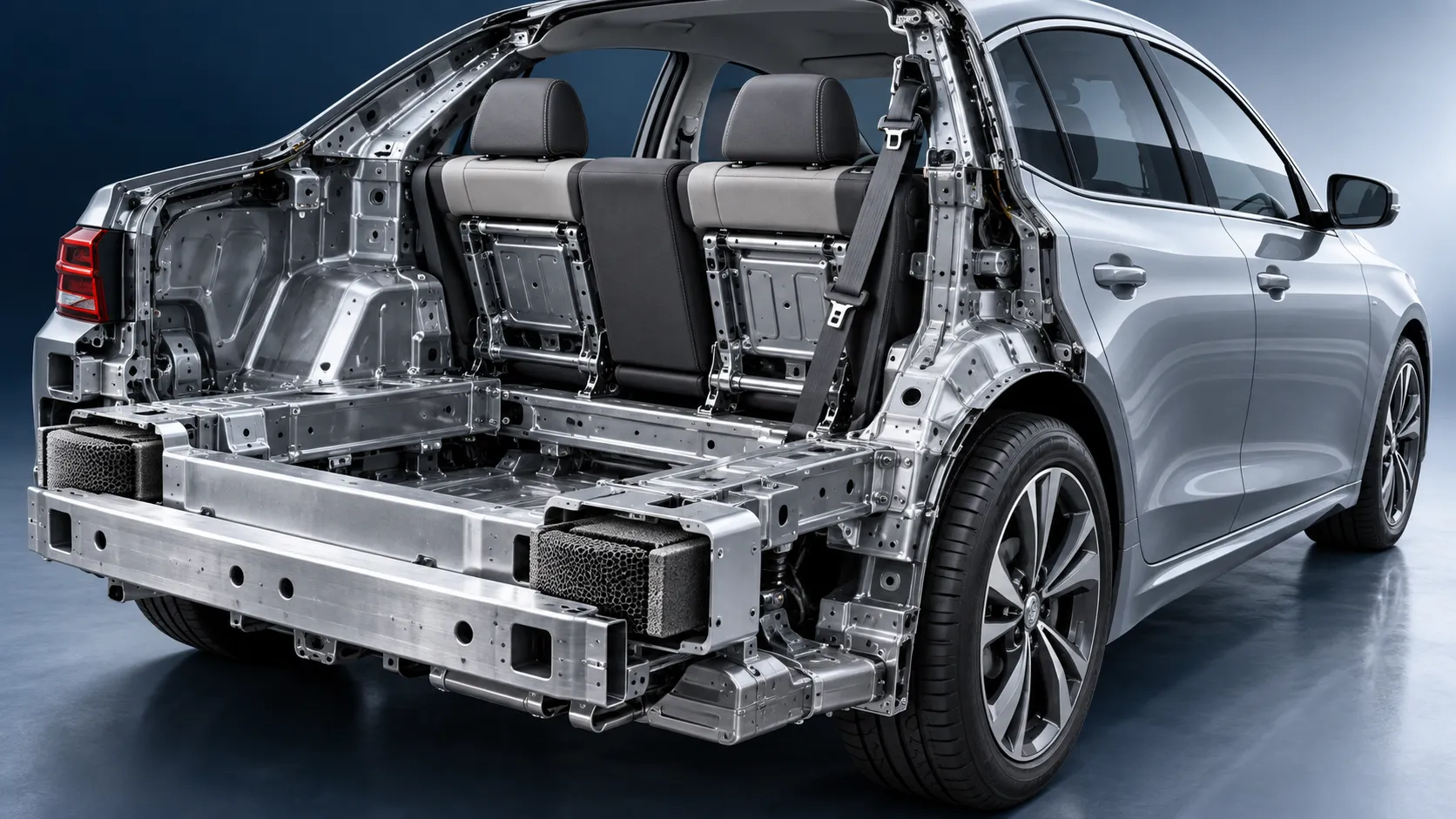
How Rear-Impact Safety Components Work Together to Protect Vehicle Occupants
Explore how automotive safety components for rear impact work together—from crash structures and seats to head restraints and belts—to enhance occupant protection.
How to Evaluate a Marine Safety Systems Manufacturer for Vessel Compliance and Reliability
Marine safety systems manufacturer evaluation guide: verify compliance, engineering quality, lifecycle costs, and global service support for safer, reliable vessel operations.
Crash Test Regulations for Seatbelts: Key Compliance Requirements Explained
Crash test regulations seatbelts explained: explore FMVSS, UN rules, anchorage strength, and dynamic restraint testing for safer, compliant vehicle systems.
How to Calculate the Total Cost of Automotive Lightweighting for a Vehicle Program
Automotive lightweight solutions cost: learn how to calculate program-level costs, including materials, tooling, joining, validation, risk, and vehicle-level value.
How Automotive Seat Occupancy Sensing Improves Airbag Deployment Decisions
Automotive seat occupancy sensing helps optimize airbag deployment decisions, improving passenger classification, safety diagnostics, and compliance across real-world conditions.
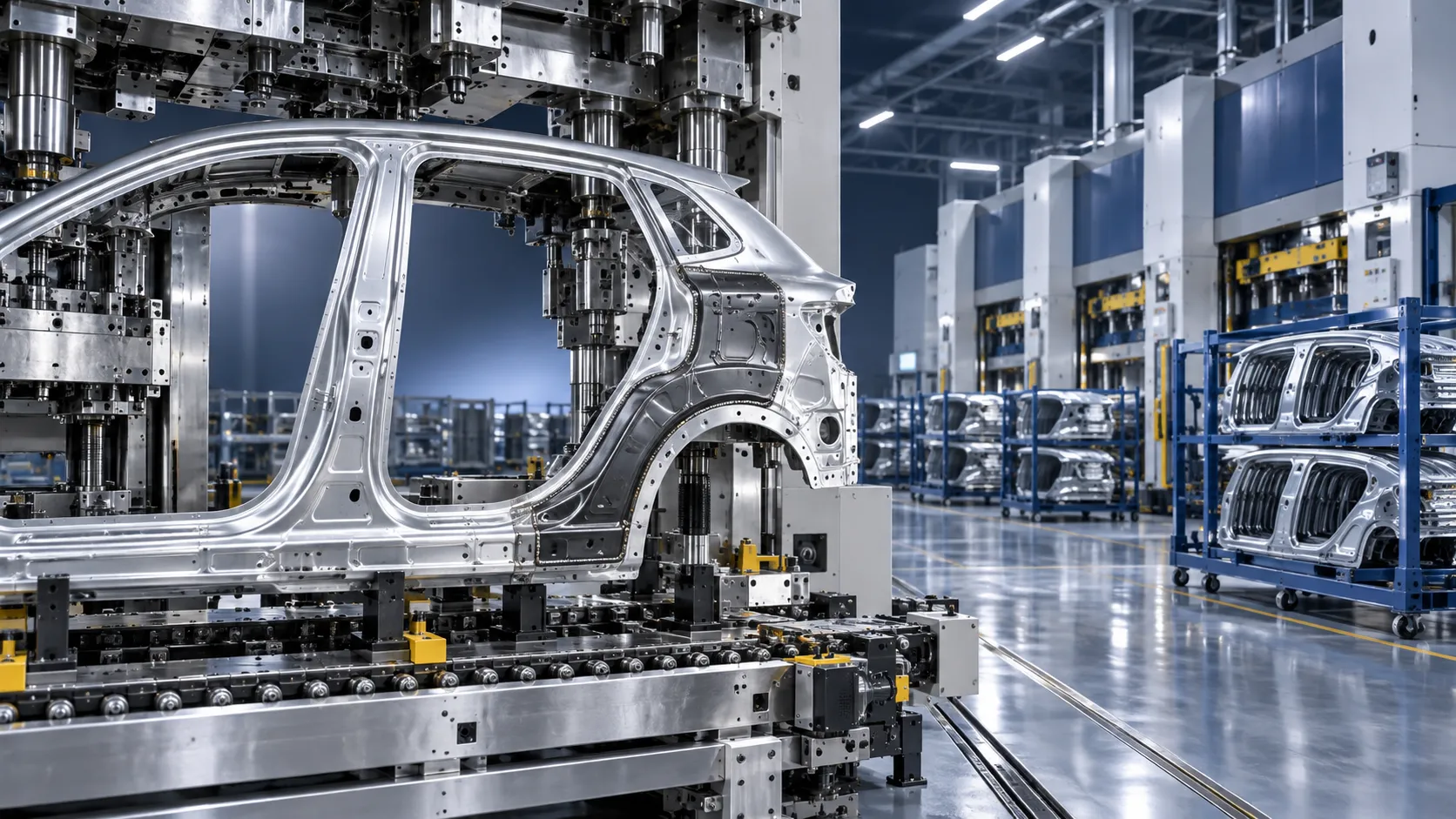
What Drives Lightweight Body Component Costs in High-Volume Vehicle Programs?
Lightweight body components cost depends on material yield, forming, joining, tooling, validation, and logistics. Explore proven ways to optimize total vehicle program cost.
Related News
- 00
0000-00
How Rear-Impact Safety Components Work Together to Protect Vehicle Occupants - 00
0000-00
Crash Test Regulations for Seatbelts: Key Compliance Requirements Explained - 00
0000-00
How Seat Belt Pretensioners for EVs Improve Crash Safety and System Response - 00
0000-00
How Do Seatbelt Systems with Pretensioner Improve Crash Protection? - 00
0000-00
How Seatbelt Technology for Buses Improves Passenger Safety and Meets Compliance Needs
Weekly Insights
Stay ahead with our curated technology reports delivered every Monday.