
Seatbelt Components for Passenger Cars: Main Parts, Functions, and How They Work Together
Understanding seatbelt components for passenger cars starts with a simple fact: a belt system is not one part, but a coordinated restraint mechanism.
Webbing, buckles, retractors, pretensioners, and load limiters each manage occupant motion in different milliseconds of a crash event.
That is why this topic matters across vehicle design, compliance review, sourcing, and safety benchmarking.
Within GNCS coverage, seatbelt systems sit beside airbags, body stampings, and seat assemblies as one of the core layers of cabin passive safety.
Looking at them in isolation misses the real engineering question: how these parts work together under load, space, and regulatory constraints.
Why seatbelt architecture deserves closer attention
Passenger cars face tighter crash requirements, lighter body structures, smarter seats, and rising expectations for occupant protection in every seating position.
As vehicles become lighter, restraint systems must control energy more precisely.
As cabins become more digital and modular, packaging space around pillars, seat frames, and sensors becomes more limited.
This puts more pressure on the design and calibration of seatbelt components for passenger cars.
The issue is not only whether the belt restrains the occupant.
The issue is how quickly it restrains, how much force it allows, and how it interacts with airbags, seats, and body structures.
From an intelligence perspective, this is exactly where GNCS places value: connecting component detail with broader mobility compliance and crash-energy management.
The main seatbelt components for passenger cars
Most modern three-point systems use a familiar layout, but each element carries a distinct function.
Webbing
The webbing is the visible strap that crosses the chest and pelvis.
It must combine tensile strength, controlled elongation, abrasion resistance, and long-term durability under heat, moisture, and repeated use.
Its geometry matters because occupant restraint depends on correct load transfer to the stronger parts of the body.
Buckle and latch plate
The buckle secures the system, while the latch plate locks the webbing into place.
These parts look simple, but their reliability is critical.
They must maintain secure engagement during vibration, impact, misuse, and years of entry-exit cycles.
Retractor
The retractor stores webbing and keeps it under light tension during normal driving.
In a crash or sudden deceleration, it locks to prevent further payout.
Its performance influences comfort, fit, slack management, and initial occupant motion.
Pretensioner
A pretensioner rapidly removes slack when a crash is detected.
This action moves the occupant into a better restraint position before peak forward motion develops.
Pretensioners may be pyrotechnic or motorized, depending on vehicle architecture and safety strategy.
Load limiter
A load limiter allows controlled belt payout after force reaches a calibrated threshold.
This reduces chest loading by balancing restraint with energy release.
Without this function, a belt can restrain too harshly even when it prevents larger motion.
Anchors and height adjusters
Anchor points transfer belt loads into the body or seat structure.
Height adjusters improve shoulder-belt routing across different occupant sizes.
These details influence comfort, fit, and real-world belt usage as much as crash performance.
How the parts work together in a crash sequence
The value of seatbelt components for passenger cars becomes clearer when viewed as a timed sequence rather than a parts list.
This sequence also explains why calibration matters as much as hardware selection.
A strong belt alone is not enough if the timing between pretensioner, airbag deployment, and seat position is poorly matched.
What the industry is watching now
Current attention is shifting from standalone restraint parts to integrated occupant protection systems.
That shift affects how seatbelt components for passenger cars are evaluated.
One pressure point is compatibility with lightweight structures.
Hot-stamped steels, aluminum parts, and mixed-material bodies change load paths and attachment strategies.
Another is seating innovation.
As seat frames become smarter and more adjustable, restraint geometry must remain stable across many occupant postures.
Regulatory and consumer testing also continue to shape design priorities.
IIHS, Euro NCAP, and other protocols increasingly reward systems that control occupant kinematics more precisely.
GNCS tracks these shifts because they influence not only compliance, but also sourcing credibility and platform competitiveness.
Where practical value shows up
In business terms, seatbelt system decisions affect safety ratings, development cost, packaging feasibility, and validation workload.
They also shape aftersales quality because squeak, retraction feel, buckle usability, and durability are visible to end users.
For research and comparison work, seatbelt components for passenger cars should be read through four linked questions.
- Does the system match the vehicle mass, seating layout, and crash pulse characteristics?
- How well does it coordinate with airbags, seat structures, and occupant sensing?
- Are performance claims supported by test data, standards compliance, and stable manufacturing quality?
- Does the design maintain comfort and fit, so occupants actually use it correctly every day?
This practical lens is often more useful than looking at single specifications in isolation.
Points to examine when comparing systems
Not every restraint layout suits every passenger-car platform.
A compact city vehicle, an SUV, and an electric crossover may share basic architecture, but their tuning priorities differ.
Performance data over generic claims
Check belt force curves, pretensioner timing, chest loading performance, and dummy kinematics from validated testing.
Integration with cabin layout
Seat-mounted versus body-mounted belt arrangements affect packaging, comfort, and structural requirements.
Material and durability quality
Webbing wear resistance, corrosion protection, retractor endurance, and buckle life cycles deserve close review.
Compliance readiness
Global programs differ in details, so documentation depth matters alongside component performance.
For anyone tracking seatbelt components for passenger cars, these checks help separate technically mature solutions from catalog-level descriptions.
A grounded next step
The most useful next step is to map seatbelt architecture against the full restraint environment, not just the belt bill of materials.
Review how the belt interacts with seat structure, airbag timing, body hard points, and expected crash scenarios.
Then compare systems using measurable criteria: load management, packaging logic, regulatory fit, and durability evidence.
That approach gives seatbelt components for passenger cars their proper context.
It also aligns with the broader GNCS view that cabin safety is built through precise coordination between structure, sensing, containment, and compliance.
When those links are clear, the restraint system becomes easier to evaluate, specify, and trust.
Related News
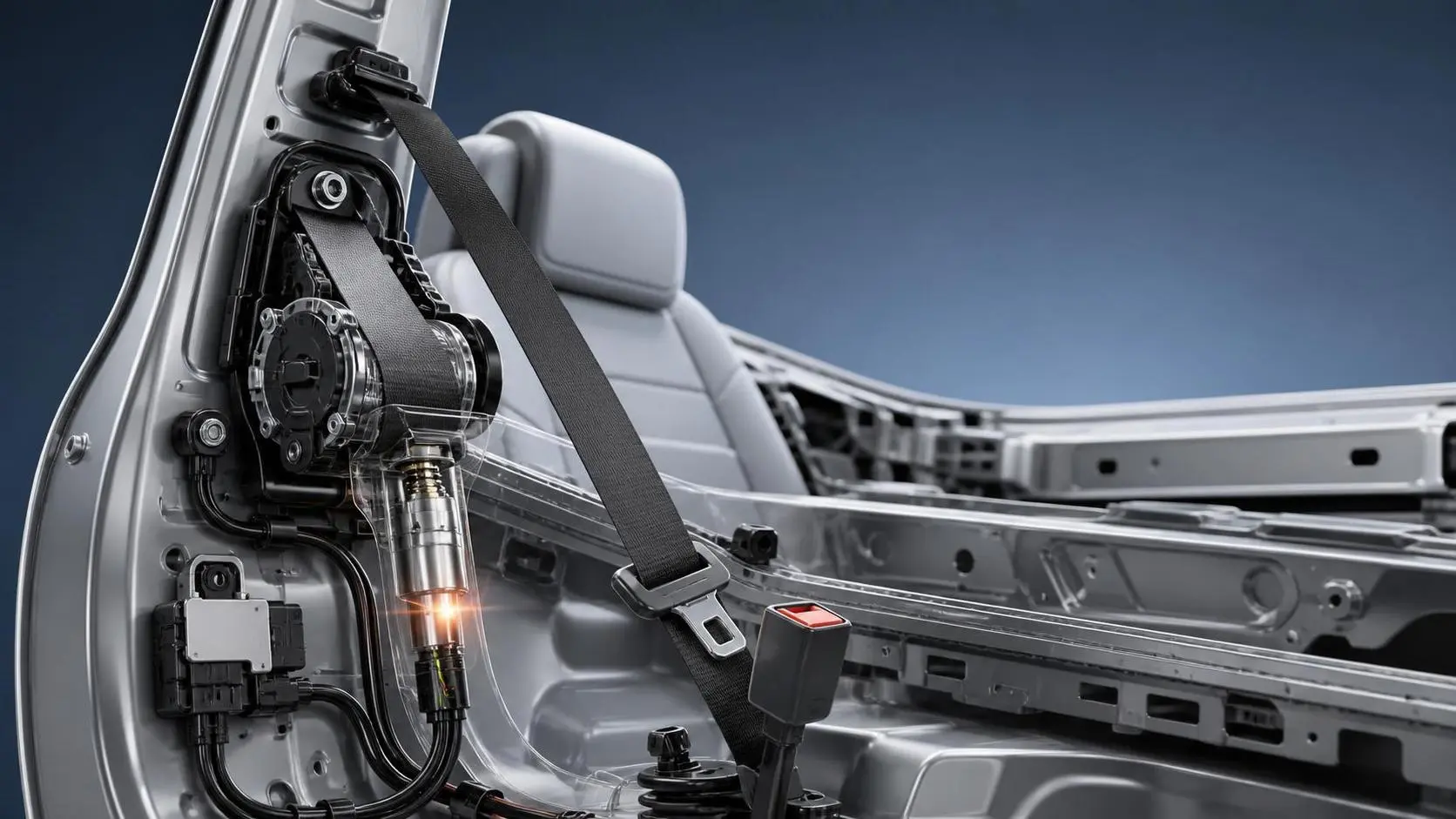
How Seat Belt Pretensioners for EVs Improve Crash Safety and System Response
Seat belt pretensioners for EVs improve crash timing, occupant control, and system response. Discover how smarter integration boosts EV safety performance.
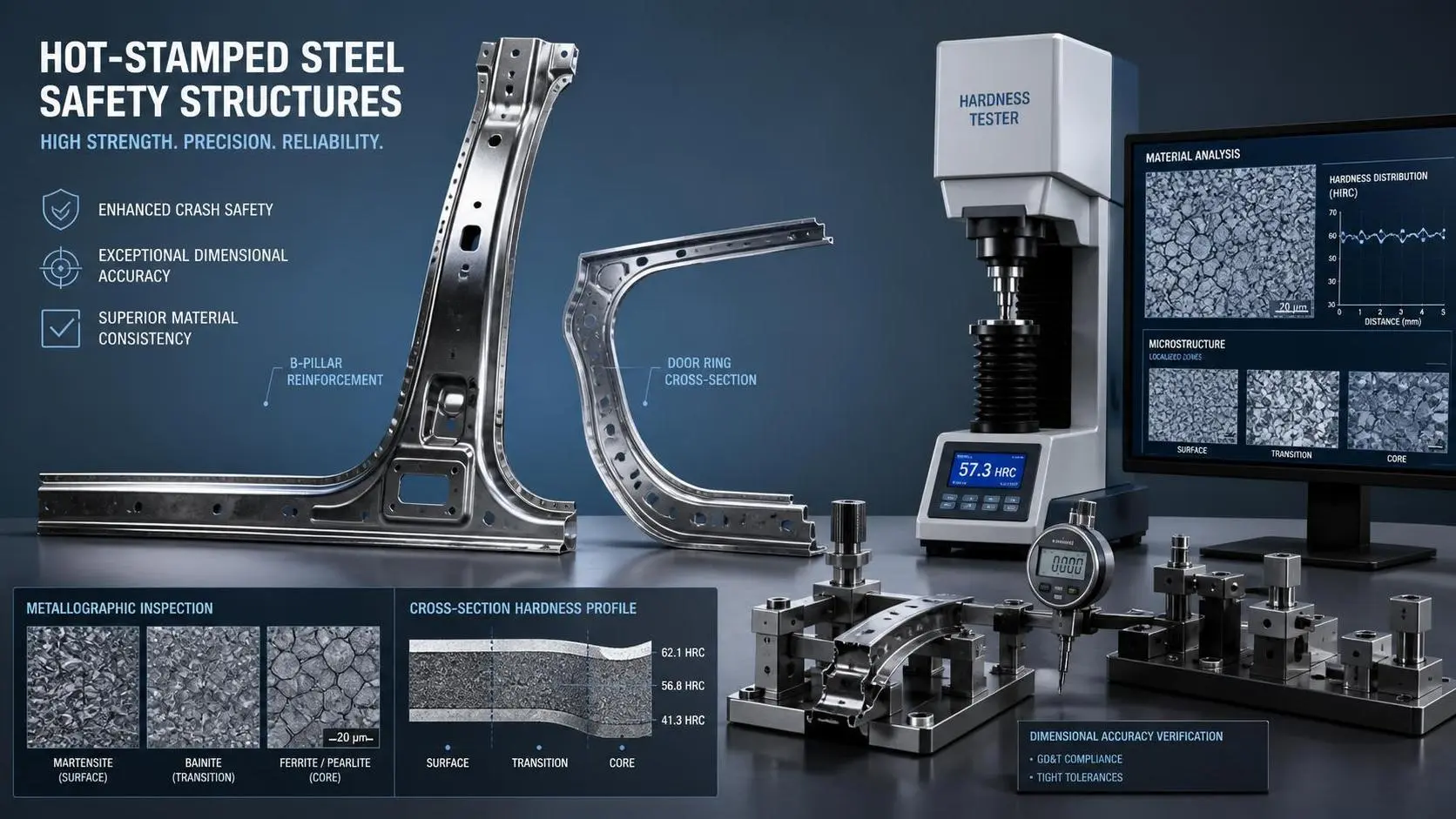
How to Evaluate High Strength Hot Stamped Steel Parts for Crash-Safety Applications
High strength hot stamped steel parts for crash-safety applications: learn how to assess strength, microstructure, dimensional accuracy, and process stability for safer sourcing decisions.
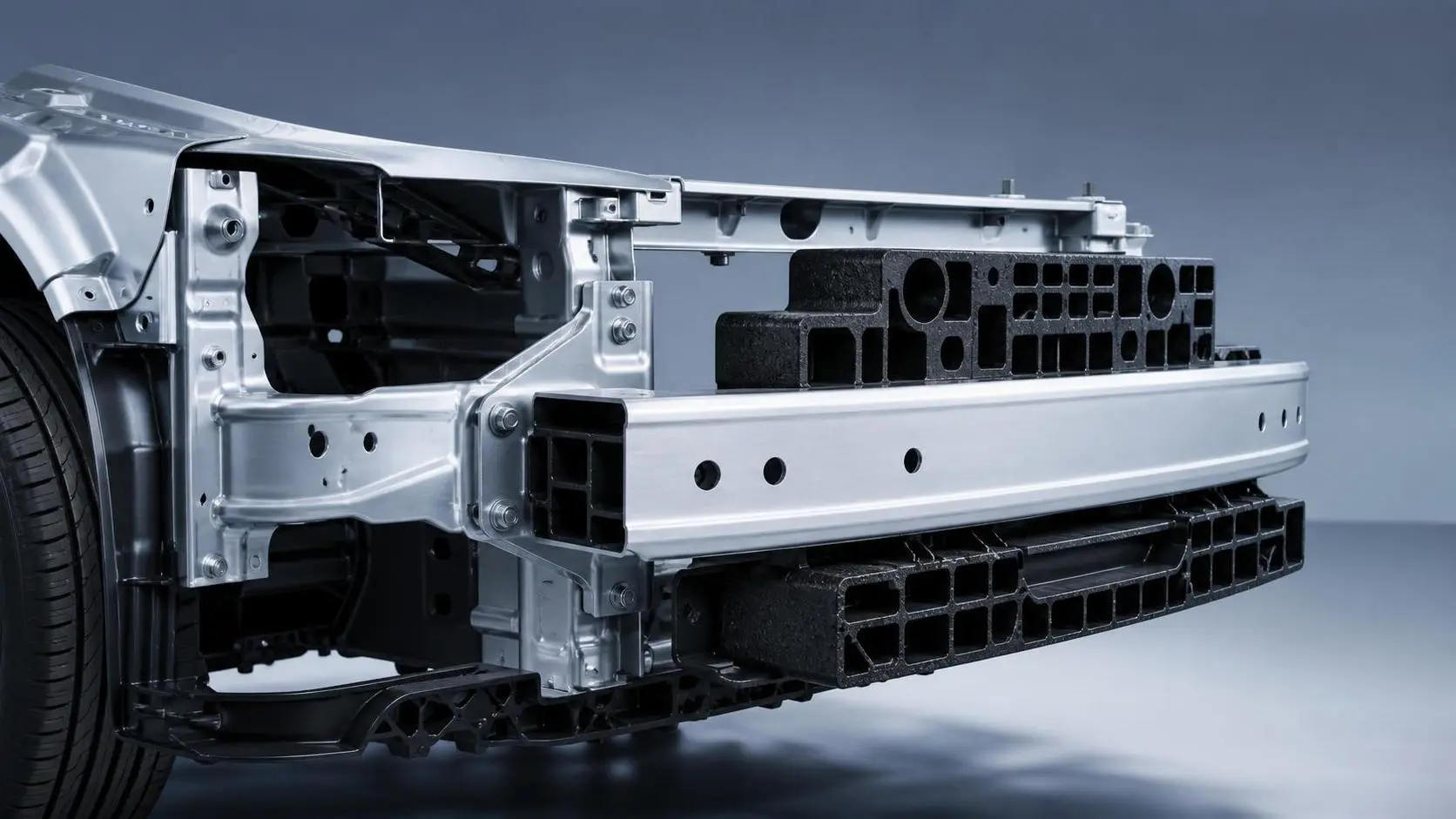
How Crash Management Components Reduce Repair Costs and Improve Impact Performance
Crash management components help reduce repair costs, protect critical vehicle structures, and improve impact performance. Learn how smarter design supports safer, more cost-efficient mobility programs.
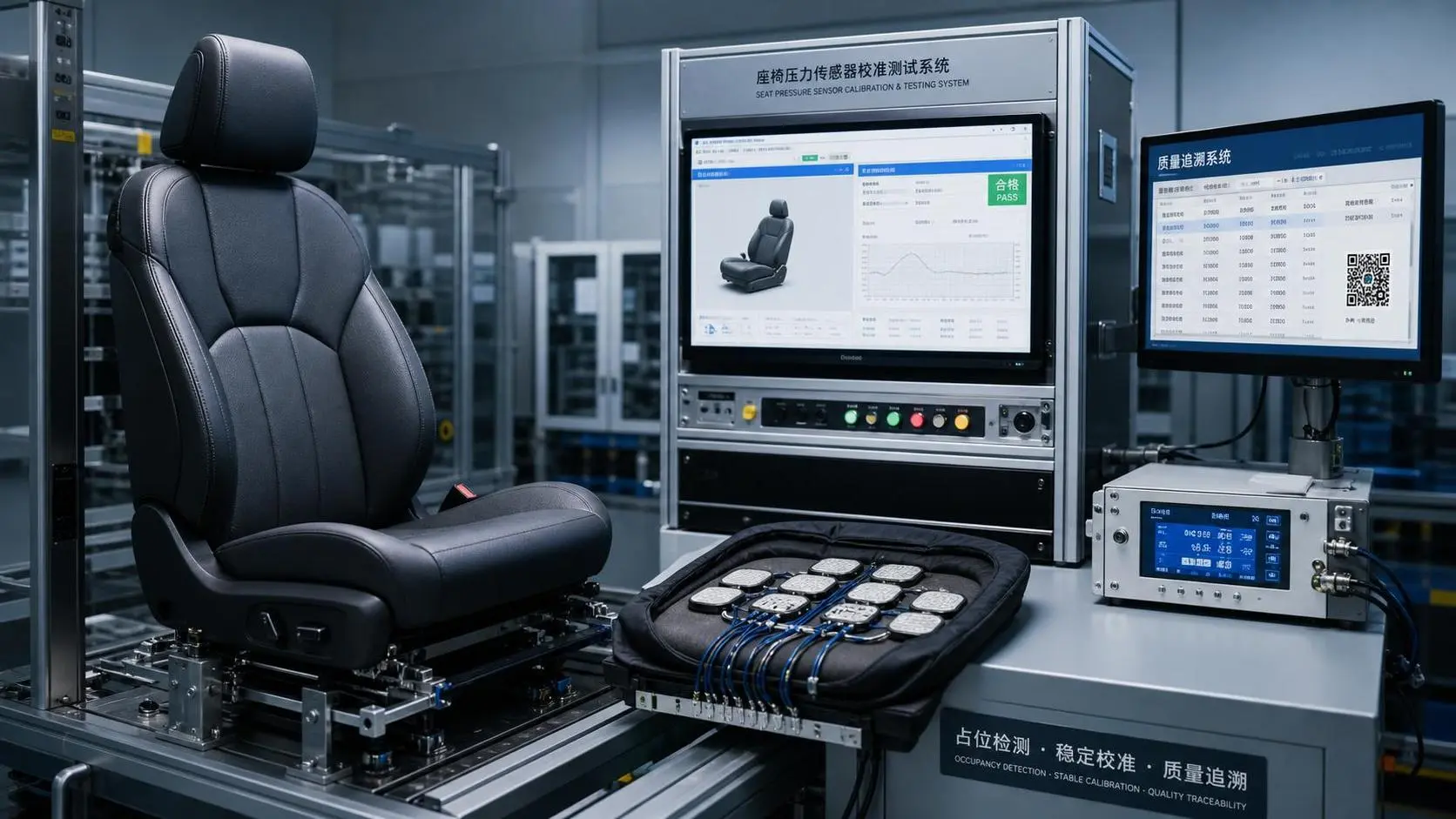
How to Evaluate a Seat Sensing Systems Factory for Automotive Safety Programs
Seat sensing systems factory selection goes beyond price. Learn how to assess quality control, validation, PPAP readiness, and long-term supply reliability for safer automotive programs.
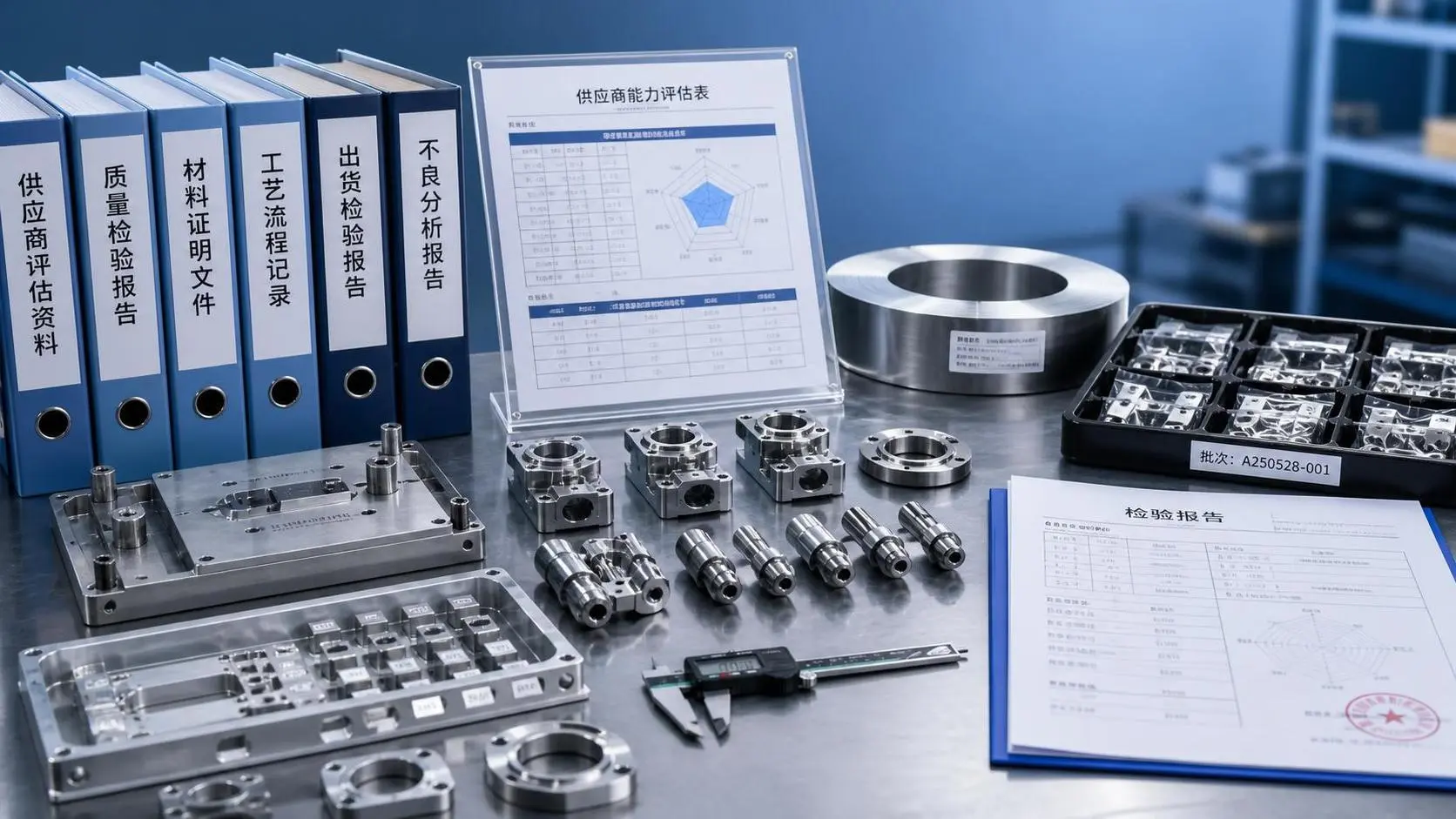
Supplier Capability Evaluation Process: Key Criteria for B2B Sourcing Decisions
Supplier capability evaluation process explained: learn the key criteria for B2B sourcing decisions, reduce supplier risk, and choose partners with confidence.
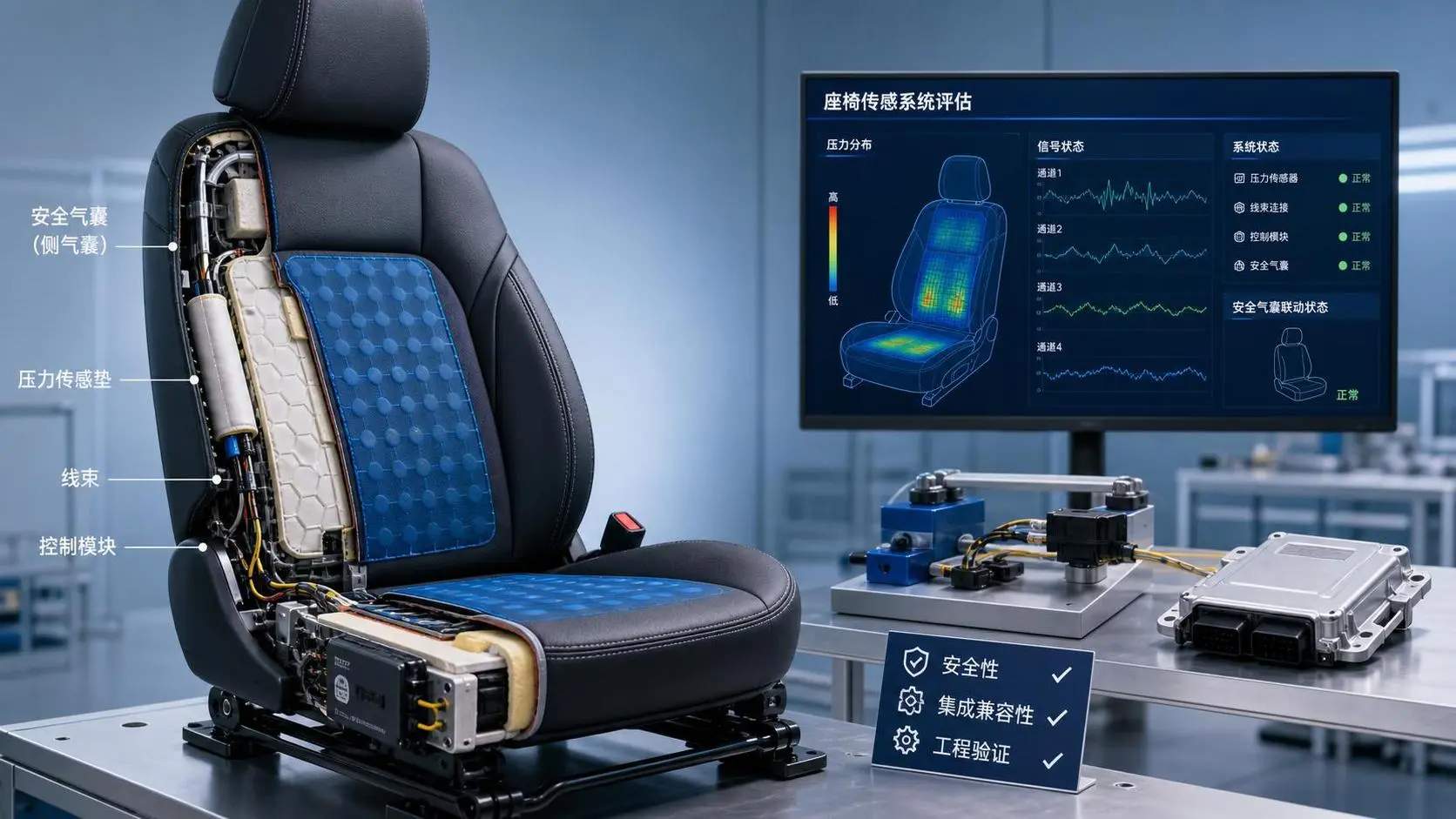
How to Evaluate a Seat Sensing Technology Supplier for Safety and Integration?
Seat sensing technology supplier evaluation guide: compare safety maturity, integration fit, algorithm reliability, and validation support to choose a partner that reduces risk.
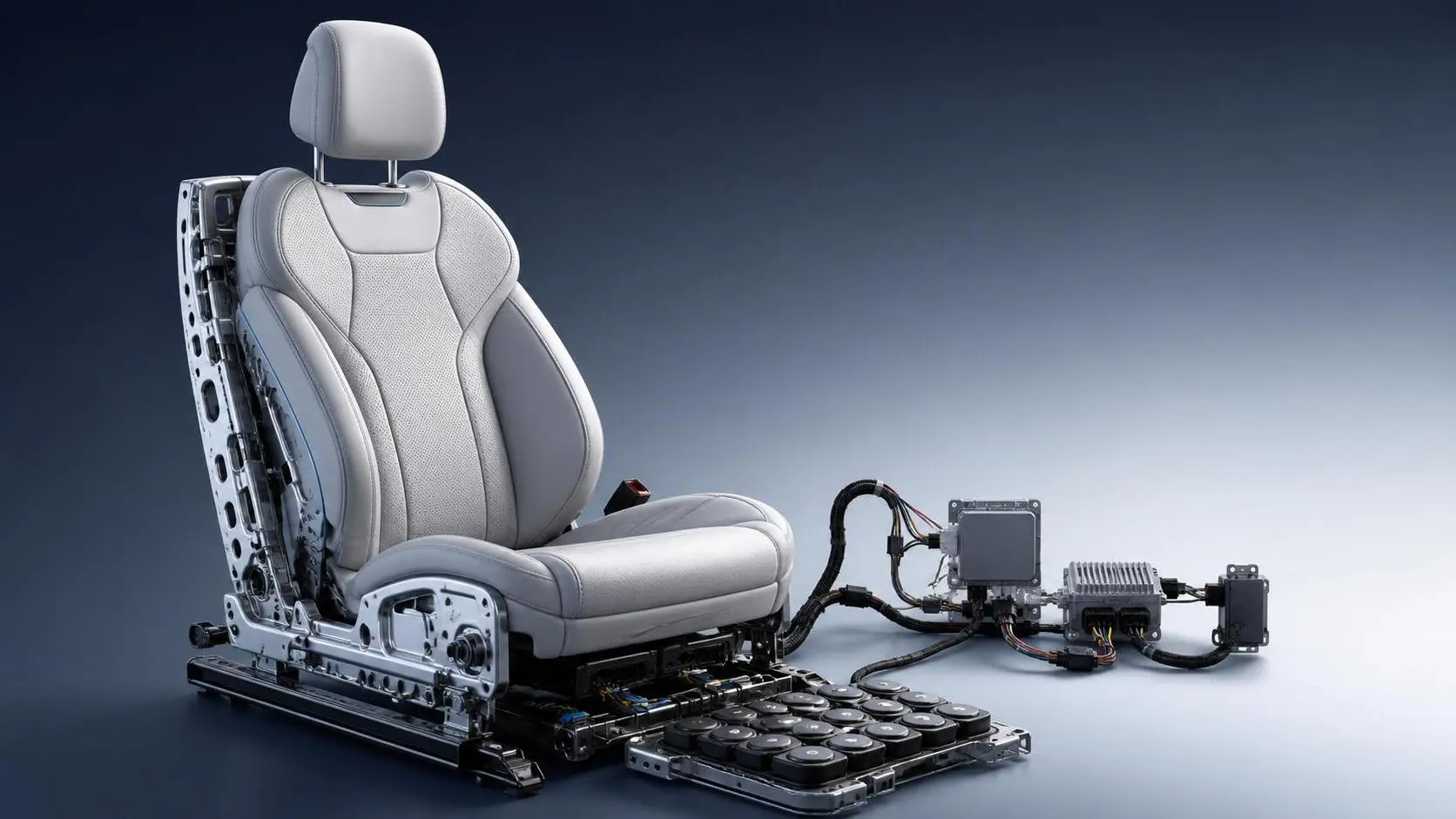
How to Evaluate Custom Smart Automotive Seating for Premium Vehicle Programs?
Custom smart automotive seating evaluation starts with safety, comfort, integration, and production readiness. Discover how premium vehicle teams choose smarter, lower-risk seat solutions.
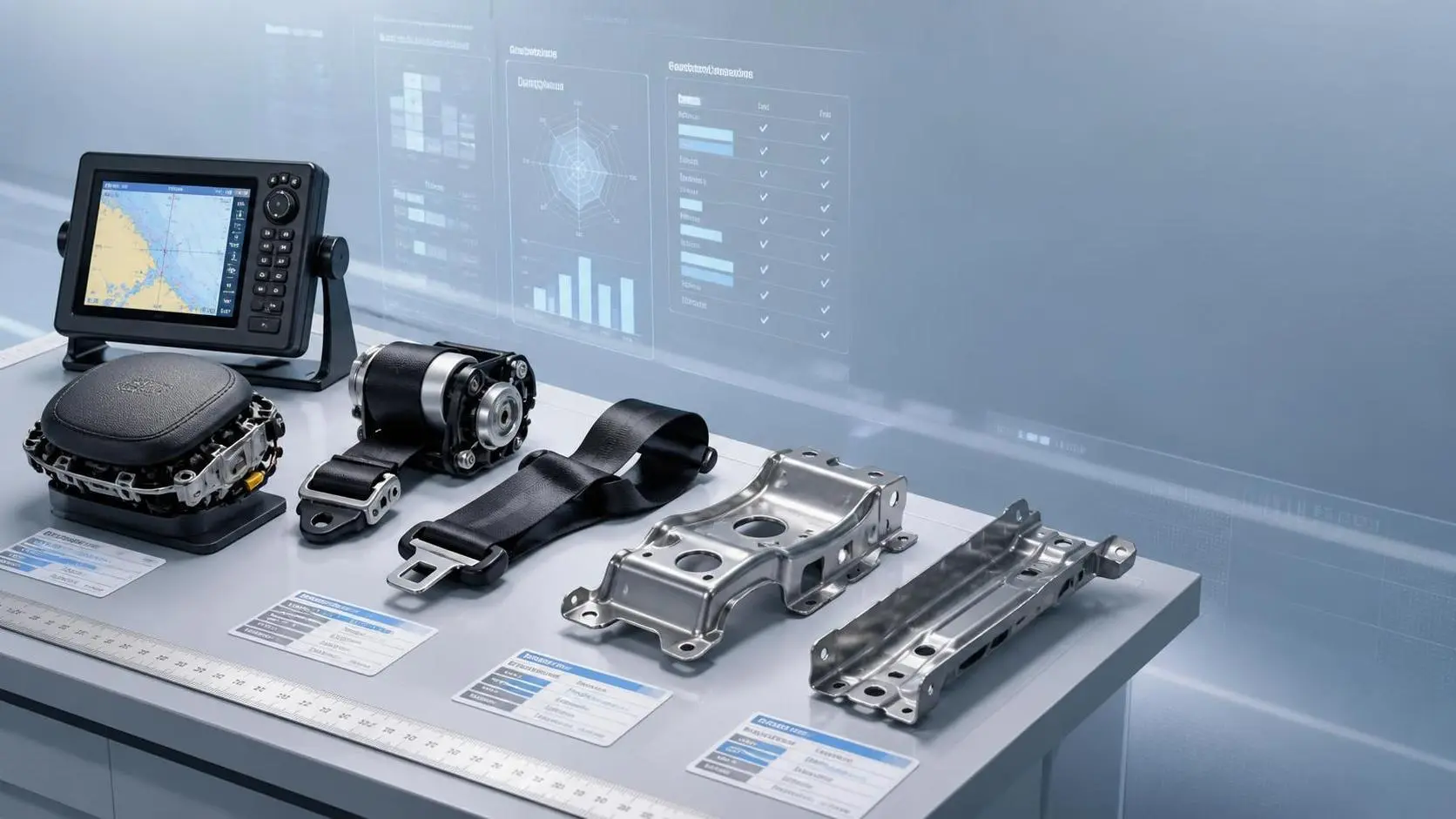
B2B Product Intelligence Platforms: How to Compare Features, Data Coverage, and ROI
B2B product intelligence platform comparison: learn how to evaluate data coverage, feature depth, compliance visibility, and ROI to choose a sourcing tool that reduces risk and speeds decisions.
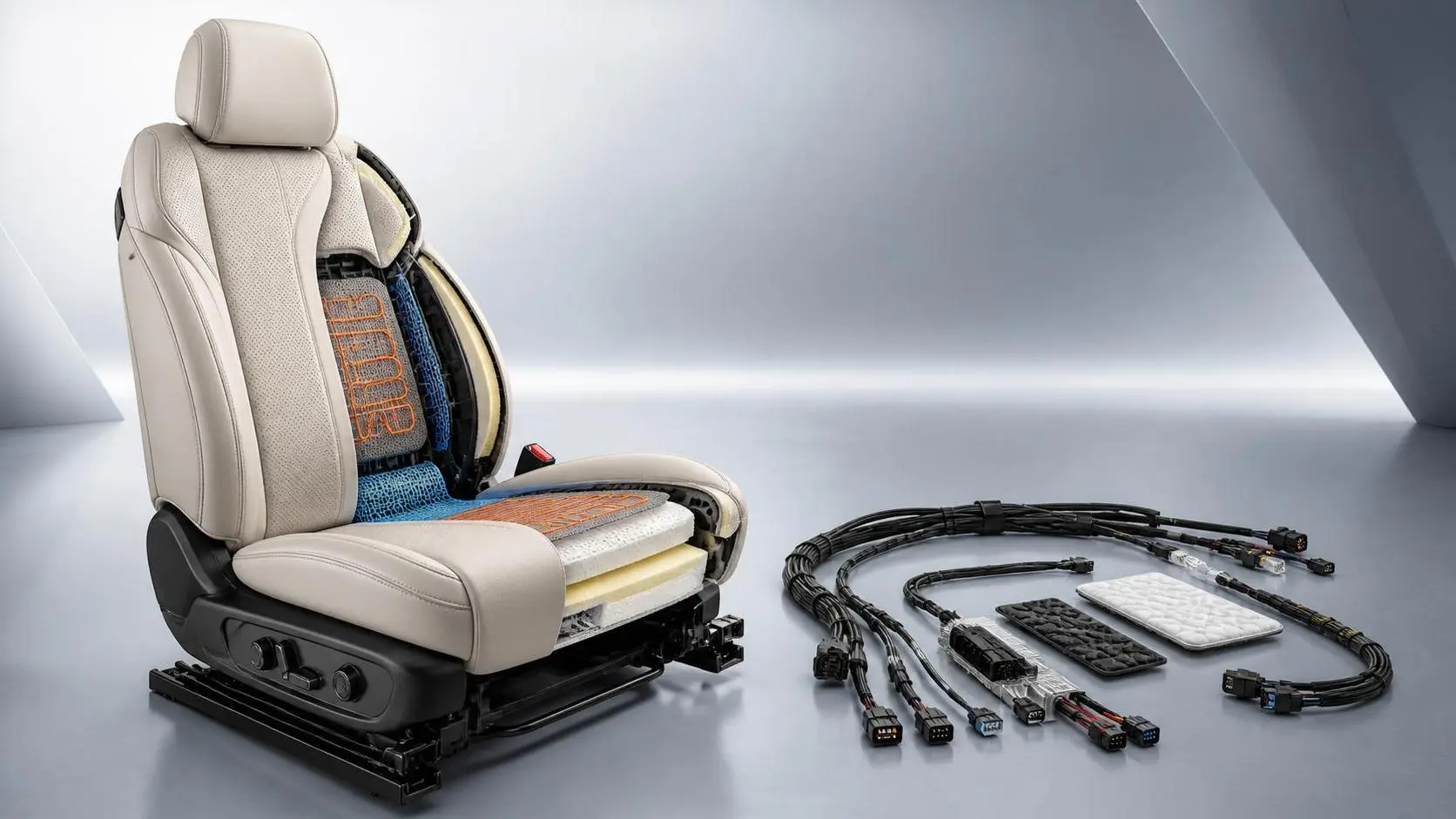
Climate Control Seats Cost: What Drives Price and Long-Term Ownership Value?
Climate control seats cost depends on materials, thermal tech, and integration. Learn what drives price and how to judge long-term value before you buy.
Related News
- 00
0000-00
How Seat Belt Pretensioners for EVs Improve Crash Safety and System Response - 00
0000-00
How Do Seatbelt Systems with Pretensioner Improve Crash Protection? - 00
0000-00
How Seatbelt Technology for Buses Improves Passenger Safety and Meets Compliance Needs - 00
0000-00
How Buckle Pretensioner Systems Improve Occupant Restraint in Modern Vehicles - 00
0000-00
Integrated Seatbelt Systems vs Conventional Designs: Which Fits Your Vehicle Platform Better?
Weekly Insights
Stay ahead with our curated technology reports delivered every Monday.