
How Seat Belt Force Limiters Work and When They Matter in Crash Protection
Seat belt force limiters are a quiet but decisive part of crash protection. They do not replace belt strength or airbags. Instead, they manage how much load reaches the human body during the hardest milliseconds of a collision.
That balance matters because restraint systems must do two jobs at once. They must hold the occupant in position, yet avoid turning the belt itself into a major source of chest injury.
Within the broader mobility equipment landscape tracked by GNCS, this makes seat belt force limiters more than a component detail. They sit at the intersection of body structure, airbag timing, seat geometry, and regulatory crash performance.
What seat belt force limiters actually do
In simple terms, seat belt force limiters allow a controlled amount of belt payout after crash loads rise beyond a calibrated threshold. That slight release reduces peak force on the chest.
Without that controlled release, the torso can be restrained too abruptly. With too much release, the occupant moves too far forward. The engineering challenge is finding the right middle ground.
This is why seat belt force limiters are never judged alone. Their value depends on the full restraint strategy, including pretensioners, airbags, steering wheel clearance, seat stiffness, and body crash pulse.
The basic sequence during a crash
A pretensioner usually acts first. It removes slack almost instantly and brings the occupant into the intended position before forward motion grows.
As loads build, the force limiter begins to work. It lets the belt webbing extend in a measured way, keeping restraint active while lowering the load transferred to the ribcage and sternum.
At the same time, the airbag supports the head and upper torso. In a well-tuned system, the belt and airbag share energy management rather than competing with each other.
Why the industry pays close attention
Crash safety is no longer judged by whether occupants remain inside the vehicle. Attention has moved toward injury metrics, especially chest deflection, chest acceleration, neck loads, and lower extremity behavior.
That shift explains the growing relevance of seat belt force limiters. They directly influence chest loading outcomes in frontal impacts, offset crashes, and some far-side conditions.
For platforms pursuing lightweight body structures, the issue becomes even more important. A lighter body can change crash pulse behavior, which changes how the restraint system must absorb and distribute energy.
GNCS often frames passive safety through linked systems rather than isolated parts. That perspective is useful here. A belt limiter only makes sense when read together with seat architecture, stamped structure design, and occupant containment logic.
Regulation and rating pressure
Programs such as Euro NCAP and IIHS do not award protection for component presence alone. They reward measured injury performance under defined crash conditions.
Because of that, seat belt force limiters are tuned to target biomechanical results, not marketing claims. Calibration decisions are shaped by dummy data, sled testing, and full-vehicle validation.
How seat belt force limiters are built and tuned
Several mechanical approaches exist. Common designs use torsion bars inside the retractor. Under high load, the bar twists in a controlled way and allows limited belt spool rotation.
Other concepts use deformable elements or staged load management. In advanced systems, the load-limiting behavior may vary depending on crash severity, seating position, or occupant classification logic.
The tuning target is rarely universal. A compact passenger car, a large SUV, and a commercial mobility platform may need very different limiter thresholds and payout characteristics.
When they matter most in real crash protection
Seat belt force limiters matter most when the restraint system must manage a high-energy frontal event without producing excessive thoracic loading. This is their classic use case.
They are especially valuable for belted occupants whose forward motion is substantial enough to generate harmful chest force, yet still within the range where controlled ride-down improves survival space use.
They also become more significant when airbags are properly timed and positioned. In that situation, allowing limited torso motion can improve energy sharing instead of increasing exposure.
Typical scenarios where performance changes noticeably
- Moderate-to-severe frontal crashes where chest injury criteria are a major concern
- Vehicles with aggressive pretensioning, where load management must follow quickly
- Lightweight body programs, where structural pulse tuning changes restraint demands
- Cabin layouts with tight packaging, where occupant kinematics must stay predictable
- Multi-stage restraint systems designed around broader occupant variability
They matter less when belt fit is poor from the start. A force limiter cannot compensate for incorrect routing, severe out-of-position posture, or a restraint architecture that lacks coordination.
The link with seats, airbags, and body structures
One reason this topic deserves broader industry attention is that seat belt force limiters reveal how integrated passive safety has become. Their effectiveness is shaped by surrounding hardware.
Seat assemblies influence pelvis position, torso angle, and submarining risk. Airbag assemblies determine where upper body energy is received. Body stampings shape crash pulse and preserve occupant space.
This systems view aligns closely with the GNCS intelligence model. The portal’s focus on passive safety components, lightweight structures, and smart seating makes force-limiting behavior a cross-domain issue rather than a single-part topic.
In practical assessment, it is often more useful to ask whether the vehicle manages occupant energy coherently than whether it simply includes seat belt force limiters.
What to examine when comparing systems or reports
A useful review starts with performance evidence, not brochure language. The presence of seat belt force limiters should be connected to measurable crash outcomes and integration details.
- Check whether pretensioner and limiter strategies are described together
- Look for chest injury data, not only general safety claims
- Compare frontal, small overlap, and offset performance context
- Review seat design and occupant posture assumptions
- Note whether the vehicle platform uses lightweight structural concepts
- Watch for staged or adaptive restraint logic in higher-end systems
It also helps to distinguish between component availability and calibration maturity. Two vehicles may both use seat belt force limiters, yet deliver very different protection because their tuning philosophy differs.
Where future evaluation is heading
The next phase is not just stronger restraint hardware. It is smarter restraint coordination. That includes better occupant sensing, wider body-size coverage, and closer matching between crash detection and load management.
As seating systems become more adaptive and cabins more digitalized, seat belt force limiters may also become more context-sensitive. The core goal, however, remains unchanged: control energy without losing containment.
For anyone evaluating crash protection, the most practical next step is to study force limiters as part of a restraint ecosystem. Compare the belt, the airbag, the seat, and the body structure as one coordinated protective chain.
That approach makes technical reports more meaningful, product comparisons more accurate, and safety judgments more grounded in how real-world protection is actually delivered.
Related News
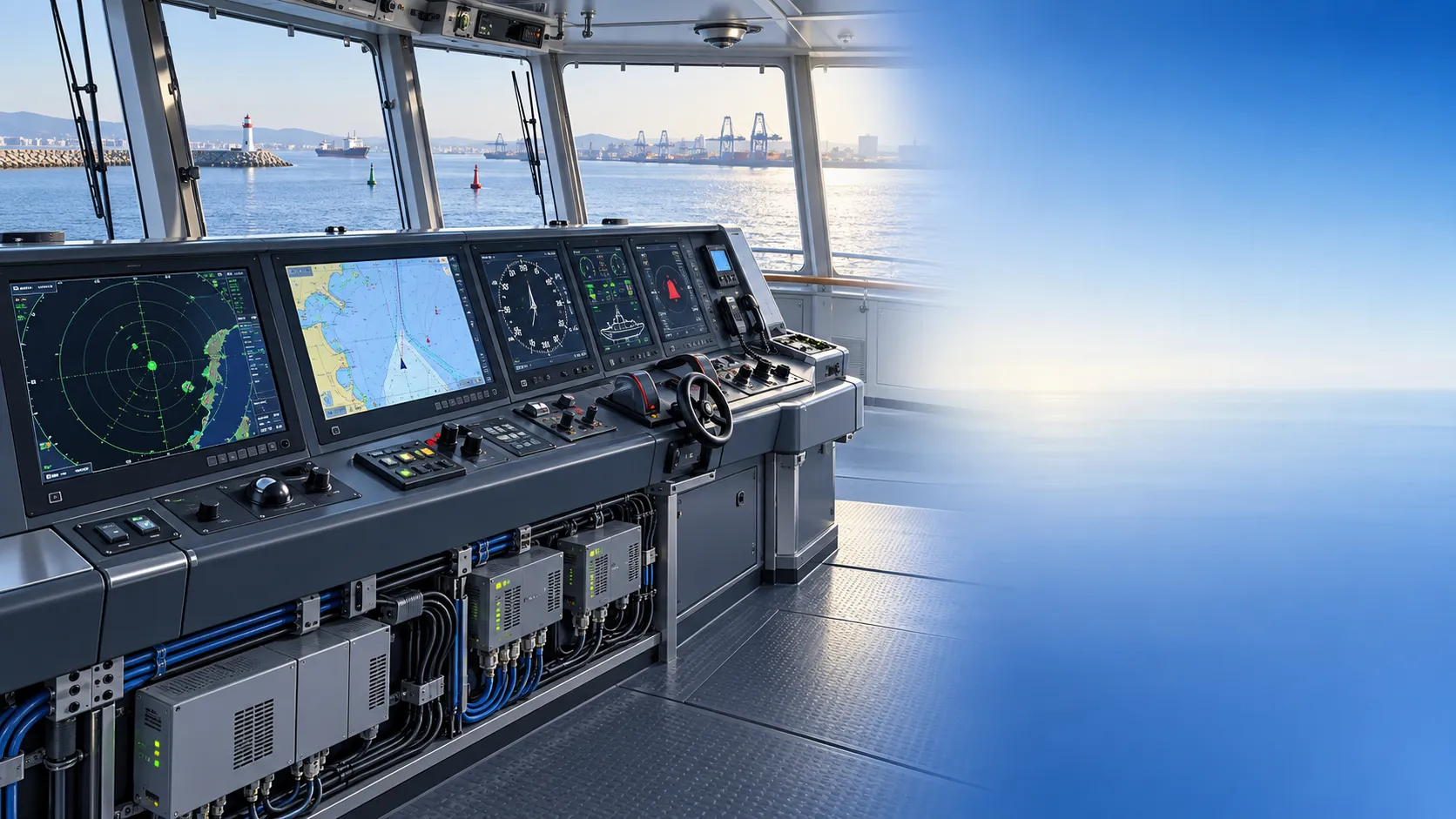
How to Specify Integrated Marine Electronics for Reliable Bridge Operations
Integrated marine electronics: learn how to specify reliable bridge systems with clear data flows, redundancy, alarm control, lifecycle interfaces, and operational testing.
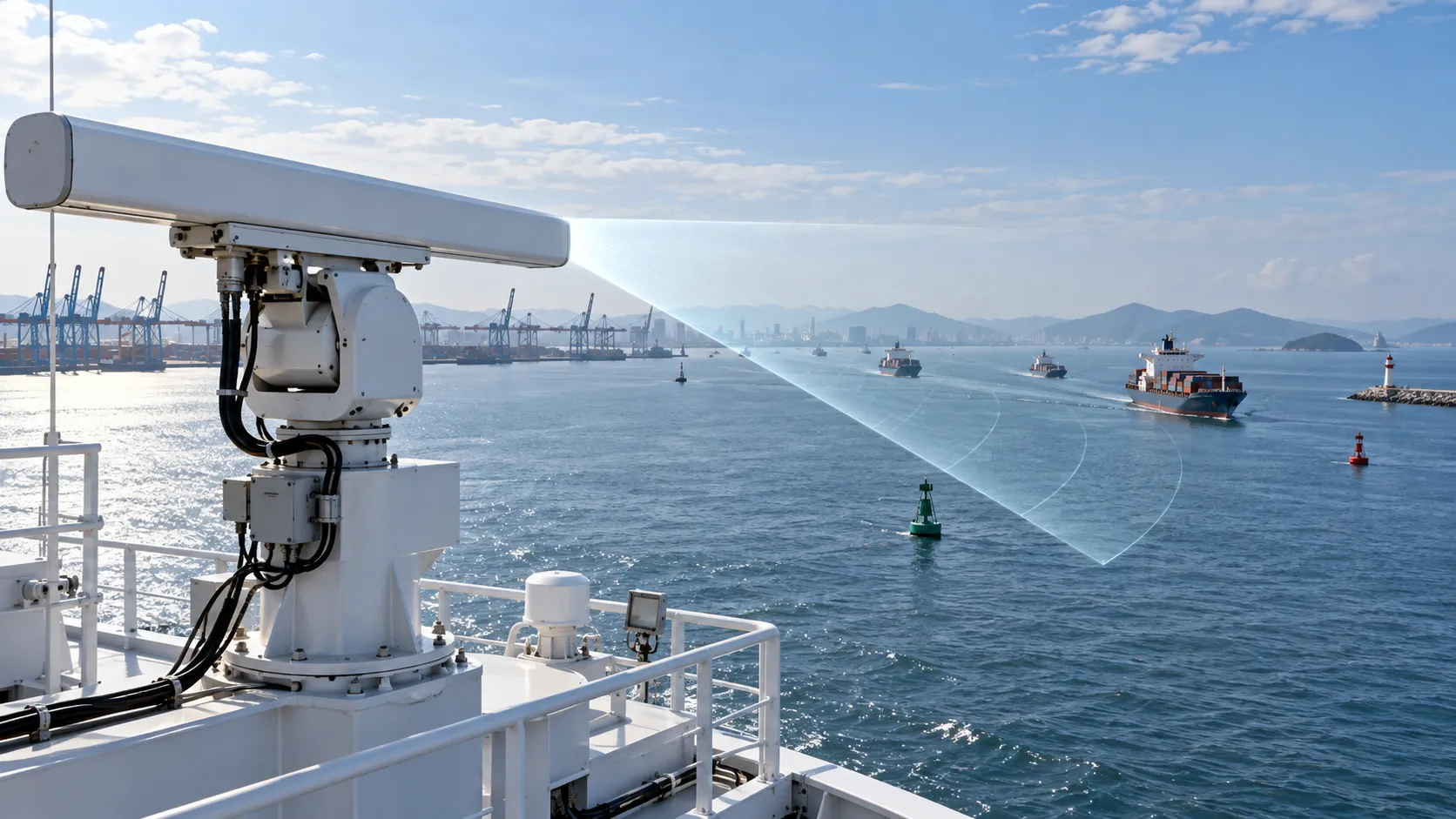
How to Evaluate Navigation Radar Manufacturers for Commercial Vessel Projects
Navigation radar manufacturers: learn how to compare performance, compliance, integration, support, and lifecycle cost for commercial vessel projects.
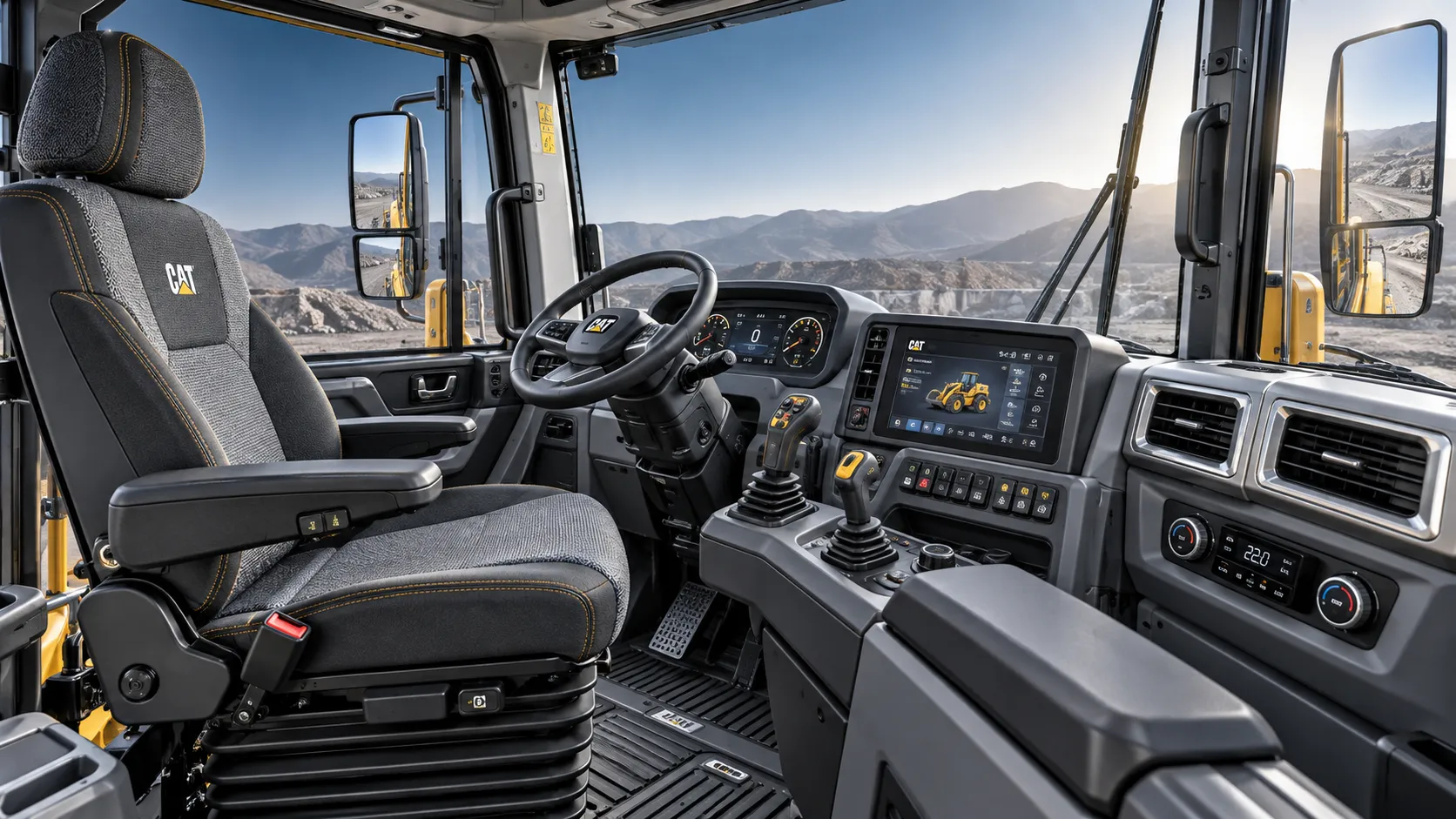
How Adjustable Cabin Ergonomics Reduce Operator Fatigue in Long-Shift Vehicles
Adjustable cabin ergonomics reduces operator fatigue through better seating, reach, visibility, vibration control, and climate comfort for safer long-shift vehicles.
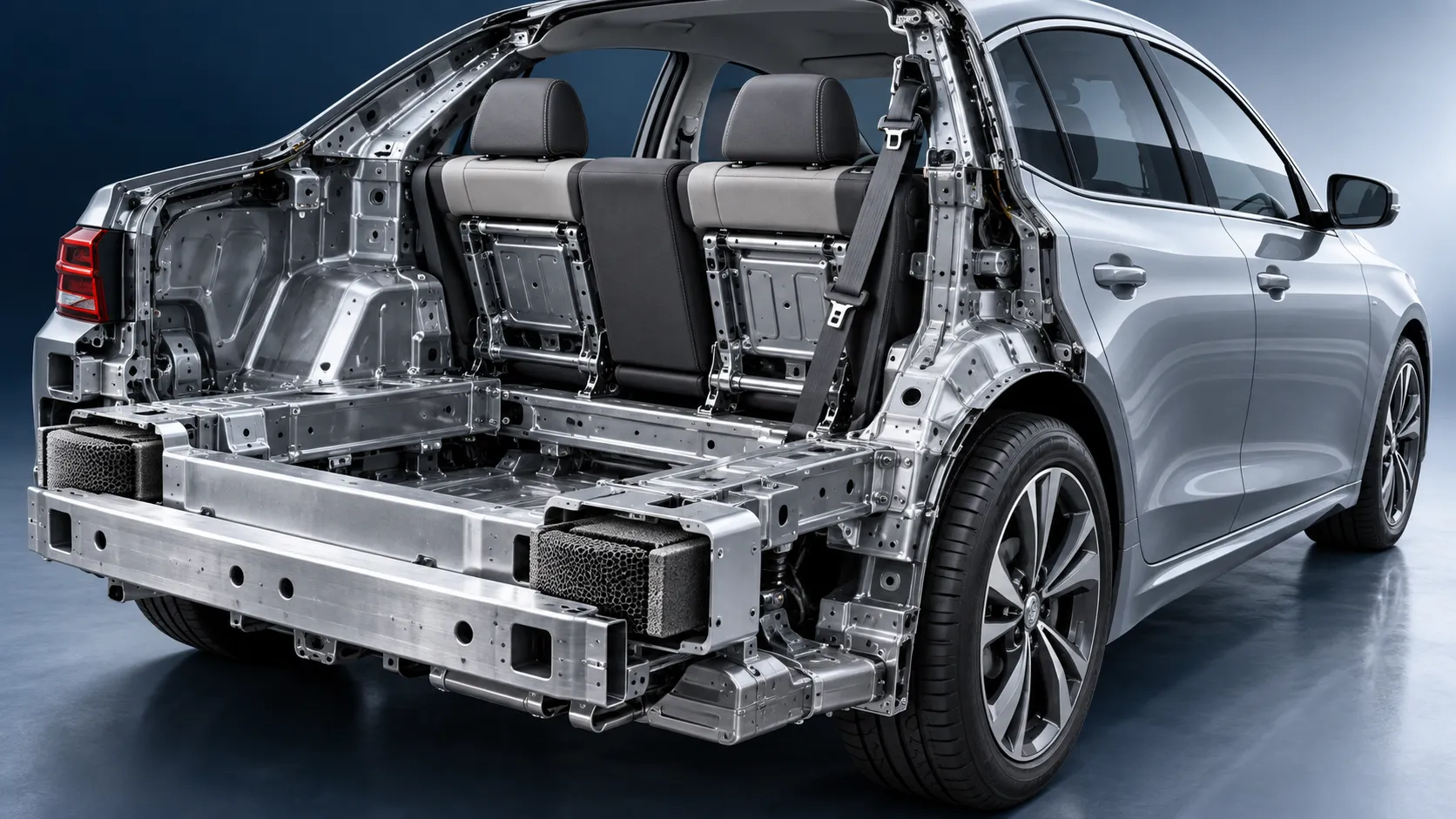
How Rear-Impact Safety Components Work Together to Protect Vehicle Occupants
Explore how automotive safety components for rear impact work together—from crash structures and seats to head restraints and belts—to enhance occupant protection.
How to Evaluate a Marine Safety Systems Manufacturer for Vessel Compliance and Reliability
Marine safety systems manufacturer evaluation guide: verify compliance, engineering quality, lifecycle costs, and global service support for safer, reliable vessel operations.
Crash Test Regulations for Seatbelts: Key Compliance Requirements Explained
Crash test regulations seatbelts explained: explore FMVSS, UN rules, anchorage strength, and dynamic restraint testing for safer, compliant vehicle systems.
How to Calculate the Total Cost of Automotive Lightweighting for a Vehicle Program
Automotive lightweight solutions cost: learn how to calculate program-level costs, including materials, tooling, joining, validation, risk, and vehicle-level value.

How Automotive Seat Occupancy Sensing Improves Airbag Deployment Decisions
Automotive seat occupancy sensing helps optimize airbag deployment decisions, improving passenger classification, safety diagnostics, and compliance across real-world conditions.
What Drives Lightweight Body Component Costs in High-Volume Vehicle Programs?
Lightweight body components cost depends on material yield, forming, joining, tooling, validation, and logistics. Explore proven ways to optimize total vehicle program cost.
Related News
- 00
0000-00
How Rear-Impact Safety Components Work Together to Protect Vehicle Occupants - 00
0000-00
Crash Test Regulations for Seatbelts: Key Compliance Requirements Explained - 00
0000-00
How Seat Belt Pretensioners for EVs Improve Crash Safety and System Response - 00
0000-00
How Do Seatbelt Systems with Pretensioner Improve Crash Protection? - 00
0000-00
How Seatbelt Technology for Buses Improves Passenger Safety and Meets Compliance Needs
Weekly Insights
Stay ahead with our curated technology reports delivered every Monday.