
How Do Seatbelt Systems with Pretensioner Improve Crash Protection?
What a Pretensioner Really Changes in a Seatbelt System
A seatbelt without a pretensioner can still restrain an occupant, but it does so with a small delay built into the system. That delay is not electronic; it is physical. The belt webbing has slack, clothing compresses, the occupant may already be moving forward, and the body does not load the restraint evenly in the first instant of a crash. A pretensioner addresses that early phase. It tightens the belt almost immediately after a severe impact is detected, pulling the occupant back into the intended seating position before the crash pulse has fully developed.
That is why seatbelt systems with pretensioner are not just “tighter belts.” They are timing devices inside a larger passive safety strategy. Their job is to improve occupant position, reduce forward excursion, and make the rest of the restraint system work under conditions it was actually designed for. In practical terms, that means the airbag can deploy relative to a more predictable torso location, the belt can load the chest and pelvis more effectively, and the vehicle structure has a better chance of managing crash energy through the occupant’s strongest body regions rather than through uncontrolled movement.
This distinction matters because many discussions about crash protection still treat the belt, airbag, and seat as separate devices. In engineering work and regulatory evaluation, they are not separate in any meaningful sense. They form a restraint environment. Pretensioners are one of the components that make that environment coordinated rather than reactive.
The First Milliseconds Decide More Than Most People Assume
In a frontal or near-frontal collision, occupant kinematics begin almost immediately. The vehicle decelerates, but the occupant continues moving forward due to inertia. If the belt has not already engaged the body firmly, the torso can translate and rotate before peak restraint loading begins. That early movement is a problem because restraint systems are calibrated around geometry: seat position, belt path, airbag deployment window, steering wheel distance, and the interaction between the chest, pelvis, and seat cushion.
Pretensioners narrow the gap between crash detection and effective restraint. Depending on system design, the mechanism may act at the retractor, at the buckle, or in other packaging forms integrated into the belt assembly. The principle is the same: remove slack quickly and control occupant motion earlier than a conventional belt alone could manage. In real safety engineering, “earlier” is the whole point. Once the body has already moved too far forward, later restraint force may still stop the occupant, but it may do so less efficiently and with less favorable body loading.
This is also why pretensioners are often discussed together with load limiters. The two are complementary, not interchangeable. A pretensioner reduces slack and initial motion; a load limiter manages how much belt force is transferred to the occupant after the belt has become engaged. One improves positioning, the other helps manage chest loading. When both are calibrated well, the system can restrain firmly without becoming unnecessarily aggressive.
How the Device Works, Without Reducing It to a Simplistic Diagram
Most pretensioners are triggered by the same crash sensing and control architecture that governs airbag deployment, although the logic is not always identical for every event type. The control unit evaluates deceleration signals and, depending on vehicle design, may also use additional sensor inputs. If the event crosses the calibrated threshold for a deployable restraint response, the pretensioner actuator fires and rapidly retracts or pulls the belt system.
The actuator itself may be pyrotechnic or, in some newer architectures, driven by other mechanisms. Pyrotechnic pretensioners have been widely used because they are fast, compact, and well suited to the short response window of a crash event. A small gas-generating charge or similar device drives a piston, cable, or gear-linked element that tightens the belt. This is a one-time event. After activation, the assembly generally requires replacement.
That sounds straightforward, but the engineering difficulty is not in creating tension. It is in deciding how much, how fast, at what point in the crash pulse, for which seating position, and in coordination with which airbag strategy. Too little tension leaves excessive occupant motion. Too much, or poorly timed action, can produce less favorable occupant loading or reduce comfort to the point that users alter belt use behavior. Good restraint design is not about maximizing any single variable; it is about managing interaction.
Where Pretensioners Fit in the Broader Safety Stack
It is easy to over-credit airbags because they are visible after a crash. Pretensioners are less visible, but they often determine whether the occupant meets the airbag in the intended way. In front-seat applications, the belt pretensioner, force limiter, frontal airbag, seat structure, head restraint geometry, and steering or instrument panel packaging are tuned as a package. In side impacts and rollovers, pretensioning strategies can also support occupant containment, depending on system design.
This systems view is reflected in how manufacturers validate restraint performance. The question is not whether the pretensioner “works” in isolation. The question is whether the total restraint sequence meets injury and kinematic targets across expected crash modes, occupant sizes, seat positions, and regulatory or consumer-test conditions. In that context, seatbelt systems with pretensioner are best understood as enabling components for restraint consistency.
For suppliers and technical evaluators, this has a practical consequence: comparing two belt systems by the mere presence of a pretensioner tells you very little. You need to know the architecture around it, including the type of load limiting, seat integration, crash sensing strategy, and the vehicle segment it was developed for.
Common Misunderstandings That Distort the Discussion
One common misunderstanding is that pretensioners mainly improve comfort by removing slack. They are not comfort devices. They are crash-event actuators. If a belt feels snug during normal driving, that is typically due to retractor behavior, webbing routing, seat design, or comfort features, not deployment of the pretensioner itself.
Another mistake is to assume that tighter always means safer. That view ignores injury biomechanics. A restraint system must control motion while distributing loads in a survivable way. This is why pretensioners are paired with force-management strategies and why chest criteria, pelvic engagement, and occupant posture all matter.
There is also a persistent assumption that airbags are the primary protection and belts are secondary. In most passenger vehicle crash scenarios, the belt remains the primary restraint. The airbag is supplemental by design. A pretensioner strengthens that primary restraint during the precise interval when uncontrolled movement would otherwise erode the benefit of the rest of the system.
A more technical misunderstanding appears in procurement and benchmarking work: some treat the number of pretensioners in a cabin as a shorthand for safety level. That is not a reliable comparison. More deployment positions may reflect a broader protection strategy, but the safety outcome still depends on calibration quality, seating geometry, vehicle structure, and test performance under the applicable standards or rating programs.
How Engineers and Buyers Usually Judge These Systems
In technical review, the useful questions are more specific than “Does it have a pretensioner?” They tend to look like this:
- What trigger logic and sensing inputs are used for deployment?
- Is the pretensioner integrated at the retractor, buckle, or another point in the restraint path?
- How is it tuned relative to the load limiter and airbag timing?
- Which seating positions receive pretensioning, and are strategies differentiated by crash mode?
- How does the system perform under the regulatory and consumer-test regimes relevant to the target market?
That last point is particularly important. Different markets may involve different homologation requirements, and consumer information programs such as Euro NCAP or IIHS influence design priorities even when they are not legal standards in themselves. Pretensioner strategy is often shaped not only by compliance, but by how a vehicle is expected to perform in these public safety evaluations.
For information researchers, the safest reading is to treat pretensioner adoption as evidence of mature passive safety integration, but not as a standalone verdict. The technical quality lies in the calibration and system compatibility, not in the label alone.
Why This Matters Beyond the Belt Assembly
Pretensioners sit at the intersection of several broader industry trends. Lightweight body design changes crash pulse characteristics and cabin packaging constraints. Smart seats add sensing and occupant classification layers that affect restraint strategy. Global regulatory pressure and consumer awareness continue to push manufacturers toward better occupant containment across more seating positions, not just the traditional front-row focus.
That wider context is one reason GNCS tracks seatbelt systems alongside airbags, body stampings, and seat assemblies rather than treating them as isolated components. In actual vehicle development, restraint performance is inseparable from seat structure, body deformation management, and occupant positioning. A pretensioner is a small device in packaging terms, but it sits inside a large chain of engineering decisions.
Anyone trying to understand crash protection at a technical level should keep one practical idea in mind: the best restraint system is not the one that reacts hardest, but the one that keeps the occupant where the protection strategy expects them to be, early enough for every other element to do its job. That is the real contribution of seatbelt systems with pretensioner, and it is why they remain central to modern passive safety design.
Related News
How to Specify Integrated Marine Electronics for Reliable Bridge Operations
Integrated marine electronics: learn how to specify reliable bridge systems with clear data flows, redundancy, alarm control, lifecycle interfaces, and operational testing.

How to Evaluate Navigation Radar Manufacturers for Commercial Vessel Projects
Navigation radar manufacturers: learn how to compare performance, compliance, integration, support, and lifecycle cost for commercial vessel projects.
How Adjustable Cabin Ergonomics Reduce Operator Fatigue in Long-Shift Vehicles
Adjustable cabin ergonomics reduces operator fatigue through better seating, reach, visibility, vibration control, and climate comfort for safer long-shift vehicles.
How Rear-Impact Safety Components Work Together to Protect Vehicle Occupants
Explore how automotive safety components for rear impact work together—from crash structures and seats to head restraints and belts—to enhance occupant protection.
How to Evaluate a Marine Safety Systems Manufacturer for Vessel Compliance and Reliability
Marine safety systems manufacturer evaluation guide: verify compliance, engineering quality, lifecycle costs, and global service support for safer, reliable vessel operations.
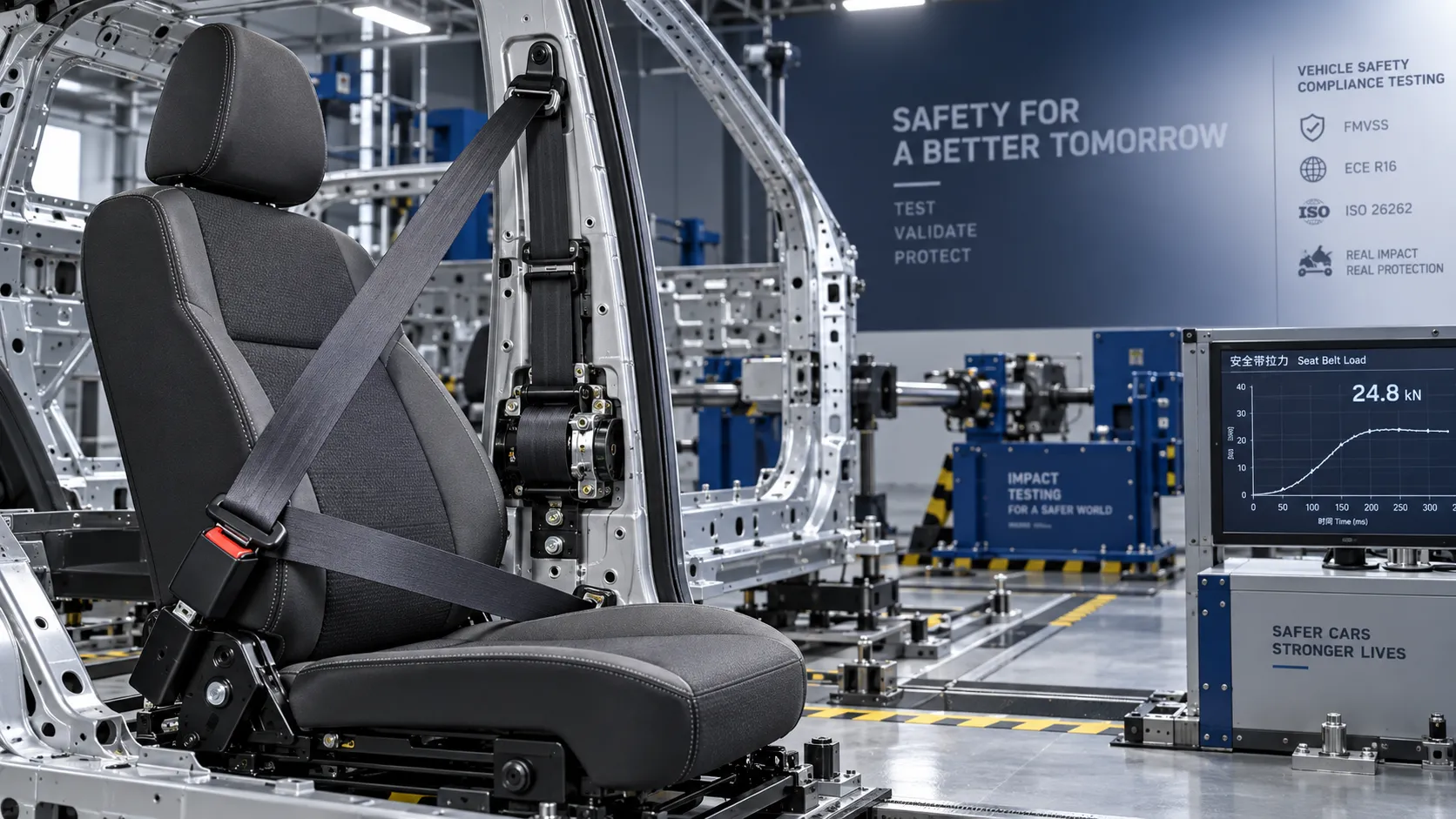
Crash Test Regulations for Seatbelts: Key Compliance Requirements Explained
Crash test regulations seatbelts explained: explore FMVSS, UN rules, anchorage strength, and dynamic restraint testing for safer, compliant vehicle systems.
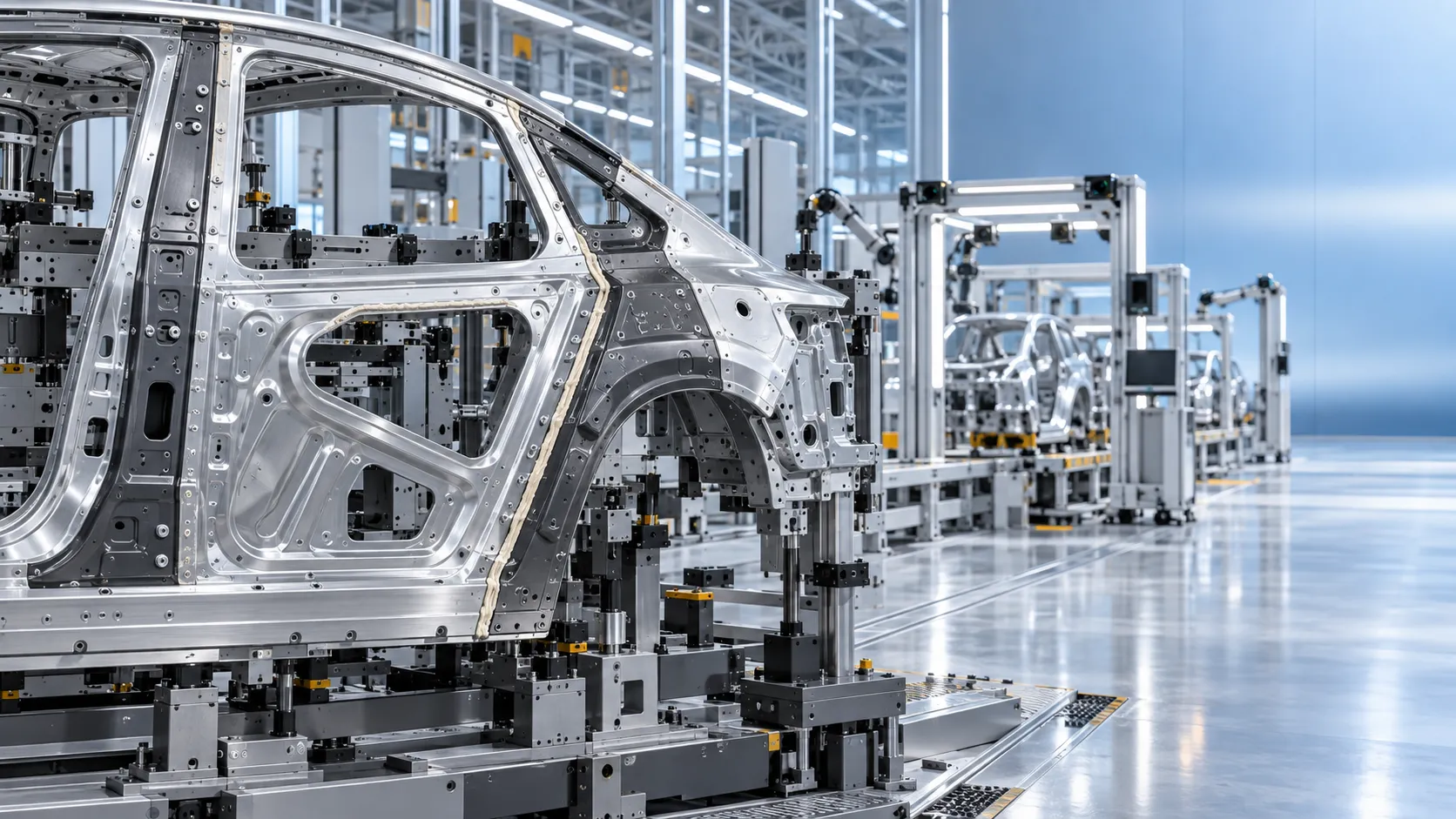
How to Calculate the Total Cost of Automotive Lightweighting for a Vehicle Program
Automotive lightweight solutions cost: learn how to calculate program-level costs, including materials, tooling, joining, validation, risk, and vehicle-level value.
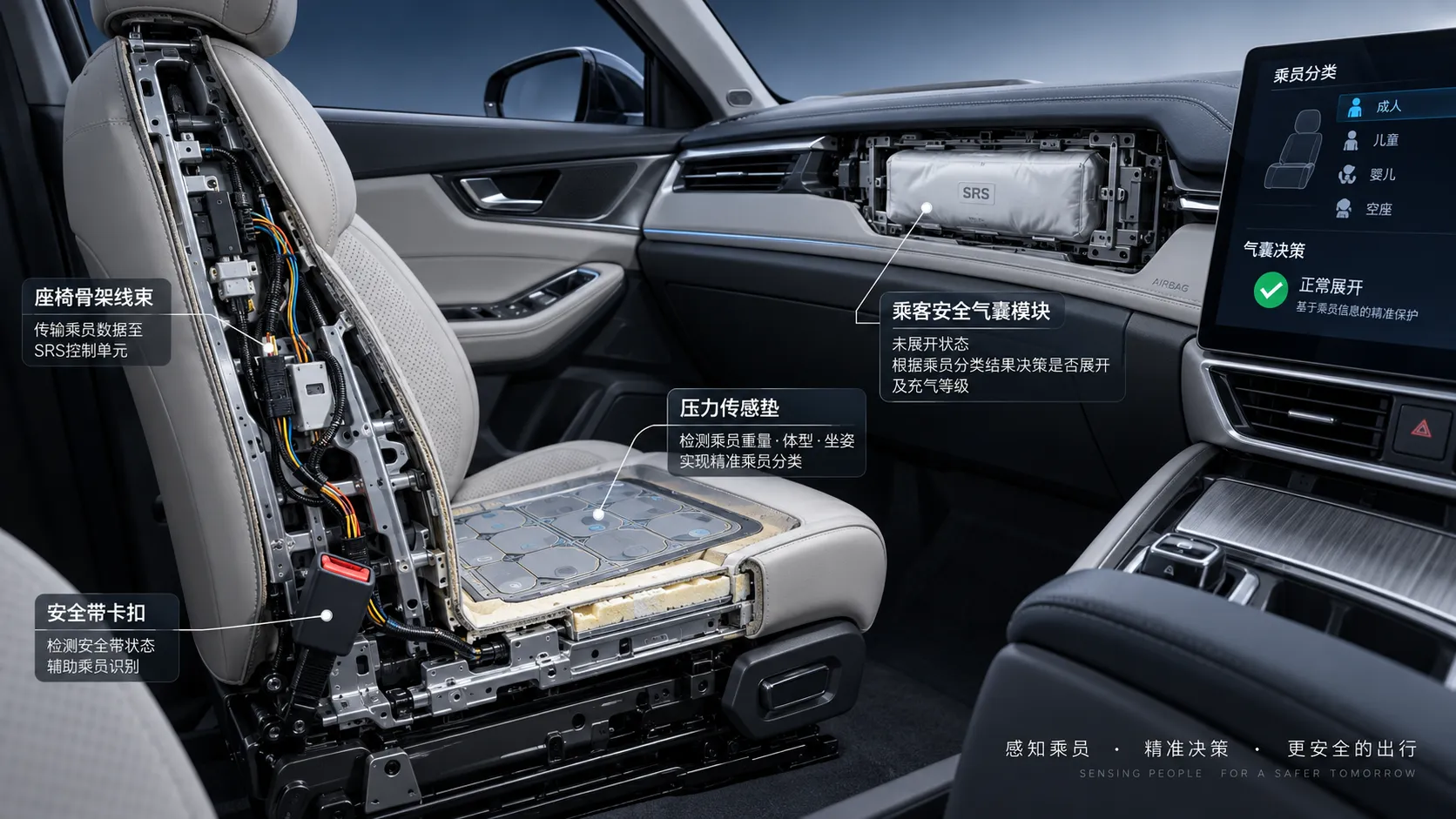
How Automotive Seat Occupancy Sensing Improves Airbag Deployment Decisions
Automotive seat occupancy sensing helps optimize airbag deployment decisions, improving passenger classification, safety diagnostics, and compliance across real-world conditions.
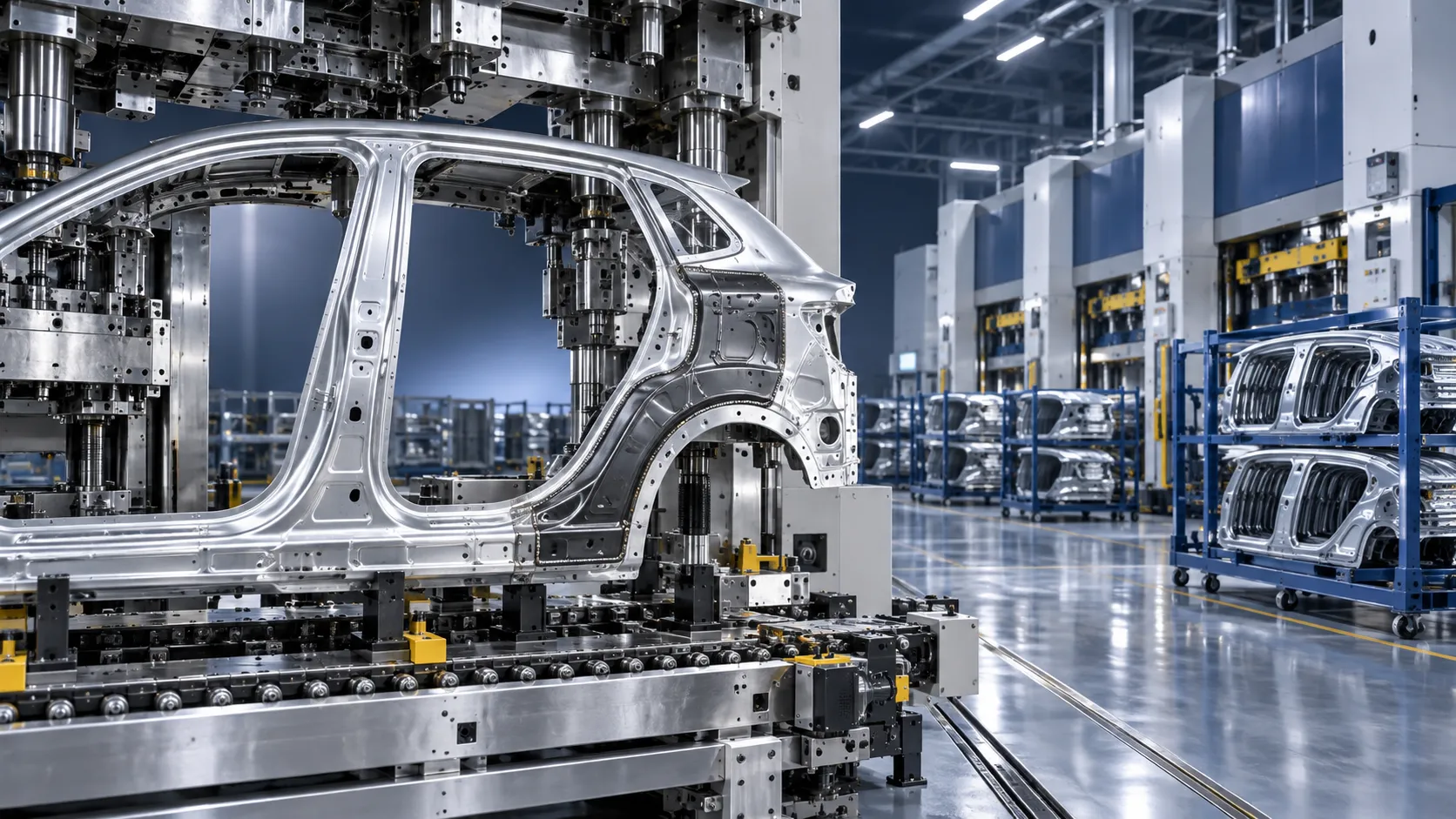
What Drives Lightweight Body Component Costs in High-Volume Vehicle Programs?
Lightweight body components cost depends on material yield, forming, joining, tooling, validation, and logistics. Explore proven ways to optimize total vehicle program cost.
Related News
- 00
0000-00
How Rear-Impact Safety Components Work Together to Protect Vehicle Occupants - 00
0000-00
Crash Test Regulations for Seatbelts: Key Compliance Requirements Explained - 00
0000-00
How Seat Belt Pretensioners for EVs Improve Crash Safety and System Response - 00
0000-00
How Do Seatbelt Systems with Pretensioner Improve Crash Protection? - 00
0000-00
How Seatbelt Technology for Buses Improves Passenger Safety and Meets Compliance Needs
Weekly Insights
Stay ahead with our curated technology reports delivered every Monday.