
How pre-tensioning technology cuts risk in seatbelt design
In seatbelt engineering, pre-tensioning technology has become a decisive risk-control feature. It removes belt slack early, stabilizes occupant motion, and improves the timing of restraint engagement during a crash.
Across mobility systems, this matters far beyond passenger cars. The same design logic supports safer cabins, stronger compliance performance, and more predictable occupant protection in safety-critical transport environments.
For intelligence platforms such as GNCS, pre-tensioning technology sits at the intersection of passive safety, lightweight design, sensing, and regulation. Its value is not only technical. It also shapes validation strategy and system-level risk judgment.
Why pre-tensioning technology is gaining strategic importance
Crash safety targets are rising worldwide. Regulators and rating programs increasingly reward restraint systems that manage occupant kinematics earlier and more precisely under varied impact conditions.
At the same time, vehicle interiors are changing. Lightweight bodies, smarter seats, larger occupants, and complex seating postures create more variation in how a seatbelt must perform.
This is where pre-tensioning technology becomes essential. It shortens the delay between crash detection and effective restraint loading, helping reduce forward excursion before peak forces develop.
The trend is clear: modern seatbelt design is moving from simple restraint hardware toward coordinated safety systems. Pre-tensioning technology now works alongside airbags, load limiters, sensors, and smart seat structures.
The core risk signal: unmanaged slack creates avoidable injury pathways
A seatbelt can only protect effectively when it engages the body in time. Slack delays force transfer and allows extra occupant movement before the restraint begins controlling motion.
That extra movement increases several risks. The chest may load later but harder. The head may move farther forward. Submarining potential may rise in poor posture conditions.
Pre-tensioning technology addresses this exact weakness. It retracts a portion of belt webbing within milliseconds after crash sensing, tightening the belt before occupant displacement becomes excessive.
In practical terms, pre-tensioning technology improves contact consistency between belt and body. That supports better load sharing with airbags and lowers the chance of unstable occupant trajectories.
What is driving broader adoption of pre-tensioning technology
Several technical and industry forces explain why pre-tensioning technology has become a mainstream design priority.
These drivers make pre-tensioning technology more than a component upgrade. It becomes a systems-engineering response to rising variability in crash conditions and occupant states.
How pre-tensioning technology cuts risk inside the restraint sequence
The strongest value of pre-tensioning technology appears in the first moments of a collision. Those milliseconds determine whether the restraint starts controlling motion early enough.
1. It reduces forward excursion before peak loading
By pulling webbing tight, pre-tensioning technology limits unnecessary body travel. Less excursion often means lower contact risk with interior structures and better airbag positioning.
2. It improves belt-to-body coupling
A loose belt does not load the torso evenly. Pre-tensioning technology helps establish earlier, more stable coupling, which supports consistent chest and pelvis restraint behavior.
3. It supports load limiter effectiveness
Pre-tensioning technology and load limiting are complementary. The first removes slack quickly. The second manages peak belt forces after engagement to reduce chest injury risk.
4. It helps airbag deployment work as intended
Airbags protect best when occupant position is controlled. Pre-tensioning technology helps keep the body in a more favorable path relative to the inflating bag.
5. It reduces performance spread across scenarios
One hidden safety benefit is reduced variability. Pre-tensioning technology can narrow performance differences caused by seating posture, clothing bulk, or small belt slack differences.
The impact reaches multiple business and engineering links
The influence of pre-tensioning technology extends beyond belt assembly design. It affects validation planning, seat integration, electronics strategy, and safety communication across the mobility value chain.
- Body structure programs must consider anchor load paths and crash pulse compatibility.
- Seat system development must manage geometry, posture, and anti-submarining interaction.
- Airbag tuning depends on occupant timing shaped by pre-tensioning technology.
- Software and sensing teams must align trigger logic with expected crash signatures.
- Compliance planning benefits from stronger evidence on occupant motion control.
For intelligence-focused sectors tracked by GNCS, this system view matters. High-end safety solutions are increasingly judged by integration quality, not just by standalone component specifications.
What deserves closer attention when evaluating pre-tensioning technology
Not every implementation delivers equal risk reduction. Several evaluation points help determine whether pre-tensioning technology is actually improving real-world restraint performance.
- Trigger timing relative to crash pulse onset and occupant motion.
- Retraction amount and whether slack removal matches seat geometry.
- Coordination with force limiter thresholds and chest injury targets.
- Robustness across different occupant sizes and seating postures.
- Interaction with airbags, smart seats, and buckle or latch architecture.
- Environmental durability, false-trigger resistance, and service reliability.
These factors determine whether pre-tensioning technology acts as a true risk-control tool or simply as a nominal feature added for specification completeness.
The next design shift: from reactive tightening to predictive restraint control
The future direction is already visible. Pre-tensioning technology is moving toward deeper integration with predictive sensing, occupant monitoring, and smarter cabin architectures.
This means restraint action may increasingly reflect pre-crash information, seat position data, and occupant classification inputs. The goal is more tailored protection before peak crash energy arrives.
In that environment, pre-tensioning technology will not be judged only by hardware speed. It will be judged by how well it supports a coordinated protection envelope.
A practical judgment framework for the next step
A useful next step is to examine pre-tensioning technology through three linked questions: does it remove slack soon enough, does it cooperate with force control, and does it remain stable across realistic occupant conditions?
If the answer is consistently yes, the technology is likely contributing meaningful injury-risk reduction. If not, deeper review of trigger logic, geometry, or integration assumptions is warranted.
For organizations tracking advanced passive safety through GNCS, following the evolution of pre-tensioning technology offers a clear lens into where restraint design is heading: faster response, tighter integration, and more evidence-based protection.
In short, pre-tensioning technology cuts risk because it addresses the earliest controllable failure point in seatbelt performance: slack before load. That simple principle now defines a major trend in modern cabin safety.
Related News
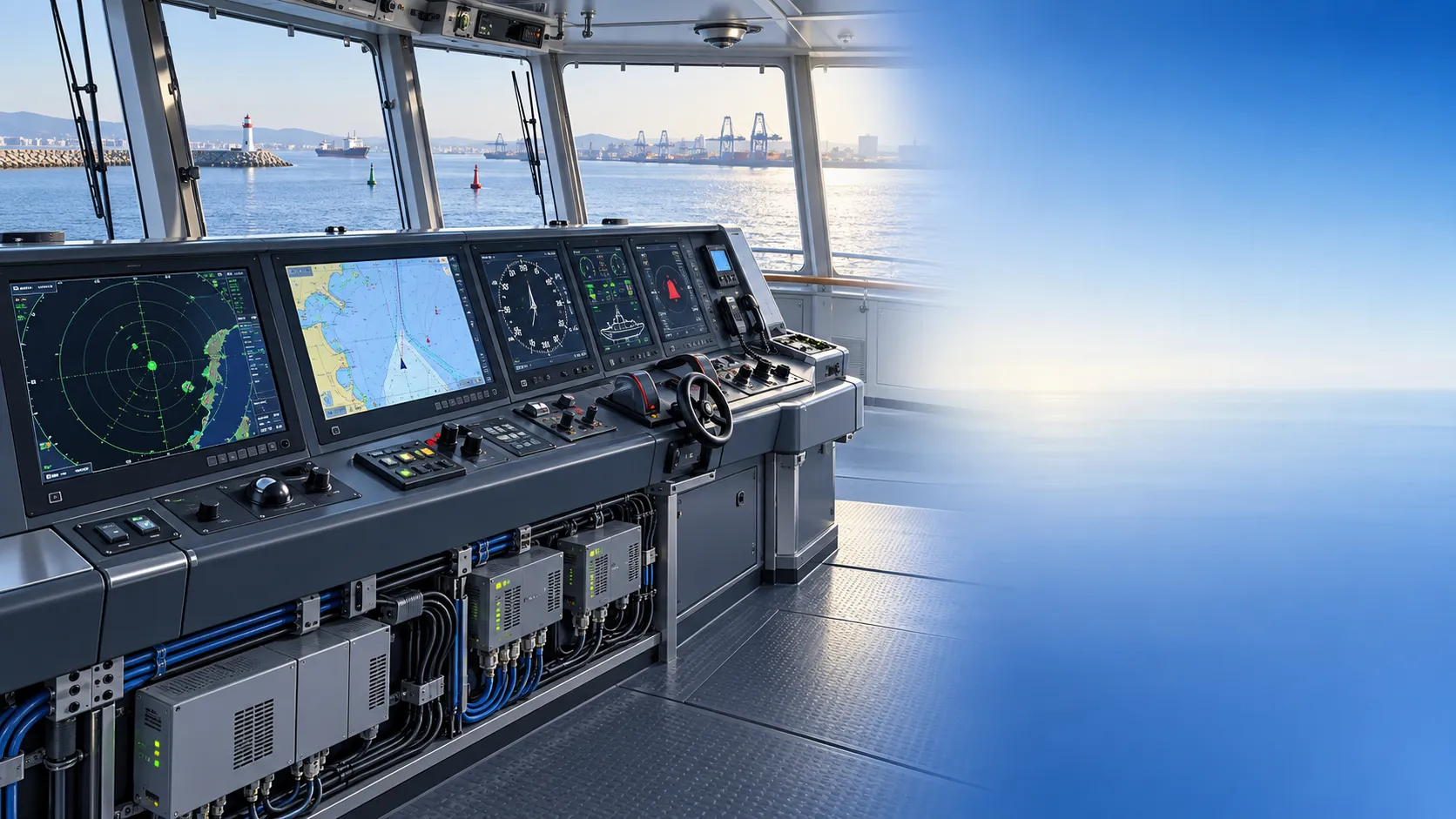
How to Specify Integrated Marine Electronics for Reliable Bridge Operations
Integrated marine electronics: learn how to specify reliable bridge systems with clear data flows, redundancy, alarm control, lifecycle interfaces, and operational testing.
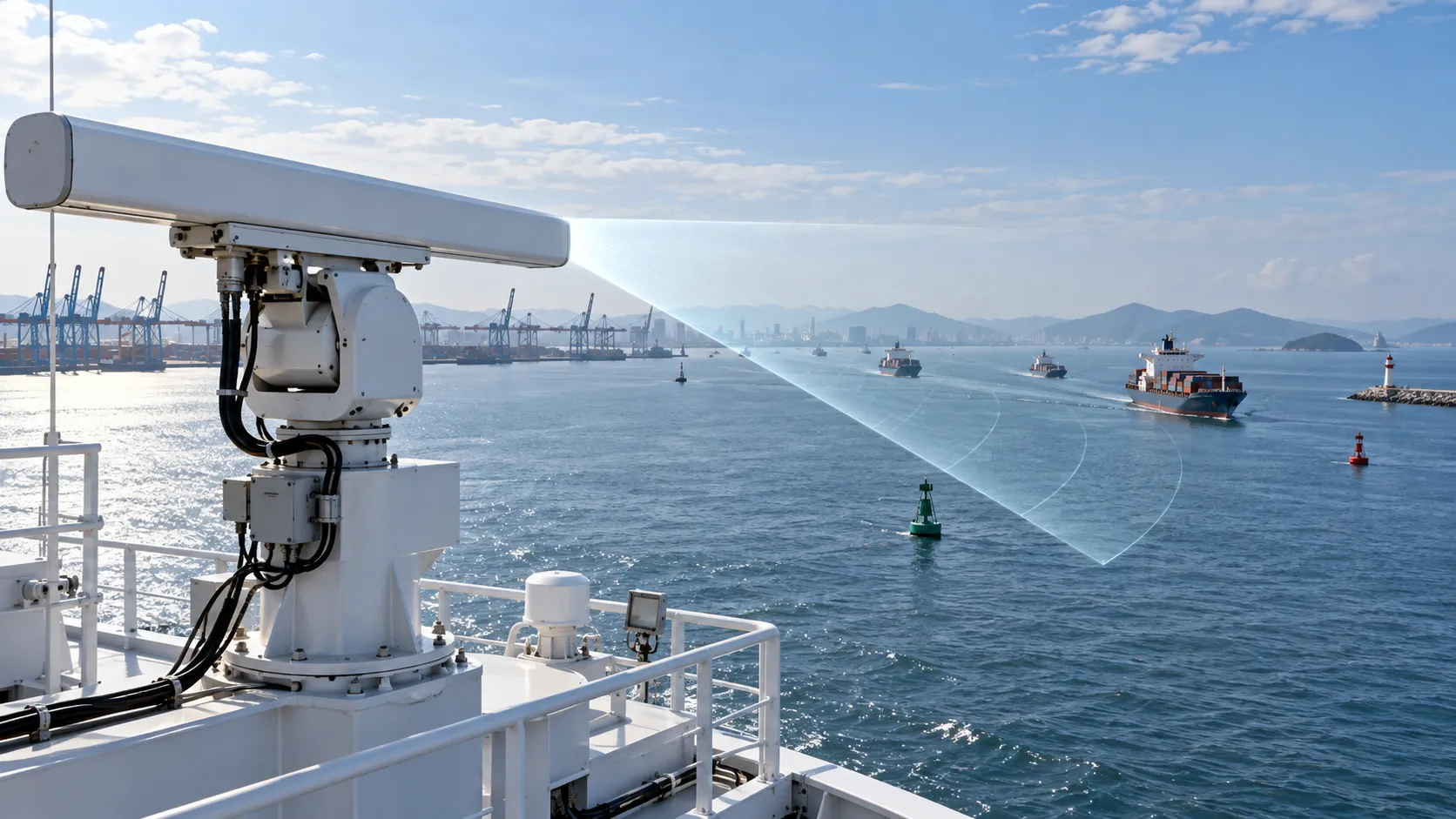
How to Evaluate Navigation Radar Manufacturers for Commercial Vessel Projects
Navigation radar manufacturers: learn how to compare performance, compliance, integration, support, and lifecycle cost for commercial vessel projects.
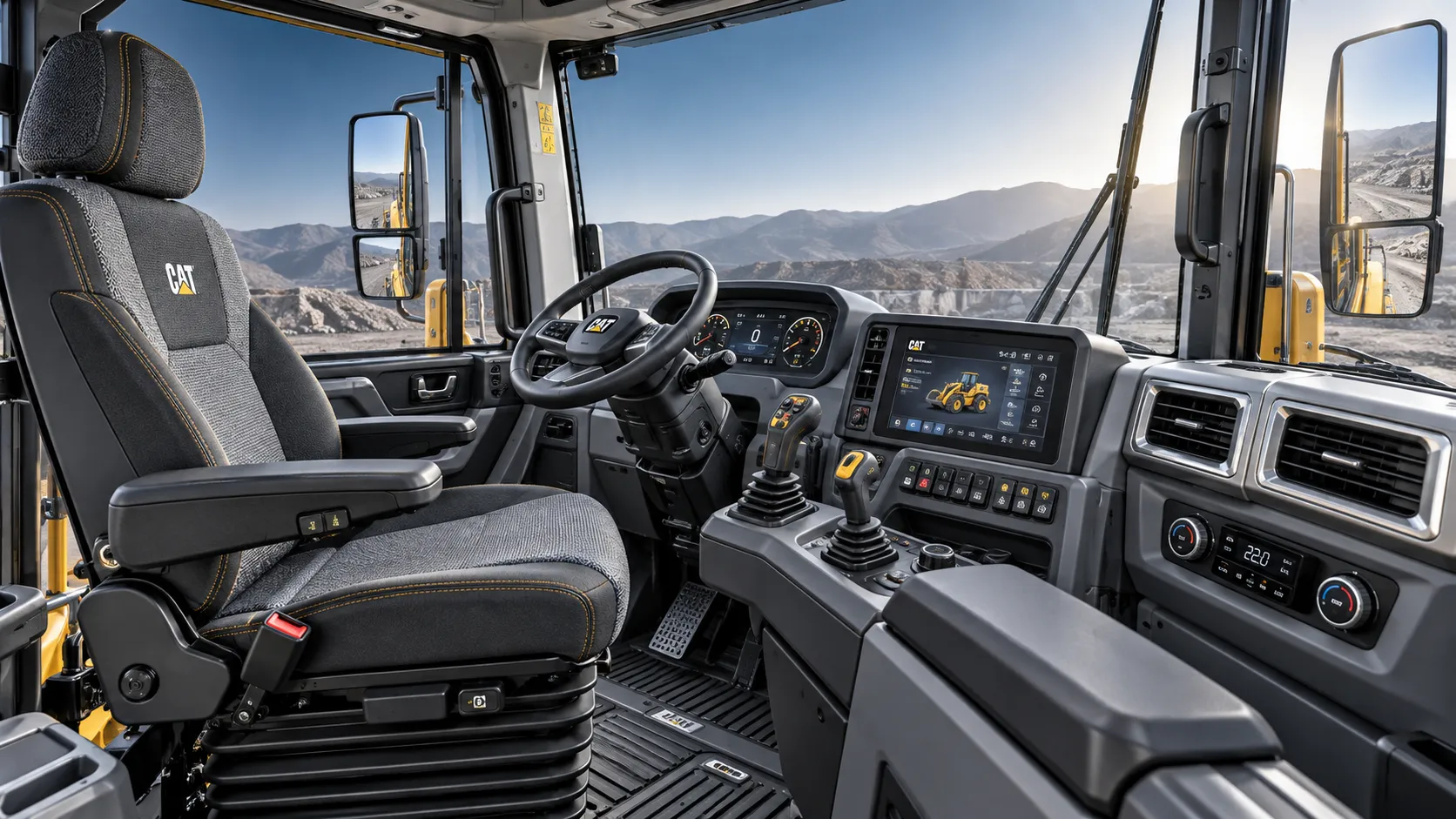
How Adjustable Cabin Ergonomics Reduce Operator Fatigue in Long-Shift Vehicles
Adjustable cabin ergonomics reduces operator fatigue through better seating, reach, visibility, vibration control, and climate comfort for safer long-shift vehicles.
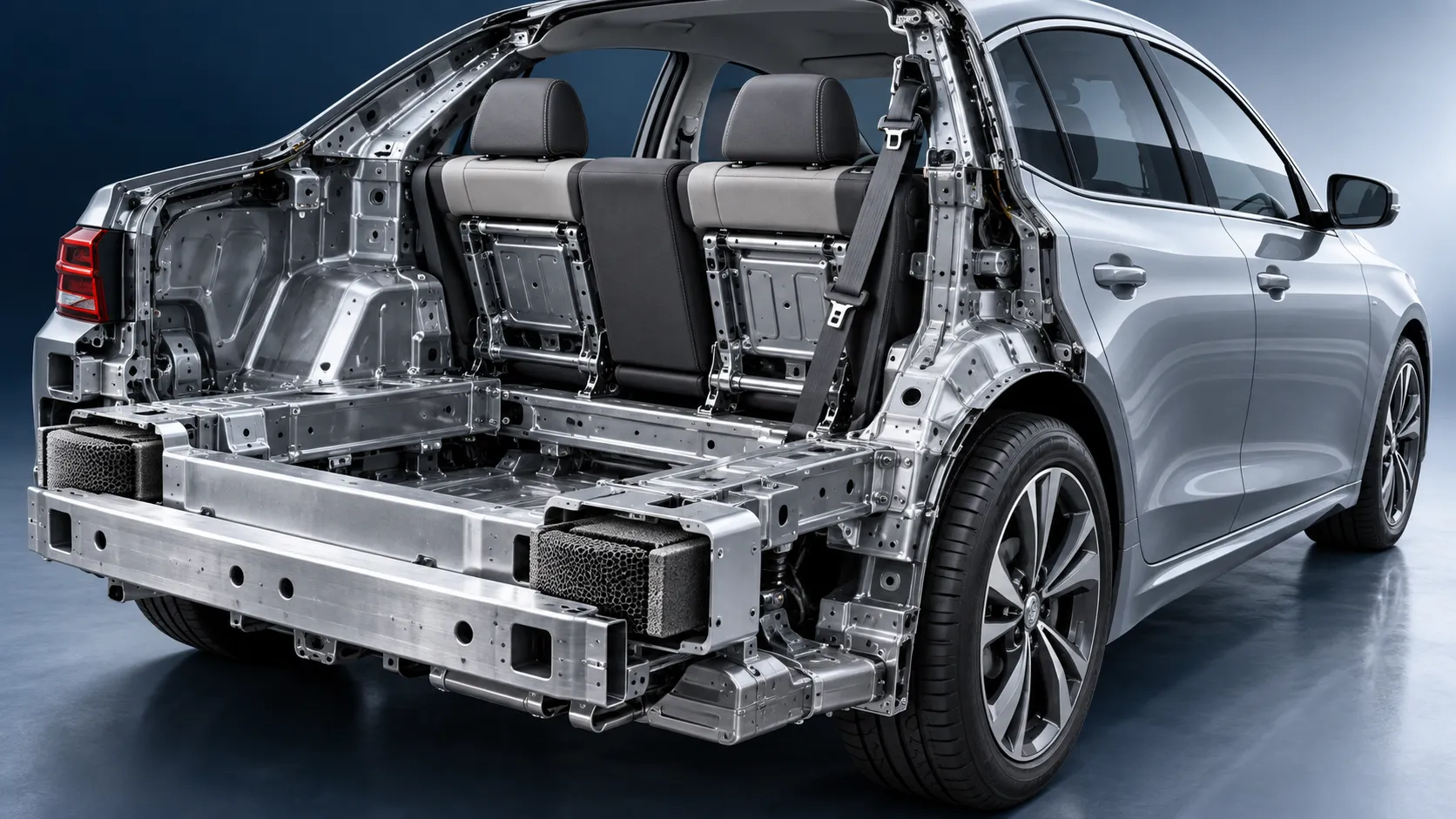
How Rear-Impact Safety Components Work Together to Protect Vehicle Occupants
Explore how automotive safety components for rear impact work together—from crash structures and seats to head restraints and belts—to enhance occupant protection.
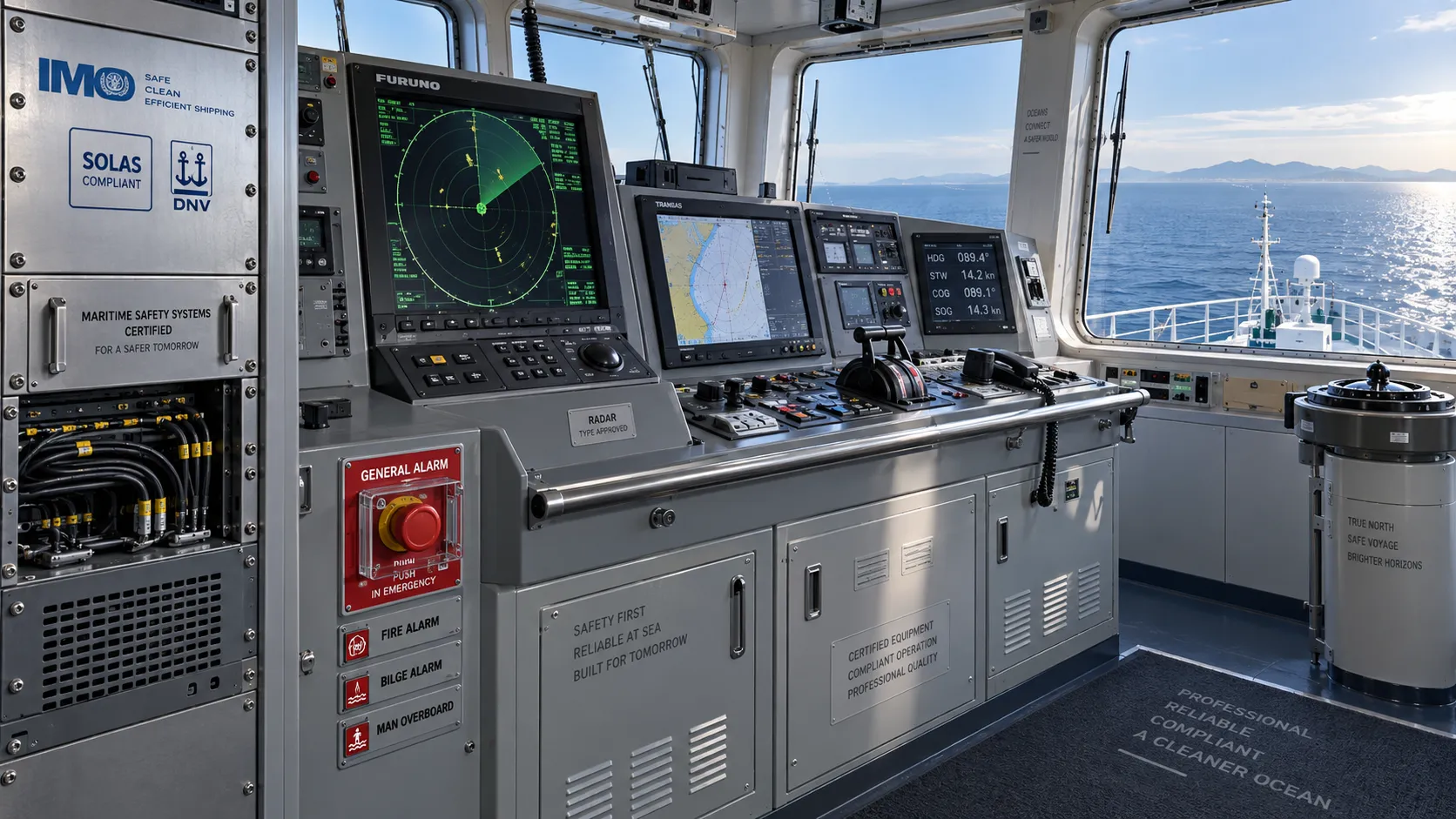
How to Evaluate a Marine Safety Systems Manufacturer for Vessel Compliance and Reliability
Marine safety systems manufacturer evaluation guide: verify compliance, engineering quality, lifecycle costs, and global service support for safer, reliable vessel operations.
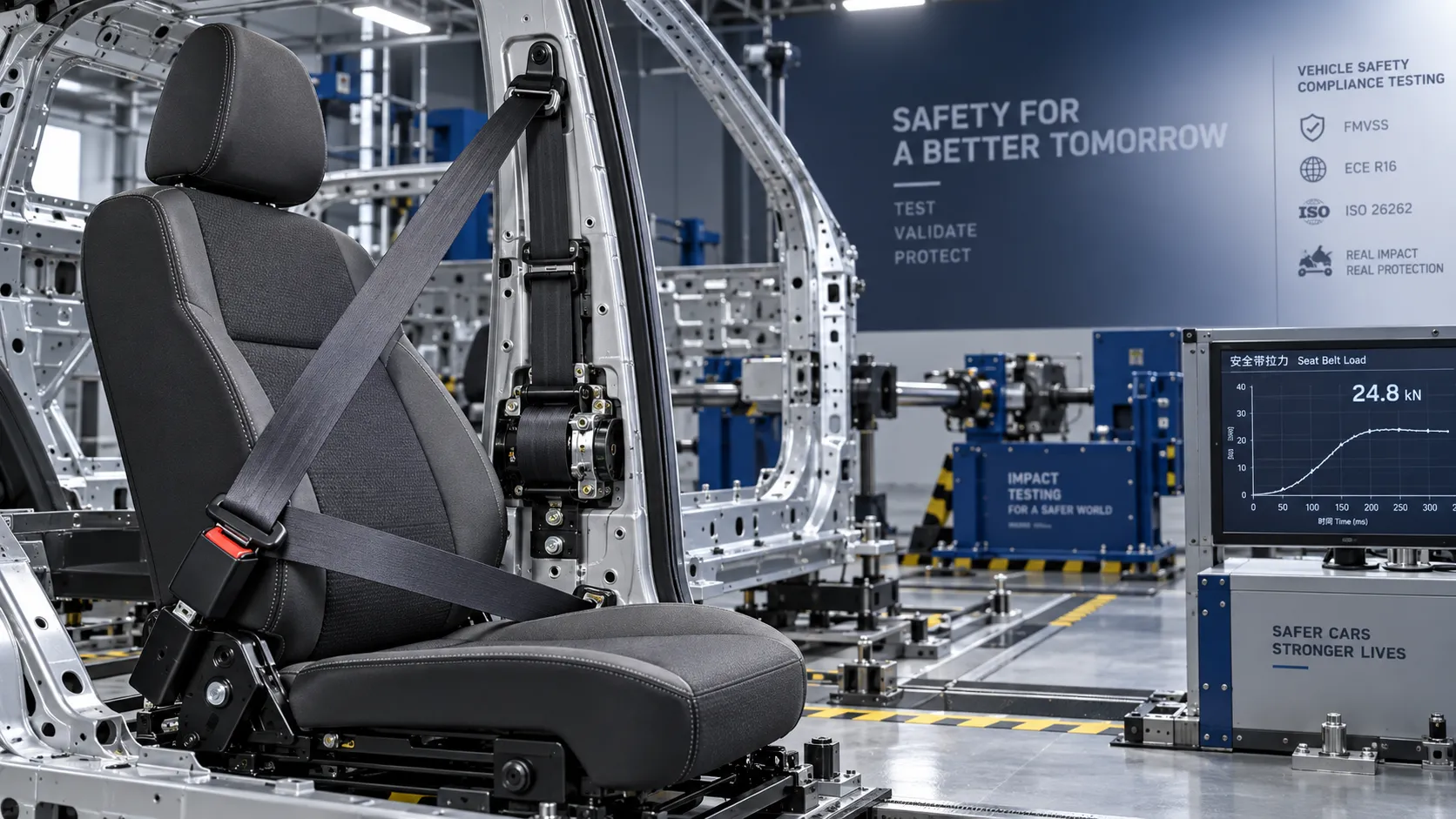
Crash Test Regulations for Seatbelts: Key Compliance Requirements Explained
Crash test regulations seatbelts explained: explore FMVSS, UN rules, anchorage strength, and dynamic restraint testing for safer, compliant vehicle systems.

How to Calculate the Total Cost of Automotive Lightweighting for a Vehicle Program
Automotive lightweight solutions cost: learn how to calculate program-level costs, including materials, tooling, joining, validation, risk, and vehicle-level value.
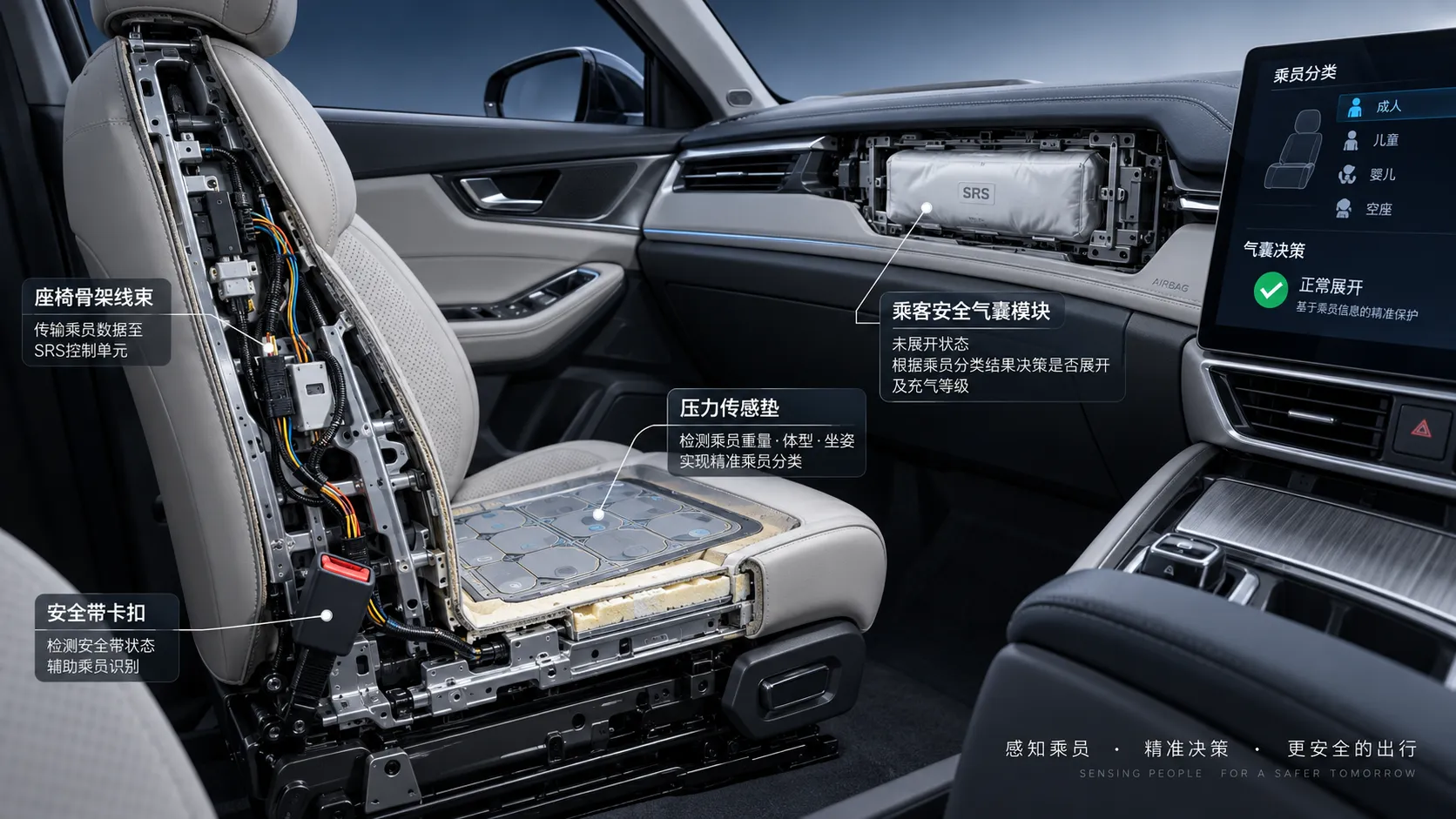
How Automotive Seat Occupancy Sensing Improves Airbag Deployment Decisions
Automotive seat occupancy sensing helps optimize airbag deployment decisions, improving passenger classification, safety diagnostics, and compliance across real-world conditions.
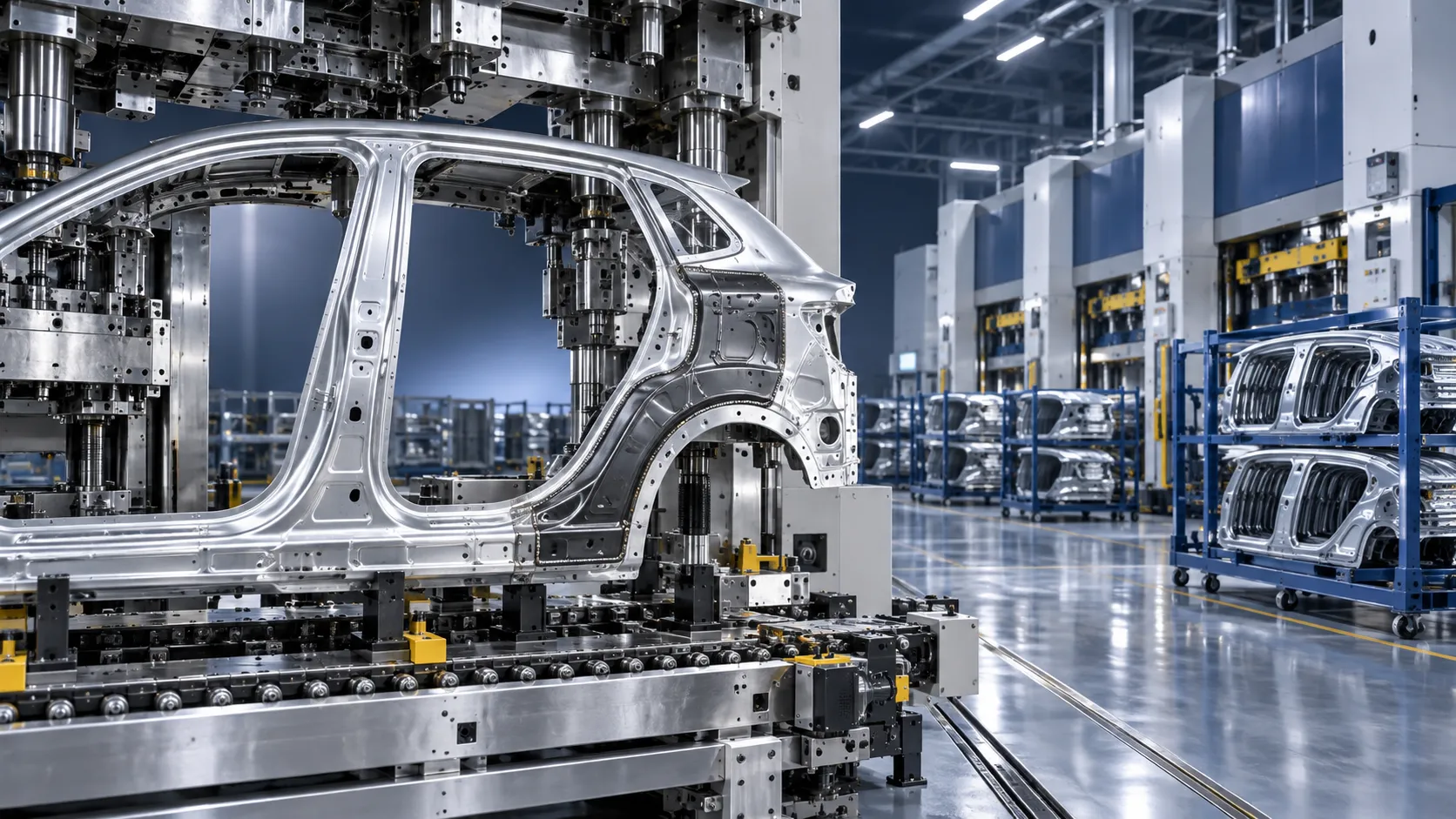
What Drives Lightweight Body Component Costs in High-Volume Vehicle Programs?
Lightweight body components cost depends on material yield, forming, joining, tooling, validation, and logistics. Explore proven ways to optimize total vehicle program cost.
Related News
- 00
0000-00
How Rear-Impact Safety Components Work Together to Protect Vehicle Occupants - 00
0000-00
Crash Test Regulations for Seatbelts: Key Compliance Requirements Explained - 00
0000-00
How Seat Belt Pretensioners for EVs Improve Crash Safety and System Response - 00
0000-00
How Do Seatbelt Systems with Pretensioner Improve Crash Protection? - 00
0000-00
How Seatbelt Technology for Buses Improves Passenger Safety and Meets Compliance Needs
Weekly Insights
Stay ahead with our curated technology reports delivered every Monday.