What newer seatbelt technology really improves in safety
For technical evaluators, newer seatbelt technology is no longer just about basic restraint. It improves crash timing, occupant load control, sensor-based adaptation, and coordination with airbags and smart seats. Understanding how pretensioners, force limiters, and integrated electronics work together helps reveal where real safety gains occur, how compliance targets are met, and which innovations deliver measurable protection in modern mobility platforms.
Why seatbelt technology is being reassessed by technical evaluators
In passive safety engineering, the seatbelt is no longer a standalone mechanical part. Modern seatbelt technology now sits inside a larger protection chain that includes crash sensing, airbag deployment logic, seat structure, occupant posture detection, and body-in-white energy management.
That shift matters in automotive programs, specialty mobility platforms, and adjacent transportation sectors where compliance, packaging, weight, and occupant diversity all create conflicting requirements. Evaluators are being asked not only whether a restraint works, but whether it works earlier, smarter, and more consistently across use cases.
For GNCS, this is where technical intelligence becomes practical. The same analytical discipline used to connect marine navigation accuracy, lightweight structural behavior, and cabin safety systems also helps clarify what newer seatbelt technology really improves in safety performance rather than in marketing language.
- It reduces slack earlier in the crash event, improving occupant position before peak loads rise.
- It manages chest forces more precisely, limiting injury risk while still controlling excursion.
- It interacts with airbags and seats as part of an integrated restraint strategy, not as an isolated component.
- It supports compliance tuning for evolving assessment protocols such as Euro NCAP and IIHS test expectations.
What newer seatbelt technology actually changes in a crash sequence
The main safety improvements come from timing, energy control, and system coordination. A legacy belt may restrain the occupant effectively in a broad sense, but advanced seatbelt technology seeks to shape the millisecond-by-millisecond interaction between the occupant and the cabin.
Earlier restraint engagement
Pretensioners remove belt slack quickly after crash detection. That earlier coupling can reduce forward motion before the airbag reaches full inflation. In technical terms, this improves occupant kinematics and helps keep the body aligned with the intended restraint geometry.
Better occupant load management
Force limiters allow some controlled webbing payout when belt loads rise beyond target thresholds. The safety benefit is not simply “less force.” It is a calibrated tradeoff between chest loading and forward excursion, especially important for smaller occupants, elderly occupants, or out-of-position scenarios.
Smarter deployment logic
Newer seatbelt technology can be linked to occupancy sensors, seat-track position, buckle status, vehicle speed, braking events, and pre-crash sensing. In higher-end systems, belt response is no longer fixed. It is adapted to crash severity, seating posture, and the expected role of the frontal airbag.
Improved compatibility with seat and body design
Lightweight bodies and smart seat assemblies change restraint geometry, anchor loads, and occupant motion paths. A more advanced seatbelt system helps maintain safety performance when seat frames, recliners, rails, and body stampings are optimized for lower mass without compromising crash energy routing.
Comparison table: legacy versus newer seatbelt technology
For evaluators comparing program options, the table below highlights where newer seatbelt technology creates measurable decision value across timing, injury management, and integration complexity.
The comparison shows why technical teams should avoid evaluating seatbelt technology by component count alone. The real question is whether the system improves occupant positioning, load shaping, and cross-system synchronization under target crash pulses.
Which technical elements deserve the closest review
Not every innovation delivers the same safety value. Some features mainly improve packaging or platform compatibility, while others directly affect injury criteria and scoring outcomes. Evaluators should separate high-impact functions from cosmetic upgrades.
Pretensioner architecture
Review trigger method, response timing, packaging position, and compatibility with seat-mounted or body-mounted belt paths. The architecture affects how quickly the occupant is coupled to the seat and belt before major forward displacement begins.
Force limiter calibration
A force limiter that is too conservative may permit excessive excursion. One that is too stiff may raise chest deflection risk. The best choice depends on vehicle mass, pulse shape, airbag tuning, and expected occupant distribution across percentile ranges.
Webbing behavior and friction path
Seatbelt technology is also influenced by webbing elongation, D-ring friction, spool characteristics, and routing consistency. These details can change load rise, payout behavior, and repeatability across tests.
Electronic integration
If the system includes sensor-linked control, assess communication robustness, diagnostic logic, fault handling, and calibration traceability. More intelligence can improve safety, but it also increases validation scope and software-interface dependencies.
Application scenarios: where newer seatbelt technology brings the biggest gains
The benefit of newer seatbelt technology is not uniform across all platforms. It tends to show the strongest value in programs where occupants, seating geometries, and regulatory targets create narrow tolerance windows.
The table makes one pattern clear: advanced seatbelt technology becomes more valuable as cabin intelligence, lightweight design, and regulatory diversity increase. In those programs, a basic restraint strategy often leaves too little room for optimization.
How to evaluate seatbelt technology during procurement and platform selection
Technical evaluators often face compressed sourcing timelines and incomplete early-phase data. A disciplined review process can prevent the common mistake of selecting by nominal feature list without confirming system-level fit.
- Define the target crash conditions first. Front impact severity, side interactions, and occupant excursion limits should shape the restraint strategy before component comparison begins.
- Check belt system compatibility with the seat architecture. Seat-integrated belts, recliner stiffness, and rail behavior can materially affect restraint performance.
- Review the airbag coordination plan. Seatbelt technology cannot be evaluated correctly if frontal airbag timing and venting assumptions remain undefined.
- Map compliance requirements by destination market. Evaluation targets may differ between regulatory approval and consumer test performance goals.
- Request validation evidence in a usable format. Test conditions, dummy types, pulse assumptions, and calibration boundaries matter more than a generic claim of improved safety.
GNCS adds value here by connecting passive safety review with adjacent domains that evaluators must also manage, including lightweight body stampings, smart seat systems, and compliance interpretation. This reduces the risk of making a seatbelt decision that later conflicts with structural, ergonomic, or export requirements.
Standards, compliance, and what “safer” should mean in practice
Safer does not mean the belt uses more electronics or more aggressive pretensioning. In practice, safer means the restraint system improves occupant protection outcomes under recognized test conditions and does so with repeatability, diagnosability, and acceptable integration risk.
Compliance is multi-layered
Technical teams should distinguish between mandatory legal requirements and market-facing assessment protocols. A system may satisfy baseline regulations yet still underperform in consumer test scenarios that influence commercial acceptance.
Metrics should be interpreted as a set
Belt performance should be reviewed against chest loading, head motion, pelvis control, submarining risk, and interaction with airbags and seats. A single favorable metric does not guarantee balanced protection.
Diagnostics and traceability matter
When seatbelt technology includes electronic logic, fault detection and calibration management become part of safety assurance. This is particularly relevant for export programs and complex platform architectures with multiple ECUs and supplier interfaces.
Common misconceptions that can distort technical judgment
Several procurement and engineering errors appear repeatedly in restraint selection. Most stem from evaluating the belt as hardware alone instead of as a timed energy-management system.
- “More pretension always means more safety.” In reality, excessive early coupling can create new load-management tradeoffs if force limiting and airbag timing are not tuned accordingly.
- “A compliant belt is already optimized.” Compliance may indicate legal acceptability, not best-in-class occupant control across broader assessment scenarios.
- “Seat design is a separate issue.” Belt path geometry, cushion angle, recliner behavior, and frame deformation all affect restraint performance.
- “Electronics automatically improve results.” Sensor-linked seatbelt technology can improve outcomes, but only when calibration quality and failure management are robust.
For evaluators, the practical lesson is simple: compare safety concepts, not feature headlines. The best system is the one that performs coherently within the entire cabin protection architecture.
FAQ: practical questions about newer seatbelt technology
How should technical evaluators compare two seatbelt technology options quickly?
Start with four filters: pretensioner response logic, force limiter calibration range, compatibility with seat and airbag architecture, and evidence from comparable crash conditions. If those four areas are unclear, feature count is not a reliable basis for selection.
Which platforms benefit most from adaptive seatbelt technology?
Platforms with smart seats, lightweight body structures, multi-market export targets, or wide occupant variability usually gain the most. These conditions increase the value of sensor-aware load management and tighter coordination with airbag systems.
What is the main risk when upgrading from a basic to a newer seatbelt technology package?
The main risk is underestimating system integration work. Upgraded restraint logic can affect seat calibration, airbag thresholds, diagnostics, packaging, and test planning. Safety gains are real, but they depend on disciplined integration.
Does higher cost always mean better protection?
No. Higher cost may reflect added electronics, packaging difficulty, or lower production volume rather than better occupant outcomes. The right question is whether the additional cost improves the relevant injury metrics and compliance margin for the target platform.
Why GNCS is a useful technical partner for seatbelt technology decisions
Seatbelt selection now intersects with lightweight structures, airbag chemistry and deployment logic, smart seating, and global compliance interpretation. GNCS is positioned for this cross-domain work because it studies safety not as isolated parts, but as linked systems shaped by timing, energy absorption, sensing, and regulation.
For technical evaluators, that means more than general market commentary. It means support in clarifying parameter priorities, identifying realistic alternatives, understanding integration constraints, and translating evolving standards into sourcing decisions that can hold up during validation.
If you are reviewing seatbelt technology for a new program or a platform upgrade, GNCS can support parameter confirmation, solution comparison, seat-airbag-belt coordination review, compliance requirement mapping, sample evaluation priorities, delivery-cycle discussion, and quotation-oriented technical communication. This is especially valuable when your team must balance protection targets, lightweight design, smart cabin features, and cross-market launch pressure.
Related News
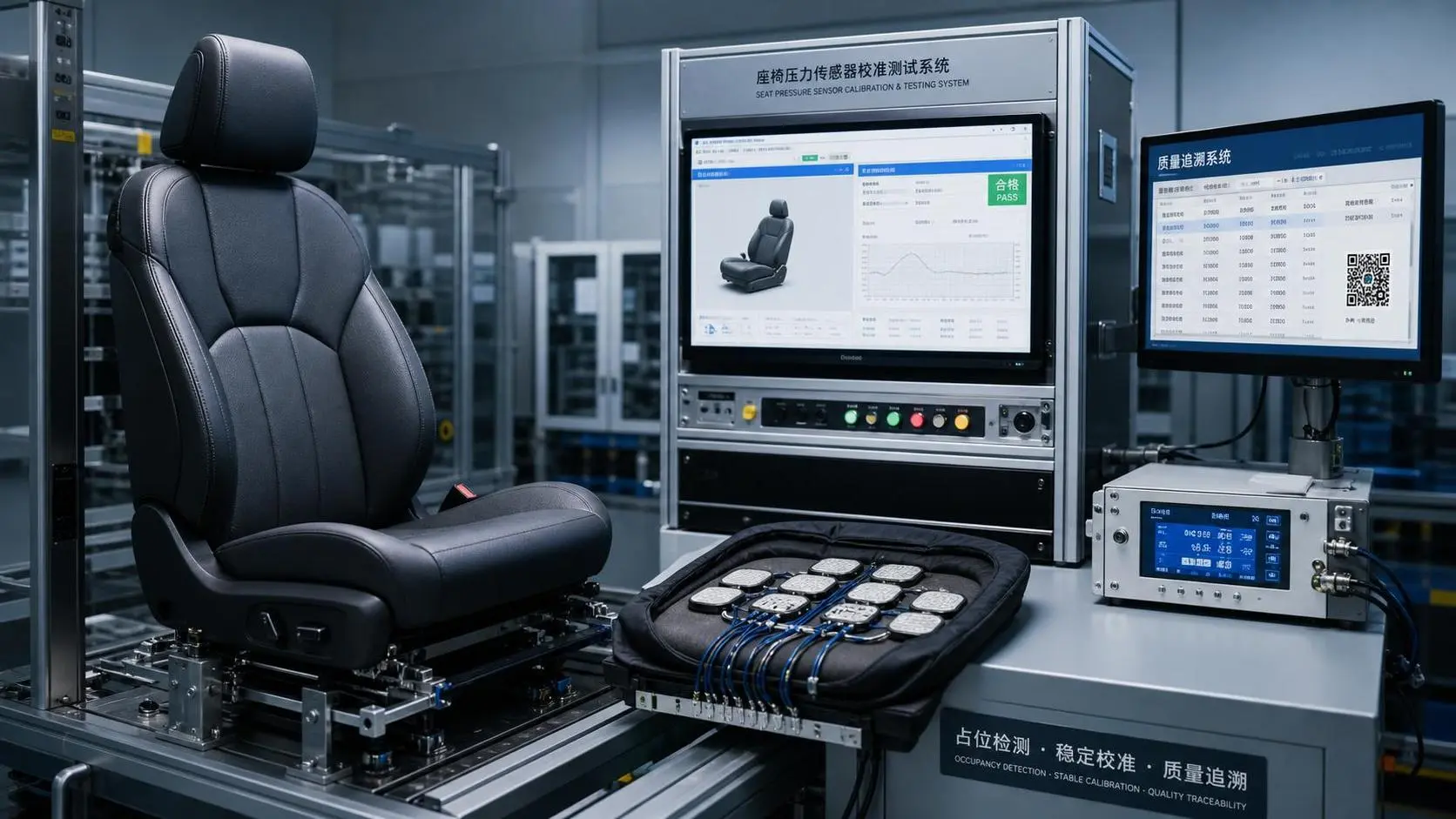
How to Evaluate a Seat Sensing Systems Factory for Automotive Safety Programs
Seat sensing systems factory selection goes beyond price. Learn how to assess quality control, validation, PPAP readiness, and long-term supply reliability for safer automotive programs.
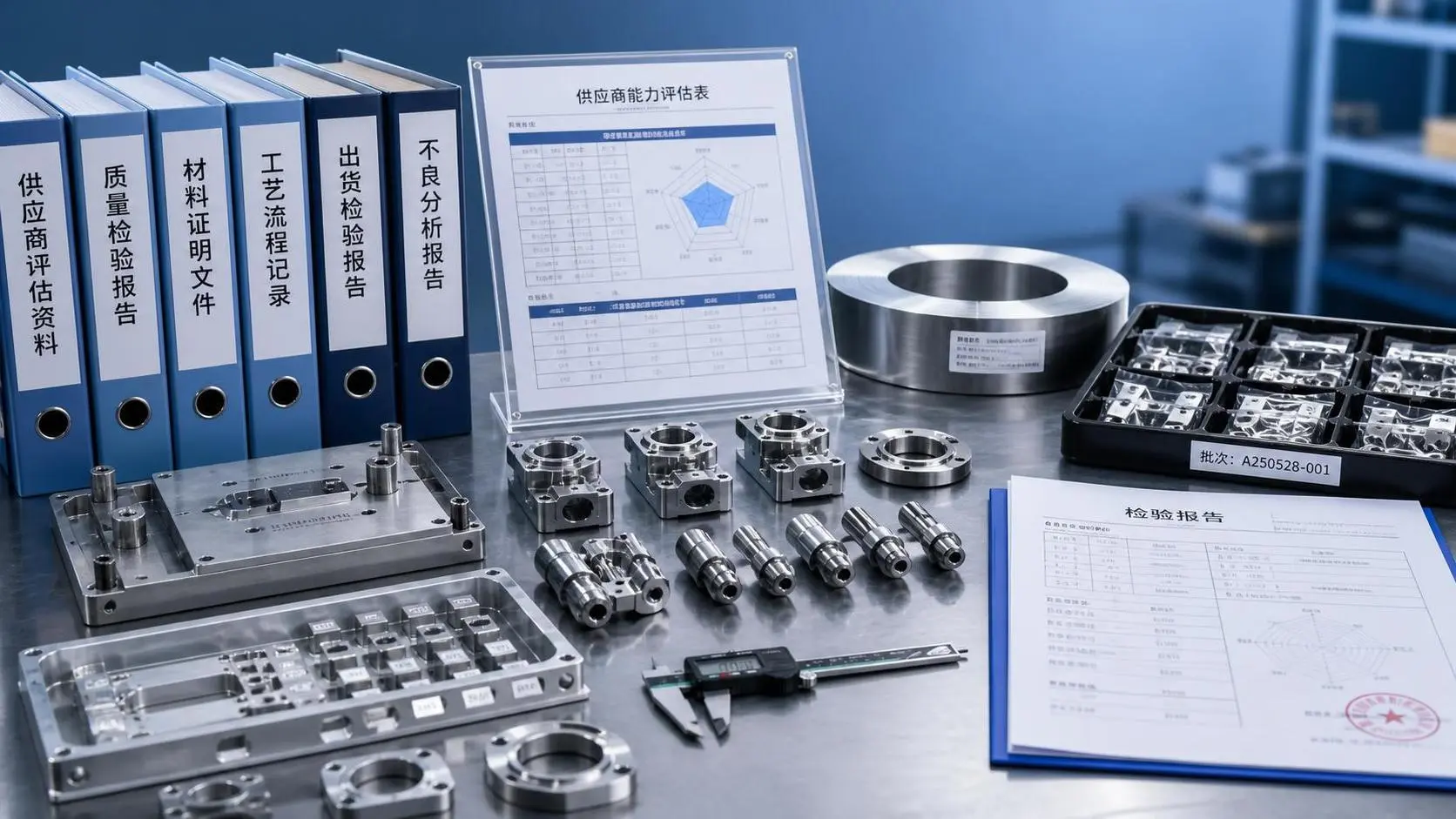
Supplier Capability Evaluation Process: Key Criteria for B2B Sourcing Decisions
Supplier capability evaluation process explained: learn the key criteria for B2B sourcing decisions, reduce supplier risk, and choose partners with confidence.
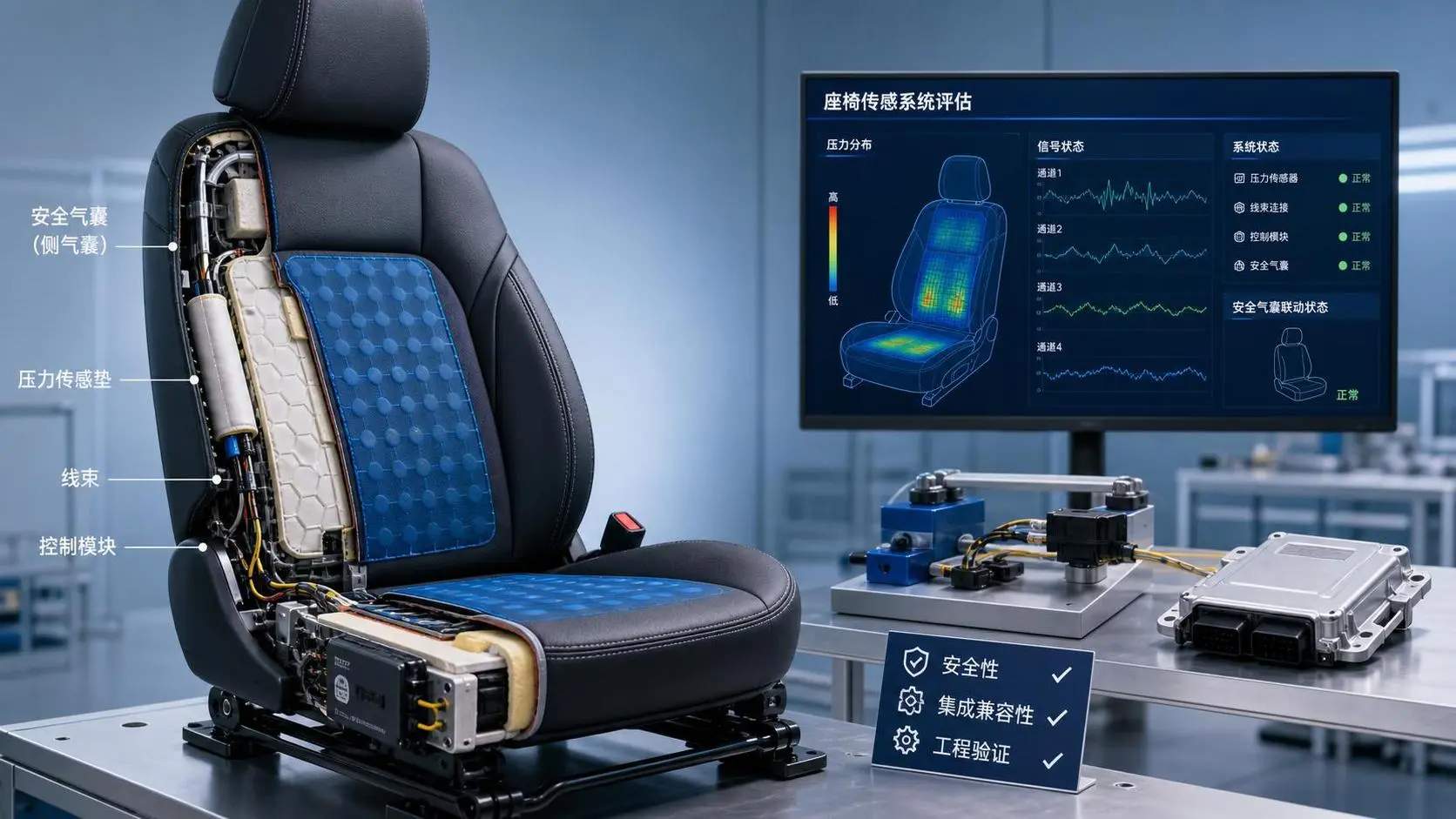
How to Evaluate a Seat Sensing Technology Supplier for Safety and Integration?
Seat sensing technology supplier evaluation guide: compare safety maturity, integration fit, algorithm reliability, and validation support to choose a partner that reduces risk.
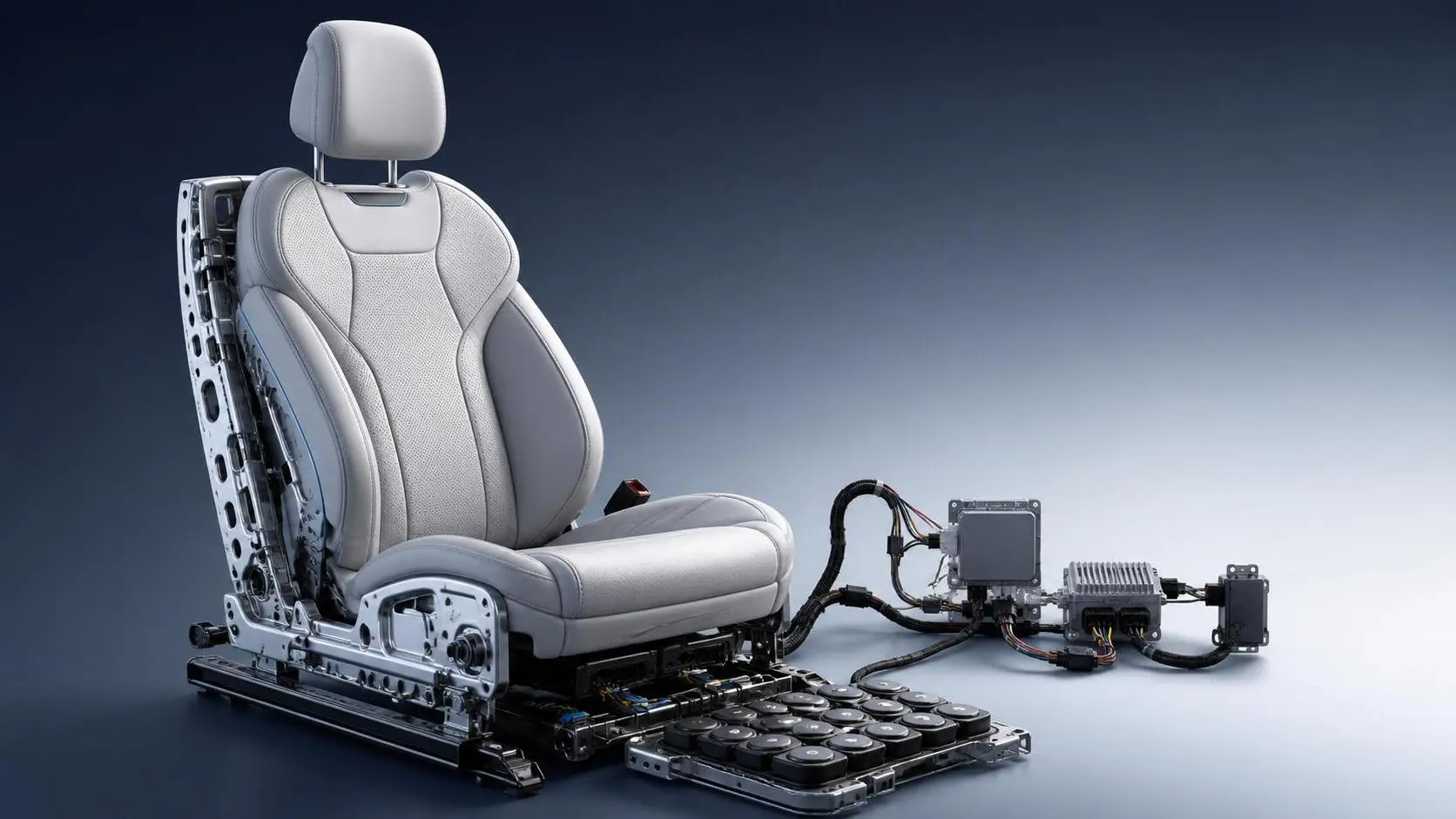
How to Evaluate Custom Smart Automotive Seating for Premium Vehicle Programs?
Custom smart automotive seating evaluation starts with safety, comfort, integration, and production readiness. Discover how premium vehicle teams choose smarter, lower-risk seat solutions.
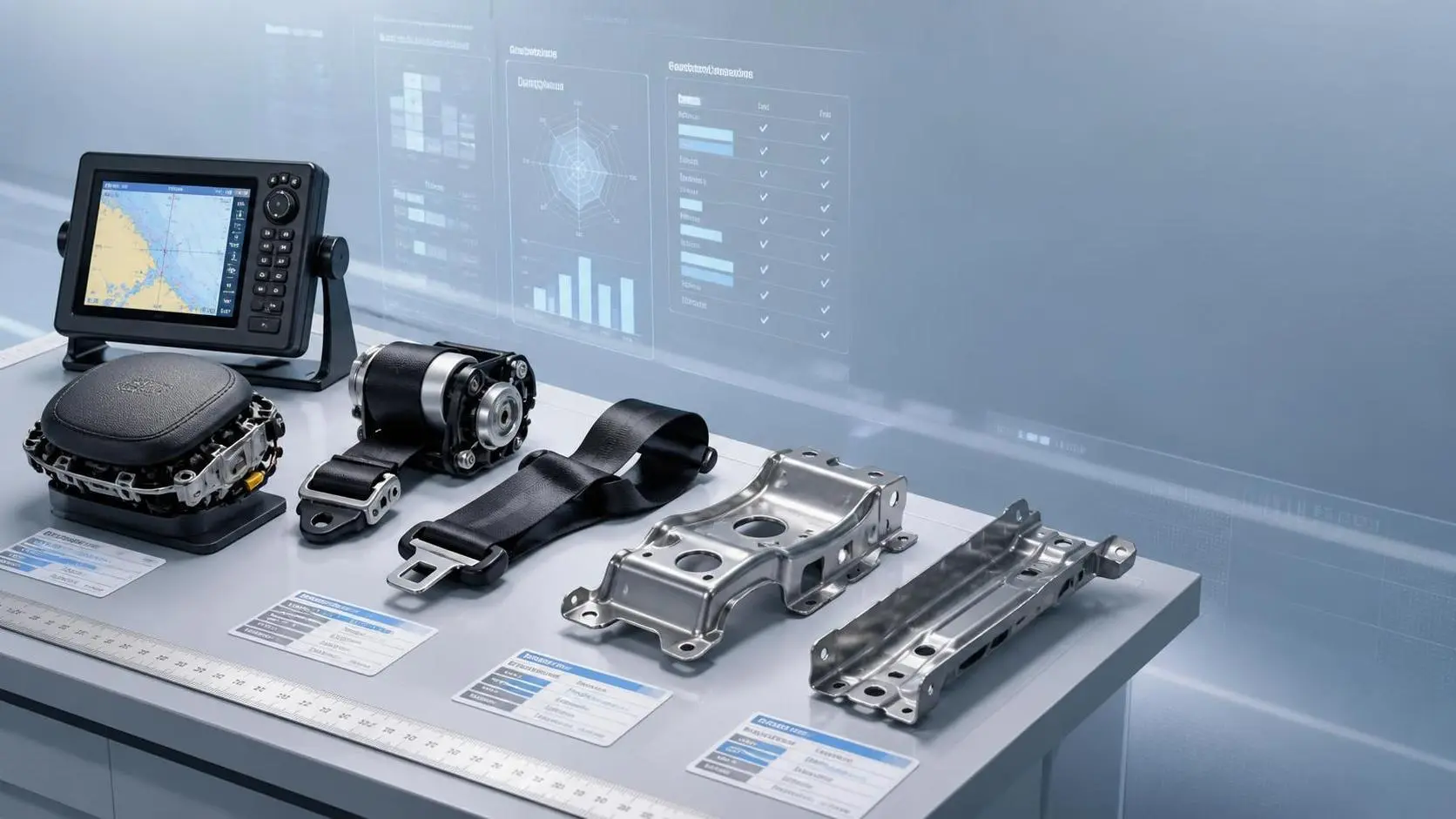
B2B Product Intelligence Platforms: How to Compare Features, Data Coverage, and ROI
B2B product intelligence platform comparison: learn how to evaluate data coverage, feature depth, compliance visibility, and ROI to choose a sourcing tool that reduces risk and speeds decisions.
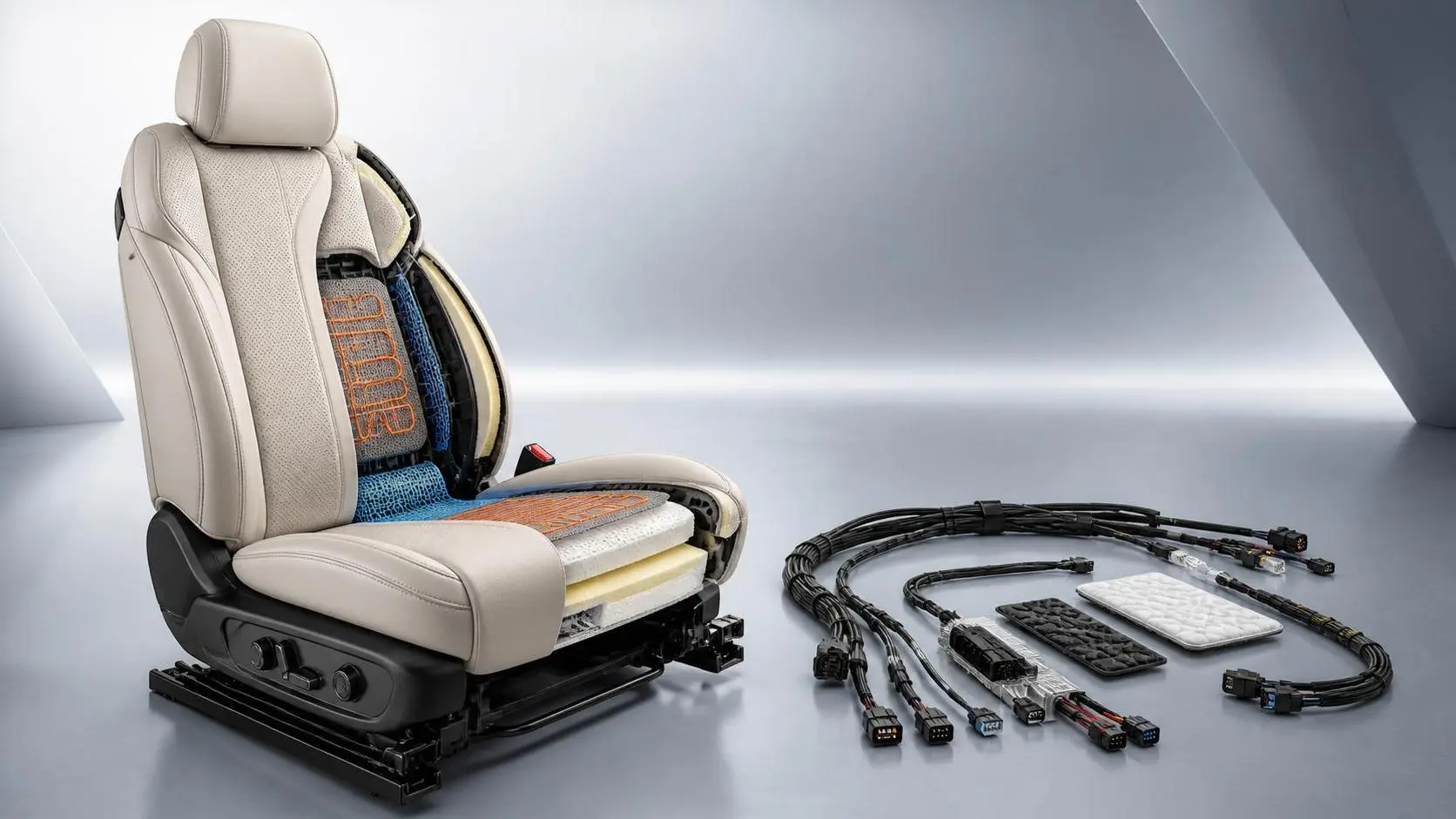
Climate Control Seats Cost: What Drives Price and Long-Term Ownership Value?
Climate control seats cost depends on materials, thermal tech, and integration. Learn what drives price and how to judge long-term value before you buy.
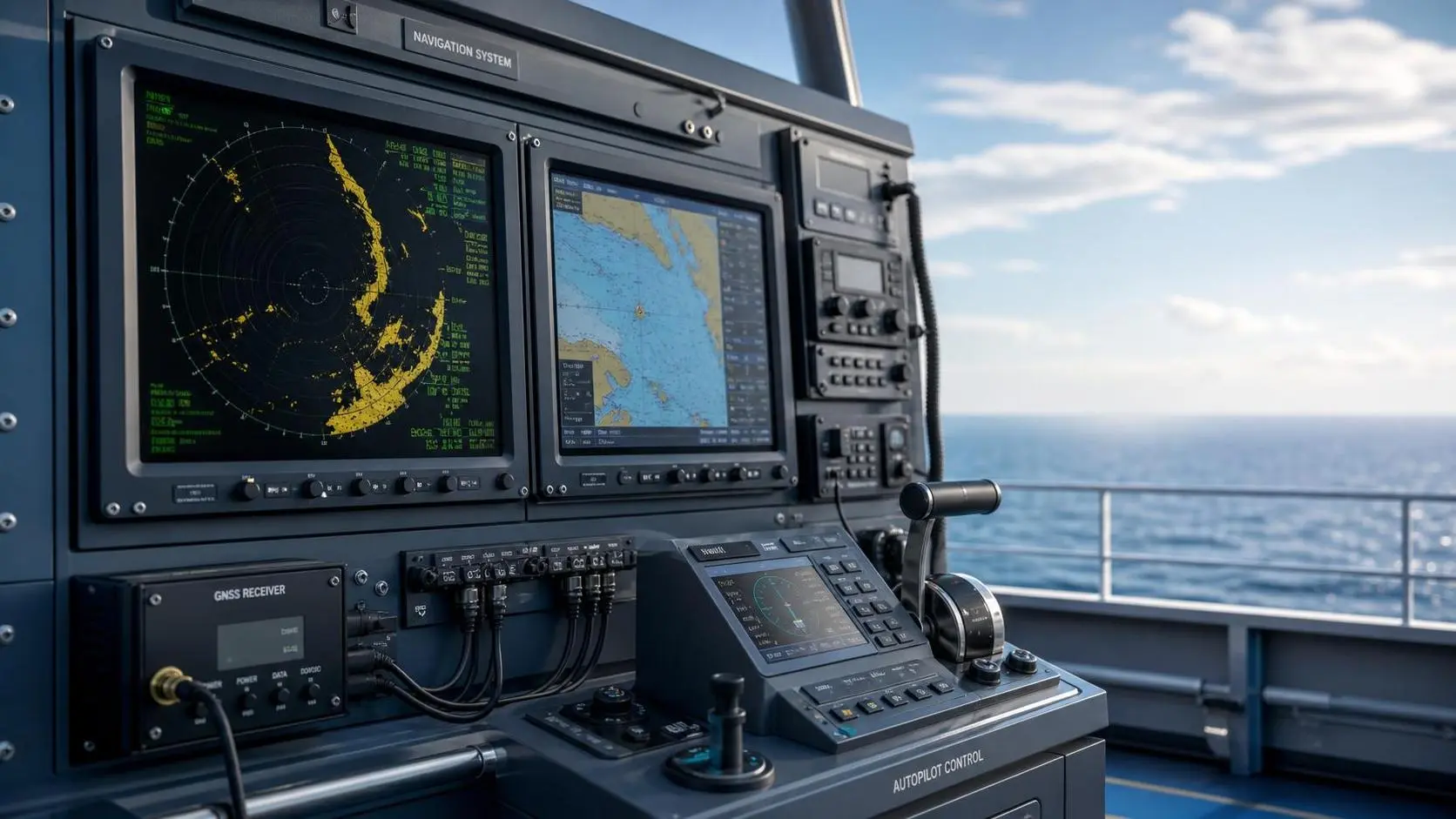
What Factors Drive Marine Navigation Components Cost in Commercial Vessel Projects?
Marine navigation components cost is shaped by integration, compliance, installation, and lifecycle support. Discover what drives pricing and how buyers can reduce risk while improving value.
How Much Does Seat Occupancy Sensing Cost? Key Pricing Factors for Buyers
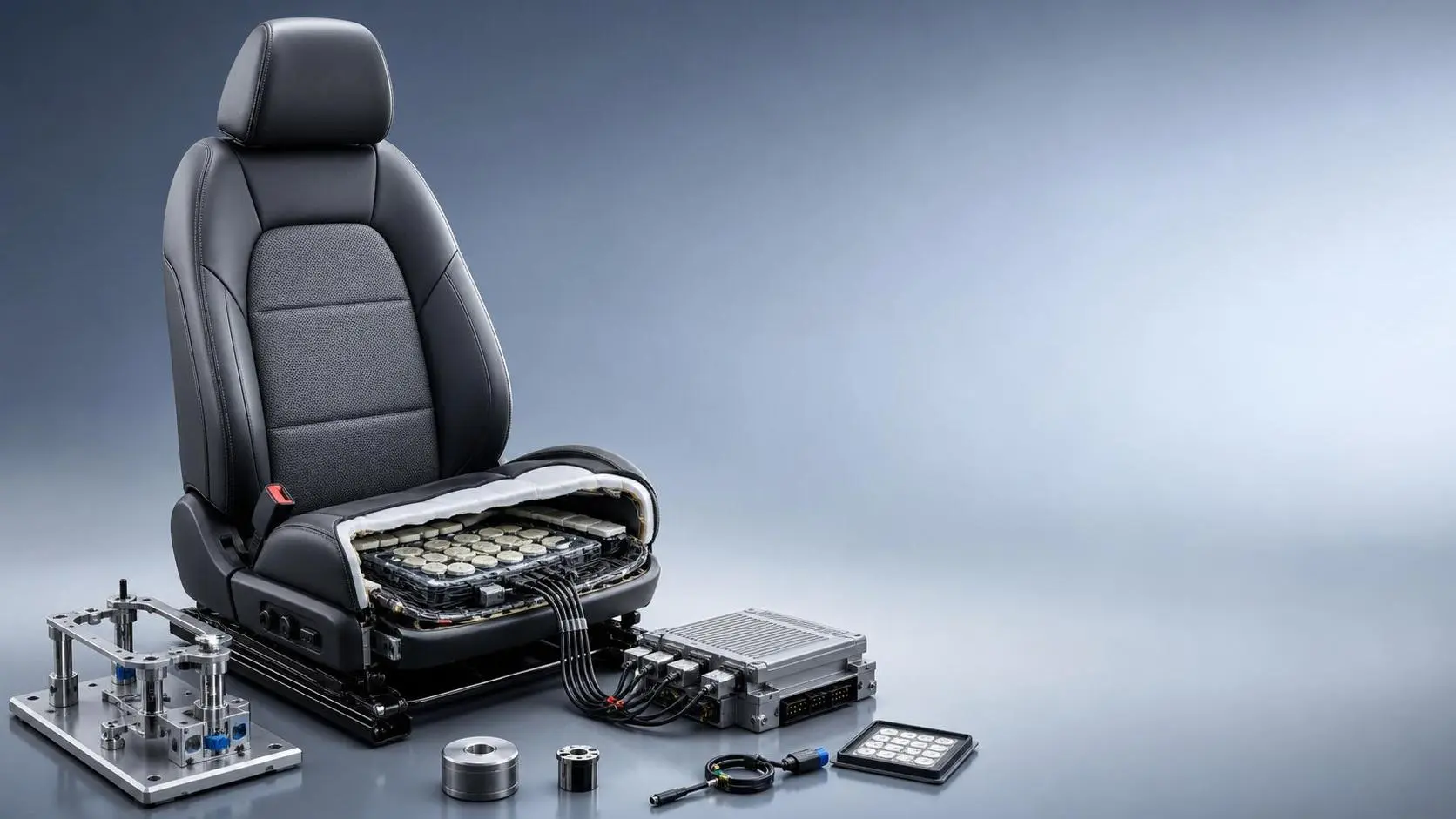
Seat occupancy sensing price varies widely by technology, integration, and compliance needs. Learn the key cost drivers, avoid hidden fees, and make smarter buying decisions.
How to Specify Micro-Climate Control Cabins for Harsh Outdoor Worksites?
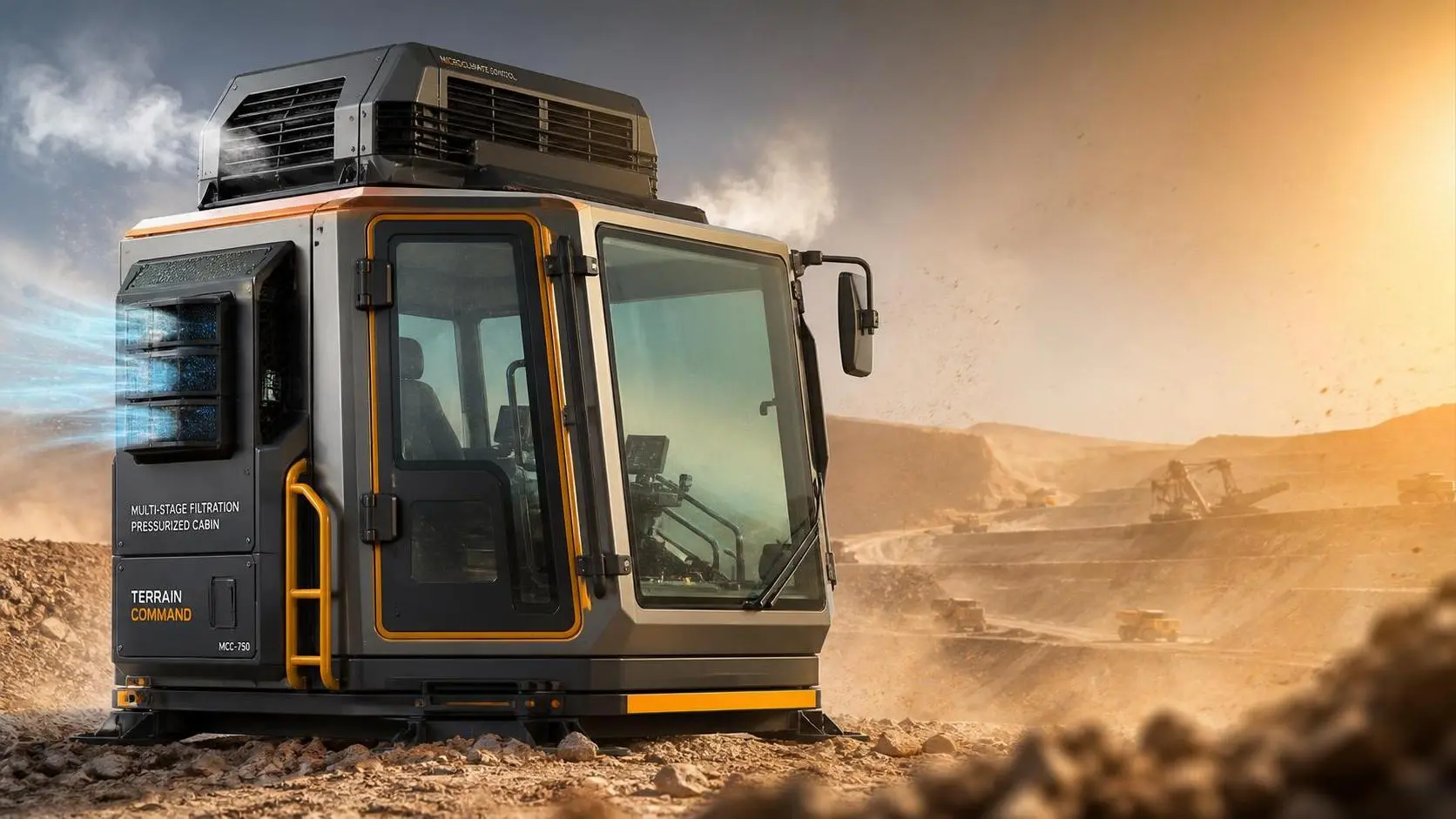
Micro-climate control cabins for harsh outdoor worksites: learn how to specify thermal control, filtration, pressurization, and durability for safer uptime and smarter buying.
Related News
- 00
0000-00
How Do Seatbelt Systems with Pretensioner Improve Crash Protection? - 00
0000-00
How Seatbelt Technology for Buses Improves Passenger Safety and Meets Compliance Needs - 00
0000-00
How Buckle Pretensioner Systems Improve Occupant Restraint in Modern Vehicles - 00
0000-00
Integrated Seatbelt Systems vs Conventional Designs: Which Fits Your Vehicle Platform Better? - 00
0000-00
Seatbelt Components for Passenger Cars: Main Parts, Functions, and How They Work Together
Weekly Insights
Stay ahead with our curated technology reports delivered every Monday.