
How pre-tensioning technology affects repair costs
How pre-tensioning technology affects repair costs
For project planning, repair costs are not decided only after a crash. They are shaped earlier by restraint architecture, diagnostics, and component strategy.
In seatbelt systems, pre-tensioning technology reduces occupant movement during impact. It also changes replacement logic, calibration work, and service documentation.
The real question is not whether the system adds cost. It is where the cost appears, and how much value it protects.
What is pre-tensioning technology in a safety system?
Pre-tensioning technology is a restraint function that rapidly removes belt slack when a severe crash or high-risk event is detected.
The system pulls the occupant closer to the seatback. This helps airbag timing, reduces forward travel, and improves load management.
Common designs include pyrotechnic pretensioners, motorized reversible pretensioners, buckle pretensioners, and retractor-integrated units.
Pyrotechnic solutions usually activate once. After deployment, repair normally requires component replacement and electronic fault clearing.
Motorized systems may reset after near-crash events. However, they need software control, sensors, and more detailed diagnostics.
This is why pre-tensioning technology sits between safety engineering and lifecycle cost control. It is a performance feature and a service factor.
Why does pre-tensioning technology raise some repair costs?
The first cost driver is parts replacement. A deployed pretensioner is usually treated as a safety-critical single-use component.
Replacement may include the retractor, buckle stalk, anchor assembly, wiring connector, trim pieces, and sometimes the seatbelt control module.
The second cost driver is labor. Technicians must follow battery isolation, supplemental restraint system procedures, and torque specifications.
The third driver is diagnostic time. Fault codes must be read, interpreted, cleared, and confirmed through post-repair verification.
Pre-tensioning technology also increases documentation requirements. Repair records must prove that safety-system restoration follows the approved process.
In high-end cabins, trim integration adds another layer. Seatbelt routing may pass through pillars, seats, sensors, or interior modules.
- Single-use pyrotechnic devices increase post-crash parts demand.
- Integrated retractors can raise assembly replacement cost.
- Electronic diagnostics add service time.
- Interior packaging may increase disassembly work.
These costs are not defects in pre-tensioning technology. They are consequences of controlled, traceable occupant protection.
Can pre-tensioning technology also reduce total loss severity?
Yes. Repair invoices can rise per safety component, while overall collision consequences may fall across the vehicle and occupant outcome.
Pre-tensioning technology can reduce chest excursion and improve occupant positioning before airbag contact. That supports better crash energy distribution.
When occupants remain correctly positioned, secondary impacts inside the cabin may be reduced. This can limit damage to steering, dashboard, and seat structures.
Better restraint coordination may also reduce injury severity. In fleet economics, medical exposure and downtime can outweigh part replacement costs.
This distinction matters. A cheaper restraint system is not always a cheaper lifecycle solution.
The value of pre-tensioning technology appears most clearly when repair cost is evaluated with crash performance, claims data, and compliance risk.
Which design choices have the biggest cost impact?
Not all pretensioner systems affect repair cost equally. Architecture, reset capability, part modularity, and diagnostic transparency all matter.
Pyrotechnic versus reversible systems
Pyrotechnic pre-tensioning technology is compact and fast. It often provides strong crash performance at a predictable component cost.
However, deployment usually means replacement. That makes post-collision service planning straightforward but parts-dependent.
Reversible systems use electric motors to tighten belts before a possible crash. They may reset when the event does not become an impact.
They can reduce unnecessary replacements after near-miss events. Yet they introduce software, motors, controllers, and validation complexity.
Integrated versus modular replacement
A fully integrated retractor can simplify assembly production. During repair, it may require replacing a larger unit.
A modular approach can isolate the failed or deployed element. It may lower parts cost but require more skilled service handling.
Sensor and control strategy
Pre-tensioning technology depends on crash sensors, occupant detection, electronic control units, and restraint algorithms.
If diagnostics are clear, repair time decreases. If data access is limited, troubleshooting becomes slower and more expensive.
How should repair cost be estimated before platform launch?
Cost estimation should begin during design review, not after field claims appear. Pre-tensioning technology must be modeled as a lifecycle item.
A useful estimate separates direct parts, workshop labor, calibration, logistics, documentation, warranty risk, and claim-frequency assumptions.
Crash repair simulations can show whether trim removal, seat removal, or control-module replacement is likely after deployment.
Service manuals should be checked early. Ambiguous replacement instructions often become higher labor time in the field.
Supplier quotations should include not only production price. They should also show spare-part pricing, lead time, and diagnostic tool requirements.
What mistakes make pre-tensioning technology more expensive?
One common mistake is judging cost only by component price. The cheaper unit may create longer repair time or weaker diagnostic clarity.
Another mistake is overlooking regional repair practices. Different markets may have different insurance expectations, technician training, and parts availability.
A third mistake is treating post-crash replacement as optional. Deployed restraint components should follow approved safety procedures.
Ignoring software is also risky. Modern pre-tensioning technology may depend on event data, control-unit logic, and calibration status.
- Do not reuse deployed pyrotechnic components.
- Do not estimate labor without trim-access analysis.
- Do not ignore scan-tool compatibility.
- Do not separate repair cost from crash rating targets.
The best approach is to evaluate pre-tensioning technology through safety performance, serviceability, supply resilience, and claims behavior together.
How does GNCS view the cost-performance balance?
GNCS follows restraint systems through the lens of physical containment protection. Cost is important, but it cannot be separated from occupant survival.
In modern mobility equipment, pre-tensioning technology connects seatbelt mechanics, airbag deployment, crash sensing, and cabin structure response.
This connection is similar to marine navigation intelligence. Both fields depend on precise signals, reliable timing, and verified system behavior.
For passive safety, the repair-cost question should include regulatory pressure from IIHS, Euro NCAP, and global crash-test evolution.
A restraint system that supports stronger ratings may protect brand value, claim performance, and commercial competitiveness.
Therefore, pre-tensioning technology should be specified with both engineering rigor and service economics.
FAQ: repair cost questions about pre-tensioning technology
Conclusion: what should be done next?
Pre-tensioning technology affects repair costs through replacement parts, labor, diagnostics, calibration, and service documentation.
It can raise post-collision invoices, especially when pyrotechnic devices deploy or integrated assemblies require replacement.
Yet the same pre-tensioning technology can improve occupant positioning, crash-rating potential, and overall loss control.
The practical next step is a structured lifecycle review. Compare safety benefit, repair procedure, spare-part strategy, and diagnostic transparency together.
GNCS will continue tracking passive safety architecture, smart seating systems, and cabin protection trends for more precise decision intelligence.
Related News
How to Specify Integrated Marine Electronics for Reliable Bridge Operations
Integrated marine electronics: learn how to specify reliable bridge systems with clear data flows, redundancy, alarm control, lifecycle interfaces, and operational testing.
How to Evaluate Navigation Radar Manufacturers for Commercial Vessel Projects
Navigation radar manufacturers: learn how to compare performance, compliance, integration, support, and lifecycle cost for commercial vessel projects.
How Adjustable Cabin Ergonomics Reduce Operator Fatigue in Long-Shift Vehicles
Adjustable cabin ergonomics reduces operator fatigue through better seating, reach, visibility, vibration control, and climate comfort for safer long-shift vehicles.
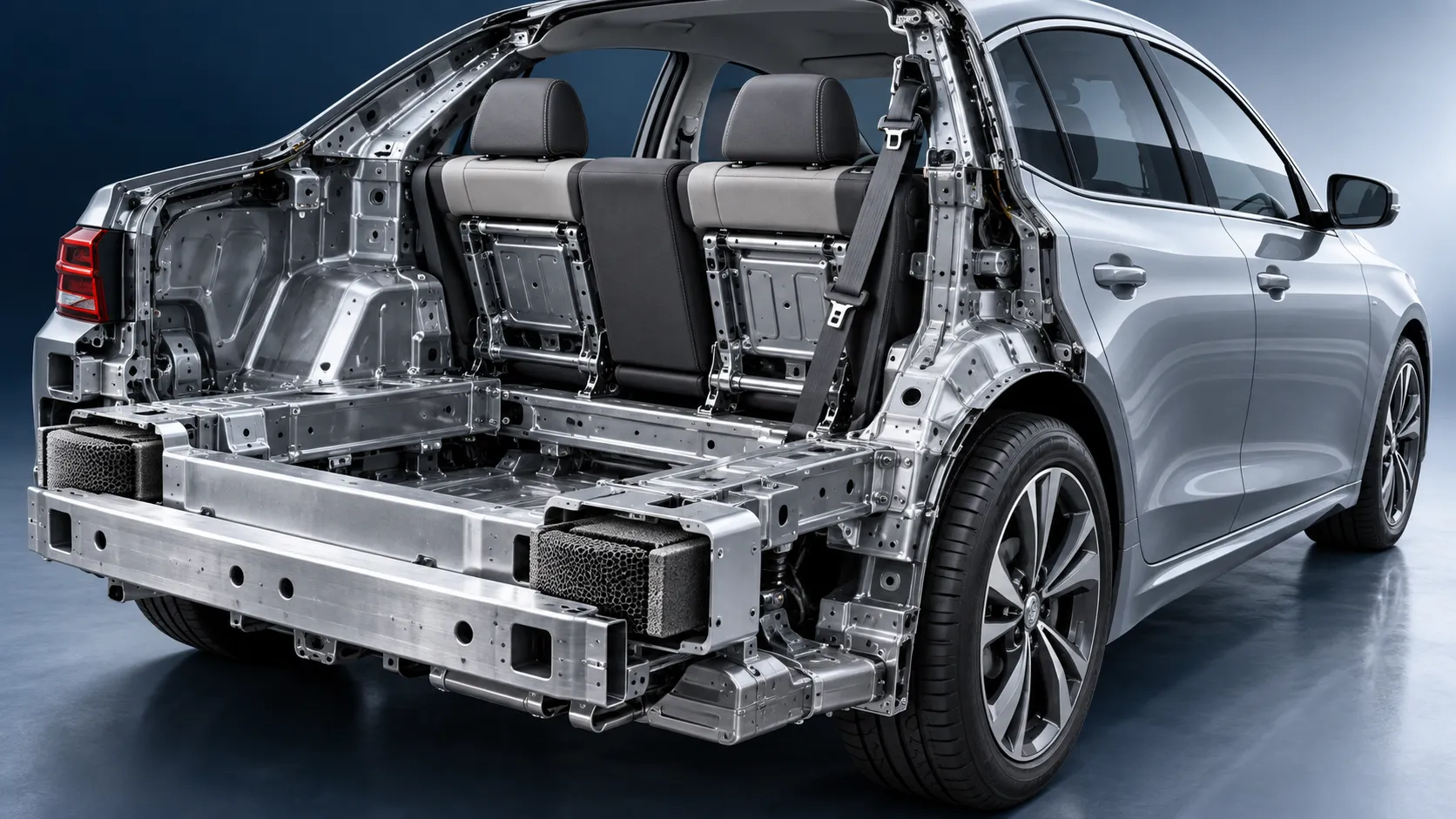
How Rear-Impact Safety Components Work Together to Protect Vehicle Occupants
Explore how automotive safety components for rear impact work together—from crash structures and seats to head restraints and belts—to enhance occupant protection.
How to Evaluate a Marine Safety Systems Manufacturer for Vessel Compliance and Reliability
Marine safety systems manufacturer evaluation guide: verify compliance, engineering quality, lifecycle costs, and global service support for safer, reliable vessel operations.
Crash Test Regulations for Seatbelts: Key Compliance Requirements Explained
Crash test regulations seatbelts explained: explore FMVSS, UN rules, anchorage strength, and dynamic restraint testing for safer, compliant vehicle systems.
How to Calculate the Total Cost of Automotive Lightweighting for a Vehicle Program
Automotive lightweight solutions cost: learn how to calculate program-level costs, including materials, tooling, joining, validation, risk, and vehicle-level value.
How Automotive Seat Occupancy Sensing Improves Airbag Deployment Decisions
Automotive seat occupancy sensing helps optimize airbag deployment decisions, improving passenger classification, safety diagnostics, and compliance across real-world conditions.
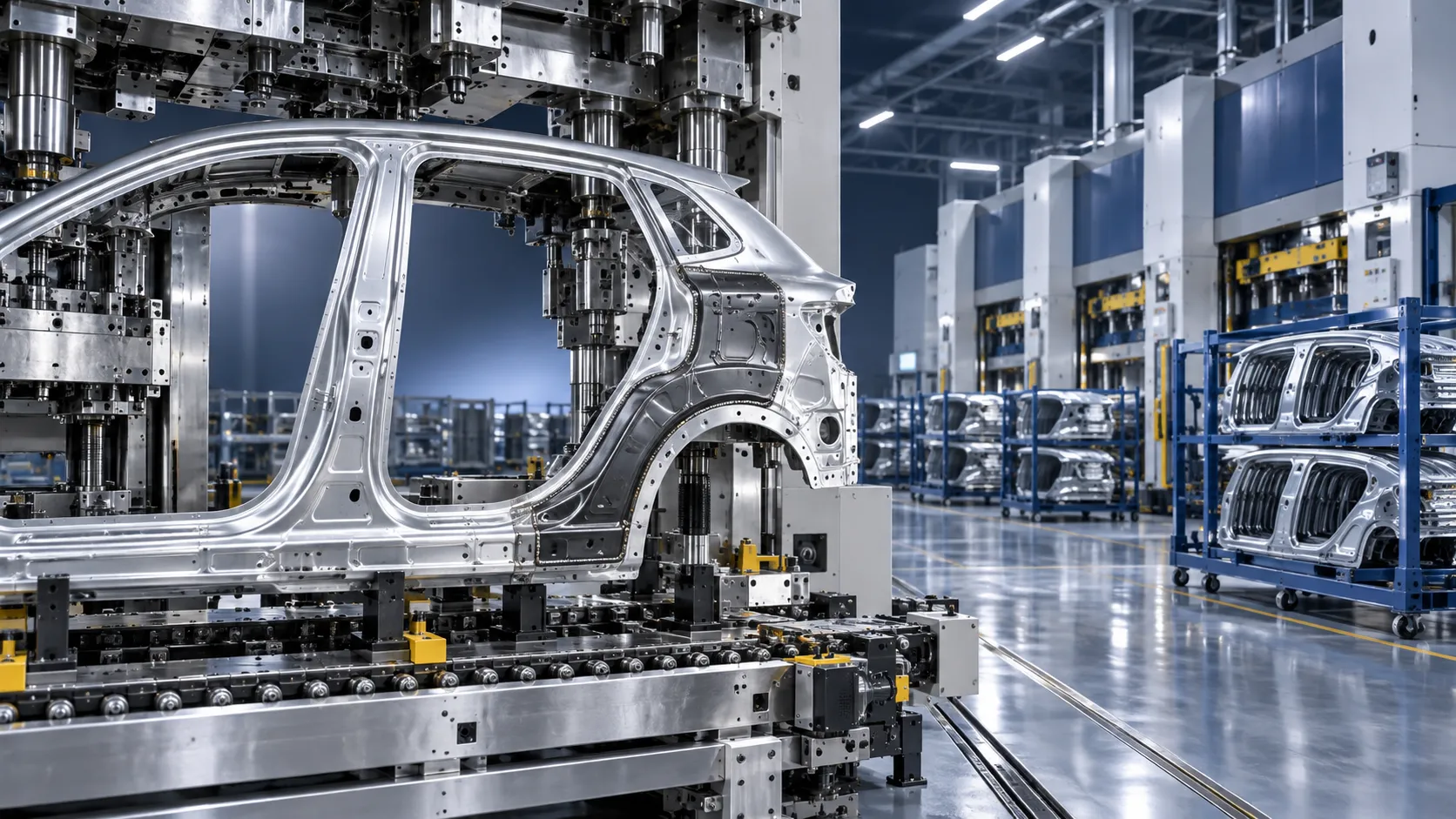
What Drives Lightweight Body Component Costs in High-Volume Vehicle Programs?
Lightweight body components cost depends on material yield, forming, joining, tooling, validation, and logistics. Explore proven ways to optimize total vehicle program cost.
Related News
- 00
0000-00
How Rear-Impact Safety Components Work Together to Protect Vehicle Occupants - 00
0000-00
Crash Test Regulations for Seatbelts: Key Compliance Requirements Explained - 00
0000-00
How Seat Belt Pretensioners for EVs Improve Crash Safety and System Response - 00
0000-00
How Do Seatbelt Systems with Pretensioner Improve Crash Protection? - 00
0000-00
How Seatbelt Technology for Buses Improves Passenger Safety and Meets Compliance Needs
Weekly Insights
Stay ahead with our curated technology reports delivered every Monday.