What to check before buying automatic identification systems
Before investing in automatic identification systems, it is not enough to compare price, screen size, or brand familiarity.
A strong evaluation should cover compliance, tracking performance, installation fit, cybersecurity, maintenance burden, and supplier credibility.
In marine navigation and safety-led sectors, automatic identification systems support visibility, collision awareness, fleet coordination, and regulatory confidence.
The right choice improves operational resilience, while the wrong one may create blind spots, downtime, or expensive retrofit work later.
What are automatic identification systems, and why do they matter before purchase?
Automatic identification systems are maritime tracking and communication tools that exchange vessel identity, position, course, speed, and voyage data.
They help nearby vessels, traffic stations, and onboard systems build a live picture of surrounding movements.
That function sounds simple, but buying automatic identification systems involves more than basic message transmission.
Signal quality, software architecture, GNSS compatibility, update support, and regulatory documentation all affect real performance.
For safety-driven operations, automatic identification systems often connect with radar, ECDIS, bridge alarms, and fleet monitoring tools.
Because of that, a poor selection can affect situational awareness far beyond the device itself.
The first check is purpose.
Some installations need carriage compliance.
Others prioritize traffic visibility, coastal operations, special vessel integration, or data sharing into a wider intelligence environment.
Which compliance and certification points should be verified first?
Compliance is the most important starting point when reviewing automatic identification systems.
If approvals are incomplete, attractive hardware specifications will not protect against inspection failure or delayed deployment.
Check whether the unit aligns with applicable IMO, ITU, IEC, and regional marine equipment requirements.
Also verify class approval, environmental testing records, and electromagnetic compatibility evidence.
The following points should be confirmed early:
- AIS class type and intended vessel category
- Applicable IEC test standards and pass reports
- Approved GNSS source requirements
- Display and alert behavior under carriage rules
- Cybersecurity or software version traceability
- Availability of inspection-ready certificates
Another common oversight is market mismatch.
A model accepted in one region may still require different documentation, interfaces, or labeling elsewhere.
For international mobility equipment strategies, traceable certification reduces friction during audits, handovers, and fleet expansion.
How can you judge signal accuracy and real-world performance?
Many buyers ask whether automatic identification systems from different suppliers deliver similar results.
The answer is no, especially under crowded traffic, interference, or difficult installation conditions.
Performance should be reviewed through both technical data and operating context.
Key indicators include update reliability, receiver sensitivity, transmitter stability, GNSS accuracy, and message handling in dense signal environments.
Ask how the unit behaves near ports, offshore platforms, or coastal routes with heavy electromagnetic noise.
A strong datasheet should be supported by field references or test evidence.
Practical checks include:
- Confirm antenna recommendations and cable loss limits.
- Review performance in high-traffic reporting zones.
- Check resilience against power fluctuation and vibration.
- Validate alarm logic for lost position input or message failure.
- Assess data output consistency to connected bridge systems.
Automatic identification systems are only as reliable as the installation ecosystem around them.
That means poor antenna placement or unstable positioning input can weaken even premium hardware.
What integration issues should be checked before selecting automatic identification systems?
Integration is often where hidden costs appear.
Automatic identification systems may need to communicate with radar, ECDIS, voyage recorders, bridge alert management, and remote fleet platforms.
Before purchase, map every required interface.
Check protocol support, sentence formats, port counts, network options, and software update methods.
Do not assume all integration is plug-and-play.
Legacy vessels may still depend on older serial connections, while newer installations expect IP-based architecture and centralized diagnostics.
Useful questions include:
- Can the unit share target data cleanly with existing bridge displays?
- Does it support future software expansion?
- Are firmware upgrades secure and documented?
- Can diagnostics be accessed without major downtime?
- Will integration require third-party converters or custom engineering?
In intelligence-led operations, data value matters as much as hardware quality.
Well-selected automatic identification systems support analytics, route evaluation, incident review, and compliance reporting with less manual effort.
How do lifecycle cost and supplier support change the buying decision?
Initial price rarely reflects total ownership cost.
Automatic identification systems also create expenses through installation complexity, maintenance visits, spare parts, training, updates, and service response times.
A lower purchase price may become expensive if replacement modules are difficult to source or software support ends early.
Evaluate supplier strength in four areas:
- Technical documentation quality
- Global service network and response commitment
- Firmware maintenance roadmap
- Long-term part availability
Support quality is especially important for equipment used in regulated or remote operating environments.
When faults happen, delay can affect schedules, inspections, or operational continuity.
It is also wise to review warranty boundaries.
Some suppliers cover hardware only, while others include software correction, remote assistance, and commissioning support.
What mistakes are common when buying automatic identification systems?
Several repeated mistakes weaken buying outcomes.
The first is selecting automatic identification systems based only on minimum compliance.
Meeting baseline rules does not guarantee strong integration, easy servicing, or future readiness.
The second mistake is ignoring installation constraints.
Power quality, antenna separation, enclosure location, and bridge layout all affect outcome.
The third mistake is underestimating software lifecycle risk.
Outdated firmware, poor patch governance, or undocumented changes may create security and audit issues.
The fourth mistake is skipping supplier due diligence.
A good product without stable support can become a liability.
The final mistake is failing to compare decision criteria in one place.
A structured checklist prevents emotional or incomplete choices.
Quick comparison table for automatic identification systems
FAQ summary at a glance
Choosing automatic identification systems should be treated as a navigation, safety, and data decision at the same time.
The best option is not simply the lowest-cost unit or the most familiar name.
It is the solution that matches compliance needs, performs reliably, integrates cleanly, and remains supportable across its service life.
Before moving forward, build a comparison sheet using certification, signal quality, interfaces, software policy, and support commitments.
That disciplined review will lead to stronger equipment value and fewer surprises after installation.
Related News
How to Specify Integrated Marine Electronics for Reliable Bridge Operations
Integrated marine electronics: learn how to specify reliable bridge systems with clear data flows, redundancy, alarm control, lifecycle interfaces, and operational testing.
How to Evaluate Navigation Radar Manufacturers for Commercial Vessel Projects
Navigation radar manufacturers: learn how to compare performance, compliance, integration, support, and lifecycle cost for commercial vessel projects.
How Adjustable Cabin Ergonomics Reduce Operator Fatigue in Long-Shift Vehicles
Adjustable cabin ergonomics reduces operator fatigue through better seating, reach, visibility, vibration control, and climate comfort for safer long-shift vehicles.
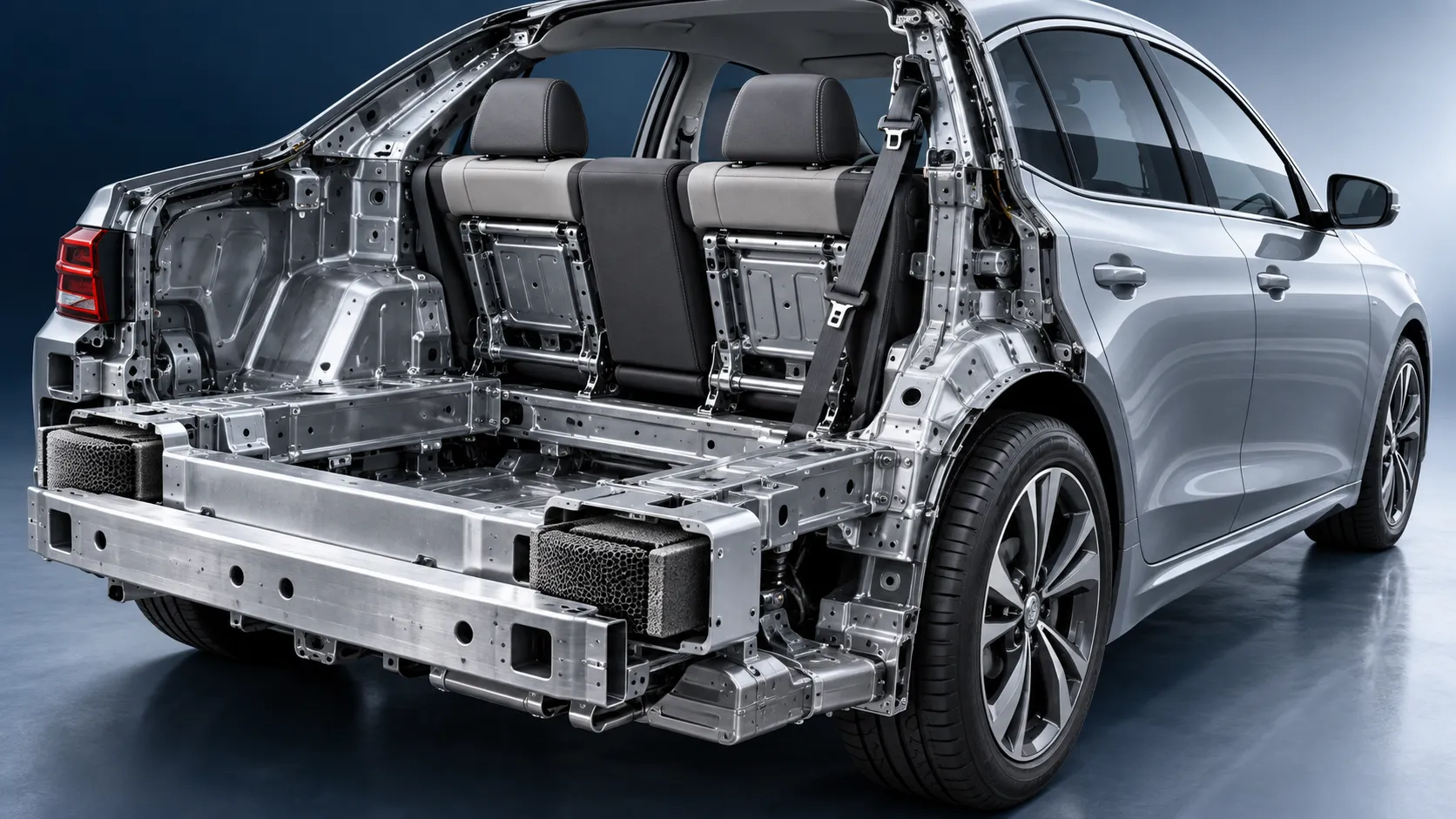
How Rear-Impact Safety Components Work Together to Protect Vehicle Occupants
Explore how automotive safety components for rear impact work together—from crash structures and seats to head restraints and belts—to enhance occupant protection.
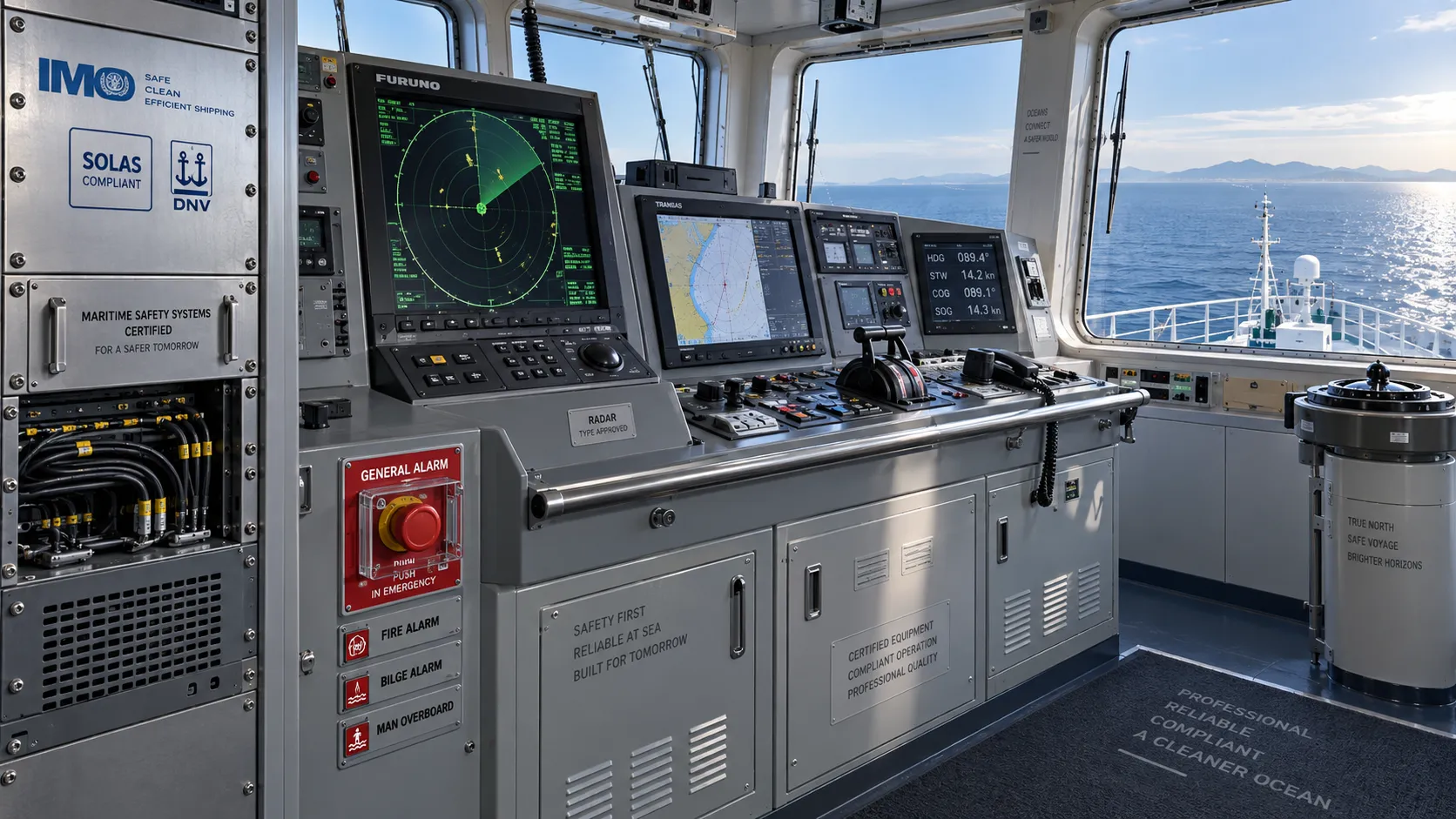
How to Evaluate a Marine Safety Systems Manufacturer for Vessel Compliance and Reliability
Marine safety systems manufacturer evaluation guide: verify compliance, engineering quality, lifecycle costs, and global service support for safer, reliable vessel operations.
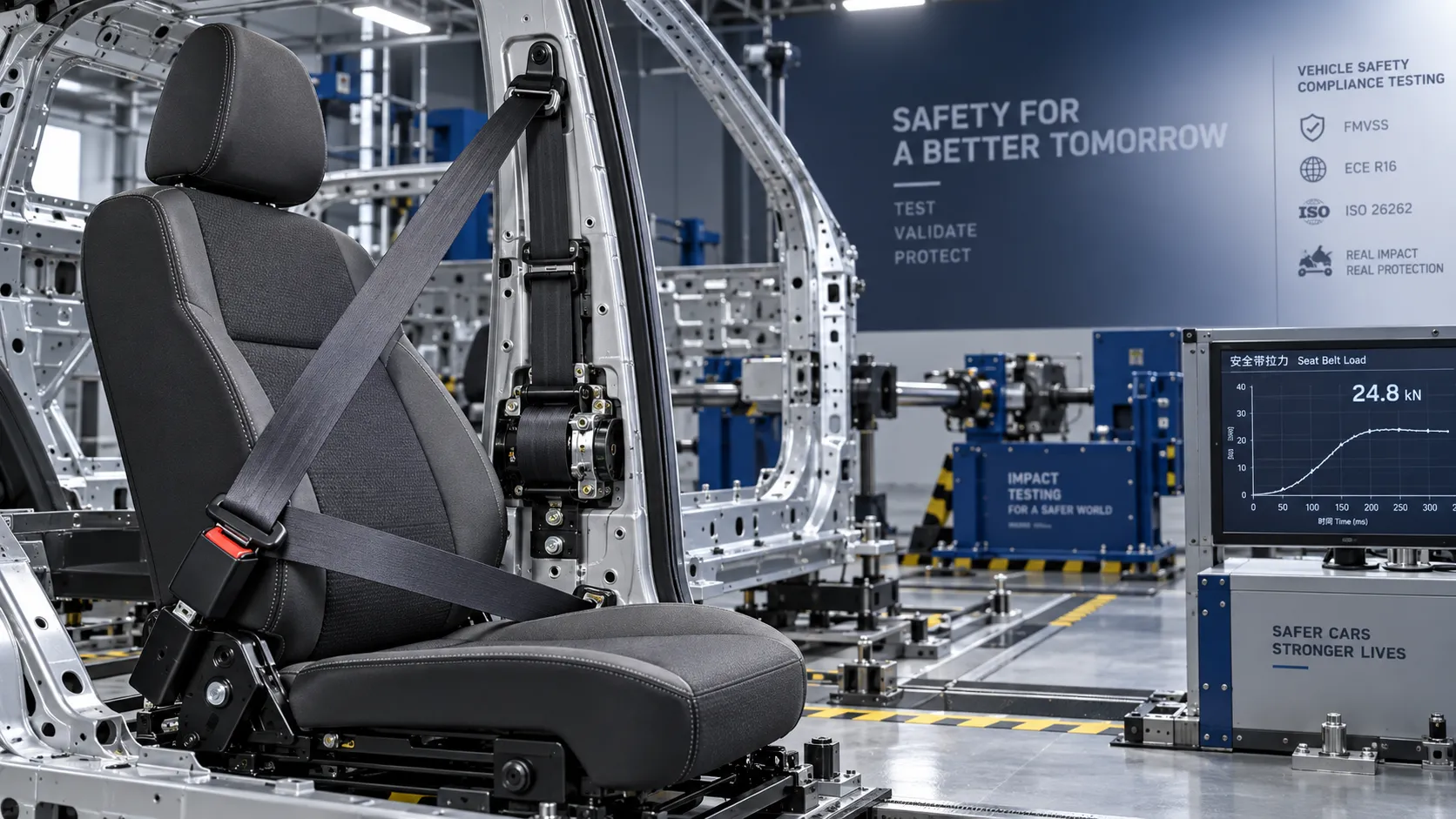
Crash Test Regulations for Seatbelts: Key Compliance Requirements Explained
Crash test regulations seatbelts explained: explore FMVSS, UN rules, anchorage strength, and dynamic restraint testing for safer, compliant vehicle systems.

How to Calculate the Total Cost of Automotive Lightweighting for a Vehicle Program
Automotive lightweight solutions cost: learn how to calculate program-level costs, including materials, tooling, joining, validation, risk, and vehicle-level value.

How Automotive Seat Occupancy Sensing Improves Airbag Deployment Decisions
Automotive seat occupancy sensing helps optimize airbag deployment decisions, improving passenger classification, safety diagnostics, and compliance across real-world conditions.

What Drives Lightweight Body Component Costs in High-Volume Vehicle Programs?
Lightweight body components cost depends on material yield, forming, joining, tooling, validation, and logistics. Explore proven ways to optimize total vehicle program cost.
Related News
- 00
0000-00
How to Evaluate Navigation Radar Manufacturers for Commercial Vessel Projects - 00
0000-00
How to Evaluate Cargo Marine Sonar Systems for Detection Range and Vessel Fit - 00
0000-00
How to Evaluate Marine Signal Processing Software for Radar and Sonar Integration - 00
0000-00
How Do Automatic Identification Systems Improve Vessel Tracking and Collision Avoidance? - 00
0000-00
How to Choose Marine Navigation Systems for Patrol Boats in Coastal and Offshore Missions
Weekly Insights
Stay ahead with our curated technology reports delivered every Monday.