What sonar technology can reveal that radar often misses
In environments where visibility is limited and electromagnetic signals fall short, sonar technology can uncover critical details that radar often misses. From underwater hazards to bottom contours and vessel alignment in crowded waters, sonar supports safer movement and better decisions. For GNCS and the broader mobility intelligence field, the comparison is not theoretical. It affects route planning, incident prevention, compliance, and the design of integrated perception systems.
When radar performs well and when sonar technology becomes essential
Radar is highly effective above the waterline. It tracks coastlines, nearby vessels, weather cells, and surface movement using radio waves. In open visibility, radar delivers fast and wide-area awareness.
Yet many critical threats exist below the surface. Rocks, wrecks, sandbanks, mooring chains, submerged infrastructure, and depth changes may remain invisible to radar. That is where sonar technology provides a decisive layer.
The practical difference is simple. Radar answers what is happening above water. Sonar technology answers what is hidden below, nearby, and directly along the vessel’s underwater path.
This matters most in ports, shallow channels, offshore construction zones, survey missions, and poor-visibility navigation. In such scenarios, the absence of underwater awareness can turn a normal transit into a safety event.
Scenario judgment: limited visibility is not the only reason to use sonar technology
A common mistake is treating sonar as a backup only for fog or darkness. In reality, sonar technology is often most valuable when visibility appears acceptable but underwater risk is changing quickly.
Scenario 1: Entering shallow or shifting coastal waters
Coastal approaches can look calm on the surface while the seabed changes due to tide, sediment movement, or dredging activity. Radar may show traffic clearly, but it cannot reveal a fresh shoal.
Here, sonar technology supports bottom tracking, under-keel awareness, and safer speed decisions. It becomes especially important where charts may lag behind real seabed conditions.
Scenario 2: Operating near ports, bridges, and submerged structures
Busy port zones contain piles, cables, pipelines, anchors, and debris fields. Radar can help with traffic separation, but underwater infrastructure remains difficult to assess without acoustic sensing.
Sonar technology improves confidence when maneuvering near berths, bridge foundations, offshore terminals, or dredged channels. It helps detect hazards before contact becomes likely.
Scenario 3: Surveying, search, and recovery work
For seabed mapping, wreck inspection, and object recovery, radar has limited usefulness. The target may be fully submerged, stationary, and masked by surface conditions.
In these missions, sonar technology becomes the primary sensing method. Side-scan, multibeam, and imaging sonar can reveal shape, texture, and location with far greater relevance.
Scenario 4: Navigating in ice, turbulence, or cluttered electromagnetic environments
Some operating areas reduce radar clarity through surface clutter, reflections, or signal interference. Even when radar remains useful, it may not provide enough confidence for underwater clearance.
Sonar technology adds a different sensing pathway. Because it relies on sound propagation in water, it can reveal underwater forms and distances that radar cannot interpret.
What sonar technology can reveal that radar often misses
The strength of sonar technology lies in hidden detail. It does not simply duplicate radar. It fills a perception gap that matters for marine safety, route accuracy, and operational planning.
- Submerged rocks, reefs, and shoals near the vessel path
- Wrecks, containers, and debris resting on or above the seabed
- Seabed contours, slope changes, and depth gradients
- Underwater infrastructure such as pipes, cables, and foundations
- Fish schools, biological layers, and water-column targets
- Sediment changes affecting dredging, anchoring, or channel safety
This is why modern navigation stacks increasingly combine radar, AIS, satellite positioning, ECDIS, and sonar technology. Each sensor covers a different risk surface.
Different scenarios, different demand profiles for sonar technology
Not every operation needs the same sonar setup. The right choice depends on water depth, speed, target type, positioning precision, and whether the goal is navigation, inspection, or mapping.
How to match sonar technology to real operating conditions
A good selection process starts with scenario fit, not feature count. The most expensive unit may still underperform if frequency, range, and mounting do not match the environment.
- Use forward-looking sonar where collision avoidance time is the priority.
- Use multibeam systems when contour coverage and survey precision matter.
- Use side-scan sonar when target imaging and seabed identification are required.
- Check vessel speed limits, draft, vibration, and hull noise before installation.
- Integrate outputs with ECDIS, GNSS, and alarms for practical decision support.
For intelligence platforms like GNCS, the key trend is convergence. Sonar technology is no longer isolated hardware. It increasingly feeds digital navigation, incident analysis, and compliance workflows.
Common misjudgments when evaluating sonar technology
Several errors lead to weak results even when the equipment itself is capable. Most come from assuming sonar and radar are interchangeable, or from ignoring environmental complexity.
Mistake 1: Believing radar coverage means total situational awareness
Surface awareness is not underwater awareness. A safe-looking radar picture can hide grounding risk, underwater obstruction, or uncharted debris directly ahead.
Mistake 2: Choosing sonar by range alone
Longer range does not always mean better value. Resolution, beam pattern, frequency, and target type determine whether sonar technology provides useful interpretation.
Mistake 3: Ignoring data integration
If sonar data stays separate from navigation displays or alert systems, crews may react too late. Integration often matters as much as sensor quality.
Mistake 4: Underestimating installation conditions
Poor transducer placement, cavitation, hull turbulence, and electrical noise can reduce signal quality. The result is not a sonar failure, but a setup failure.
Why sonar technology matters in broader mobility intelligence
GNCS tracks systems where precision perception supports human safety. In marine navigation, sonar technology represents the underwater equivalent of hidden-risk detection found in other transport domains.
That connection is strategic. Whether evaluating ship navigation, passive safety, or cabin intelligence, the central challenge is the same: detecting what ordinary sensing may overlook before risk becomes impact.
Seen this way, sonar is not only a maritime tool. It is part of a wider engineering logic built around precision spatial perception, system redundancy, and dependable safety margins.
Next-step actions for stronger underwater perception
Start by mapping operating scenarios instead of comparing specifications in isolation. Identify where underwater uncertainty creates the highest operational exposure.
- Review routes involving shallow water, port entry, offshore assets, or poor chart confidence.
- Define whether the main need is obstacle avoidance, seabed mapping, or underwater inspection.
- Assess integration with radar, AIS, GNSS, and digital chart workflows.
- Validate installation quality, signal conditions, and alarm interpretation procedures.
When the question is what radar cannot see, the answer often begins underwater. Sonar technology reveals the hidden layer that supports safer navigation, better planning, and stronger confidence in complex marine operations.
Related News
How to Specify Integrated Marine Electronics for Reliable Bridge Operations
Integrated marine electronics: learn how to specify reliable bridge systems with clear data flows, redundancy, alarm control, lifecycle interfaces, and operational testing.
How to Evaluate Navigation Radar Manufacturers for Commercial Vessel Projects
Navigation radar manufacturers: learn how to compare performance, compliance, integration, support, and lifecycle cost for commercial vessel projects.
How Adjustable Cabin Ergonomics Reduce Operator Fatigue in Long-Shift Vehicles
Adjustable cabin ergonomics reduces operator fatigue through better seating, reach, visibility, vibration control, and climate comfort for safer long-shift vehicles.
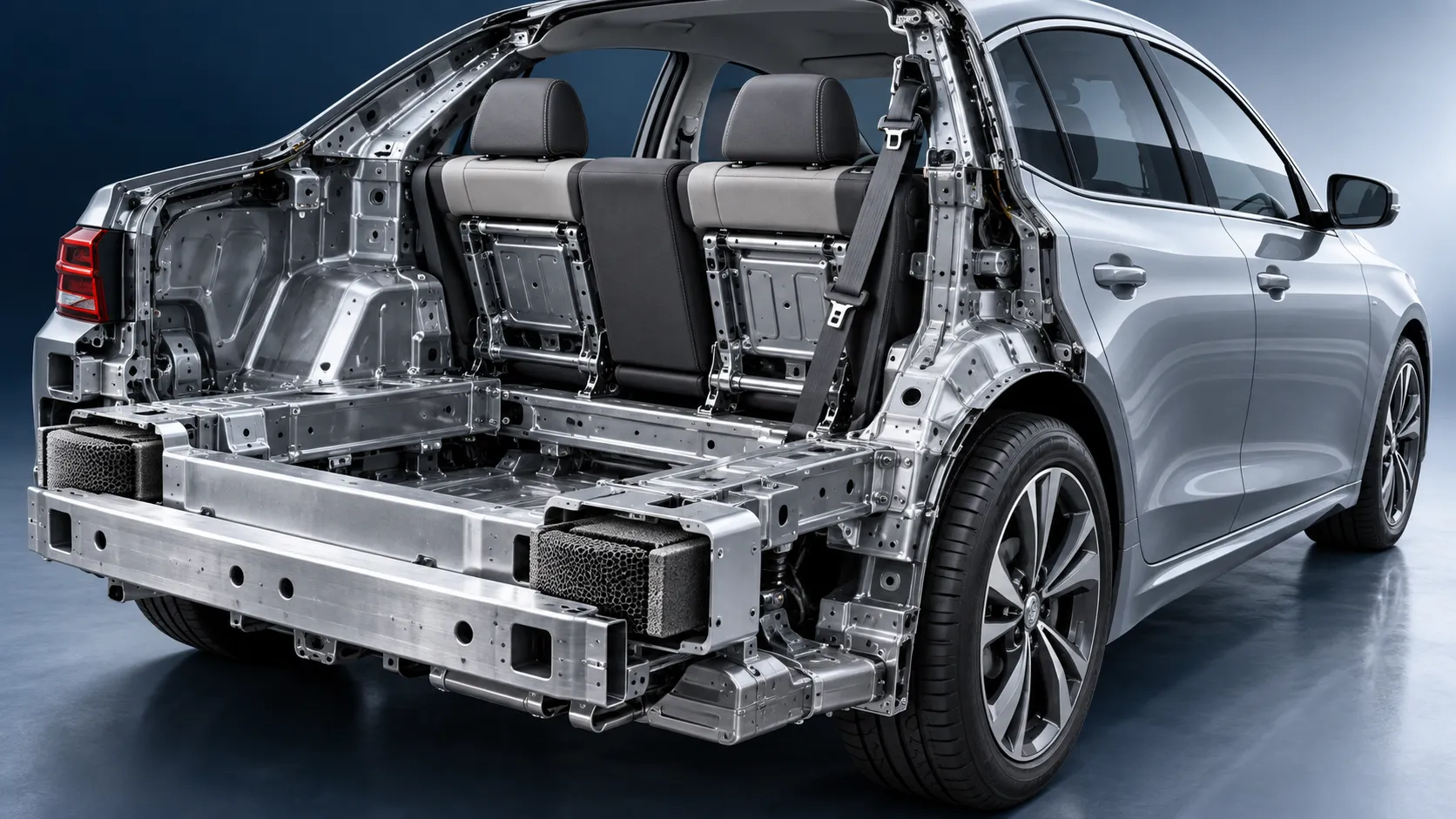
How Rear-Impact Safety Components Work Together to Protect Vehicle Occupants
Explore how automotive safety components for rear impact work together—from crash structures and seats to head restraints and belts—to enhance occupant protection.
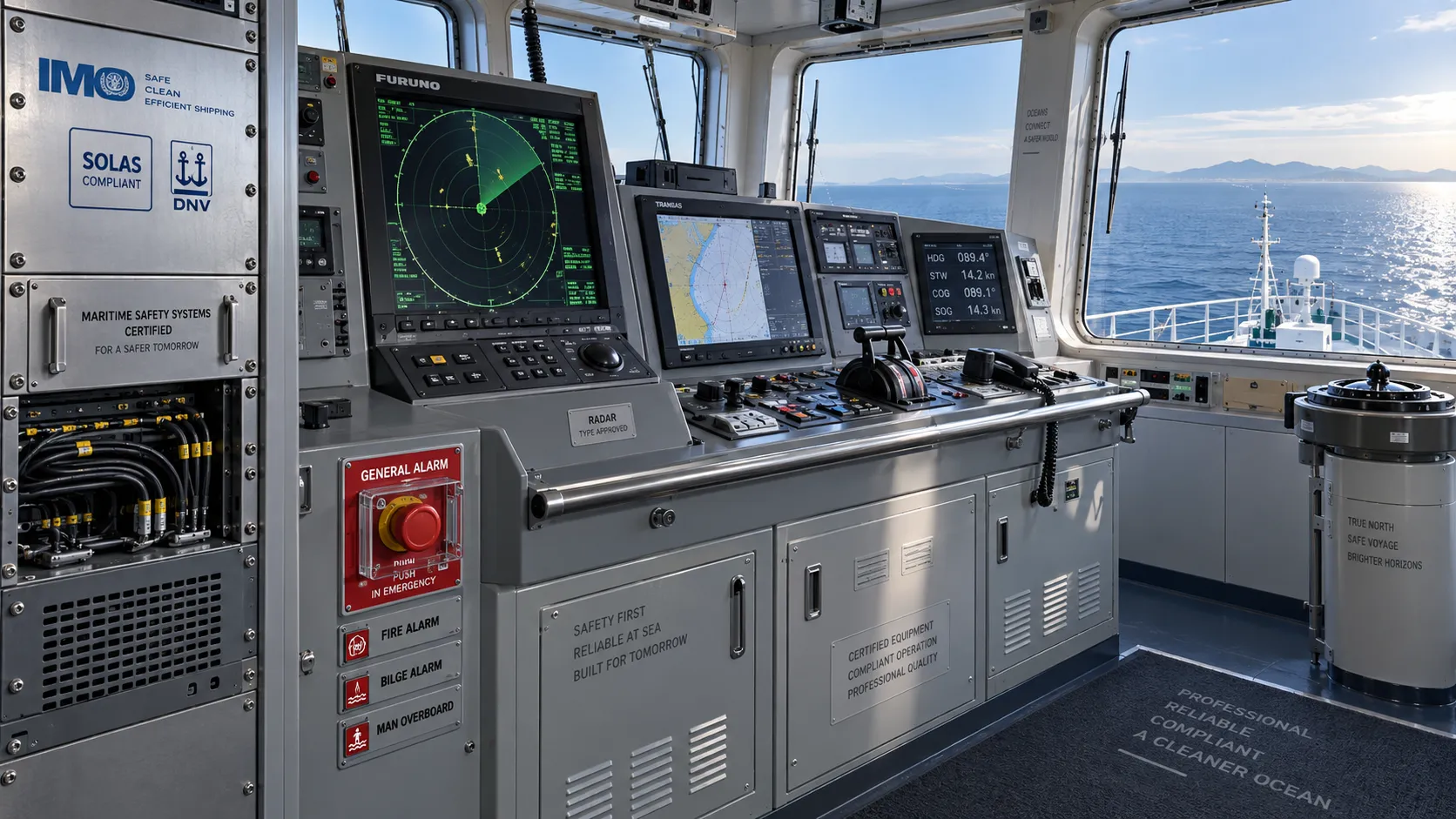
How to Evaluate a Marine Safety Systems Manufacturer for Vessel Compliance and Reliability
Marine safety systems manufacturer evaluation guide: verify compliance, engineering quality, lifecycle costs, and global service support for safer, reliable vessel operations.
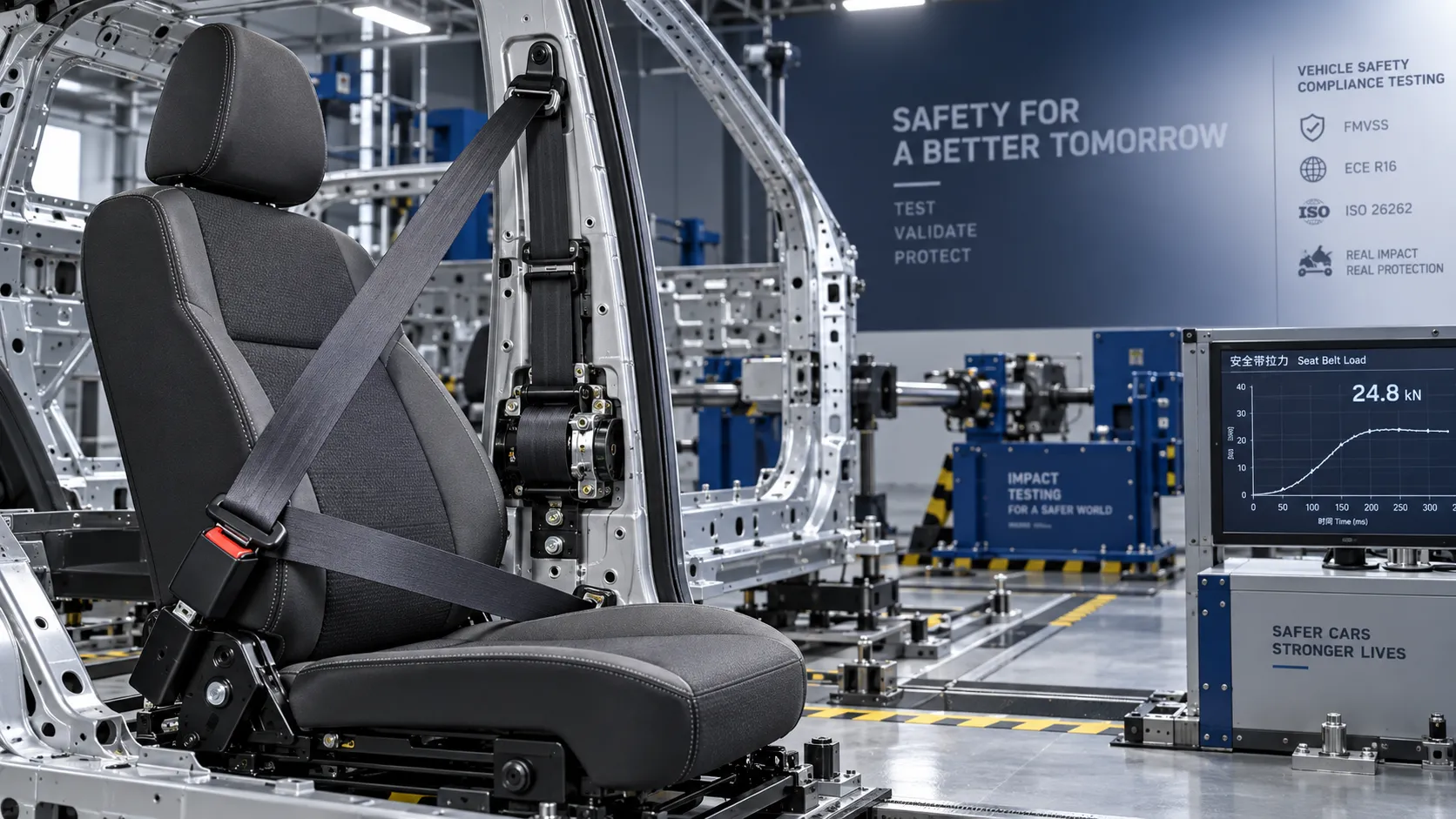
Crash Test Regulations for Seatbelts: Key Compliance Requirements Explained
Crash test regulations seatbelts explained: explore FMVSS, UN rules, anchorage strength, and dynamic restraint testing for safer, compliant vehicle systems.

How to Calculate the Total Cost of Automotive Lightweighting for a Vehicle Program
Automotive lightweight solutions cost: learn how to calculate program-level costs, including materials, tooling, joining, validation, risk, and vehicle-level value.
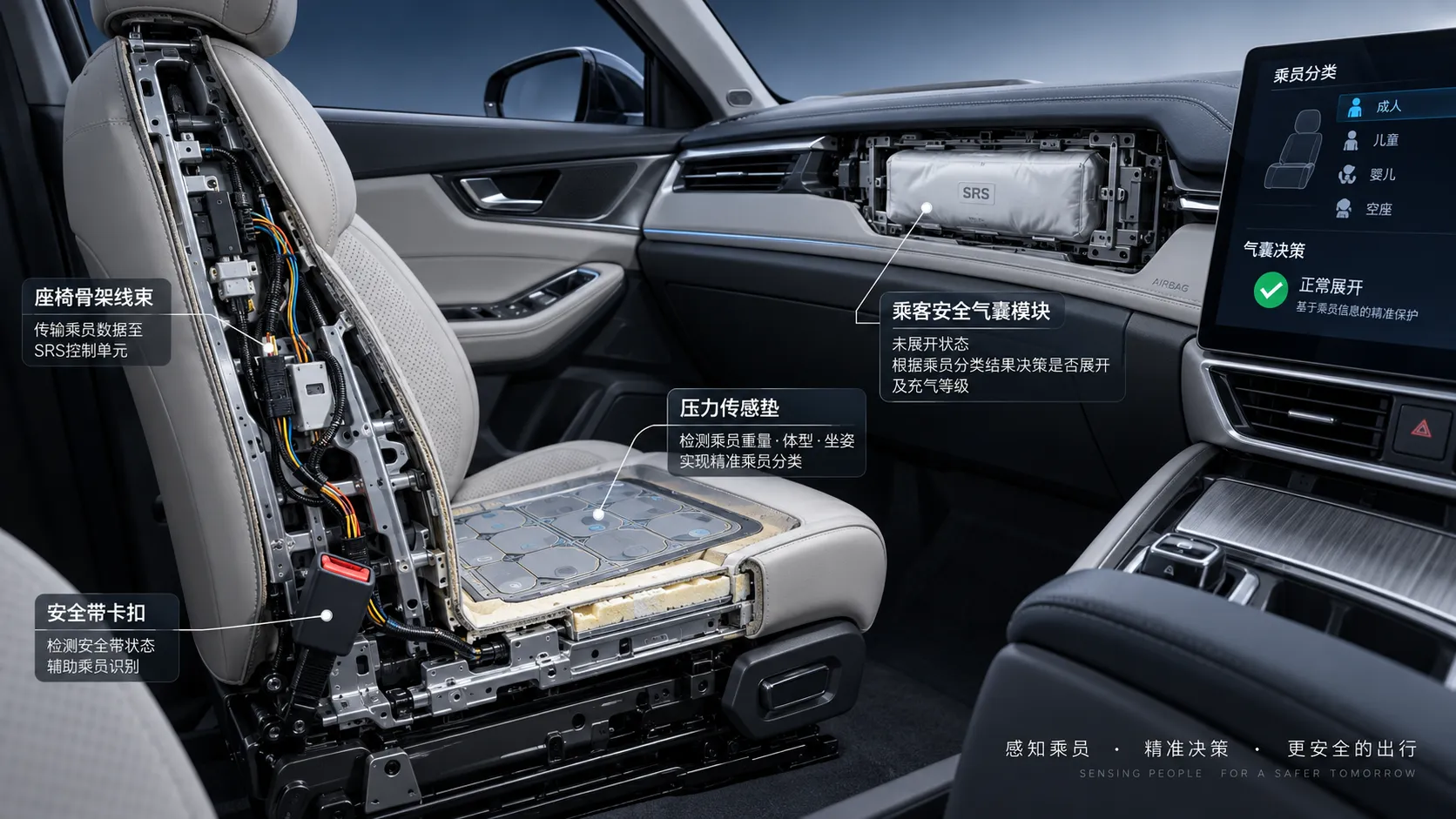
How Automotive Seat Occupancy Sensing Improves Airbag Deployment Decisions
Automotive seat occupancy sensing helps optimize airbag deployment decisions, improving passenger classification, safety diagnostics, and compliance across real-world conditions.

What Drives Lightweight Body Component Costs in High-Volume Vehicle Programs?
Lightweight body components cost depends on material yield, forming, joining, tooling, validation, and logistics. Explore proven ways to optimize total vehicle program cost.
Related News
- 00
0000-00
How to Evaluate Navigation Radar Manufacturers for Commercial Vessel Projects - 00
0000-00
How to Evaluate Cargo Marine Sonar Systems for Detection Range and Vessel Fit - 00
0000-00
How to Evaluate Marine Signal Processing Software for Radar and Sonar Integration - 00
0000-00
How Do Automatic Identification Systems Improve Vessel Tracking and Collision Avoidance? - 00
0000-00
How to Choose Marine Navigation Systems for Patrol Boats in Coastal and Offshore Missions
Weekly Insights
Stay ahead with our curated technology reports delivered every Monday.