How navigation radar choice affects coastal safety
For technical evaluators, the choice of navigation radar directly shapes coastal safety by influencing target detection, clutter suppression, tracking stability, and compliance performance in complex nearshore environments.
From congested traffic lanes to shifting weather and shoreline interference, selecting the right radar is not only a procurement issue but a risk-control decision that affects operational reliability, crew awareness, and incident prevention.
Why navigation radar choice matters most in coastal waters
Users searching for how navigation radar choice affects coastal safety usually want a practical answer: which radar characteristics materially reduce collision risk, false interpretation, and missed targets in nearshore operations.
Technical evaluators are rarely looking for a generic radar overview. They need to compare performance under real coastal conditions, understand trade-offs, and identify which specifications matter before approval, integration, or procurement.
In coastal waters, safety pressure is higher because the radar must manage multiple target types at once. Small fishing boats, buoys, harbor structures, breakwaters, and fast craft may all appear together.
At the same time, land returns, rain clutter, sea clutter, and ducting effects can mask critical echoes. A radar that performs well offshore may become much less reliable when shoreline complexity rises.
That is why navigation radar selection should be treated as a coastal risk-control decision. The best choice improves situational awareness, supports stable watchkeeping, and helps crews act earlier with greater confidence.
What technical evaluators care about when assessing navigation radar
The first concern is detection quality in cluttered environments. Evaluators want to know whether the navigation radar can separate weak targets from shoreline reflections and surface clutter without excessive manual adjustment.
The second concern is consistency. A radar that occasionally detects a target is less useful than one that tracks it stably through changing rain, wave state, harbor congestion, and vessel motion.
Third, evaluators focus on operator workload. If safe operation depends on constant tuning of gain, sea clutter, rain clutter, and pulse settings, the system may increase human error during demanding maneuvers.
Fourth, they examine integration value. Radar performance is no longer judged alone. Its effectiveness depends on how well it works with AIS, ECDIS, heading sensors, GNSS, ARPA, and bridge alert workflows.
Finally, compliance and lifecycle support matter. Even technically strong hardware may create coastal safety risk if software maintenance, performance validation, cybersecurity control, or spare parts support are weak.
How radar frequency and band selection affect coastal safety
One of the most important design decisions is radar band selection, usually X-band, S-band, or a dual-band configuration. This choice directly affects small target visibility, weather performance, and nearshore reliability.
X-band radar is often favored in coastal navigation because it generally provides better definition for smaller targets and sharper discrimination of short-range detail around channels, port approaches, and traffic separation zones.
That advantage matters where technical evaluators must confirm the radar can reveal small craft, floating objects, channel markers, or partially obscured contacts against busy and reflective backgrounds.
However, X-band can be more affected by heavy rain attenuation than S-band. In strong precipitation, target visibility may degrade just when navigational decision quality becomes most critical.
S-band radar typically offers stronger performance in adverse weather and can support more stable long-range detection in rain. For larger vessels operating in difficult coastal meteorological conditions, that can materially improve safety margins.
Still, S-band may provide less fine target detail at short range than X-band. In dense coastal traffic, that lower definition can affect interpretation speed, especially for weak or closely spaced contacts.
For many evaluators, the safest answer is not choosing one band as universally superior. It is selecting the configuration that matches vessel size, route profile, congestion level, and expected weather exposure.
Where budgets and vessel class permit, dual-band arrangements often provide the best operational resilience. They allow crews to compare picture characteristics and reduce dependence on a single sensing profile.
Detection, discrimination, and tracking: the real safety drivers
Coastal safety depends less on headline transmitter power than on whether the navigation radar can detect, separate, and continuously track meaningful targets under realistic interference conditions.
Detection means the radar sees the contact at all. Discrimination means it can distinguish that contact from nearby land, clutter, or other returns. Tracking means the contact remains stable enough to support action.
Weak performance in any of these areas can create danger. A vessel may be visible but merged into shoreline echoes. A buoy may appear intermittently. A fast-moving craft may be detected but tracked inconsistently.
For technical evaluators, this is why target update stability and track continuity deserve close attention. A beautiful radar image is not sufficient if ARPA tracking drops frequently in harbor approaches.
Look closely at minimum target size performance, short-range resolution, bearing discrimination, and behavior when multiple small contacts occupy the same sector. Those details strongly influence collision avoidance quality.
Also assess radar behavior around fixed structures. Bridges, wind farm elements, cranes, and breakwaters often create complex reflections that can hide movement or distort contact interpretation near the shoreline.
Clutter suppression can improve safety or create new blind spots
Modern clutter suppression is one of the biggest differentiators in coastal navigation radar performance. Good clutter control helps reveal meaningful targets without forcing operators into constant manual correction.
But aggressive filtering can also become a hidden safety problem. If processing removes weak echoes together with clutter, the radar may present a cleaner picture while actually suppressing hazards.
This is especially important in coastal waters because relevant contacts are often small, intermittent, and close to clutter sources. Fishing skiffs, kayaks, floating debris, and low-profile craft can be hard to preserve.
Evaluators should test both automatic and manual clutter modes. The key question is whether the system maintains target visibility while reducing wave, rain, and shoreline noise across varied sea states and speeds.
Do not evaluate clutter suppression only under calm conditions. Coastal safety depends on performance during dawn glare, rough water, heavy rain cells, harbor reflections, and situations where false echoes multiply rapidly.
A strong navigation radar should let operators understand what processing is doing. Transparent controls, predictable behavior, and quick recovery from over-filtering are safety features, not just usability extras.
Short-range performance often matters more than maximum range
Many buying discussions spend too much time on maximum range figures. In coastal safety assessment, short-range performance is usually more critical because nearshore decisions happen quickly and distances close fast.
Harbor entries, pilot boarding, narrow channels, river mouths, anchorage transitions, and inshore traffic crossings all depend on precise short-range interpretation. Delays or smearing at these distances can raise risk immediately.
Technical evaluators should therefore prioritize close-range resolution, refresh behavior, target separation, and presentation clarity inside the first few nautical miles rather than relying on broad marketing claims.
Pulse compression and solid-state architectures may improve short-range discrimination and reduce maintenance burdens, but real-world testing is essential because implementation quality varies significantly by manufacturer.
Ask whether the radar can support confident interpretation when several small targets move near fixed coastal infrastructure. That scenario is far more safety-relevant than a clean long-range detection demonstration offshore.
Integration quality is a coastal safety issue, not just a system feature
A navigation radar does not operate in isolation on a modern bridge. Coastal safety improves when radar data is coherently fused with charting, identification, heading, speed, and alarm management systems.
For example, overlay alignment with ECDIS helps officers compare radar contacts against charted coastlines and aids. If sensor alignment is poor, the overlay may increase confidence while actually introducing error.
AIS integration can support faster interpretation in busy waters, but evaluators should remember AIS is not a substitute for radar detection. Non-cooperative and poorly configured targets remain common in coastal zones.
ARPA quality also matters greatly. Stable acquisition and tracking of multiple maneuvering contacts supports earlier collision risk recognition. Weak ARPA behavior can overload operators during precisely the moments radar should help most.
Heading sensor quality, latency, and interface integrity must be considered too. Even a strong radar can present unstable or misleading target behavior if the upstream sensor chain is inaccurate or poorly synchronized.
Technical evaluators should review not just nominal compatibility lists, but actual integration behavior under vessel motion, rapid maneuvers, sensor dropouts, and software updates across the bridge ecosystem.
Compliance, reliability, and maintenance shape long-term risk
From a safety standpoint, the correct navigation radar is not only the one with strong initial performance. It is the one that remains dependable across its service life and regulatory environment.
Coastal operations often involve repeated high-use cycles, vibration, salt exposure, thermal stress, and software dependency. Reliability degradation in these conditions can slowly weaken situational awareness without immediate visibility.
Evaluators should examine environmental robustness, mean time between failures, built-in monitoring, fault reporting clarity, and service network capability. These factors directly affect radar availability when operational pressure is high.
Compliance is equally important. SOLAS, IEC, IMO, classification society rules, and local port-state expectations may all influence acceptance, configuration, testing, and continued operation.
Cybersecurity should not be ignored. As radars become more software-defined and network-connected, update integrity, access control, and configuration management become part of coastal safety assurance.
A radar that is difficult to patch, validate, or return to service after update anomalies may expose operators to avoidable downtime or degraded capability during critical coastal transit windows.
How to evaluate navigation radar for coastal safety in practice
The most useful evaluation approach is scenario-based rather than specification-based alone. Technical teams should test the navigation radar against real coastal operating profiles, not just datasheet parameters.
Start with route-specific conditions: open approach, harbor entry, narrow channel transit, high-clutter shoreline, rain cell passage, and dense mixed traffic. These scenarios reveal practical strengths and weaknesses quickly.
Measure target detection thresholds, false target rates, operator adjustment burden, ARPA continuity, and clutter suppression behavior under each case. Repeat tests with different sea states, speeds, and watch conditions.
Include human factors in the assessment. A radar that requires expert-level tuning may underperform in everyday safety if bridge teams vary in experience or workload during coastal approach phases.
It is also wise to compare failure behavior. Ask what happens during heading loss, partial sensor misalignment, software restart, display lag, or integration interruption. Safety depends on graceful degradation, not perfect conditions.
Finally, relate findings to risk exposure and mission profile. The best radar choice for a ferry, patrol vessel, feeder ship, workboat, and offshore support vessel may differ even on similar coastlines.
What a sound radar decision looks like
A sound decision is not simply choosing the most advanced or expensive navigation radar. It is choosing the system whose performance profile best reduces the actual hazards of the vessel’s coastal operating environment.
That usually means balancing short-range clarity, weather resilience, tracking stability, clutter control, integration maturity, compliance strength, and maintainability rather than optimizing a single specification.
For technical evaluators, the value lies in linking radar choice to operational consequence. Better target discrimination means earlier decisions. Better clutter control means fewer missed hazards. Better integration means fewer interpretation errors.
In coastal waters, where geometry changes quickly and traffic density can spike without warning, these advantages directly support safer navigation, lower incident probability, and stronger crew confidence.
So the answer to how navigation radar choice affects coastal safety is straightforward: it changes how reliably the bridge can detect reality, interpret risk, and act in time.
When evaluation is grounded in real scenarios instead of abstract specifications, radar selection becomes more than a technical purchase. It becomes a measurable investment in operational safety performance.
Related News
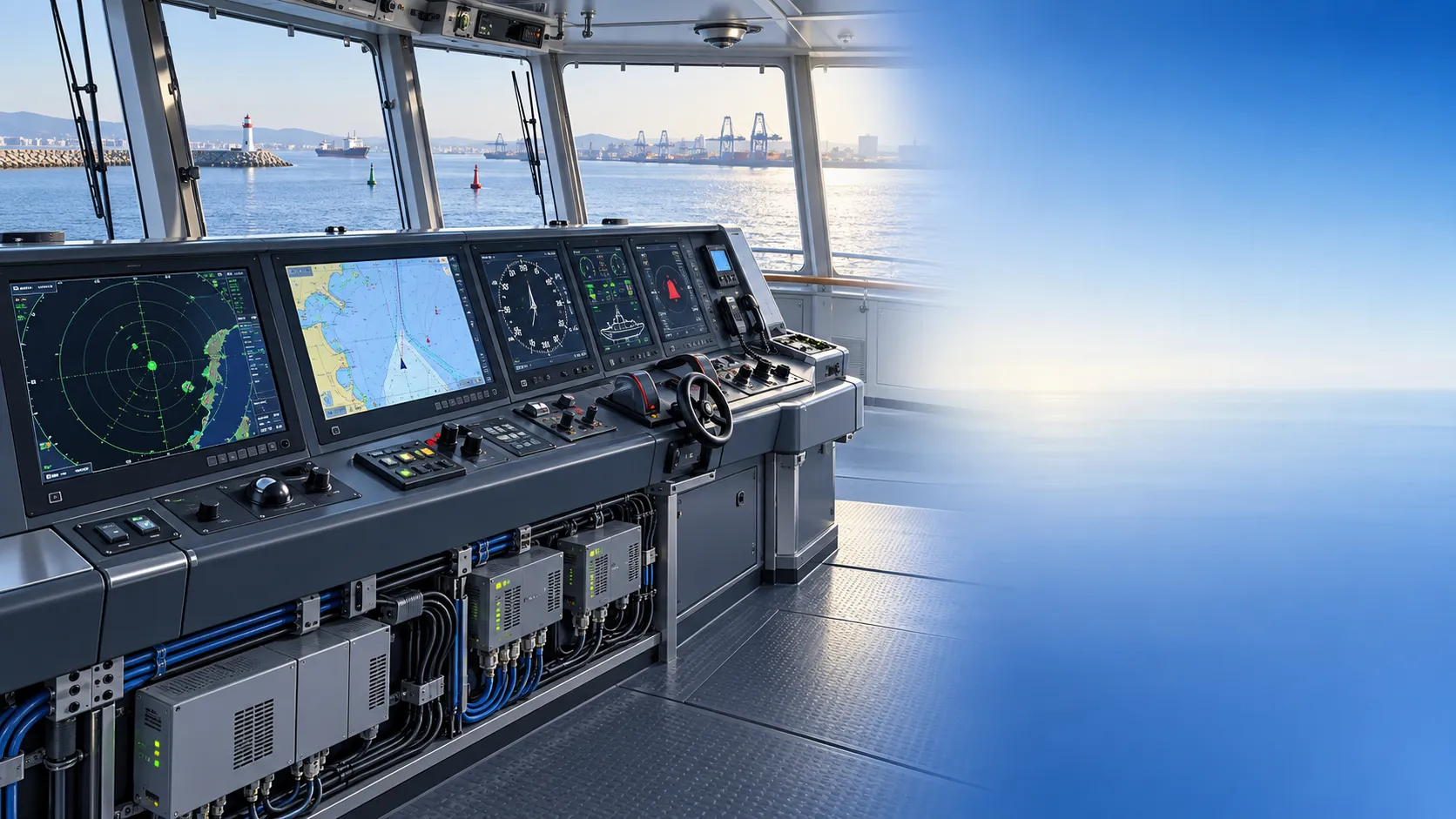
How to Specify Integrated Marine Electronics for Reliable Bridge Operations
Integrated marine electronics: learn how to specify reliable bridge systems with clear data flows, redundancy, alarm control, lifecycle interfaces, and operational testing.
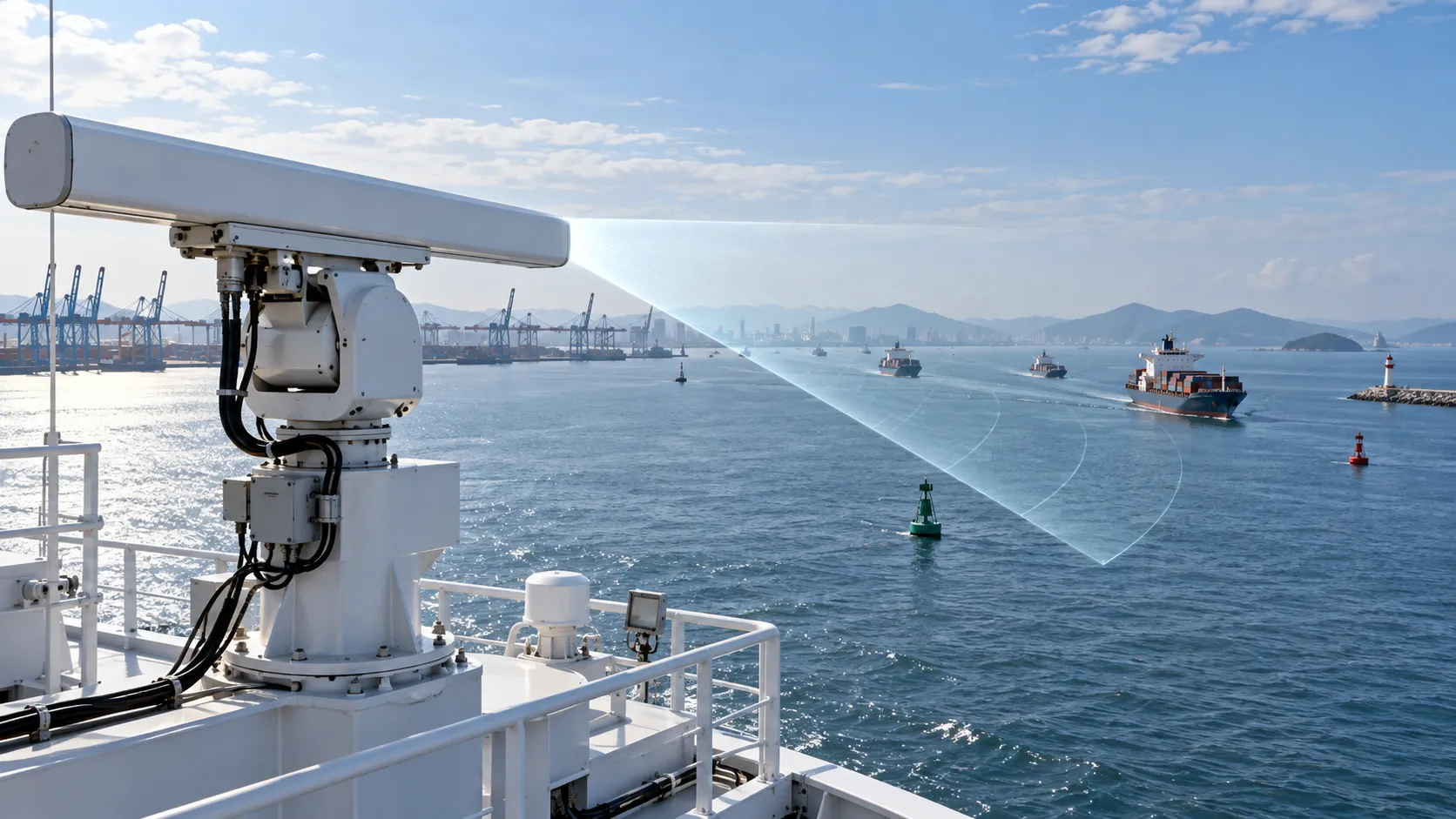
How to Evaluate Navigation Radar Manufacturers for Commercial Vessel Projects
Navigation radar manufacturers: learn how to compare performance, compliance, integration, support, and lifecycle cost for commercial vessel projects.

How Adjustable Cabin Ergonomics Reduce Operator Fatigue in Long-Shift Vehicles
Adjustable cabin ergonomics reduces operator fatigue through better seating, reach, visibility, vibration control, and climate comfort for safer long-shift vehicles.

How Rear-Impact Safety Components Work Together to Protect Vehicle Occupants
Explore how automotive safety components for rear impact work together—from crash structures and seats to head restraints and belts—to enhance occupant protection.
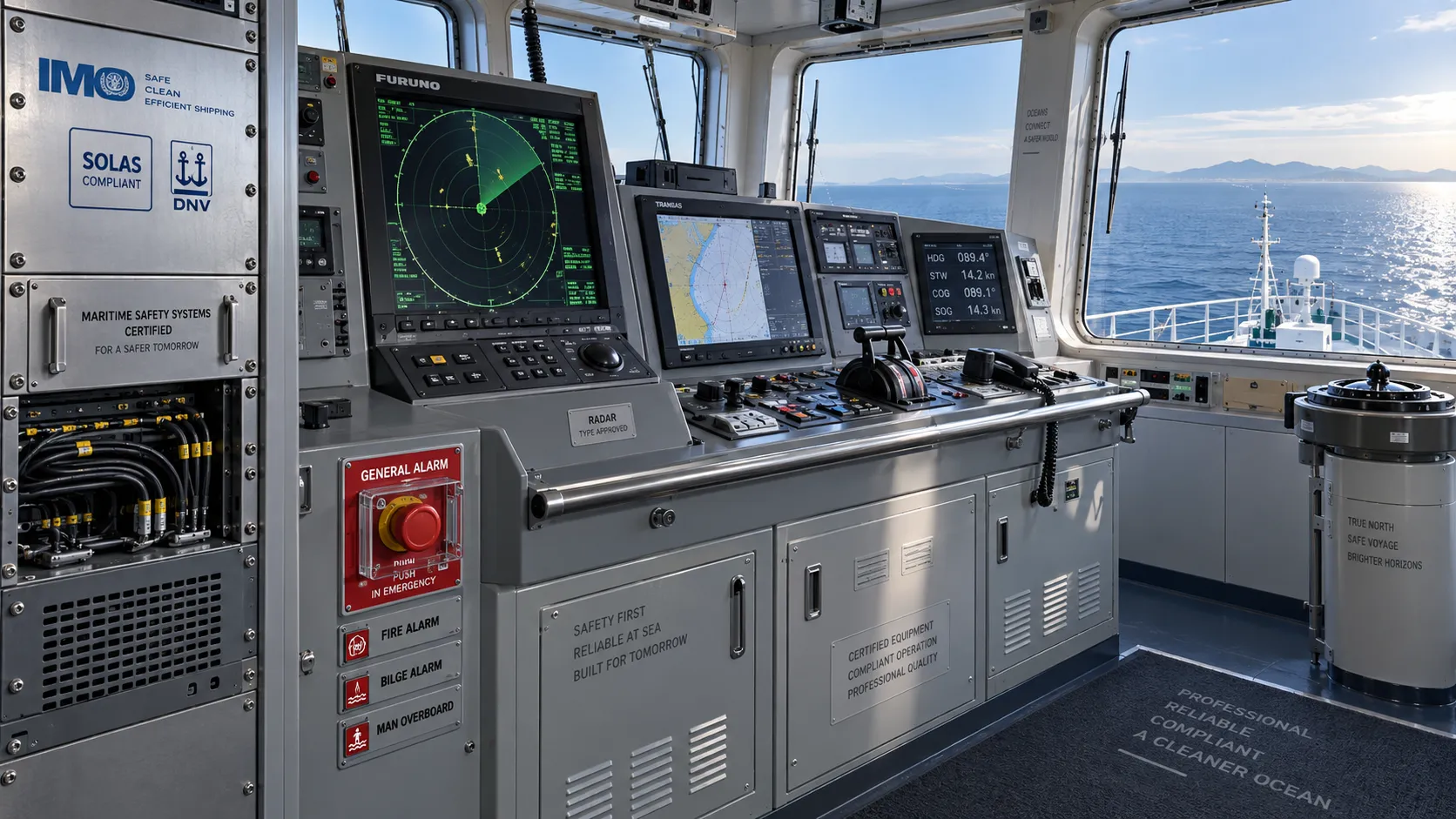
How to Evaluate a Marine Safety Systems Manufacturer for Vessel Compliance and Reliability
Marine safety systems manufacturer evaluation guide: verify compliance, engineering quality, lifecycle costs, and global service support for safer, reliable vessel operations.
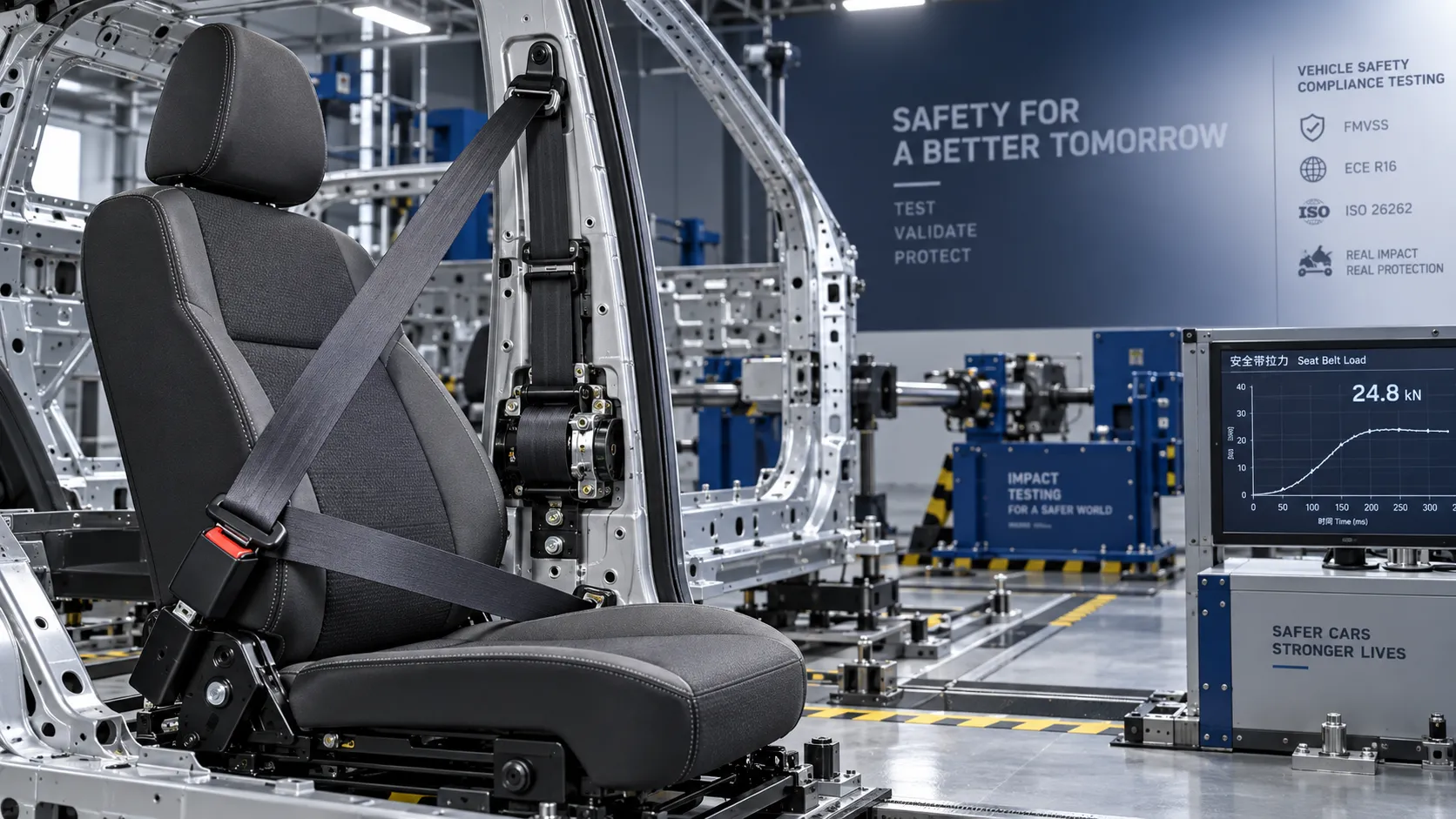
Crash Test Regulations for Seatbelts: Key Compliance Requirements Explained
Crash test regulations seatbelts explained: explore FMVSS, UN rules, anchorage strength, and dynamic restraint testing for safer, compliant vehicle systems.

How to Calculate the Total Cost of Automotive Lightweighting for a Vehicle Program
Automotive lightweight solutions cost: learn how to calculate program-level costs, including materials, tooling, joining, validation, risk, and vehicle-level value.

How Automotive Seat Occupancy Sensing Improves Airbag Deployment Decisions
Automotive seat occupancy sensing helps optimize airbag deployment decisions, improving passenger classification, safety diagnostics, and compliance across real-world conditions.

What Drives Lightweight Body Component Costs in High-Volume Vehicle Programs?
Lightweight body components cost depends on material yield, forming, joining, tooling, validation, and logistics. Explore proven ways to optimize total vehicle program cost.
Related News
- 00
0000-00
How to Evaluate Navigation Radar Manufacturers for Commercial Vessel Projects - 00
0000-00
How to Evaluate Cargo Marine Sonar Systems for Detection Range and Vessel Fit - 00
0000-00
How to Evaluate Marine Signal Processing Software for Radar and Sonar Integration - 00
0000-00
How Do Automatic Identification Systems Improve Vessel Tracking and Collision Avoidance? - 00
0000-00
How to Choose Marine Navigation Systems for Patrol Boats in Coastal and Offshore Missions
Weekly Insights
Stay ahead with our curated technology reports delivered every Monday.