What buyers often miss when comparing sonar technology
When comparing sonar technology, many evaluations stop at range, frequency, and price. That approach misses the hidden variables that shape safety, detection quality, and long-term operating cost.
In marine navigation, sonar technology is not a standalone sensor. It is part of a wider perception chain that includes positioning, charting, alarms, display logic, and vessel decision support.
For intelligence platforms such as GNCS, the real question is not which system looks strongest on paper. It is which sonar technology performs reliably in changing water, workload, and compliance conditions.
This article explains the core evaluation path, current industry concerns, practical value, common application scenarios, and the checks that should happen before selection.
Basic understanding of sonar technology
Sonar technology uses sound propagation in water to detect depth, objects, terrain, and movement. It converts acoustic reflections into usable information for navigation, survey, avoidance, or tracking tasks.
The basic principle sounds simple, but real-world performance depends on signal transmission, echo return strength, noise filtering, beam control, and software interpretation.
Buyers often compare active and passive systems only at a high level. In practice, the choice depends on vessel type, operating depth, speed, traffic density, and mission profile.
Common sonar technology categories include:
- Single-beam sonar for basic depth sounding
- Multibeam sonar for wide-area seabed mapping
- Side-scan sonar for object and bottom imaging
- Forward-looking sonar for obstacle awareness
- Towed sonar systems for specialized search operations
A headline frequency rating does not reveal target separation quality. It also does not show how stable the system remains in turbulence, salinity variation, or shallow-water clutter.
Current industry focus when assessing sonar technology
The marine sector now expects sonar technology to support connected, data-rich operations. Accuracy still matters, but integration, uptime, and evidence-based compliance have become equally important.
These focus areas align with broader trends in precision spatial perception. Decision quality increasingly depends on how raw acoustic data is cleaned, fused, displayed, archived, and maintained.
That is why modern sonar technology evaluation should include software behavior, interface logic, and service documentation, not only transducer specifications.
Why brochure comparisons can be misleading
Many product sheets present maximum detection range under ideal conditions. Marine operations rarely happen in ideal conditions, especially near ports, rivers, offshore structures, or busy shipping lanes.
A stronger buying method compares performance under realistic noise floors, vessel speeds, mounting constraints, and operator workloads. That reveals the true value of sonar technology.
What buyers often miss in sonar technology comparisons
Several overlooked factors can separate a dependable marine solution from a costly underperformer. These points usually appear after installation, when correction becomes expensive.
1. Signal processing quality
Raw acoustic power is not enough. The quality of filtering, target classification, bottom tracking, and clutter suppression often defines whether sonar technology provides usable insight.
Ask how the system handles aeration, multipath reflections, sediment disturbance, and wake noise. These conditions commonly degrade apparent performance.
2. Integration with the bridge ecosystem
Sonar technology creates more value when it connects smoothly with ECDIS, GNSS, autopilot, radar, voyage data systems, and alarm management tools.
Poor integration can force duplicate displays, fragmented alerts, and manual interpretation. That increases cognitive load and can weaken response speed during critical moments.
3. Installation and mounting sensitivity
The same sonar technology can perform very differently depending on hull shape, transducer location, cable routing, and vibration exposure.
Buyers should request installation envelopes, not just equipment dimensions. A compact unit may still require complex placement to avoid turbulence and acoustic interference.
4. Lifecycle reliability
Initial performance matters less if reliability drops after one season. Evaluate seal durability, corrosion resistance, spare parts support, calibration intervals, and software maintenance commitments.
High-quality sonar technology should come with clear service history data, fault logging capability, and practical update procedures for vessels operating across regions.
5. Compliance and documentation
Certification is often reviewed late, yet it can delay deployment or create insurance and inspection issues. Documentation quality is part of product quality.
Check relevant marine standards, electromagnetic compatibility records, environmental testing, interface protocols, and update traceability before commitment.
Business value of choosing the right sonar technology
Well-matched sonar technology improves more than underwater awareness. It supports safer navigation, better route confidence, lower disruption risk, and stronger data continuity.
This matters across the broader mobility equipment landscape, where precise sensing and dependable protection are linked by one principle: decision quality depends on trustworthy inputs.
- Fewer false alerts and fewer missed hazards
- Better confidence in shallow or congested waters
- Lower rework after installation
- Improved maintenance planning and parts forecasting
- Stronger readiness for audits and international operations
The long-term return often comes from avoided failure, not only from better nominal performance. That is a key distinction in sonar technology selection.
Typical sonar technology scenarios and selection paths
Different tasks require different evaluation priorities. A useful comparison framework starts with operational context rather than product category alone.
This scenario-based view helps avoid overbuying or underbuying. Not every vessel needs the most complex sonar technology, but every vessel needs the right fit.
Practical recommendations before final selection
A disciplined review process can reduce technical surprises and support stronger lifecycle outcomes. The following checks are especially useful.
- Define the exact operating profile, including depth range, speed, water conditions, and duty cycle.
- Request performance evidence from comparable installations, not only laboratory or ideal-condition results.
- Verify interface compatibility with navigation, alarm, and recording systems already in use.
- Review maintenance schedules, spare parts access, software update procedures, and expected support response times.
- Confirm certification documents, test records, and environmental durability data before approval.
- Assess installation risk, including hull modifications, power requirements, and acoustic placement limitations.
A structured scorecard can be helpful. Weight signal integrity, integration, reliability, compliance, and service support alongside acquisition cost.
Next-step evaluation framework
The best next step is to convert broad interest in sonar technology into a documented comparison model. That model should reflect operational risk, technical fit, and lifecycle evidence.
For organizations tracking precision perception systems, GNCS-style intelligence review adds value by linking component performance with compliance trends, integration realities, and field reliability signals.
Before making a final decision, compare shortlisted sonar technology options against real deployment conditions, integration readiness, and support depth. That is where durable value usually becomes visible.
A careful selection process will not only improve underwater sensing. It will also strengthen navigational confidence, reduce preventable risk, and support more resilient marine operations.
Related News
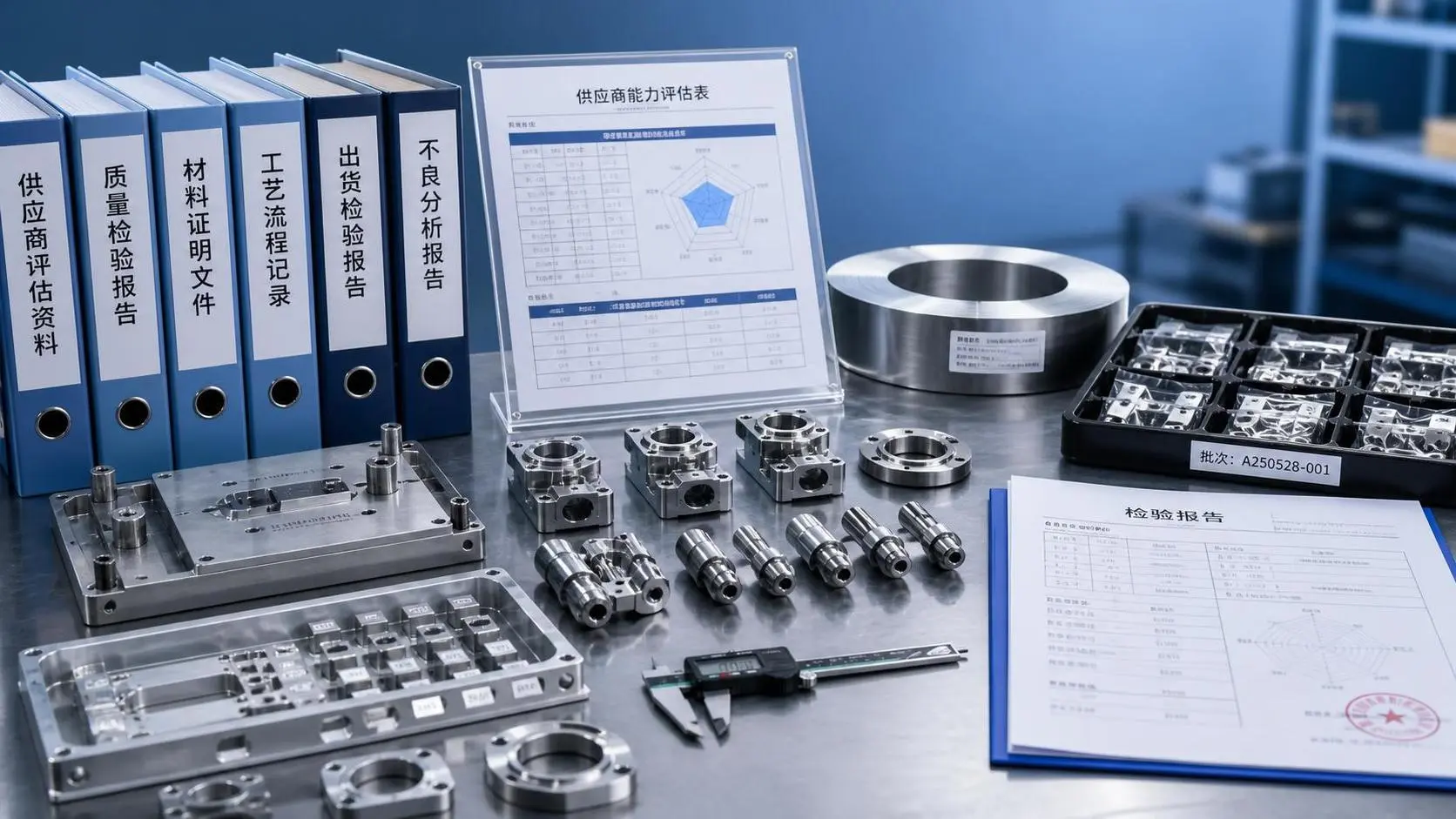
Supplier Capability Evaluation Process: Key Criteria for B2B Sourcing Decisions
Supplier capability evaluation process explained: learn the key criteria for B2B sourcing decisions, reduce supplier risk, and choose partners with confidence.
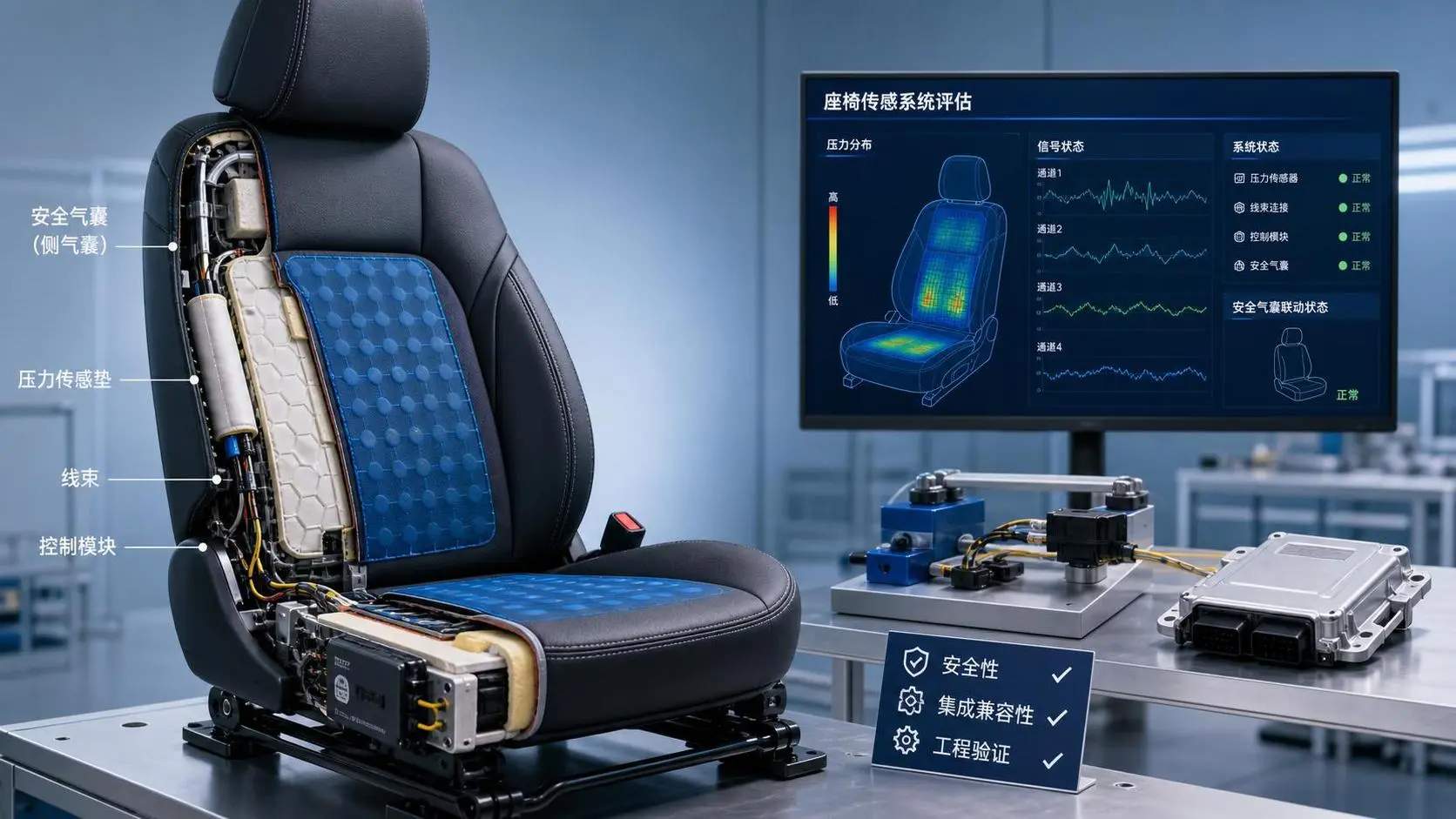
How to Evaluate a Seat Sensing Technology Supplier for Safety and Integration?
Seat sensing technology supplier evaluation guide: compare safety maturity, integration fit, algorithm reliability, and validation support to choose a partner that reduces risk.
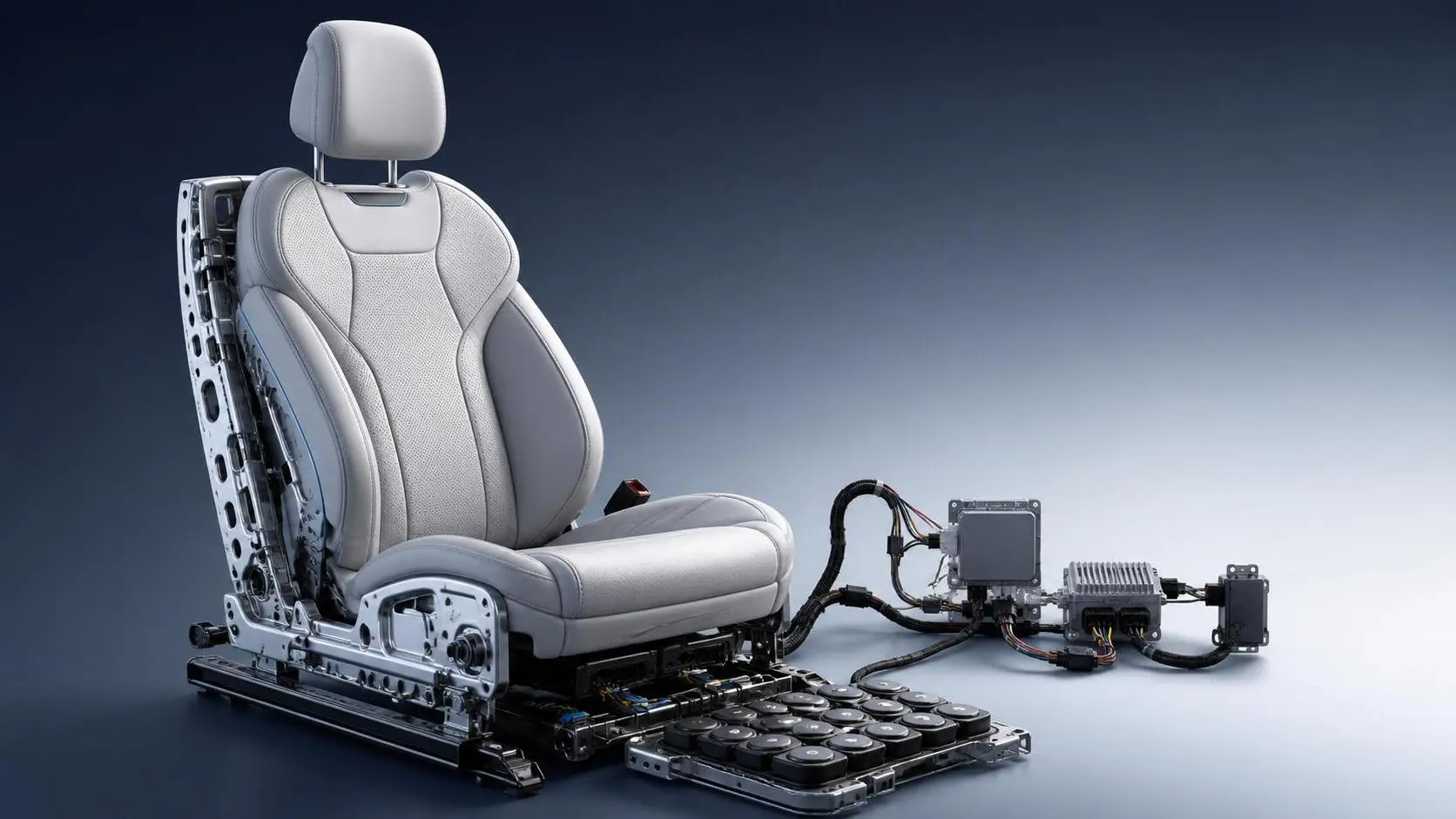
How to Evaluate Custom Smart Automotive Seating for Premium Vehicle Programs?
Custom smart automotive seating evaluation starts with safety, comfort, integration, and production readiness. Discover how premium vehicle teams choose smarter, lower-risk seat solutions.
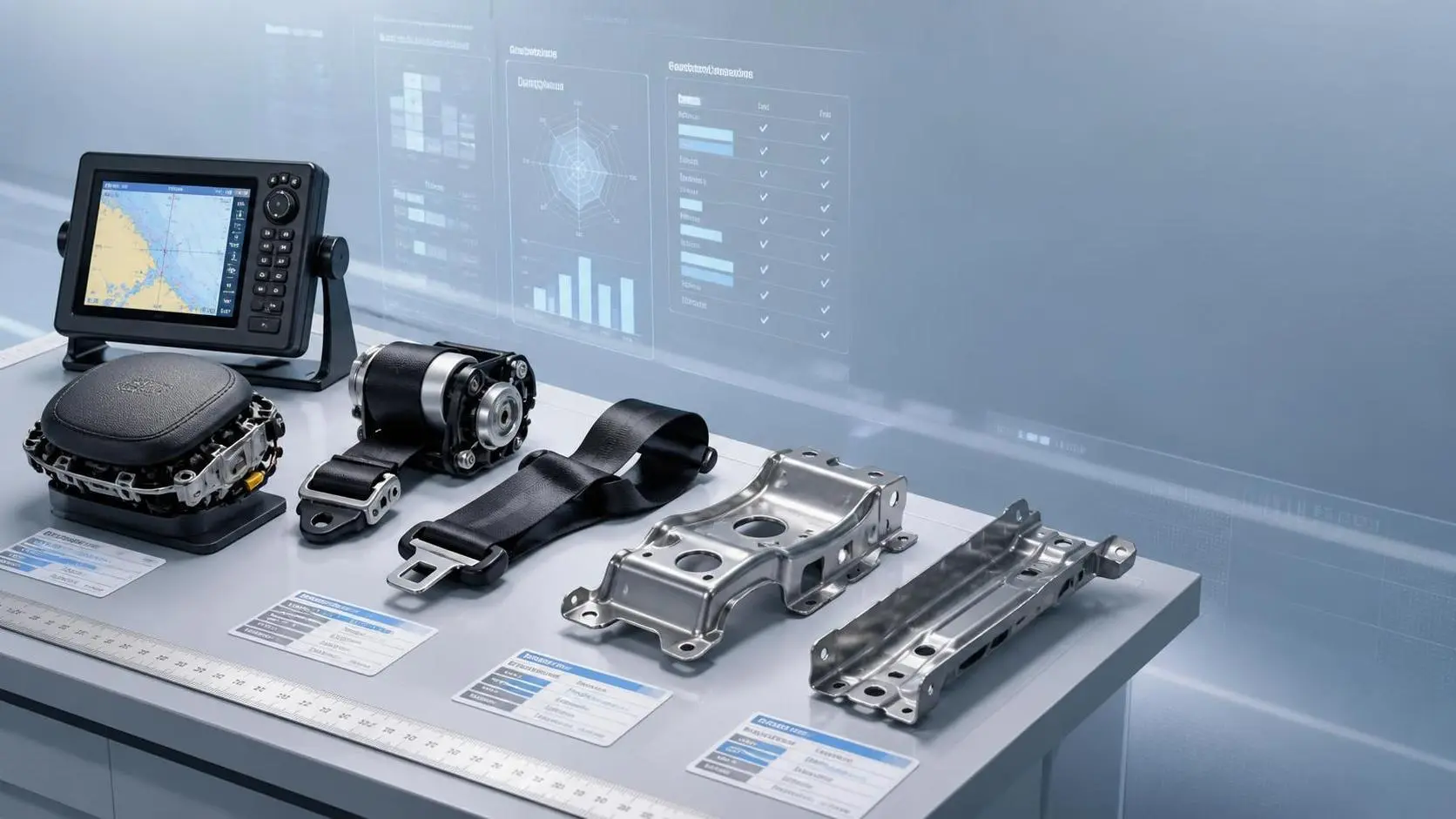
B2B Product Intelligence Platforms: How to Compare Features, Data Coverage, and ROI
B2B product intelligence platform comparison: learn how to evaluate data coverage, feature depth, compliance visibility, and ROI to choose a sourcing tool that reduces risk and speeds decisions.
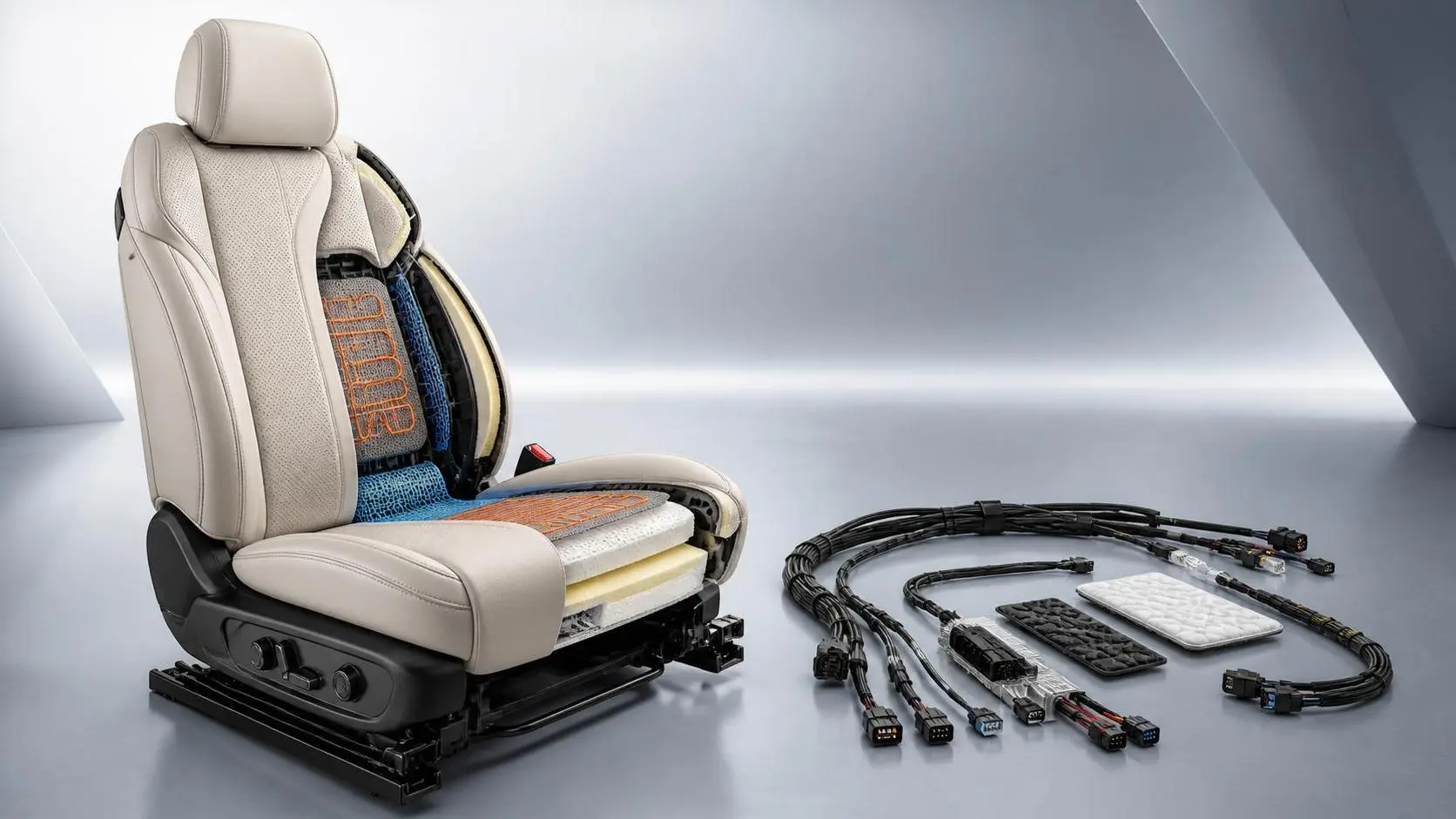
Climate Control Seats Cost: What Drives Price and Long-Term Ownership Value?
Climate control seats cost depends on materials, thermal tech, and integration. Learn what drives price and how to judge long-term value before you buy.
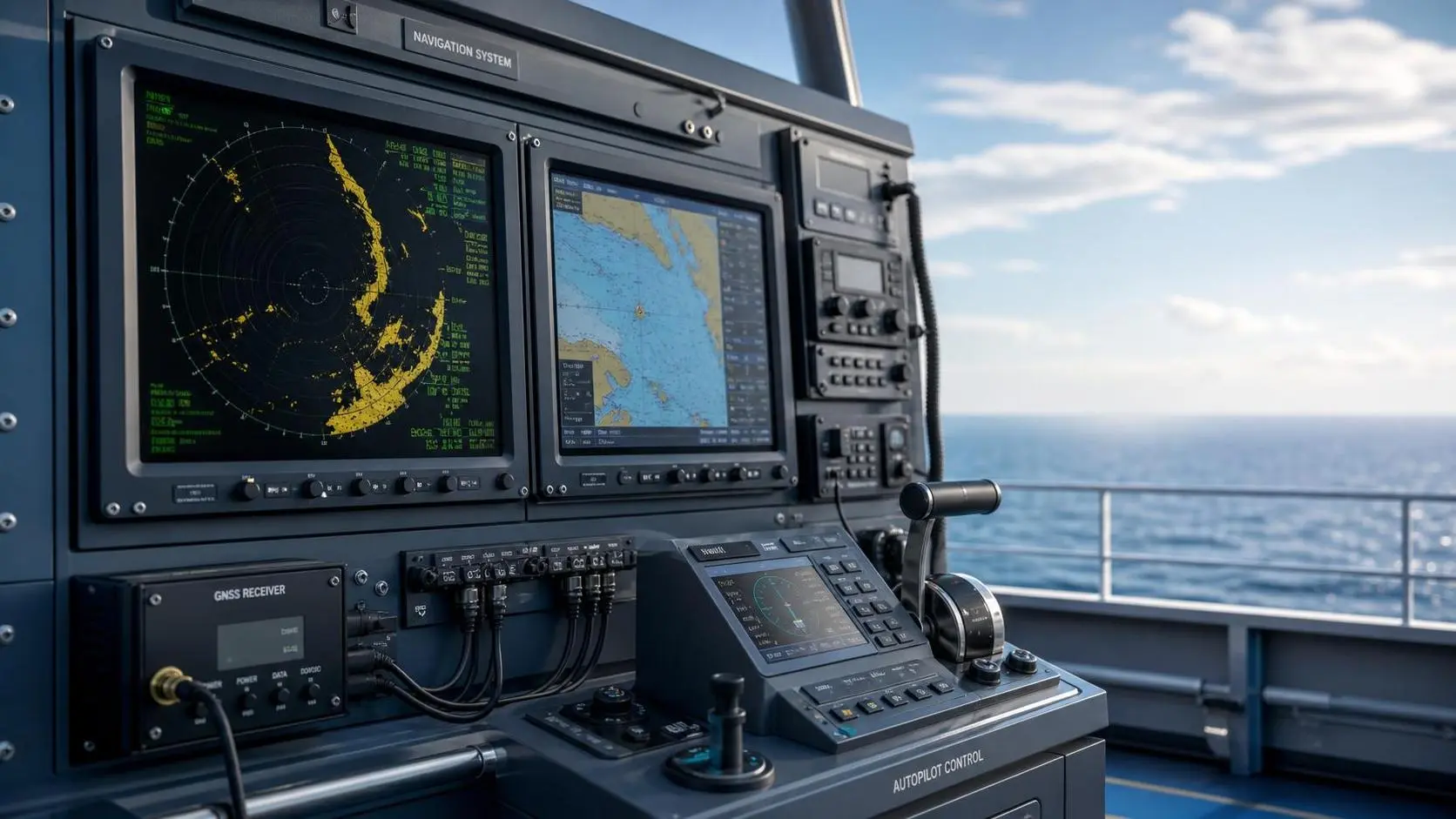
What Factors Drive Marine Navigation Components Cost in Commercial Vessel Projects?
Marine navigation components cost is shaped by integration, compliance, installation, and lifecycle support. Discover what drives pricing and how buyers can reduce risk while improving value.
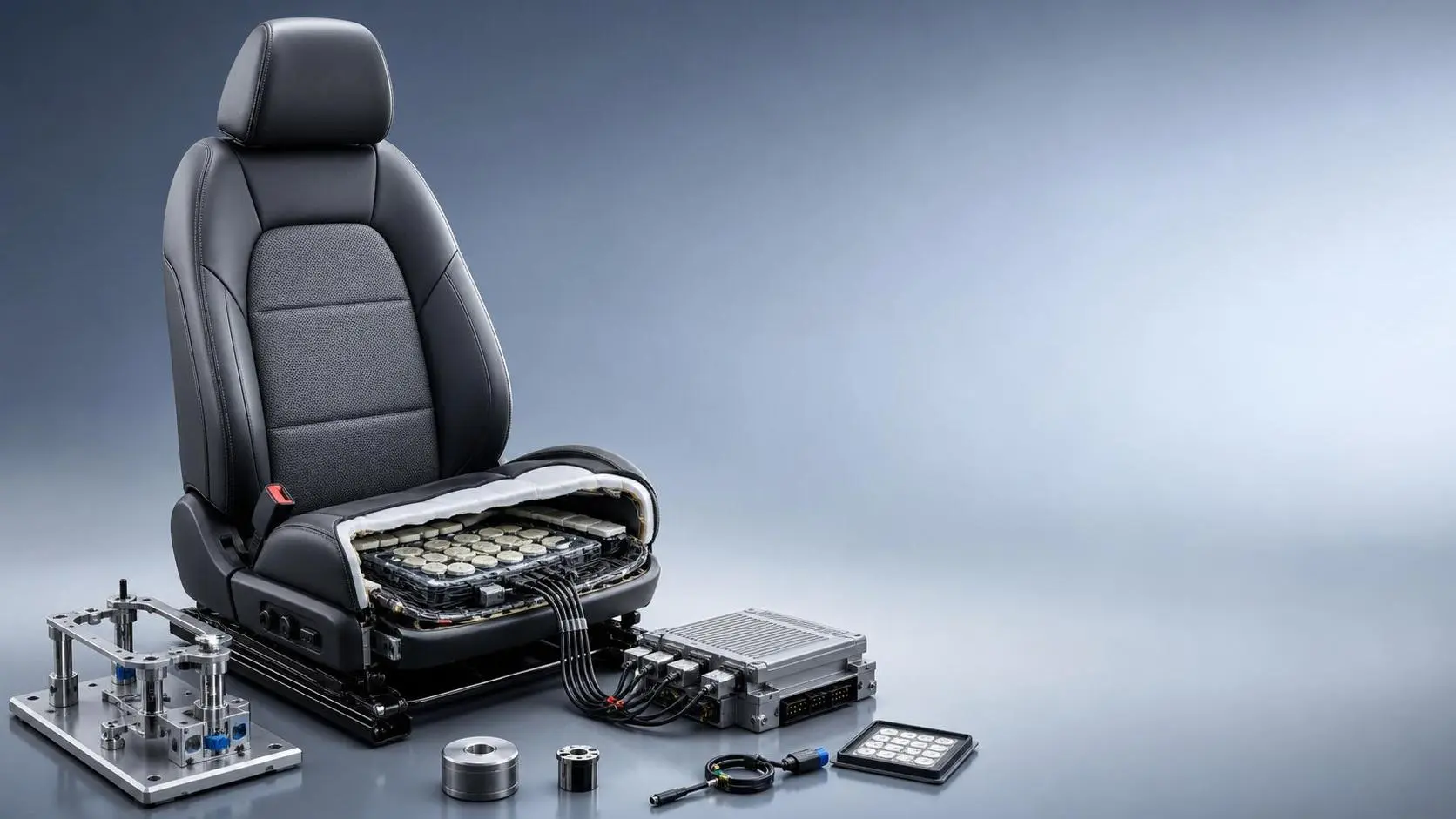
How Much Does Seat Occupancy Sensing Cost? Key Pricing Factors for Buyers
Seat occupancy sensing price varies widely by technology, integration, and compliance needs. Learn the key cost drivers, avoid hidden fees, and make smarter buying decisions.
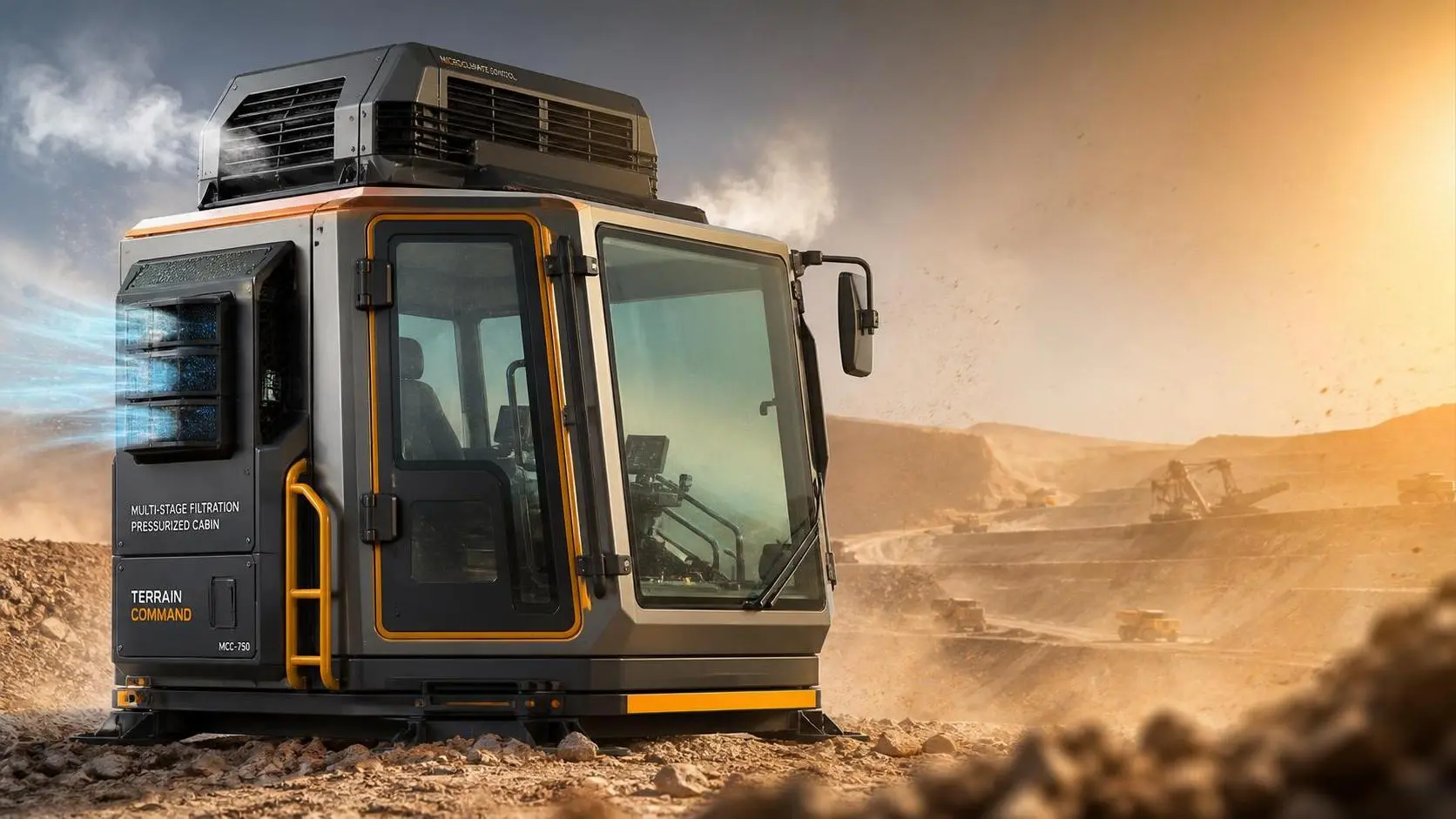
How to Specify Micro-Climate Control Cabins for Harsh Outdoor Worksites?
Micro-climate control cabins for harsh outdoor worksites: learn how to specify thermal control, filtration, pressurization, and durability for safer uptime and smarter buying.
How to Evaluate a B2B Product Knowledge Platform for Faster Procurement Decisions
B2B product knowledge platform procurement starts with reducing decision risk. Learn how to compare specs, compliance, and supplier data to speed sourcing with confidence.
Related News
- 00
0000-00
How to Evaluate Cargo Marine Sonar Systems for Detection Range and Vessel Fit - 00
0000-00
How to Evaluate Marine Signal Processing Software for Radar and Sonar Integration - 00
0000-00
How Do Automatic Identification Systems Improve Vessel Tracking and Collision Avoidance? - 00
0000-00
How to Choose Marine Navigation Systems for Patrol Boats in Coastal and Offshore Missions - 00
0000-00
Marine Electronics Systems Distributor Selection: 7 Checks Before You Compare Quotes
Weekly Insights
Stay ahead with our curated technology reports delivered every Monday.