Marine Positioning Technology for Offshore Operations: GNSS, RTK, and INS Compared
Marine positioning technology sits at the center of offshore decision-making because location data is tied to safety, timing, fuel use, and equipment protection. In open water, that task is rarely simple. Vessel motion, signal obstruction, multipath reflection, weather exposure, and demanding work windows all place pressure on positioning performance. That is why GNSS, RTK, and INS are often compared together rather than treated as isolated tools.
For offshore operators, the real question is not which system sounds most advanced. It is which positioning architecture can stay reliable when sea states change, signals degrade, or precision tolerance becomes tighter. From the perspective of GNCS, where precision spatial perception is closely linked to wider safety and compliance thinking, marine positioning technology matters because it supports operational continuity in much the same way that passive safety systems protect mobility on land.
Why marine positioning technology draws more attention offshore
Offshore operations have become more data-driven and less tolerant of positioning error. A few meters may be acceptable during transit, yet unacceptable during cable laying, subsea inspection, dredging, survey work, or close-proximity support near high-value assets.
The market also expects stronger uptime discipline. Charter costs, tighter project schedules, environmental controls, and insurance scrutiny all raise the value of dependable navigation data. In practice, marine positioning technology now supports not only navigation, but also documentation, incident prevention, and contract performance.
Another reason is integration. Position feeds are no longer consumed by a single display. They are shared across dynamic positioning systems, ECDIS, sonar workflows, AIS, machine control, remote monitoring, and digital reporting platforms. When one source weakens, the impact can spread across the whole operating chain.
GNSS, RTK, and INS in practical terms
GNSS is the broad foundation of modern marine positioning technology. It uses satellite constellations such as GPS, Galileo, GLONASS, and BeiDou to calculate position, speed, and time. For many offshore tasks, GNSS provides essential baseline coverage and global reach.
RTK, or Real-Time Kinematic positioning, builds on GNSS. It adds correction data from a base station or network, allowing centimeter-level accuracy under suitable conditions. RTK is valuable where alignment, repeatability, and precise relative position matter more than simple route awareness.
INS, or Inertial Navigation System, works differently. It relies on accelerometers and gyroscopes to estimate motion, heading, and position changes. INS does not depend on satellites in the same way, which makes it useful during signal interruptions, rapid maneuvers, and high-motion marine environments.
Simple comparisons can be misleading, though. GNSS offers broad accessibility, RTK improves precision, and INS improves continuity. In many offshore settings, the strongest marine positioning technology strategy combines all three rather than selecting only one.
A quick comparison
Where each technology performs well
GNSS remains the default layer for offshore navigation because it is scalable and widely supported. It works well for ocean transit, route monitoring, timestamp synchronization, and broad situational awareness. It is often the first reference point in marine positioning technology stacks.
RTK becomes more attractive when work tolerances narrow. Hydrographic surveying, offshore wind installation, dredging support, and marine construction all benefit from higher absolute accuracy. When a vessel must repeatedly return to a defined line or coordinate, RTK earns its place.
INS shows its value when movement is aggressive or external signals cannot be trusted continuously. This includes operations near structures, under cranes, around port infrastructure, or in harsh sea states. INS helps preserve a stable navigation picture while external corrections fluctuate.
That is also why integrated marine positioning technology is increasingly preferred in offshore workboats, survey vessels, autonomous platforms, and specialized support fleets. The operating model has shifted from single-sensor dependence to resilient sensor fusion.
The main risks behind positioning errors
Positioning error is not just a technical inconvenience. Offshore, it can affect seabed asset clearance, survey quality, fuel burn, crew workload, and near-miss exposure. A weak position feed may also distort the quality of downstream data logs and post-mission analysis.
Several causes appear repeatedly in marine positioning technology assessments:
- Satellite signal blockage from structures, cranes, masts, or nearby installations.
- Multipath reflection from water surfaces and metallic vessel geometry.
- Correction-link instability in RTK workflows.
- Sensor drift in INS when aiding data is unavailable for too long.
- Poor calibration, antenna placement, or weak integration between software and hardware.
In other words, selecting marine positioning technology is only part of the answer. Installation discipline, validation procedures, and operational awareness are just as important as the headline specification sheet.
How offshore teams usually judge the right architecture
A useful evaluation starts with the work task, not the technology label. If a vessel needs route-level awareness, standard multi-constellation GNSS may be enough. If the task involves tight spatial control, RTK or a GNSS-INS fusion setup becomes more relevant.
Decision quality improves when the following questions are answered early:
- What positioning tolerance does the operation actually require?
- How long can the workflow tolerate signal degradation or correction loss?
- Will the vessel operate near structures, under motion stress, or in congested waters?
- Which systems consume the position feed, and how sensitive are they to latency?
- What compliance, audit, or traceability demands apply to recorded position data?
From an intelligence perspective, this is where GNCS adds context. High-precision navigation is rarely a standalone procurement decision. It intersects with reliability engineering, safety governance, digital integration, and the broader compliance expectations shaping global mobility equipment.
A task-based view
What matters more than headline accuracy
Published accuracy figures often describe ideal conditions. Offshore work is less forgiving. Latency, update rate, heading stability, failover behavior, and system integrity can be more important than the best-case number in a brochure.
Marine positioning technology should therefore be judged on operational behavior. A system that degrades predictably may be more valuable than one that performs brilliantly but inconsistently. Repeatability and trust are especially important when marine data feeds support automated or semi-automated control.
It is also worth watching the software layer. Correction services, cloud-linked updates, ECDIS compatibility, cybersecurity discipline, and data logging practices increasingly shape system usefulness. In that sense, the future of marine positioning technology is as much about intelligent integration as it is about sensors.
A practical next step for evaluation
A clear review starts by mapping offshore tasks against accuracy needs, outage tolerance, motion conditions, and data consumers. That process usually reveals whether standalone GNSS is sufficient, whether RTK is justified, or whether INS bridging is necessary.
From there, compare marine positioning technology options through real operating scenarios rather than generic specifications. Look at correction availability, installation constraints, integration demands, and lifecycle support. For information research, the strongest signal is not a single feature. It is how well the full positioning chain holds together when the environment stops being ideal.
That is the most useful way to approach offshore positioning today: define the mission, test the assumptions, and build a navigation architecture that remains dependable when precision is no longer optional.
Related News
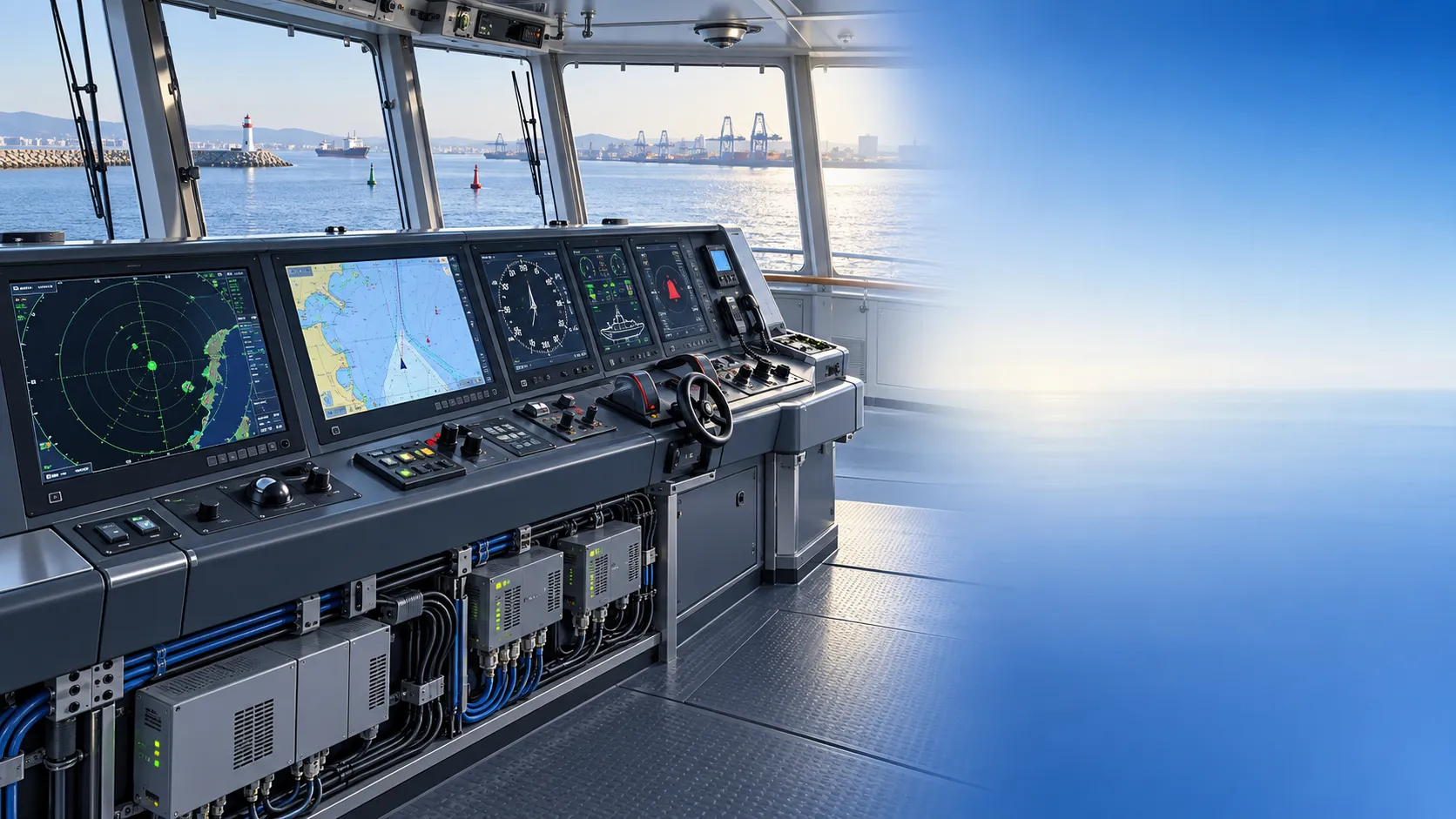
How to Specify Integrated Marine Electronics for Reliable Bridge Operations
Integrated marine electronics: learn how to specify reliable bridge systems with clear data flows, redundancy, alarm control, lifecycle interfaces, and operational testing.
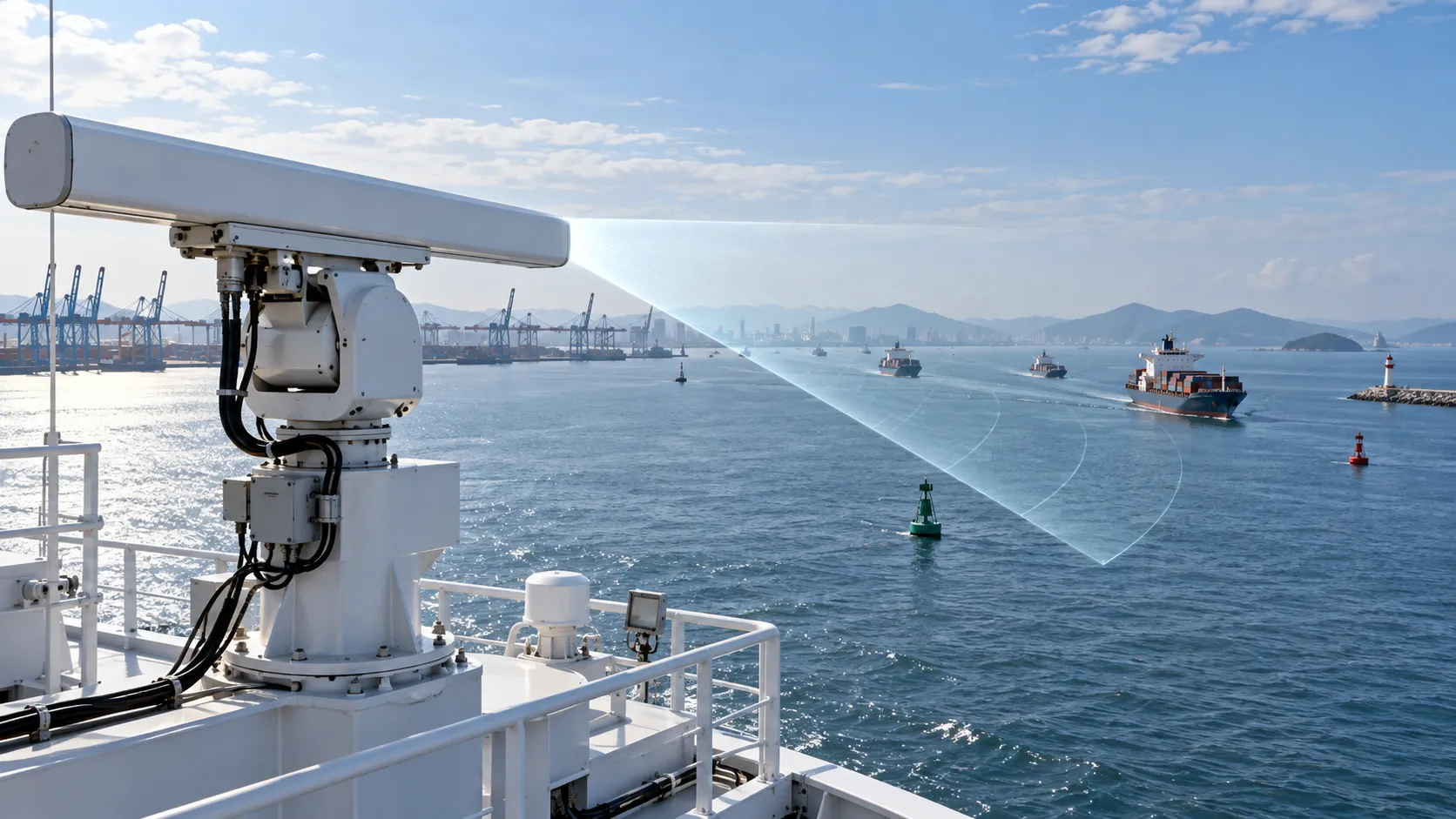
How to Evaluate Navigation Radar Manufacturers for Commercial Vessel Projects
Navigation radar manufacturers: learn how to compare performance, compliance, integration, support, and lifecycle cost for commercial vessel projects.

How Adjustable Cabin Ergonomics Reduce Operator Fatigue in Long-Shift Vehicles
Adjustable cabin ergonomics reduces operator fatigue through better seating, reach, visibility, vibration control, and climate comfort for safer long-shift vehicles.

How Rear-Impact Safety Components Work Together to Protect Vehicle Occupants
Explore how automotive safety components for rear impact work together—from crash structures and seats to head restraints and belts—to enhance occupant protection.
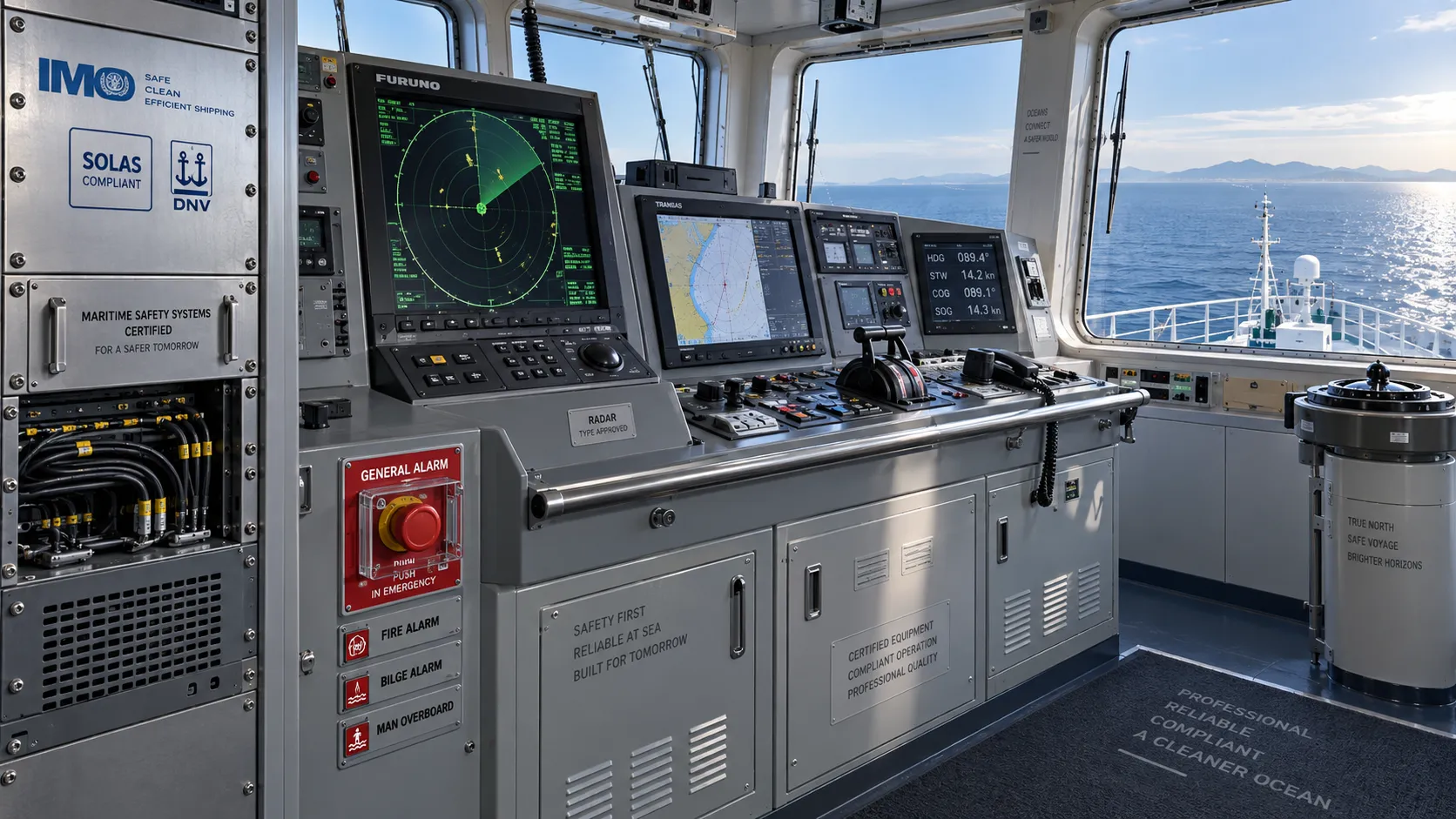
How to Evaluate a Marine Safety Systems Manufacturer for Vessel Compliance and Reliability
Marine safety systems manufacturer evaluation guide: verify compliance, engineering quality, lifecycle costs, and global service support for safer, reliable vessel operations.
Crash Test Regulations for Seatbelts: Key Compliance Requirements Explained
Crash test regulations seatbelts explained: explore FMVSS, UN rules, anchorage strength, and dynamic restraint testing for safer, compliant vehicle systems.

How to Calculate the Total Cost of Automotive Lightweighting for a Vehicle Program
Automotive lightweight solutions cost: learn how to calculate program-level costs, including materials, tooling, joining, validation, risk, and vehicle-level value.

How Automotive Seat Occupancy Sensing Improves Airbag Deployment Decisions
Automotive seat occupancy sensing helps optimize airbag deployment decisions, improving passenger classification, safety diagnostics, and compliance across real-world conditions.

What Drives Lightweight Body Component Costs in High-Volume Vehicle Programs?
Lightweight body components cost depends on material yield, forming, joining, tooling, validation, and logistics. Explore proven ways to optimize total vehicle program cost.
Related News
- 00
0000-00
How to Evaluate Navigation Radar Manufacturers for Commercial Vessel Projects - 00
0000-00
How to Evaluate Cargo Marine Sonar Systems for Detection Range and Vessel Fit - 00
0000-00
How to Evaluate Marine Signal Processing Software for Radar and Sonar Integration - 00
0000-00
How Do Automatic Identification Systems Improve Vessel Tracking and Collision Avoidance? - 00
0000-00
How to Choose Marine Navigation Systems for Patrol Boats in Coastal and Offshore Missions
Weekly Insights
Stay ahead with our curated technology reports delivered every Monday.