Sonar Technology Buying Guide: Comparing Frequencies, Range, and Total Cost
Sonar Technology Buying Guide: Comparing Frequencies, Range, and Total Cost
Choosing sonar technology is not just about detecting targets. It is about aligning frequency, range, installation limits, and lifetime cost with real operating conditions.
A smart buying decision improves detection accuracy, reduces service interruptions, and keeps budgets predictable across the full equipment lifecycle.
For teams tracking marine safety, navigation performance, and long-term asset value, sonar technology should be reviewed as both a technical system and a cost structure.
This guide explains how to compare sonar technology by frequency, range, integration demands, maintenance burden, and total cost of ownership.
Why Sonar Technology Selection Often Gets Expensive Later
On paper, two sonar technology options can look similar. In practice, they may behave very differently once installed on a working vessel or platform.
The first issue is performance mismatch. A system optimized for shallow, detailed imaging may fail to deliver useful data in deeper or noisier water.
The second issue is hidden cost. Cabling, transducer placement, signal processing modules, software licenses, and dry-docking time can change the economics fast.
That is why sonar technology procurement should not start with price alone. It should start with mission profile, environment, and expected service life.
Frequency Comparison: What Buyers Need to Know
Frequency is one of the most important variables in sonar technology. It directly affects resolution, penetration, target detail, and practical operating range.
Low Frequency Sonar Technology
Low frequency systems usually support longer detection distances. They perform better when deeper water or wide-area coverage matters more than fine image detail.
This makes low frequency sonar technology relevant for broad navigation support, long-range target detection, and offshore operating environments.
The trade-off is lower image resolution. Small objects, seabed texture, or close-proximity features may appear less distinct.
High Frequency Sonar Technology
High frequency sonar technology provides sharper detail. It is often preferred for short-range inspection, obstacle identification, docking support, and seabed imaging.
In clearer, shallower waters, high frequency systems can deliver highly actionable returns. This is especially useful when operators need precise interpretation.
The compromise is range. Signal attenuation increases faster, so long-distance detection becomes less reliable.
Dual-Frequency and Multi-Frequency Options
Many buyers now consider dual-frequency or multi-frequency sonar technology. These systems offer more flexibility across varying water depths and task types.
They can reduce the need for multiple dedicated units. However, they may increase upfront cost, integration complexity, and calibration requirements.
- Choose low frequency for longer range and broader coverage.
- Choose high frequency for detail, imaging, and short-range precision.
- Choose multi-frequency sonar technology when operating conditions shift often.
Range: The Real Question Is Effective Range
Range figures in brochures can be misleading if reviewed without context. Effective range depends on water salinity, temperature layers, bottom composition, turbulence, and vessel noise.
A sonar technology platform rated for long detection distance in controlled testing may deliver much less in a crowded port or rough coastal zone.
This also means procurement reviews should ask vendors for performance data by use case, not just headline numbers.
Questions That Clarify Range Claims
- What was the water depth during testing?
- Was the target stationary or moving?
- What noise conditions were present?
- How does detection change at vessel operating speed?
- What confidence threshold defines successful detection?
When buyers compare sonar technology this way, unrealistic range assumptions are easier to catch before contract signing.
Installation and Integration Costs Are Part of the Decision
In actual projects, installation can be as important as sensor performance. A technically strong sonar technology package may still be a poor fit if retrofitting is difficult.
Hull material, mounting location, fairing design, power supply stability, and bridge system compatibility all affect deployment cost.
For marine operators, integration with navigation displays, positioning systems, autopilot frameworks, and alarm logic can add both value and complexity.
This is where a portal like GNCS becomes useful. Cross-domain intelligence helps connect sensor choice with compliance, vessel architecture, and system-level safety decisions.
- Check transducer mounting requirements early.
- Confirm software compatibility with existing bridge electronics.
- Estimate dry-dock hours before final vendor selection.
- Review certification and regional compliance impacts.
Total Cost of Ownership: Where Sonar Technology Really Gets Judged
A low purchase price does not always mean a low total cost. Sonar technology should be evaluated over its full operating life, not only at the procurement stage.
Key Cost Elements
- Initial hardware price, including transducers and processors.
- Installation labor, shipyard access, and structural modifications.
- Software licenses, updates, and cybersecurity support.
- Calibration, testing, and annual preventive maintenance.
- Downtime risk, spare parts lead time, and repair turnaround.
- Operator training and documentation quality.
A cheaper sonar technology system may need more frequent servicing. It may also produce more false returns, which creates operational inefficiency.
By contrast, a higher-priced system may deliver lower lifecycle cost if uptime is stronger and maintenance intervals are longer.
A Simple Cost Comparison Framework
How to Match Sonar Technology to Operating Scenarios
Different missions call for different sonar technology priorities. Buying well means defining the operating scenario before reviewing vendor claims.
Common Scenario Matches
- Harbor and docking support: prioritize detail, short-range response, and reliable obstacle imaging.
- Offshore navigation support: prioritize range, stability, and signal performance in changing conditions.
- Survey and seabed work: prioritize resolution, data quality, and post-processing compatibility.
- Mixed-duty fleets: prioritize flexible sonar technology with manageable maintenance overhead.
From a buying perspective, this step prevents overbuying advanced features that rarely get used. It also reduces the risk of underbuying critical performance.
Vendor Evaluation Checklist for Better Procurement Decisions
When comparing suppliers, keep the discussion practical. The best sonar technology proposal is usually the one that balances proof, support, and operational fit.
- Request test data from environments similar to your own.
- Review service network strength and spare parts availability.
- Check software update policy and integration roadmap.
- Ask for failure history, not just success stories.
- Model five-year cost using maintenance and downtime assumptions.
- Verify compliance support for your operating regions.
This kind of review brings sonar technology procurement closer to operational reality. It also supports internal approval by linking technical choices to budget control.
Final Takeaway
The best sonar technology is not simply the most advanced model or the lowest bid. It is the option that fits frequency needs, delivers usable range, integrates cleanly, and holds cost over time.
A disciplined review of frequency, effective range, installation constraints, and total cost creates stronger outcomes and fewer surprises after deployment.
In fast-moving navigation and safety markets, better sonar technology decisions come from connecting technical detail with lifecycle value.
Use this guide as a working framework, then refine the shortlist using real operating data, vendor transparency, and long-term support expectations.
Related News
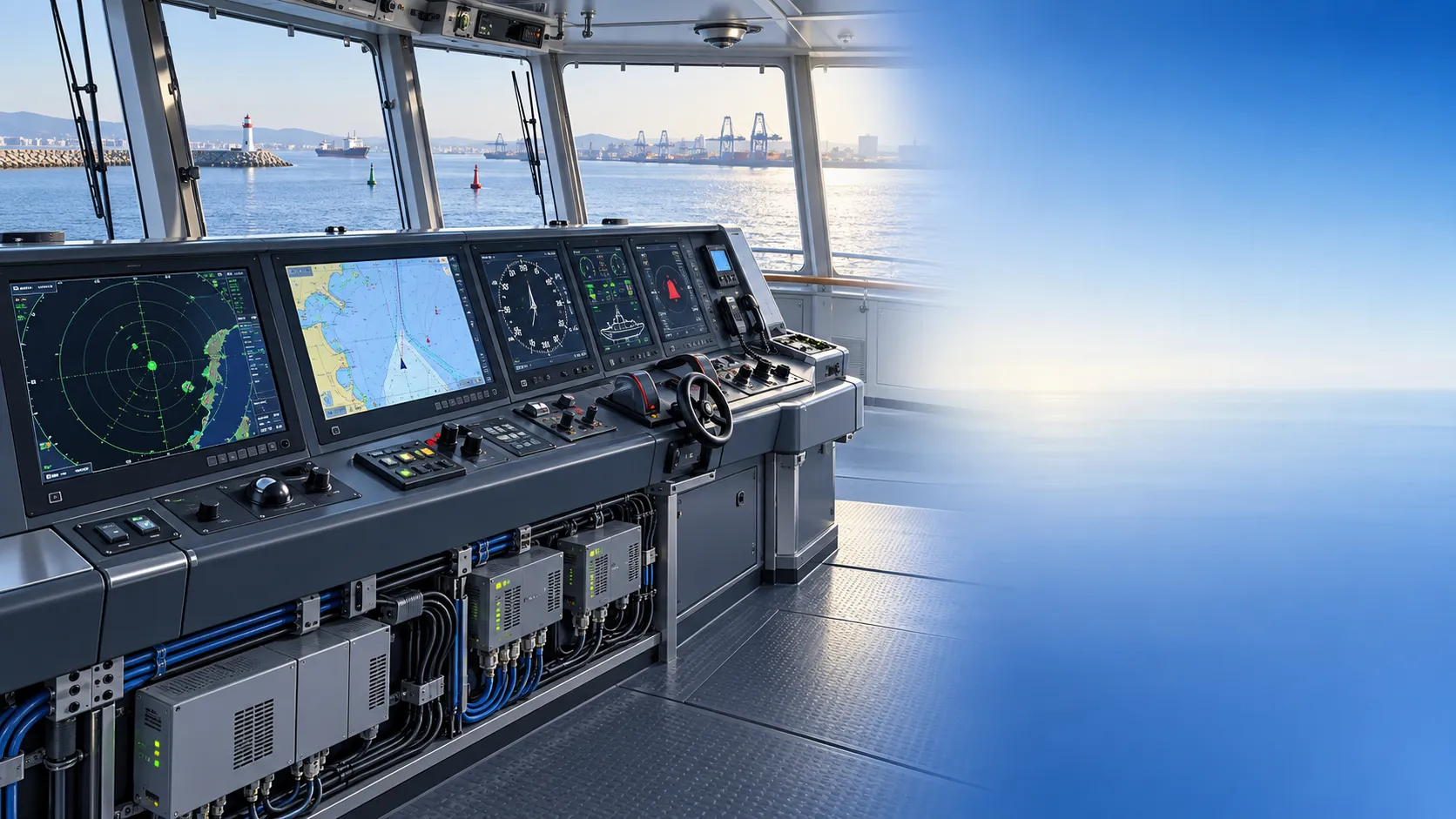
How to Specify Integrated Marine Electronics for Reliable Bridge Operations
Integrated marine electronics: learn how to specify reliable bridge systems with clear data flows, redundancy, alarm control, lifecycle interfaces, and operational testing.
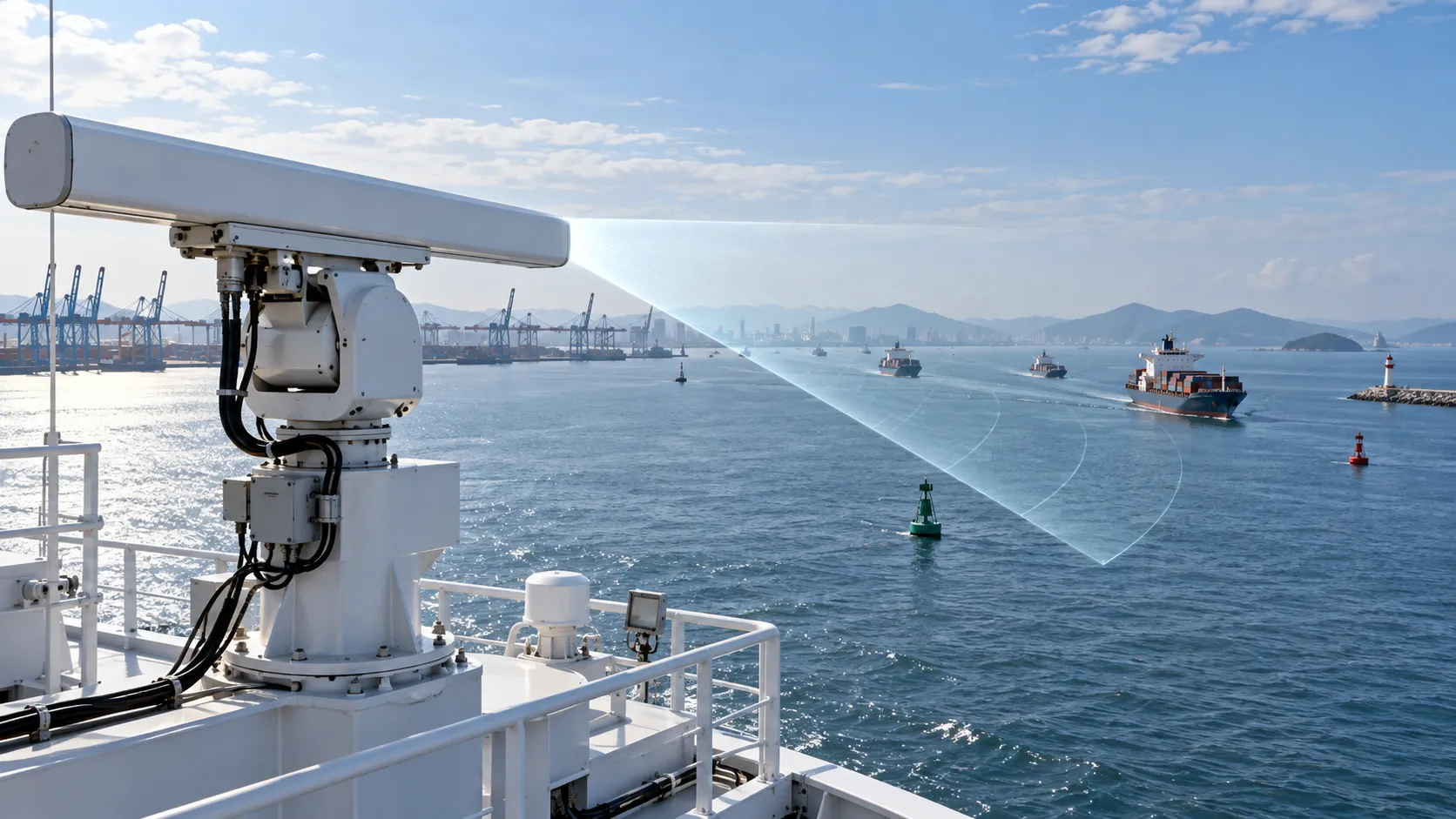
How to Evaluate Navigation Radar Manufacturers for Commercial Vessel Projects
Navigation radar manufacturers: learn how to compare performance, compliance, integration, support, and lifecycle cost for commercial vessel projects.

How Adjustable Cabin Ergonomics Reduce Operator Fatigue in Long-Shift Vehicles
Adjustable cabin ergonomics reduces operator fatigue through better seating, reach, visibility, vibration control, and climate comfort for safer long-shift vehicles.
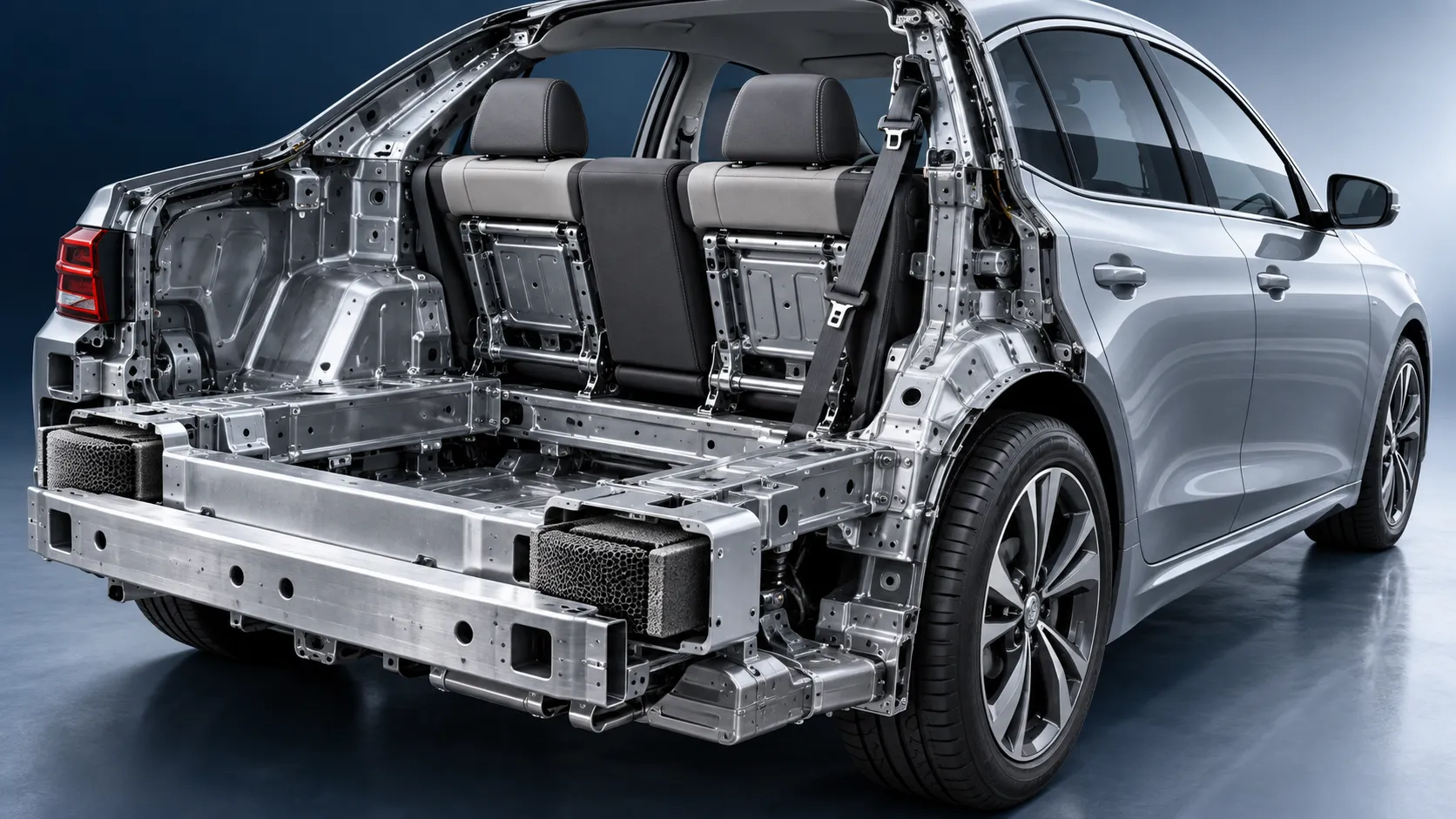
How Rear-Impact Safety Components Work Together to Protect Vehicle Occupants
Explore how automotive safety components for rear impact work together—from crash structures and seats to head restraints and belts—to enhance occupant protection.
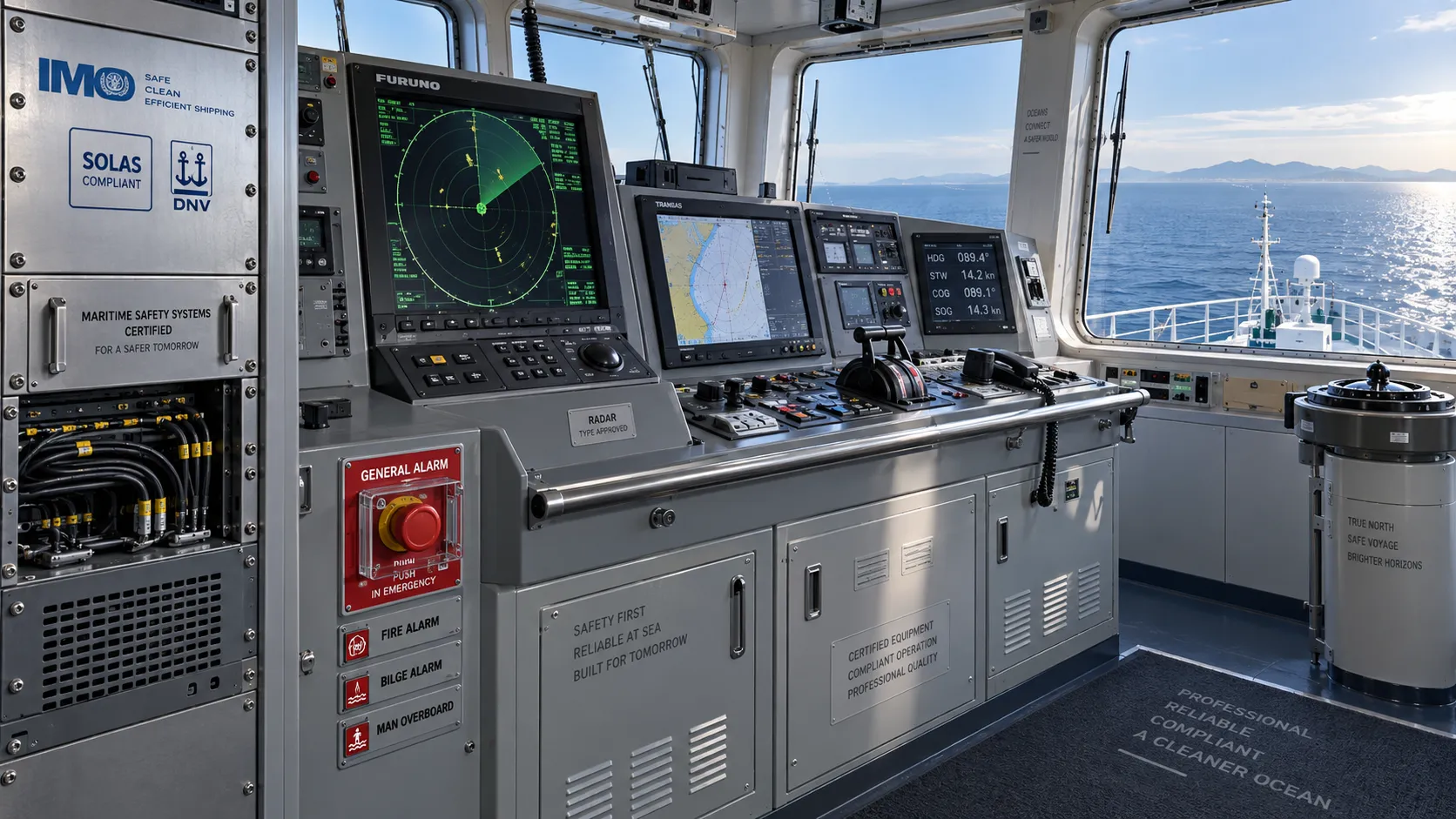
How to Evaluate a Marine Safety Systems Manufacturer for Vessel Compliance and Reliability
Marine safety systems manufacturer evaluation guide: verify compliance, engineering quality, lifecycle costs, and global service support for safer, reliable vessel operations.
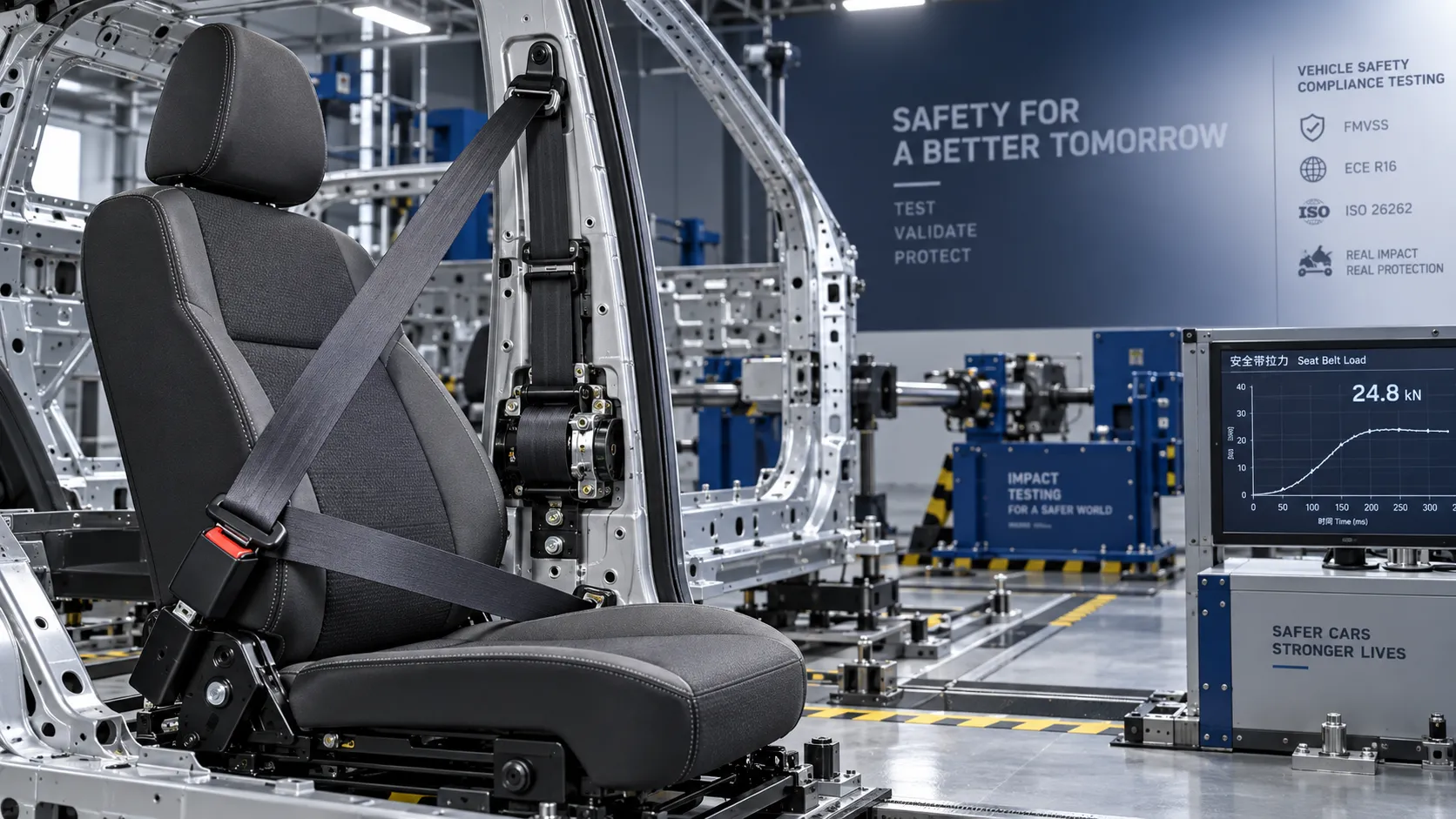
Crash Test Regulations for Seatbelts: Key Compliance Requirements Explained
Crash test regulations seatbelts explained: explore FMVSS, UN rules, anchorage strength, and dynamic restraint testing for safer, compliant vehicle systems.

How to Calculate the Total Cost of Automotive Lightweighting for a Vehicle Program
Automotive lightweight solutions cost: learn how to calculate program-level costs, including materials, tooling, joining, validation, risk, and vehicle-level value.
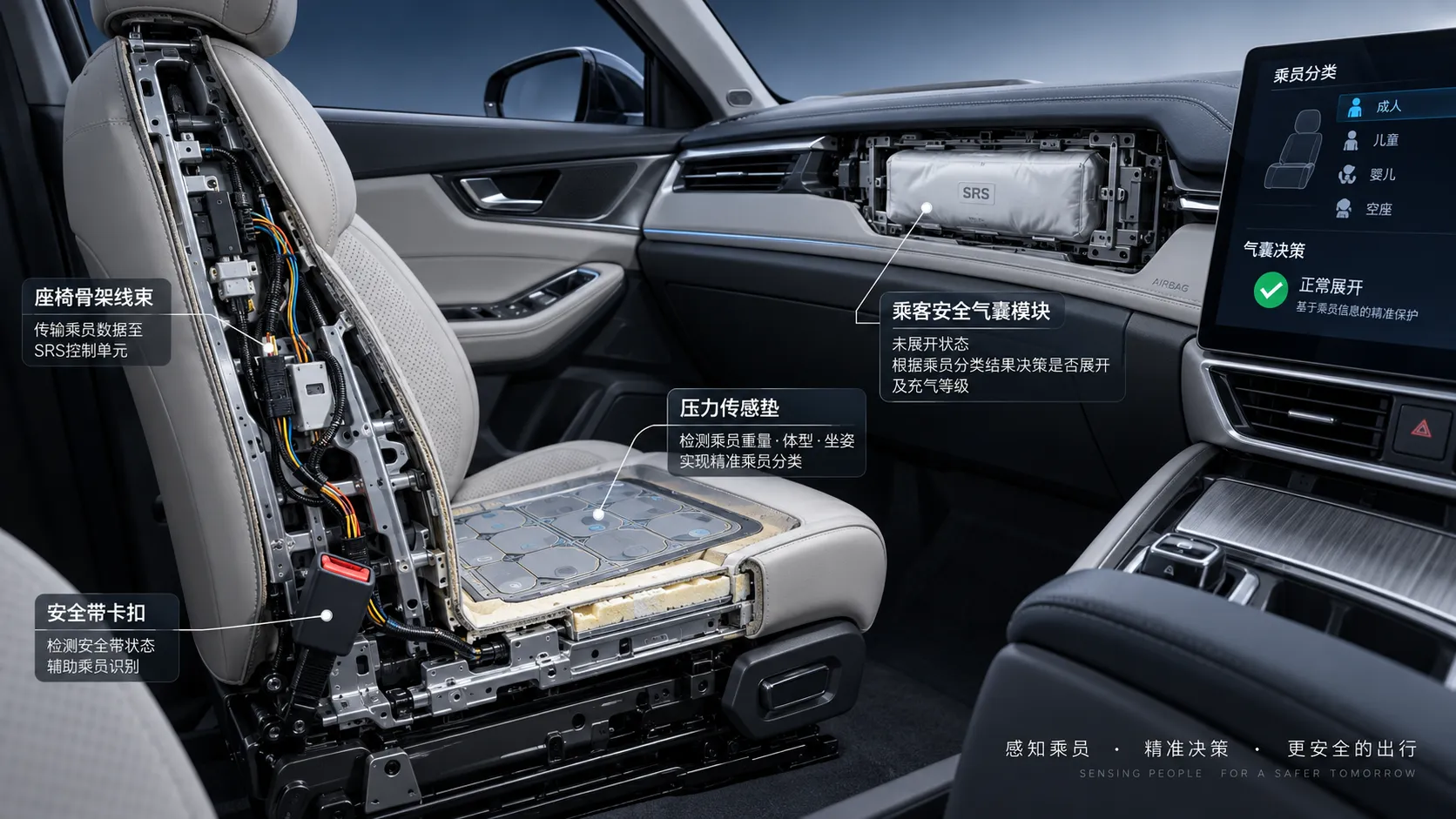
How Automotive Seat Occupancy Sensing Improves Airbag Deployment Decisions
Automotive seat occupancy sensing helps optimize airbag deployment decisions, improving passenger classification, safety diagnostics, and compliance across real-world conditions.

What Drives Lightweight Body Component Costs in High-Volume Vehicle Programs?
Lightweight body components cost depends on material yield, forming, joining, tooling, validation, and logistics. Explore proven ways to optimize total vehicle program cost.
Related News
- 00
0000-00
How to Evaluate Navigation Radar Manufacturers for Commercial Vessel Projects - 00
0000-00
How to Evaluate Cargo Marine Sonar Systems for Detection Range and Vessel Fit - 00
0000-00
How to Evaluate Marine Signal Processing Software for Radar and Sonar Integration - 00
0000-00
How Do Automatic Identification Systems Improve Vessel Tracking and Collision Avoidance? - 00
0000-00
How to Choose Marine Navigation Systems for Patrol Boats in Coastal and Offshore Missions
Weekly Insights
Stay ahead with our curated technology reports delivered every Monday.