
How Is Maritime Safety Technology Cutting Voyage Risk?
Maritime safety technology is reshaping how voyage risk is identified, measured, and reduced across modern shipping routes.
From satellite navigation and AIS tracking to sonar, radar integration, ECDIS updates, and predictive analytics, these systems give operators clearer spatial awareness.
For information researchers, the real value lies beyond equipment lists.
It comes from understanding how precision perception, compliance intelligence, and real-time decision support prevent collisions, grounding, route deviations, and operational uncertainty.
What Does Maritime Safety Technology Actually Mean?
Maritime safety technology refers to connected systems that help vessels see, decide, communicate, and respond more safely at sea.
It includes navigation sensors, positioning tools, bridge software, communication networks, alarms, compliance databases, and shore-based monitoring platforms.
The core purpose is risk reduction through better situational awareness.
A vessel no longer depends only on visual lookout, manual plotting, or delayed radio reports.
Modern maritime safety technology combines GNSS positioning, radar, AIS, sonar, weather data, and digital charts into a common operating picture.
This picture supports safer route planning, collision avoidance, restricted-water navigation, and emergency coordination.
The technology is also becoming more intelligence-driven.
Predictive models can flag abnormal course changes, traffic congestion, shallow-water danger, and equipment performance concerns before an incident develops.
Why is “precision spatial perception” important?
Voyage risk often begins with uncertainty about position, motion, distance, or intent.
Maritime safety technology reduces that uncertainty by improving how vessels perceive surrounding space.
Radar detects obstacles and coastlines, AIS reveals identity and course, and sonar supports underwater awareness.
ECDIS then connects this data to approved electronic charts and voyage plans.
When perception becomes precise, crews can act earlier and with stronger confidence.
How Does Maritime Safety Technology Cut Collision Risk?
Collision avoidance is one of the clearest benefits of maritime safety technology.
Risk grows when vessels converge in poor visibility, crowded channels, or high-speed traffic lanes.
Integrated bridge systems help compare radar targets, AIS data, and course predictions in real time.
This enables earlier detection of close-quarter situations.
Automatic alerts can highlight closest point of approach, time to closest approach, and unexpected maneuvering behavior.
The goal is not to replace seamanship.
Instead, maritime safety technology gives safer timing, clearer evidence, and stronger decision support.
- AIS helps identify nearby vessels and their declared navigation status.
- Radar confirms physical targets, including vessels without valid AIS signals.
- ECDIS displays planned routes, hazards, charted depths, and safety contours.
- Bridge alarms support timely reaction when separation margins shrink.
A practical system compares multiple data sources.
If AIS and radar disagree, the discrepancy becomes a warning rather than a hidden weakness.
That cross-checking ability is a major reason maritime safety technology improves voyage resilience.
Can Maritime Safety Technology Prevent Grounding and Route Deviation?
Grounding risk usually comes from navigation error, chart misunderstanding, sensor failure, fatigue, or poor route monitoring.
Maritime safety technology addresses these causes through digital planning and continuous position checking.
ECDIS is central because it links vessel position with electronic navigational charts.
Safety contours, no-go areas, depth settings, and route validation tools make hazards more visible.
When the vessel approaches shallow water or leaves the intended track, alerts can trigger early correction.
The benefit depends on proper configuration.
Incorrect safety depth, outdated charts, or ignored alarms can weaken maritime safety technology significantly.
What role do updates and compliance play?
Updated charts, notices, and route information are essential for safe digital navigation.
Cloud-based ECDIS update protocols help reduce manual delays and version confusion.
Regulatory compliance also matters because navigation technology operates within international safety frameworks.
Maritime safety technology is strongest when equipment, data, procedures, and training follow recognized standards.
A compliant system turns navigation from isolated judgment into disciplined risk governance.
Which Systems Matter Most in High-Risk Voyage Scenarios?
Different voyage risks require different layers of maritime safety technology.
Open-ocean transits prioritize positioning accuracy, weather routing, machinery alerts, and satellite communication.
Port approaches require radar precision, AIS awareness, pilotage support, and careful ECDIS monitoring.
Polar, offshore, and low-visibility operations demand stronger redundancy and environmental intelligence.
No single device removes risk alone.
A layered architecture gives maritime safety technology its practical strength.
The table shows why system matching matters.
Maritime safety technology should be selected according to route profile, vessel type, cargo sensitivity, and operating environment.
How Should Maritime Safety Technology Be Evaluated Before Adoption?
Selection should begin with voyage risk mapping rather than product comparison alone.
A vessel trading in congested coastal waters faces different priorities from one operating on long ocean passages.
Good evaluation considers accuracy, redundancy, interoperability, cybersecurity, compliance, usability, and maintenance support.
Maritime safety technology must work under operational pressure, not only in demonstrations.
- Define the most likely voyage hazards and consequences.
- Check whether sensors and software can share reliable data.
- Confirm compliance with relevant maritime navigation requirements.
- Assess training needs, alarm design, and human-machine interface quality.
- Plan update cycles, service access, and backup procedures.
Interoperability deserves special attention.
If radar, AIS, ECDIS, weather tools, and fleet platforms cannot communicate smoothly, safety value is fragmented.
The best maritime safety technology supports a connected decision chain from sensor input to bridge action.
What Mistakes Can Reduce the Value of Maritime Safety Technology?
The first mistake is treating maritime safety technology as a substitute for professional judgment.
Automation supports decisions, but it can also create overconfidence if warnings are misunderstood.
The second mistake is alarm overload.
Too many poorly prioritized alerts may cause critical warnings to be ignored during busy navigation.
The third mistake is weak data governance.
Outdated charts, incorrect sensor calibration, and unreliable AIS input can distort decisions.
Cybersecurity is another growing concern.
Connected navigation systems need secure update channels, access control, and incident response planning.
What Is the Next Step for Safer Digital Voyages?
The next step is moving from isolated equipment upgrades to intelligence-led safety architecture.
Maritime safety technology should connect navigation, communication, compliance, analytics, and operational procedures into one coherent framework.
This approach supports precise piloting and stronger protection across the global mobility chain.
It also aligns with the growing need for digitalized, reliable, and zero-casualty transport systems.
A practical starting point is a voyage risk audit.
Review recurring hazards, bridge workflows, chart update routines, alarm records, and system interoperability.
Then identify where maritime safety technology can create measurable improvements.
Priority should go to systems that improve perception, shorten reaction time, and strengthen compliance evidence.
GNCS tracks these developments through rigorous intelligence on marine navigation systems and safety-critical mobility equipment.
By following technology evolution, compliance shifts, and commercial insights, safer voyage decisions become easier to structure.
Maritime safety technology cuts voyage risk when it is selected, integrated, updated, and used with discipline.
The strongest outcome is not simply a smarter bridge.
It is a safer operating environment where perception boundaries expand and every critical decision gains better support.
Related News
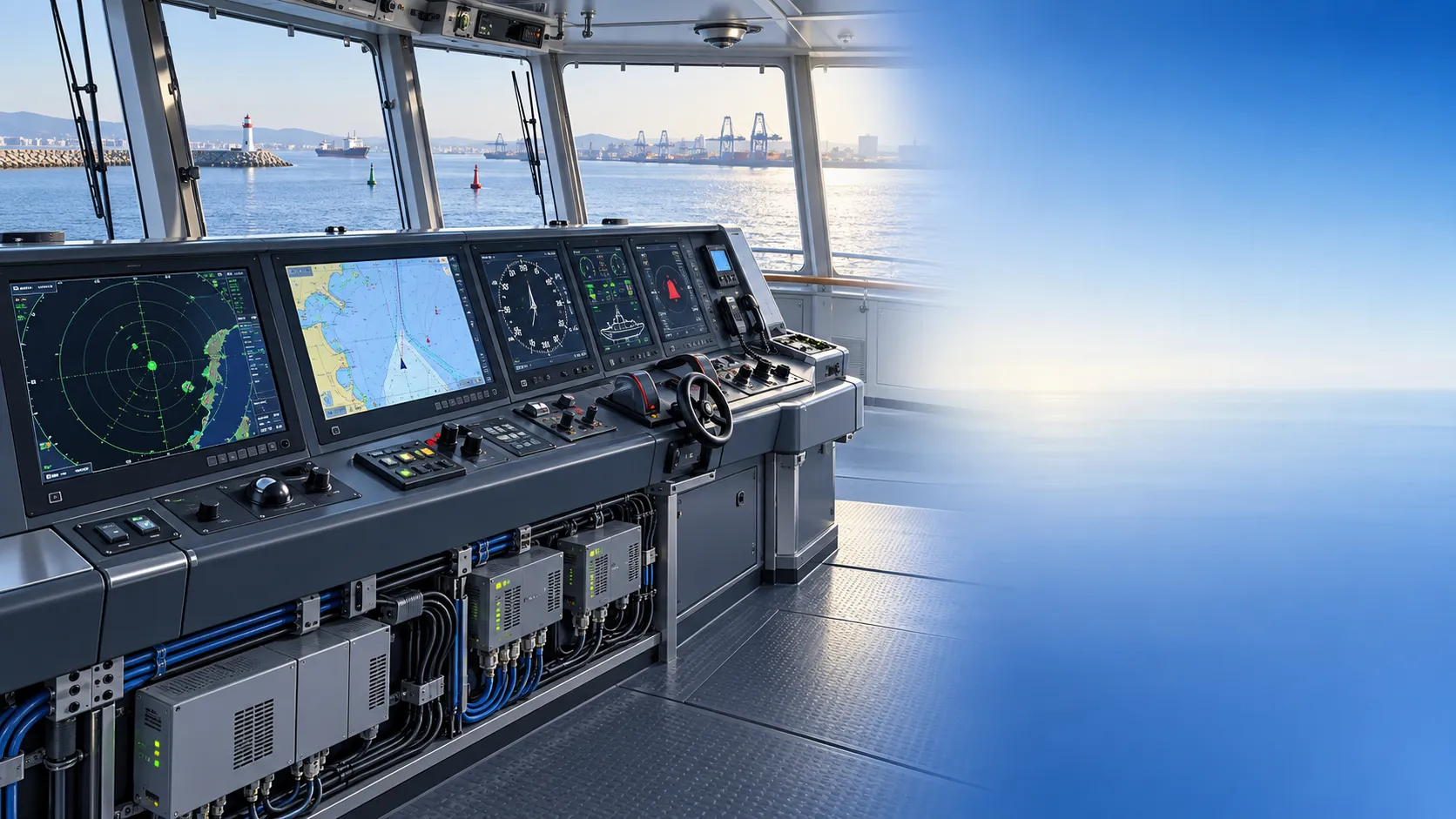
How to Specify Integrated Marine Electronics for Reliable Bridge Operations
Integrated marine electronics: learn how to specify reliable bridge systems with clear data flows, redundancy, alarm control, lifecycle interfaces, and operational testing.
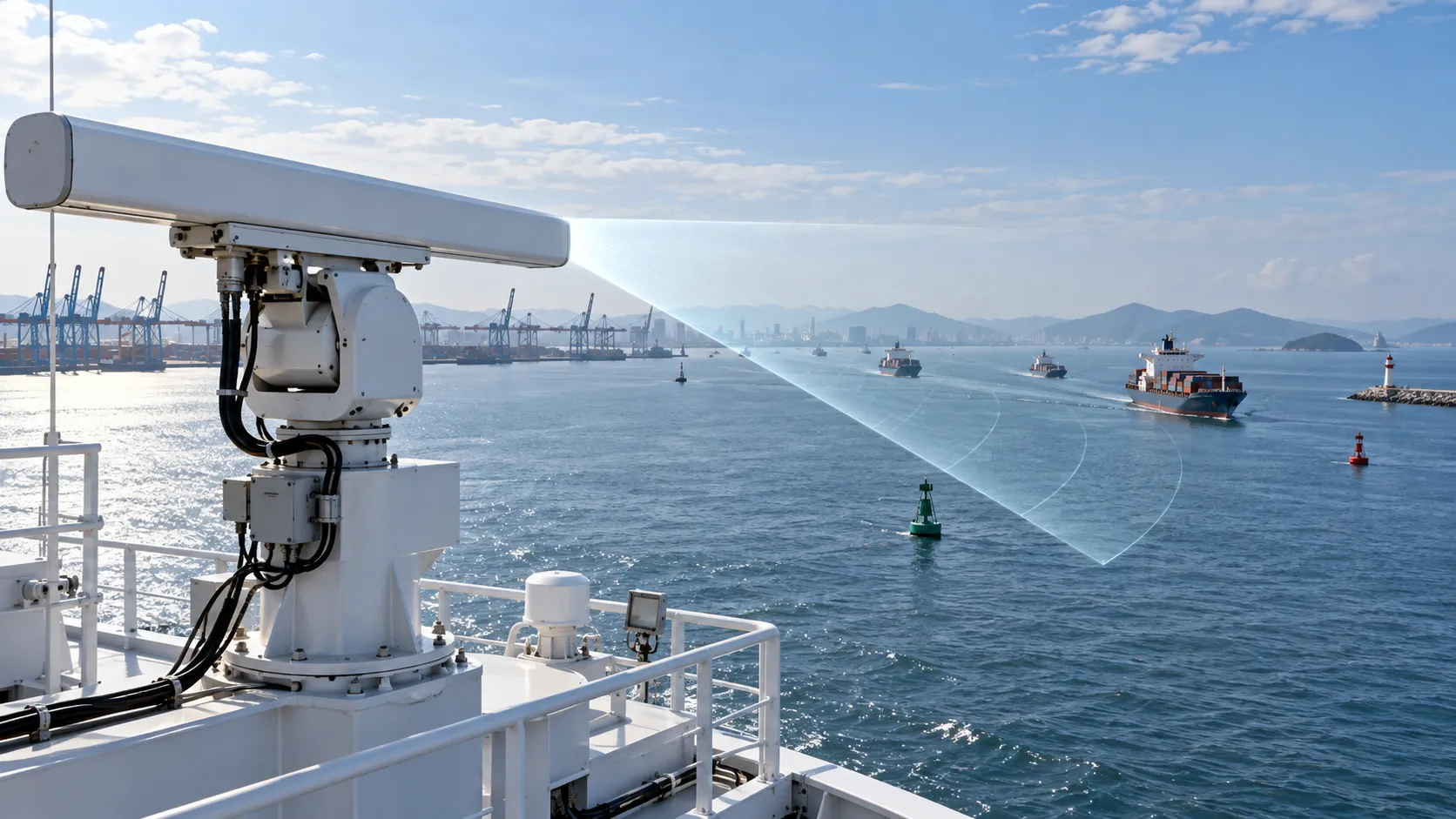
How to Evaluate Navigation Radar Manufacturers for Commercial Vessel Projects
Navigation radar manufacturers: learn how to compare performance, compliance, integration, support, and lifecycle cost for commercial vessel projects.

How Adjustable Cabin Ergonomics Reduce Operator Fatigue in Long-Shift Vehicles
Adjustable cabin ergonomics reduces operator fatigue through better seating, reach, visibility, vibration control, and climate comfort for safer long-shift vehicles.

How Rear-Impact Safety Components Work Together to Protect Vehicle Occupants
Explore how automotive safety components for rear impact work together—from crash structures and seats to head restraints and belts—to enhance occupant protection.
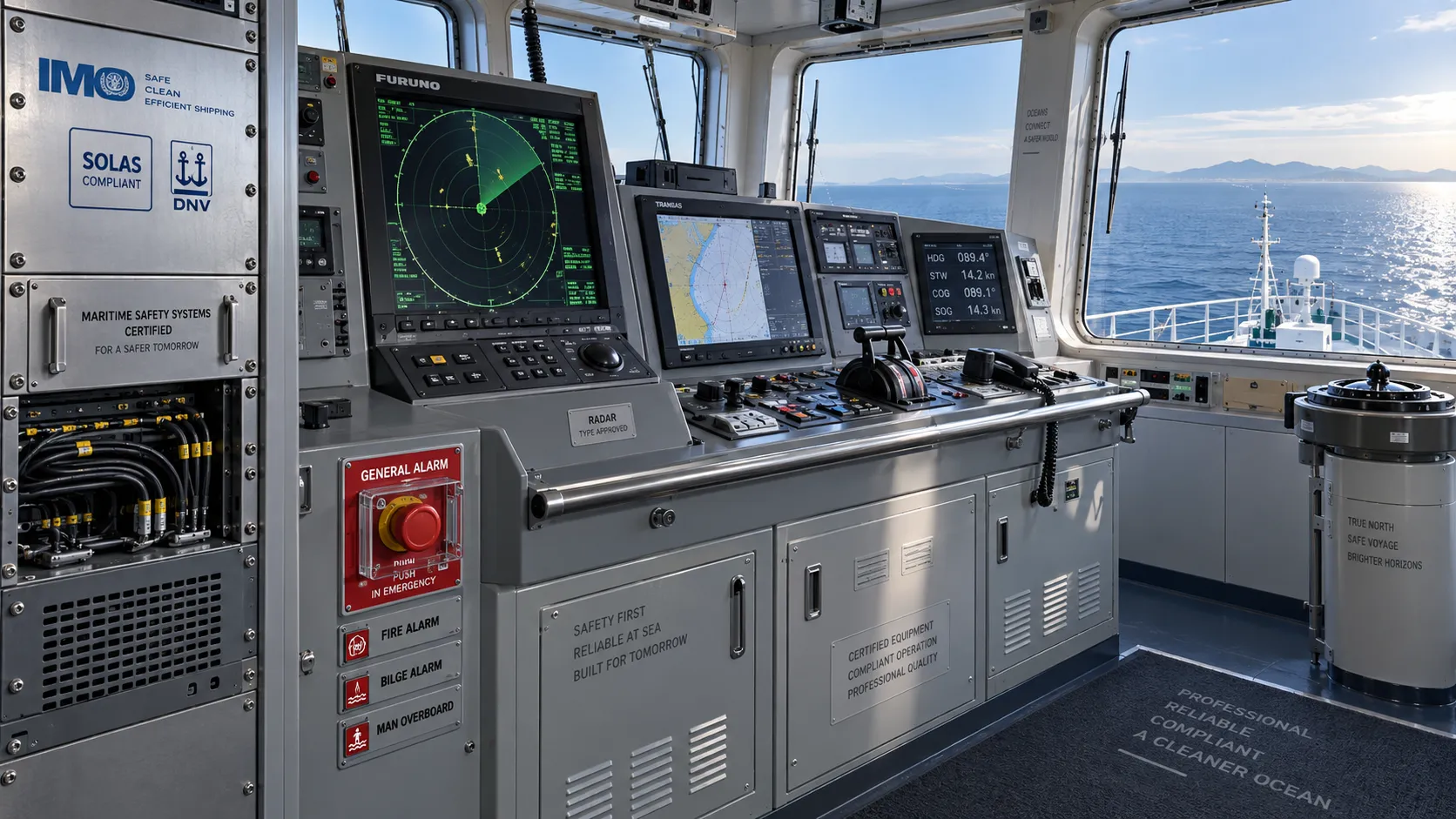
How to Evaluate a Marine Safety Systems Manufacturer for Vessel Compliance and Reliability
Marine safety systems manufacturer evaluation guide: verify compliance, engineering quality, lifecycle costs, and global service support for safer, reliable vessel operations.
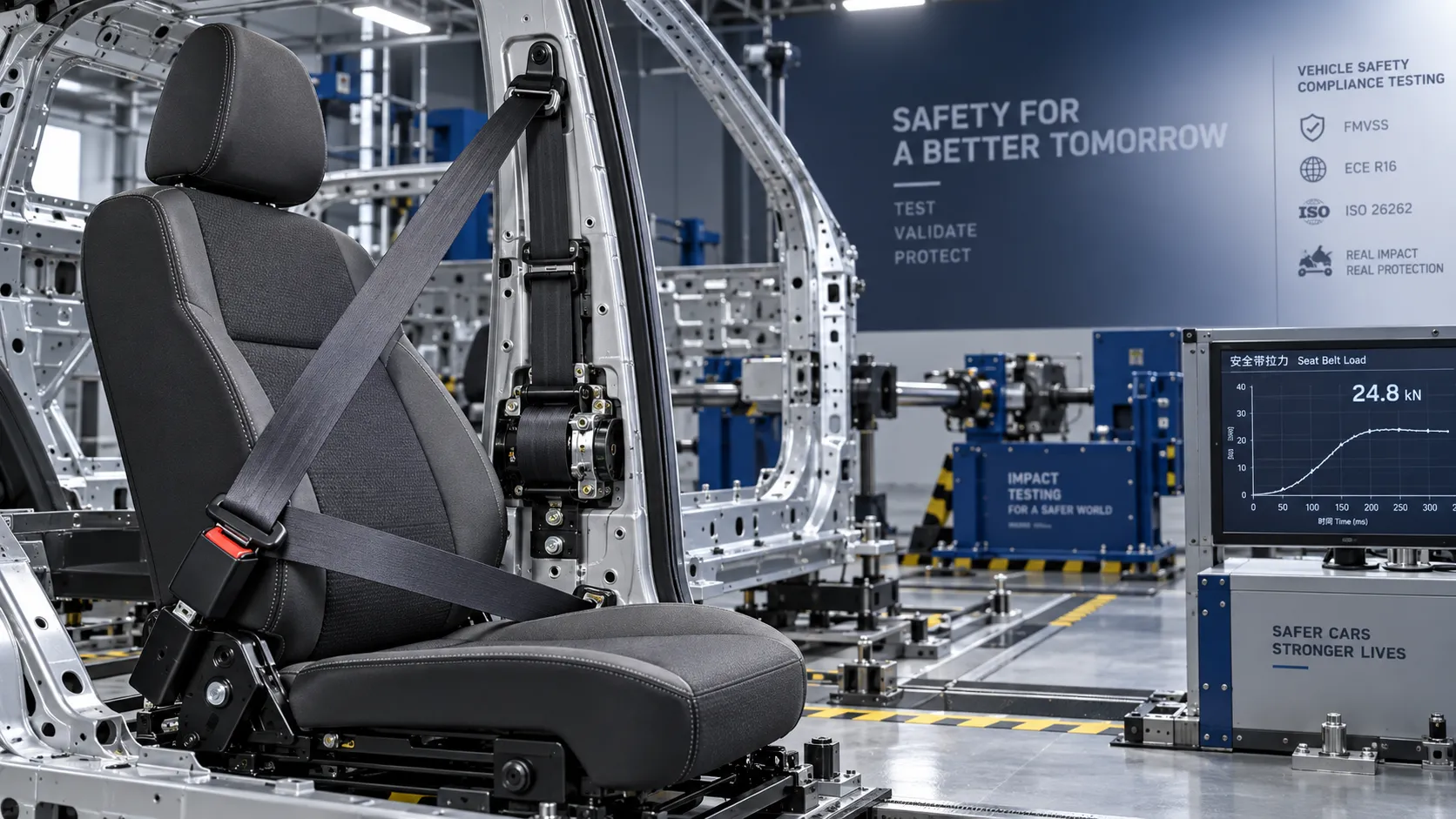
Crash Test Regulations for Seatbelts: Key Compliance Requirements Explained
Crash test regulations seatbelts explained: explore FMVSS, UN rules, anchorage strength, and dynamic restraint testing for safer, compliant vehicle systems.

How to Calculate the Total Cost of Automotive Lightweighting for a Vehicle Program
Automotive lightweight solutions cost: learn how to calculate program-level costs, including materials, tooling, joining, validation, risk, and vehicle-level value.

How Automotive Seat Occupancy Sensing Improves Airbag Deployment Decisions
Automotive seat occupancy sensing helps optimize airbag deployment decisions, improving passenger classification, safety diagnostics, and compliance across real-world conditions.

What Drives Lightweight Body Component Costs in High-Volume Vehicle Programs?
Lightweight body components cost depends on material yield, forming, joining, tooling, validation, and logistics. Explore proven ways to optimize total vehicle program cost.
Related News
- 00
0000-00
How to Evaluate Navigation Radar Manufacturers for Commercial Vessel Projects - 00
0000-00
How to Evaluate Cargo Marine Sonar Systems for Detection Range and Vessel Fit - 00
0000-00
How to Evaluate Marine Signal Processing Software for Radar and Sonar Integration - 00
0000-00
How Do Automatic Identification Systems Improve Vessel Tracking and Collision Avoidance? - 00
0000-00
How to Choose Marine Navigation Systems for Patrol Boats in Coastal and Offshore Missions
Weekly Insights
Stay ahead with our curated technology reports delivered every Monday.