
Why digitalized mobility equipment is gaining ground
As safety, connectivity, and efficiency become non-negotiable across marine and automotive sectors, digitalized mobility equipment is gaining strategic importance worldwide. From precision navigation systems to intelligent cabin safety components, this shift is redefining how manufacturers, suppliers, and buyers evaluate performance, compliance, and long-term value. For researchers tracking industry direction, understanding the forces behind digitalized mobility equipment offers a clearer view of where global mobility is heading next.
For B2B buyers, analysts, and sourcing teams, the topic is no longer limited to electronics or software. It now spans marine navigation systems, lightweight body structures, airbag assemblies, seatbelt systems, and smart seating platforms, all of which are becoming more data-driven, connected, and compliance-sensitive.
This matters because procurement decisions are increasingly shaped by 4 core factors: functional safety, lifecycle visibility, regulatory readiness, and upgrade potential. In high-value mobility programs, a component that can be monitored, calibrated, or updated digitally often delivers stronger long-term value than a lower-cost but isolated part.
For an intelligence platform such as GNCS, which observes both “Precision Spatial Perception” and “Physical Containment Protection,” the rise of digitalized mobility equipment is especially relevant. It connects signal processing, structural engineering, passive safety, and cabin intelligence into one decision framework for global mobility manufacturing.
What digitalized mobility equipment really means in today’s market
In practical terms, digitalized mobility equipment refers to hardware systems that are enhanced by sensors, embedded control units, software logic, connectivity layers, or cloud-linked diagnostic capabilities. It is not a single product category. It is a design approach that turns static equipment into measurable, responsive, and upgradeable assets.
In marine navigation, this can mean radar, ECDIS, satellite positioning, AIS, and sonar operating within a synchronized interface, with update cycles typically ranging from 3 to 12 months depending on software policy and compliance requirements. In automotive sectors, digitalization can be seen in smart restraint deployment logic, seat occupancy sensing, and production traceability for high-strength stamped parts.
From isolated hardware to connected safety architecture
Traditional equipment was often judged by standalone performance. A navigation device had to read accurately. A seatbelt had to lock reliably. An airbag module had to deploy within milliseconds. Those requirements still apply, but digitalized mobility equipment now adds another layer: how effectively the part communicates, records, adapts, and supports system-level decisions.
That shift is important because mobility risk rarely comes from one failed function. It usually comes from delayed detection, poor integration, incomplete data, or maintenance blind spots across 2 to 5 interdependent subsystems. Digitalization helps reduce those blind spots.
Five pillars where digitalization is most visible
- Marine navigation systems with integrated positioning, route awareness, and remote update support.
- Auto body stampings with digital simulation, material traceability, and tighter forming tolerances, often within ±0.5 mm to ±1.5 mm depending on part geometry.
- Airbag assemblies using electronic triggering logic, sensor fusion, and chemical formulation monitoring.
- Seatbelt systems combining pretensioning, force limiting, and diagnostic feedback.
- Auto seat assemblies with occupancy sensing, thermal comfort control, and memory-based ergonomic adjustment.
The table below shows how digitalized mobility equipment changes the decision criteria across GNCS-relevant categories.
The key takeaway is that digitalization does not replace the physical function of mobility equipment. It amplifies it. Buyers still need strength, reliability, and compliance, but they now also need data continuity, system interoperability, and post-delivery visibility.
Why digitalized mobility equipment is gaining ground across marine and automotive sectors
The rise of digitalized mobility equipment is being driven by at least 5 converging pressures: tighter safety requirements, more complex regulations, stronger demand for lifecycle efficiency, wider use of lightweight materials, and the need for faster design iteration. Each pressure increases the value of connected, measurable, and adaptive systems.
1. Safety decisions are becoming more time-critical
In passive safety, response windows are extremely short. Airbag deployment logic operates in milliseconds, while seatbelt pretensioning must coordinate with crash detection inputs almost instantly. When restraint systems become digitally integrated, calibration can be more precise across occupant sizes, impact types, and seating positions.
In marine environments, navigational errors are often linked to situational complexity rather than equipment absence. Digitalized mobility equipment helps bridge radar, AIS, GPS, charting, and sonar outputs into a more unified operating picture, reducing decision delay in low-visibility or congested traffic scenarios.
2. Compliance is no longer a one-time checkpoint
Global mobility compliance is dynamic. Automotive suppliers must track evolving protocols under programs such as IIHS and Euro NCAP, while marine equipment providers must keep pace with chart corrections, software validation, and operational standards. A part approved today may require software, calibration, or documentation updates within 6 to 18 months.
This is one reason digitalized mobility equipment is gaining ground: it supports audit trails, software update pathways, and structured data records, all of which reduce friction during technical reviews and market entry preparation.
3. Lifecycle cost matters more than purchase price alone
A lower upfront price can become expensive if equipment requires high manual inspection frequency, poor fault visibility, or repeated field service. Digitalized mobility equipment often improves maintenance planning by identifying abnormal conditions earlier, shortening root-cause analysis from several days to several hours in many standard service workflows.
For procurement teams comparing 2 or 3 suppliers, lifecycle questions now matter more: Can firmware be updated remotely? Can failure logs be exported? Are diagnostic interfaces standardized? Can service intervals be extended from 6 months to 12 months under controlled conditions?
4. Lightweighting requires better data control
High-strength steel, aluminum, and magnesium alloys are widely used to reduce weight while preserving structural performance. Yet lightweight structures are less forgiving of uncontrolled variation. Digital process monitoring, forming simulation, and traceability are increasingly necessary to maintain consistent quality in hot stamping and seat frame production.
In other words, the lighter the component, the more important the data behind it. Digitalized mobility equipment supports this by linking material behavior, process windows, and validation records in a more disciplined way.
5. Buyers want platforms, not isolated parts
A seat is no longer just a seat. It may include 3 to 8 electronic functions such as occupancy sensing, thermal regulation, memory adjustment, and safety alerts. A navigation suite is no longer one screen. It is a network of sensors, displays, data protocols, and software logic. This platform thinking favors digitalized mobility equipment because it scales more effectively across product lines and regions.
How researchers and sourcing teams should evaluate digitalized mobility equipment
For information researchers, the challenge is not identifying whether a system is digital. Almost every serious supplier claims that. The harder task is separating superficial digital features from operationally valuable ones. A useful evaluation model should include at least 6 dimensions.
Core evaluation dimensions
- Functional fit: whether the equipment solves a real navigation, protection, or cabin use case.
- Integration depth: whether it exchanges data with adjacent systems in a usable format.
- Compliance readiness: whether documentation, updates, and validation are manageable.
- Reliability profile: whether the digital layer adds resilience or only adds complexity.
- Serviceability: whether field diagnosis and maintenance can be completed efficiently.
- Scalability: whether the platform can support future configurations over 3 to 5 years.
The table below provides a practical sourcing checklist for digitalized mobility equipment in marine and automotive programs.
A strong supplier does not need to win every row in the table. But if 3 or more evaluation areas remain unclear, the sourcing risk rises quickly. For research teams, those gaps are often more meaningful than headline claims about intelligence or smart capability.
Common evaluation mistakes
- Focusing only on front-end features while ignoring maintenance architecture.
- Assuming connected equipment is automatically easier to integrate.
- Underestimating documentation quality for multi-region compliance work.
- Comparing initial unit price without calculating 3-year support effort.
Implementation priorities in navigation, passive safety, and smart cabin systems
The best implementation strategy depends on where digitalization creates measurable value first. In most programs, that value appears in 3 places: perception accuracy, occupant protection timing, and service traceability. These are the areas where digitalized mobility equipment most directly affects operational and commercial outcomes.
Marine navigation systems
For marine operators, priority should be given to data continuity across radar, AIS, ECDIS, and positioning modules. Researchers should watch for update workflows, signal redundancy, and interface clarity. A system that reduces operator interpretation time by even a few seconds in poor visibility can materially improve navigational safety.
Passive safety components
In airbag and seatbelt systems, digital maturity should be judged by sensor coordination, deployment logic, and verification discipline. The goal is not adding complexity for its own sake. The goal is ensuring that restraint behavior is consistent across different crash pulses, occupant positions, and cabin states.
Smart seating and lightweight structures
In seat assemblies and body stampings, digitalization should support ergonomic value and production stability at the same time. Typical program questions include whether seat sensing can support occupant classification, whether thermal control is energy efficient, and whether lightweight metal processes remain stable over repeated batches of 1,000 units or more.
A practical 5-step adoption path
- Map the highest-risk operating scenarios and failure points.
- Identify which subsystems generate usable diagnostic or control data.
- Prioritize 1 to 2 pilot categories with clear compliance or maintenance benefits.
- Validate service workflow, update process, and documentation quality.
- Scale only after integration burden and lifecycle cost are measurable.
This staged approach is often more effective than broad digital rollout. It reduces implementation friction and helps decision-makers see whether digitalized mobility equipment is improving safety and efficiency, or simply adding another software layer without enough operational payoff.
What this means for market intelligence and future sourcing strategy
For information researchers, digitalized mobility equipment is not a passing trend. It is becoming a baseline expectation in premium and export-oriented mobility programs. As navigation systems, safety devices, and seating assemblies become more integrated, intelligence work must connect technology signals with procurement timing, regulation shifts, and supplier capability depth.
That is where specialized industry observation becomes valuable. Platforms focused on marine navigation, lightweight body structures, passive safety, and cabin systems can help buyers track not only product changes, but also the underlying transition in materials, software logic, testing priorities, and commercial demand.
Digitalized mobility equipment is gaining ground because it answers real market demands: safer operation, tighter compliance control, better lifecycle economics, and smarter human-machine interaction. For manufacturers and suppliers, the opportunity lies in building systems that are both physically reliable and digitally transparent. For researchers and sourcing teams, the opportunity lies in asking sharper questions earlier.
If you are evaluating market direction in marine navigation, automotive passive safety, or smart cabin systems, GNCS can help you interpret the technical and commercial signals behind this shift. Contact us to explore tailored intelligence, compare equipment pathways, or learn more solutions for digitalized mobility equipment.
Related News
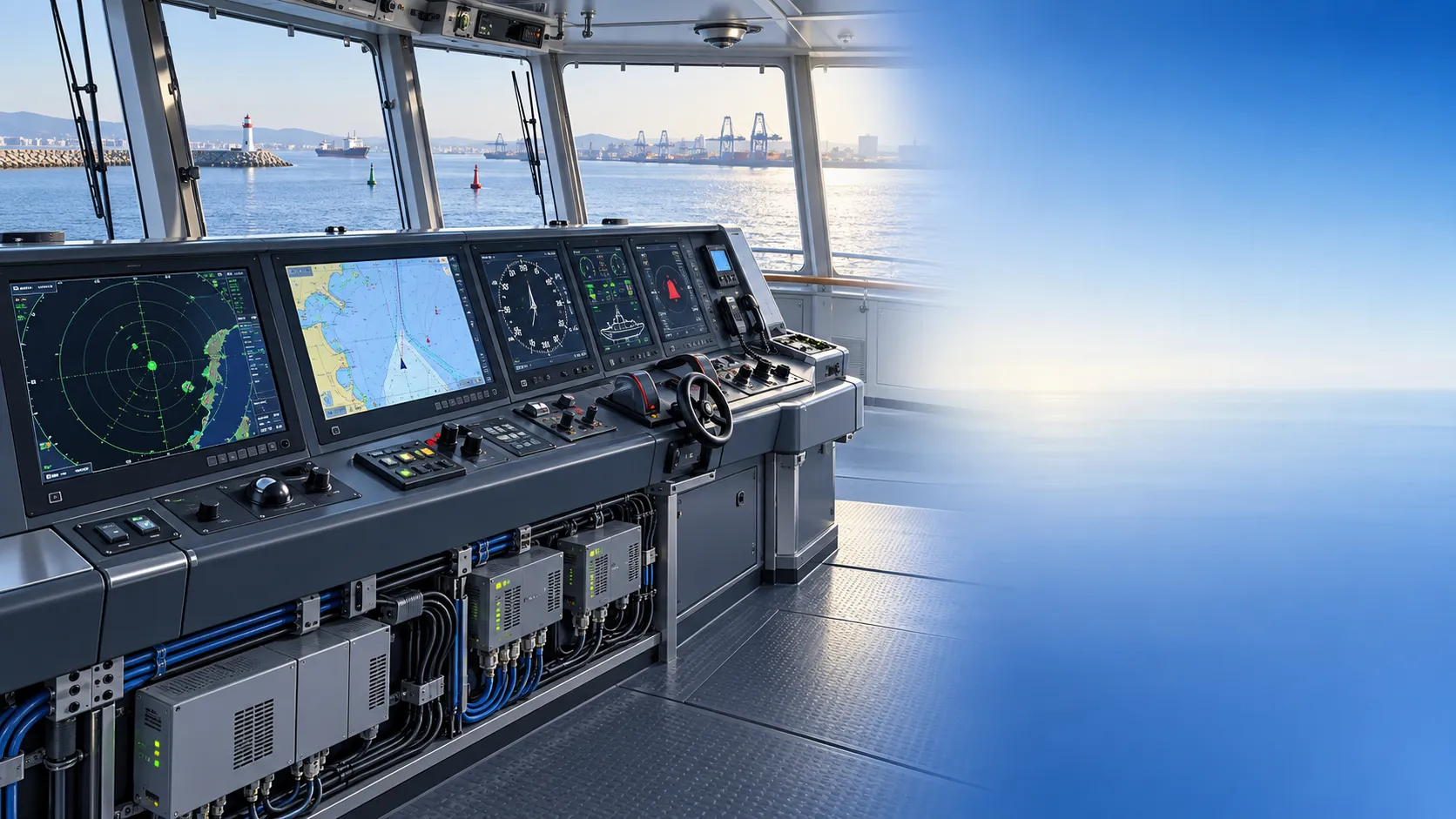
How to Specify Integrated Marine Electronics for Reliable Bridge Operations
Integrated marine electronics: learn how to specify reliable bridge systems with clear data flows, redundancy, alarm control, lifecycle interfaces, and operational testing.

How to Evaluate Navigation Radar Manufacturers for Commercial Vessel Projects
Navigation radar manufacturers: learn how to compare performance, compliance, integration, support, and lifecycle cost for commercial vessel projects.
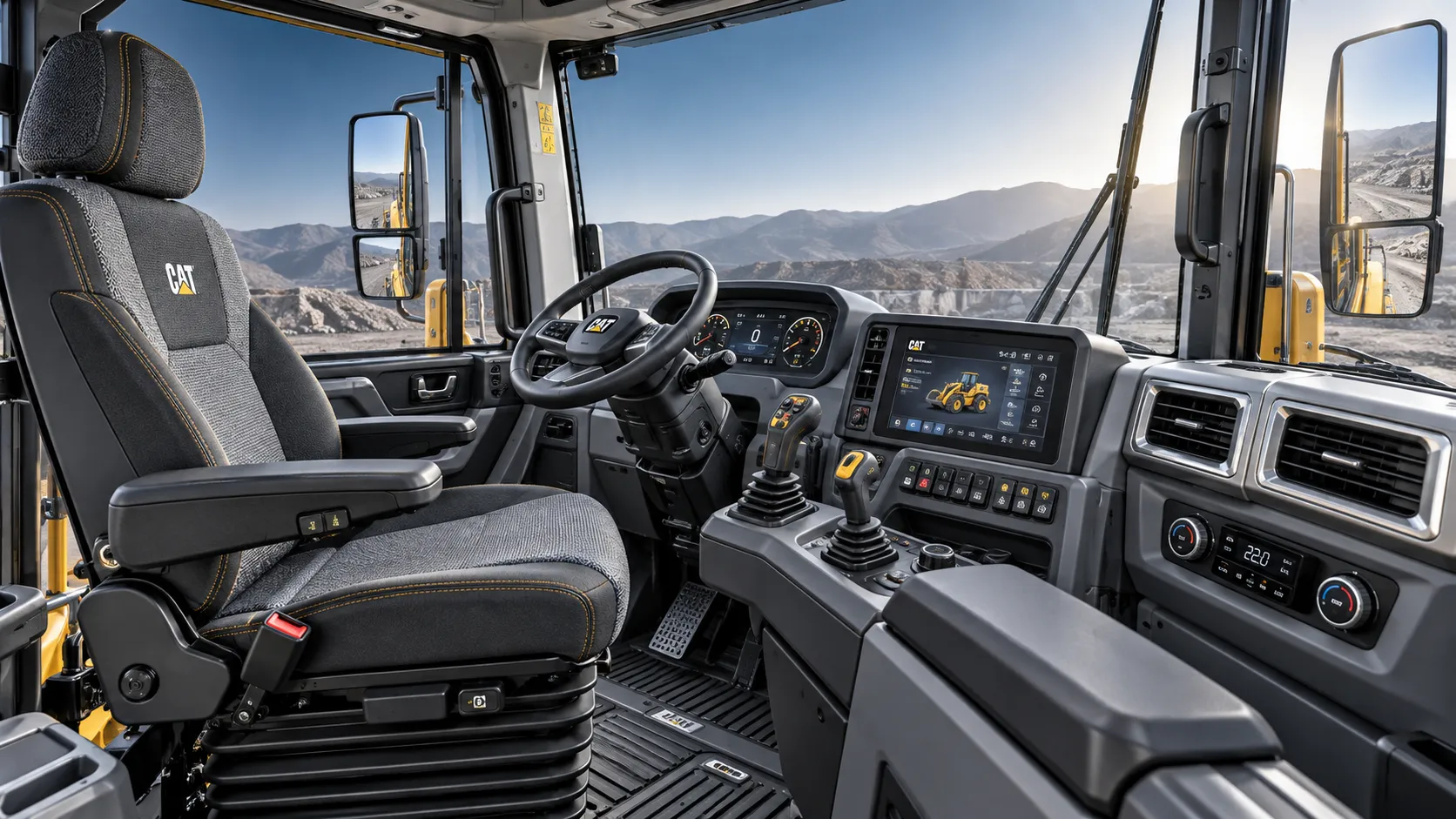
How Adjustable Cabin Ergonomics Reduce Operator Fatigue in Long-Shift Vehicles
Adjustable cabin ergonomics reduces operator fatigue through better seating, reach, visibility, vibration control, and climate comfort for safer long-shift vehicles.
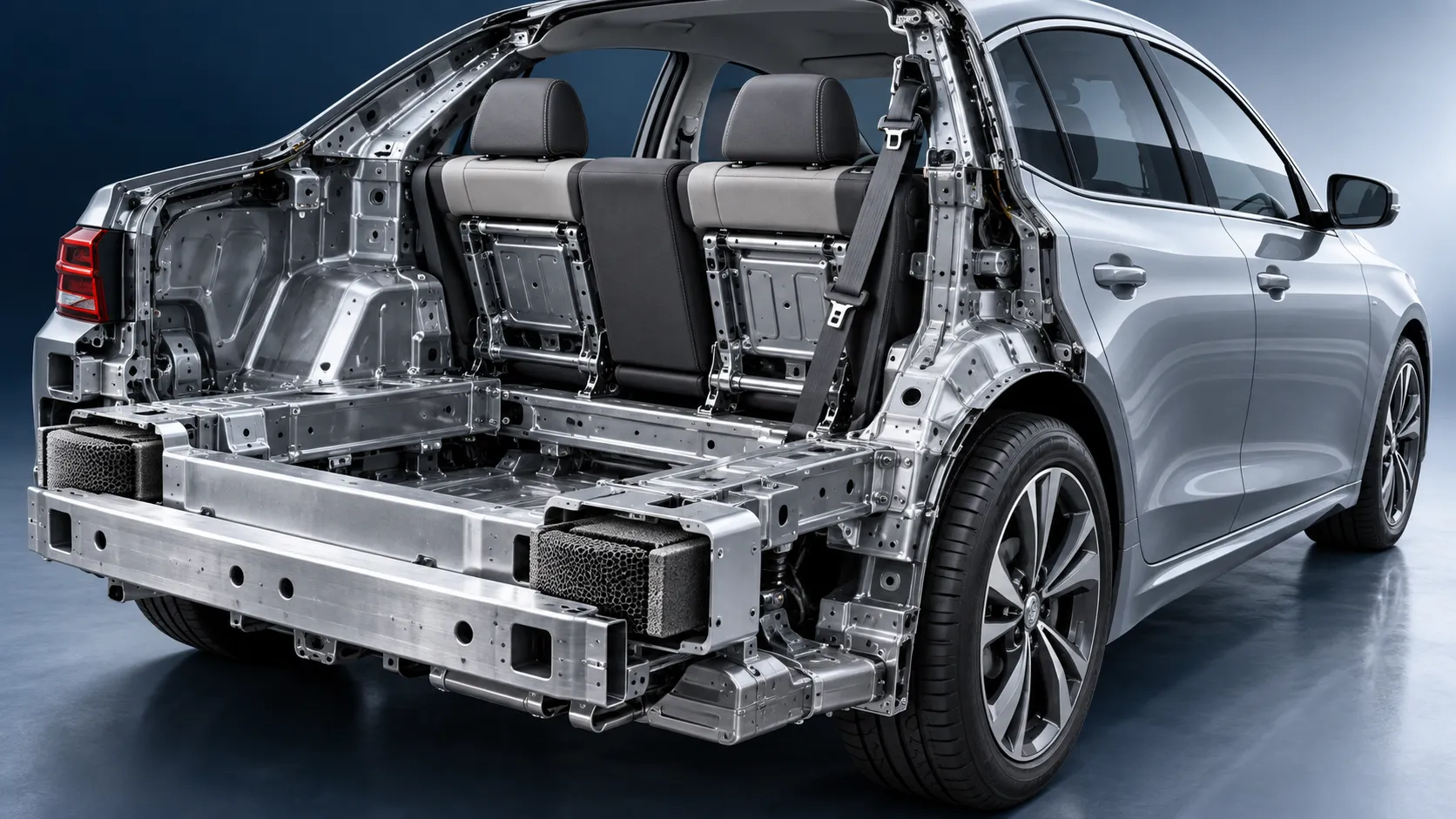
How Rear-Impact Safety Components Work Together to Protect Vehicle Occupants
Explore how automotive safety components for rear impact work together—from crash structures and seats to head restraints and belts—to enhance occupant protection.
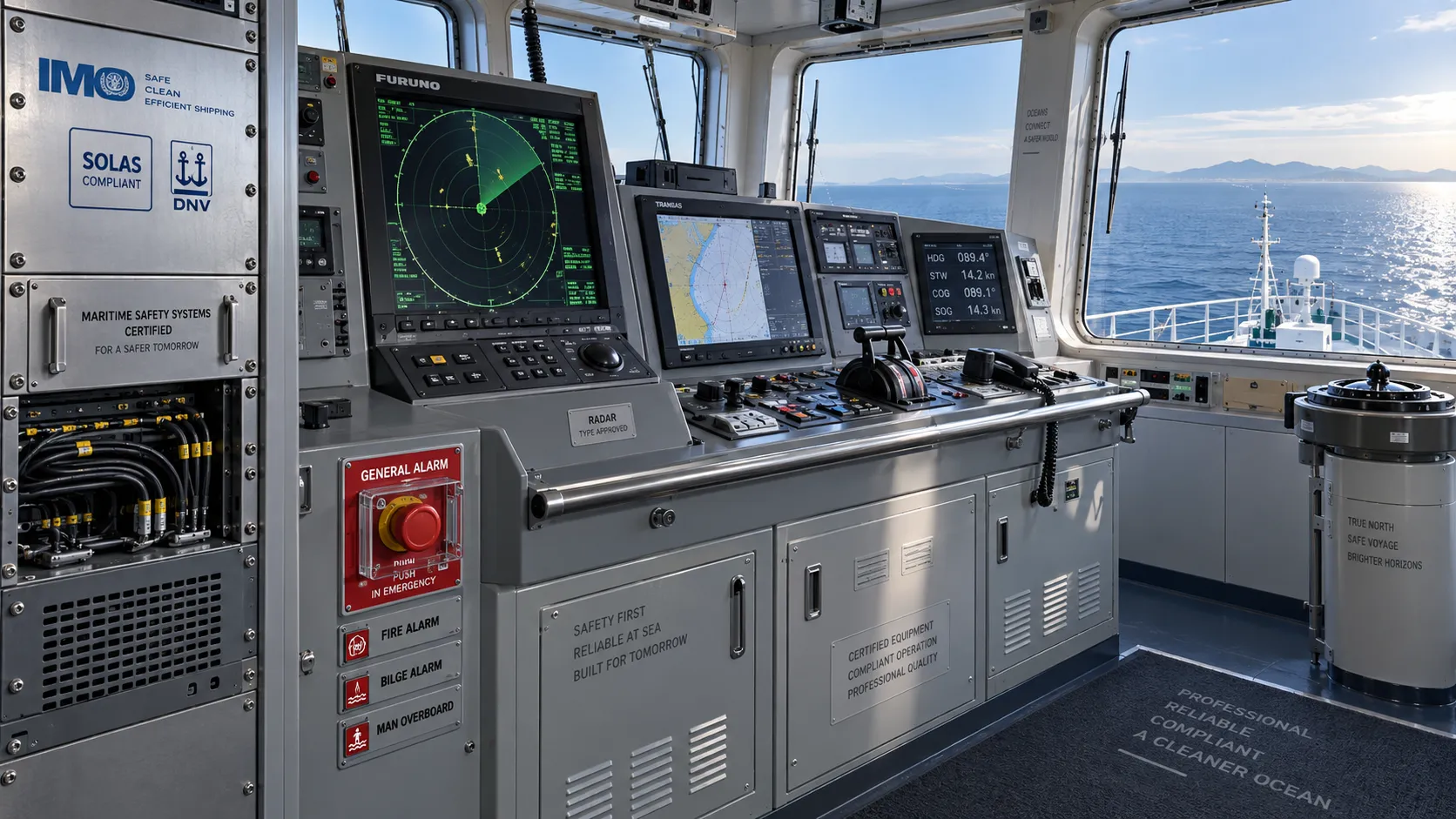
How to Evaluate a Marine Safety Systems Manufacturer for Vessel Compliance and Reliability
Marine safety systems manufacturer evaluation guide: verify compliance, engineering quality, lifecycle costs, and global service support for safer, reliable vessel operations.
Crash Test Regulations for Seatbelts: Key Compliance Requirements Explained
Crash test regulations seatbelts explained: explore FMVSS, UN rules, anchorage strength, and dynamic restraint testing for safer, compliant vehicle systems.

How to Calculate the Total Cost of Automotive Lightweighting for a Vehicle Program
Automotive lightweight solutions cost: learn how to calculate program-level costs, including materials, tooling, joining, validation, risk, and vehicle-level value.

How Automotive Seat Occupancy Sensing Improves Airbag Deployment Decisions
Automotive seat occupancy sensing helps optimize airbag deployment decisions, improving passenger classification, safety diagnostics, and compliance across real-world conditions.

What Drives Lightweight Body Component Costs in High-Volume Vehicle Programs?
Lightweight body components cost depends on material yield, forming, joining, tooling, validation, and logistics. Explore proven ways to optimize total vehicle program cost.
Related News
- 00
0000-00
What Is Driving Demand for Lightweight Automotive Bodies in Europe? - 00
0000-00
Zero-Casualty Mobility in Practice: Safety Strategies, System Design, and Deployment Challenges - 00
0000-00
Digitalized Mobility Equipment vs Conventional Systems: Where the Cost Difference Comes From - 00
0000-00
How automotive crash protection is changing in 2026 - 00
0000-00
Why are non-toxic propellants gaining ground in new programs?
Weekly Insights
Stay ahead with our curated technology reports delivered every Monday.