
How automotive crash protection is changing in 2026
As vehicles become lighter, smarter, and more software-defined, automotive crash protection is entering a decisive transition in 2026. Regulators, OEMs, and Tier 1 suppliers are moving beyond traditional passive safety toward integrated systems that combine advanced body structures, adaptive airbags, intelligent seatbelts, occupant sensing, and real-time crash data. For researchers tracking mobility safety trends, this shift reveals how material science, electronics, and global compliance pressures are reshaping the cabin’s last line of defense.
Why automotive crash protection is changing faster in 2026
The 2026 safety landscape is being shaped by heavier battery packs, lighter body shells, complex seating layouts, and stricter side-impact expectations.
For information researchers, the key question is no longer whether automotive crash protection works, but how systems coordinate under milliseconds of uncertainty.
From single component protection to coordinated cabin defense
Traditional protection focused on airbags, belts, and deformable structures as separate engineering domains. In 2026, integration becomes the evaluation center.
A modern automotive crash protection strategy links crash pulse prediction, occupant posture recognition, belt load control, seat structure behavior, and airbag deployment logic.
- Body stampings must absorb crash energy while protecting battery trays, door rings, and occupant survival space.
- Airbag assemblies need adaptive inflators, lower-toxicity propellant development, and deployment decisions based on real occupant conditions.
- Seatbelt systems are shifting toward smarter pre-tensioning, force limiting, and coordination with airbags and seat position sensors.
- Seat assemblies increasingly affect safety outcomes because recline angles, frame stiffness, and sensing functions influence restraint timing.
GNCS observes this change through the lens of physical containment protection, connecting structure, restraint, electronics, and compliance intelligence into one research view.
Which technologies define next-generation automotive crash protection?
The most important change is not one breakthrough material or sensor. It is the combination of mechanical performance and digital decision-making.
The following comparison helps researchers separate mature technologies from emerging functions in automotive crash protection planning.
The table shows why component-level benchmarking is insufficient. Automotive crash protection now depends on how subsystems exchange timing, load, and position data.
Material science is becoming a safety algorithm
Lightweighting is often discussed as an efficiency strategy, but it directly affects the crash pulse entering the cabin.
High-strength steel, aluminum stampings, magnesium seat frames, and composite reinforcements must be evaluated by controlled deformation, not weight alone.
Electronics are moving deeper into passive safety
Sensors now help determine occupant size, seat position, belt status, and collision severity before full deployment decisions occur.
This makes automotive crash protection more adaptive, but also increases validation complexity for suppliers, regulators, and procurement teams.
How should researchers evaluate crash protection performance?
Information researchers often face fragmented data. Marketing claims, test summaries, and compliance notes rarely explain the full safety architecture.
A useful evaluation framework should connect engineering parameters with regulations, failure modes, and application scenarios.
Core parameters worth tracking
Automotive crash protection research becomes clearer when parameters are grouped by structure, restraint, sensing, and compliance relevance.
Researchers should avoid comparing only one parameter. Automotive crash protection is a system outcome shaped by timing, geometry, and material response.
- Check whether the supplier explains crash pulse compatibility with the intended platform architecture.
- Review whether restraint systems consider small occupants, elderly occupants, and out-of-position scenarios.
- Ask how software updates affect diagnostic logic, event recording, and validation responsibilities.
- Compare compliance evidence against the target market, not only the supplier’s domestic regulatory baseline.
Which application scenarios create new safety challenges?
The definition of a crash-safe cabin is changing because vehicle use cases are changing. Electric, shared, premium, and semi-autonomous vehicles create different risks.
Automotive crash protection must adapt to new mass distribution, seating posture, interior packaging, and user behavior patterns.
Electric vehicles and battery protection
EV platforms often carry substantial underfloor mass. This changes side-impact energy flow, underbody deformation, and post-crash containment priorities.
Researchers should examine rocker reinforcement, battery tray isolation, seat anchorage strength, and thermal risk mitigation after structural deformation.
Smart seating and relaxed posture
Premium cabins increasingly use adjustable, heated, ventilated, and sensor-rich seats. Comfort features must not compromise restraint geometry.
When recline angles expand, automotive crash protection needs better seat position tracking and restraint strategies for submarining prevention.
Commercial fleets and high-utilization vehicles
Fleet vehicles experience frequent use, varied drivers, and faster maintenance cycles. Safety components must tolerate wear while remaining diagnosable.
For procurement teams, replaceability, diagnostic access, and consistent belt or buckle performance may matter as much as initial crash ratings.
What compliance signals matter for automotive crash protection?
Regulatory and consumer test programs are becoming more demanding, especially around side impact, vulnerable occupants, and real-world crash diversity.
Researchers should distinguish legal compliance from competitive safety performance. Both influence sourcing, branding, and export strategy.
This compliance view helps reduce sourcing risk. Automotive crash protection should be assessed against regulation, rating targets, and platform-specific hazards.
Why global programs complicate procurement
A component suitable for one market may require different documentation, validation evidence, or calibration when exported to another region.
GNCS tracks evolving compliance signals so researchers can connect IIHS, Euro NCAP, regional homologation, and supplier readiness without oversimplifying.
How should procurement teams compare suppliers and solutions?
Procurement decisions for automotive crash protection are difficult because price, lead time, engineering evidence, and regulatory confidence must be balanced.
A low-cost component can become expensive if it requires redesign, repeated validation, or delayed market entry.
Supplier selection checklist
- Confirm whether the supplier understands the vehicle platform, target markets, occupant assumptions, and crash performance objectives.
- Request engineering explanations for material grade, deployment logic, belt load curves, or seat frame reinforcement choices.
- Review validation maturity, including sample availability, test planning, design change control, and documentation traceability.
- Evaluate lead time risk for stampings, inflators, electronics, pyrotechnic devices, and safety-critical subassemblies.
- Compare total program cost, not only quotation price, because compliance delays can outweigh unit-price savings.
The following matrix supports early-stage selection when researchers need a practical way to compare technology and sourcing direction.
The best choice depends on program risk. Automotive crash protection procurement should prioritize integration evidence before negotiating final unit costs.
Common misconceptions about automotive crash protection in 2026
Many purchasing and research mistakes come from evaluating safety components as isolated parts instead of coordinated protection systems.
The following misconceptions are especially common when teams face tight budgets, urgent launches, or incomplete technical documentation.
Misconception 1: lighter always means less safe
Weight reduction can reduce safety if poorly engineered, but advanced stampings and tailored blanks can improve load management while cutting mass.
The real question is whether the structure preserves cabin space and delivers a crash pulse compatible with the restraint system.
Misconception 2: more airbags automatically mean better protection
Airbag quantity is less important than placement, deployment timing, inflator output, occupant sensing, and interaction with belts and seats.
Automotive crash protection improves when restraints are tuned to the actual crash pulse and occupant position, not when modules are added mechanically.
Misconception 3: compliance alone proves market competitiveness
Legal compliance is essential, but consumer ratings and brand safety perception often demand higher margins of performance.
Researchers should examine whether the safety package supports export ambitions, premium positioning, and future regulatory tightening.
FAQ: practical questions for crash protection research
These questions reflect common search intent from teams comparing technologies, suppliers, and compliance pathways for automotive crash protection.
How do I judge whether a crash protection solution is advanced?
Look for integration evidence. Advanced systems explain body load paths, restraint timing, occupant sensing, seat geometry, and software diagnostics together.
If documentation only lists components without describing system behavior, the solution may be difficult to validate in real programs.
What should I ask before sourcing airbags or seatbelts?
Ask about deployment calibration, pre-tensioner response, load limiter strategy, occupant-size assumptions, environmental durability, and applicable market approval requirements.
For automotive crash protection, these details are more useful than broad claims about comfort, quality, or general reliability.
Are smart seats part of passive safety?
Yes. Seat frame strength, anchorage integrity, recline position, head restraint geometry, and sensing functions influence occupant movement during impact.
As cabins become more flexible, smart seats become a central element of automotive crash protection rather than a comfort-only feature.
How long does technical evaluation usually take?
The timeline depends on program scope, sample readiness, documentation depth, and whether the target market requires additional compliance review.
Early research can be completed faster when teams prepare platform data, crash targets, cabin layout, and expected sourcing regions.
Why choose GNCS for automotive crash protection intelligence?
GNCS connects mobility safety research across automotive lightweight bodies, airbag assemblies, seatbelt systems, smart seats, and compliance trends.
Our Strategic Intelligence Center focuses on precise perception and physical containment, helping researchers interpret safety technology beyond surface-level news.
What you can consult with GNCS
- Parameter confirmation for body stampings, airbag modules, seatbelts, and smart seat assemblies.
- Product selection guidance based on platform type, crash scenario, target market, and budget pressure.
- Compliance requirement mapping for NCAP direction, regional homologation, and supplier documentation review.
- Delivery-cycle discussion for samples, engineering review stages, validation preparation, and procurement comparison.
- Customized research support covering lightweight structures, restraint systems, cabin ergonomics, and future safety trends.
If you are comparing automotive crash protection technologies for a platform, supplier shortlist, or export strategy, GNCS can support structured decision-making.
Contact GNCS to discuss technical parameters, certification expectations, sample support, quotation communication, and a tailored intelligence path for your safety program.
Related News
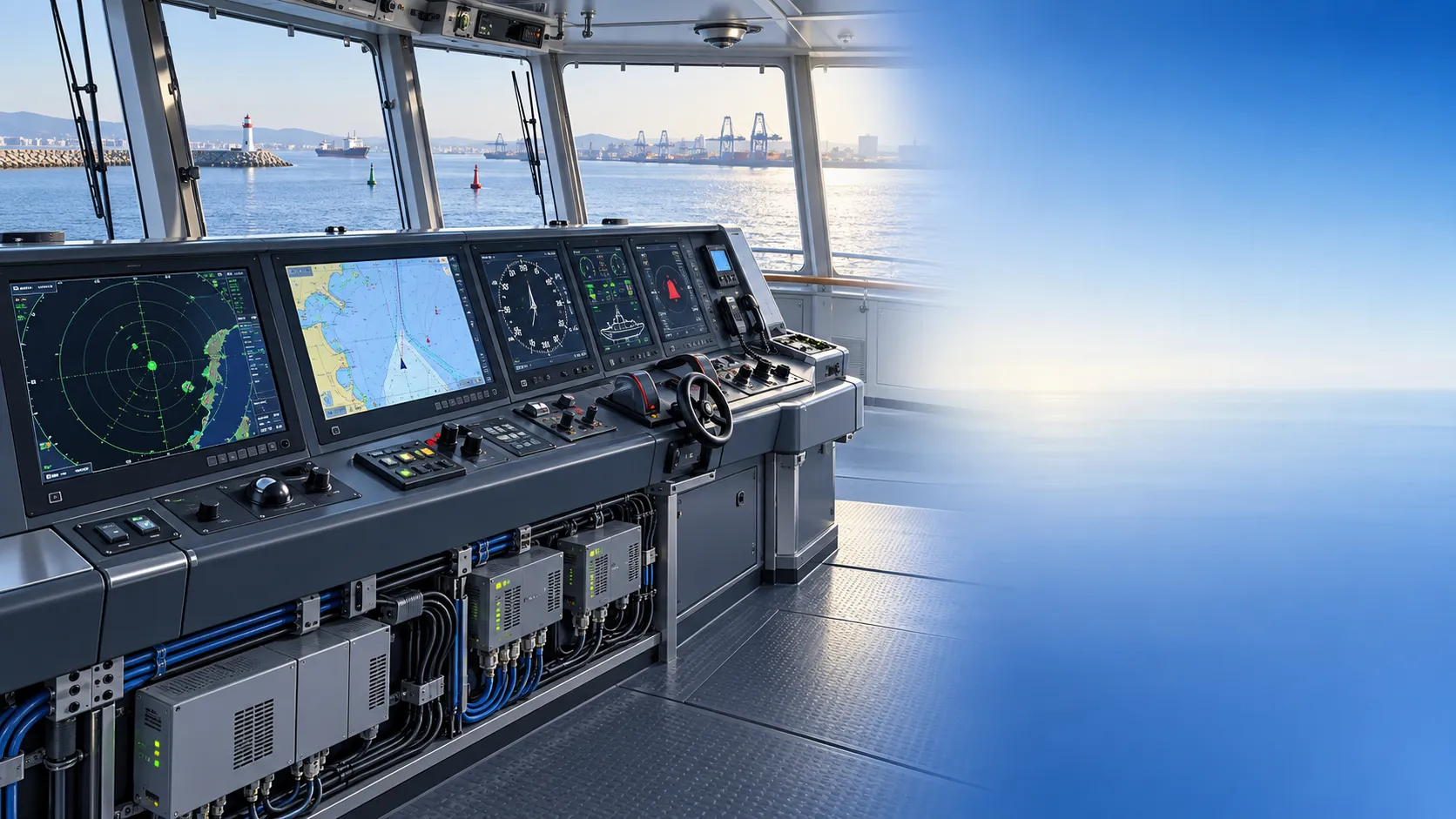
How to Specify Integrated Marine Electronics for Reliable Bridge Operations
Integrated marine electronics: learn how to specify reliable bridge systems with clear data flows, redundancy, alarm control, lifecycle interfaces, and operational testing.

How to Evaluate Navigation Radar Manufacturers for Commercial Vessel Projects
Navigation radar manufacturers: learn how to compare performance, compliance, integration, support, and lifecycle cost for commercial vessel projects.
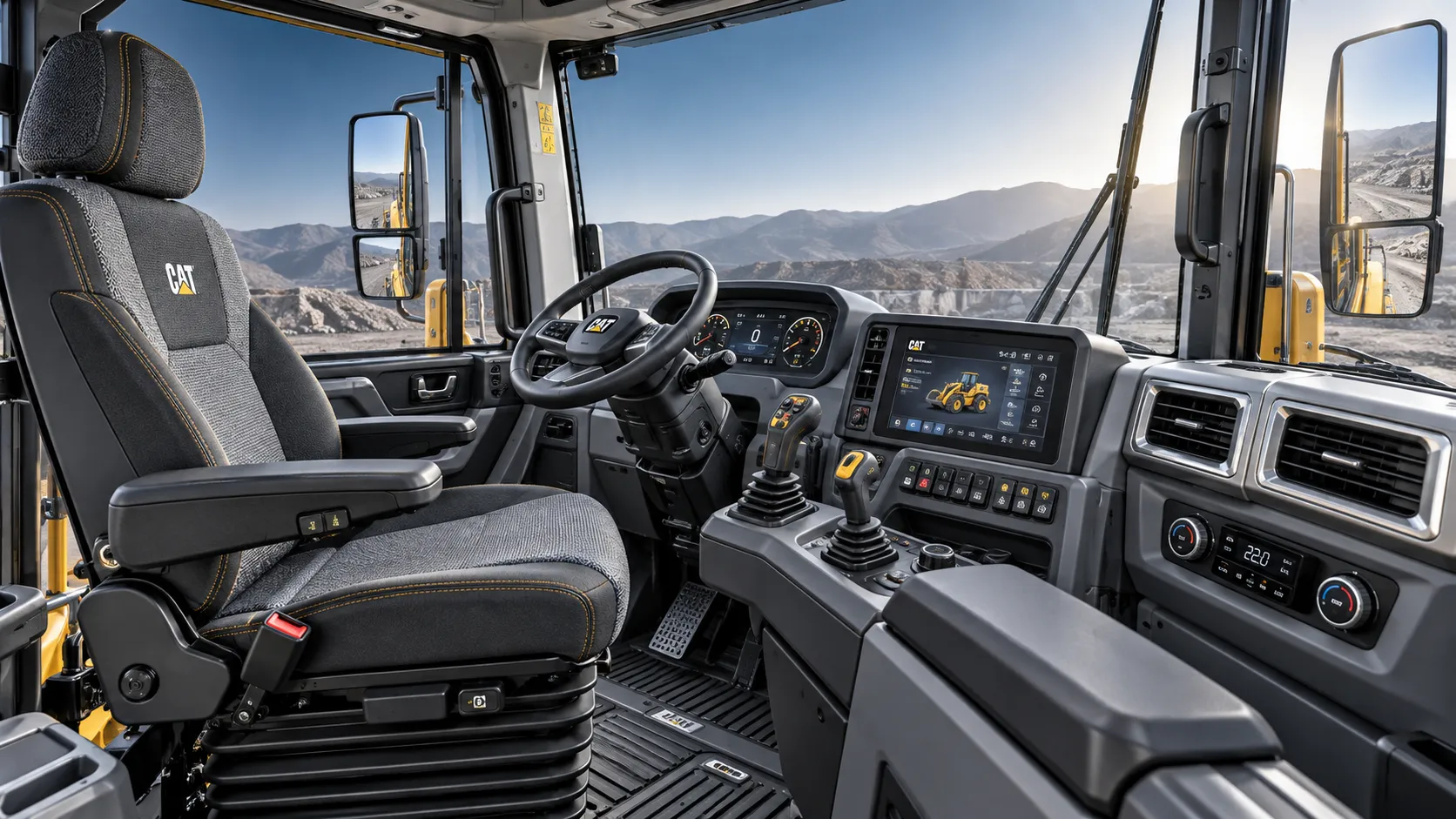
How Adjustable Cabin Ergonomics Reduce Operator Fatigue in Long-Shift Vehicles
Adjustable cabin ergonomics reduces operator fatigue through better seating, reach, visibility, vibration control, and climate comfort for safer long-shift vehicles.
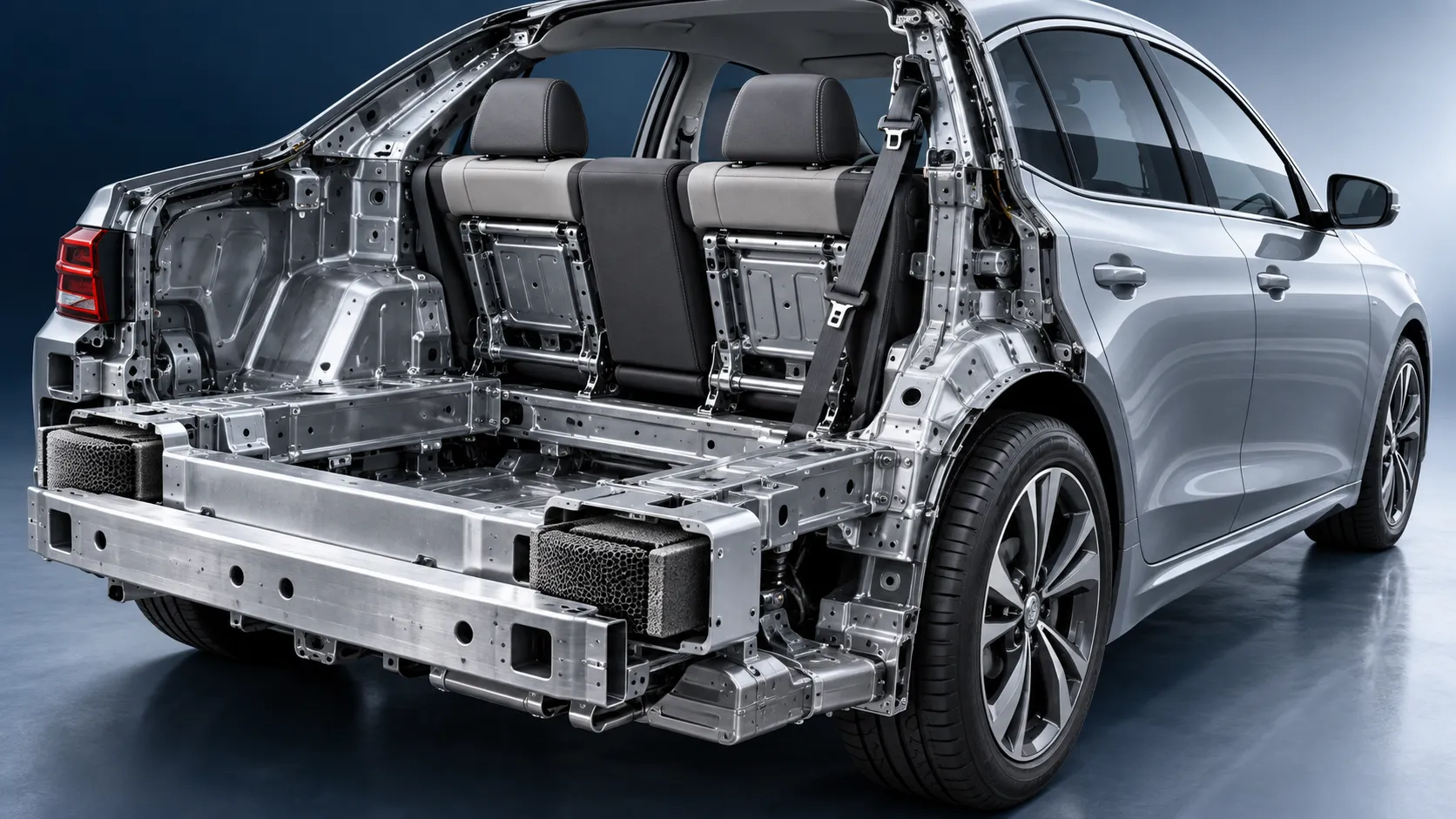
How Rear-Impact Safety Components Work Together to Protect Vehicle Occupants
Explore how automotive safety components for rear impact work together—from crash structures and seats to head restraints and belts—to enhance occupant protection.
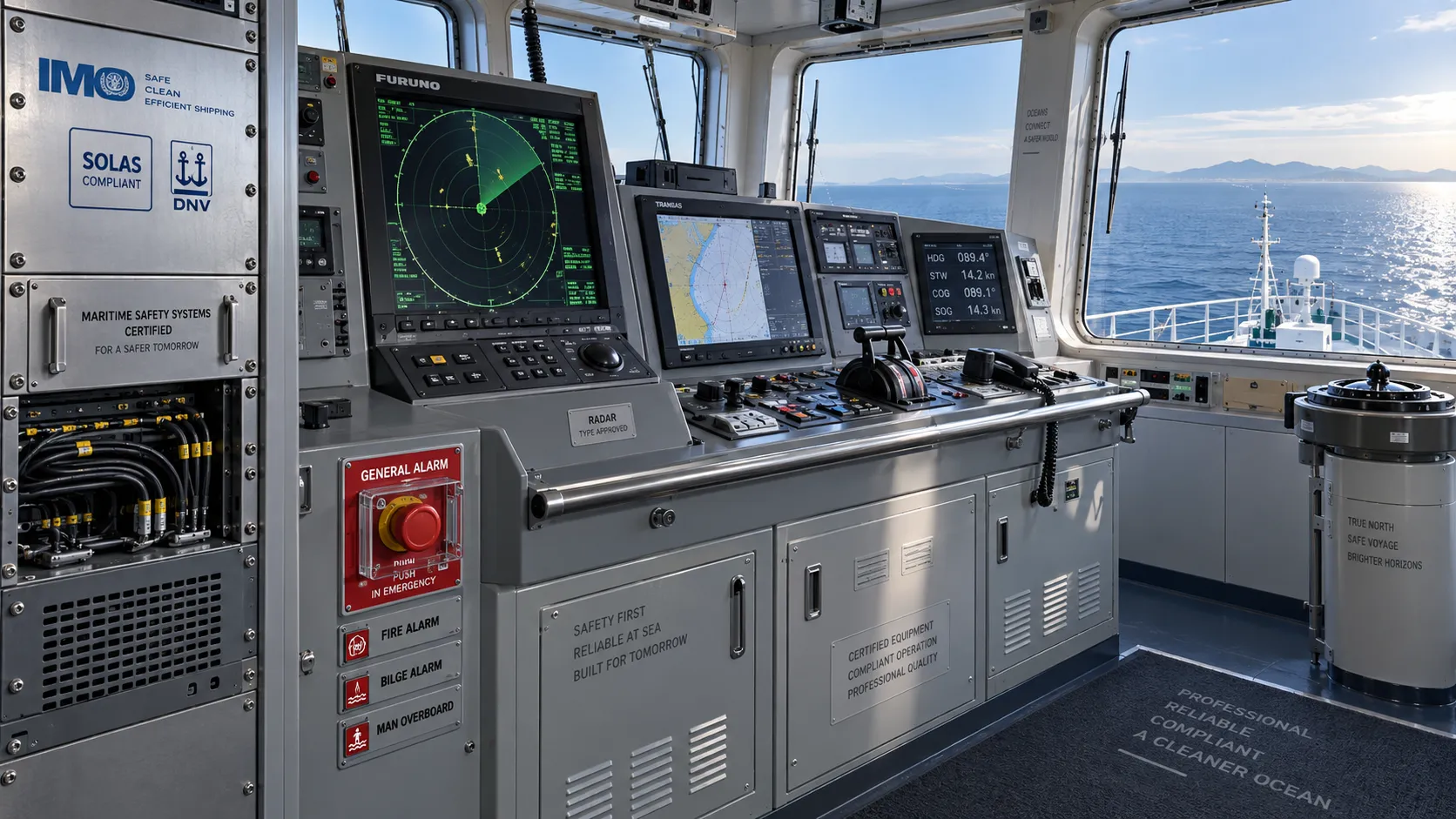
How to Evaluate a Marine Safety Systems Manufacturer for Vessel Compliance and Reliability
Marine safety systems manufacturer evaluation guide: verify compliance, engineering quality, lifecycle costs, and global service support for safer, reliable vessel operations.
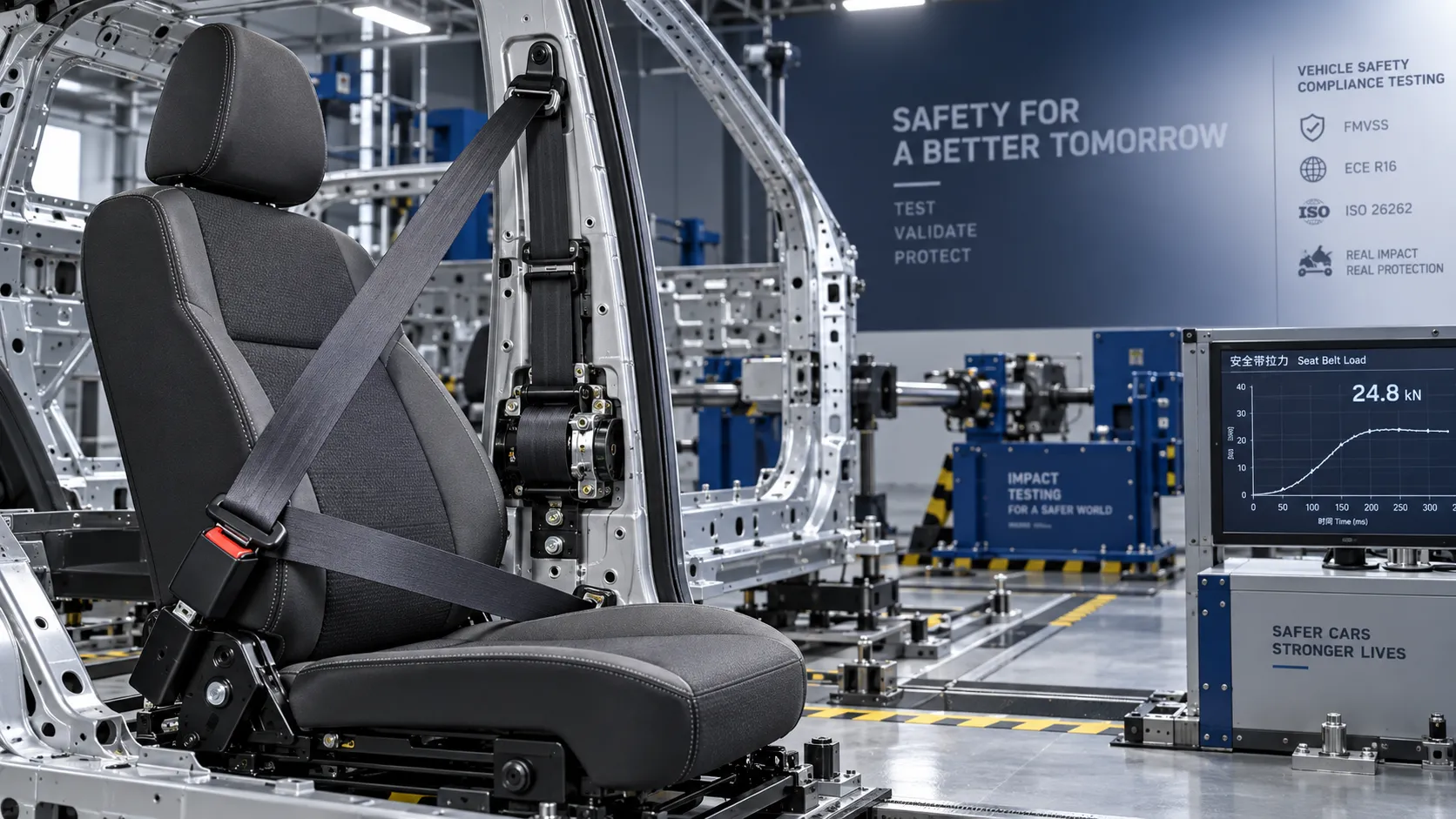
Crash Test Regulations for Seatbelts: Key Compliance Requirements Explained
Crash test regulations seatbelts explained: explore FMVSS, UN rules, anchorage strength, and dynamic restraint testing for safer, compliant vehicle systems.

How to Calculate the Total Cost of Automotive Lightweighting for a Vehicle Program
Automotive lightweight solutions cost: learn how to calculate program-level costs, including materials, tooling, joining, validation, risk, and vehicle-level value.
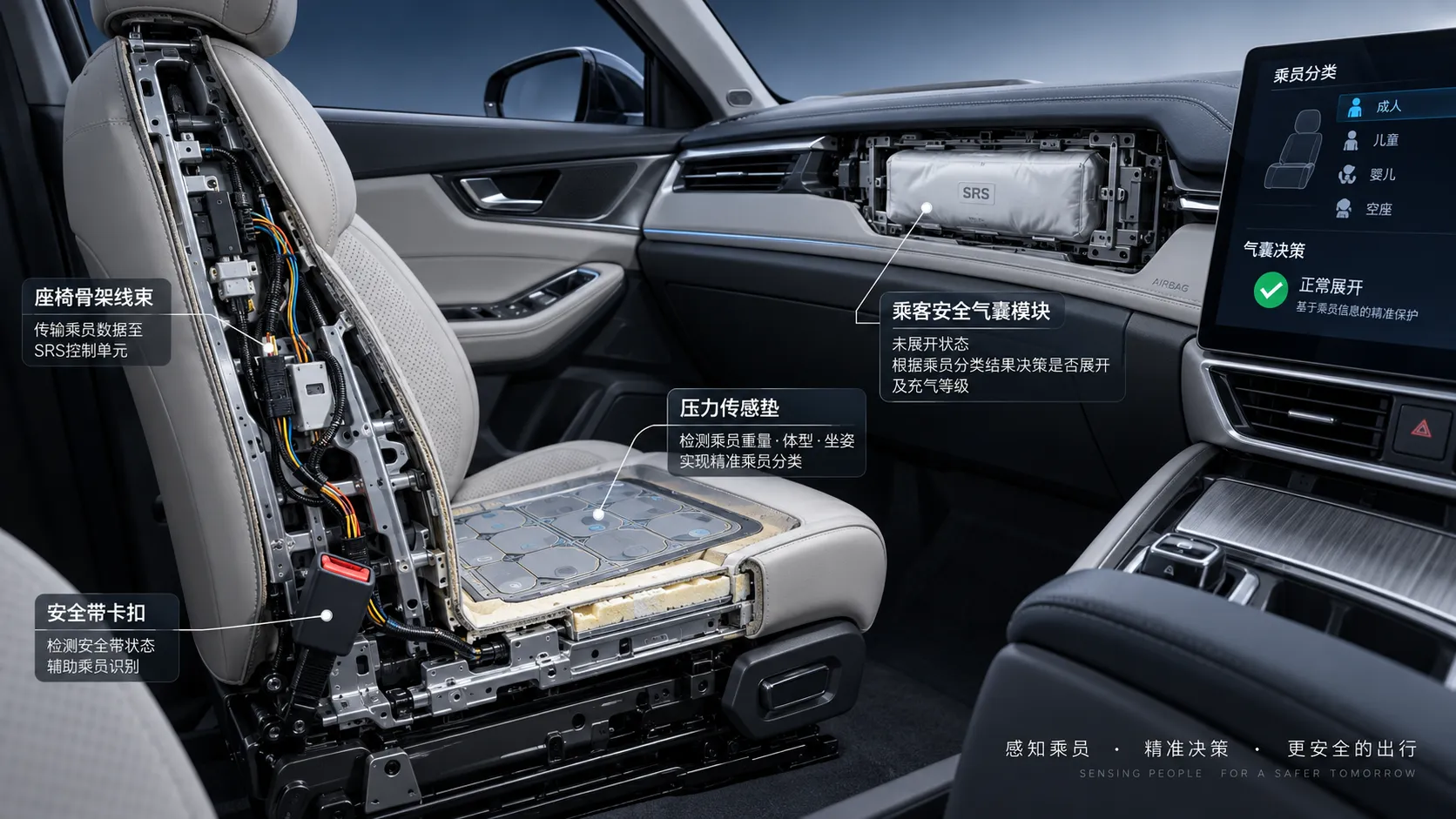
How Automotive Seat Occupancy Sensing Improves Airbag Deployment Decisions
Automotive seat occupancy sensing helps optimize airbag deployment decisions, improving passenger classification, safety diagnostics, and compliance across real-world conditions.
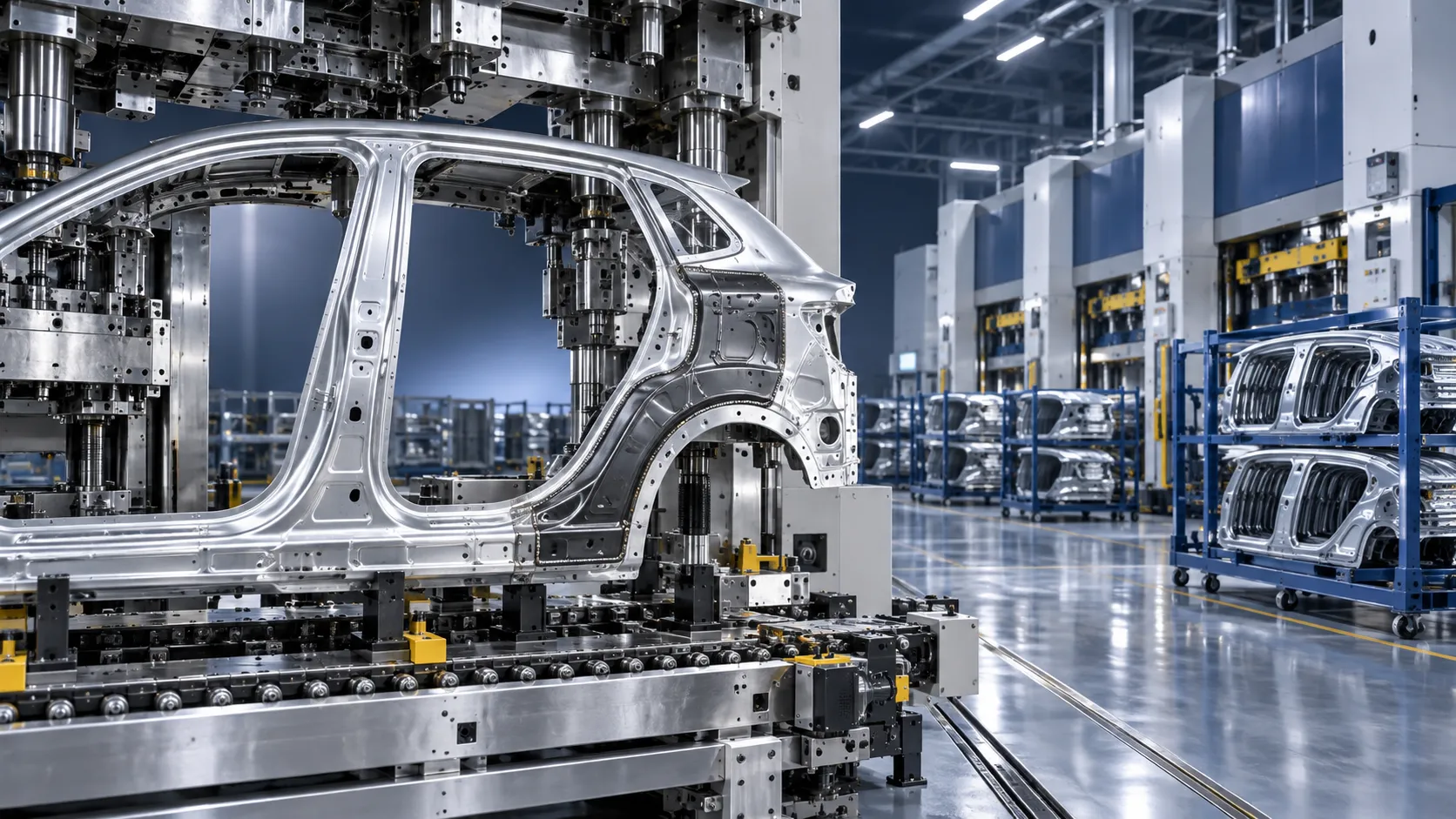
What Drives Lightweight Body Component Costs in High-Volume Vehicle Programs?
Lightweight body components cost depends on material yield, forming, joining, tooling, validation, and logistics. Explore proven ways to optimize total vehicle program cost.
Related News
- 00
0000-00
What Is Driving Demand for Lightweight Automotive Bodies in Europe? - 00
0000-00
Zero-Casualty Mobility in Practice: Safety Strategies, System Design, and Deployment Challenges - 00
0000-00
Digitalized Mobility Equipment vs Conventional Systems: Where the Cost Difference Comes From - 00
0000-00
How automotive crash protection is changing in 2026 - 00
0000-00
Why are non-toxic propellants gaining ground in new programs?
Weekly Insights
Stay ahead with our curated technology reports delivered every Monday.