
Can zero-casualty mobility move beyond industry talk
Can zero-casualty mobility become more than an industry slogan? As safety, lightweight engineering, and intelligent navigation converge, the answer depends on how precisely data, design, and compliance work together. For information researchers tracking mobility innovation, this article explores whether advances in marine navigation, passive safety systems, and smart cabin technologies are finally turning zero-casualty mobility into a measurable, actionable reality.
Why zero-casualty mobility needs a checklist approach
Zero-casualty mobility sounds visionary, but safety outcomes rarely improve through slogans alone. They improve when engineering assumptions, operating data, and regulatory evidence are checked against each other.
That matters across a broad mobility chain. Marine navigation systems prevent route deviation and collision risk. Lightweight body structures manage crash energy. Airbags, seatbelts, and seats reduce injury severity inside the cabin.
A checklist method makes zero-casualty mobility practical. It forces teams to verify signal reliability, structural integrity, occupant restraint timing, ergonomic fit, and compliance traceability before claims are made.
For GNCS-style intelligence tracking, this framework is useful because precision perception and physical containment protection are linked. Better sensing without better protection is incomplete. Better hardware without verified data is also incomplete.
Core checklist for evaluating zero-casualty mobility
Use the following checklist to test whether zero-casualty mobility is advancing from narrative to execution.
- Verify sensing accuracy under real conditions, including poor weather, multipath interference, vibration, low visibility, and incomplete map or route data.
- Measure decision latency across navigation, braking, restraint triggering, and warning systems, because milliseconds often define injury severity and collision avoidance.
- Test structural energy management using hot-stamped steel, aluminum, or magnesium strategies that reduce mass without weakening crash load paths.
- Check restraint synchronization between seatbelt pretensioners, force limiters, airbags, seating position sensors, and occupant classification logic.
- Audit software update governance for ECDIS, ADAS, cabin electronics, and diagnostic modules to prevent safety gaps after remote updates.
- Confirm compliance mapping against IIHS, Euro NCAP, UN regulations, maritime navigation rules, and local certification requirements.
- Track near-miss data, not just crash data, because zero-casualty mobility depends on learning from avoided failures as much as actual incidents.
- Validate human-machine interaction, including alarm clarity, seat comfort over long duty cycles, and operator response during stress or fatigue.
- Inspect component reliability at the system level, since a strong sensor or airbag alone cannot deliver zero-casualty mobility without stable integration.
- Set measurable safety KPIs, such as collision reduction, injury risk reduction, false-alert rate, and intervention success across scenarios.
How the checklist applies in different mobility scenarios
Marine navigation systems
In marine environments, zero-casualty mobility begins with perception continuity. Satellite positioning, sonar, AIS, and radar must remain consistent when electromagnetic noise and weather reduce visibility.
The real question is not whether a vessel has advanced equipment. It is whether the system can preserve route awareness, collision alerts, and update integrity during long-duration operations.
Automotive body structures
For vehicles, zero-casualty mobility depends on balancing lightweight design with predictable crash behavior. Hot stamping and mixed-material architectures must reduce weight without introducing unstable deformation zones.
This is where material intelligence matters. A lighter body helps efficiency, but only if load transfer, intrusion resistance, and repair consistency remain controlled across crash modes.
Airbag and seatbelt systems
Passive safety systems are often discussed separately, yet zero-casualty mobility requires synchronized timing. Inflator chemistry, sensor logic, pretensioning force, and occupant size recognition must work as one event chain.
A compliant airbag module is not enough. Protection quality depends on deployment angle, belt load management, seat position, and post-crash survivability inside the cabin.
Smart seating and cabin systems
Seats are increasingly part of the safety stack. Smart sensing, posture detection, micro-climate control, and frame design affect fatigue, positioning, and occupant readiness before any impact occurs.
In zero-casualty mobility, prevention and protection meet here. A seat that reduces fatigue and holds posture correctly can improve both operational judgment and restraint effectiveness.
Commonly overlooked risks
Ignoring update-induced safety drift
Software updates can improve performance, but they can also alter alert thresholds, map behavior, or calibration dependencies. Zero-casualty mobility fails when change control is weaker than feature ambition.
Treating compliance as proof of safety completeness
Passing a standard is necessary, not sufficient. Test protocols cannot cover every real-world combination of weather, occupant posture, loading state, and maintenance quality.
Separating perception from protection
Many programs overinvest in sensing and underinvest in containment. Zero-casualty mobility requires both hazard avoidance and injury mitigation, connected by verified timing logic.
Using aggregated data without scenario context
Average performance can hide critical edge cases. Crosswinds, child occupants, side impacts, sensor occlusion, and mixed traffic complexity often reveal whether safety claims are robust.
Practical execution steps
- Start with a failure map. List where navigation, structure, restraint, seating, or software can fail independently or interactively.
- Build a shared evidence matrix. Connect each safety claim to test data, field data, regulation, and update history.
- Prioritize edge-case validation. Include rough sea states, poor visibility, offset crashes, out-of-position occupants, and sensor degradation.
- Review integration timing. Confirm that sensor detection, alerting, restraint activation, and structural response align within validated thresholds.
- Monitor near-miss patterns continuously. These signals often provide the earliest proof that zero-casualty mobility is improving or weakening.
Conclusion and next action
Zero-casualty mobility can move beyond industry talk, but only when safety is treated as a stitched system of perception, structure, restraint, seating, and compliance intelligence.
The strongest indicator is not marketing language. It is traceable evidence showing that sensing remains accurate, protection remains synchronized, and updates remain governed across real operating conditions.
The next useful step is simple: apply this checklist to one mobility program, score each item, and identify where zero-casualty mobility is measurable today and where it is still aspirational.
Related News
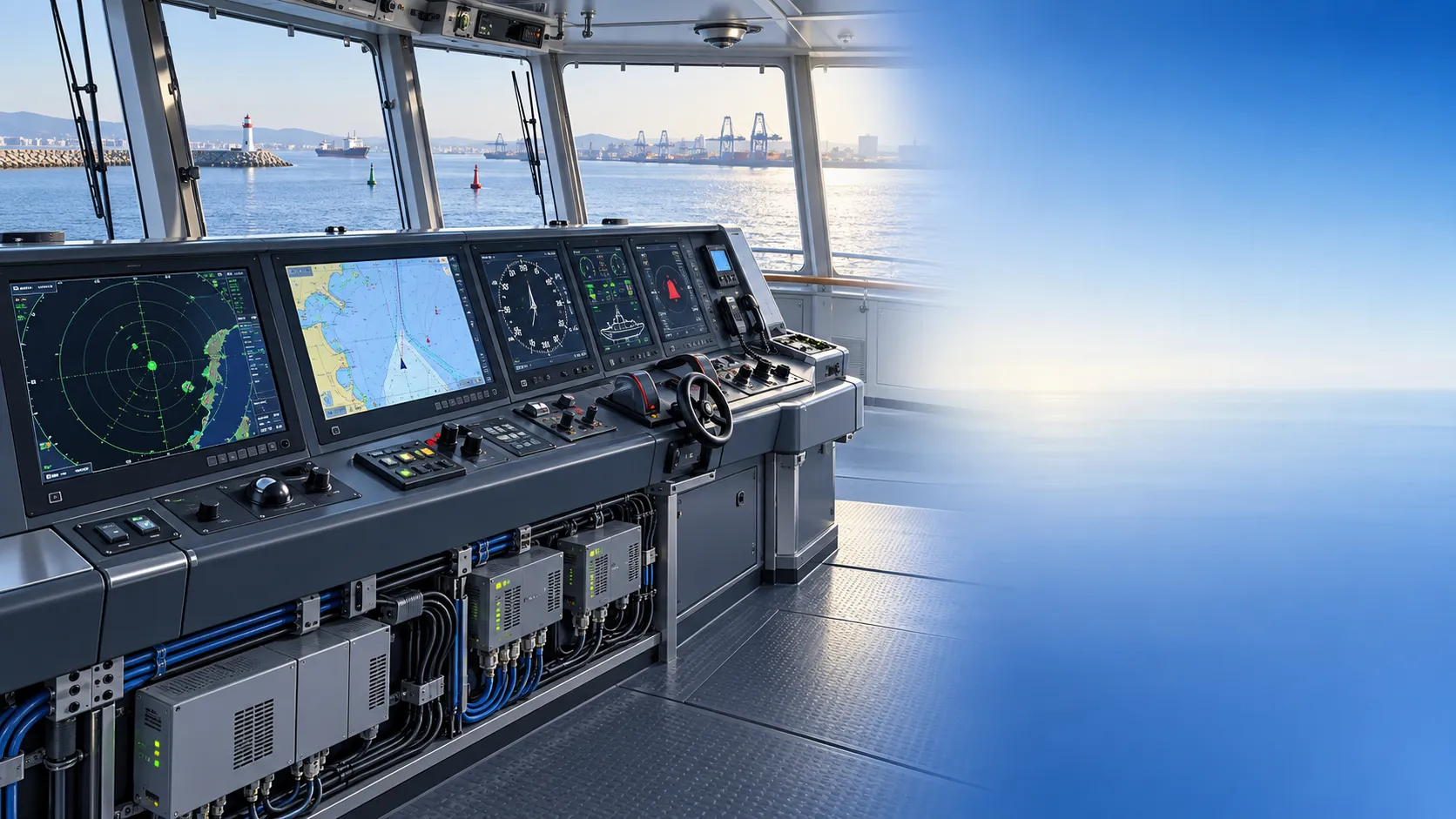
How to Specify Integrated Marine Electronics for Reliable Bridge Operations
Integrated marine electronics: learn how to specify reliable bridge systems with clear data flows, redundancy, alarm control, lifecycle interfaces, and operational testing.

How to Evaluate Navigation Radar Manufacturers for Commercial Vessel Projects
Navigation radar manufacturers: learn how to compare performance, compliance, integration, support, and lifecycle cost for commercial vessel projects.
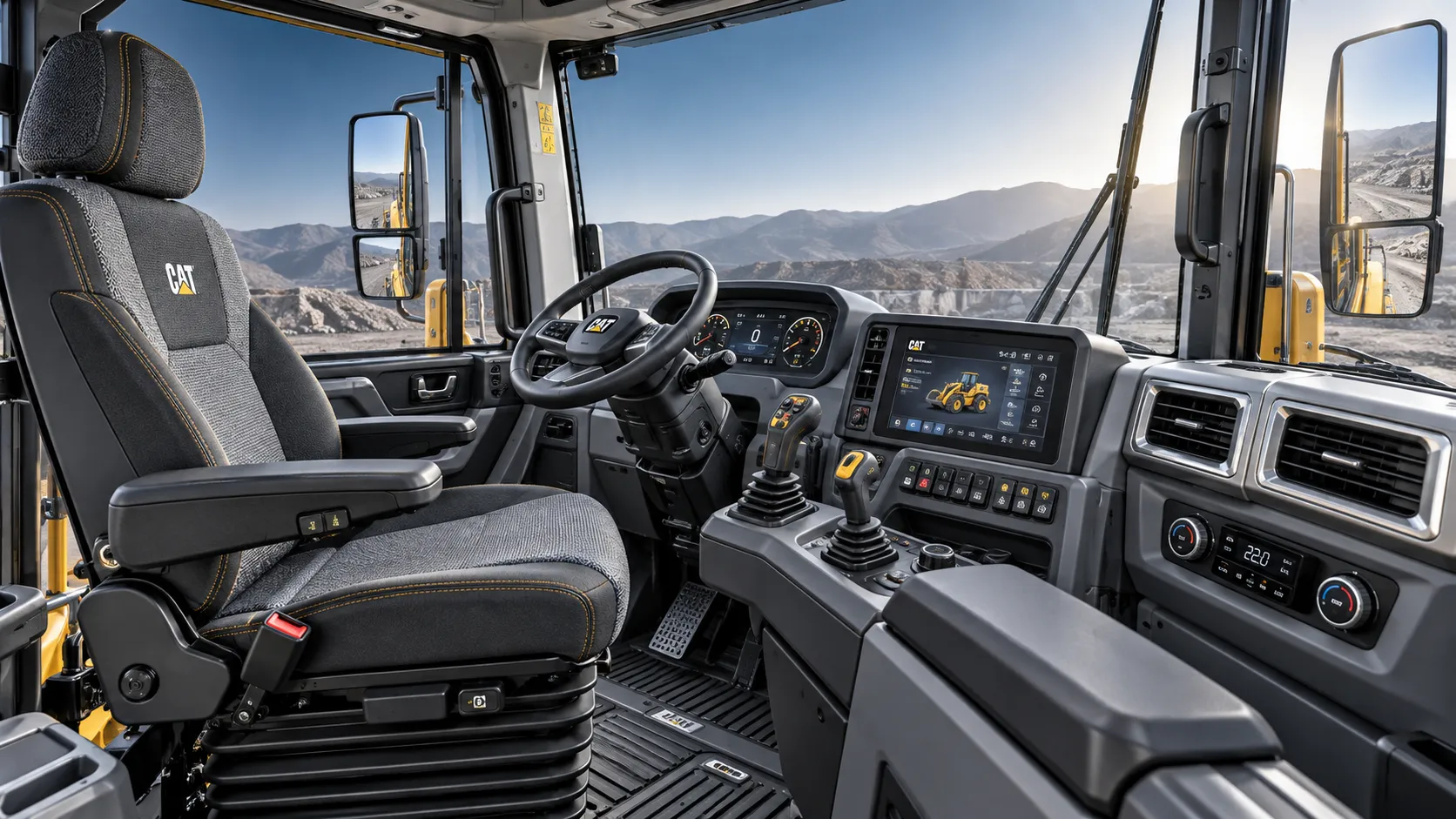
How Adjustable Cabin Ergonomics Reduce Operator Fatigue in Long-Shift Vehicles
Adjustable cabin ergonomics reduces operator fatigue through better seating, reach, visibility, vibration control, and climate comfort for safer long-shift vehicles.

How Rear-Impact Safety Components Work Together to Protect Vehicle Occupants
Explore how automotive safety components for rear impact work together—from crash structures and seats to head restraints and belts—to enhance occupant protection.
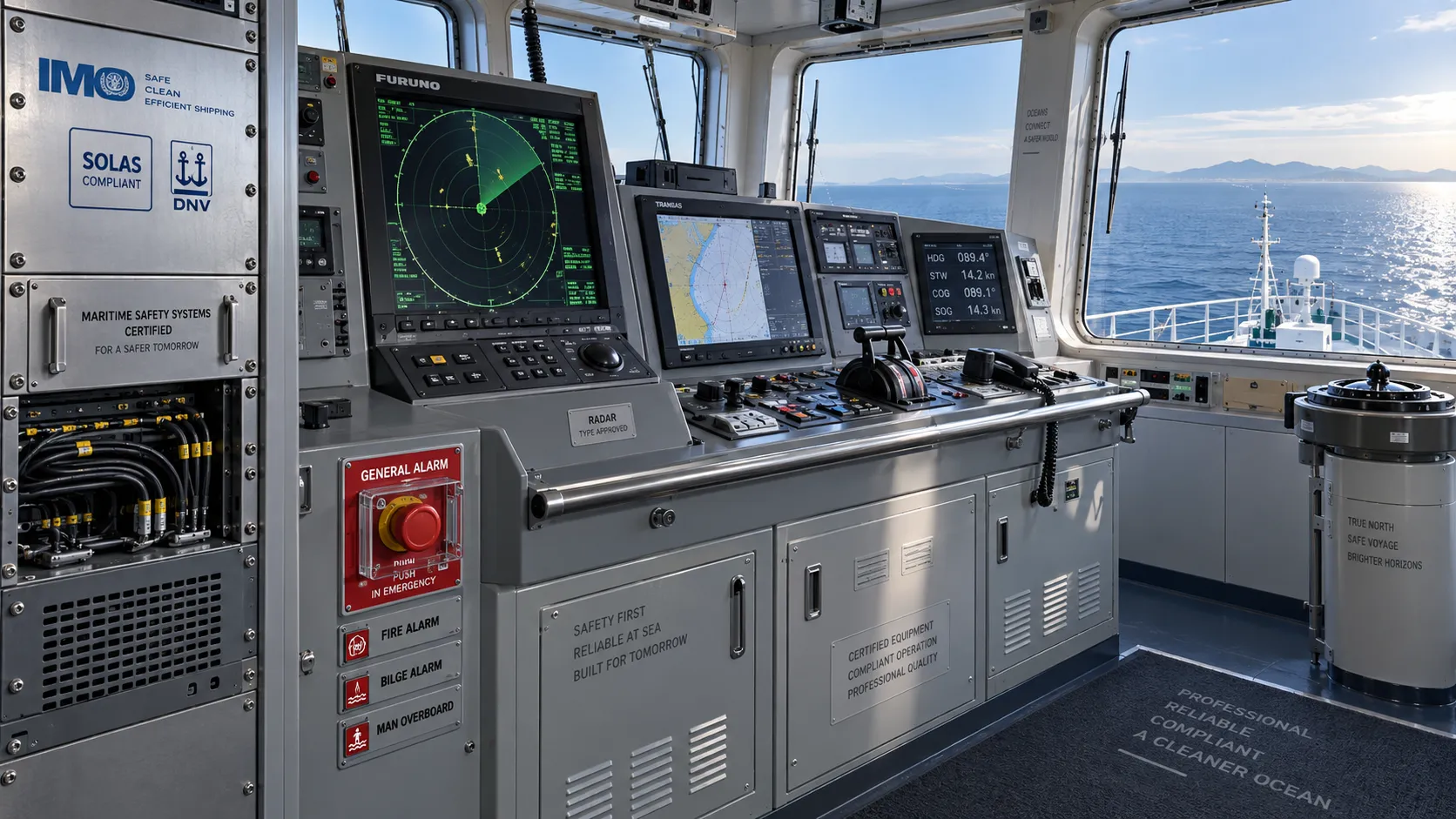
How to Evaluate a Marine Safety Systems Manufacturer for Vessel Compliance and Reliability
Marine safety systems manufacturer evaluation guide: verify compliance, engineering quality, lifecycle costs, and global service support for safer, reliable vessel operations.
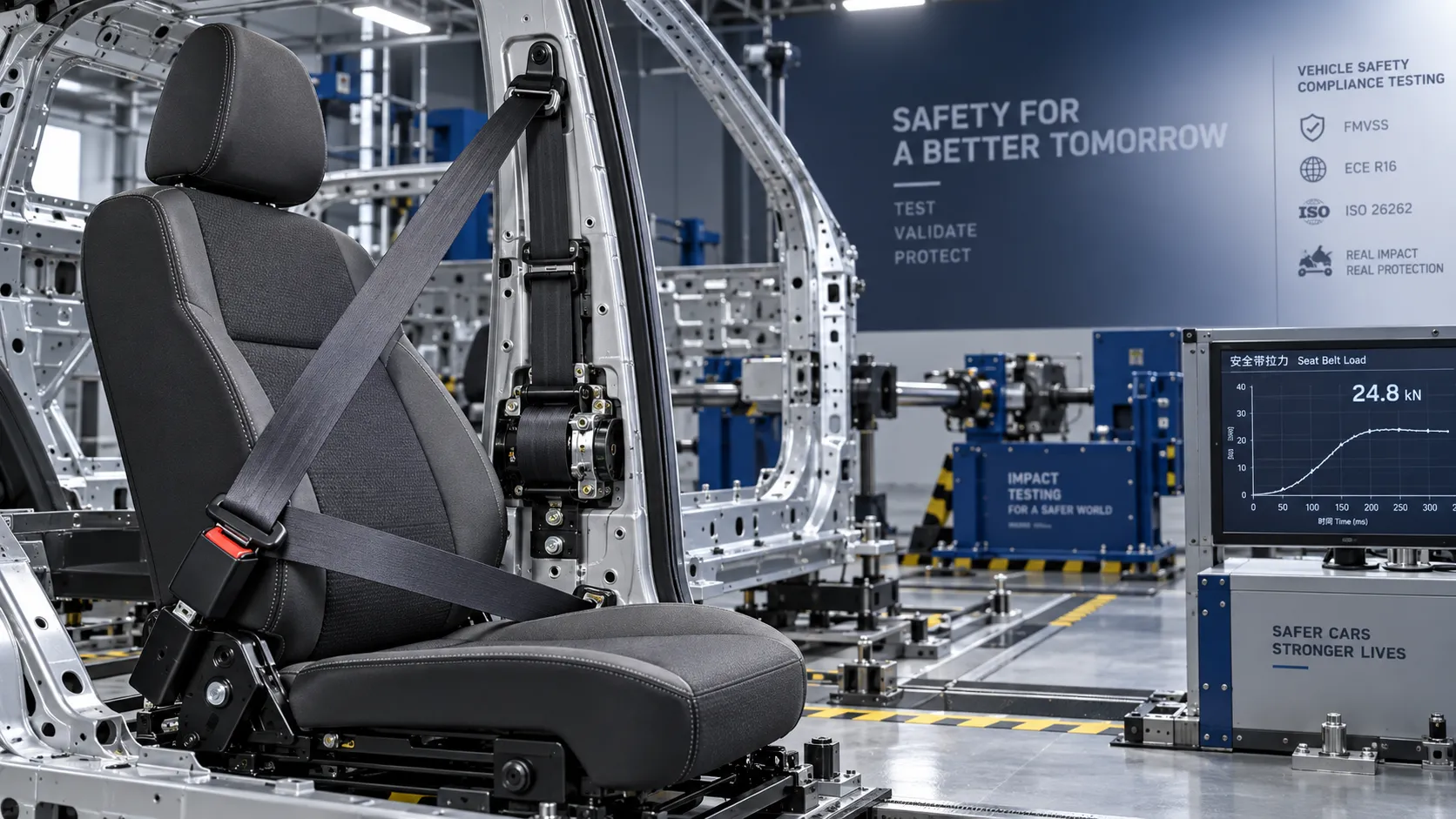
Crash Test Regulations for Seatbelts: Key Compliance Requirements Explained
Crash test regulations seatbelts explained: explore FMVSS, UN rules, anchorage strength, and dynamic restraint testing for safer, compliant vehicle systems.

How to Calculate the Total Cost of Automotive Lightweighting for a Vehicle Program
Automotive lightweight solutions cost: learn how to calculate program-level costs, including materials, tooling, joining, validation, risk, and vehicle-level value.

How Automotive Seat Occupancy Sensing Improves Airbag Deployment Decisions
Automotive seat occupancy sensing helps optimize airbag deployment decisions, improving passenger classification, safety diagnostics, and compliance across real-world conditions.

What Drives Lightweight Body Component Costs in High-Volume Vehicle Programs?
Lightweight body components cost depends on material yield, forming, joining, tooling, validation, and logistics. Explore proven ways to optimize total vehicle program cost.
Related News
- 00
0000-00
What Is Driving Demand for Lightweight Automotive Bodies in Europe? - 00
0000-00
Zero-Casualty Mobility in Practice: Safety Strategies, System Design, and Deployment Challenges - 00
0000-00
Digitalized Mobility Equipment vs Conventional Systems: Where the Cost Difference Comes From - 00
0000-00
How automotive crash protection is changing in 2026 - 00
0000-00
Why are non-toxic propellants gaining ground in new programs?
Weekly Insights
Stay ahead with our curated technology reports delivered every Monday.