
Digitalized Mobility Equipment vs Conventional Systems: Where the Cost Difference Comes From
For procurement teams, the price gap between digitalized mobility equipment and conventional systems is rarely just about hardware. Most of the difference comes from software, sensing, compliance, and lifecycle performance.
That matters across marine navigation, lightweight body parts, airbags, seatbelts, and smart seating. A cheaper unit can become the more expensive choice once downtime, validation, updates, and safety risks show up.
For GNCS-focused sectors, the real question is not simply “Why does digitalized mobility equipment cost more?” It is “Which cost drivers create usable value, and which ones do not?”
Where the Cost Difference Really Starts
The first cost jump usually appears before production even starts. Digital architecture, embedded software, data interfaces, and validation plans are built into the price from day one.
In conventional systems, cost is often concentrated in materials and assembly. In digitalized mobility equipment, cost is spread across electronics, firmware, calibration, cybersecurity, and traceability.
- Software layers add cost because they need integration, testing, version control, and long-term support, especially in navigation, airbag triggering logic, and seat sensing functions.
- Precision sensors raise pricing through calibration, redundancy, and environmental tolerance, not just component count, which is common in radar, sonar, and smart restraint systems.
- Compliance-ready design costs more upfront, but it reduces redesign risk when standards shift across ECDIS, IIHS, E-NCAP, and regional safety requirements.
- Data connectivity increases value only when the system can turn updates, diagnostics, and performance logs into lower service cost or better operational decisions.
Why this shows up differently by product
Marine navigation systems carry high software and signal-processing costs. Passive safety parts often carry heavy validation and regulatory costs. Smart seating adds sensor fusion, comfort control, and electronic architecture complexity.
This is where GNCS intelligence becomes practical. It helps compare whether a cost premium comes from real safety performance, global compliance readiness, or just feature inflation.
The Cost Drivers Worth Checking First
When evaluating digitalized mobility equipment, five cost drivers usually explain most of the gap. Looking at them early keeps sourcing conversations clear and less emotional.
1. Integration depth
A system that talks to vehicle networks, ship bridges, diagnostics tools, and update platforms will cost more. But it can remove manual work, reduce interface failures, and speed qualification.
2. Safety validation
This is a major hidden cost category. Crash simulation, inflator chemistry validation, seatbelt timing logic, and navigation reliability testing all push pricing higher for good reason.
3. Lightweight material and structure engineering
High-strength steel, aluminum, and magnesium structures usually bring more tooling and process cost. Yet they often improve energy absorption, range efficiency, and payload economics.
4. Update and lifecycle support
Cloud-based updates, diagnostics, and remote health checks cost money to build and maintain. They also reduce field failures and keep systems compliant longer.
5. Reliability under harsh conditions
Salt spray, vibration, thermal cycling, impact loads, and electromagnetic noise all drive design complexity. Robust digitalized mobility equipment must survive real operating conditions, not lab-only ones.
What Often Gets Missed During Cost Comparison
A line-item comparison can be misleading. Two systems may look close on paper, yet one includes validation evidence, update support, and diagnostics while the other does not.
- Check whether the quote includes calibration tools, software licenses, data interfaces, and validation documents; these missing items often reappear later as separate costs.
- Review who owns updates, fault logs, and cybersecurity patches, because unsupported digital functions can quickly turn a lower purchase price into operational exposure.
- Ask how the supplier handles regulation changes; a cheap system that needs redesign after each new rule can erase any initial savings.
- Compare service networks and failure response times, since premium pricing sometimes reflects faster field support and better uptime protection.
A common navigation scenario
In marine navigation, a conventional package may look attractive because hardware cost is lower. But if chart updates, signal filtering, and compliance records remain manual, operational burden grows fast.
A more advanced package can cost more upfront, yet reduce bridge workload, improve all-weather accuracy, and simplify audit readiness. That tradeoff deserves a full lifecycle view.
A common cabin safety scenario
With airbags, seatbelts, and smart seats, the issue is often integration. A lower-cost part may still require extra sensing modules, more harness complexity, or fresh validation work.
That means the assembly cost is not the whole story. In digitalized mobility equipment, interface simplicity can be as valuable as the part itself.
How to Judge Whether the Premium Is Justified
The easiest way is to connect price to measurable outcomes. If a premium cannot be linked to compliance, uptime, safety, weight reduction, or service savings, question it.
- Measure premium value against fewer failures, lower validation rework, faster installation, and better audit readiness rather than against unit price alone.
- Use scenario-based comparison for marine, body, restraint, and seating applications, because each category gains value from different digital capabilities.
- Request proof of field performance in harsh environments, not only lab results, especially for systems exposed to vibration, moisture, heat, and electromagnetic interference.
- Prioritize suppliers that explain the cost structure clearly; transparency usually signals mature engineering, stronger support discipline, and fewer unpleasant surprises later.
A practical evaluation lens from GNCS sectors
GNCS tracks areas where technical credibility directly affects buying confidence. That includes ECDIS update protocols, non-toxic inflator evolution, magnesium seat-frame benefits, and crash regulation shifts.
Those signals help separate real capability from marketing language. They also make digitalized mobility equipment comparisons more evidence-based and easier to defend internally.
Questions Worth Asking Before Final Selection
A good buying decision usually comes from sharper questions, not longer quotations. These points help expose where the true cost difference comes from.
- What portion of the price covers software, sensing, compliance, and service support, and which of those elements are contractually guaranteed?
- Which functions reduce manual work, downtime, or redesign risk within the first two years, and how can that impact be verified?
- What standards, test protocols, and update responsibilities are already built in, rather than treated as optional extras?
- If supply conditions change, which parts of the system can be updated or substituted without restarting full validation?
One more thing is easy to overlook: premium systems are not automatically better. Some are overconfigured for the application. Others include digital features that never create operational value.
That is why fit matters more than feature count. The best digitalized mobility equipment choice is the one that improves safety, compliance, and lifecycle cost in a measurable way.
The Smarter Next Step
When the price gap looks large, slow the comparison down. Break it into integration, validation, lifecycle support, and operating risk. That usually reveals where the real economics sit.
For sectors covered by GNCS, from marine navigation to passive safety and smart seating, the strongest decisions come from matching technical depth with real use conditions and regulatory pressure.
In other words, the cost difference behind digitalized mobility equipment is not random. It comes from intelligence, precision, compliance, and long-term control. If those elements are relevant to the application, the premium can be the more economical choice.
Related News
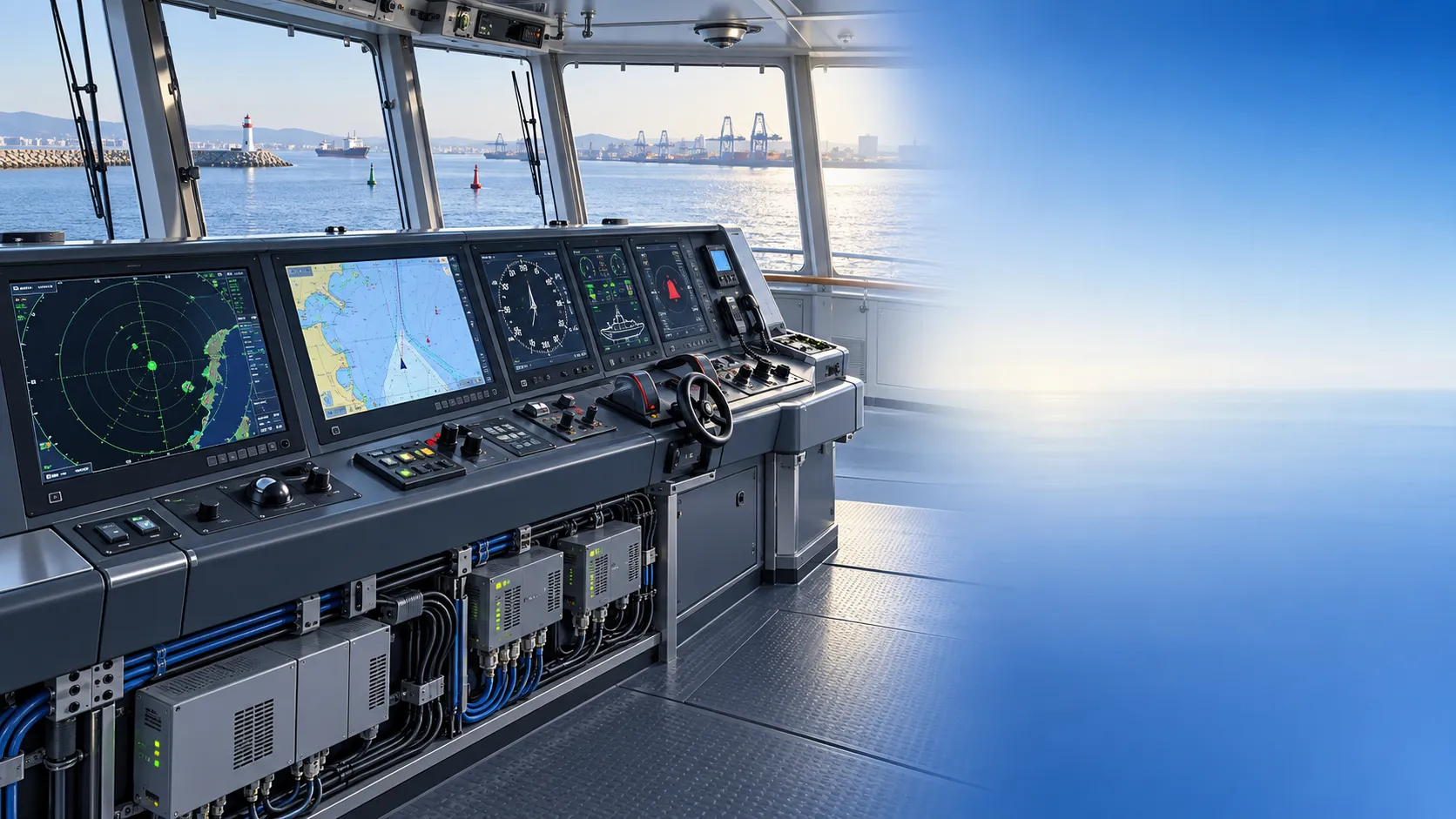
How to Specify Integrated Marine Electronics for Reliable Bridge Operations
Integrated marine electronics: learn how to specify reliable bridge systems with clear data flows, redundancy, alarm control, lifecycle interfaces, and operational testing.

How to Evaluate Navigation Radar Manufacturers for Commercial Vessel Projects
Navigation radar manufacturers: learn how to compare performance, compliance, integration, support, and lifecycle cost for commercial vessel projects.
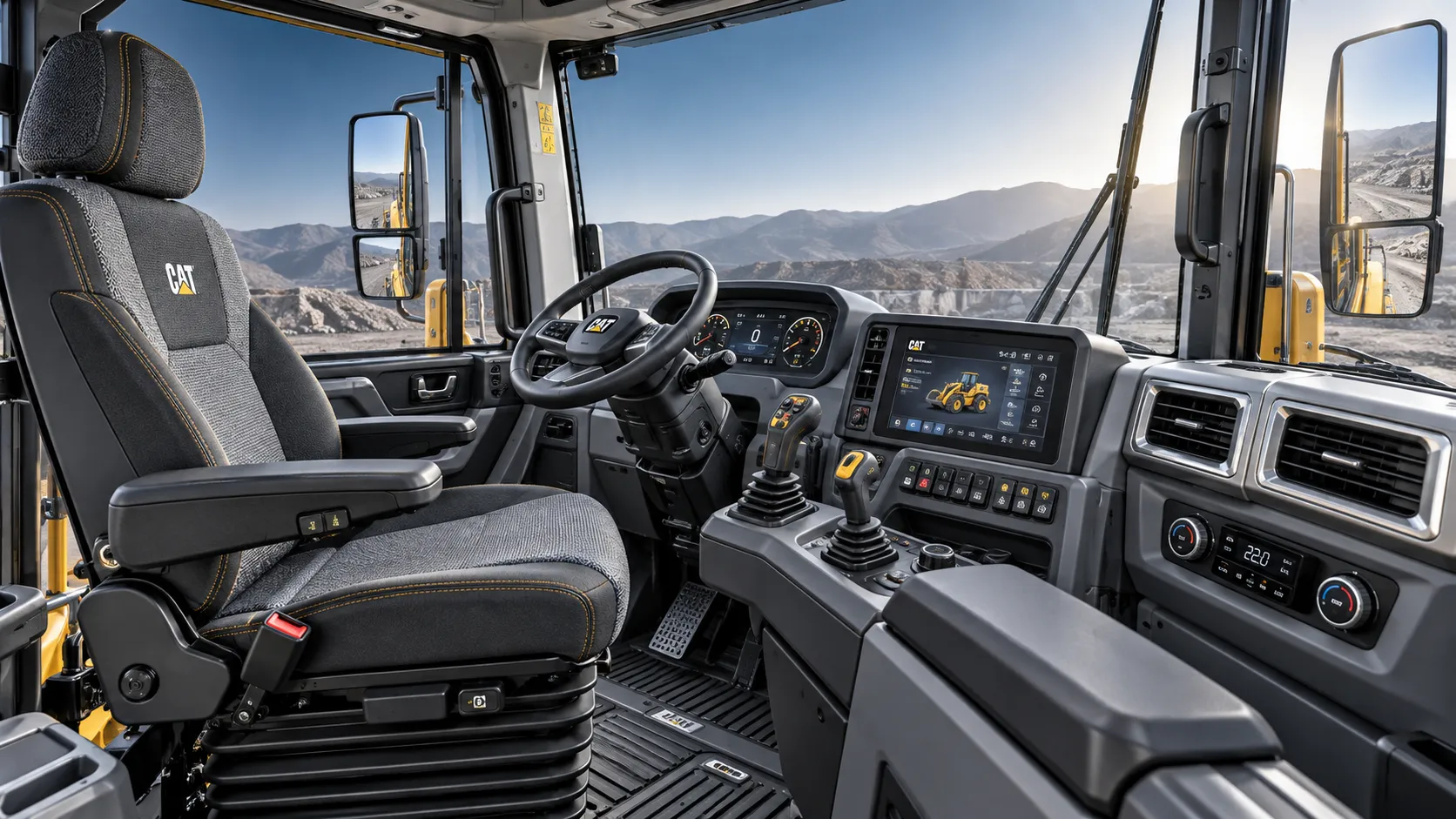
How Adjustable Cabin Ergonomics Reduce Operator Fatigue in Long-Shift Vehicles
Adjustable cabin ergonomics reduces operator fatigue through better seating, reach, visibility, vibration control, and climate comfort for safer long-shift vehicles.
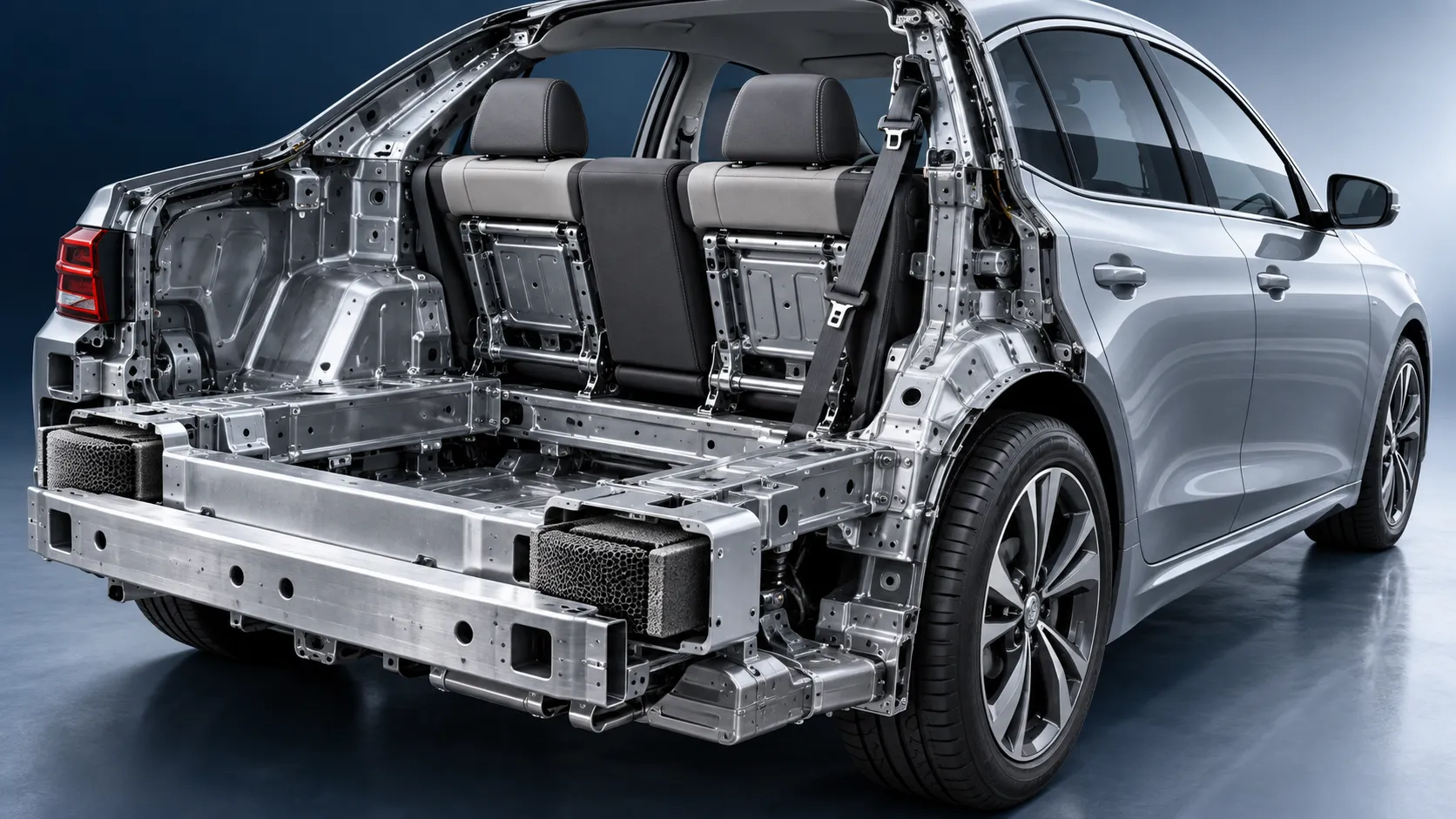
How Rear-Impact Safety Components Work Together to Protect Vehicle Occupants
Explore how automotive safety components for rear impact work together—from crash structures and seats to head restraints and belts—to enhance occupant protection.
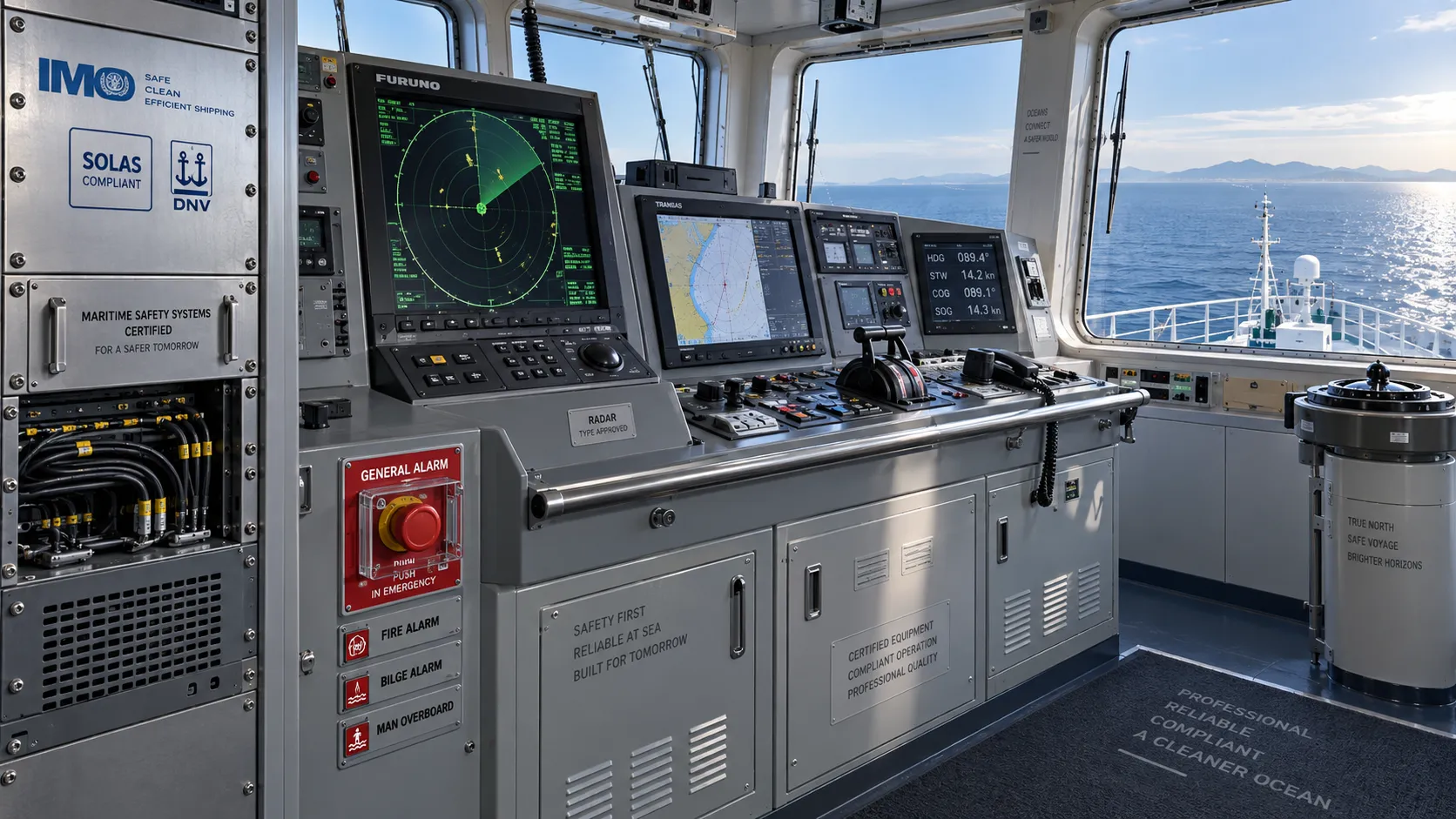
How to Evaluate a Marine Safety Systems Manufacturer for Vessel Compliance and Reliability
Marine safety systems manufacturer evaluation guide: verify compliance, engineering quality, lifecycle costs, and global service support for safer, reliable vessel operations.
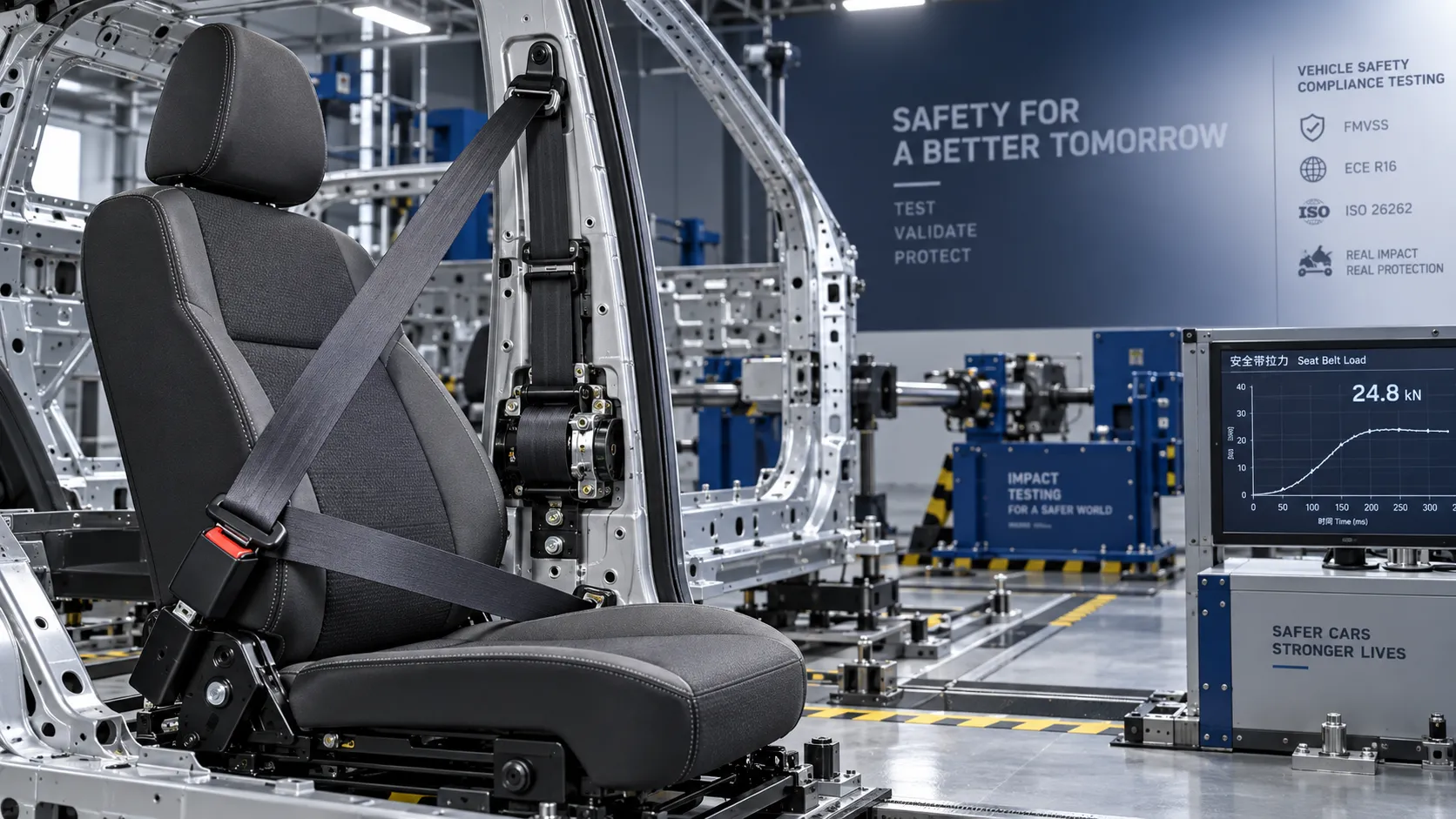
Crash Test Regulations for Seatbelts: Key Compliance Requirements Explained
Crash test regulations seatbelts explained: explore FMVSS, UN rules, anchorage strength, and dynamic restraint testing for safer, compliant vehicle systems.

How to Calculate the Total Cost of Automotive Lightweighting for a Vehicle Program
Automotive lightweight solutions cost: learn how to calculate program-level costs, including materials, tooling, joining, validation, risk, and vehicle-level value.
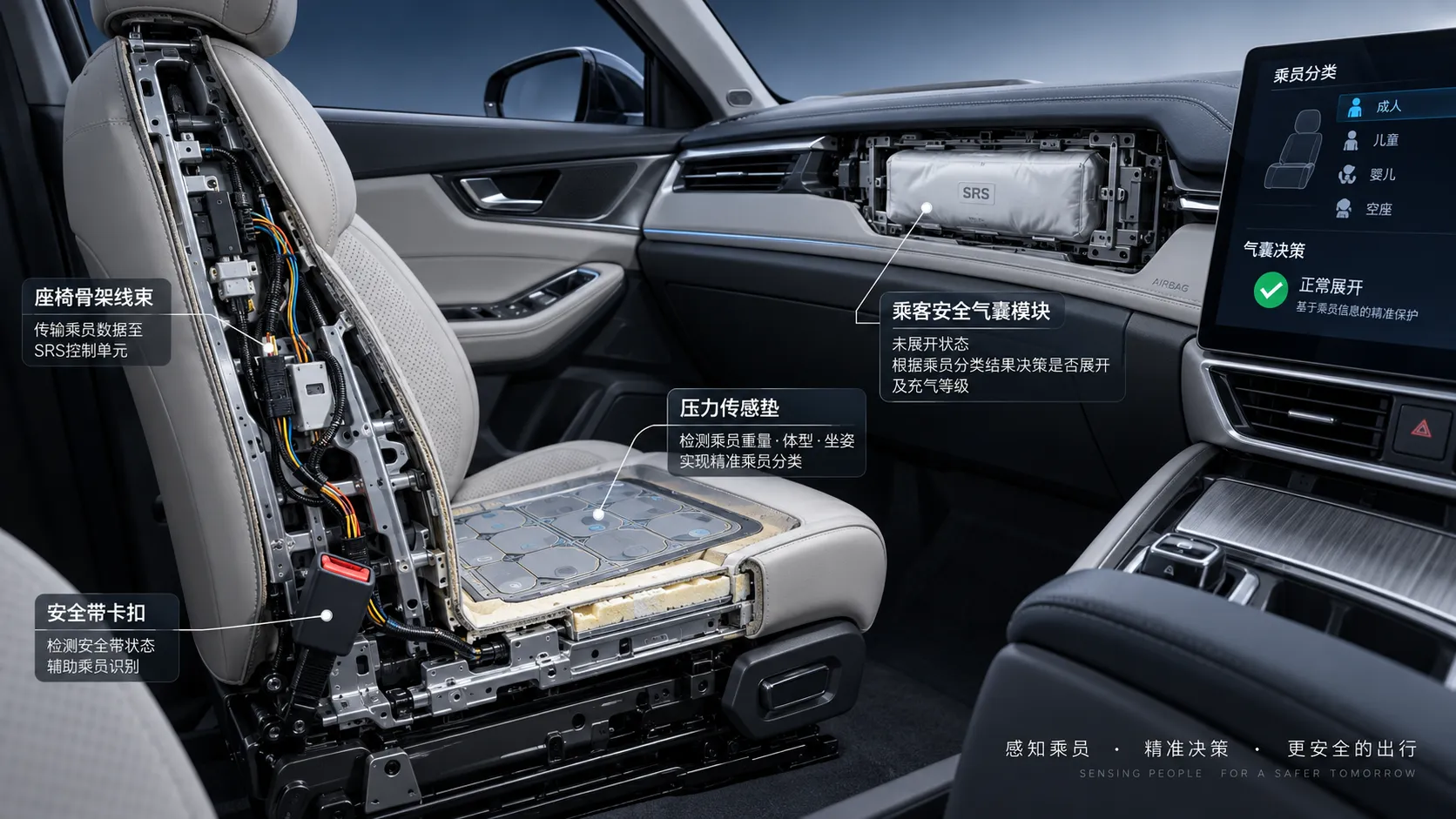
How Automotive Seat Occupancy Sensing Improves Airbag Deployment Decisions
Automotive seat occupancy sensing helps optimize airbag deployment decisions, improving passenger classification, safety diagnostics, and compliance across real-world conditions.

What Drives Lightweight Body Component Costs in High-Volume Vehicle Programs?
Lightweight body components cost depends on material yield, forming, joining, tooling, validation, and logistics. Explore proven ways to optimize total vehicle program cost.
Related News
- 00
0000-00
What Is Driving Demand for Lightweight Automotive Bodies in Europe? - 00
0000-00
Zero-Casualty Mobility in Practice: Safety Strategies, System Design, and Deployment Challenges - 00
0000-00
Digitalized Mobility Equipment vs Conventional Systems: Where the Cost Difference Comes From - 00
0000-00
How automotive crash protection is changing in 2026 - 00
0000-00
Why are non-toxic propellants gaining ground in new programs?
Weekly Insights
Stay ahead with our curated technology reports delivered every Monday.