
Is digitalized mobility equipment worth the extra cost?
For procurement teams, the real question is not just whether digitalized mobility equipment costs more, but whether it delivers measurable value in safety, compliance, efficiency, and lifecycle performance.
Across marine navigation, passive safety, lightweight structures, and smart seating, digital upgrades can reshape risk, uptime, and long-term cost.
This guide explains when digitalized mobility equipment is worth the premium, where returns are strongest, and how to evaluate investment without guesswork.
What does digitalized mobility equipment really include?
Digitalized mobility equipment combines physical hardware with sensors, software, connectivity, diagnostics, and data-driven control functions.
It is not limited to one industry segment. It spans maritime systems, vehicle structures, cabin safety modules, and comfort systems.
In marine navigation, examples include connected radar, ECDIS updates, integrated AIS, and remote health monitoring.
In automotive systems, it includes sensor-enabled seatbelt systems, intelligent airbag assemblies, digital quality tracing, and smart seating controls.
Some lightweight body parts also become part of digitalized mobility equipment through traceable production data and predictive quality management.
The value comes from intelligence layered onto hardware, not from electronics alone.
- Real-time data visibility
- Remote updates and diagnostics
- Compliance documentation support
- Predictive maintenance capability
- Better safety response under variable conditions
That broader definition matters, because the extra cost should be judged against system-wide outcomes, not unit price alone.
Why does digitalized mobility equipment cost more upfront?
The premium usually reflects deeper engineering, validation, and lifecycle support rather than simple feature inflation.
Sensors, control modules, secure firmware, and software integration add bill-of-materials cost.
Testing also becomes more demanding. Safety systems must perform under heat, vibration, moisture, shock, and electromagnetic interference.
Marine equipment requires reliable signal processing in harsh sea conditions. Cabin safety components need validated timing and response accuracy.
Digital traceability raises manufacturing discipline. That often means better process control, more inspection points, and richer documentation.
Cybersecurity and update support add another layer. Connected equipment must remain stable across long service cycles.
So yes, digitalized mobility equipment often costs more at purchase.
However, much of that premium funds resilience, compliance, serviceability, and measurable operational clarity.
When is digitalized mobility equipment worth the extra cost?
Digitalized mobility equipment is usually worth it when downtime, safety incidents, or compliance failure carry high financial consequences.
That is especially true in sectors where every interruption triggers service delay, liability exposure, or reputation loss.
1. High safety dependence
For airbag assemblies, seatbelt systems, and marine navigation tools, response quality directly affects human safety.
Even small performance improvements can justify higher cost if they reduce severe failure risk.
2. Strong regulatory pressure
Frequent updates to maritime standards, crash protocols, and traceability expectations favor equipment with digital compliance support.
Systems that simplify audits and updates can lower hidden administrative expense.
3. Long operating life
When assets remain active for years, remote diagnostics and software improvements improve lifecycle economics.
A lower-cost analog device may become more expensive if maintenance is reactive and failures are harder to predict.
4. Data-driven optimization needs
Smart seats, connected navigation, and traceable body components can produce insights that improve design, service, and warranty performance.
In these cases, digitalized mobility equipment supports both operation and strategic improvement.
How should value be measured beyond purchase price?
A smart decision starts with total cost of ownership, not invoice comparison.
The best digitalized mobility equipment often wins through avoided loss rather than visible savings.
For example, connected marine navigation can reduce voyage disruption through earlier fault detection and easier software maintenance.
In passenger safety systems, digital validation may reduce recall exposure and improve root-cause tracking.
For smart seating, digitalized mobility equipment can improve comfort consistency, thermal control, and occupancy sensing performance.
Those benefits should be translated into uptime, reduced failure events, labor efficiency, and compliance confidence.
What risks and misconceptions should be considered?
One common mistake is assuming every connected feature creates value.
Some digitalized mobility equipment is over-specified for simple environments with low risk and stable operating conditions.
Another misconception is treating digitalization as a plug-and-play upgrade.
Integration can require training, software governance, interface checks, and support planning.
Cybersecurity is another issue. Connected systems must protect data integrity and operational continuity.
Vendor capability matters as much as product capability. Weak support can erase digital benefits.
- Do not pay for unused features
- Check update policy and compatibility roadmap
- Review validation evidence, not only brochures
- Assess service response and spare support
- Clarify data ownership and access rights
The right question is not whether digitalized mobility equipment is advanced, but whether it fits the risk profile and use case.
How can buyers judge if digitalized mobility equipment is the right investment?
A structured comparison helps separate real value from marketing language.
It also helps to request evidence in four areas: validation, integration, support, and measurable field results.
For GNCS-covered sectors, that means asking how equipment performs under real maritime, crash, or cabin-use conditions.
Ask whether digitalized mobility equipment supports future standards, lighter designs, safer cabins, and easier diagnostics.
A strong answer should connect technical detail with operational impact.
So, is digitalized mobility equipment worth the extra cost?
In many high-stakes applications, yes.
Digitalized mobility equipment tends to justify its premium when safety, compliance, uptime, and service life matter more than lowest upfront spend.
That is especially true for marine navigation systems, passive safety components, lightweight body structures, and smart seating assemblies.
Still, value depends on fit. The smartest investment is targeted, validated, and supported across the full lifecycle.
Before choosing, compare total cost of ownership, compliance readiness, update support, integration effort, and failure consequences.
That approach turns the digitalized mobility equipment decision from a price debate into a performance decision.
Use that framework to shortlist the right systems, verify technical credibility, and move toward safer, more intelligent mobility infrastructure.
Related News
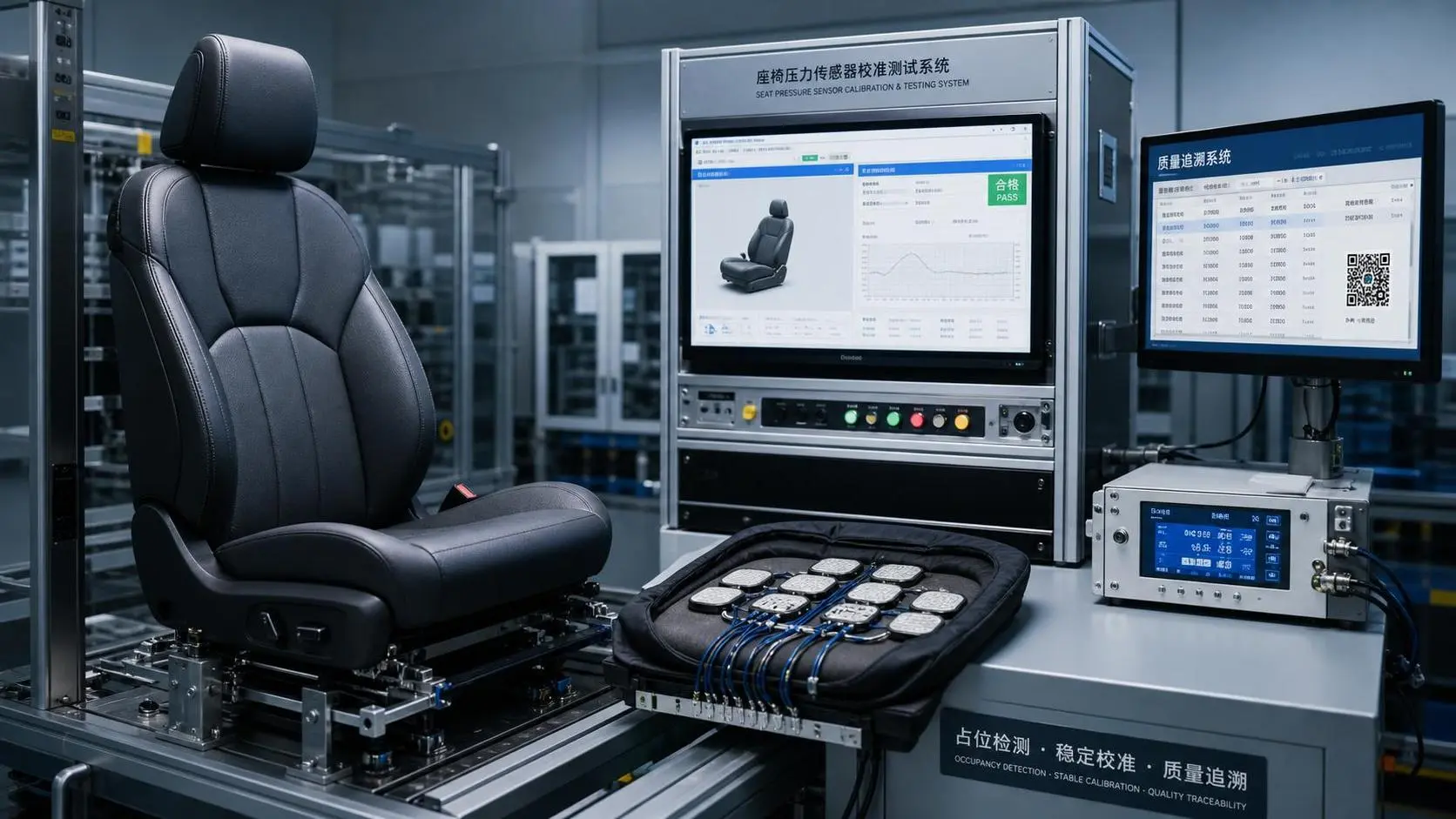
How to Evaluate a Seat Sensing Systems Factory for Automotive Safety Programs
Seat sensing systems factory selection goes beyond price. Learn how to assess quality control, validation, PPAP readiness, and long-term supply reliability for safer automotive programs.
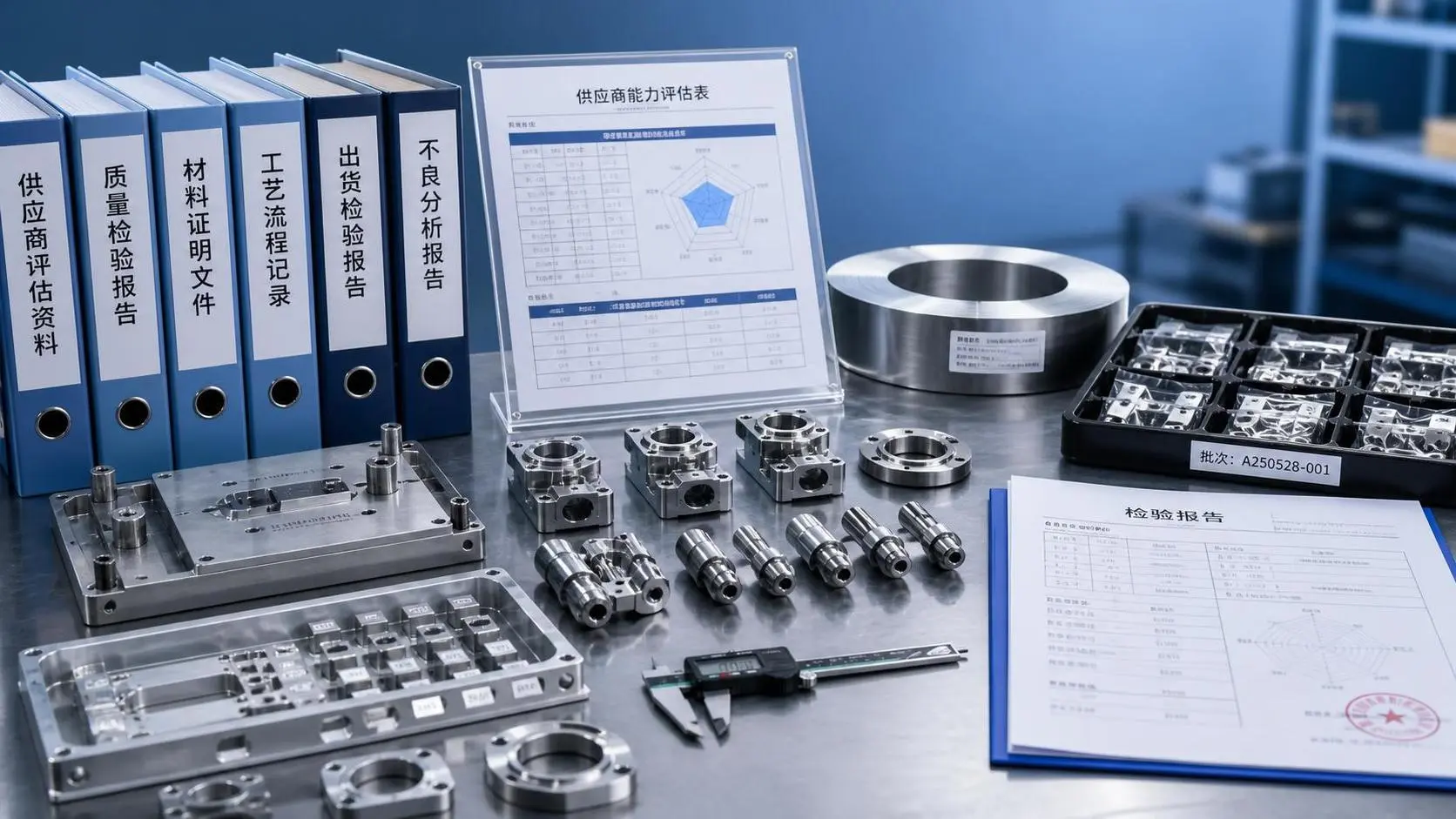
Supplier Capability Evaluation Process: Key Criteria for B2B Sourcing Decisions
Supplier capability evaluation process explained: learn the key criteria for B2B sourcing decisions, reduce supplier risk, and choose partners with confidence.
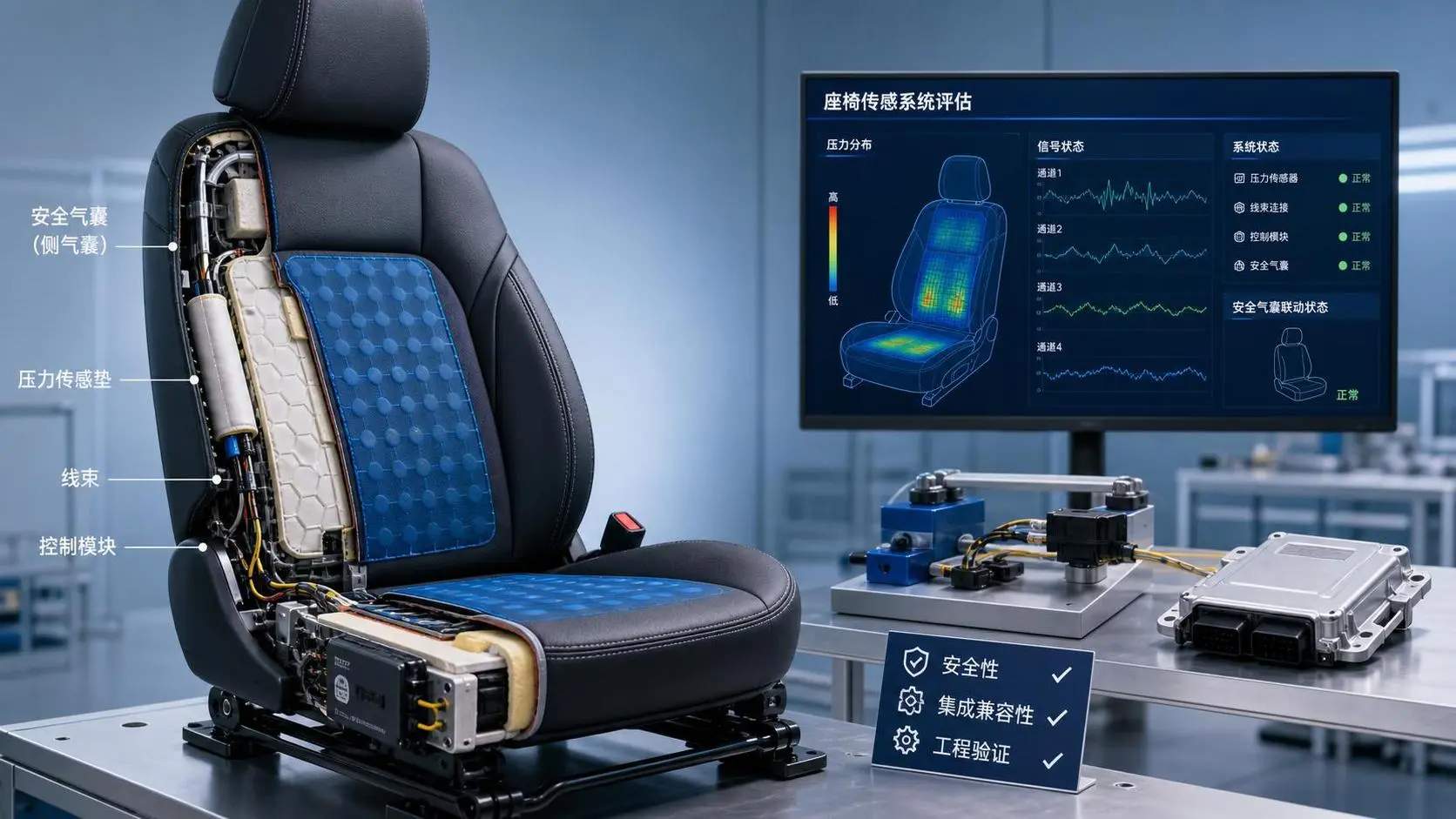
How to Evaluate a Seat Sensing Technology Supplier for Safety and Integration?
Seat sensing technology supplier evaluation guide: compare safety maturity, integration fit, algorithm reliability, and validation support to choose a partner that reduces risk.
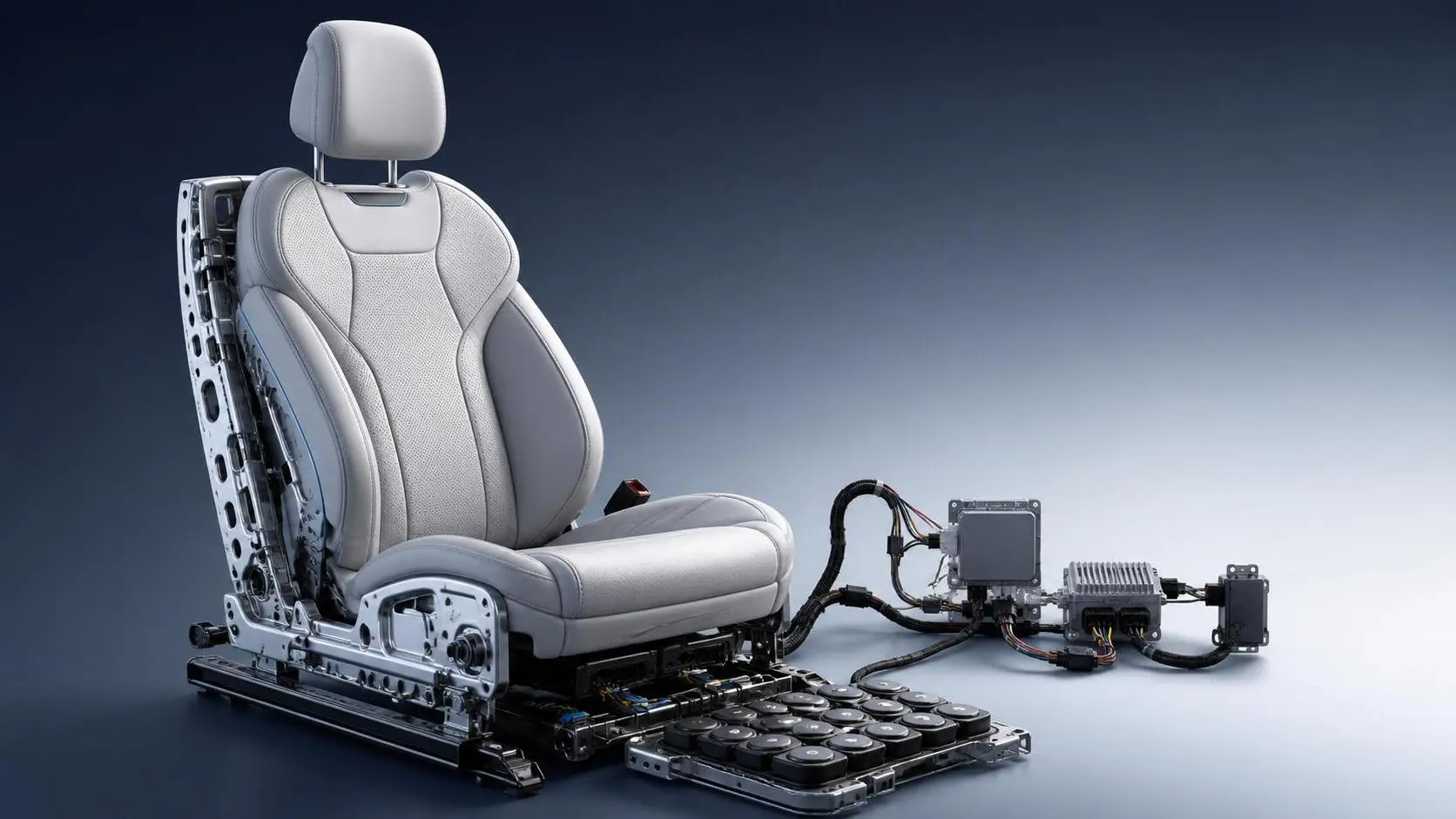
How to Evaluate Custom Smart Automotive Seating for Premium Vehicle Programs?
Custom smart automotive seating evaluation starts with safety, comfort, integration, and production readiness. Discover how premium vehicle teams choose smarter, lower-risk seat solutions.
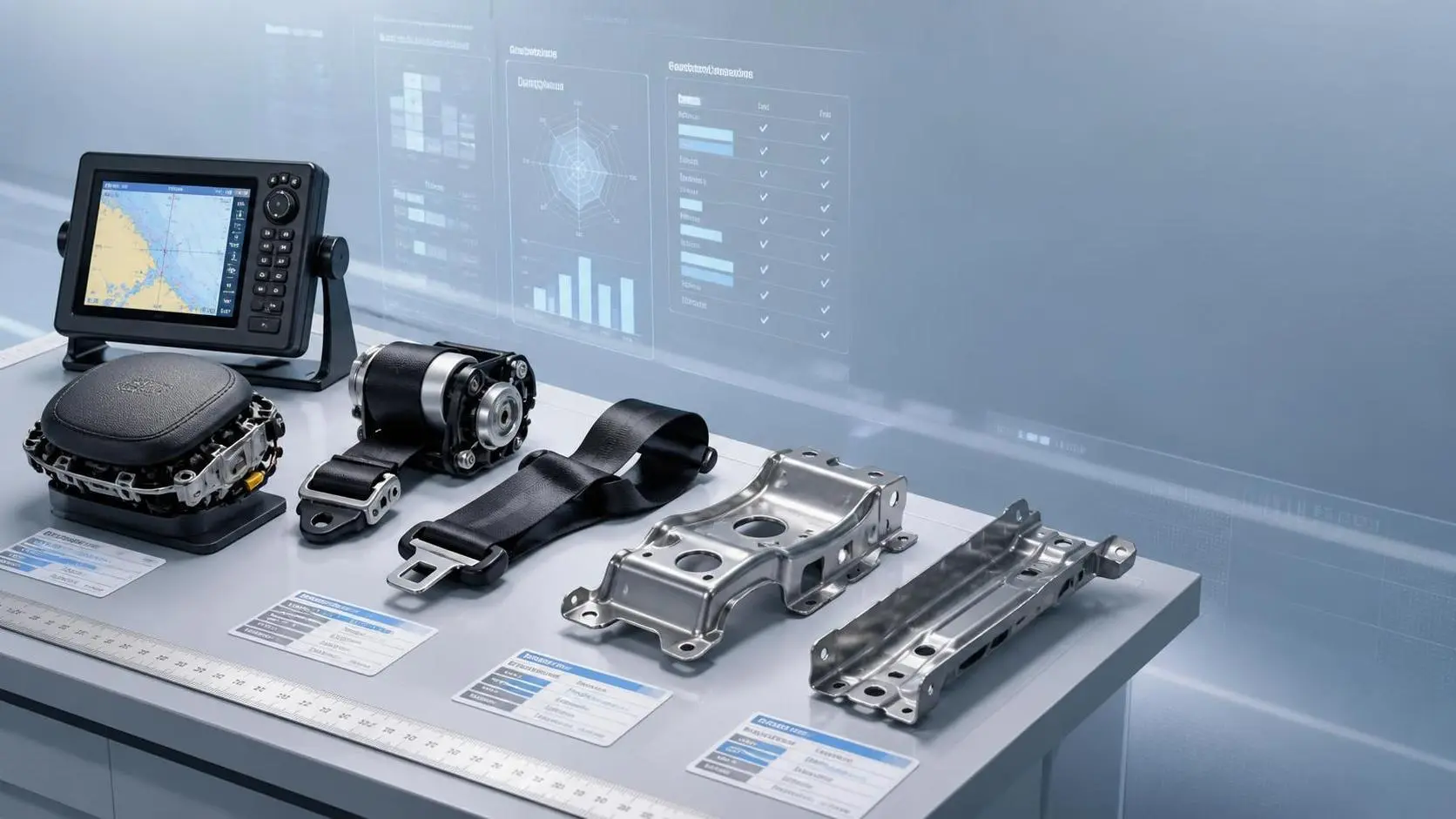
B2B Product Intelligence Platforms: How to Compare Features, Data Coverage, and ROI
B2B product intelligence platform comparison: learn how to evaluate data coverage, feature depth, compliance visibility, and ROI to choose a sourcing tool that reduces risk and speeds decisions.
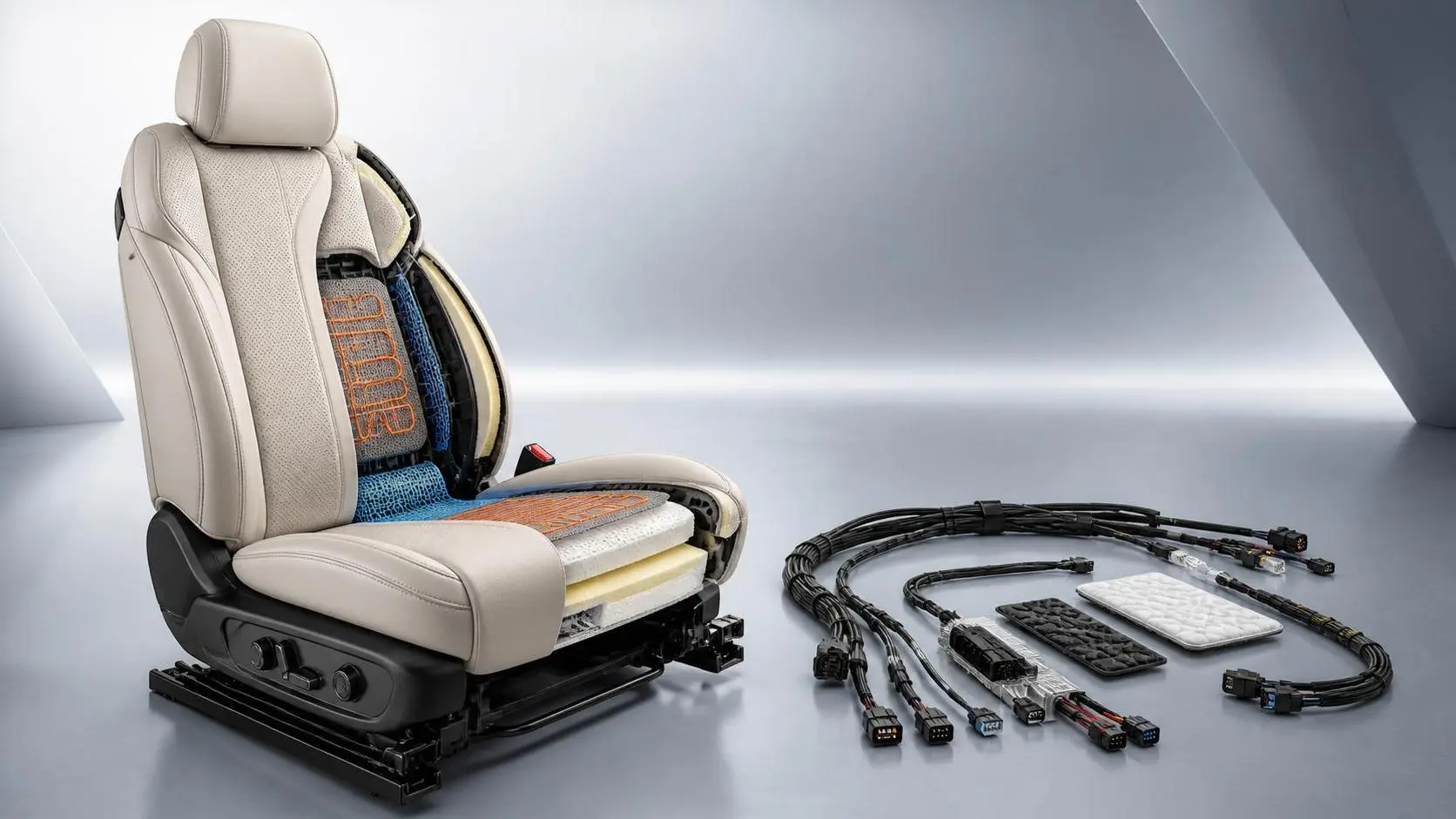
Climate Control Seats Cost: What Drives Price and Long-Term Ownership Value?
Climate control seats cost depends on materials, thermal tech, and integration. Learn what drives price and how to judge long-term value before you buy.
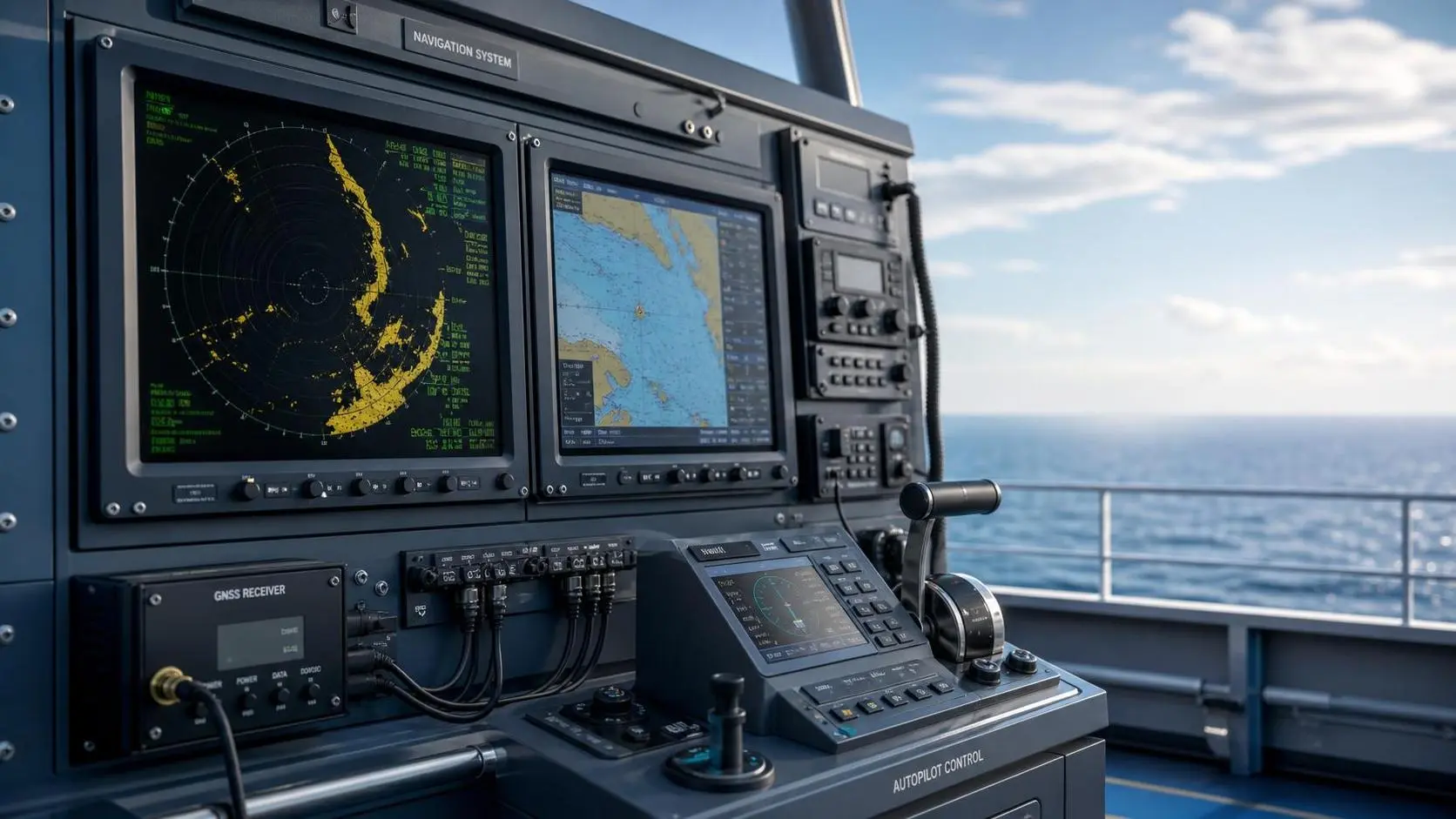
What Factors Drive Marine Navigation Components Cost in Commercial Vessel Projects?
Marine navigation components cost is shaped by integration, compliance, installation, and lifecycle support. Discover what drives pricing and how buyers can reduce risk while improving value.
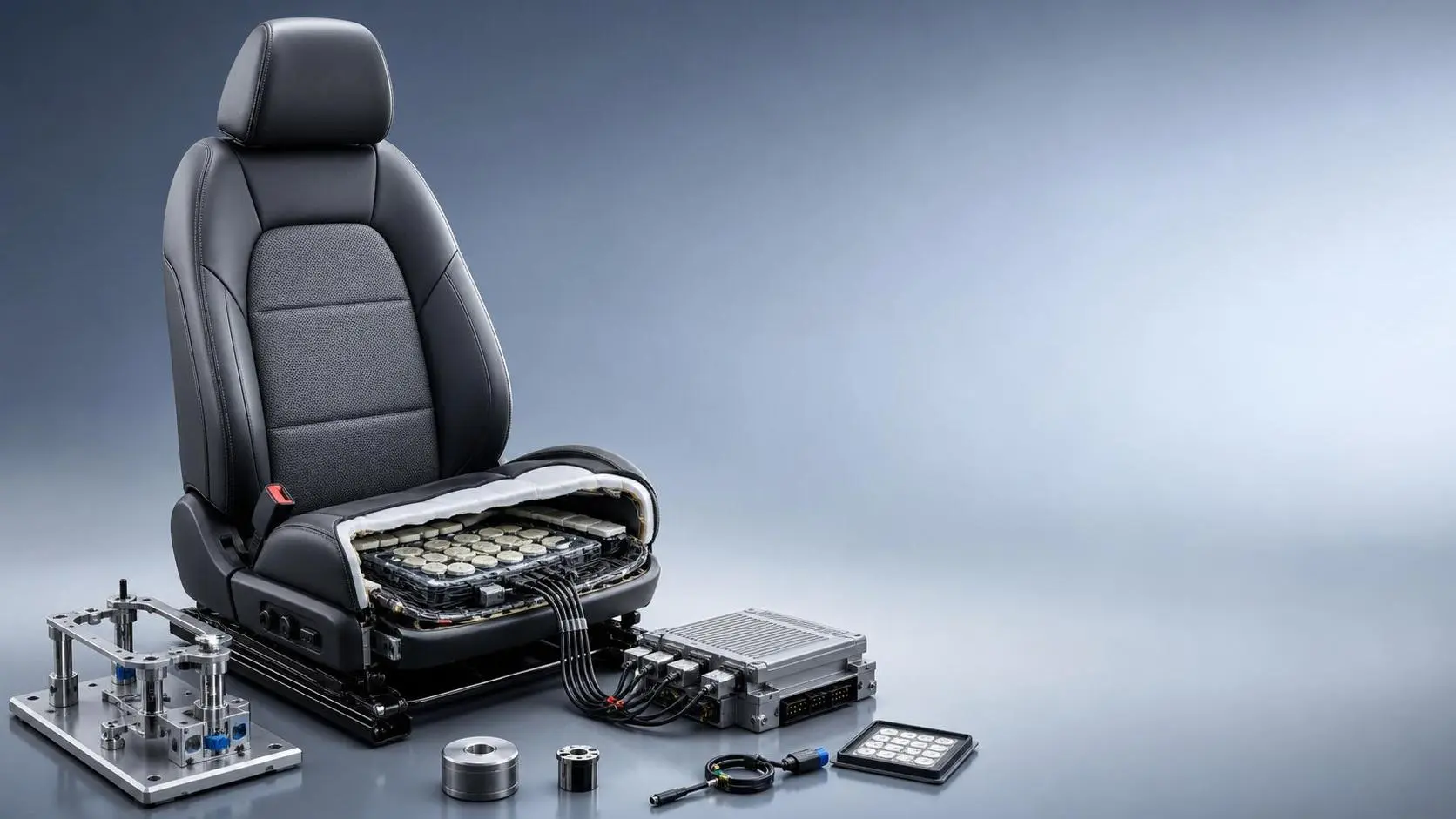
How Much Does Seat Occupancy Sensing Cost? Key Pricing Factors for Buyers
Seat occupancy sensing price varies widely by technology, integration, and compliance needs. Learn the key cost drivers, avoid hidden fees, and make smarter buying decisions.
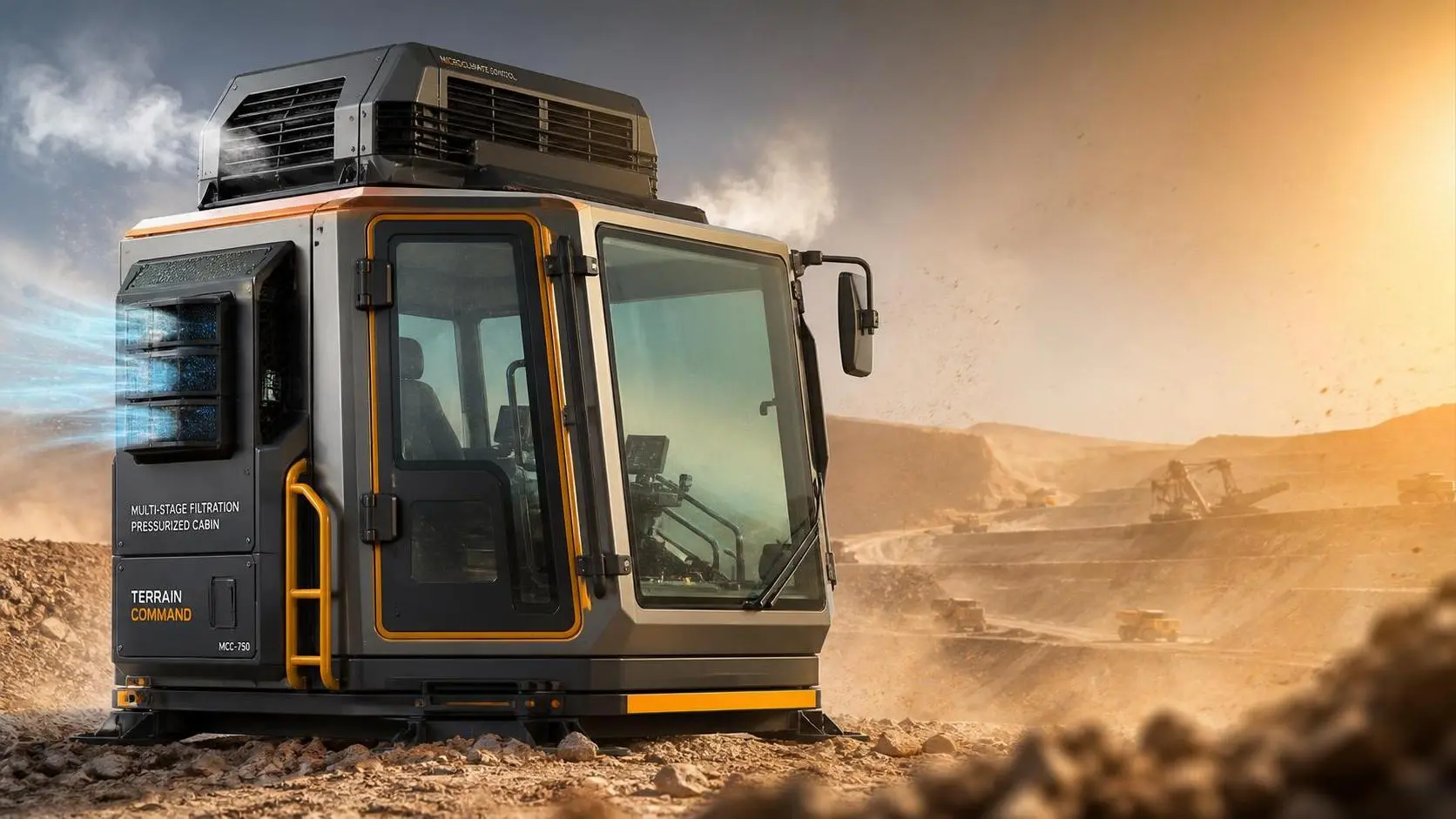
How to Specify Micro-Climate Control Cabins for Harsh Outdoor Worksites?
Micro-climate control cabins for harsh outdoor worksites: learn how to specify thermal control, filtration, pressurization, and durability for safer uptime and smarter buying.
Related News
- 00
0000-00
Zero-Casualty Mobility in Practice: Safety Strategies, System Design, and Deployment Challenges - 00
0000-00
Digitalized Mobility Equipment vs Conventional Systems: Where the Cost Difference Comes From - 00
0000-00
How automotive crash protection is changing in 2026 - 00
0000-00
Why are non-toxic propellants gaining ground in new programs? - 00
0000-00
Can zero-casualty mobility move beyond industry talk
Weekly Insights
Stay ahead with our curated technology reports delivered every Monday.